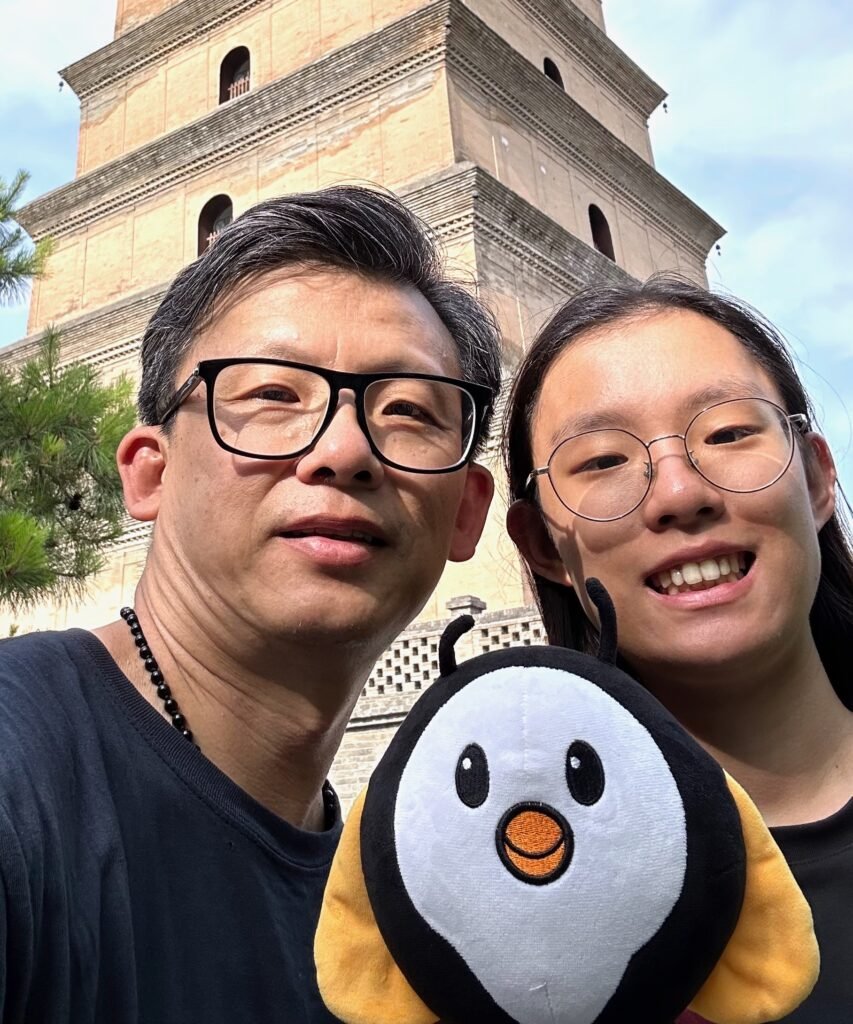
Most travel journeys begin with a destination.
Ours began with a question.
How can I help my daughter become a curious, independent learner who understands the world beyond textbooks?
That question eventually led us back to China—again and again.
Today, ChinaTravelBug is much more than a travel blog.
It is the story of a father intentionally using PURPOSEFUL TRAVEL as part of his daughter’s self-directed learning journey—while inviting readers from around the world to DISCOVER and UNDERSTAND China alongside us.
Because I have always believed that travel can be far more than a holiday.
Done with purpose, it becomes one of life’s greatest classrooms.
The Chinese have long expressed this beautifully through the proverb:
读万卷书,不如行万里路
“Reading ten thousand books is not as valuable as travelling ten thousand miles.”
I have always loved the wisdom behind those words.
Not because books are unimportant.
Far from it.
Books prepare us to recognise what we are seeing.
Travel transforms that knowledge into lived experience.
Together, they help us UNDERSTAND the world in a much deeper way.
That simple philosophy eventually became the foundation of ChinaTravelBug.
Our story didn’t begin with a grand plan.
It began with a simple family holiday.
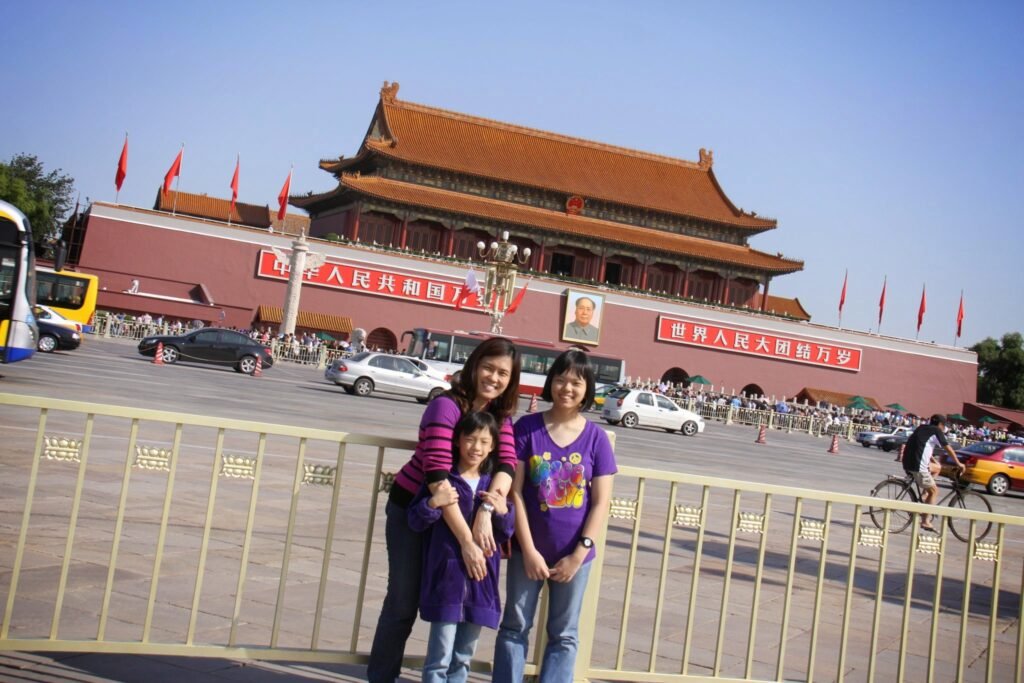
In 2013, I brought my eight-year-old daughter, Elaine, and family to Beijing for the very first time.
Like many first-time visitors, we stood on the Great Wall, explored the Forbidden City (紫禁城), wandered through the bustling streets of Wangfujing (王府井), and spent an afternoon at Beijing Zoo.
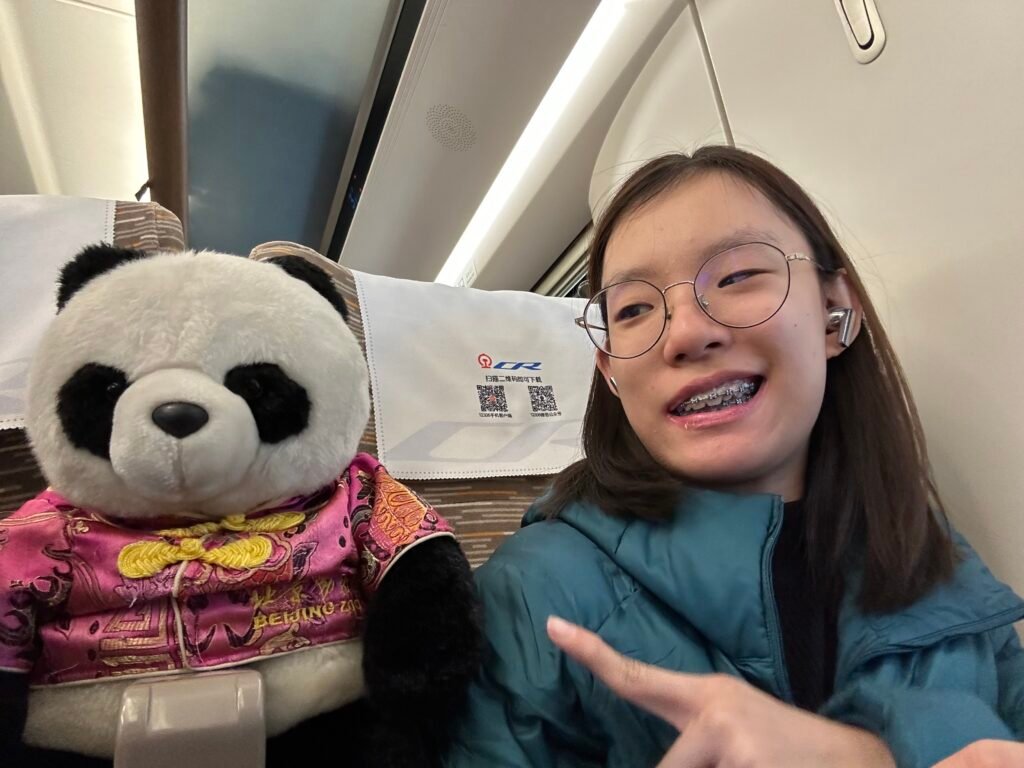
Before we flew home, Elaine chose a little panda soft toy as a souvenir.
At the time, it was simply a soft toy that reminded her of Beijing Zoo.
Neither of us imagined that years later, we brought Panda back to his home, Beijing China with us on future journeys, eventually becoming one of the familiar companions readers now meet throughout ChinaTravelBug.
Sometimes, the smallest souvenirs become part of life’s biggest stories.
Looking back, I realise that first trip planted a seed that neither of us could yet see.
Not simply a journey across China. Not simply a journey through history.
But the beginning of a father-and-daughter journey of learning and discovery.
Friends occasionally ask us,
“Why do you keep going back to China?”
It’s a fair question. After all, the world is filled with incredible places waiting to be explored.
Our answer has never been about ticking destinations off a bucket list.
It has always been about continuing a story.
Every journey answered a few questions while creating many more.
Beijing helped us appreciate imperial China.
Xi’an opened the door to the Qin, Han and Tang dynasties.
Baoji and Zhouyuan took us even further back, to the birthplace of Zhou civilisation.
Hancheng introduced us to Sima Qian, the great historian whose writings still shape how China remembers its past.
Yuncheng connected ancient legends with real landscapes we could actually stand upon.
Slowly, individual destinations stopped feeling like separate trips.
Instead, they became connected chapters in one remarkable civilisation that has been unfolding for thousands of years.
The more we travelled, the more we realised that understanding China could never be accomplished in a single visit.
And that was exactly what made us want to return.
As Elaine grew older, her education began taking a different path.
She eventually left the conventional school system and embarked on a self-directed learning journey.
Like many parents, I found myself asking an important question:
If learning no longer happens only inside a classroom, where else can it happen?
The answer didn’t come from an education conference or a parenting book.
It came from our travels.
Almost without realising it at first, I began deliberately planning our journeys as learning experiences rather than simply family holidays. China became the perfect classroom.
Not because it is the only country worth exploring, but because Elaine had already developed a genuine interest in Chinese language, history and culture.
Instead of only reading about Chinese civilisation, I wanted her to experience it.
Museums became classrooms.
Ancient city walls became history lessons.
Archaeological sites became opportunities to ask questions that no textbook could fully answer.
Breakfast markets became windows into everyday life.
High-speed rail journeys became moving geography lessons, revealing the astonishing scale and diversity of China.
Conversations with museum curators, local guides, homestay hosts became lessons in culture, kindness and perspective.
Those experiences convinced me of something I had long believed:
Knowledge becomes far more meaningful when it is experienced.
Perhaps that is exactly what the ancient Chinese proverb was trying to teach us all along.
I have always been curious about the world.
Why do countries develop differently? How do history, culture, people and ideas shape societies?
Those questions eventually led me to study at the National University of Singapore (NUS), where I majored in Political Science and Psychology, with studies in Economics and Malay Studies.
But university was only the beginning.
If anything, it made me realise how much there still was to learn.
Over the years, I became especially interested in understanding China.
Not only modern China—its remarkable transformation over recent decades—but the much deeper question:
How did thousands of years of history shape the China we see today?
And perhaps even more fascinating,
How does China’s past continue to influence its future?
Those questions eventually became the questions behind ChinaTravelBug.
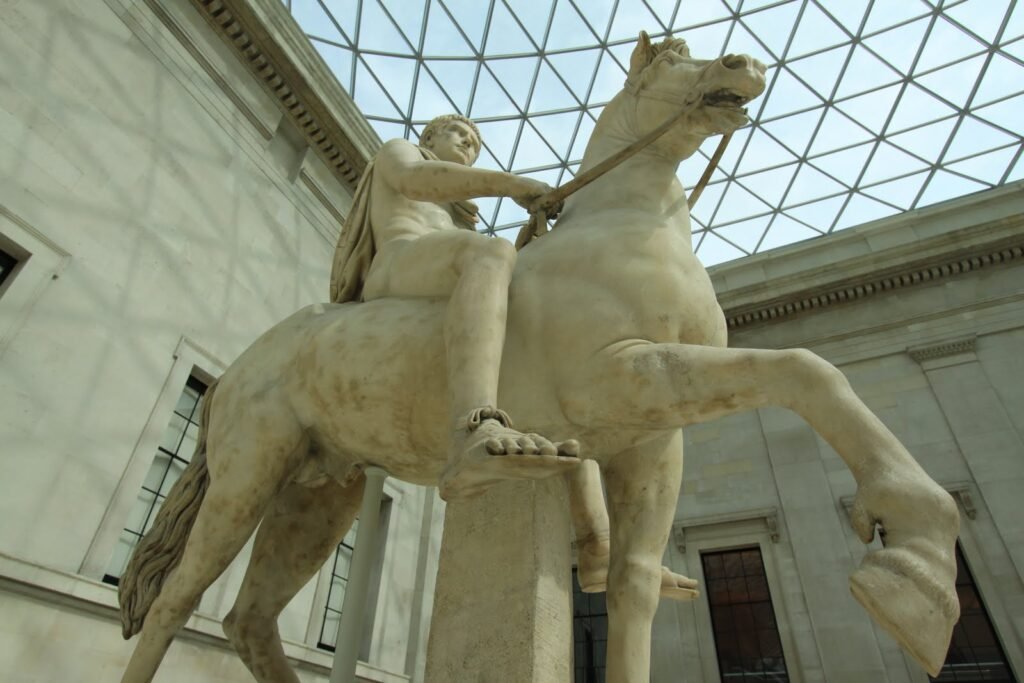
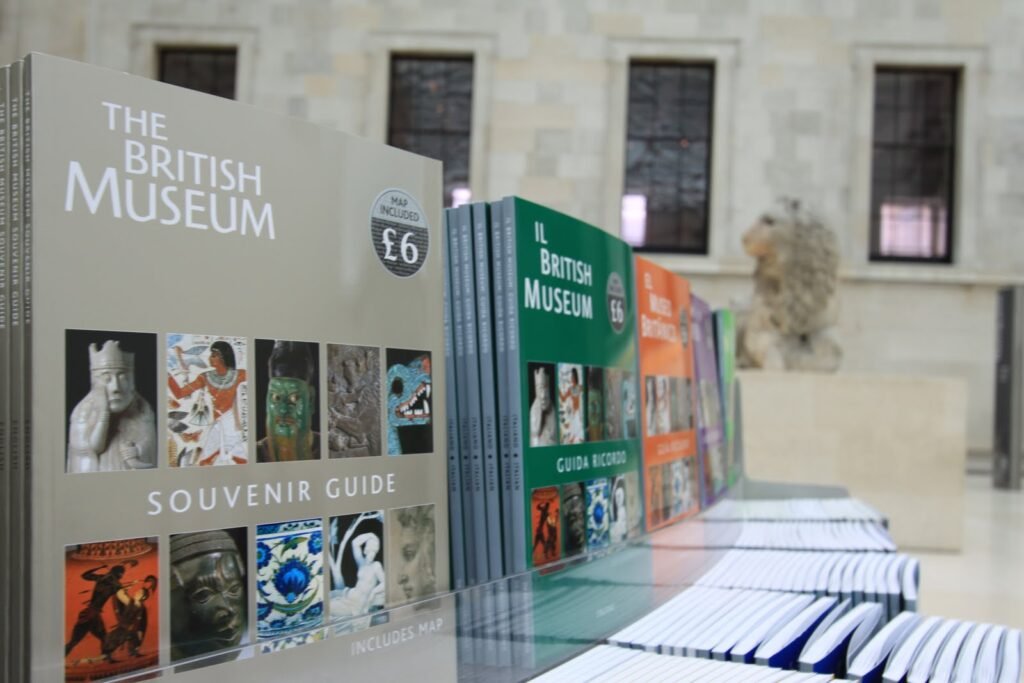
Long before ChinaTravelBug existed, I was fortunate to travel to several remarkable cities around the world.
London. Paris. Amsterdam. Istanbul.
Each journey left an impression on me But not because of the famous landmarks alone.
The places I remembered most were the ones whose stories I understood.
Walking through London wasn’t simply visiting another old city.
It was seeing centuries of monarchy, empire, trade and change unfolding through its streets.
Paris became much more than elegant architecture.
It became a city shaped by revolution, art, philosophy and ideas that influenced the world.
Amsterdam revealed stories of exploration, commerce and a people who literally learned to live with water.
Gradually, I realised something.
History isn’t trapped inside textbooks.
It surrounds us. It lives in streets.
Buildings.
Museums.
Neighbourhoods.
Markets.
And in the ordinary lives of ordinary people.
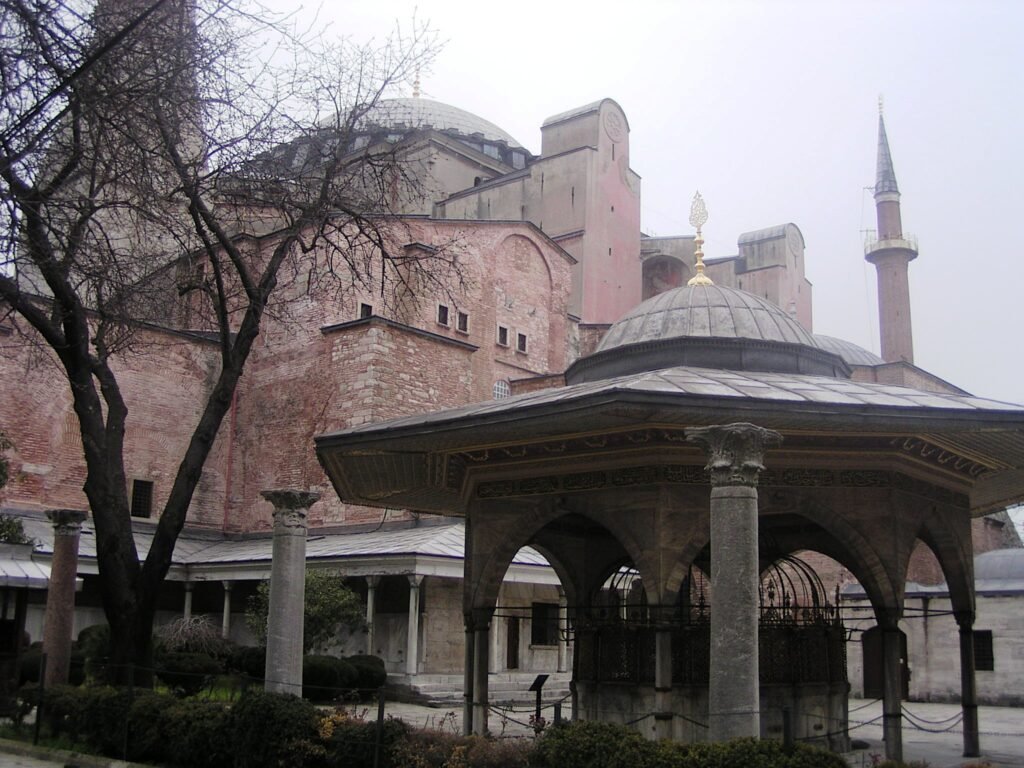
Of all those journeys, one experience shaped ChinaTravelBug more than any other.
It happened in Istanbul.
Istanbul is one of history’s great crossroads.
For thousands of years, empires, religions, cultures and civilisations met there.
Yet during my first visit, I made a mistake.
I arrived without understanding enough of its story.
I admired magnificent buildings. I wandered through historic streets.
I filled my camera with photographs.But I didn’t fully appreciate what I was actually seeing.
Only after returning home and reading more deeply about Istanbul’s history did I realise how much I had missed.
Those weren’t simply beautiful buildings.
They were witnesses to centuries of human history.
That experience stayed with me for years.
It taught me something I have never forgotten.
The more we understand before we travel, the more meaningful the journey becomes.
That lesson would later shape every trip Elaine and I made together.
I didn’t want China to become just another collection of photographs.
I wanted it to become a journey of UNDERSTANDING.
Instead of simply saying,
“Here’s the Great Wall.”
or
“Here’s the Forbidden City.”
I wanted us to ask:
Who built this?
Why was it built?
What story does this place tell?
Because once you understand the story…
you don’t simply visit a place.
You EXPERIENCE it.
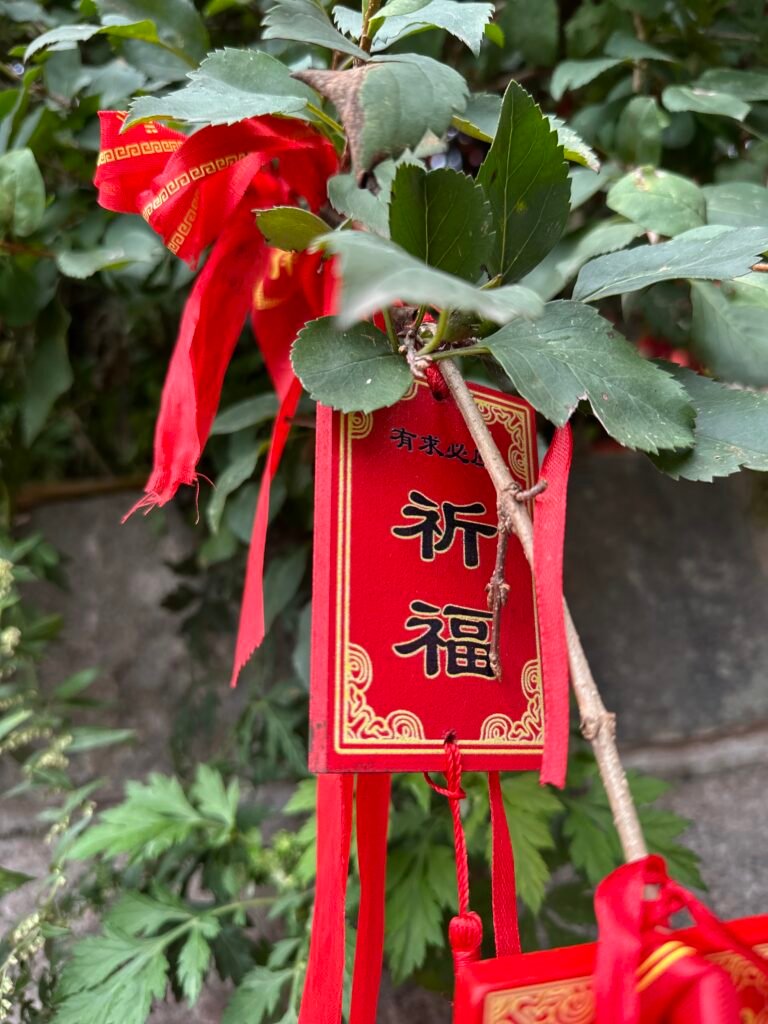
That lesson also changed the way I used my camera.
Photography stopped being about proving that I had been somewhere.
Instead, it became a way of remembering stories.
Of course, I still enjoy photographing famous landmarks.
But increasingly, I found myself pointing my camera towards different things.
Museum exhibits. Ancient inscriptions. Old streets. Morning markets.
Traditional craftsmen. Quiet moments between destinations.
Sometimes even Elaine, standing quietly in front of an information board, completely absorbed in reading.
Those became some of my favourite photographs.
Because they remind me of something much deeper than a location.
They remind me of DISCOVERY.
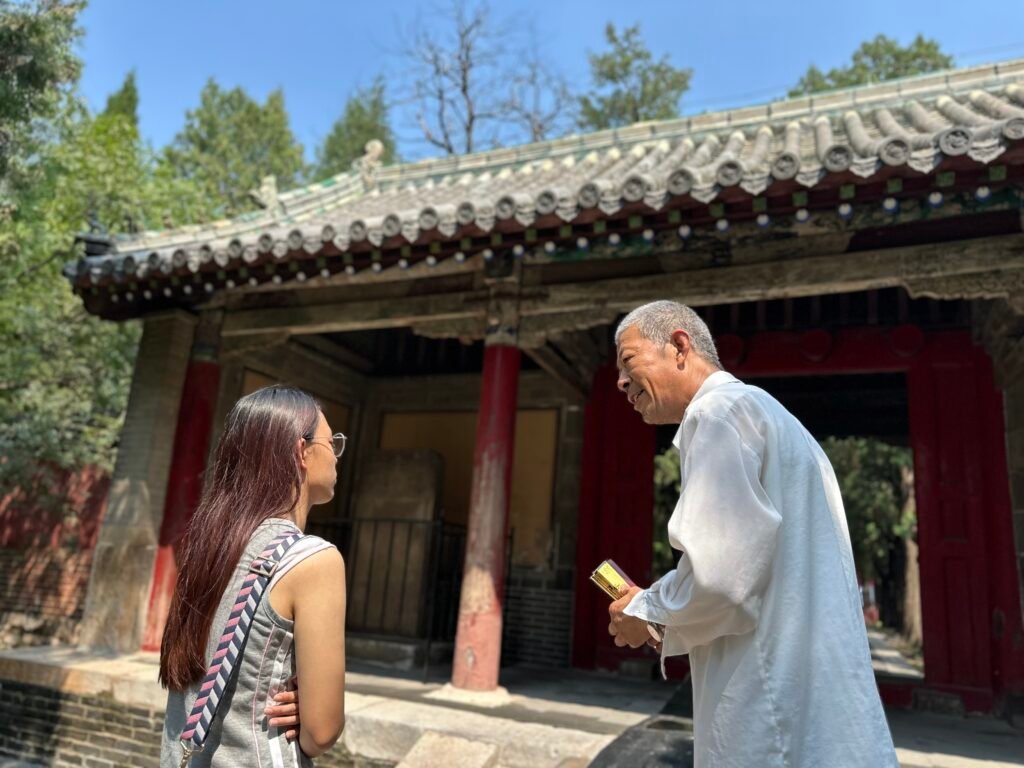
Whenever I look back at our travel albums, I don’t simply remember where we were.
I remember the conversations we had.
The questions we asked. The connections we made. The lessons we learned together.
The photographs I treasure most are no longer the ones that say,
“We were here.”
They are the ones that quietly ask,
“What happened here?”
“Why does this place matter?”
Those are the photographs that eventually found their way into ChinaTravelBug.

If the Istanbul journey shaped the way I travelled, Elaine’s learning journey shaped why we travelled.
Elaine has always been curious.
Not the kind of curiosity that simply accepts an answer.
The kind that keeps asking,
“Why?”
“How?”
“What happened next?”
She has always learned best when something genuinely captures her imagination.
As she grew older, it became increasingly clear that the traditional classroom wasn’t the environment where she learned most naturally.
Eventually, Elaine embarked on a self-directed learning journey.
As her father, I never saw that as a disadvantage.
I saw it as an opportunity.
Instead of trying to recreate a classroom at home, I wanted to create experiences that encouraged curiosity, independence and confidence.
Sometimes that meant asking her to build something with her own hands.
One memorable project was assembling her own desktop computer from individual components.
The objective was never simply to build a computer.
It was to discover how things worked.
To solve problems. To make mistakes. To persist.
And eventually experience the satisfaction of saying,
“I figured it out.”
That same philosophy naturally found its way into our travels.
Instead of trying to teach Elaine everything about China before we left home, I wanted China itself to become one of her teachers.
We prepared before each journey.
We read.
We watched documentaries.
We built timelines.
We asked questions.
Then we travelled.
And something wonderful began to happen.
Museums stopped feeling like museums.
They became classrooms.
Ancient city walls became history lessons.
Archaeological sites transformed names and dates into real places we could walk through together.
Breakfast markets became lessons about local culture.
High-speed trains became geography classes stretching across an enormous country.
Conversations with museum staff, local guides, taxi drivers, restaurant owners and homestay hosts became lessons in people, kindness and perspective.
Perhaps the greatest surprise was that I wasn’t simply watching Elaine learn.
I was learning alongside her.
Many of our best conversations happened after leaving a museum rather than inside it.
Sometimes they happened while wandering through an old street.
Sometimes over breakfast.
Sometimes during a long train journey to our next destination.
Those conversations became just as valuable as the places themselves.
Looking back now, I realise I wasn’t simply planning family holidays anymore.
I was intentionally creating opportunities for discovery.
China became one of Elaine’s greatest classrooms.
And without either of us expecting it, those shared experiences became the foundation upon which ChinaTravelBug would eventually be built.

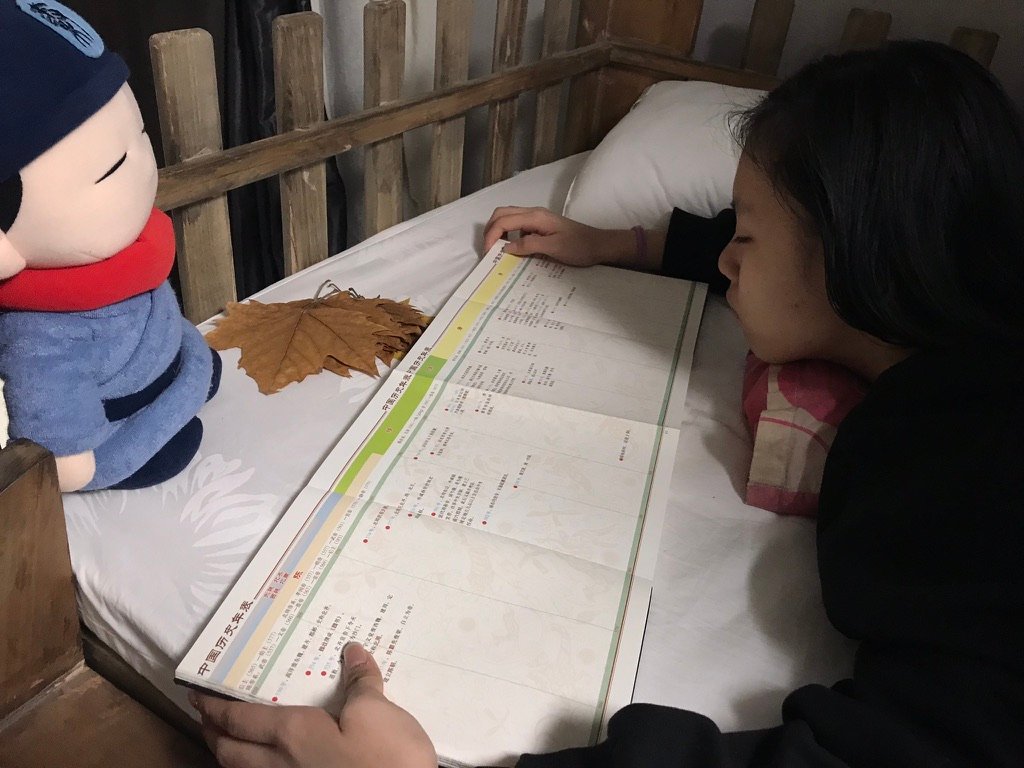
One of the first projects I gave Elaine wasn’t about travel at all.
It was a simple challenge.
“Why not create your own timeline of Chinese emperors?”
At first, it was just another self-directed learning project.
As she researched, Elaine slowly began connecting dynasties, emperors, historical figures, important events and the places where those events happened.
Names gradually became stories.
Stories gradually became questions.
And those questions naturally led to another idea.
What if we could visit some of these places ourselves?
That simple project quietly transformed the way we travelled.
Instead of simply planning another holiday, we began planning learning journeys.
The timeline gave meaning to the destinations.
And the destinations brought the timeline to life.
Suddenly, history was no longer something confined to books.
It became something we could actually EXPERIENCE.
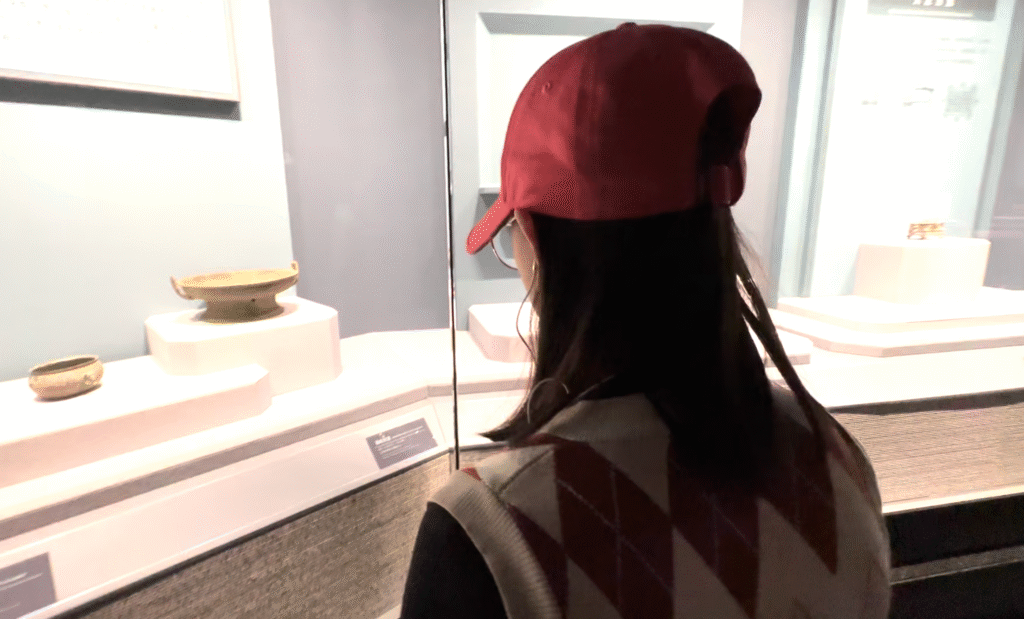
One of the greatest joys of travelling through China has been watching history come alive.
Museums stopped feeling like buildings full of old objects.
They became places where questions were answered—and where even better questions were discovered.
Standing in front of an ancient bronze vessel is very different from seeing a photograph of it in a textbook.
Walking along Xi’an’s ancient City Wall is very different from simply memorising that the Tang Dynasty once flourished there.
Reading about the Terracotta Army is one thing.
Standing quietly before thousands of life-sized soldiers is something else entirely.
History suddenly becomes real.
One of my greatest hopes was never for Elaine to memorise every emperor or every date.
Those details can always be looked up.
What mattered far more was helping her UNDERSTAND the bigger picture.
How one dynasty influenced another.
How geography shaped civilisation.
Why cities developed where they did.
How ordinary people lived.
How ideas travelled.
How China’s remarkable story continues to influence the country we see today.
Those are lessons that become much easier to understand when you are standing where history actually happened.
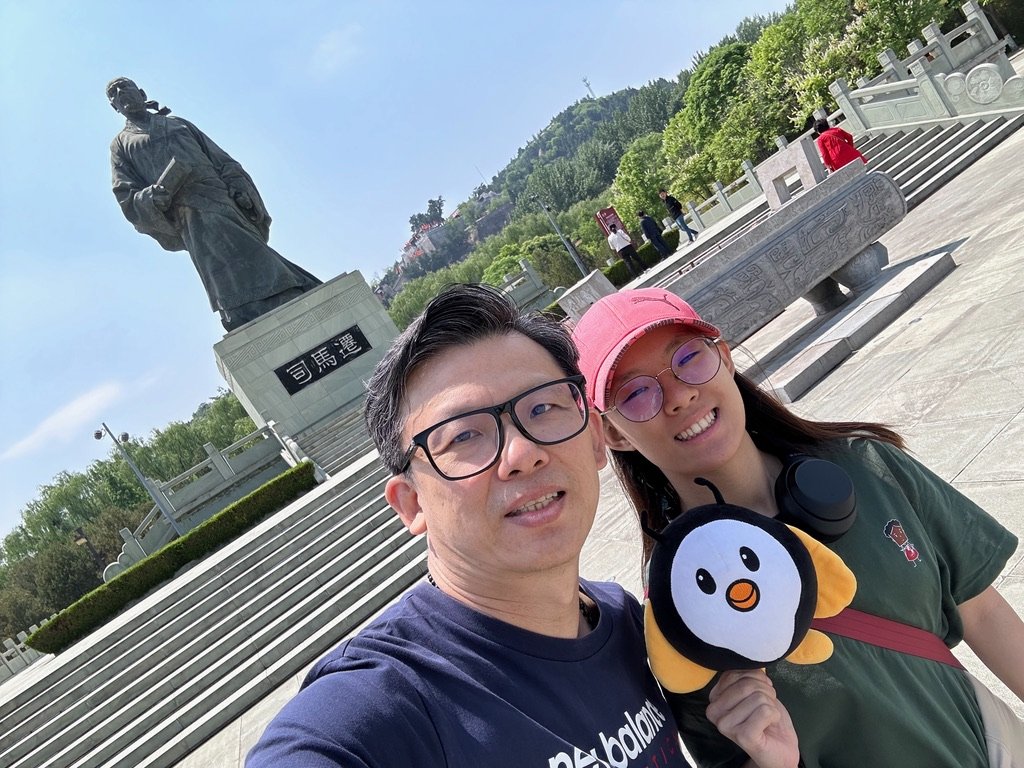
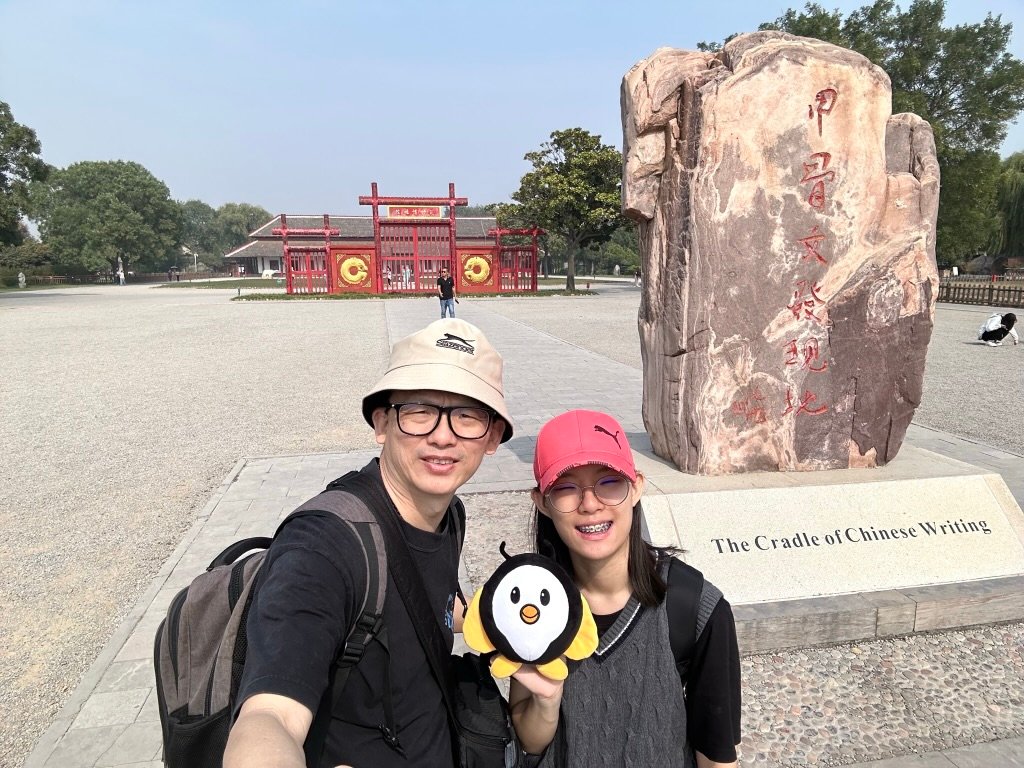
As our journeys continued, our itineraries began changing.
Of course, we still enjoyed visiting famous places.
The Great Wall.
The Forbidden City.
The Terracotta Army.
Every first-time visitor should EXPERIENCE them.
But increasingly, we found ourselves drawn towards places that many international visitors have never heard of.
Baoji (宝鸡), where some of the earliest chapters of Chinese civilisation unfolded.
Zhouyuan (周原), the birthplace of Zhou culture and political thought.
Hancheng (韩城), home of the great historian Sima Qian (司马迁).
Yuncheng (运城), where history, legend and archaeology intersect in fascinating ways.
Small county museums.
Archaeological sites.
Quiet memorial halls.
Ancient city gates.
Morning markets.
Old neighbourhoods.
These places rarely appear on bucket lists.
Yet they often helped us UNDERSTAND China far more deeply than many famous landmarks.
The more we travelled, the more we realised something surprising.
China isn’t one story.
It is thousands of interconnected stories.
Every destination answers one question while raising another.
And that is exactly what keeps drawing us back.
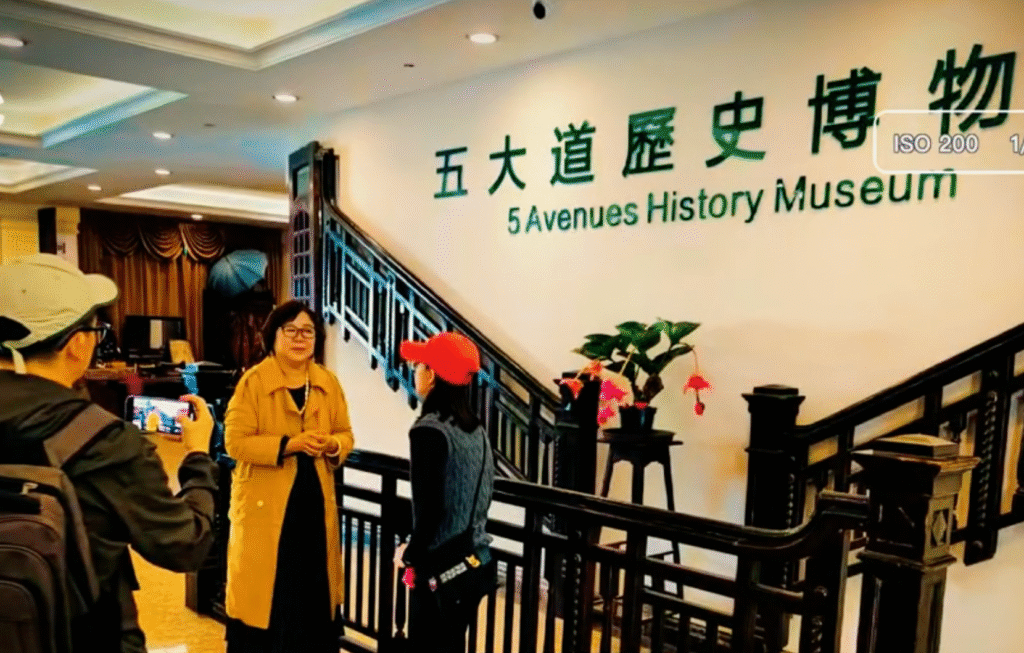
Some of our most memorable experiences never happened inside famous attractions.
They happened because of people.
Over the years, we have been incredibly fortunate to meet museum staff, local guides, taxi drivers, restaurant owners and ordinary residents who shared their stories and perspectives.
Sometimes a short conversation completely changed the way we understood a place.
Sometimes a museum curator patiently answered Elaine’s endless questions.
Sometimes a local recommendation led us to somewhere we would never have discovered ourselves.
Those moments reminded us that understanding a country isn’t only about monuments.
It begins with its people.
Travel slows us down.
Conversations deepen our UNDERSTANDING.
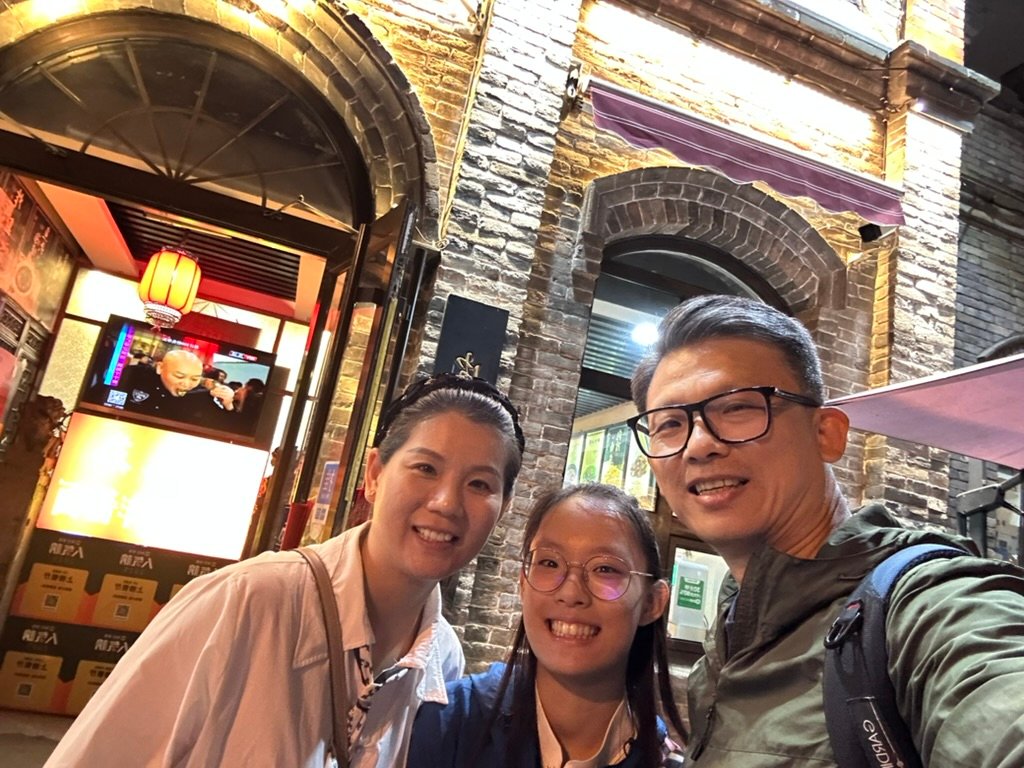
One lesson I have always hoped to pass on to Elaine is that travel should never simply be about collecting destinations.
It should also be about appreciating people.
Whenever possible, we enjoy staying in family-run homestays rather than anonymous hotels.
Because they allow us to EXPERIENCE everyday life a little more closely.
Over time, some of those hosts became friends.
Those reunions reminded both of us that meaningful travel is measured not only by the places we visit, but also by the relationships we build along the way.
I hope that is one lesson Elaine will carry with her long after our China journeys have ended.
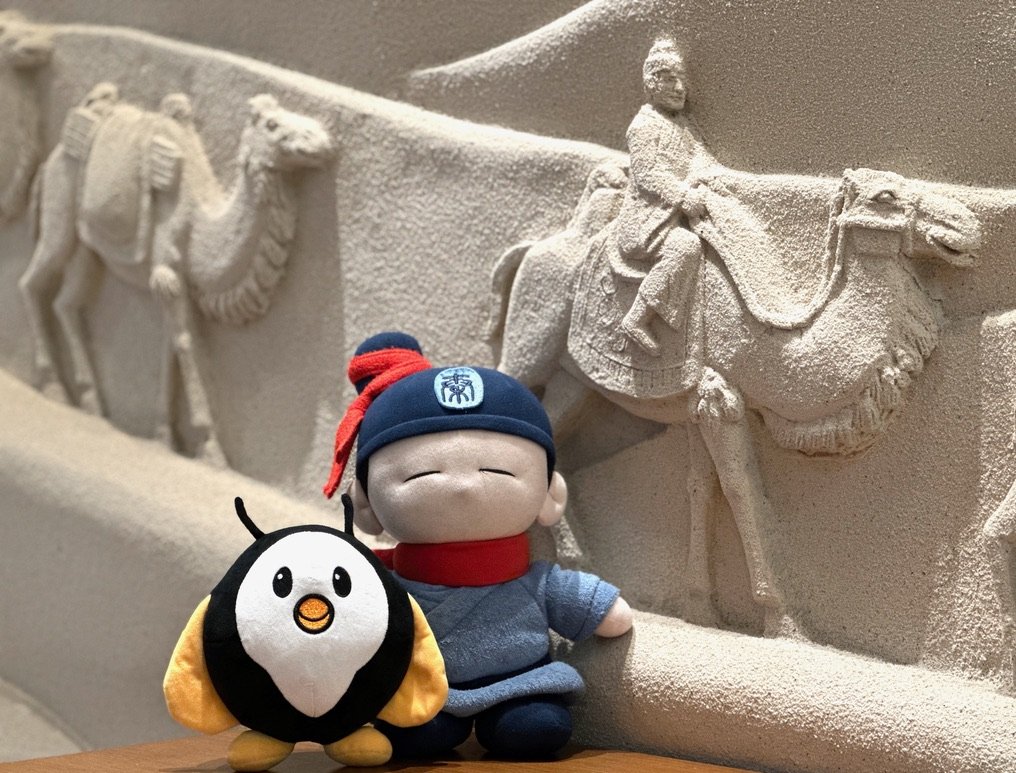
Along the way, our travels picked up a few unexpected companions.
It started quite innocently.
During our first Beijing trip, Elaine chose a little Panda to bring home from Beijing Zoo.
A few years later, another journey introduced Bing Ma Zai, our cheerful little Terracotta Warrior from Xi’an.
Neither of them was bought with the intention of becoming part of a travel website.
They were simply souvenirs that reminded Elaine of happy memories.
Then came Cheers.
Unlike Panda and Bing Ma Zai, Cheers wasn’t bought during a trip.
He was created especially for ChinaTravelBug.
He represents something that has always been at the heart of our family journeys:
Curiosity.
Cheers asks the questions many readers are probably thinking.
“Why is this place important?”
“What happened here?”
“Why should I care?”
Panda proudly introduces readers to Beijing.
Bing Ma Zai shares stories from Xi’an and the Qin, Han and Tang dynasties.
Together, they remind us that LEARNING should never lose its sense of FUN.
Because curiosity has always been the greatest travelling companion we could ever ask for.
It’s inviting readers to become curious enough to begin their own journey of understanding.
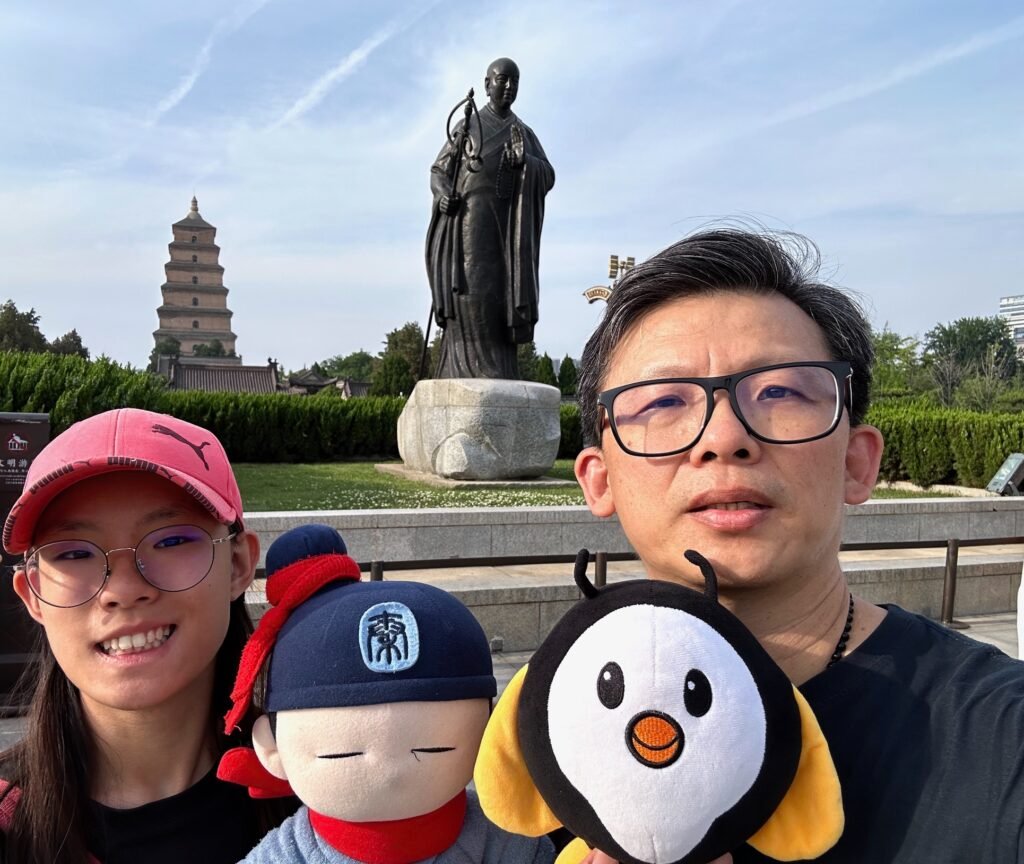
Many people know China’s famous places.
The Great Wall.
The Forbidden City.
The Terracotta Warriors.
Shanghai’s skyline.
The pandas in Chengdu.
They are all wonderful places to visit.
But over the years, Elaine and I DISCOVERED that China’s greatest treasures are often not the famous landmarks themselves.
They are the stories behind them.
Behind every ancient city wall is a story about the people who built it.
Behind every archaeological site is a civilisation trying to solve the challenges of its own time.
Behind every museum object is someone’s life.
A family.
An emperor.
A craftsman.
A farmer.
A soldier.
A scholar.
History is no longer simply about kings and dynasties.
It becomes a story about people.
Perhaps that is why we keep returning.
The more we UNDERSTAND China, the more we realise how much there is still to DISCOVER.
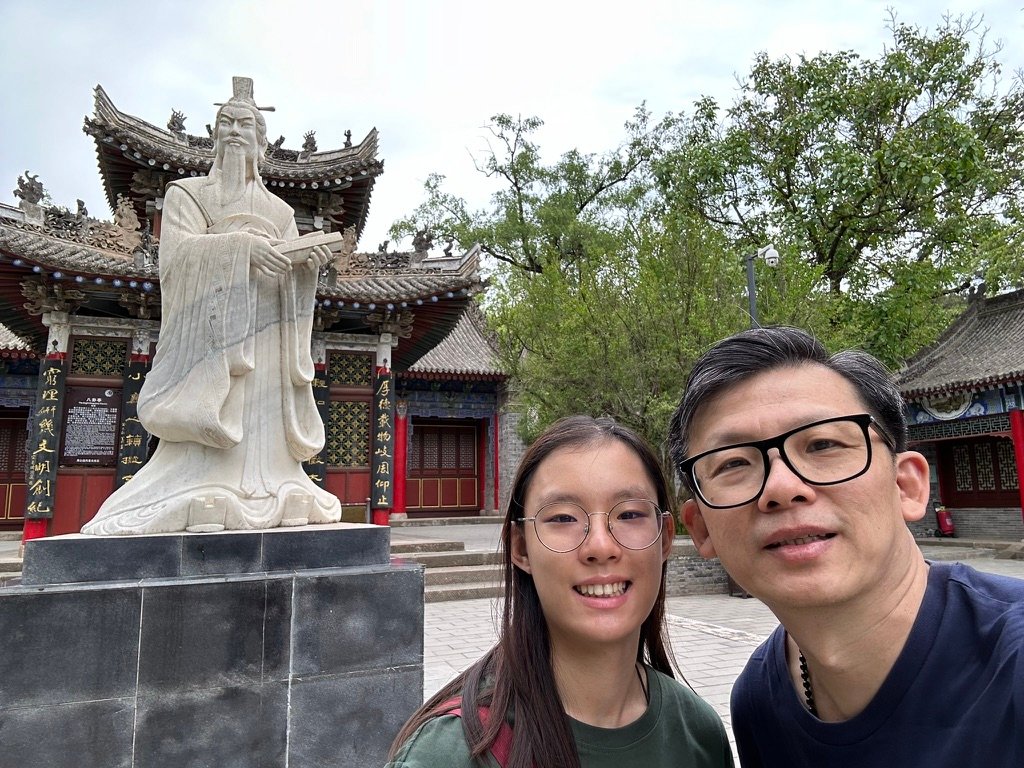
People sometimes ask me,
“So… is ChinaTravelBug a travel blog?”
Yes.
But not in the traditional sense.
Of course, we share practical travel guides.
We recommend museums.
We introduce local food.
We explore historical sites.
We photograph beautiful places.
But those things are only part of the journey.
Our real hope is something much deeper.
We hope our articles help readers UNDERSTAND the places they are visiting.
To see connections that are easily missed.
To appreciate why a place matters, not simply where it is.
To leave China not only with beautiful photographs, but with a deeper appreciation of one of the world’s oldest continuous civilisations.
If one of our articles helps someone walk through the Forbidden City with greater UNDERSTANDING…
If someone visits Xi’an and begins seeing more than just the Terracotta Army…
If someone chooses to spend an extra hour in a museum because they suddenly realise why those objects matter…
Then ChinaTravelBug has achieved its purpose.
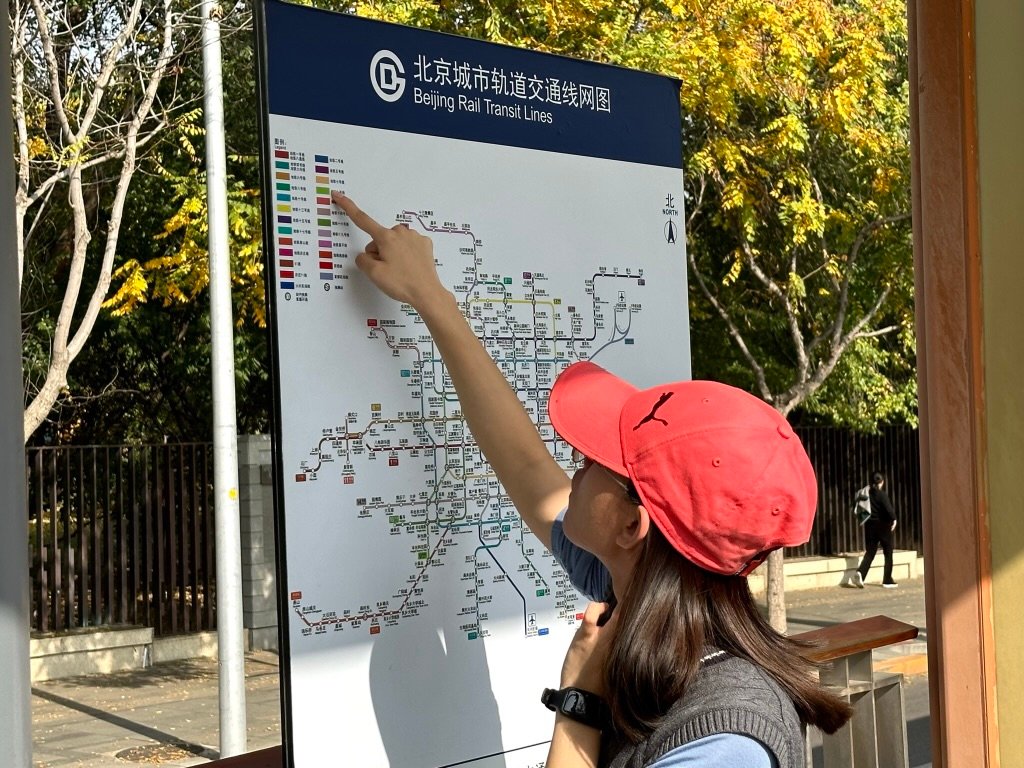
Looking back over these journeys, I sometimes smile at how much has changed.
When Elaine was young, I imagined that I was bringing her to China so she could learn.
That was certainly my intention.
I deliberately planned many of our journeys around places that could bring history, geography, culture and everyday life together.
I hoped that by experiencing these places firsthand, she would grow into someone who remained curious long after formal education had ended.
But somewhere along the way, something UNEXPECTED happened.
I realised I wasn’t simply teaching Elaine.
I was learning alongside her.
Sometimes she noticed details I had completely overlooked.
Sometimes she asked questions I had never thought to ask.
Sometimes her excitement over a small museum exhibit reminded me why curiosity is far more important than simply collecting facts.
As parents, we often think we are leading our children.
Travel has gently reminded me that sometimes they quietly lead us too.
That may be one of the greatest gifts these journeys have given me.
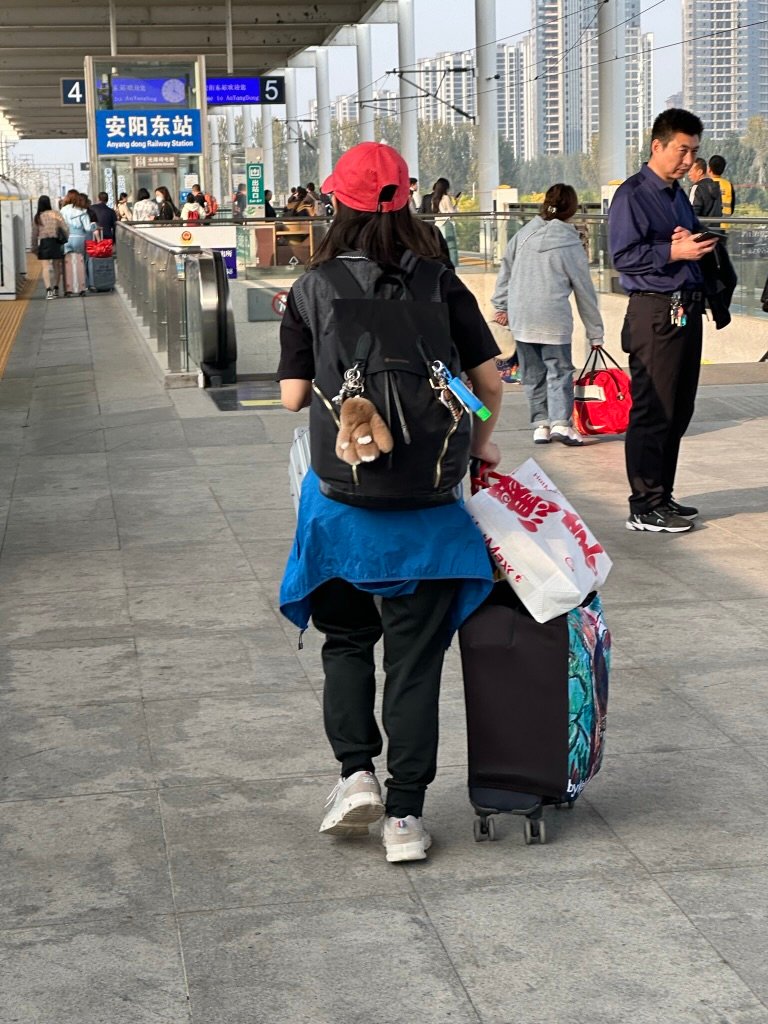
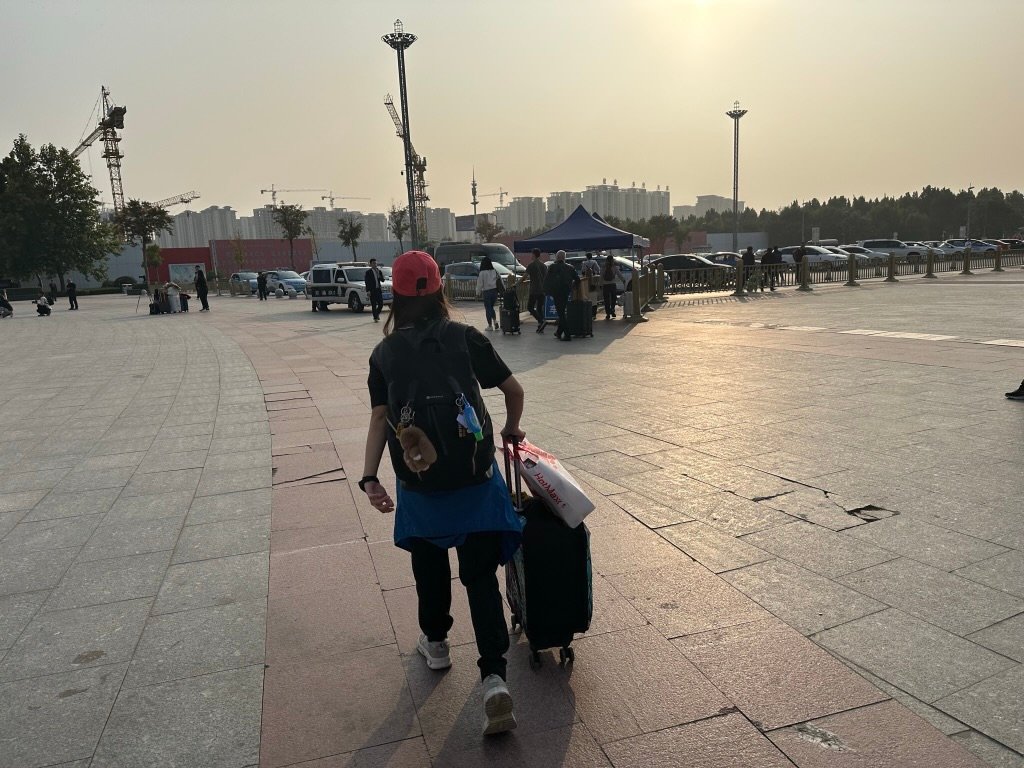
Our travels through China are far from over.
There are still ancient capitals we hope to explore.
Historic villages waiting to be discovered.
Museums we have yet to walk through.
New friendships waiting to be made.
Old friends we hope to visit again.
There are still questions waiting to be asked.
And many stories waiting to be understood.
Every journey adds another chapter.
Not only to our UNDERSTANDING of China.
But also to our own family’s story.
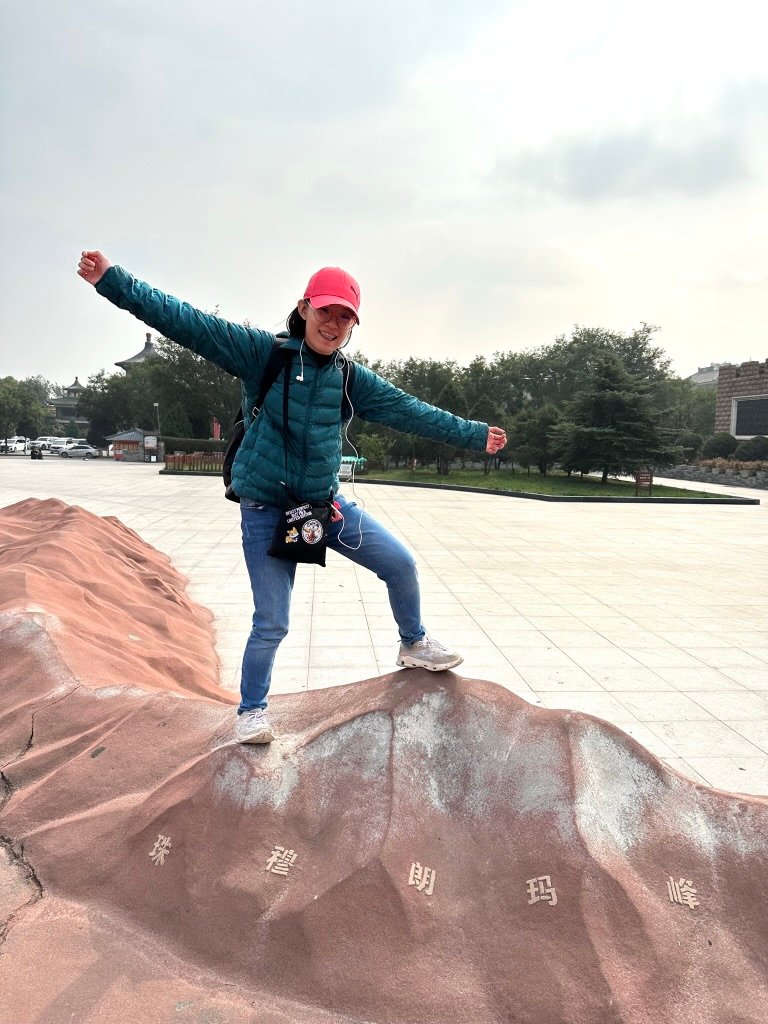
If you’ve read this far, thank you.
Whether you’re planning your very first trip to China…
Returning to discover another part of this remarkable country…
Travelling with your own children…
Or simply curious to understand China a little better…
We would be delighted if you joined us.
Travel slowly.
Ask questions.
Step inside the museums.
Talk to local people.
Look beyond the famous landmarks.
Because the most memorable journeys are rarely measured by how many places we visit.
They are measured by how deeply those places change us.
It is about understanding it more deeply.
That is the journey we hope to continue for many years to come.
And if, somewhere along the way, our stories encourage you to slow down, ask one more question, discover one more hidden story, or perhaps even begin a similar journey with your own family…
…then ChinaTravelBug has already achieved far more than we ever imagined.
Thank you for walking alongside us.
We hope our journey helps you DISCOVER—and UNDERSTAND—China, one story at a time.
— KC, Elaine, Cheers, Panda & Bing Ma Zai