A Father-Daughter Journey From Anyang, Xi’an and Beijing — With More Chapters Still Waiting
When many travellers plan their first trip to China, they usually start with one question:
“Where should I go?”
Beijing?
Xi’an?
Shanghai?
The Great Wall?
The Terracotta Warriors?
Those are good questions.
But after many journeys across China with my daughter Elaine, I slowly discovered another way to look at China travel.
Instead of seeing China as a list of attractions, we started seeing it as a story told through cities.
The Chinese word for ancient capital is:
古都 (gǔ dū)
古 (gǔ) = ancient
都 (dū) = capital
Every ancient capital preserves a different chapter.
In Europe, travellers understand that Rome, Athens, Paris and London each reveal different parts of European history.
China is similar.
No single city explains everything.
Each capital answers a different question:
How did China record its earliest memories?
How did China become united?
How was such a huge civilisation governed?
This became our ChinaTravelBug journey:
Not collecting places.
Connecting stories.
“Before China built great capitals, it first learned how to record its story.”
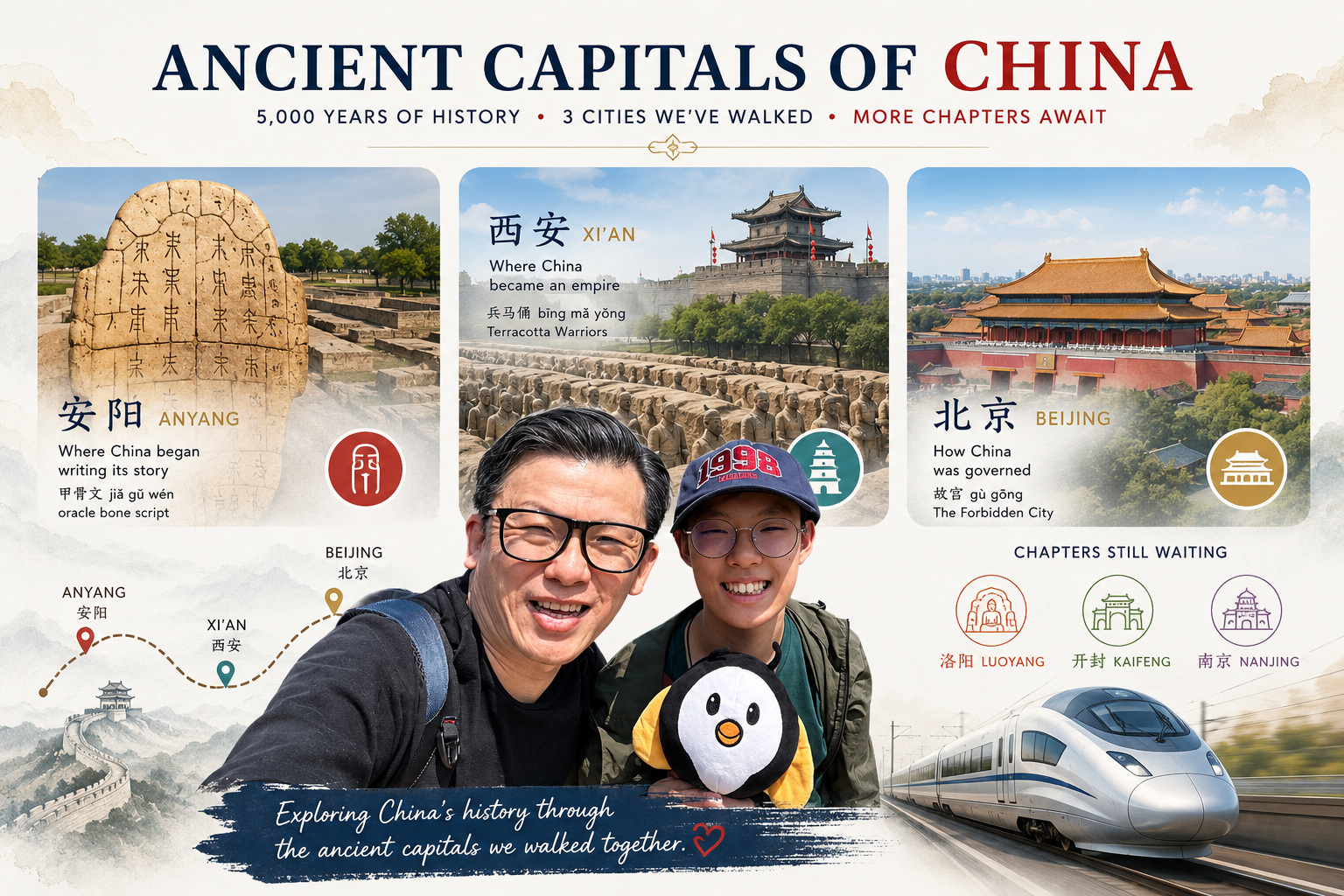
Anyang 安阳 — Where China Started Writing Its Story
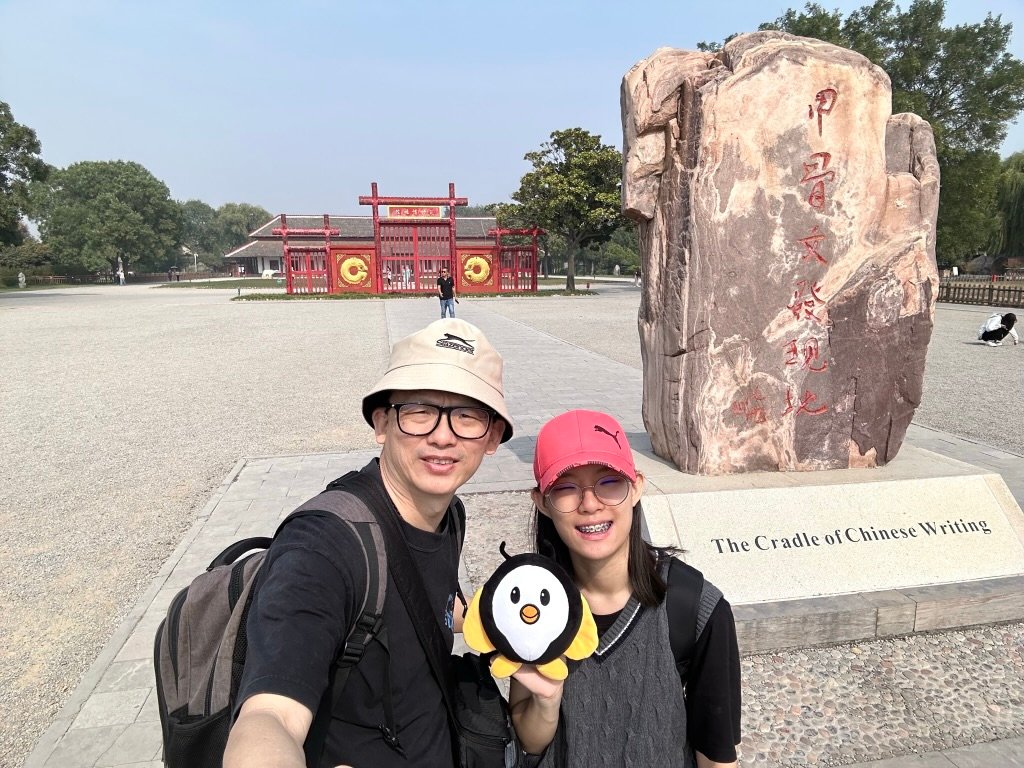
Our ancient capital journey begins at Anyang.
安阳 (Ān Yáng)
安 = peace
阳 = sun / brightness
Many first-time visitors may not include Anyang in their China itinerary.
It does not have the international fame of Beijing or Xi’an.
But Anyang holds something extremely important.
A connection to China’s earliest written history.
At:
殷墟 (Yīn Xū)
Ruins of Yin
archaeologists discovered:
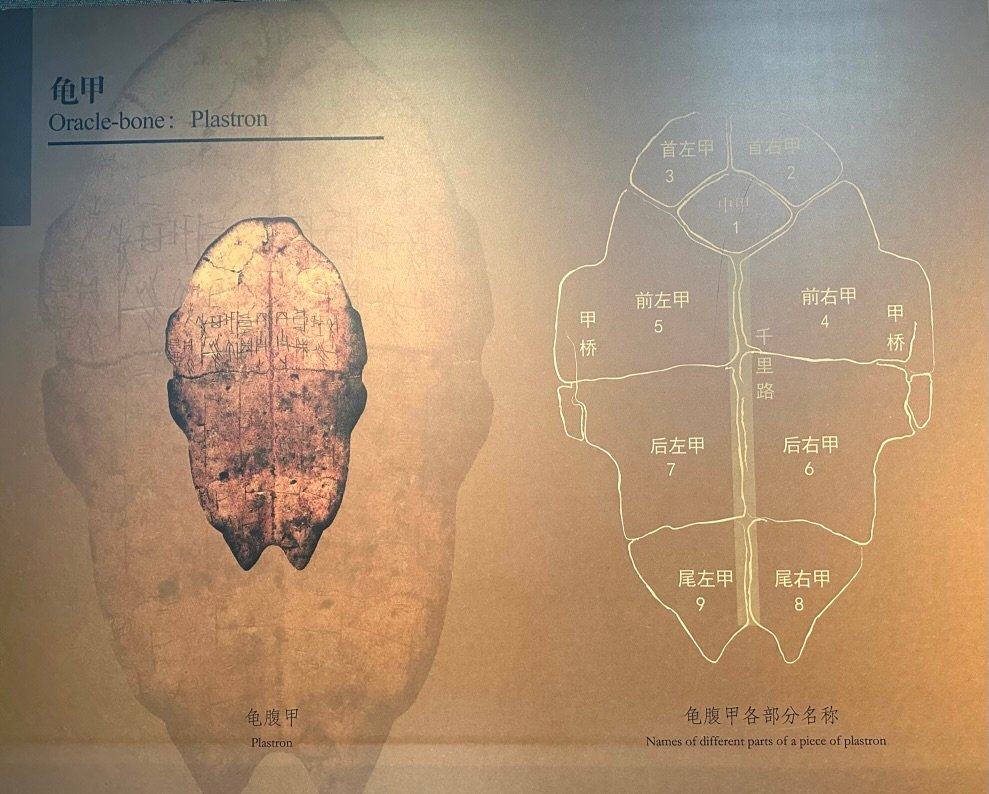
甲骨文 (jiǎ gǔ wén)
Oracle bone script.
Thousands of years ago, people carved questions and records onto animal bones and turtle shells.
Weather.
Harvests.
Events.
Royal decisions.
Suddenly, ancient people were no longer silent.
They had a voice.
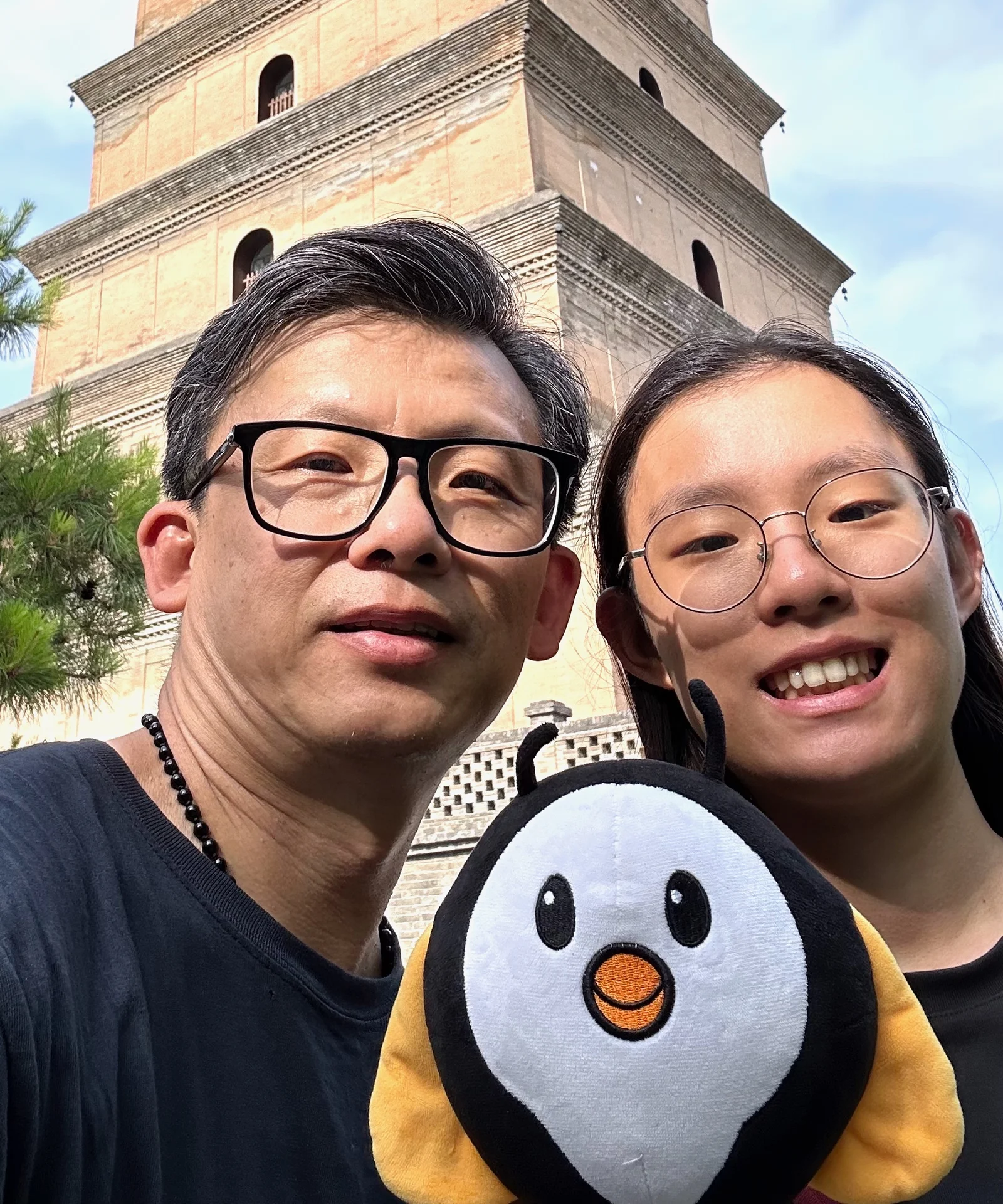
Standing there with Elaine, it reminded us that history is not only about buildings.
It is about people leaving messages for the future.
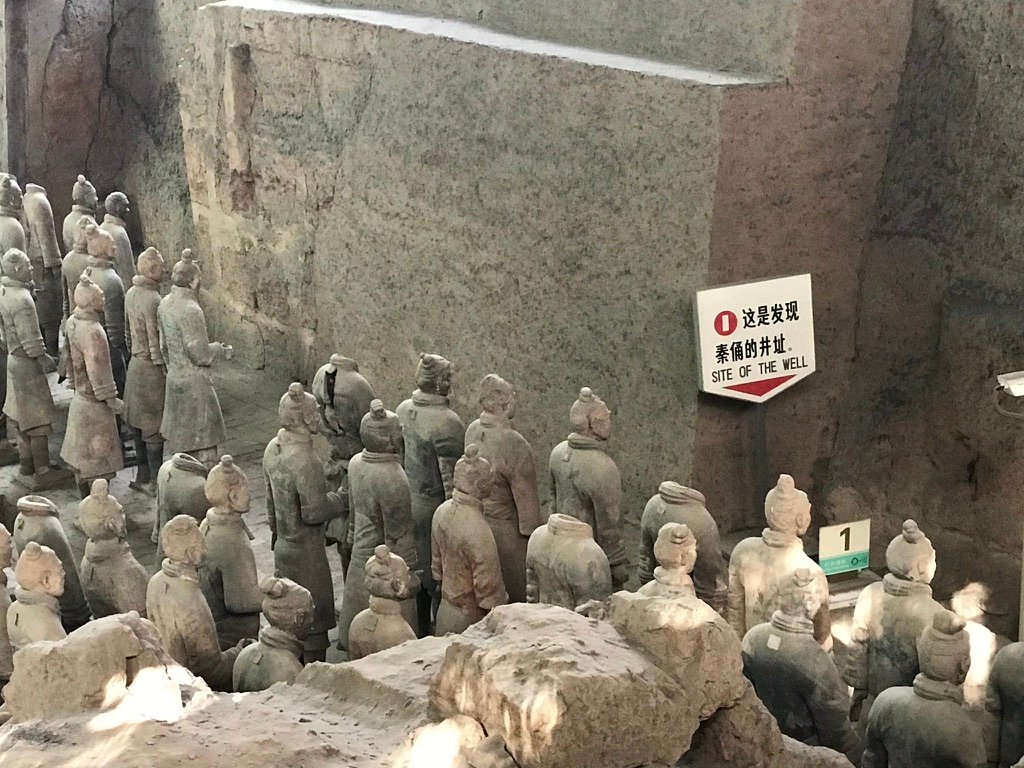
Xi’an 西安 — Where China Became China
If Anyang represents China finding its voice, Xi’an represents China becoming a civilisation.
Xi’an is one of our ChinaTravelBug anchor cities.
We returned many times because every visit revealed another layer.
西安 (Xī Ān)
西 = west
安 = peace
Before Xi’an, it was known as:
长安 (Cháng Ān)
Long Peace.
For centuries, Chang’an was one of the greatest cities in the world.
It witnessed:
秦 (Qín) — Qin Dynasty
汉 (Hàn) — Han Dynasty
唐 (Táng) — Tang Dynasty
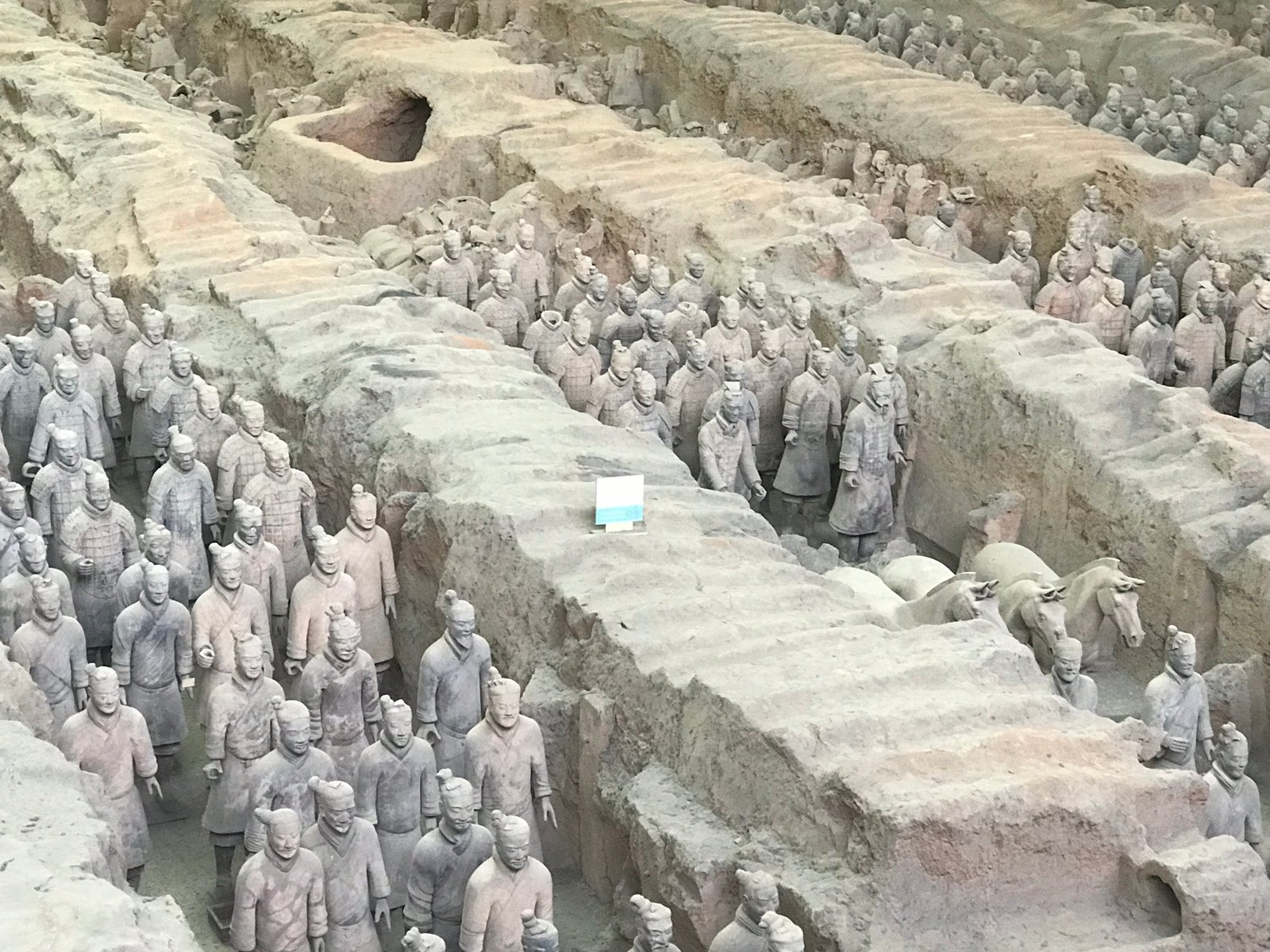
Qin 秦 — Unity
The First Emperor:
秦始皇 (Qín Shǐ Huáng)
created the first unified Chinese empire.
His famous:
兵马俑 (bīng mǎ yǒng)
Terracotta Warriors
still amaze visitors today.
But they are more than soldiers.
They represent a turning point:
Different states becoming one China.
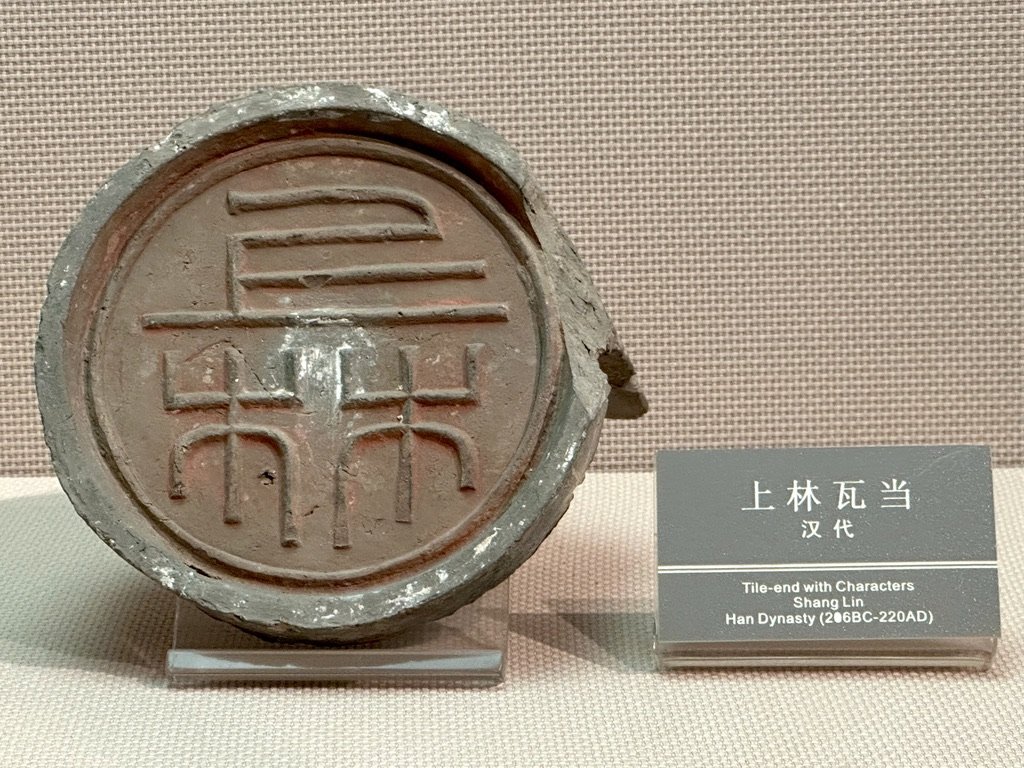
Han 汉 — Identity
The Han Dynasty created a lasting identity.
Even today:
Chinese language:
汉语 (Hàn yǔ)
Chinese people:
汉人 (Hàn rén)
carry the Han name.
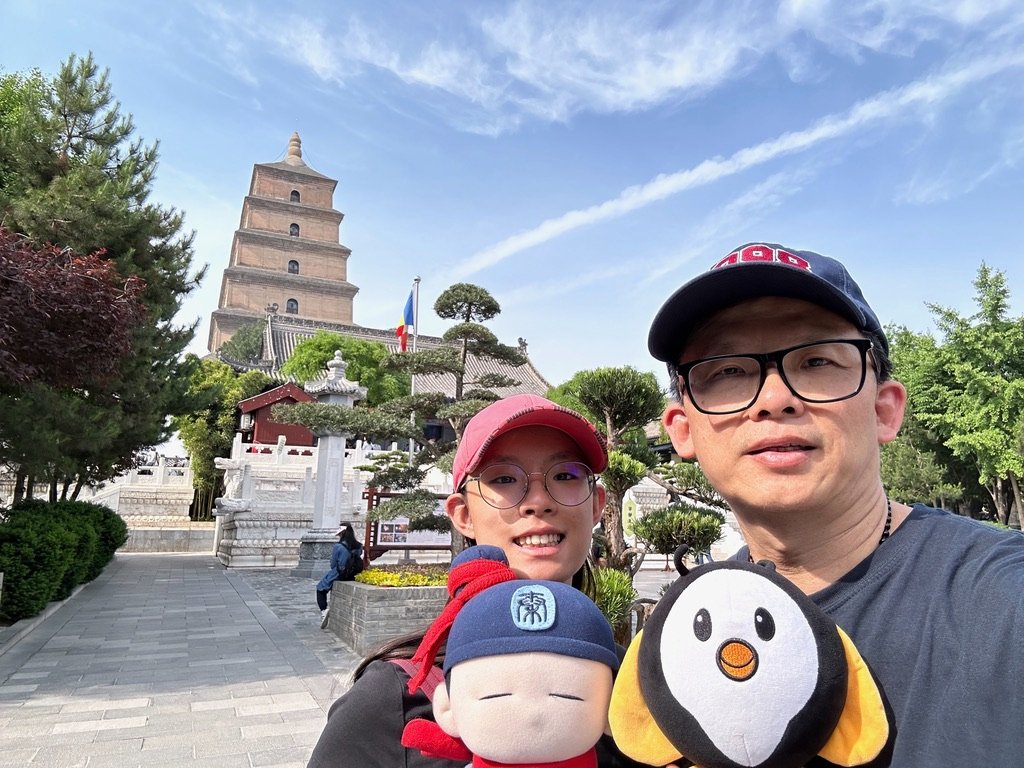
“Walking through Xi’an is walking through layers of Chinese history.”
Tang 唐 — Connection With the World
During the Tang Dynasty, Chang’an became an international city.
The Silk Road:
丝绸之路 (sī chóu zhī lù)
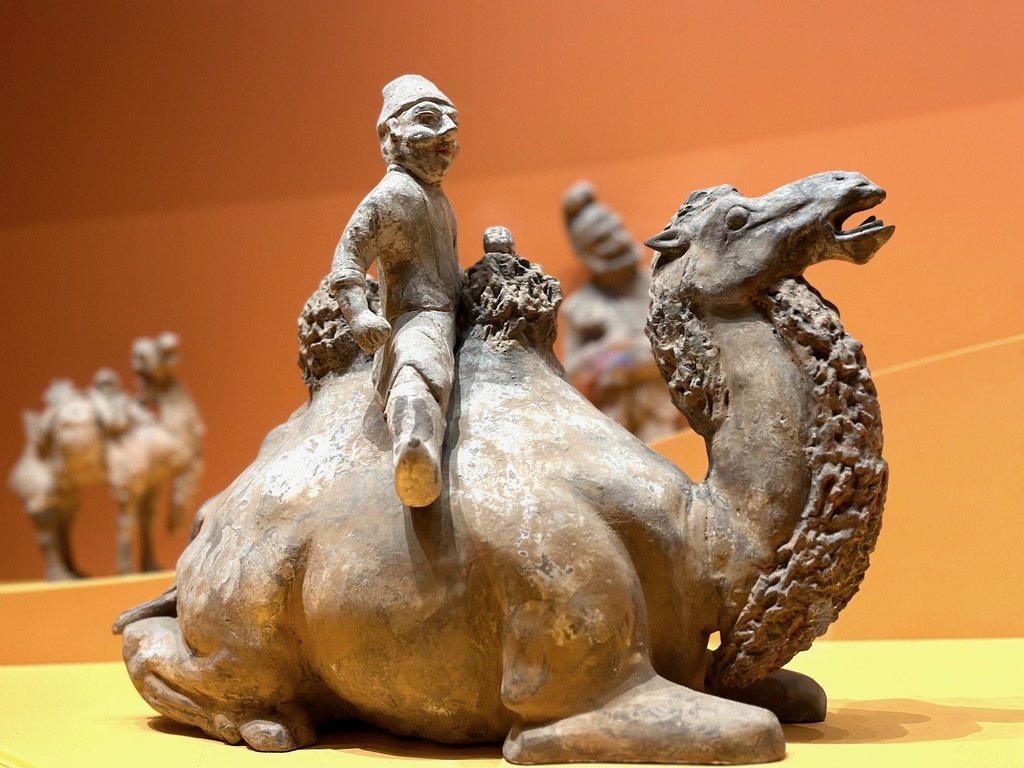
Silk Road connected China with Central Asia and beyond.
People.
Goods.
Ideas.
Cultures.
Everything moved.
Xi’an helped Elaine and me understand:
China was never just one moment.
It was thousands of years of change.
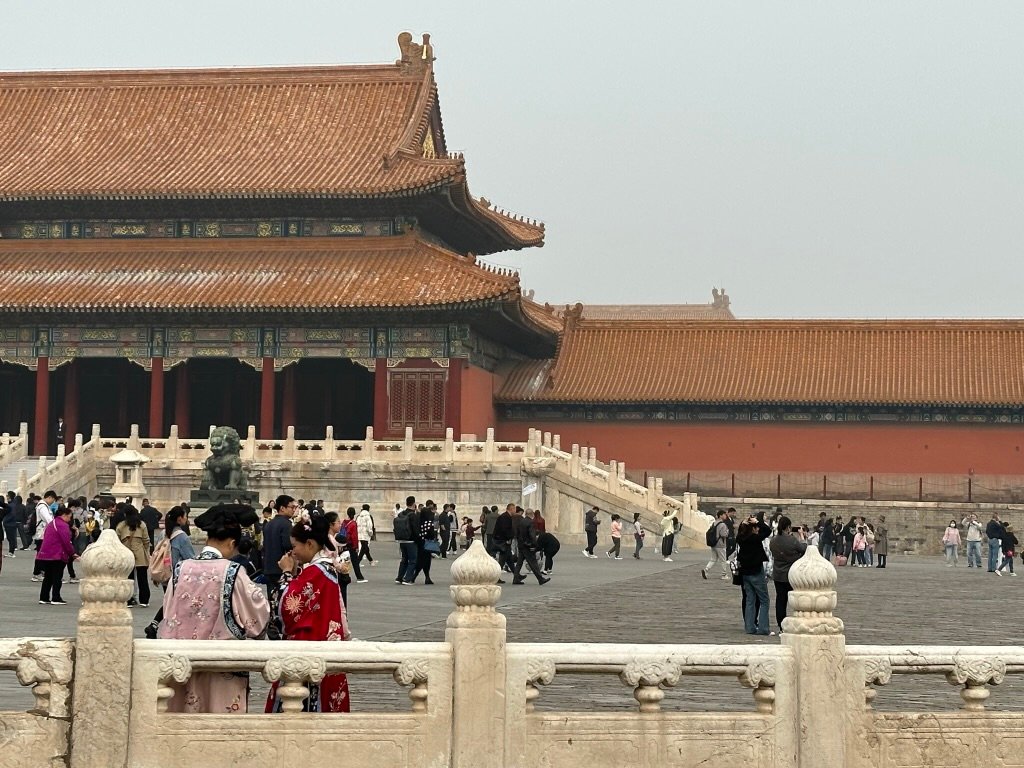
Beijing 北京 — Understanding How China Was Governed
If Xi’an explains how China began as an empire…
Beijing explains how China continued.
北京 (Běi Jīng)
北 = north
京 = capital
Beijing means:
Northern Capital.
Today, it remains the capital of China.
Many travellers planning a Beijing China tour visit famous places:
长城 (Cháng Chéng)
Great Wall
故宫 (Gù Gōng)
Forbidden City
天坛 (Tiān Tán)
Temple of Heaven
But during our return trips to Beijing, we started looking differently.
The Forbidden City was not only a palace.
The Great Wall was not only a wall.
The city layout was not accidental.
They represented ideas:
Order.
Protection.
Responsibility.
Governance.
The Beijing Central Axis:
中轴线 (zhōng zhóu xiàn)
shows how ancient planners designed a capital around a worldview.
Beijing helped us understand:
How do you manage and continue such a large civilisation?
“Our journey through China’s ancient capitals is still unfinished. Some chapters we have walked. Others are waiting.”
Travelling through China has slowly taught us something important — no single city can tell the whole story of China.
Xi’an showed us how China became an empire.
Anyang showed us where written history began.
Beijing showed us how a vast civilisation was governed.But our journey is not complete.
Some ancient capitals are still waiting for us.
Three Ancient Capitals We Have Not Yet Walked
Our ChinaTravelBug journey is still continuing.
There are important chapters Elaine and I have not explored yet.
And that is part of the excitement.
Luoyang 洛阳 — A Future Yellow River Chapter
Luoyang remains high on our travel list.
洛阳 (Luò Yáng)
It is another great ancient capital along:
黄河 (Huáng Hé)
Yellow River.
The Yellow River is often called:
母亲河 (mǔ qīn hé)
Mother River.
Luoyang will help complete our understanding of early China, dynasties and cultural exchange.
Especially:
龙门石窟 (Lóng Mén Shí Kū)
Longmen Grottoes.
A story of how ideas travelled into China and became part of China.
Kaifeng 开封 — A Future Song Dynasty Story
Kaifeng represents a different type of civilisation story.
开封 (Kāi Fēng)
During the Song Dynasty:
宋朝 (Sòng Cháo)
Kaifeng became a centre of:
markets,
business,
innovation,
urban life.
A reminder that civilisation is not only emperors.
It is ordinary people too.
One day, we hope to walk those streets ourselves.
Nanjing 南京 — A Future Modern China Chapter
南京 (Nán Jīng)
南 = south
京 = capital
Southern Capital.
Nanjing represents another important transition:
From imperial China toward modern China.
It is another chapter waiting for ChinaTravelBug.
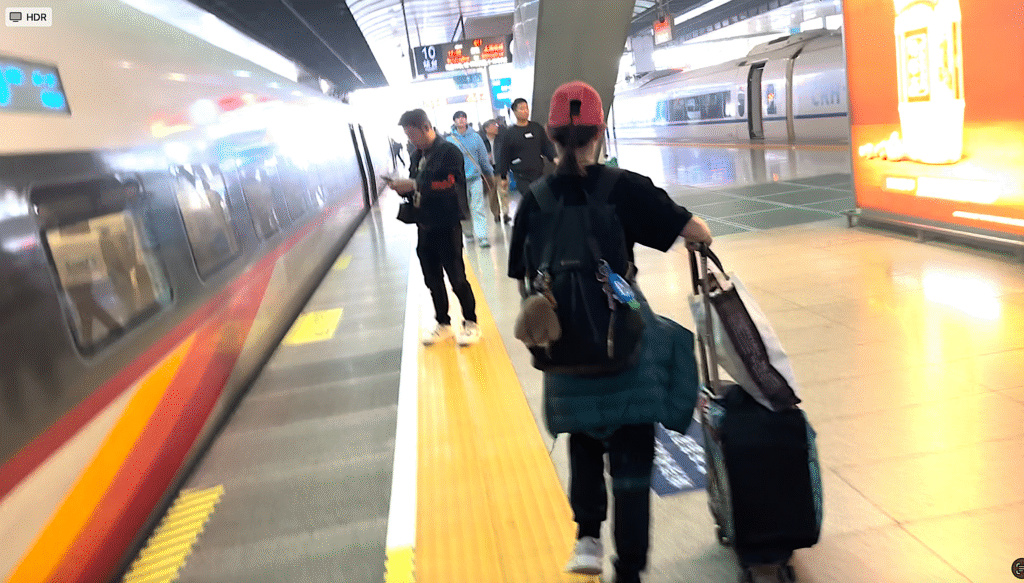
“High-speed rail turned China’s ancient capitals into one connected journey.”
Travelling Between Ancient Capitals Today
In the past, travelling between these capitals could take weeks or months.
Today:
高铁 (gāo tiě)
China high-speed rail
has changed everything.
Modern travellers can explore:
Beijing
↓
Anyang
↓
Luoyang
↓
Xi’an
in one connected China travel route.
Old capitals.
Modern trains.
A continuing story.
Final Thoughts: Cities Are China’s History Book
After years of travelling China with Elaine, we realised:
We were not simply visiting cities.
We were reading chapters.
Anyang taught us about memory.
Xi’an taught us about beginnings.
Beijing taught us about continuity.
And future journeys to Luoyang, Kaifeng and Nanjing will add new chapters.
China is too large to understand through one destination.
But slowly…
one city,
one story,
one journey at a time…
the picture becomes clearer.
That is the ChinaTravelBug way.