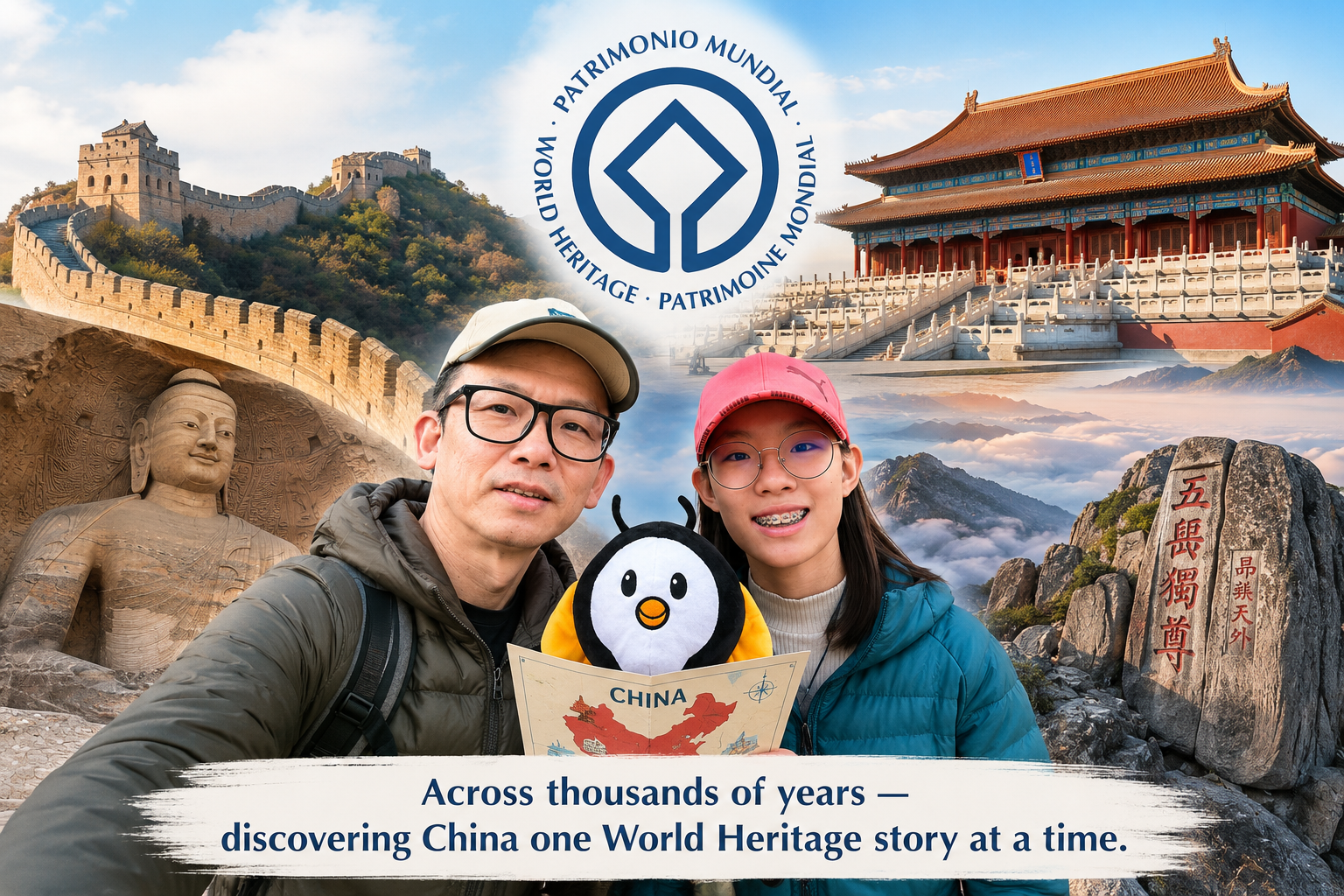
世界文化遗产 — A Father & Daughter Journey Across China’s Civilisation Timeline
China UNESCO Sites Are Not Just Places — They Are Chapters of a Story
Many travellers planning a China trip search for:
- China UNESCO sites
- China wonders
- famous places in China
- best places to visit in China
Usually they find a checklist.
Visit the Great Wall.
See the Forbidden City.
Take photos.
Move on.
But after travelling across China many times with my daughter Elaine, we slowly discovered something different.
China’s UNESCO World Heritage Sites are like pages from a very long book.
Each place answers a different question:
Where did humans begin?
How did civilisation start?
How did people communicate?
How did beliefs travel?
How did China govern itself?
How did ideas shape society?
This became our ChinaTravelBug journey.
Not rushing through attractions.
But connecting the stories.
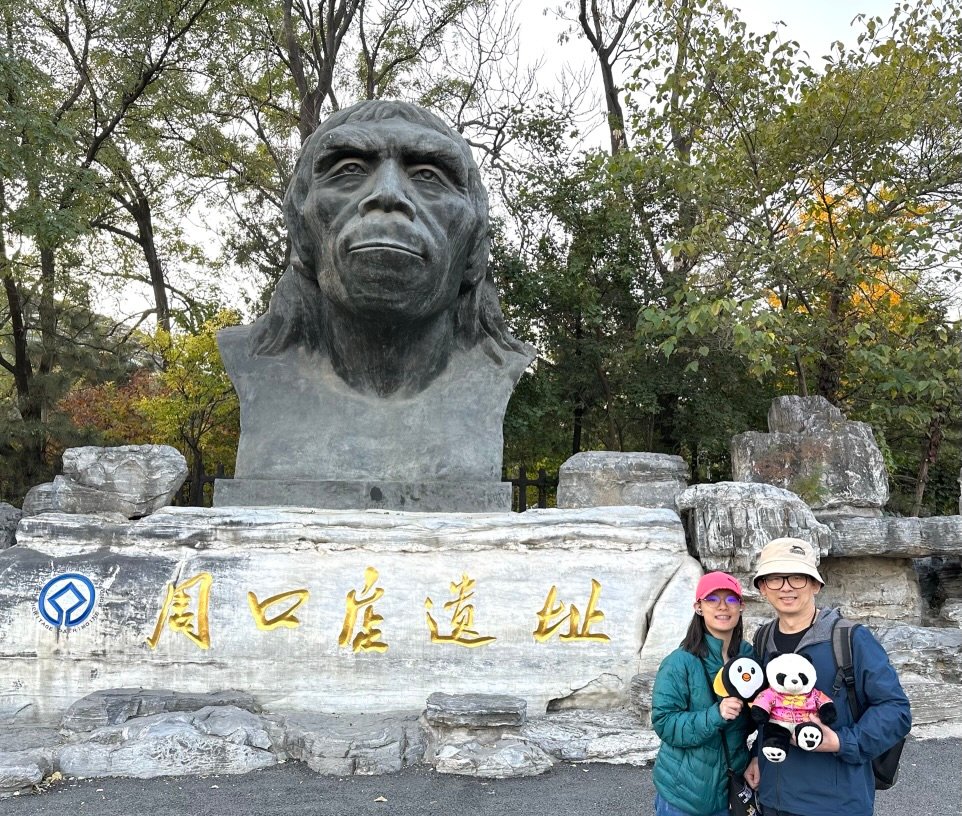
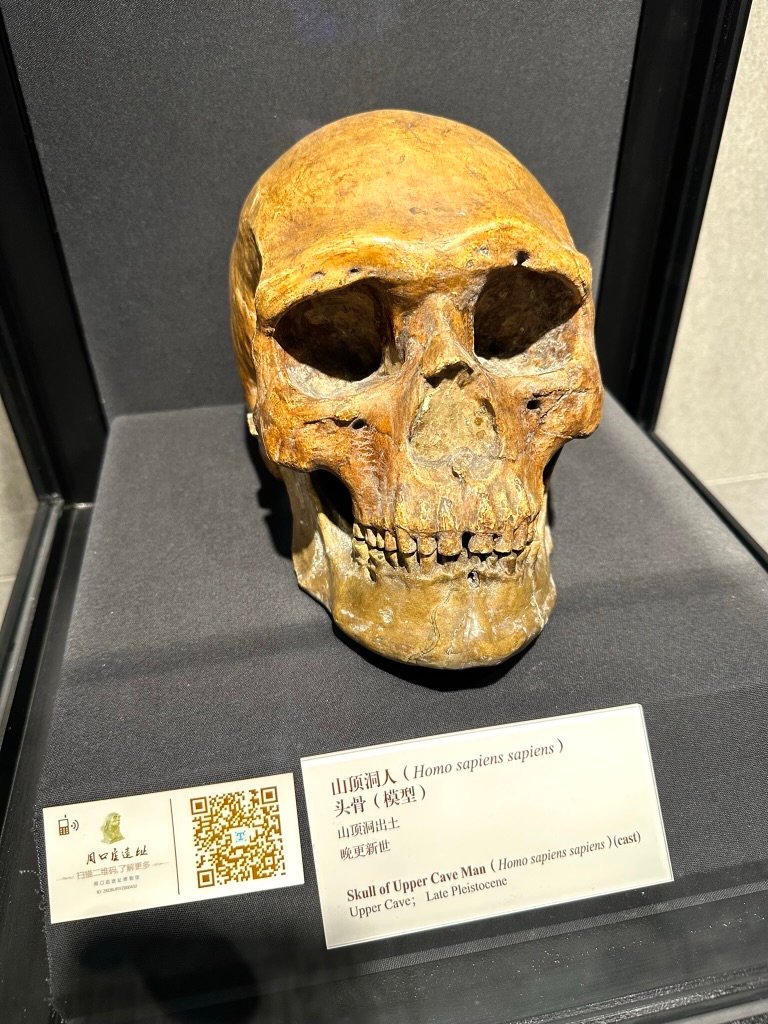
“Standing where the human story began — long before China became China.”
1. Zhoukoudian 周口店 — Before China Became China
北京周口店北京人遗址
Most people start China history with emperors.
But the story begins much earlier.
At Zhoukoudian near Beijing, discoveries of Peking Man 北京猿人 revealed traces of early human life hundreds of thousands of years ago.
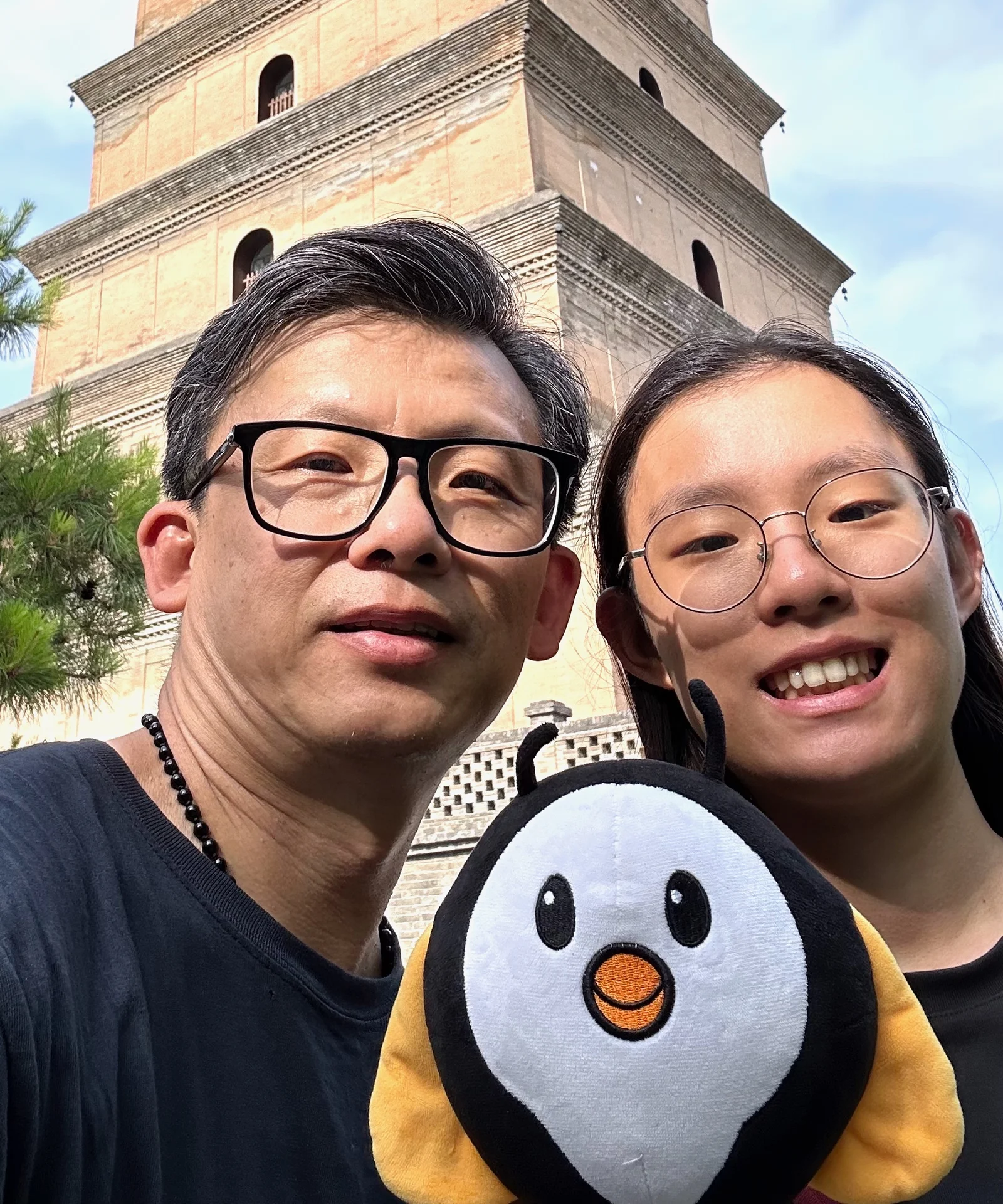
Standing there with Elaine, Cheers and Panda, it felt very different from visiting a palace or temple.
There were no golden roofs.
No emperors.
No armies.
Just one simple question:
How did humans survive?
Before civilisation could rise…
humans first had to learn.
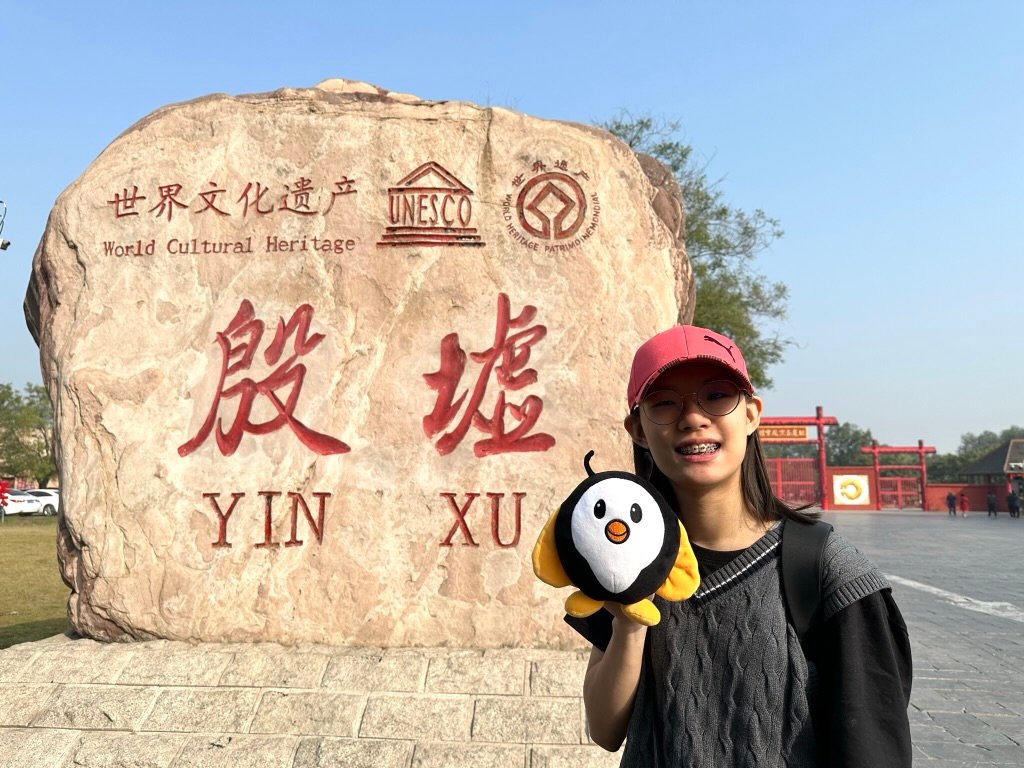
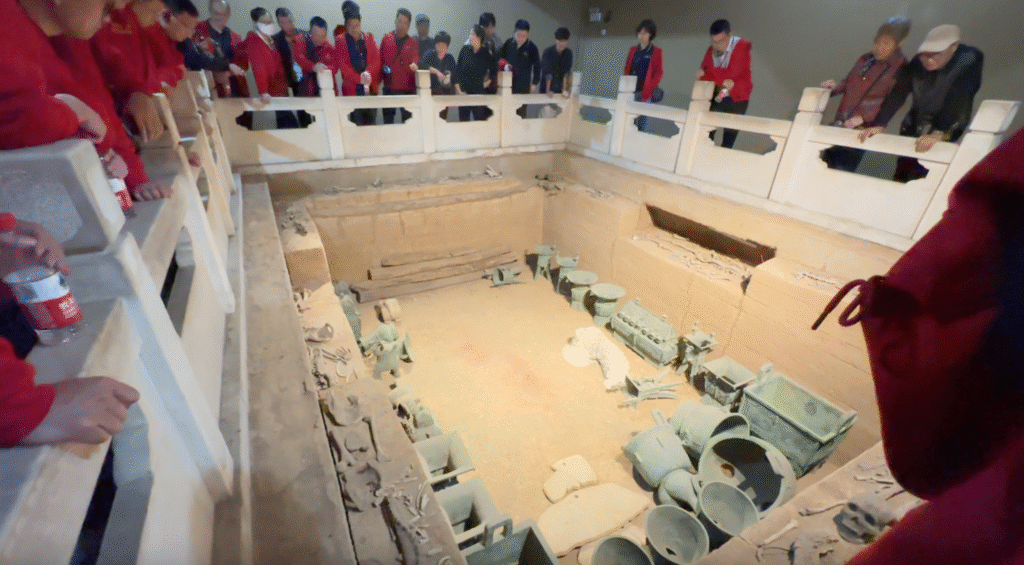
“At Yin Xu — where ancient China began writing its own story.”
2. Yin Xu 殷墟 — When China Started Recording Its Memories
商朝遗址
Yin Xu in Anyang is one of the most important places in Chinese civilisation.
Why?
Because memory became permanent.
The discovery of oracle bone inscriptions 甲骨文 gave us some of the earliest Chinese writing.
More than 3,000 years ago, people were already recording:
questions
events
beliefs
decisions
For travellers interested in China history, Yin Xu is not only an archaeological site.
It is where ancient voices still speak.
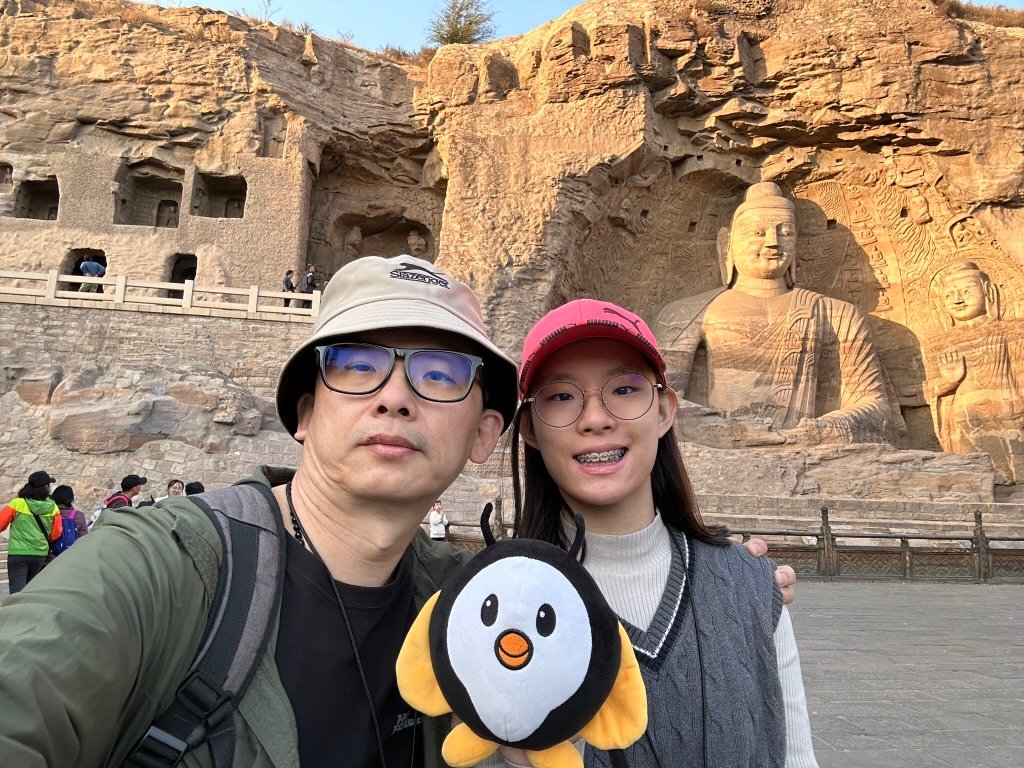
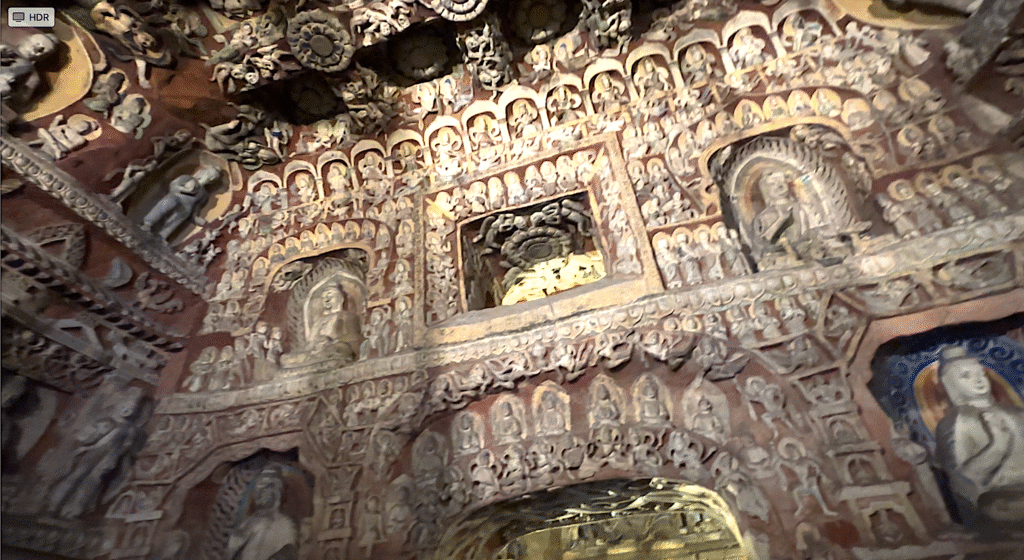
“At Yungang — discovering a China connected with the wider world.”
3. Yungang Grottoes 云冈石窟 — When Civilisations Met
山西大同
China was never only one isolated story.
Yungang shows another chapter:
exchange.
Ideas moved along ancient routes.
Buddhist culture travelled.
Artists combined influences.
Stone became storytelling.
Standing beside the giant Buddha statues, you see not only religion.
You see connection.
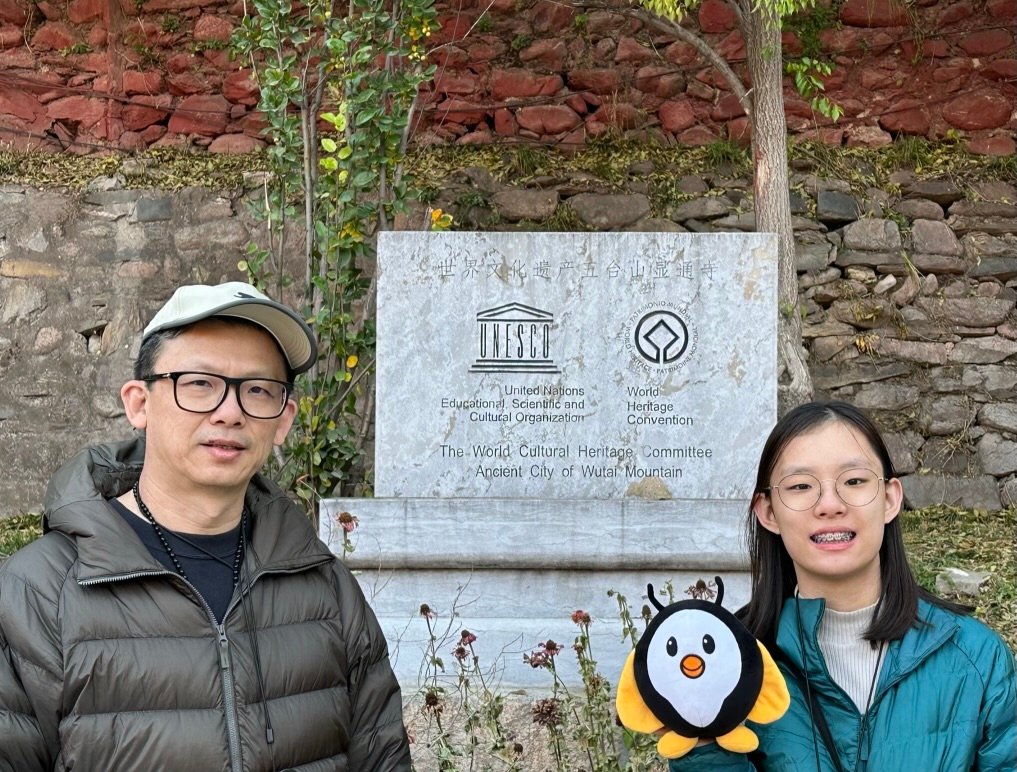
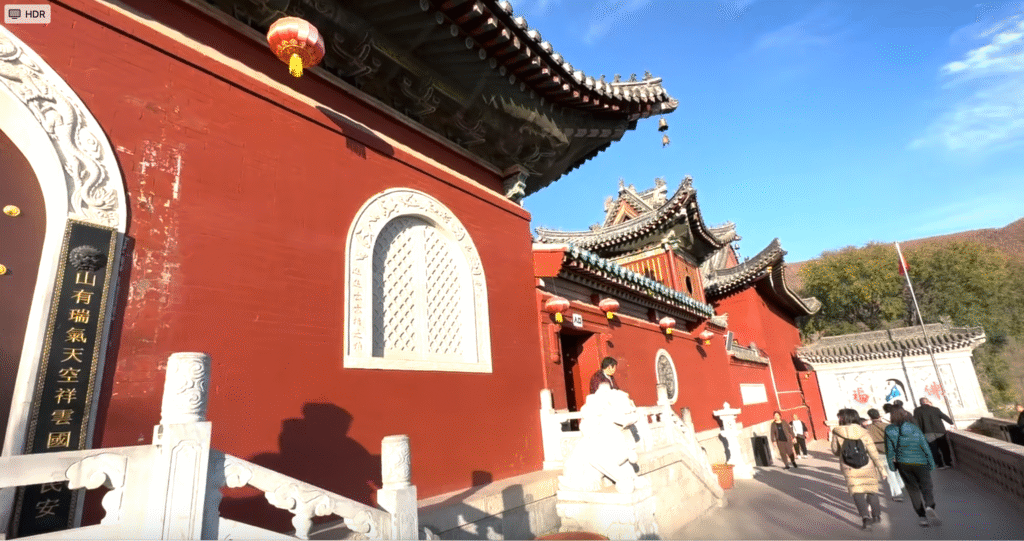
“At Wutai Mountain 五台山 — discovering how mountains became part of China’s spiritual landscape.”
4. Wutai Mountain 五台山 — When Mountains Become Sacred
五台山佛教文化景观
Not every China UNESCO World Heritage Site is about emperors, armies or ancient cities.
Some places preserve something harder to see:
belief.
Hidden among the mountains of Shanxi 山西, Wutai Mountain 五台山 has been one of China’s most important Buddhist centres for more than a thousand years.
For generations, monks, travellers and ordinary people came here not only to see beautiful temples…
but to search for meaning.
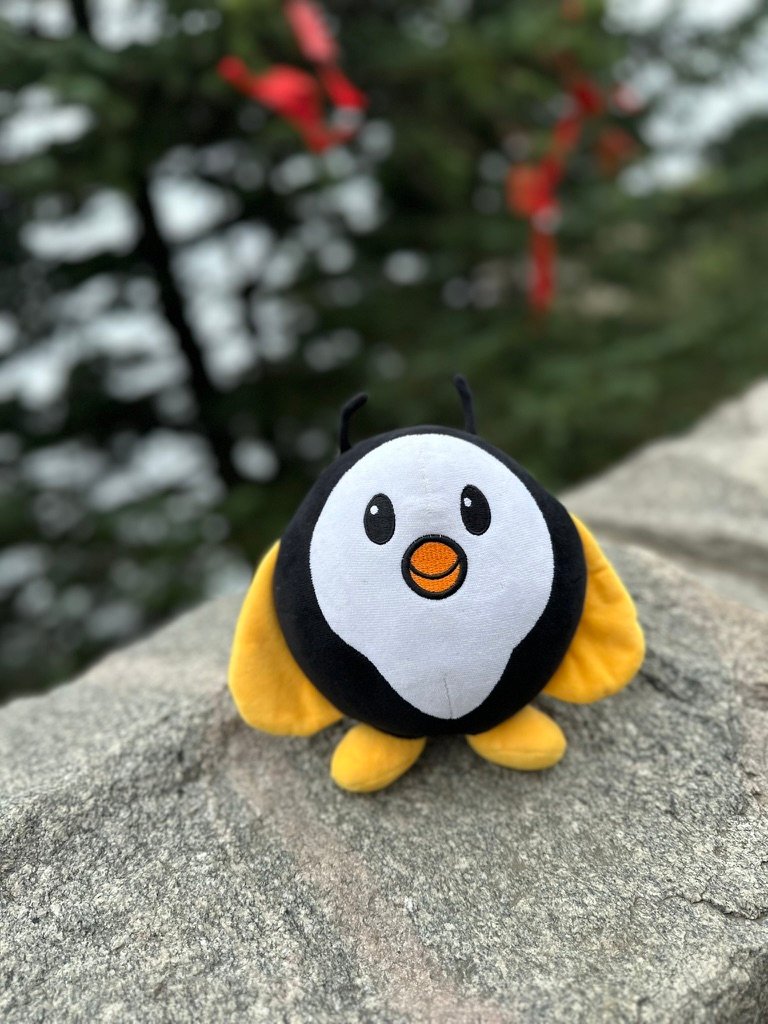
Standing there with Elaine and Cheers 🐞, we realised something interesting:
China’s story was never only built by rulers and soldiers.
It was also shaped by:
- philosophers
- monks
- teachers
- ordinary people searching for answers
The temples, mountain paths and ancient halls of Wutai are reminders that a civilisation is not only measured by what it builds…
but also by what it believes.
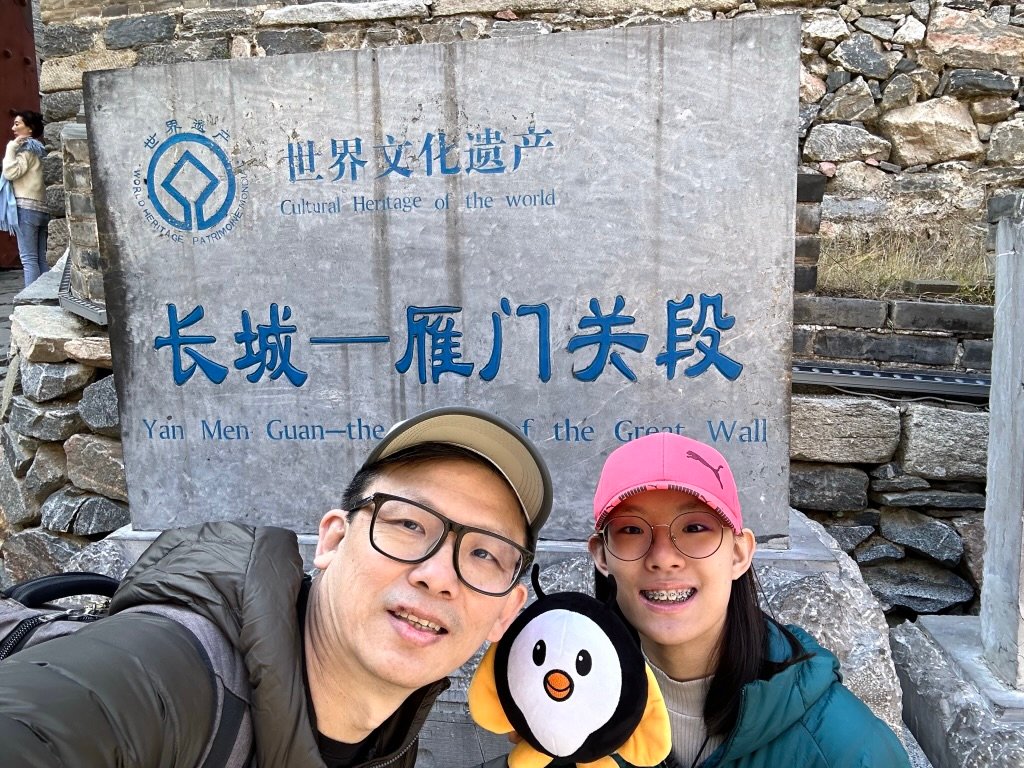
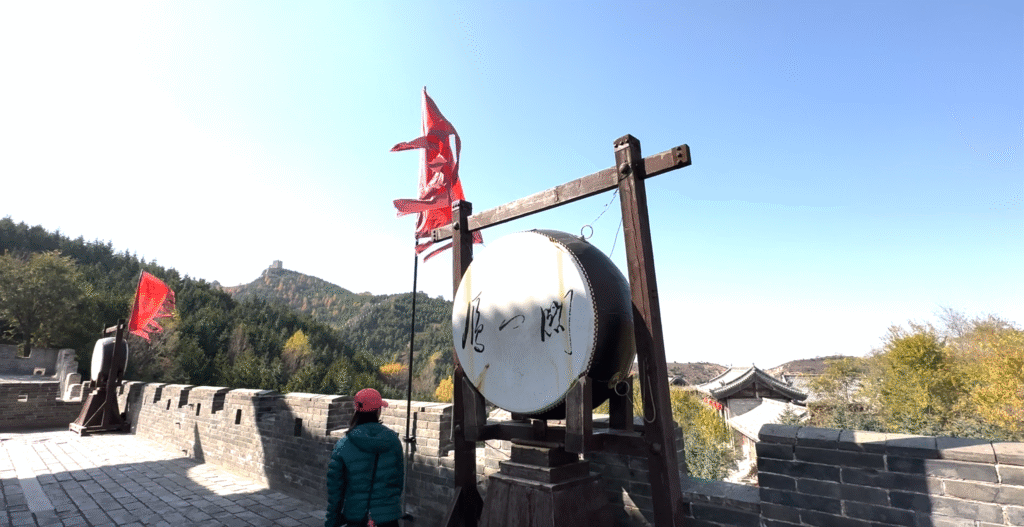
“Beyond the famous Beijing Great Wall — discovering China’s frontier story.”
5. The Great Wall 长城 — Protecting a Civilisation
Many travellers visit Beijing because of the Great Wall of China.
But the Great Wall was never simply about stones.
It was about protecting a civilisation.
It represented:
- defence
- communication
- organisation
- survival
From Beijing sections to frontier passes like Yanmen Pass, each wall tells another story.
——————————————————————————————————–
_________________________________________________________________________________________
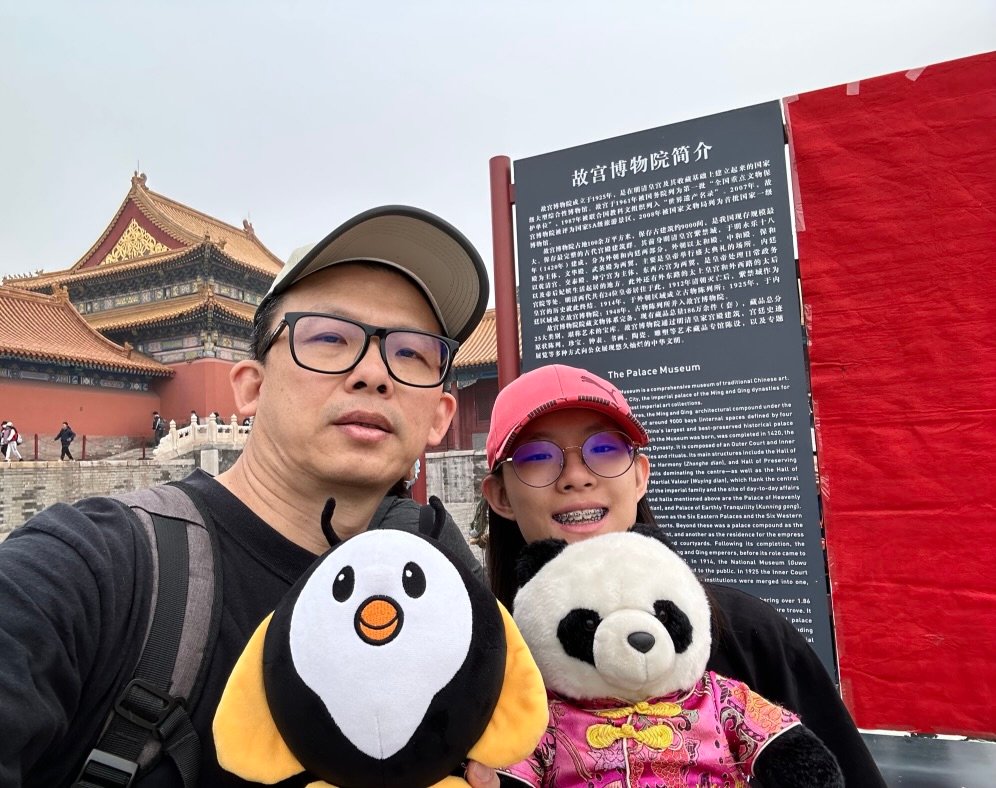
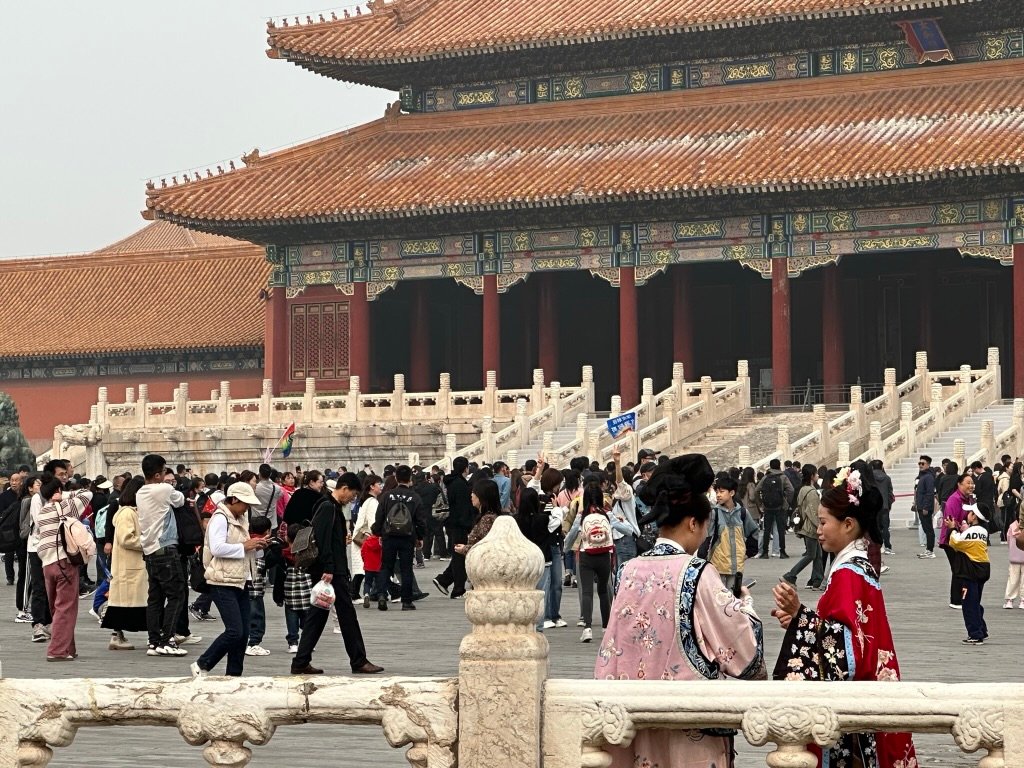
“Behind the red walls — understanding how China organised an empire.”
6. Forbidden City 故宫 — How Do You Govern a Civilisation?
北京故宫
The Forbidden City is one of the most famous Beijing China tourist attractions.
But it is not only an emperor’s home.
It asks a bigger question:
How do you govern millions of people across a huge land?
The answer was reflected in:
layout
rituals
systems
symbols
A palace became the centre of government.
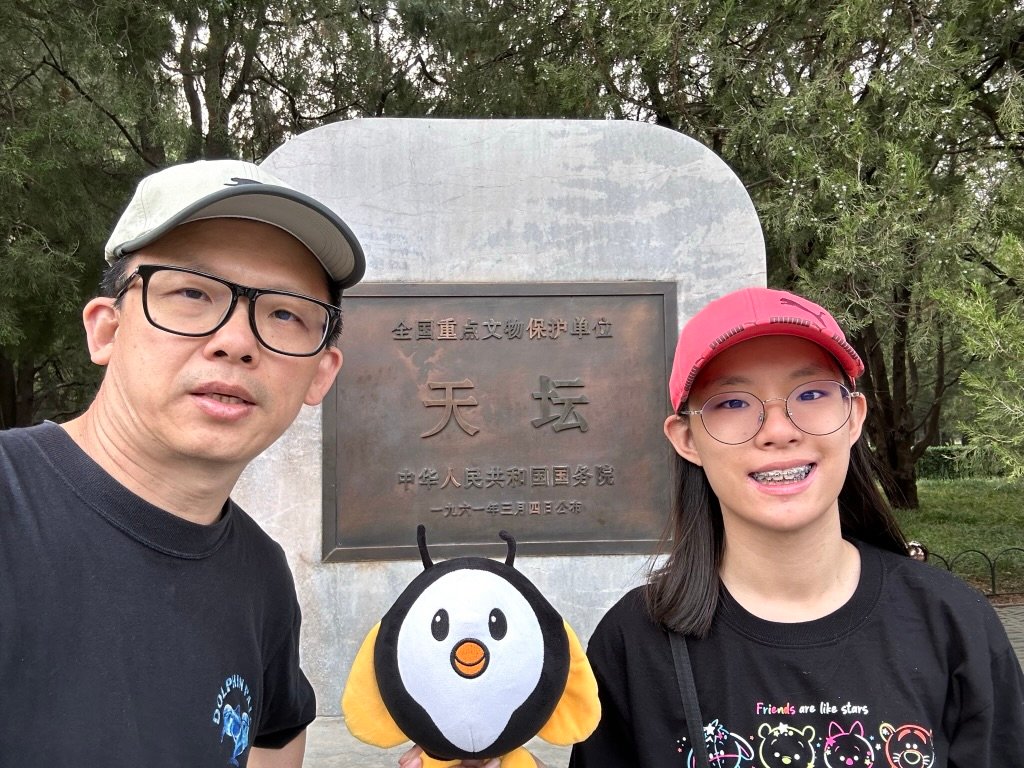
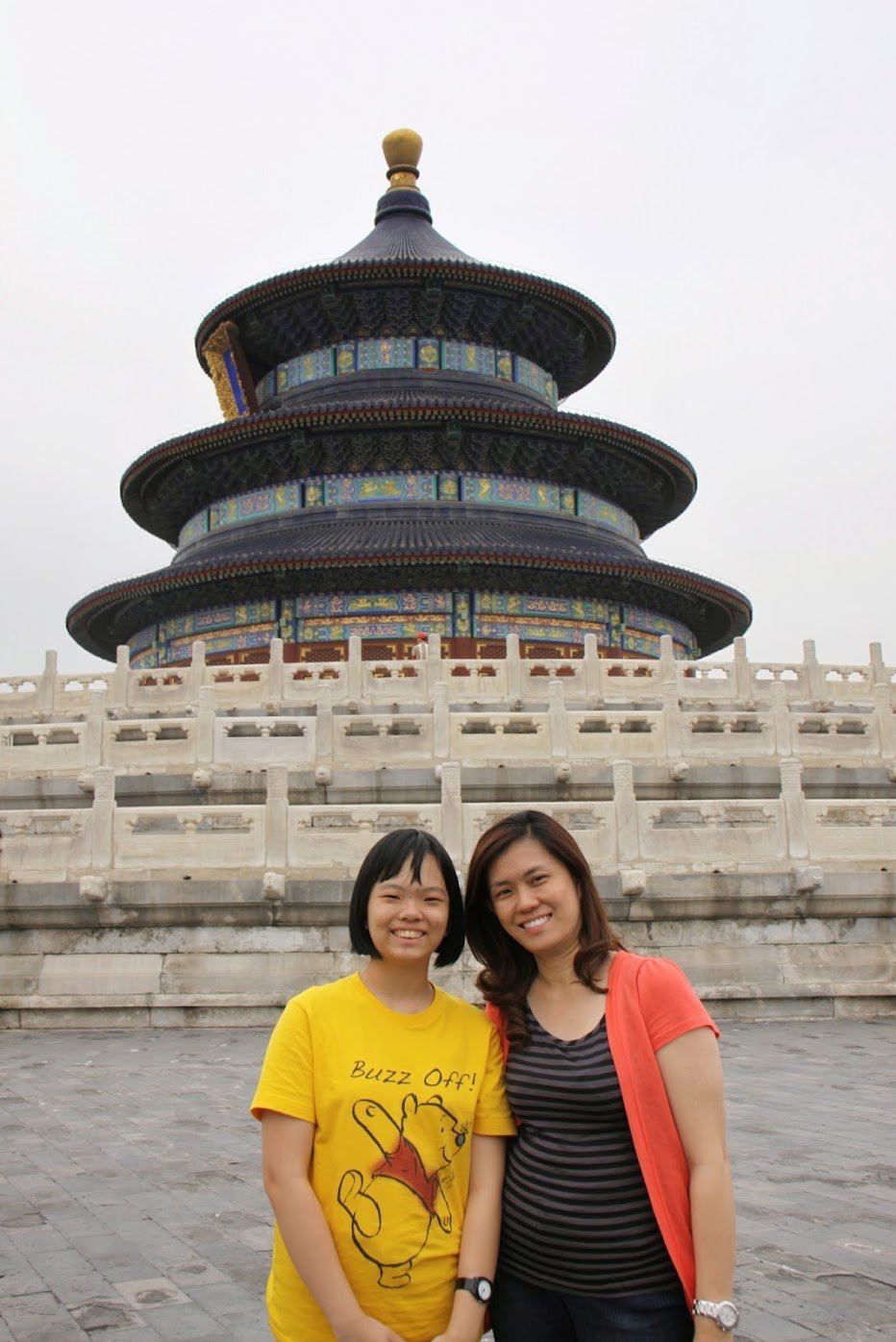
7. Temple of Heaven 天坛 — The Relationship Between Heaven and People
Ancient Chinese civilisation believed leadership carried responsibility.
The Temple of Heaven represents:
天 Heaven
地 Earth
人 People
A simple but powerful idea:
A civilisation must maintain harmony.
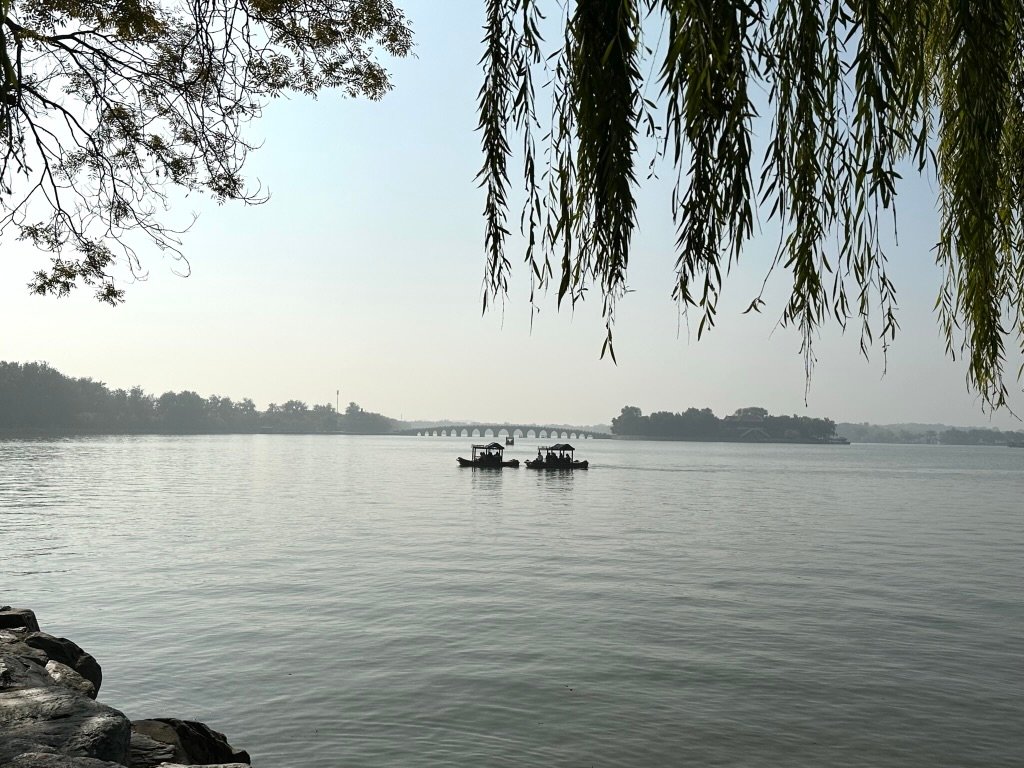
“A garden designed not only for beauty, but for imagination.”
8. Summer Palace 颐和园 — Creating a World Inside a Garden
The Summer Palace shows another side of China.
Not armies.
Not politics.
But aesthetics.
Chinese gardens combine:
water
mountains
architecture
poetry
Nature becomes art.
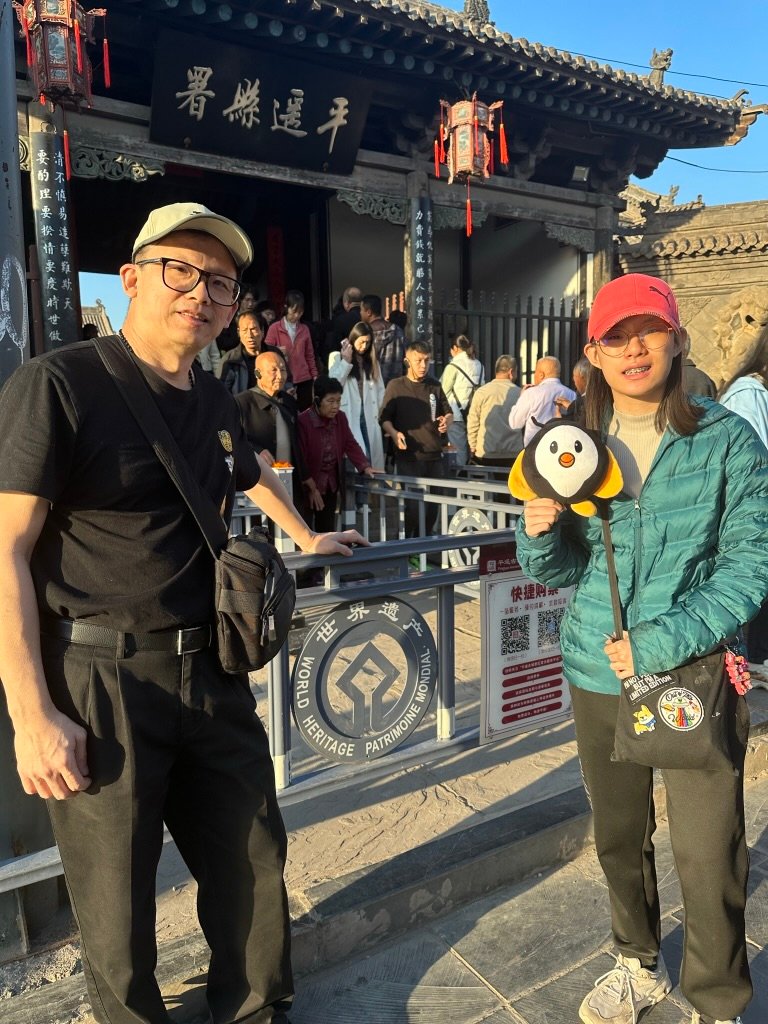
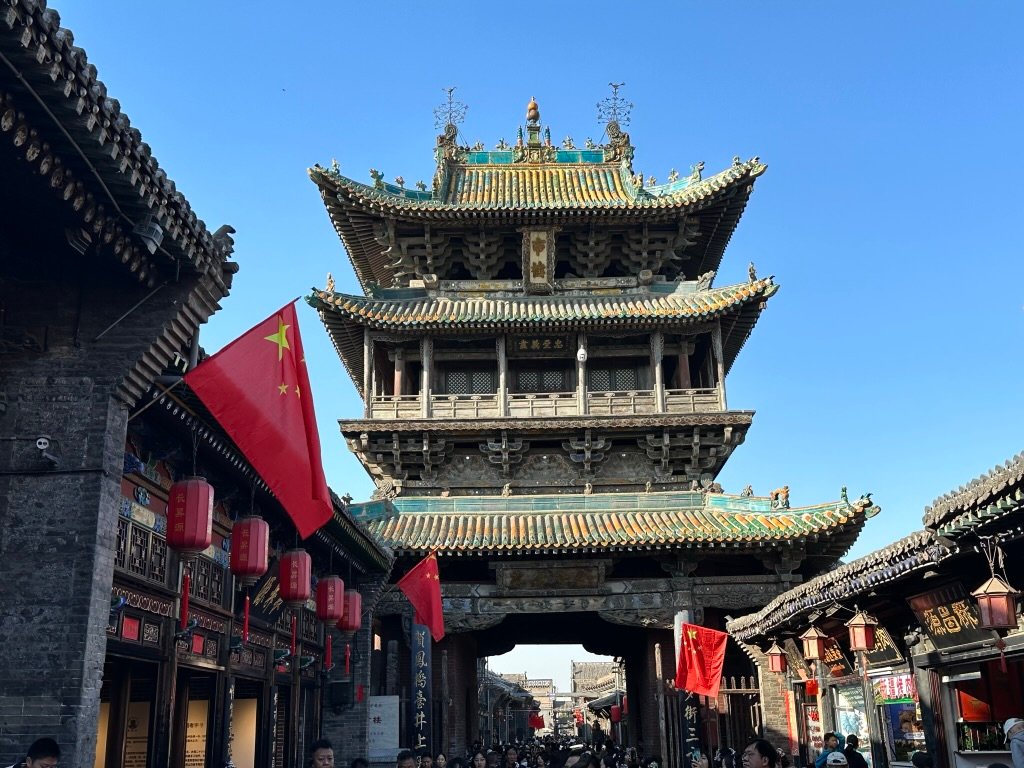
“China was not only built by emperors — merchants also shaped history.”
9. Pingyao 平遥 — The Merchants Who Connected China
晋商文化
Pingyao tells the story of commerce.
The Shanxi merchants 晋商 created networks that connected people and businesses across China.
Trust became valuable.
Finance became organised.
Commerce became civilisation.
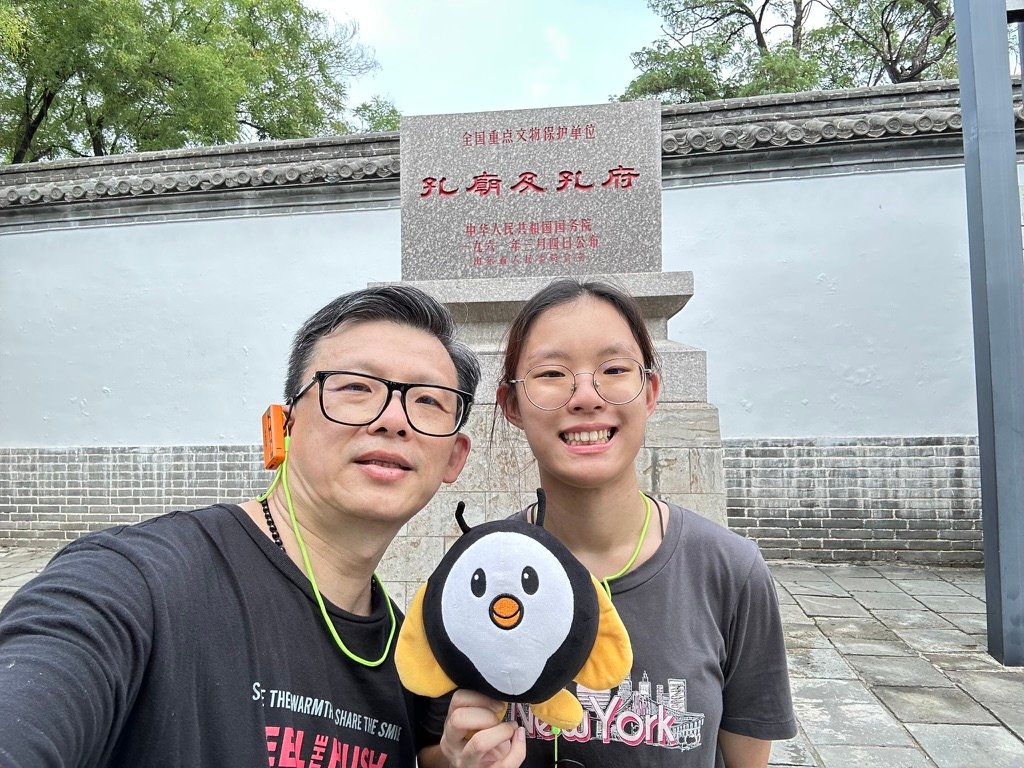
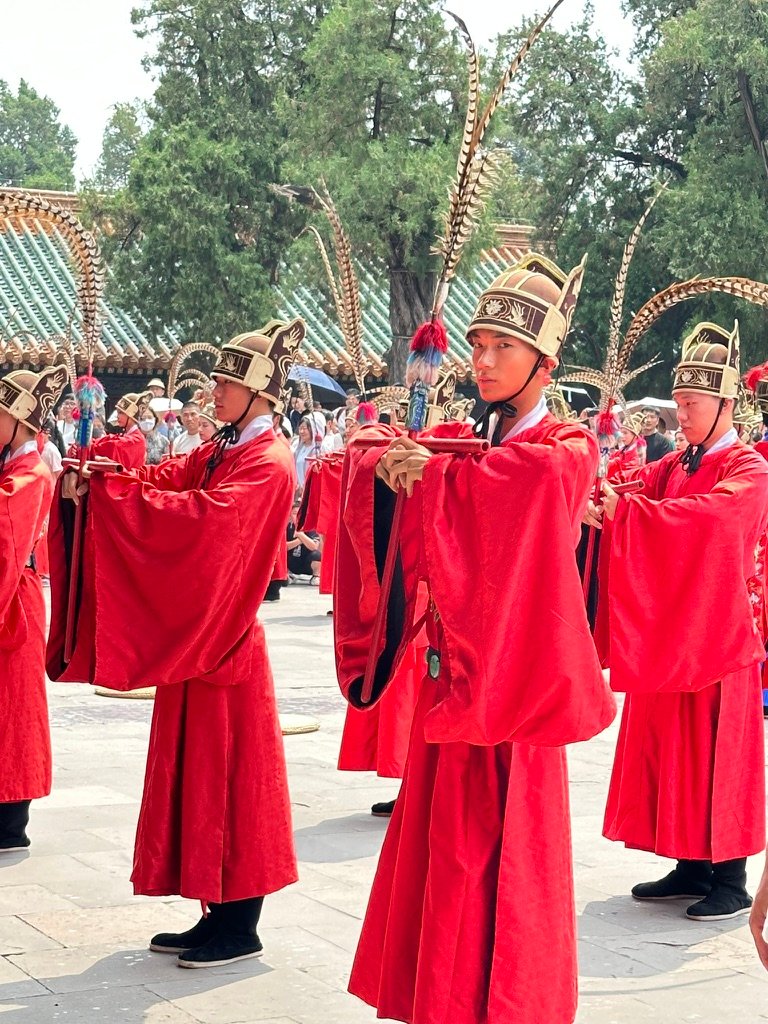
“Some heritage is built from stone. Some is built from ideas.”
10. Qufu 曲阜 — When Ideas Become Heritage
孔子故里
Qufu is the hometown of Confucius 孔子.
Unlike walls or palaces, Confucius left something invisible:
ideas.
Ideas about:
learning
family
society
responsibility
Sometimes the strongest heritage cannot be touched.
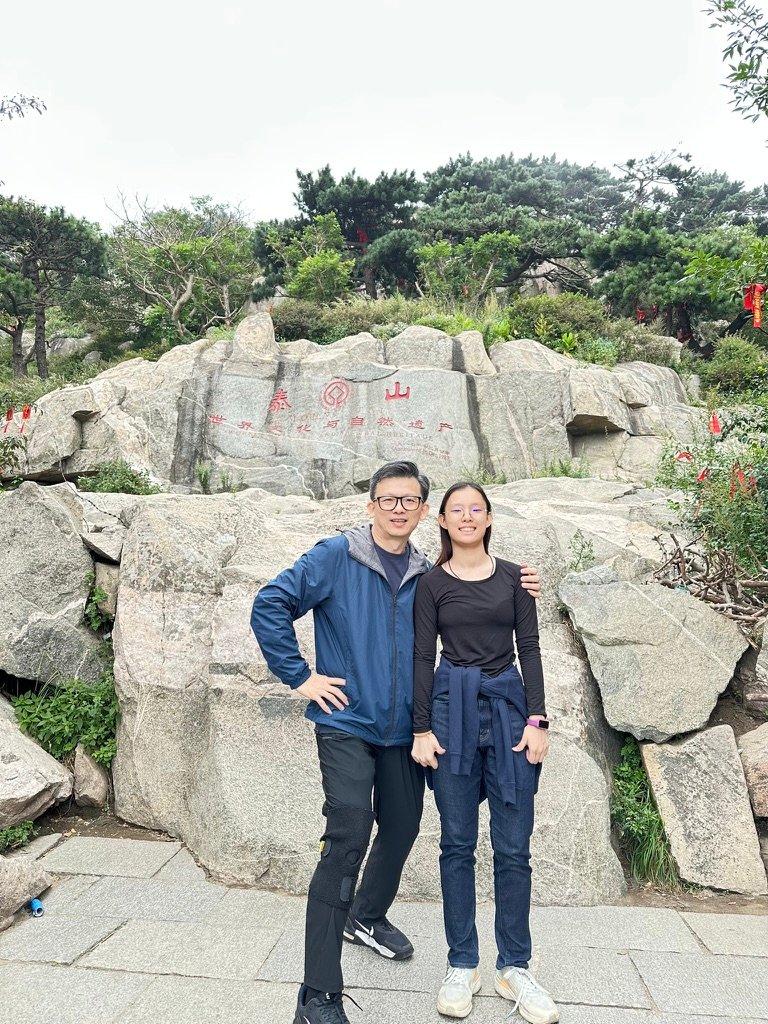
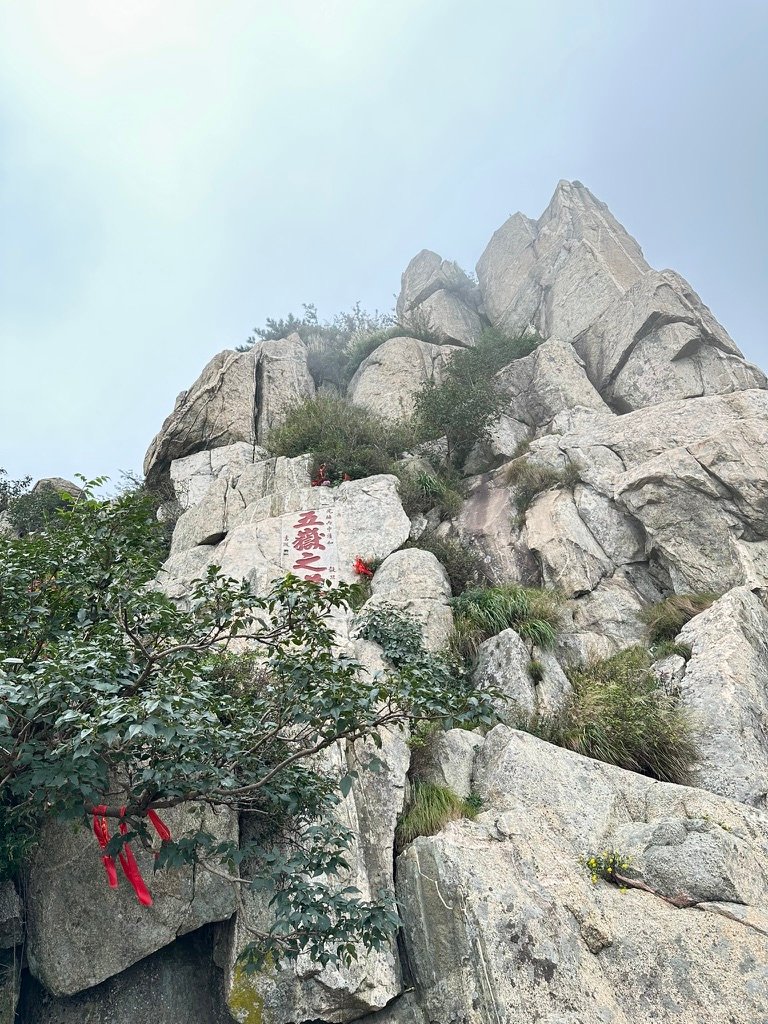
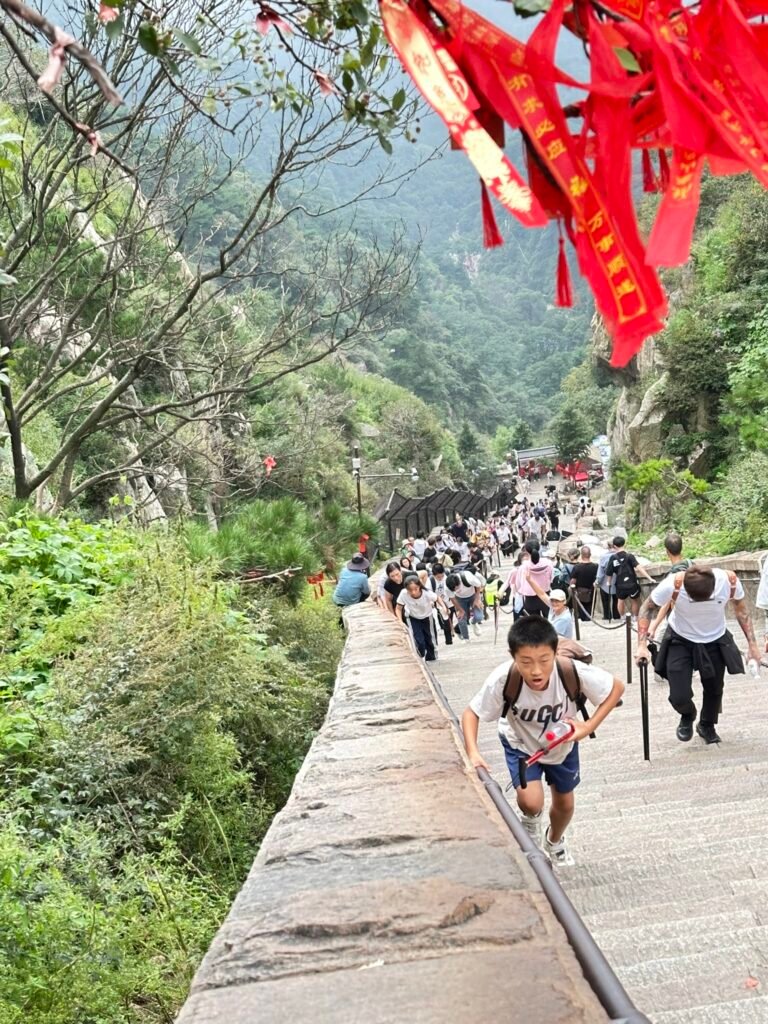
“Walking a mountain path followed by emperors for thousands of years.”
11. Mount Tai 泰山 — China’s Sacred Mountain
五岳之首
Mount Tai was never only a mountain.
For ancient China, it represented connection between:
nature
power
belief
civilisation
This is why emperors travelled here.
Our China UNESCO Journey So Far 🐞
Zhoukoudian 周口店
Human beginnings
↓
Yin Xu 殷墟
Writing & recorded civilisation
↓
Yungang 云冈
Cultural exchange
↓
Wutai Mountain 五台山
Belief
↓
Great Wall 长城
Protection
↓
Forbidden City 故宫
Governance
↓
Temple of Heaven 天坛
Harmony
↓
Summer Palace 颐和园
Landscape philosophy
↓
Pingyao 平遥
Commerce
↓
Qufu 曲阜
Ideas
↓
Taishan 泰山
Sacred landscape
Final Thoughts: The Real Wonder of China’s UNESCO Cultural Heritage Sites
After visiting many UNESCO World Cultural Heritage Sites across China, we realised something.
The biggest China wonder is not a single wall.
Not a single palace.
Not a single mountain.
It is how all these places connect.
Together they tell a story of:
human survival
civilisation
belief
government
commerce
ideas
That is why we continue exploring.
Because every journey reveals another chapter.