How Water Shaped Cities, Trade and Human Imagination
Most travellers see canals as beautiful places for photos.
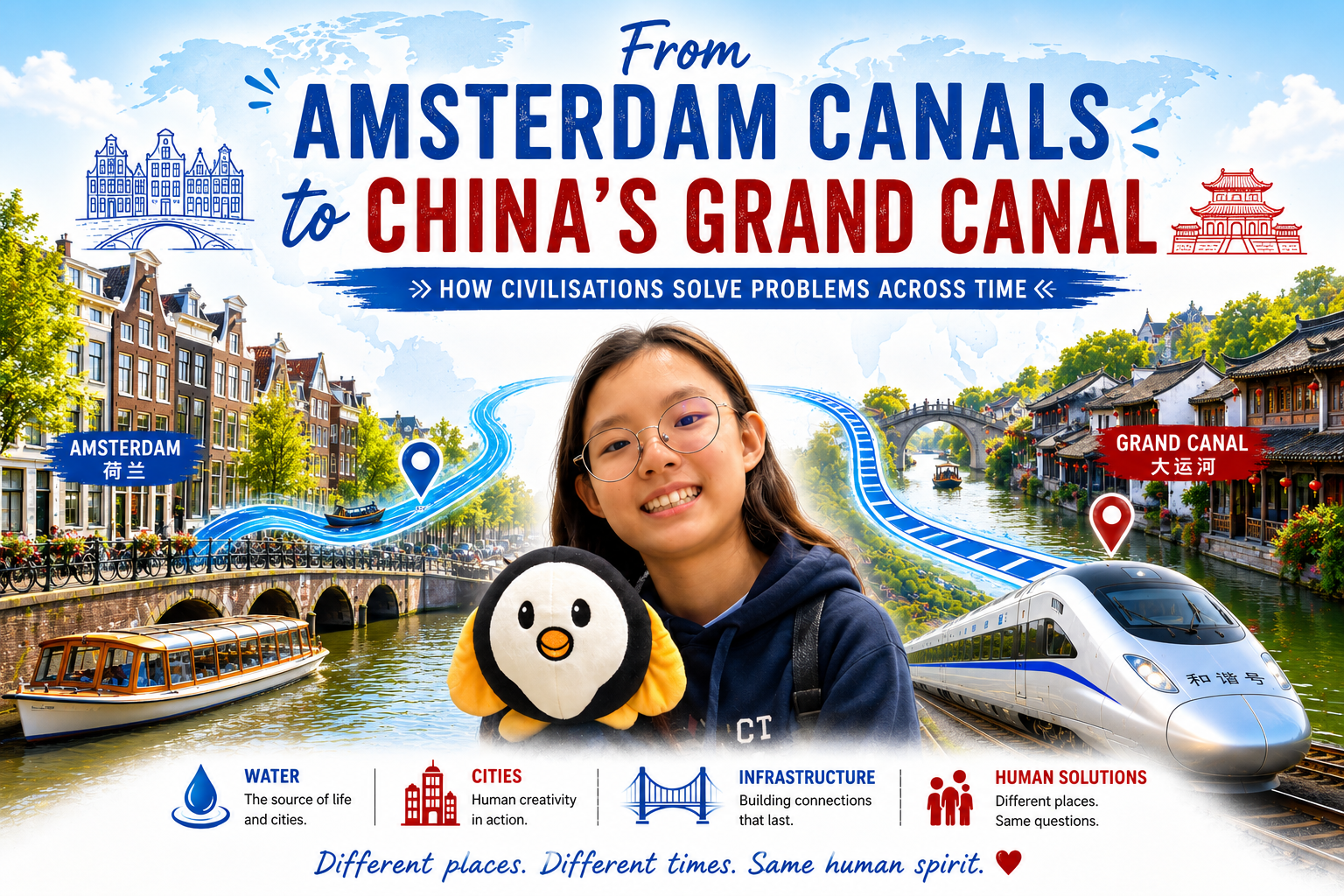
In Amsterdam, we walk beside peaceful waterways lined with narrow houses, bridges and bicycles. The canals feel romantic — a symbol of European city life.
But thousands of kilometres away in China, another canal tells a much bigger story.
The Grand Canal of China (大运河, Dà Yùnhé) was not built only to make a city beautiful.
It was built to connect a civilisation.
And during our travels across China, I began to realise something:
Civilisations may look different on the outside, but they often spend thousands of years trying to solve the same human problems.
How do we move people?
How do we transport food?
How do we connect cities?
How do we build something bigger than one generation?
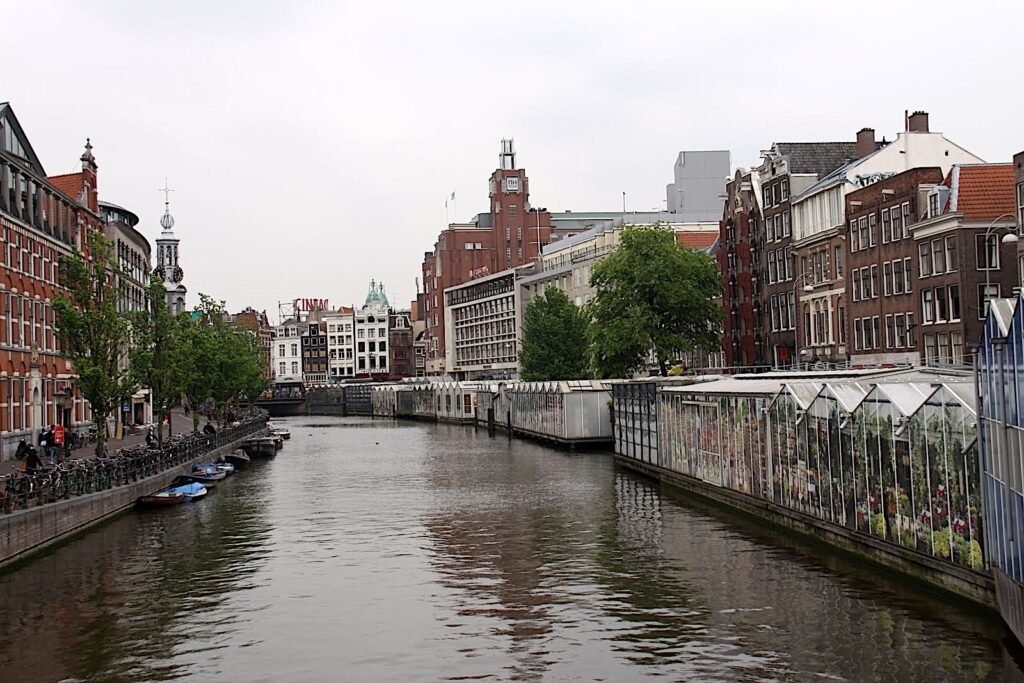
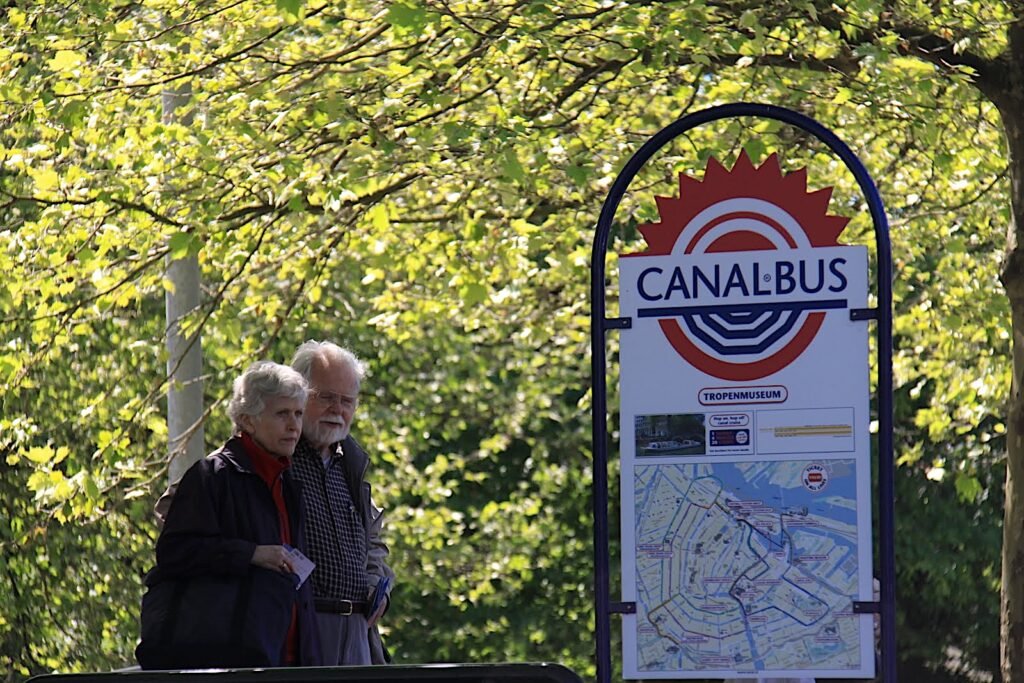
Amsterdam: A City Built With Water
When people think of Amsterdam, the first image is usually canals.
The famous Amsterdam Canal Ring is today a UNESCO World Heritage Site and one of Europe’s most recognisable city landscapes.
But the canals were never just decoration.
They solved real problems.
Amsterdam needed:
- transportation routes
- water management
- space for urban growth
- trade connections
The canals helped transform Amsterdam into one of the great commercial cities of Europe.
Water became the foundation of the city.
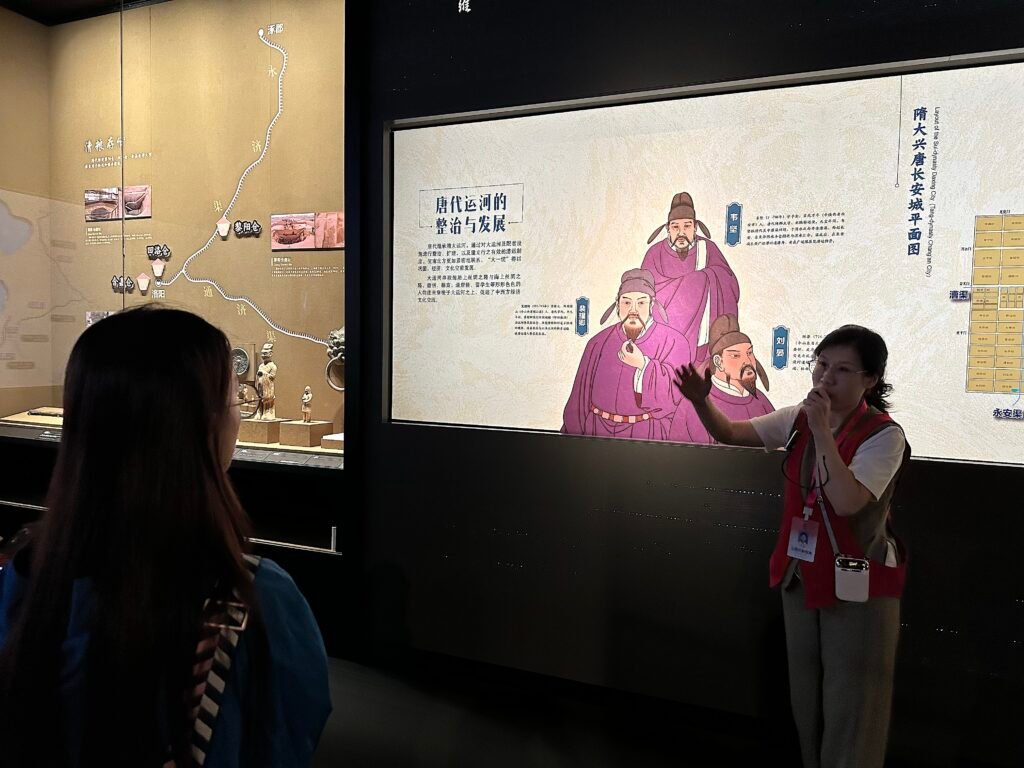
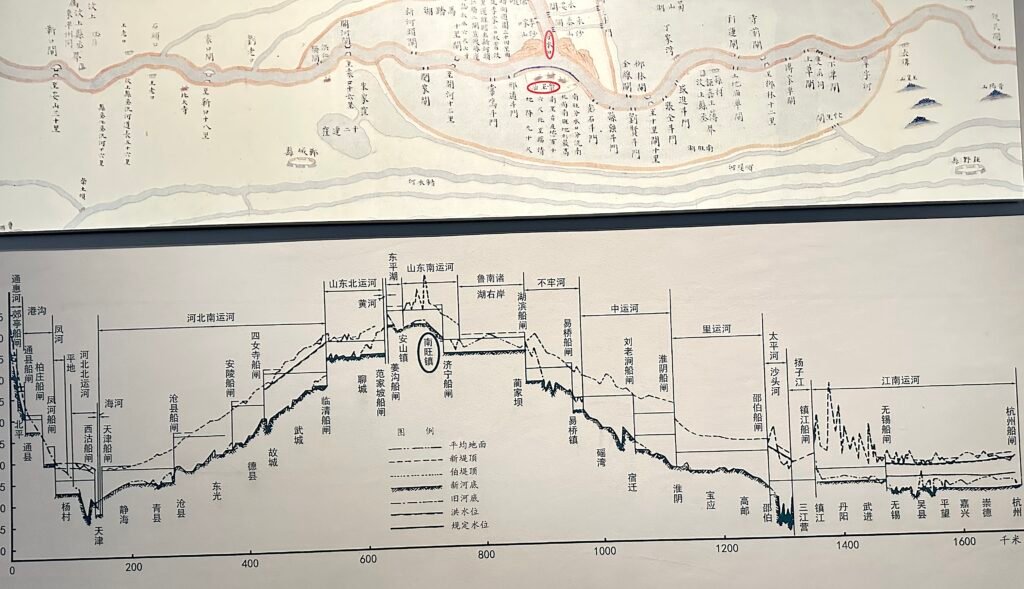
China’s Grand Canal: Connecting an Empire
China faced a different challenge.
China was huge.
The fertile agricultural regions were often in the south, while political power was usually concentrated in the north.
How could a civilisation move grain, goods and people across such enormous distances?
The answer:
The Grand Canal (大运河).
Stretching from Hangzhou (杭州) in the south towards Beijing (北京) in the north, the Grand Canal became one of the greatest engineering achievements in human history.
It connected:
Hangzhou 杭州
↓
Suzhou 苏州
↓
Yangzhou 扬州
↓
Luoyang 洛阳 connections
↓
Beijing 北京
It was China’s ancient transportation highway.
Long before China’s high-speed rail (中国高铁), the Grand Canal was already connecting the country.
Different Civilisations. Similar Questions.
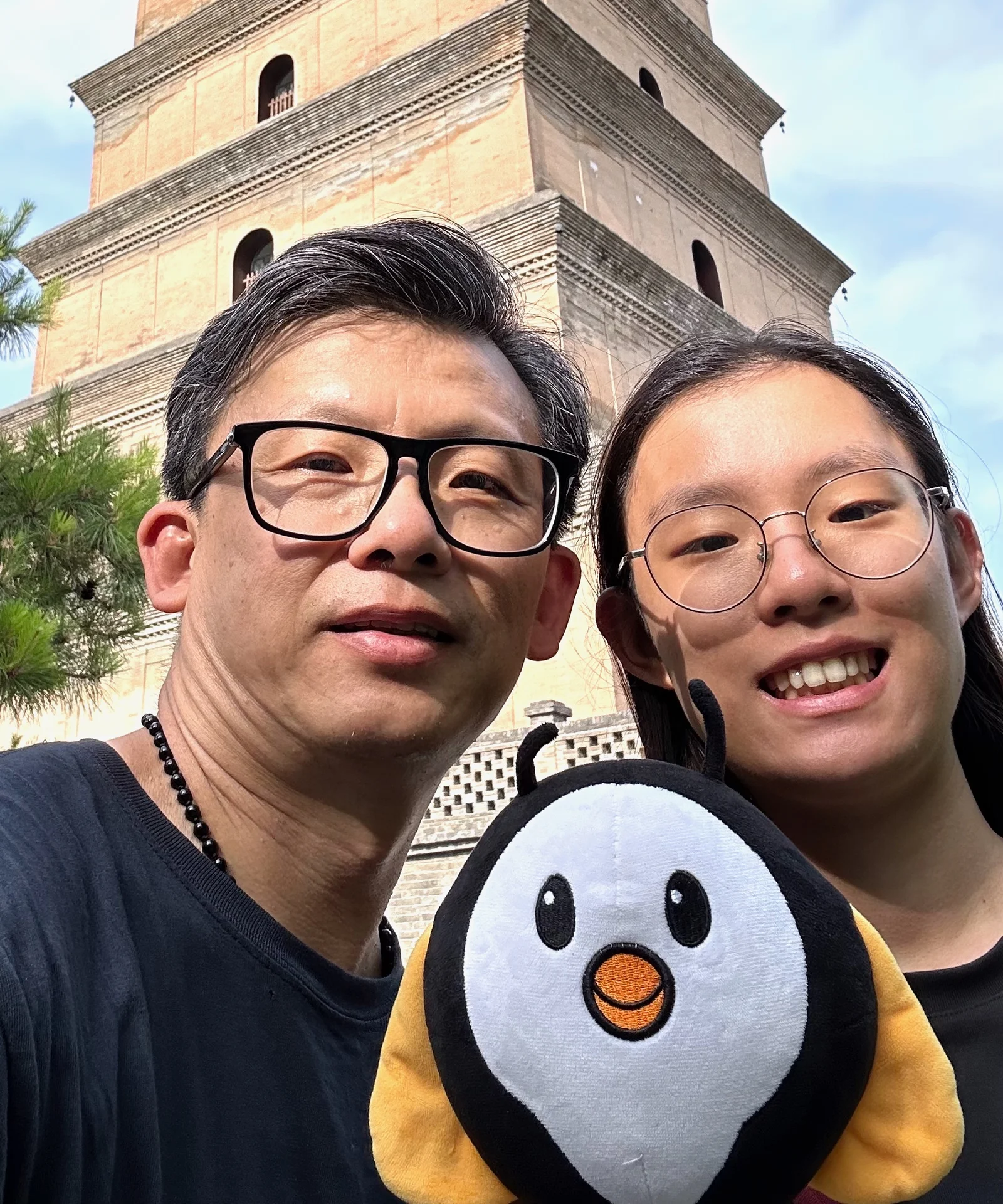
This is what fascinated Elaine and me during our journeys.
When we visited different countries, the buildings changed.
The languages changed.
The food changed.
But the human questions remained surprisingly similar.
The Dutch asked:
“How do we control water and create a trading city?”
China asked:
“How do we connect a huge civilisation across thousands of kilometres?”
Different geography.
Different culture.
Different solutions.
Same human creativity.
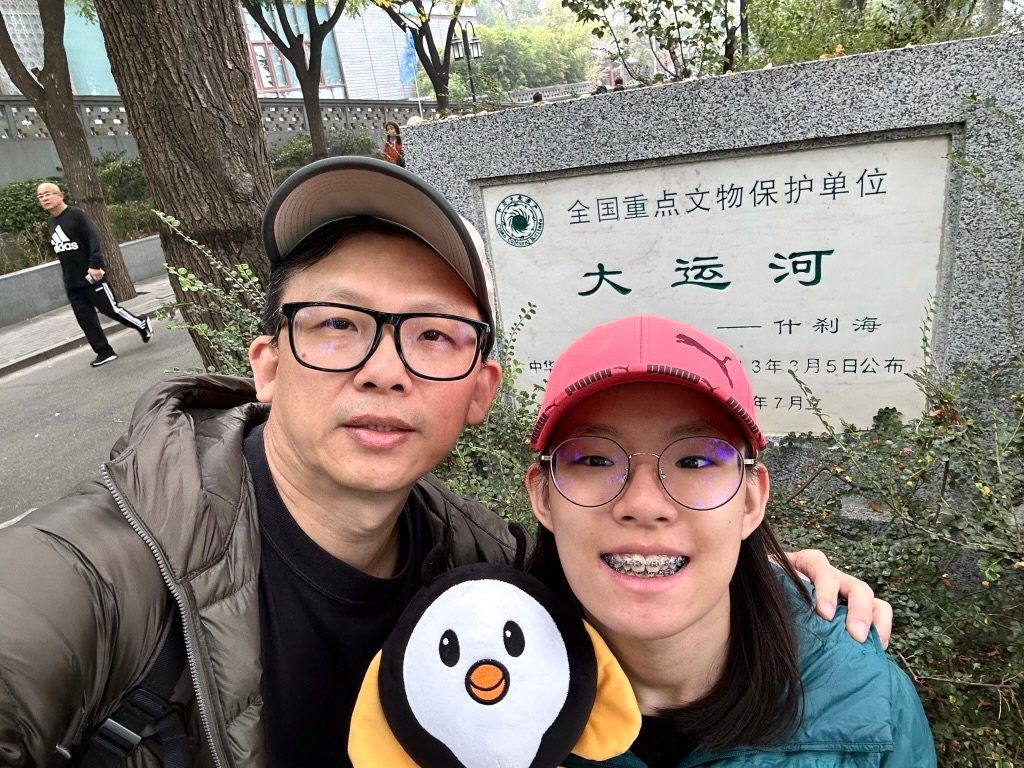
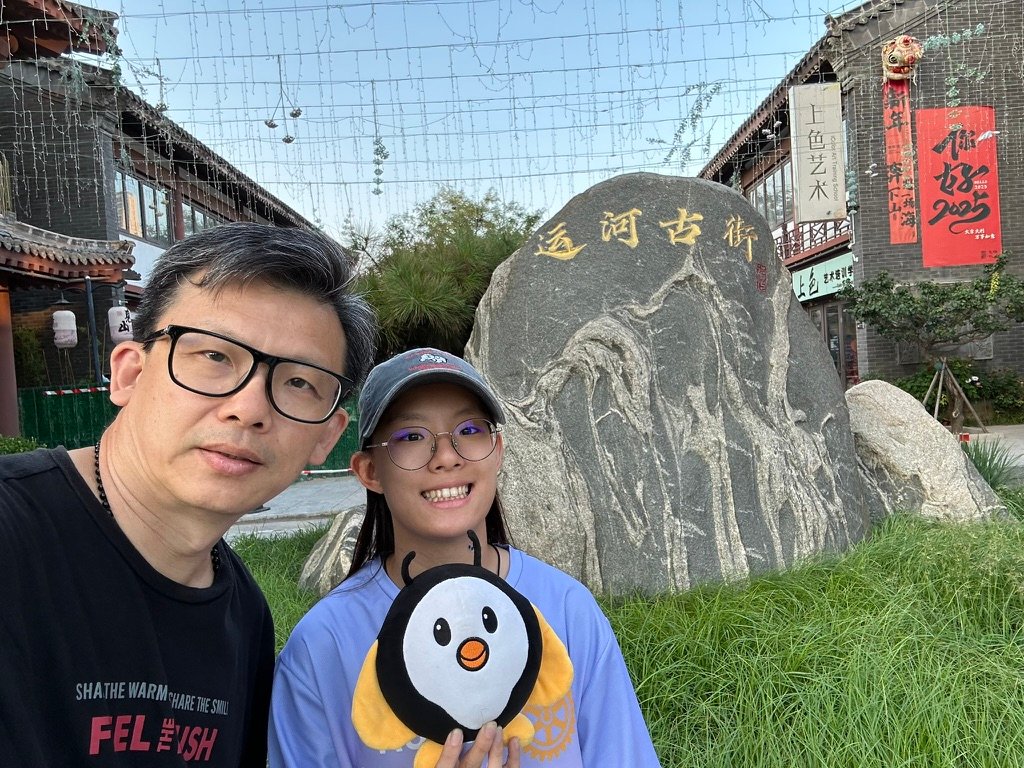
The Grand Canal 大运河 and China’s Capital Story
One interesting way to understand China is to follow its capitals.
Xi’an (西安) tells the story of ancient empire.
Luoyang (洛阳) tells the story of dynasties rising and changing.
Beijing (北京) tells the story of long-term governance.
But the Grand Canal explains something different:
How China stayed connected.
A capital city cannot survive alone.
It needs:
- food
- transportation
- communication
- resources
The Grand Canal helped support the relationship between China’s political centre and its economic heartlands.
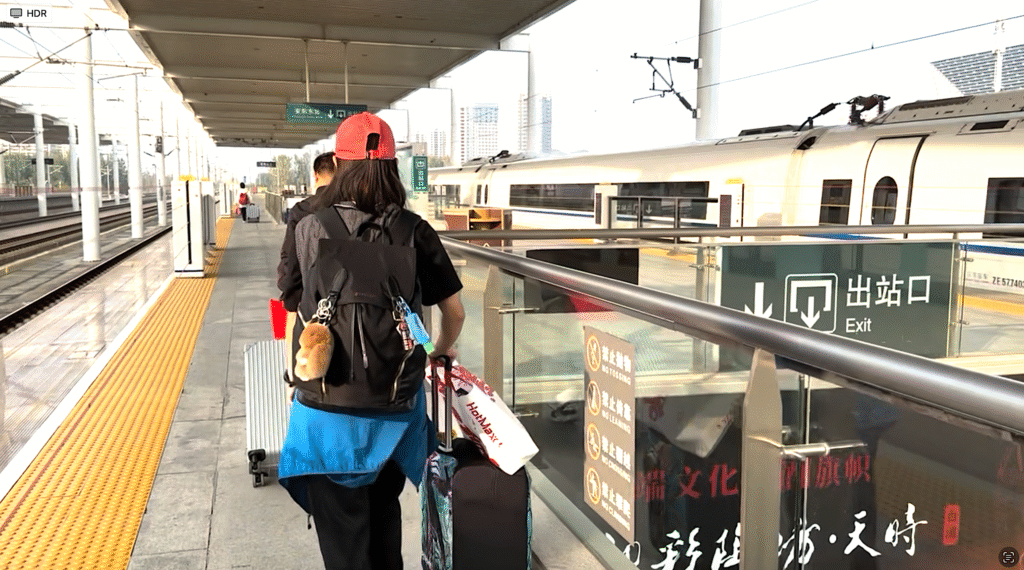
“From ancient waterways to high-speed trains — China’s story is also a story of connection.”
From the Grand Canal to China High-Speed Rail
During our father-daughter China journey, one of the biggest changes we experienced was China’s high-speed rail network.
Today, we travel from city to city:
Beijing 北京
↓
Xi’an 西安
↓
Jinan 济南
↓
Qufu 曲阜
↓
Tai’an 泰安
within hours.
But the idea behind it is not completely new.
The technology changed.
The mission remained.
Connect people.
Connect places.
Connect a civilisation.
The Grand Canal was ancient China’s network.
China high-speed rail is modern China’s network.
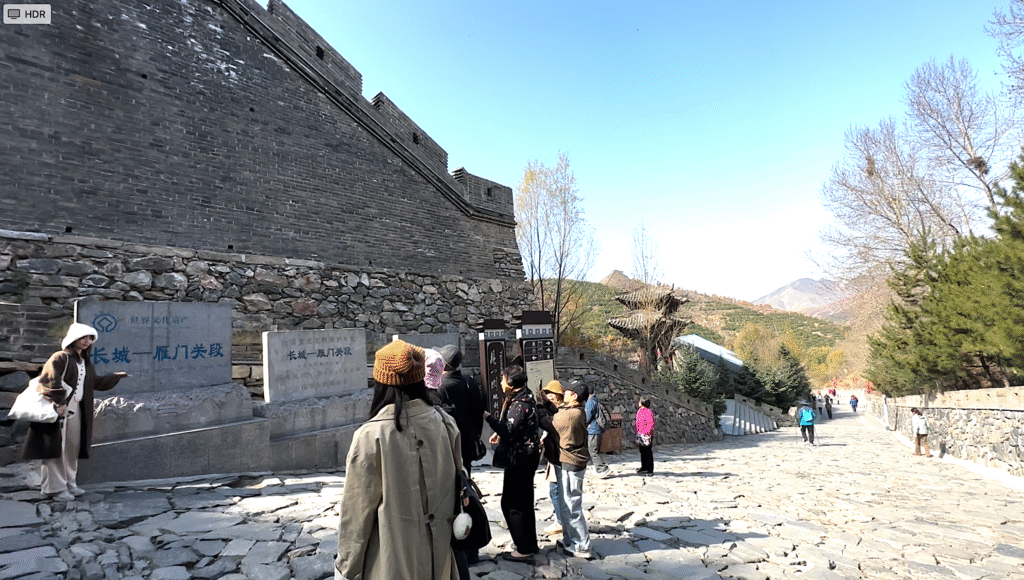
Seeing China Beyond Tourist Attractions
Many first-time visitors come to China for famous landmarks:
The Great Wall of China (长城)
The Forbidden City (故宫)
The Terracotta Warriors (兵马俑)
And they should.
They are incredible.
But after travelling through China again and again, we discovered another layer.
The deeper China is not only about monuments.
It is about UNDERSTANDING why things were built.
A wall tells you about defence.
A palace tells you about power.
A canal tells you about connection.
Our ChinaTravelBug Reflection
For Elaine and me, travelling is not just collecting destinations.
It is connecting stories.
Standing beside a canal in Europe.
Walking through ancient Chinese capitals.
Riding a high-speed train across provinces.
They are all different chapters of the same human journey.
Because every civilisation leaves behind answers.
Sometimes those answers are written in stone.
Sometimes they flow with water.
And sometimes today, they travel at 350 km/h across China.
That is why we EXPLORE China:
Not as separate attractions.
But as one continuous civilisation journey.