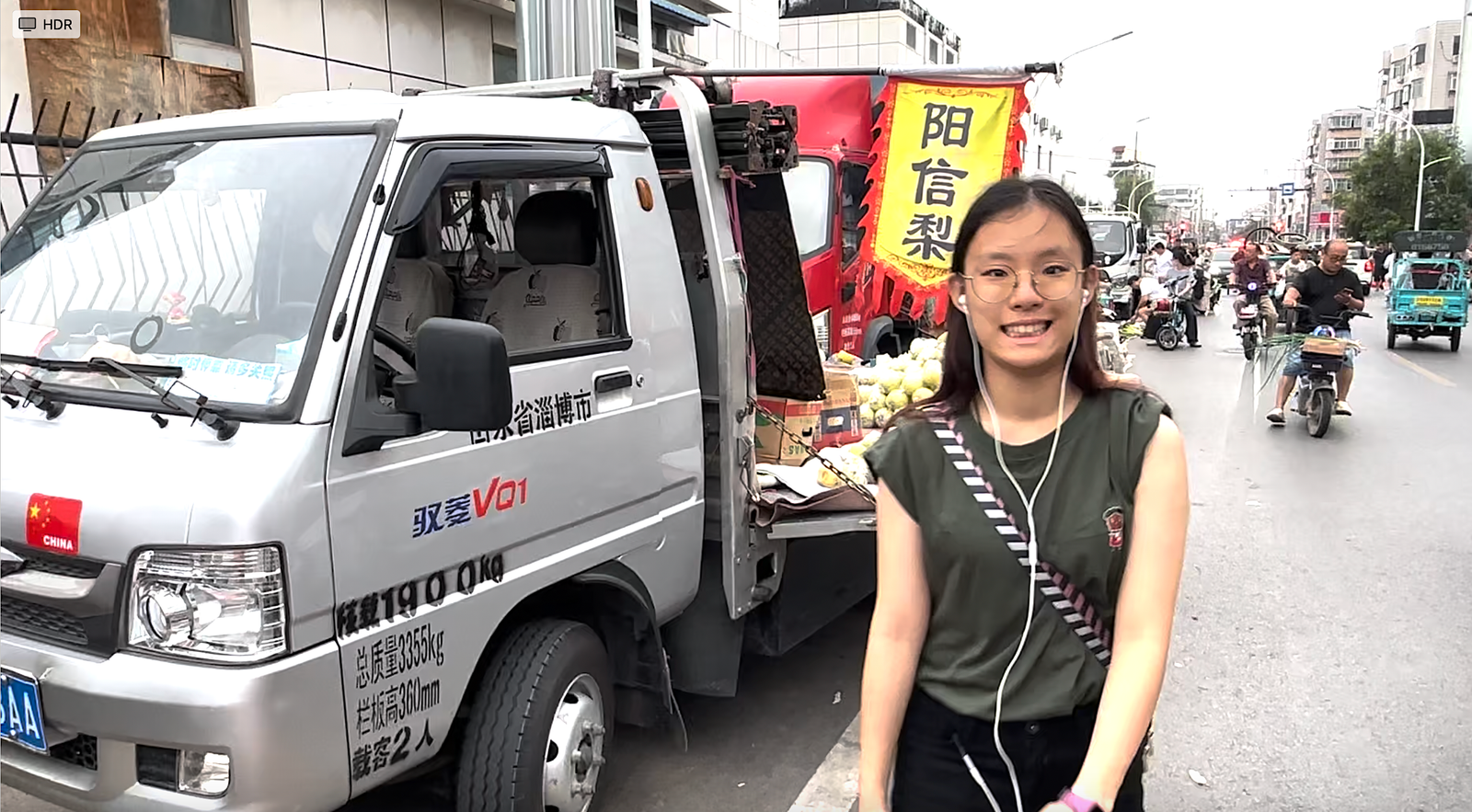
The China We Found Between Destinations
When most travellers plan their first trip to China, they usually search for the famous places.
The Great Wall of China.
The Forbidden City in Beijing.
The Terracotta Warriors in Xi’an.
And yes — these are incredible places everyone should experience.
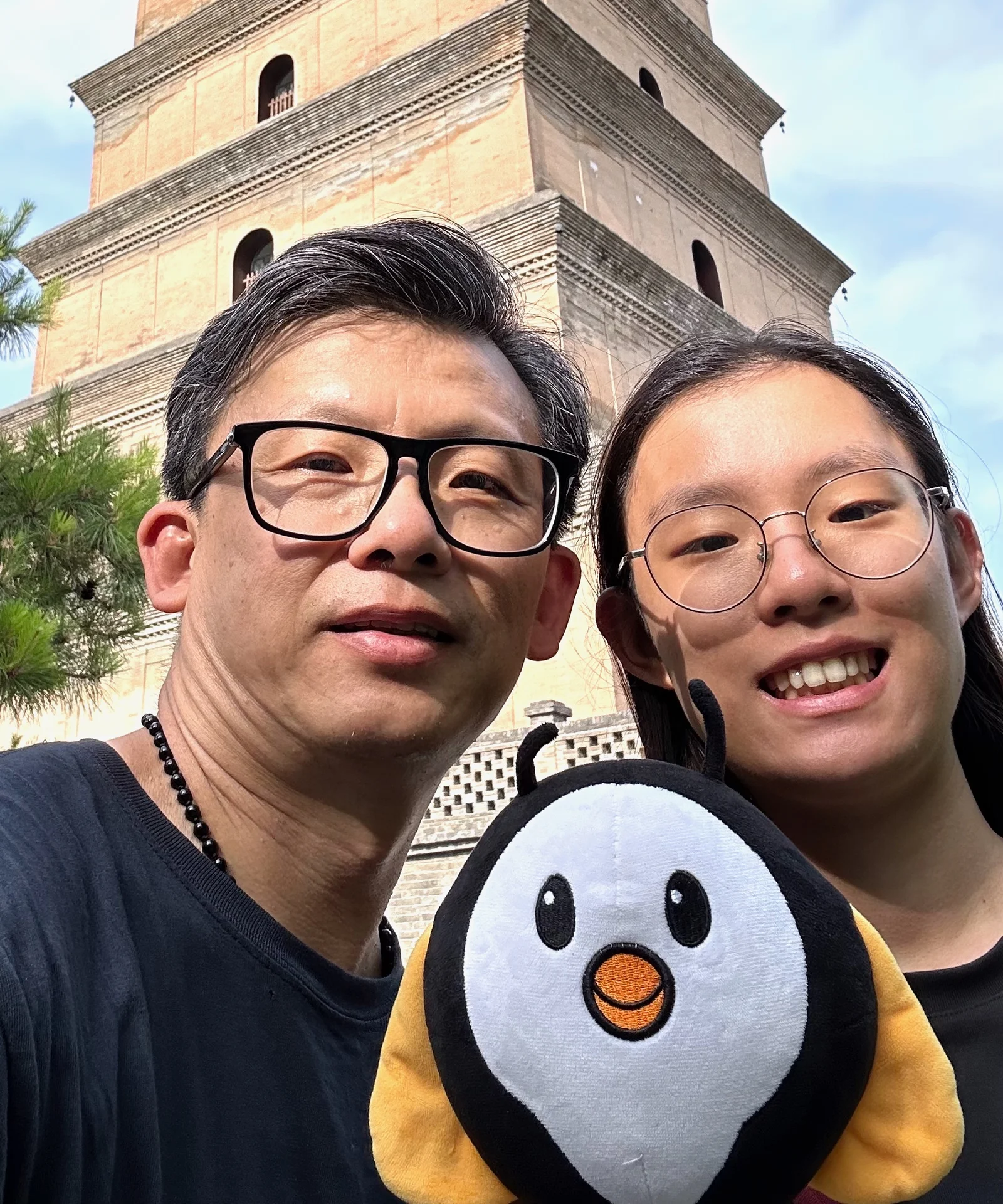
But after travelling across China many times as father and daughter, Elaine and I discovered something unexpected.
Some of our favourite memories did not happen at famous attractions.
They happened between them.
Inside a high-speed train.
At a neighbourhood morning market.
On a quiet street corner watching elderly people play chess.
Inside a Didi car.
Waiting for a Meituan delivery.
These small everyday moments helped us understand the real life in China today.
A country where ancient traditions, local communities, and digital innovation somehow exist together.
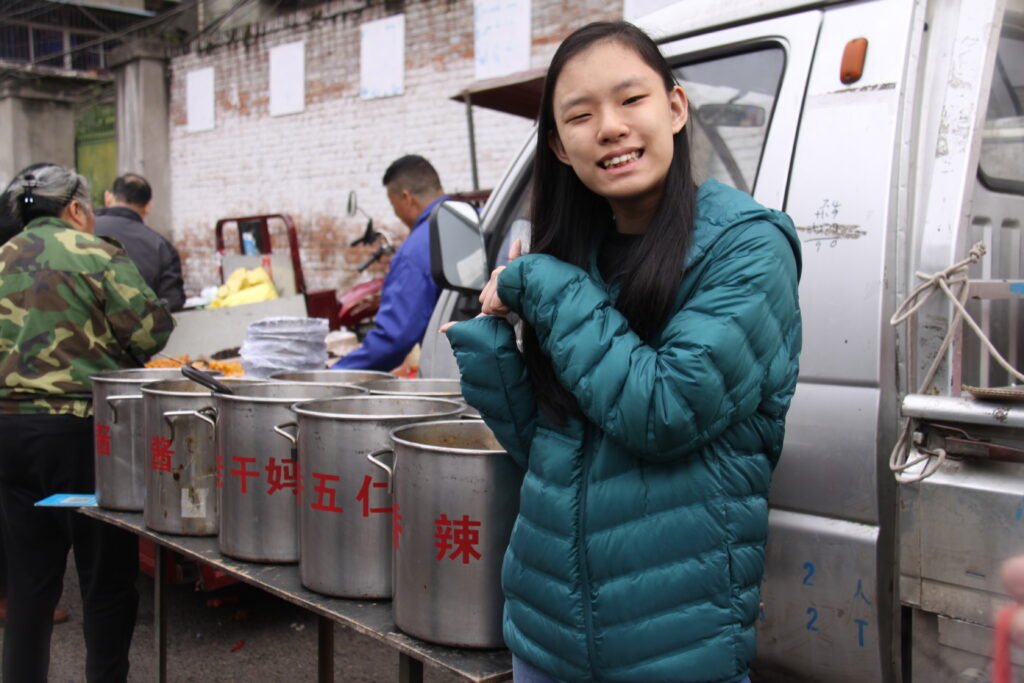
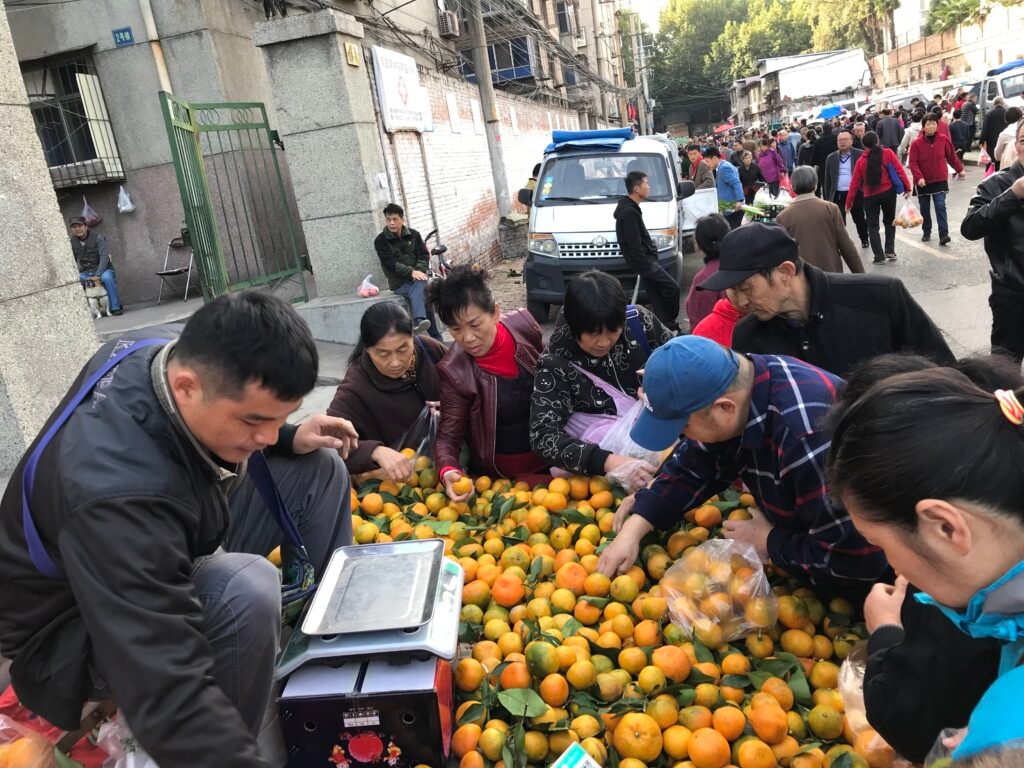
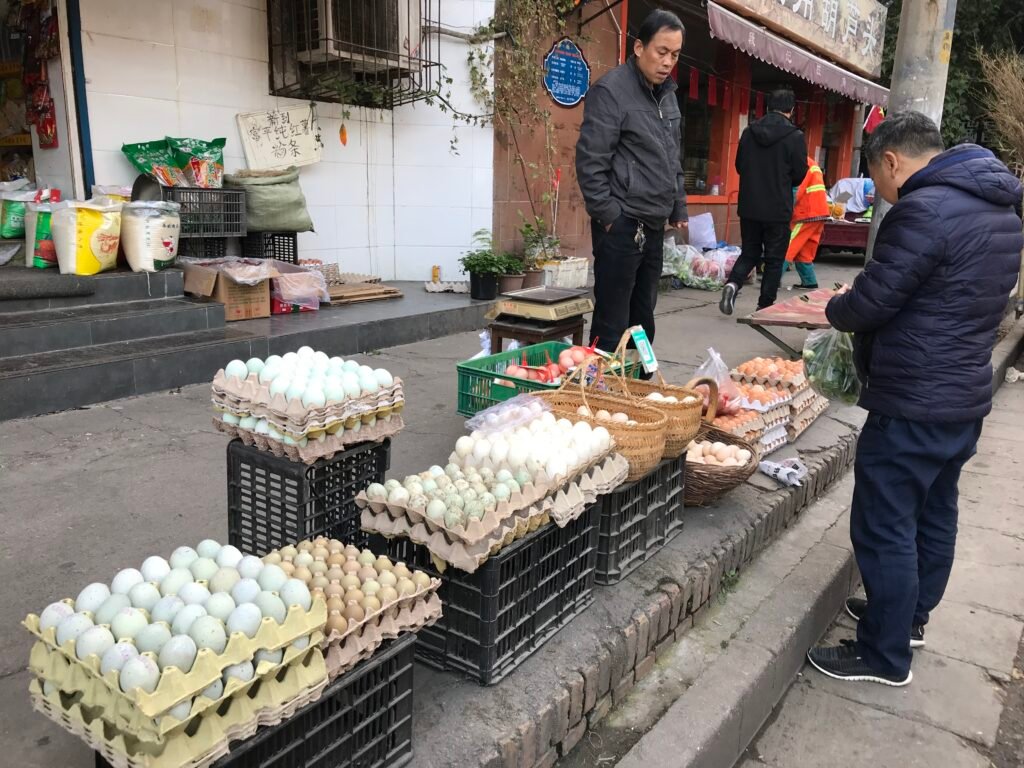
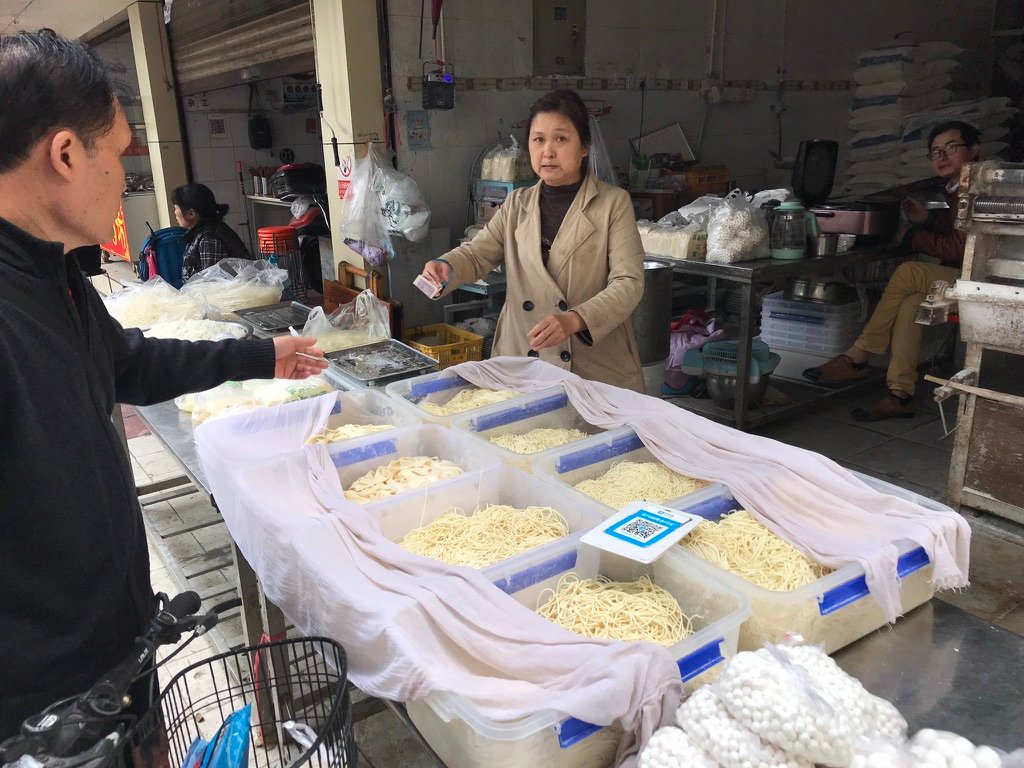
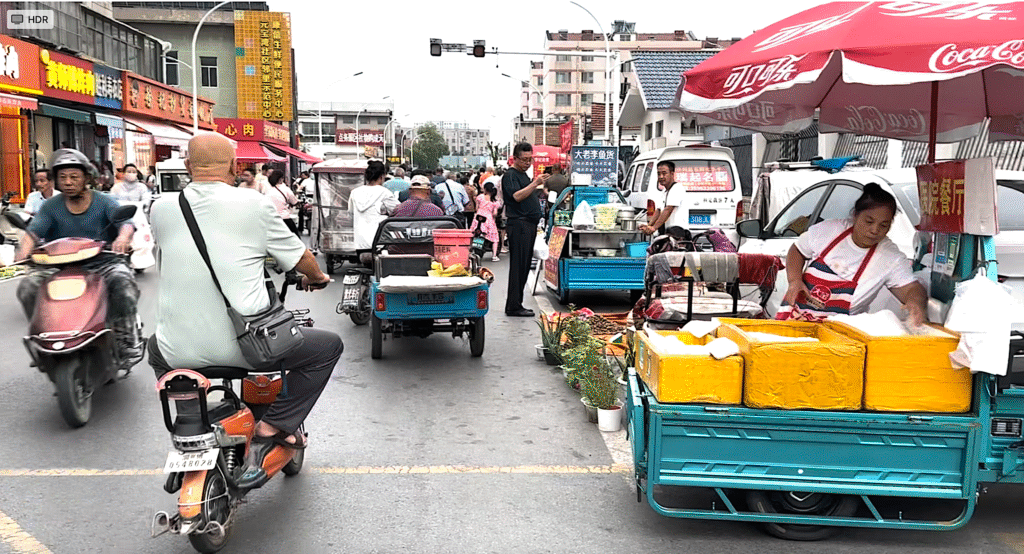
1. Visiting a Local Market (菜市场) — Where Real China Wakes Up
One of our favourite ways to understand any Chinese city is surprisingly simple:
Visit the local market.
A 菜市场 (cài shì chǎng) — fresh produce market — shows a completely different side of China.
Before the shopping malls open, the neighbourhood is already alive.
Vegetable sellers arranging fresh greens.
Fruit vendors shouting prices.
Families buying ingredients for lunch and dinner.
Locals chatting with familiar stall owners.
During our travels, Elaine and I visited these markets in cities like Xi’an and other parts of China.
There were no souvenir shops.
No tourist performances.
Just ordinary people living their ordinary lives.
And sometimes, this is where travel becomes most meaningful.
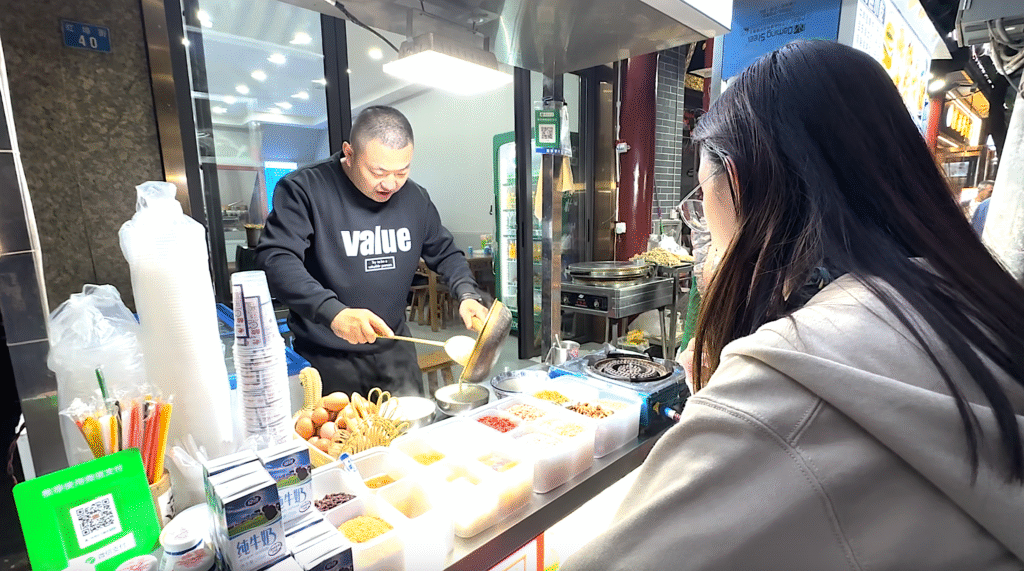
2. Learning China Through Small Conversations
A simple food stall can become a language lesson.
During one visit in Xi’an, Elaine ordered 醪糟 (láo zāo), a traditional fermented rice dessert drink.
For us, moments like this are why we love travelling independently in China.
You learn small Chinese words naturally:
你好 (nǐ hǎo) — hello
谢谢 (xiè xie) — thank you
多少钱 (duō shǎo qián) — how much?
Little by little, China becomes less unfamiliar.
You stop feeling like you are only visiting China.
You start experiencing China.

3. China High-Speed Rail (高铁) — The New Way to Explore China
One of the biggest changes in modern China is the incredible high-speed rail network.
China high-speed rail, known locally as 高铁 (gāo tiě), has completely changed how people travel.
For many of our China trips, trains became part of the adventure.
Beijing.
Xi’an.
Shandong.
Shanxi.
Different cities connected smoothly by China bullet trains travelling around 300 km/h.
But our most memorable HSR journey was not because of speed.
It was because of a birthday cake.
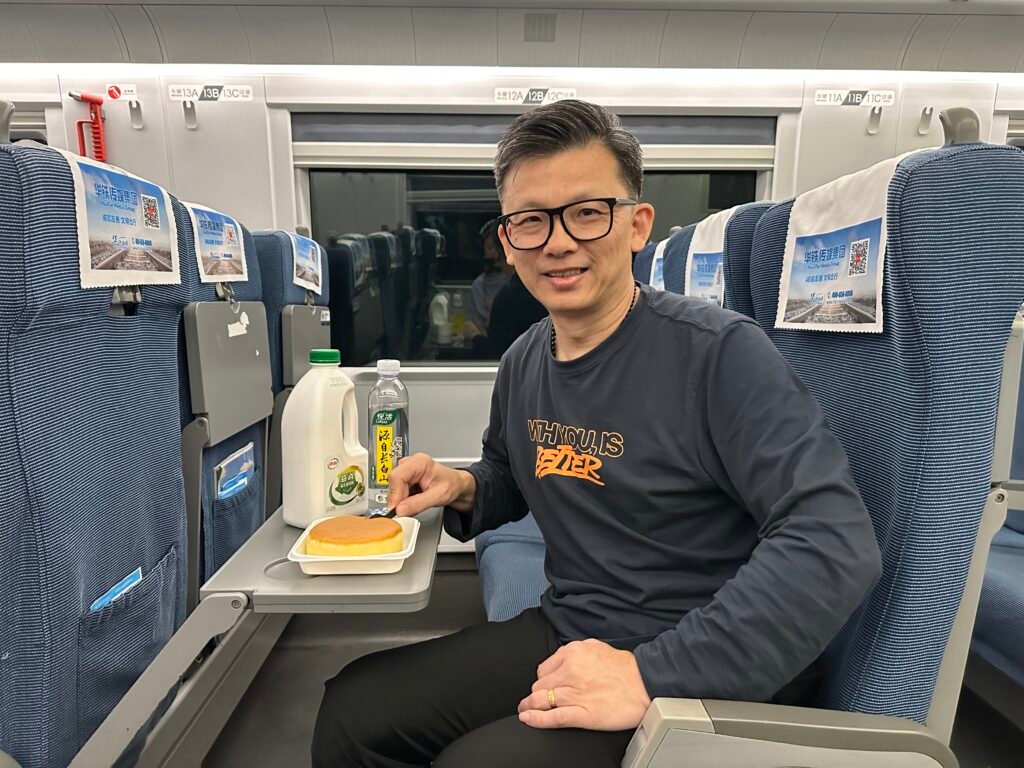
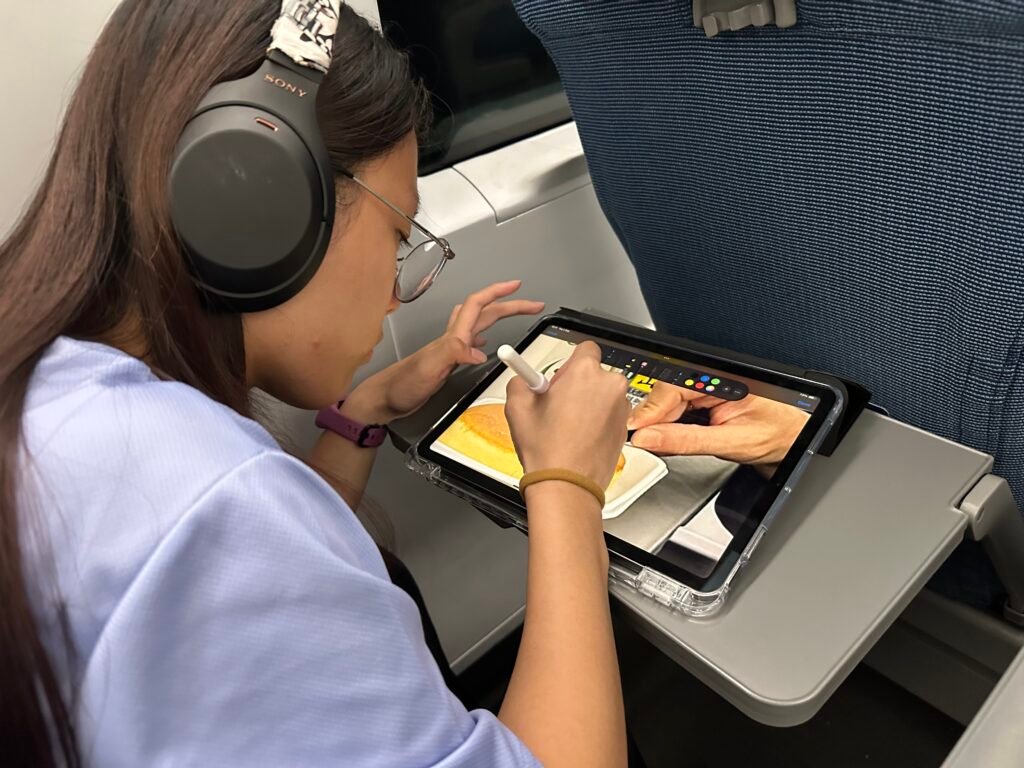
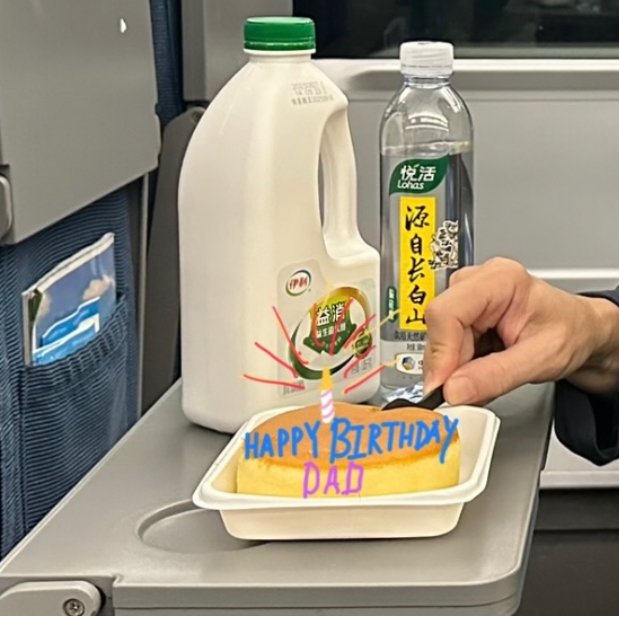
On my birthday, Elaine and I were travelling from Dezhou to Beijing on the G190 high-speed train.
We bought a simple cake.
But there was one problem.
No candle.
So Elaine took out her iPad and drew one.
A digital candle.
On a Chinese high-speed train.
Travelling across China.
Sometimes the smallest memories become the biggest stories.
4. QR Codes Everywhere — The Digital Side of China
Modern daily life in China is extremely digital.
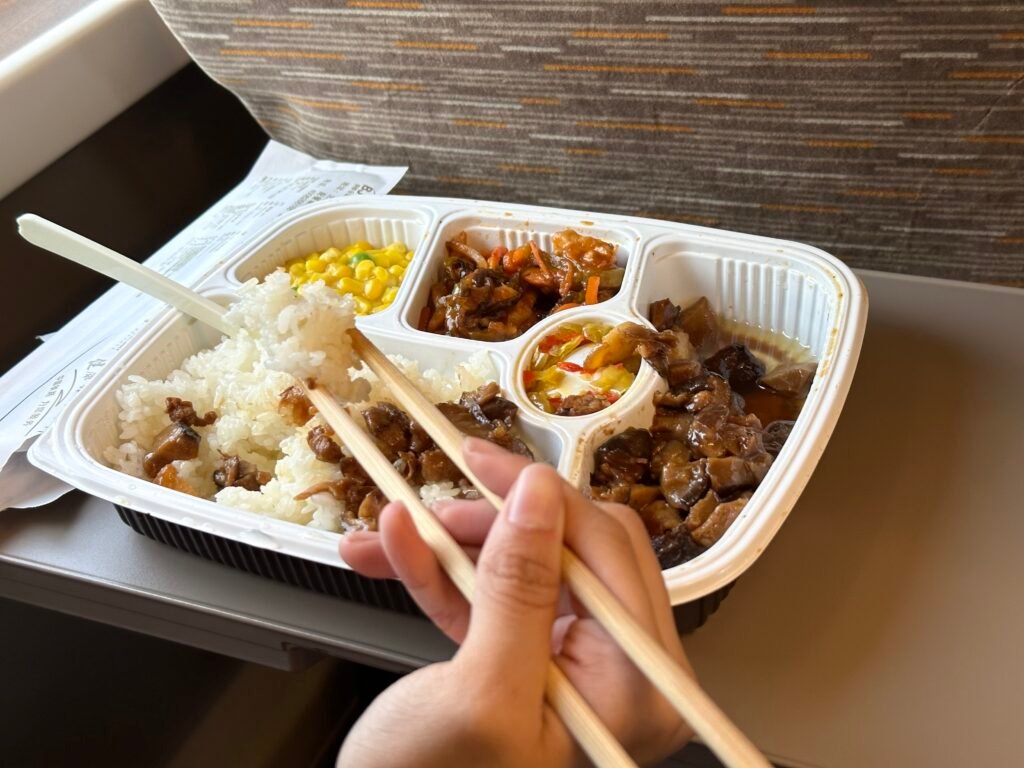
Inside the train, Elaine ordered meals simply by scanning a QR code (二维码 èr wéi mǎ).
No walking to a food carriage.
No waiting.
A few taps on the phone and the meal arrived.
For first-time visitors, China’s digital lifestyle can feel surprising.
QR ordering.
Mobile payment.
Online services.
Everything happens quickly.
5. Taking Didi (滴滴) — China’s Everyday Transport App
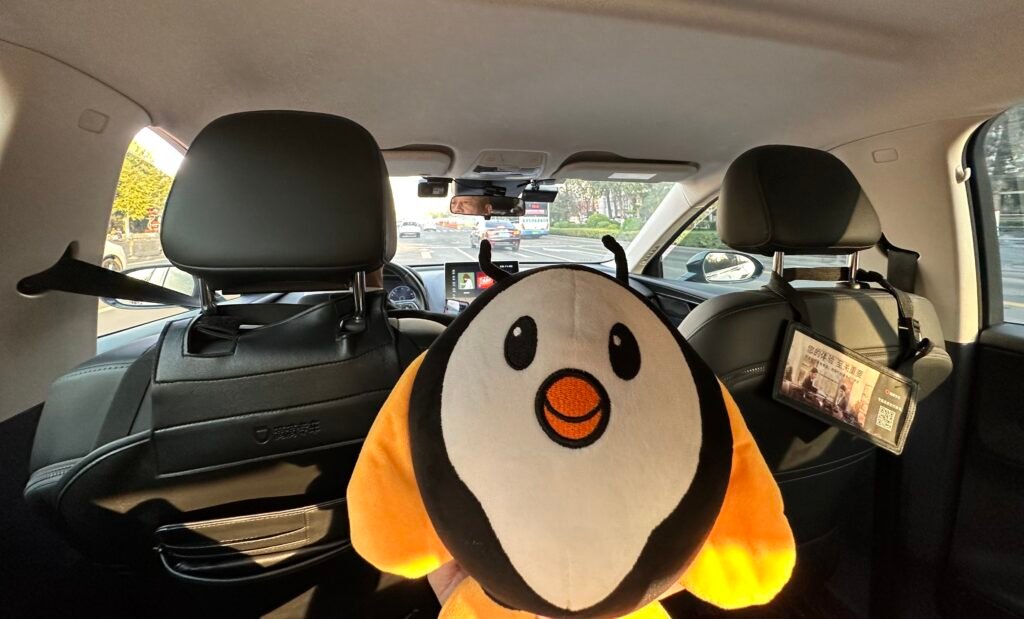
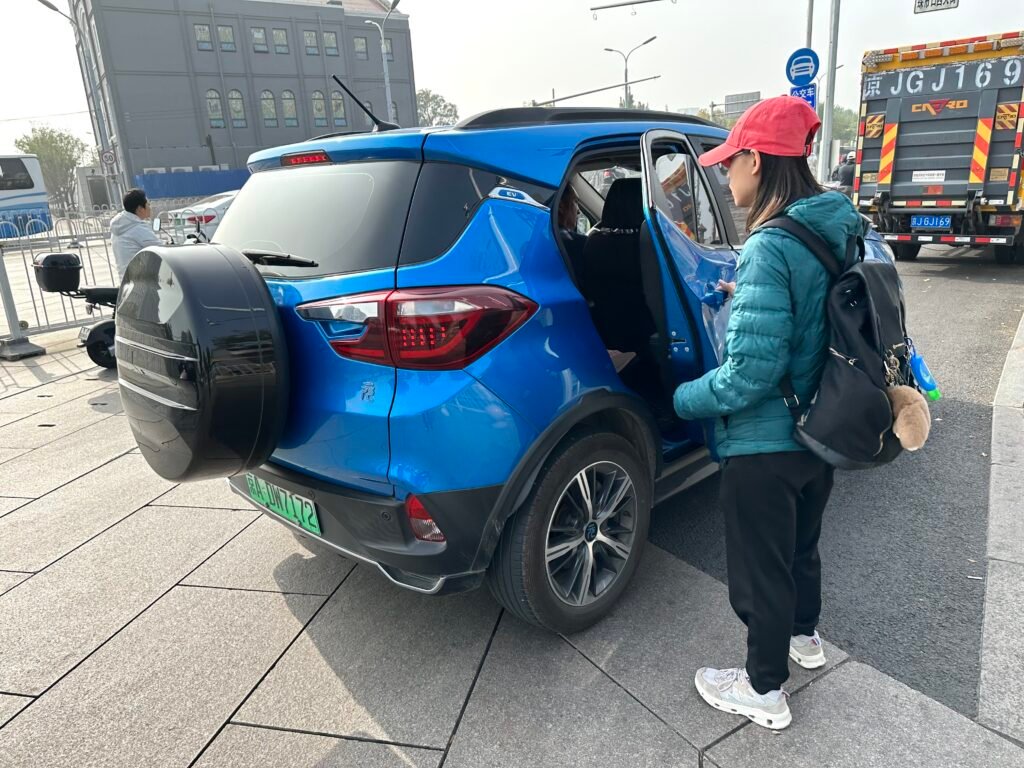
Another part of modern China travel is using Didi (滴滴出行).
Instead of finding taxis, many locals simply open an app.
A car arrives.
The route is shown.
Payment is completed digitally.
From Beijing and smaller cities, Didi became part of our daily travel routine.
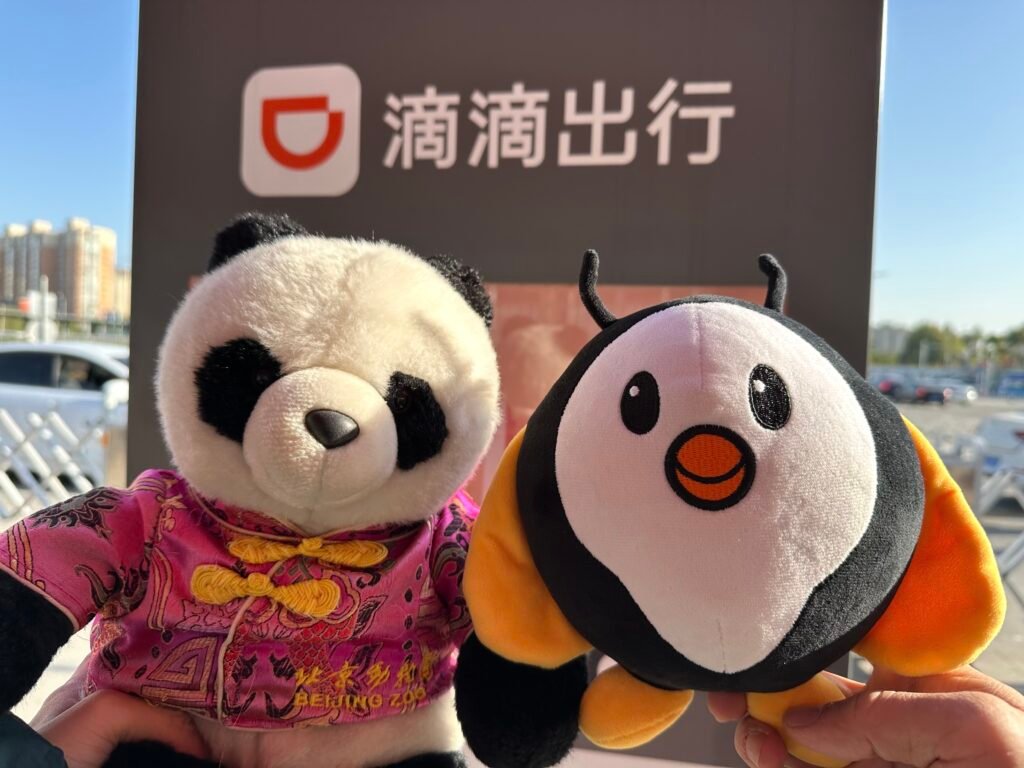
Even Panda and Cheers, our ChinaTravelBug travel companions, experienced many Didi rides with us.
6. Meituan (美团) — Understanding China’s Delivery Lifestyle
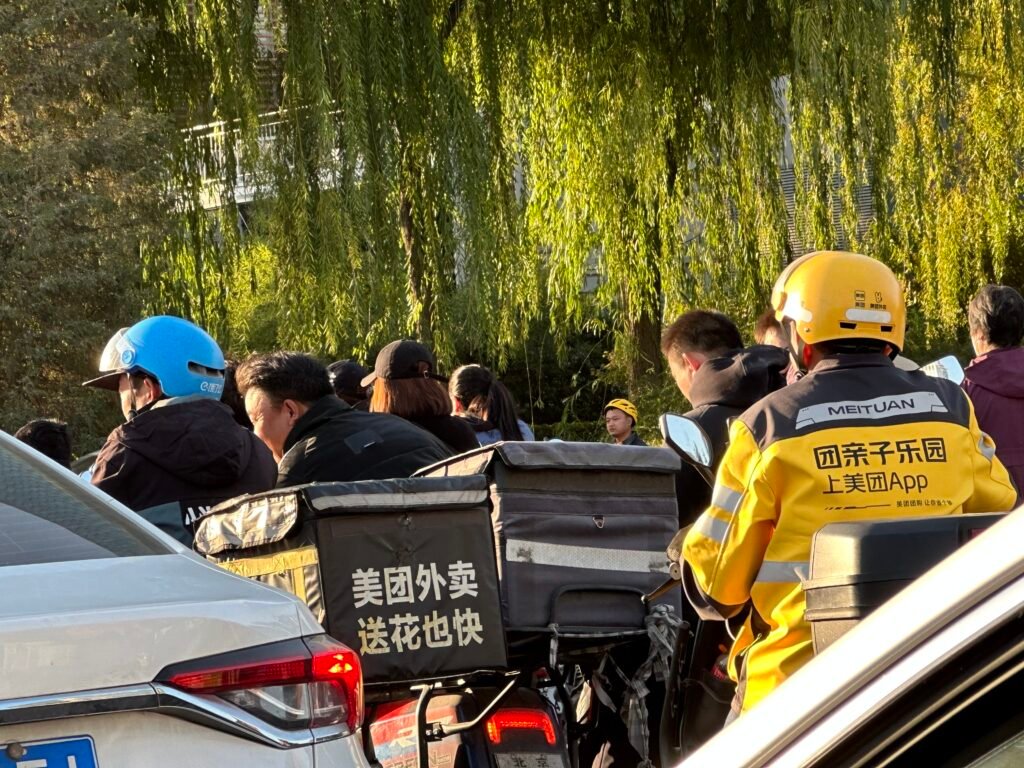
Walk around any Chinese city today and you will quickly notice yellow delivery riders.
They are part of 美团 (Měi Tuán), one of China’s major delivery platforms.
Food.
Drinks.
Daily products.
Everything moves around the city through this invisible digital network.
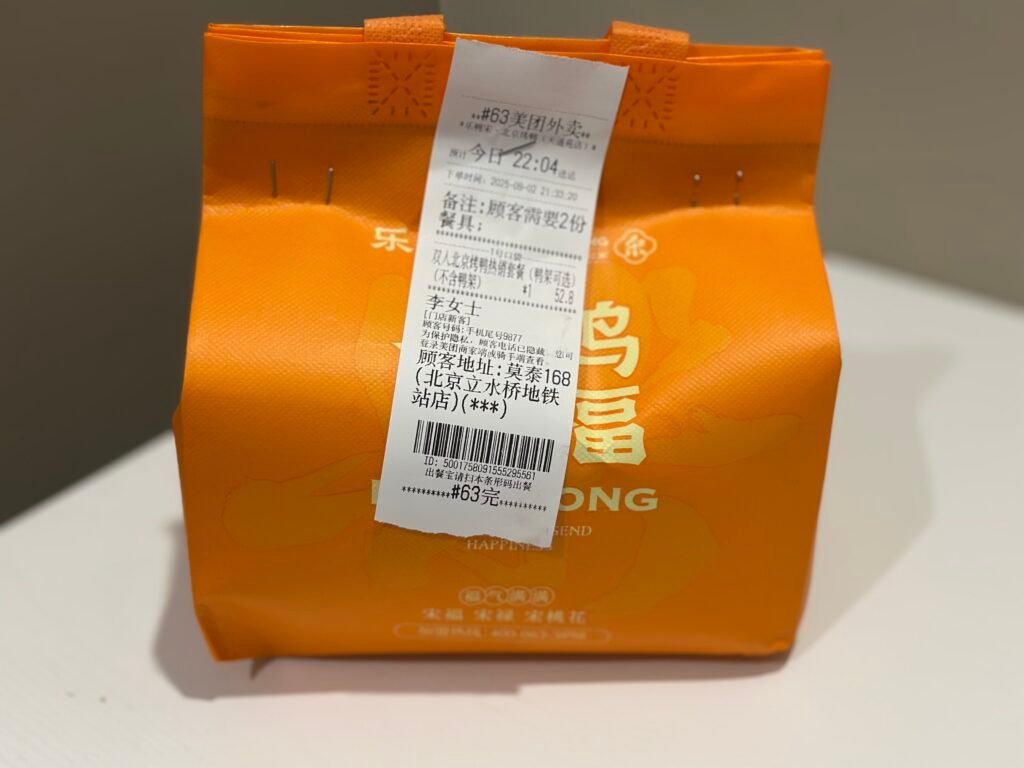
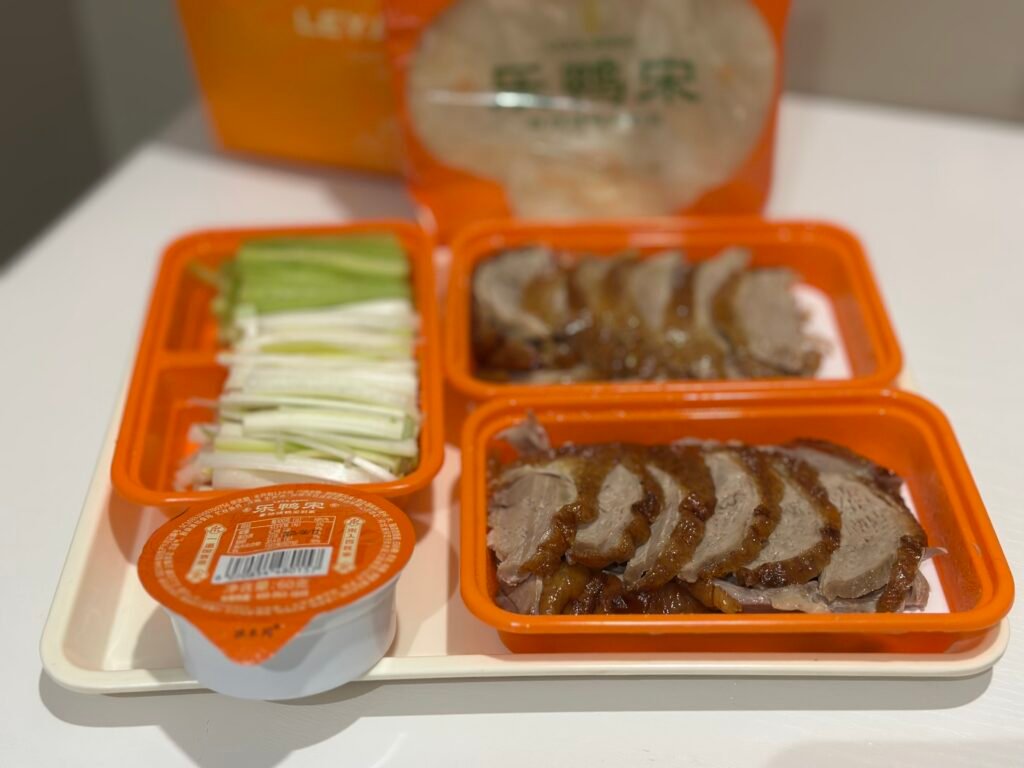
During one Beijing evening, after arriving from our HSR journey and reaching our hotel near the Fourth Ring Road, we received a surprise.
Beijing roast duck delivered directly to our room.
It was ordered online by my eldest daughter from Hong Kong.
A traditional Beijing dish.
Delivered through modern China technology.
Old and new China meeting again.
7. Shared Bikes (共享单车) — Moving Around the City
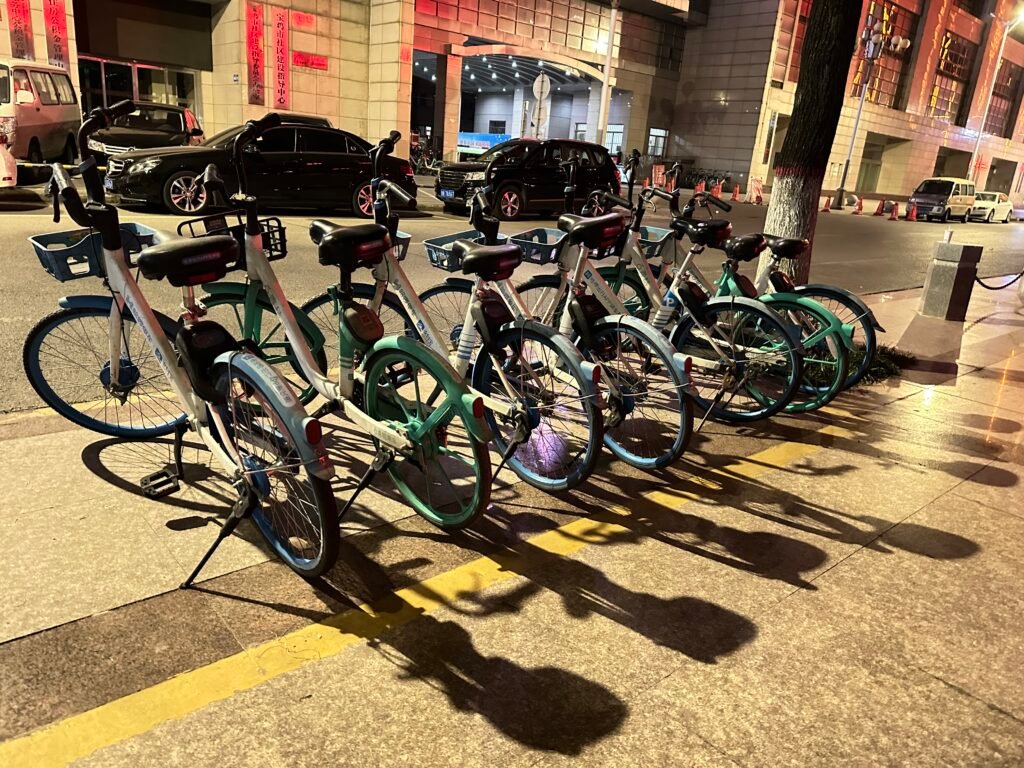
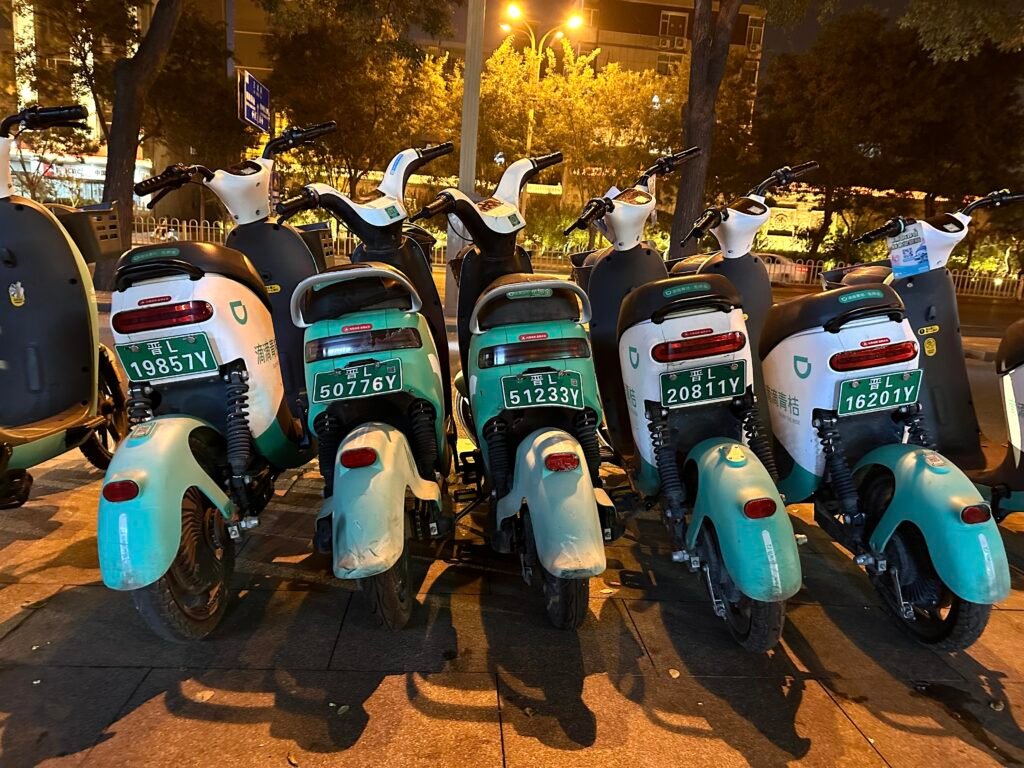
Another daily convenience in China is shared transport.
On many streets you will see:
共享单车 (gòng xiǎng dān chē) — shared bicycles
电动车 (diàn dòng chē) — electric bikes
People unlock them with phones, ride across the neighbourhood, and leave them at designated areas. Small innovations like these quietly changed everyday life
8. Street Games — The China That Has Not Changed
But China is not only technology.
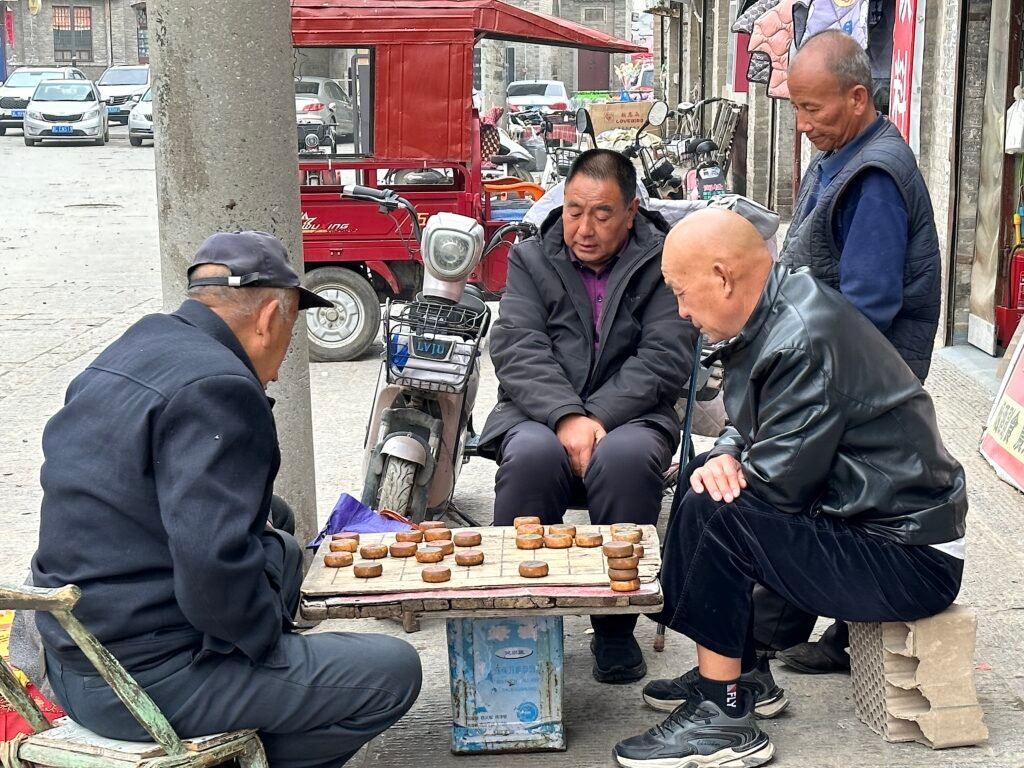
In Linfen 临汾, Shanxi 山西 Province, we stopped to watch elderly locals playing Chinese chess.
象棋 (xiàng qí).
A simple board.
A few chairs.
Many spectators.
No apps.
No screens.
Just people enjoying time together.
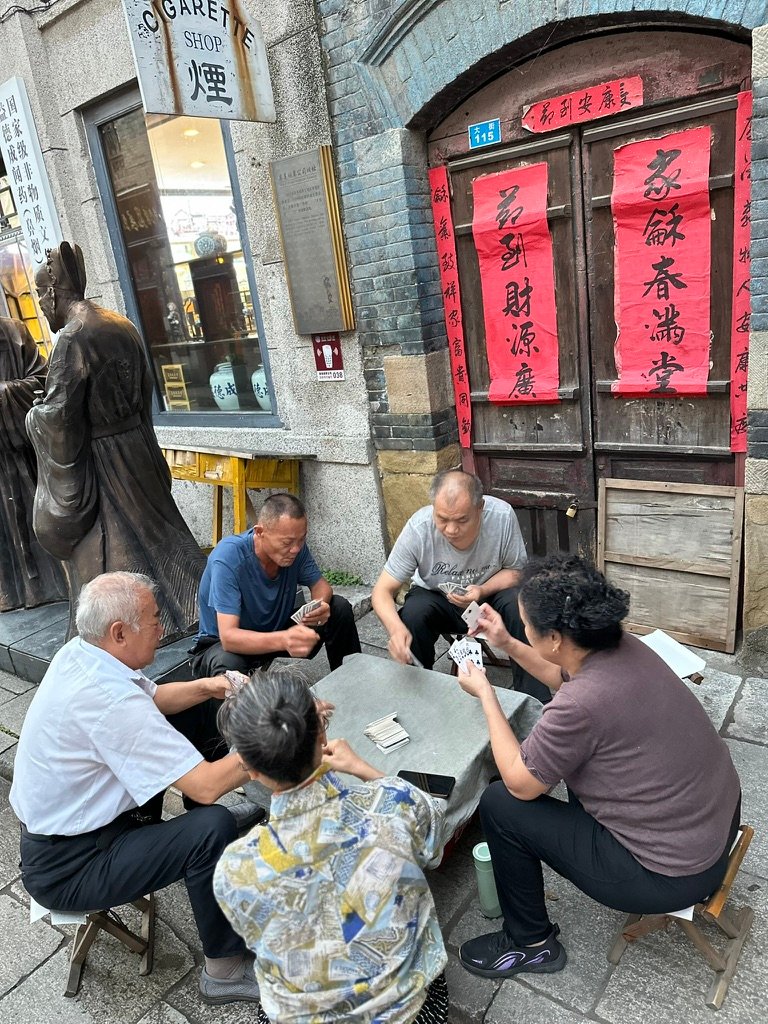
In Zibo 淄博, Shandong 山东 Province we saw another group playing cards outside.
Different city.
Same feeling.
Community.
Friendship.
Conversation.
After all the changes China has experienced, some traditions remain.
Final Thoughts: The Real China Exists Between Old and New
China today is not only ancient temples.
It is not only futuristic technology.
The China we discovered is somewhere in between.
A grandmother buying vegetables at a morning market.
A delivery rider rushing through Beijing.
A 300 km/h train connecting cities.
A group of friends playing chess outside.
A daughter drawing a birthday candle on an iPad.
For travellers planning their first China trip, remember:
Visit the famous attractions.
But also leave time for ordinary moments.
Because sometimes, the best stories about China happen when you stop looking for them.
Continue Exploring Beijing
Visiting Great Wall of China from Beijing:
Beijing Travel Guide: Discover China’s Ancient Capital, Local Life and Future China
Returning to Qianmen Street (前门大街): Beijing’s Historic Walking Street
Wangfujing (王府井): Beyond Beijing’s Famous Shopping Street
Beijing Hutongs (胡同): Discovering Everyday Life in the Capital