From emergency instant noodles to supermarket discoveries — how we survived weeks travelling China without carrying a suitcase full of snacks.
Before travelling around China with children, many parents probably have the same secret worry.
Not the Great Wall.
Not transportation.
Not hotels.
Something much simpler.
“What will my child EAT?”
😂
I understand.
When Elaine and I started our longer China journeys, I had the same “Dad question”.
China is huge.
Menus are different.
Many restaurants do not have English signs.
And our first major father-daughter China journey?
Chengdu 成都.
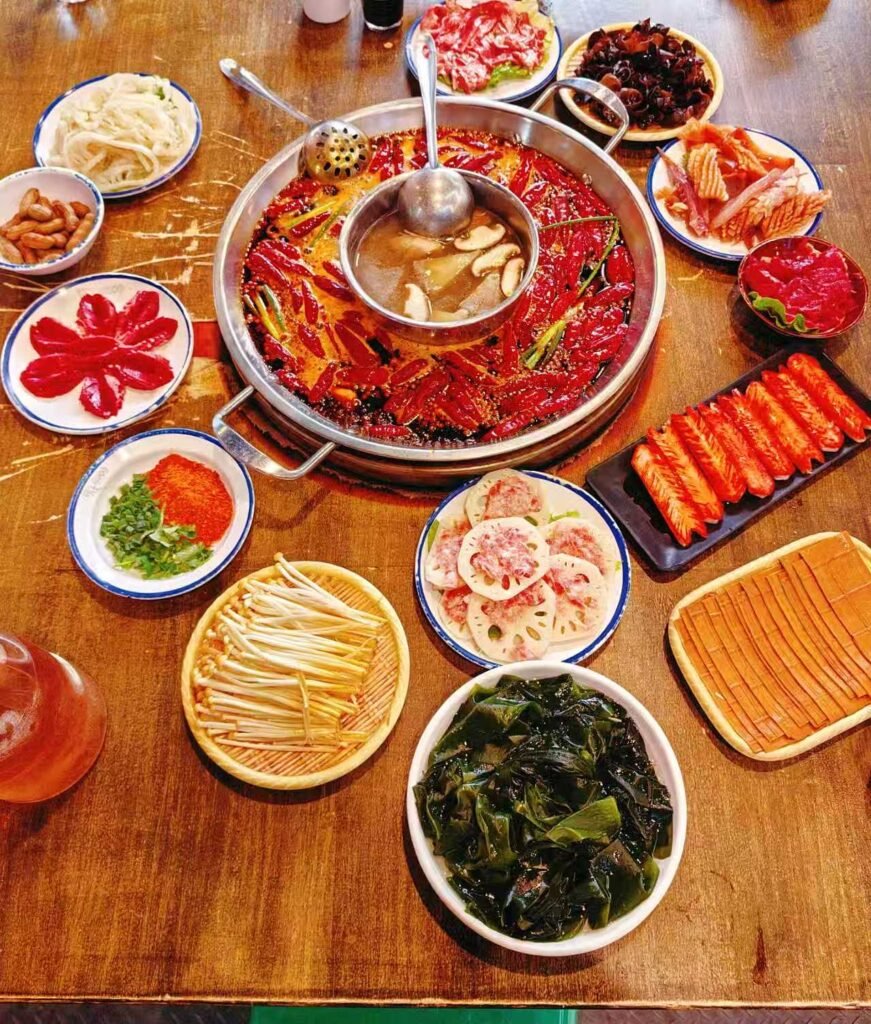
The home of Sichuan hot pot 四川火锅.
Great planning, Dad.
Bring a daughter who does not enjoy eating spicy food too often…
directly into China’s spicy food capital.
What could possibly go wrong?
My First China Food Fear: Is Everything Spicy?
Before Chengdu, I honestly had this impression:
Sichuan food = chilli.
Everything red.
Everything spicy.
Everything dangerous.
😂
Walking around Chengdu did not help my confidence.
Everywhere we looked:
Hot pot 火锅 (huǒguō).
Lunch?
Hot pot.
Dinner?
Hot pot.
Late night?
Still hot pot.
I started wondering whether Chengdu people secretly replaced breakfast cereal with hot pot.
But after exploring more, we discovered something important.
China is not one flavour.
Even inside Chengdu, we found food from other parts of China.
^^^^^^^^^^^^^^^^^^^^^^^^^^^^^^^^^^^^^^^^^^^^^^^^^^^^^^^^^^^^^^^^^^^^^^^^^^^^^
Chinese language survival tips:
When travelling China independently, a few simple Chinese words can make food adventures much easier.
You do not need fluent Mandarin.
Sometimes one phrase is enough:
这个是什么?(zhè ge shì shén me?) — What is this?
Elaine used curiosity more than perfect Chinese.
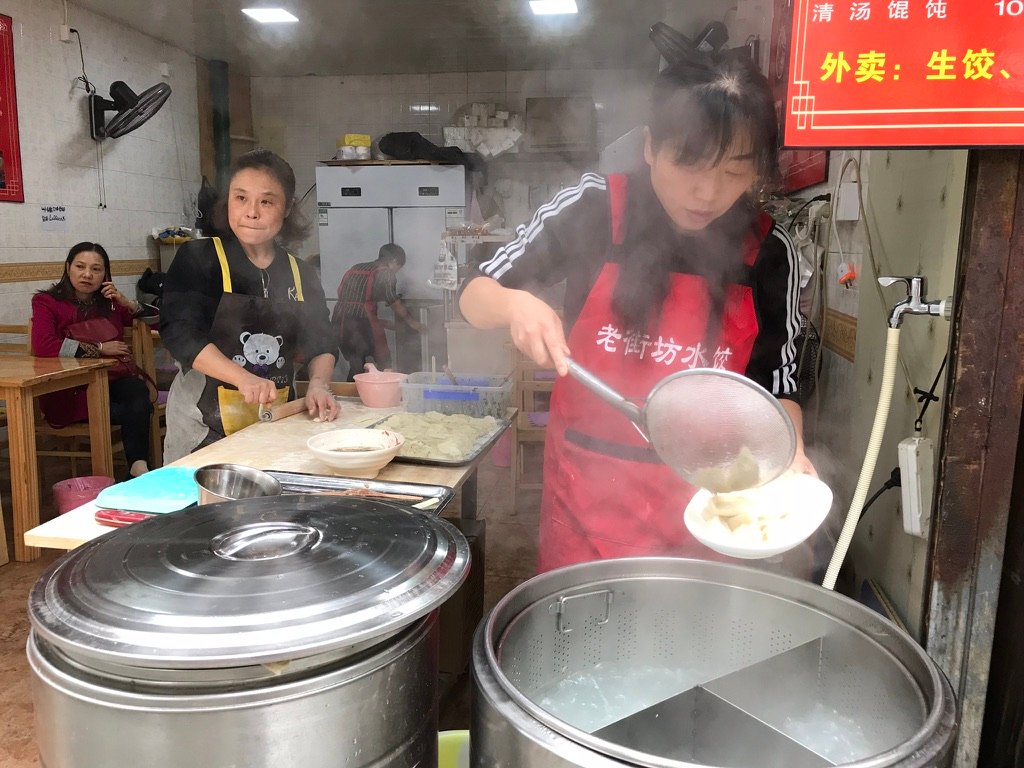
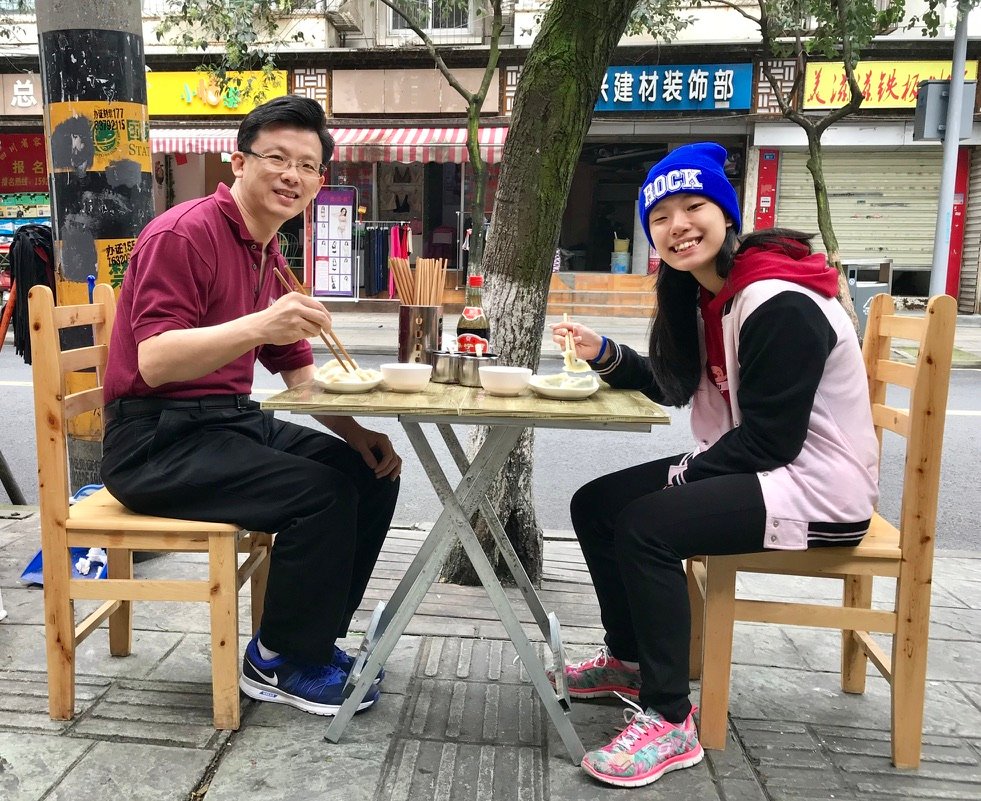
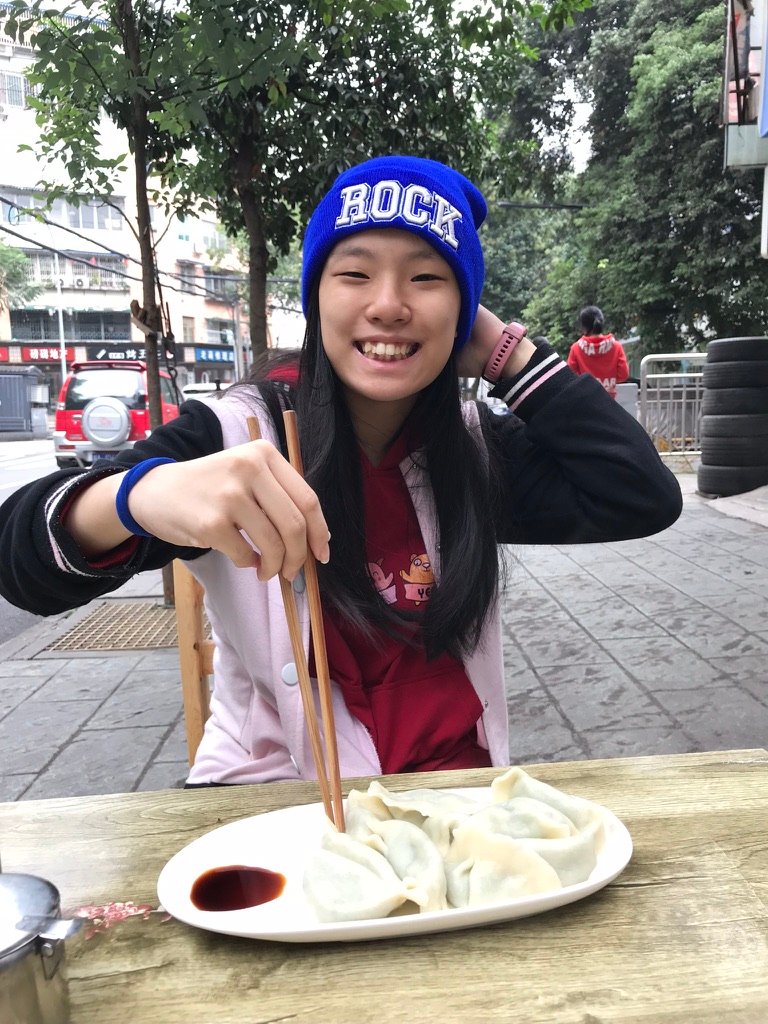
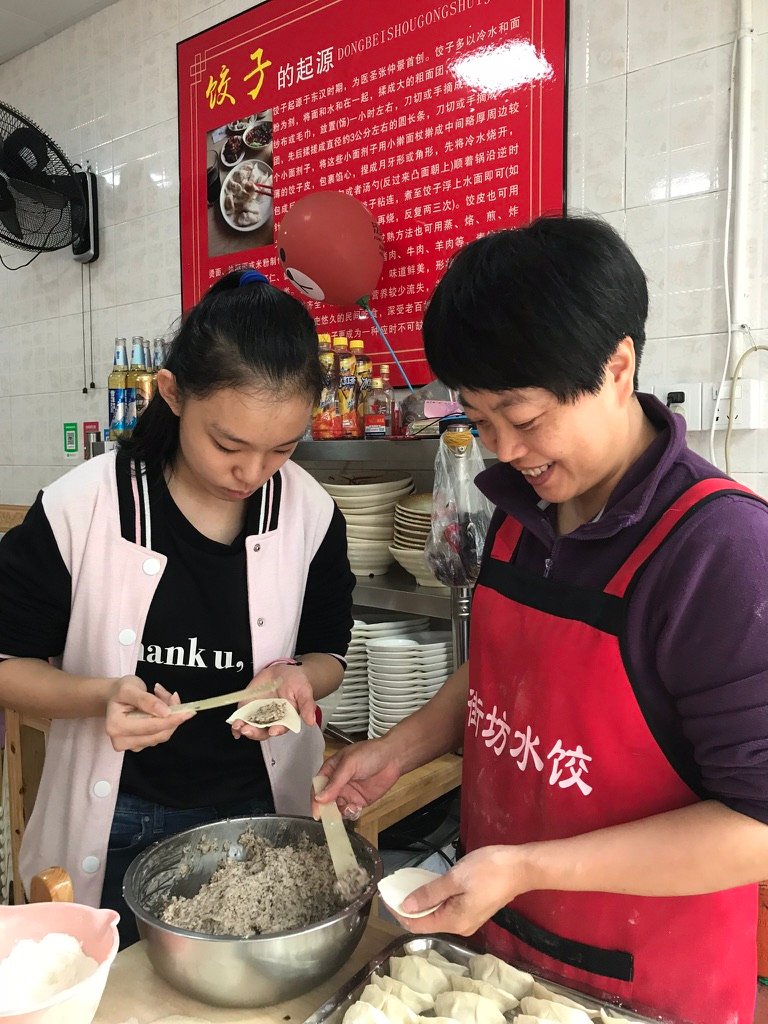
The Dumpling Aunties Who Saved Us
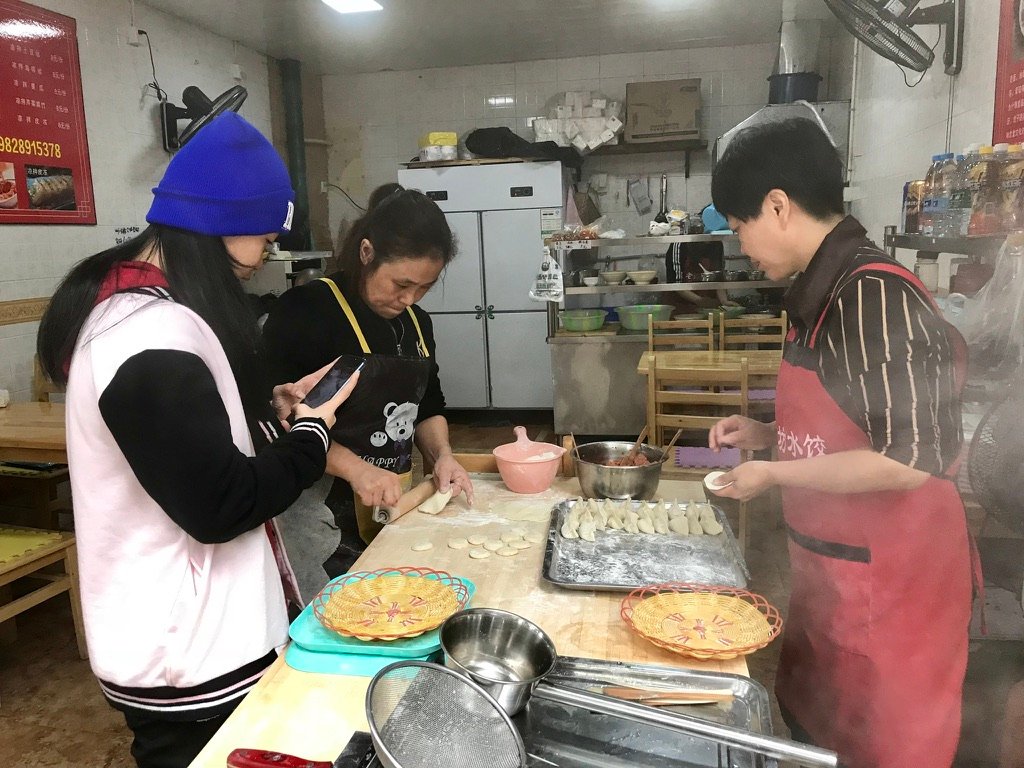
One day, we discovered a small dumpling shop.
Not Sichuan food.
Northeast China food.
东北 (Dōngběi).
The aunties running the shop made handmade dumplings:
饺子 (jiǎozi).
Elaine loved them.
Actually…
We went back more than once.
After a while, Elaine gathered her courage and asked the aunties whether she could try making dumplings herself.
Instead of just eating lunch…
she ended up learning.
That was one of our first big China food discoveries:
Food was not only about eating.
Food became a way to meet people.
^^^^^^^^^^^^^^^^^^^^^^^^^^^^^^^^^^^^^^^^^^^^^^^^^^^^^^^^^^^^^^^^^^^^^^^^^^^^^
Dumpling Words We Learned
饺子 (jiǎo zi) — dumplings
包饺子 (bāo jiǎo zi) — make dumplings
Elaine asking aunties:
我可以试试看吗?
(wǒ kě yǐ shì shì kàn ma?)
“Can I try?”
Spicy:
- 辣 (là) — spicy
- 不辣 (bú là) — not spicy
- 微辣 (wēi là) — mildly spicy
- 少辣 (shǎo là) — less spicy
不要太辣,谢谢。
(bú yào tài là, xiè xie)
“Not too spicy please, thank you.”
or
小朋友吃,不要辣。
(xiǎo péng yǒu chī, bú yào là)
“Child is eating, no spicy please.”
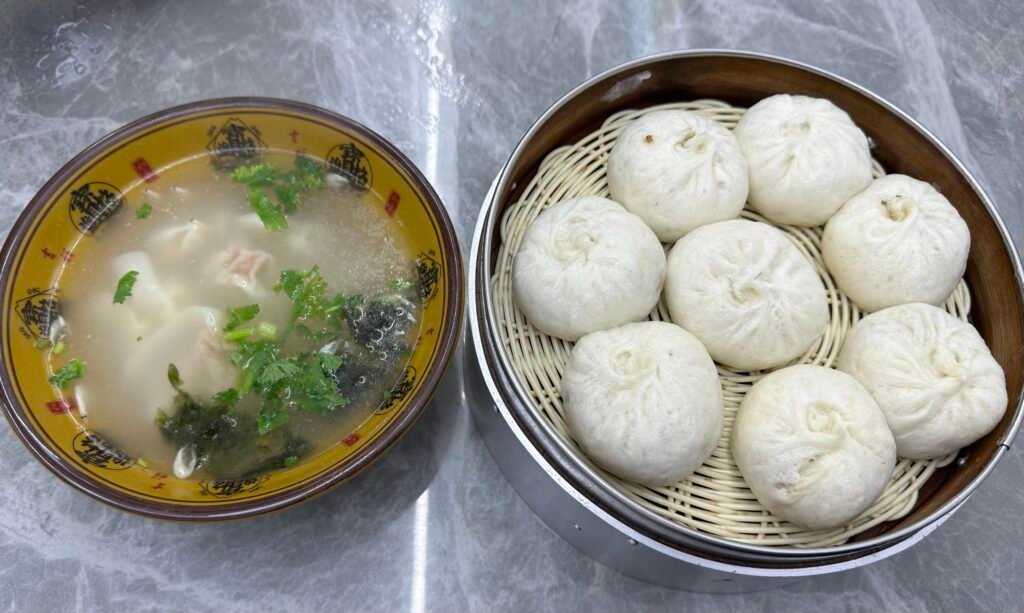
Our Reliable China Comfort Foods
After travelling across many Chinese cities, Elaine developed a list of “safe choices”.
The foods we could almost always find.
Parents, remember these names:
包子 (bāozi) — steamed buns
Soft.
Warm.
Easy breakfast.
Different fillings.
Great before a long sightseeing day.
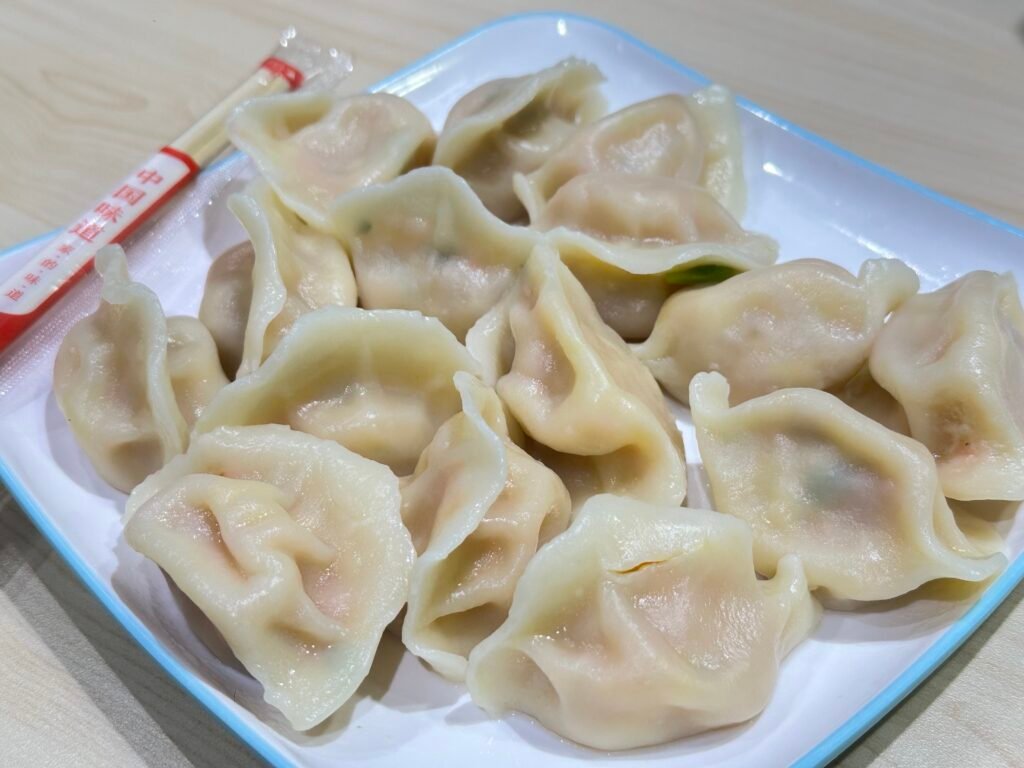
饺子 (jiǎozi) — dumplings
Almost always a winner.
Especially for children.
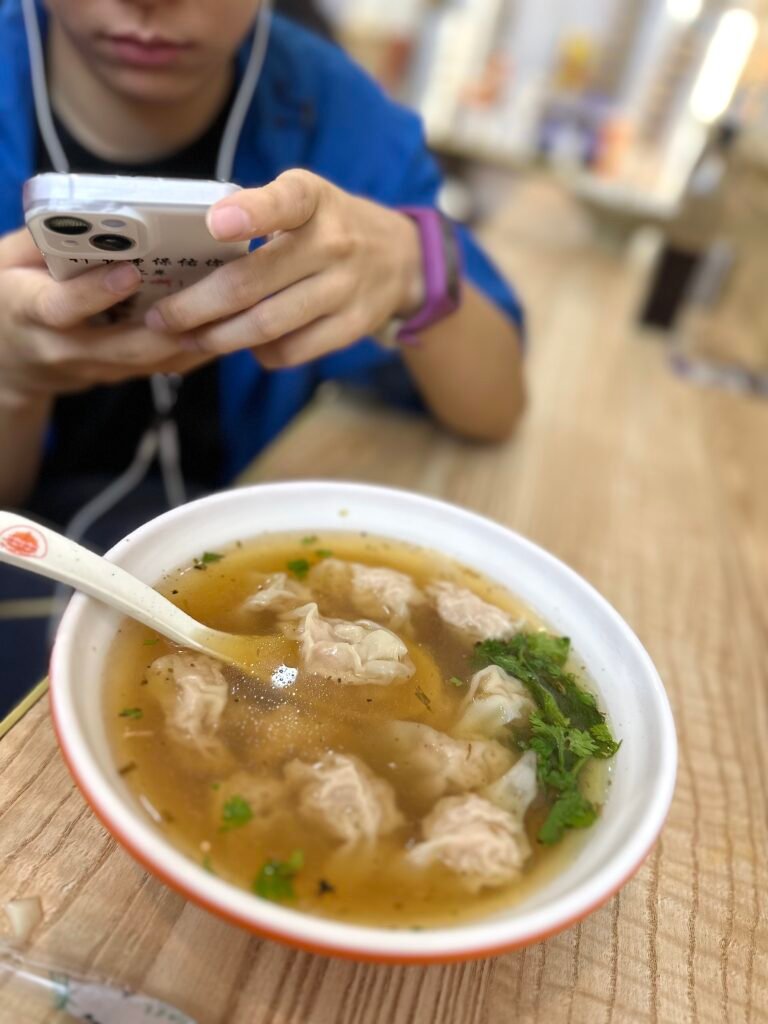
馄饨 (húntun) — wonton soup
A bowl of warm comfort after walking thousands of steps.
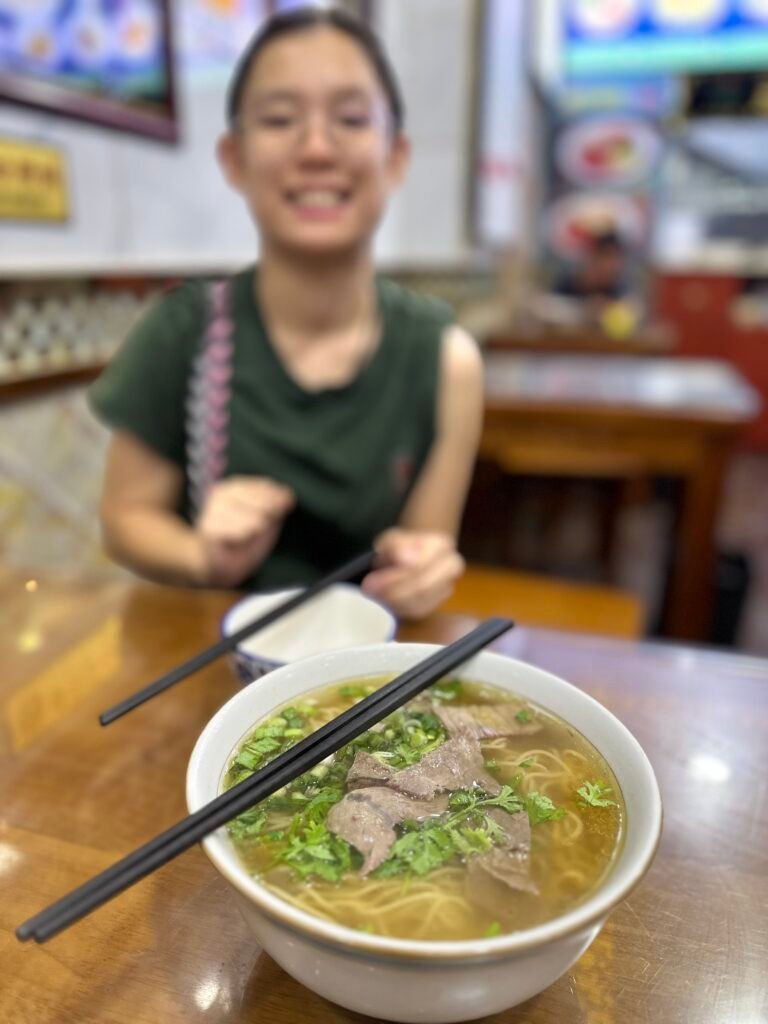
牛肉面 (niúròu miàn) — beef noodles
One of our favourites.
Especially Lanzhou beef noodles:
兰州牛肉面 (Lánzhōu Niúròu Miàn)
Found all across China.
Simple.
Filling.
Reliable.
Basically, if Elaine could travel across China happily eating these…
most children will survive.
😂
^^^^^^^^^^^^^^^^^^^^^^^^^^^^^^^^^^^^^^^^^^^^^^^^^^^^^^^^^^^^^^^^^^^^^^^^^^^^^
Elaine’s Comfort Food List 饺子
jiǎo zi
Dumplings
包子
bāo zi
Steamed buns
面条
miàn tiáo
Noodles
馄饨
hún tún
Wonton soup
米饭
mǐ fàn
Rice
鸡蛋
jī dàn
Egg
鸡肉
jī ròu
Chicken
牛肉
niú ròu
Beef
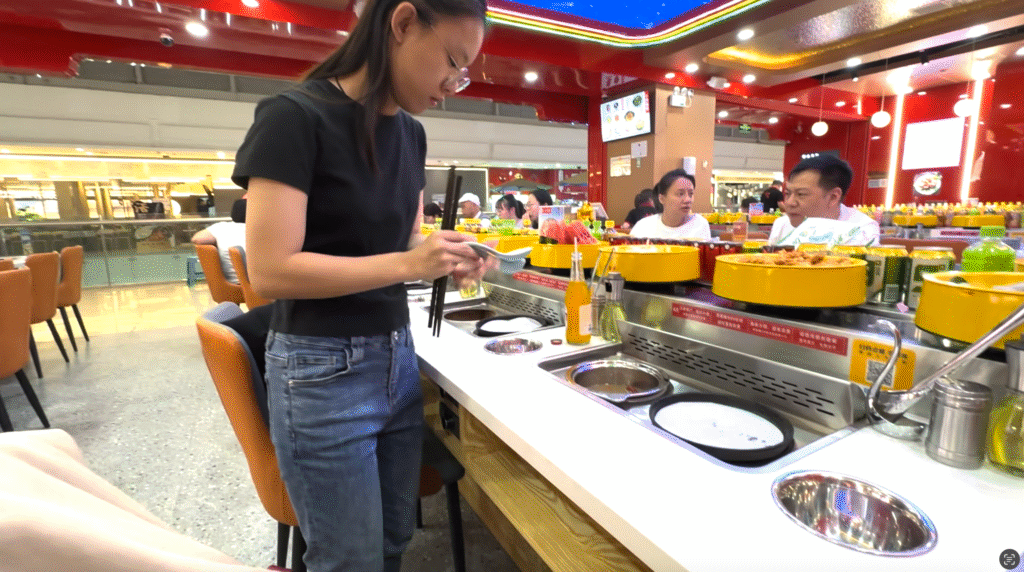
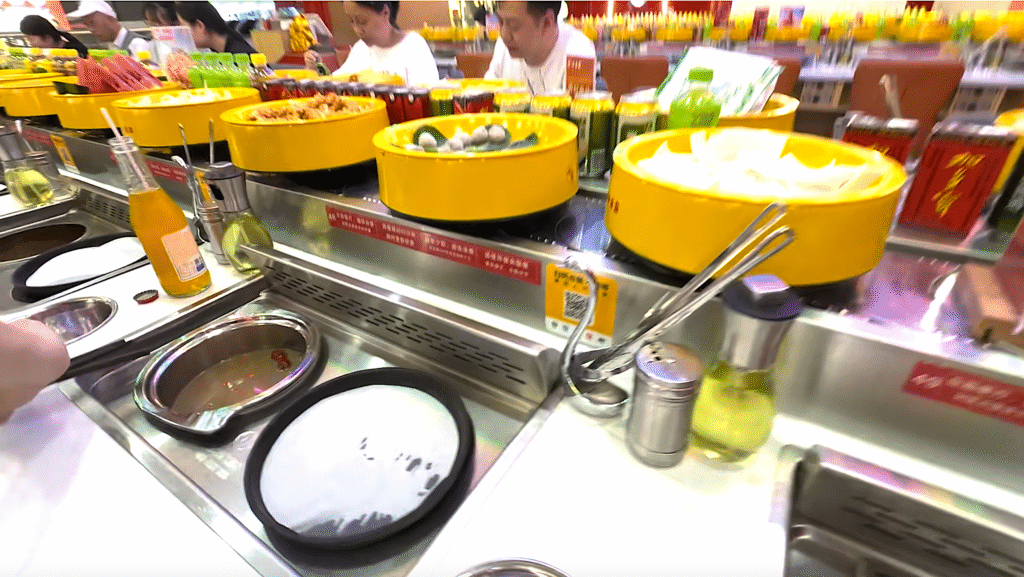
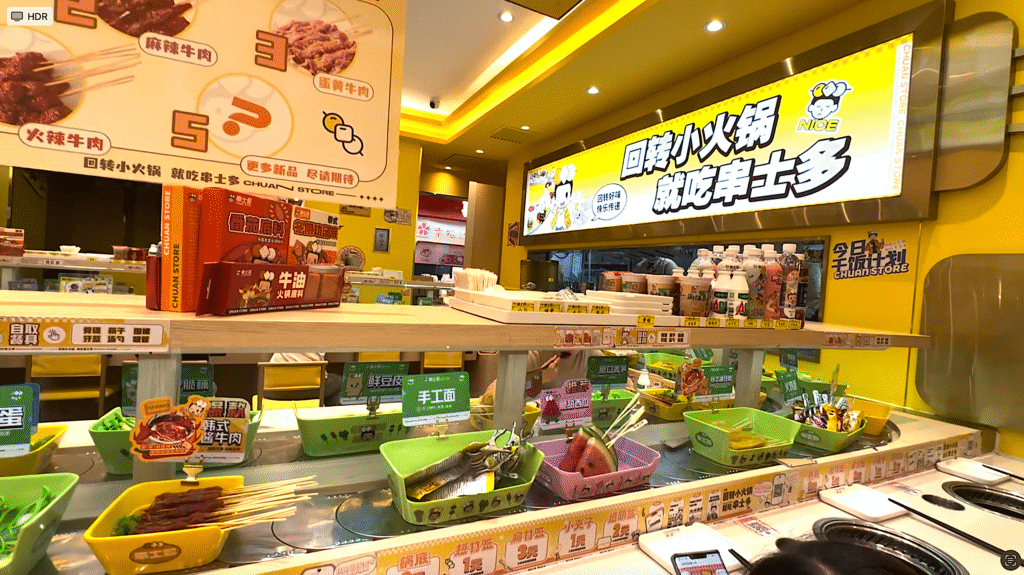
Wait… Elaine Actually Loves Hot Pot?
Here is the funny part.
Elaine does not like eating spicy food too much.
But she loves hot pot.
Why?
Because hot pot is not only food.
It is an activity.
Many restaurants offer different soup choices:
清汤 (qīng tāng) — clear soup
番茄汤 (fānqié tāng) — tomato soup
菌菇汤 (jūngū tāng) — mushroom soup
麻辣汤 (málà tāng) — spicy soup
Your child does not need to fight the chilli monster.
Choose the mild soup.
Choose ingredients.
Cook.
Eat.
Repeat.
At the end of one long China journey, after weeks of museums, ancient cities and thousands of steps every day, I rewarded Elaine with a hot pot feast.
Unlimited servings.
Drinks.
Desserts.
Ice cream.
Ingredients travelling around on a conveyor belt like a sushi restaurant.
Elaine approved.
Dad survived.
^^^^^^^^^^^^^^^^^^^^^^^^^^^^^^^^^^^^^^^^^^^^^^^^^^^^^^^^^^^^^^^^^^^^^^^^^^^^^
Ordering Like a Beginner
“I want this.”
我要这个。
(wǒ yào zhè ge)
“How much?”
多少钱?
(duō shǎo qián?)
“Thank you.”
谢谢。
(xiè xie)
“Very tasty!”
很好吃!
(hěn hǎo chī)
Hot Pot Section 火锅
Soup bases:
清汤
(qīng tāng)
clear broth
番茄锅
(fān qié guō)
tomato soup pot
菌菇锅
(jūn gū guō)
mushroom pot
麻辣锅
(má là guō)
spicy Sichuan pot
鸳鸯锅
(yuān yāng guō) ⭐ = A split hot pot with two soup bases
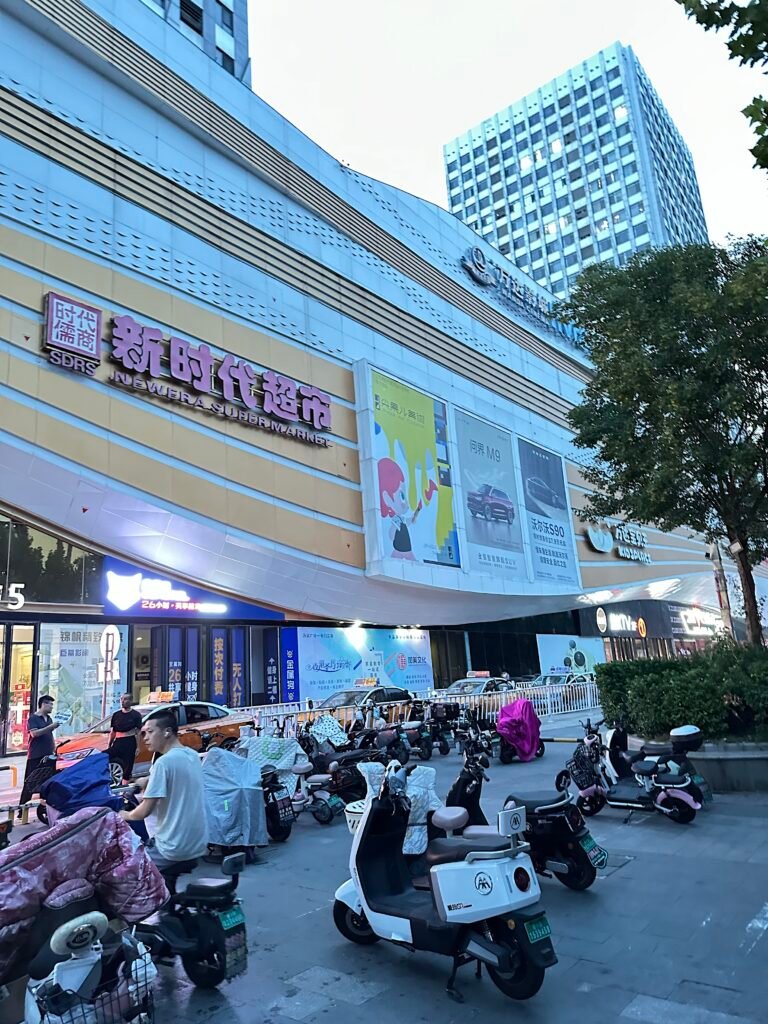
My Secret Dad Strategy: Visit the Supermarket 超市
Every city we visited, I usually had one important stop:
超市 (chāoshì).
Supermarket.
Except China makes this word interesting.
A giant supermarket?
超市.
A small convenience shop?
超市.
A tiny neighbourhood store?
Still 超市.
😂
For travellers, learn this word.
It is useful.
^^^^^^^^^^^^^^^^^^^^^^^^^^^^^^^^^^^^^^^^^^^^^^^^^^^^^^^^^^^^^^^^^^^^^^^^^^^^^
Useful Supermarket Chinese
超市
(chāo shì)
supermarket / convenience shop
零食
(líng shí)
snacks
水果
(shuǐ guǒ)
fruit
饮料
(yǐn liào)
drinks
牛奶
(niú nǎi)
milk
酸奶
(suān nǎi)
yogurt
矿泉水
(kuàng quán shuǐ)
bottled water
面包
(miàn bāo)
bread
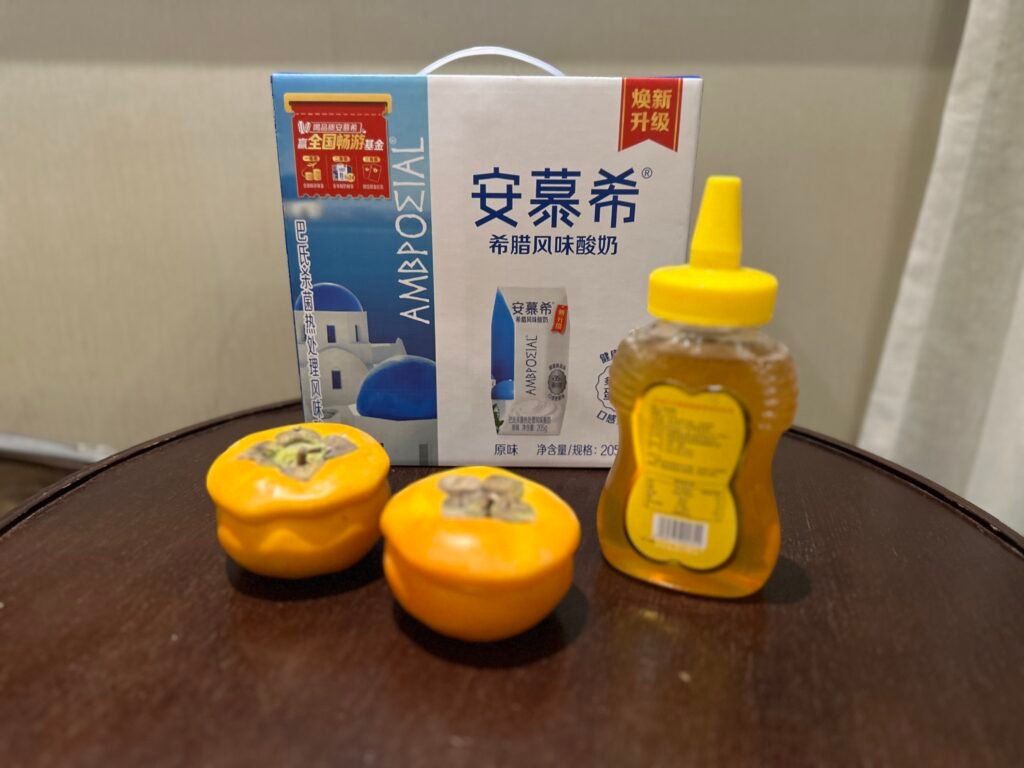
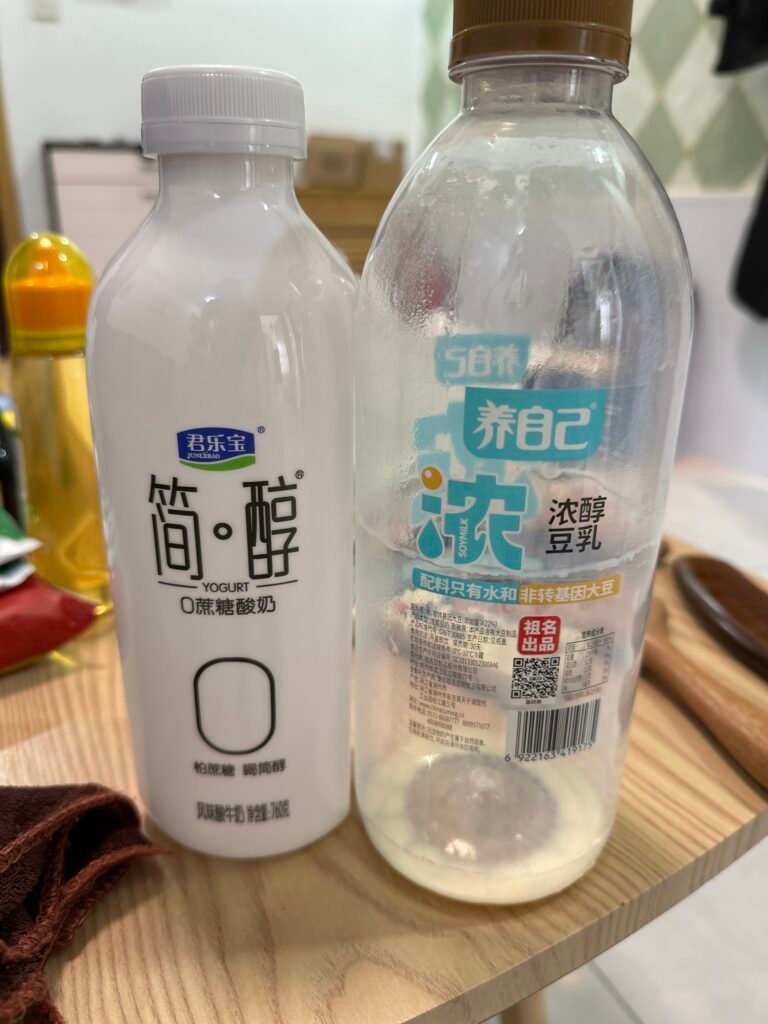
Yogurt, bottled soy milk..
The Dad Emergency Backpack
After many trips, I created my secret weapon.
The emergency backpack.
Inside?
Usually:
酸奶 (suānnǎi) — yoghurt
水果 (shuǐguǒ) — fruit
小吃 (xiǎochī) — snacks
饮料 (yǐnliào) — drinks
Because after a few hours exploring Chinese museums…
a dangerous situation appears.
Child battery:
5%.
Walking speed:
Very slow.
Mood:
Warning.
😂
Emergency yoghurt activated.
Journey continues.
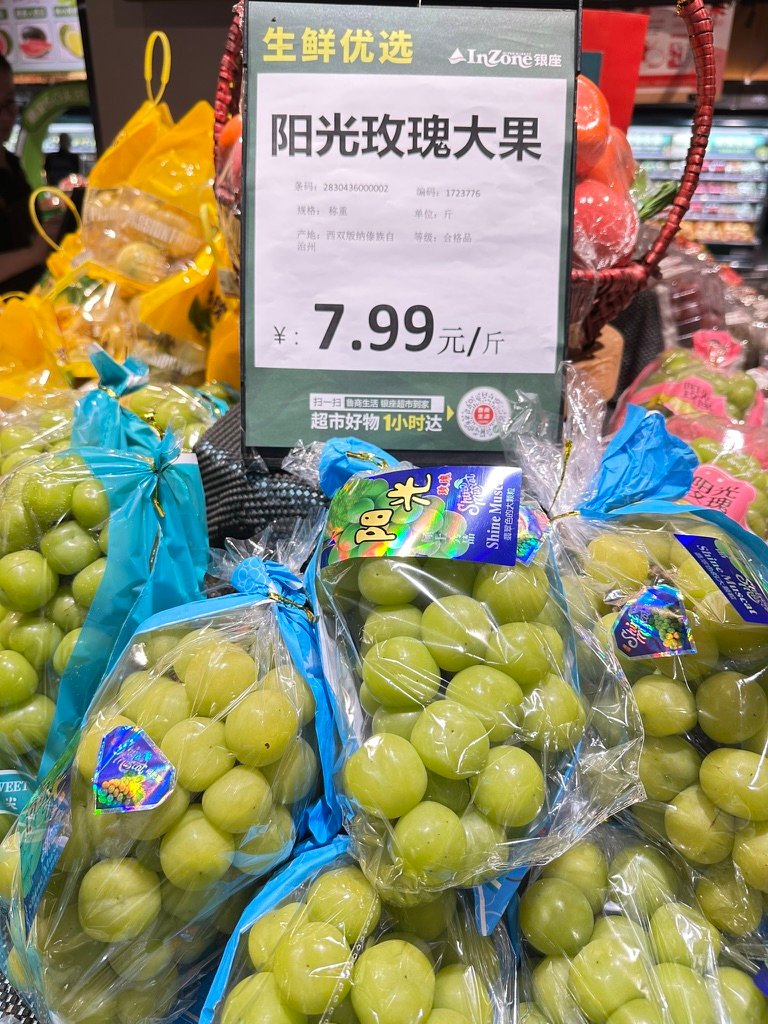
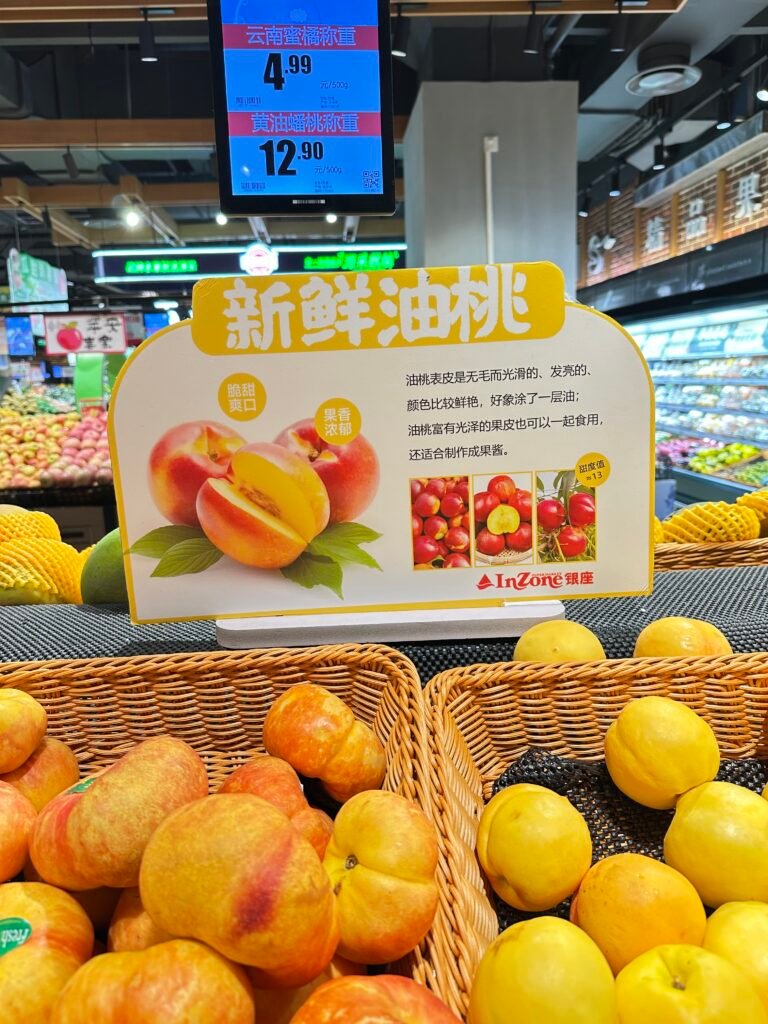
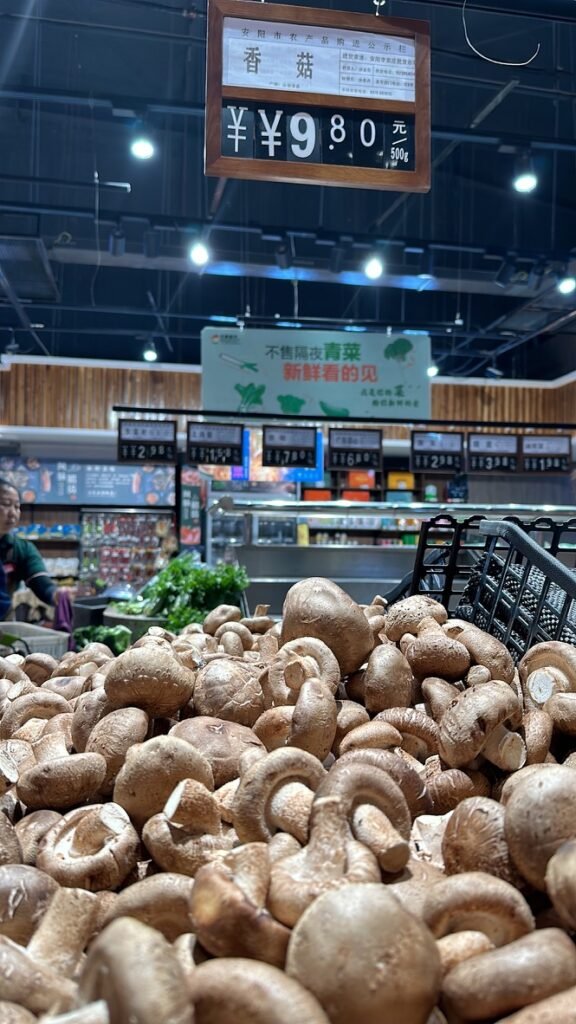
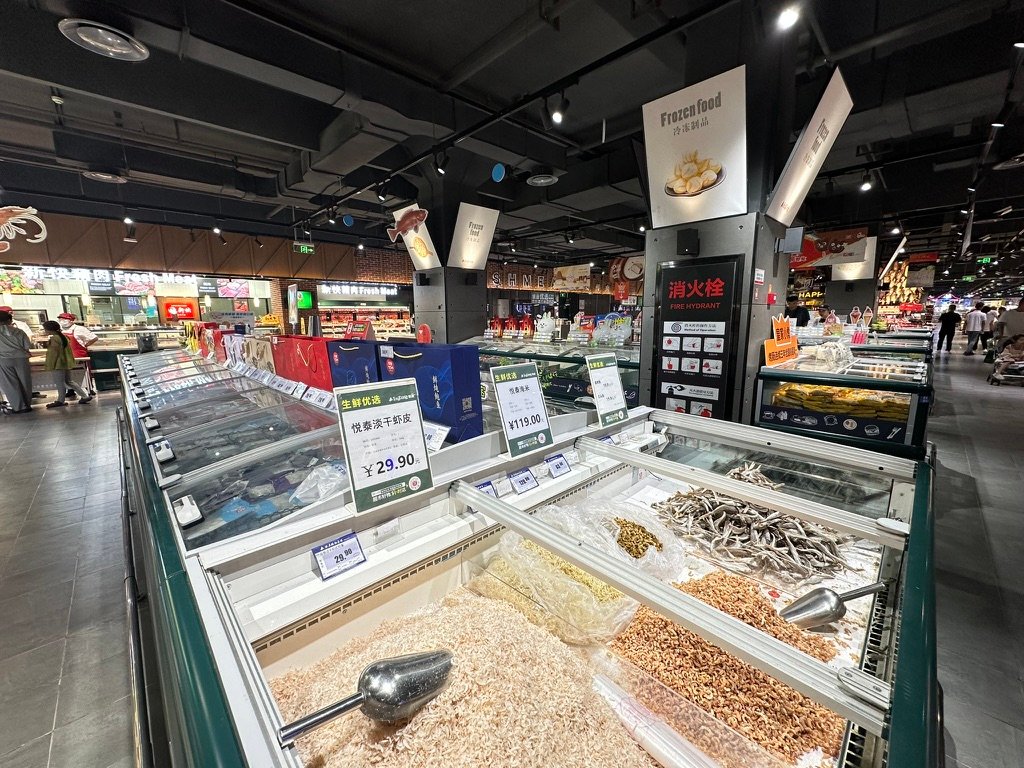
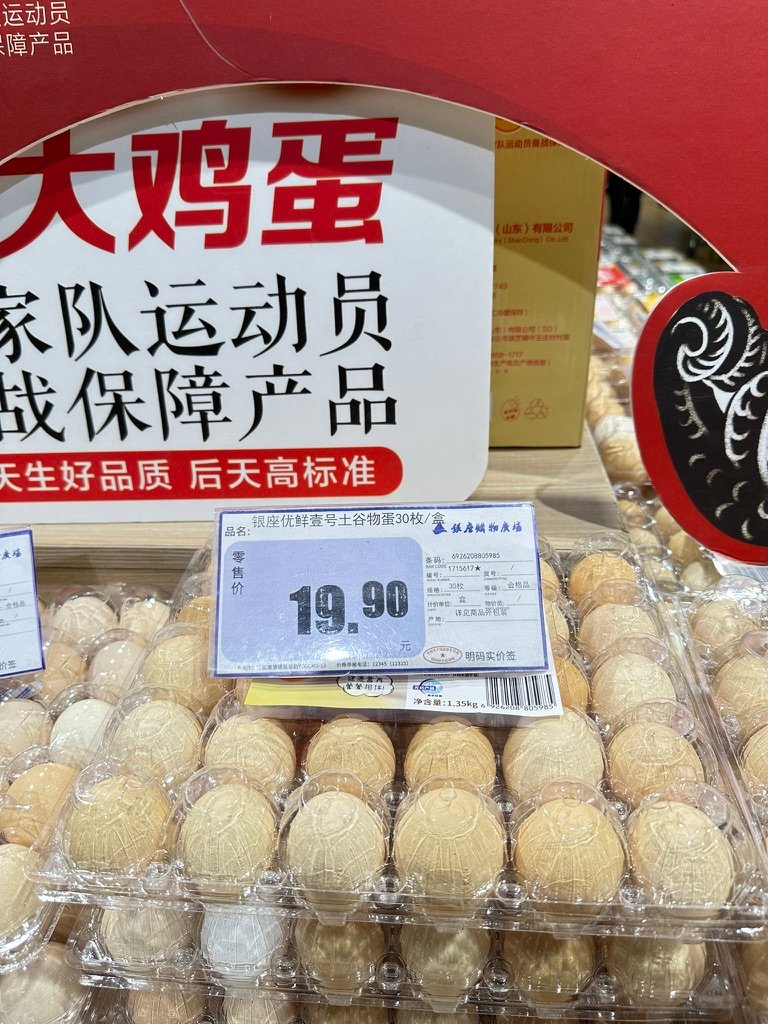
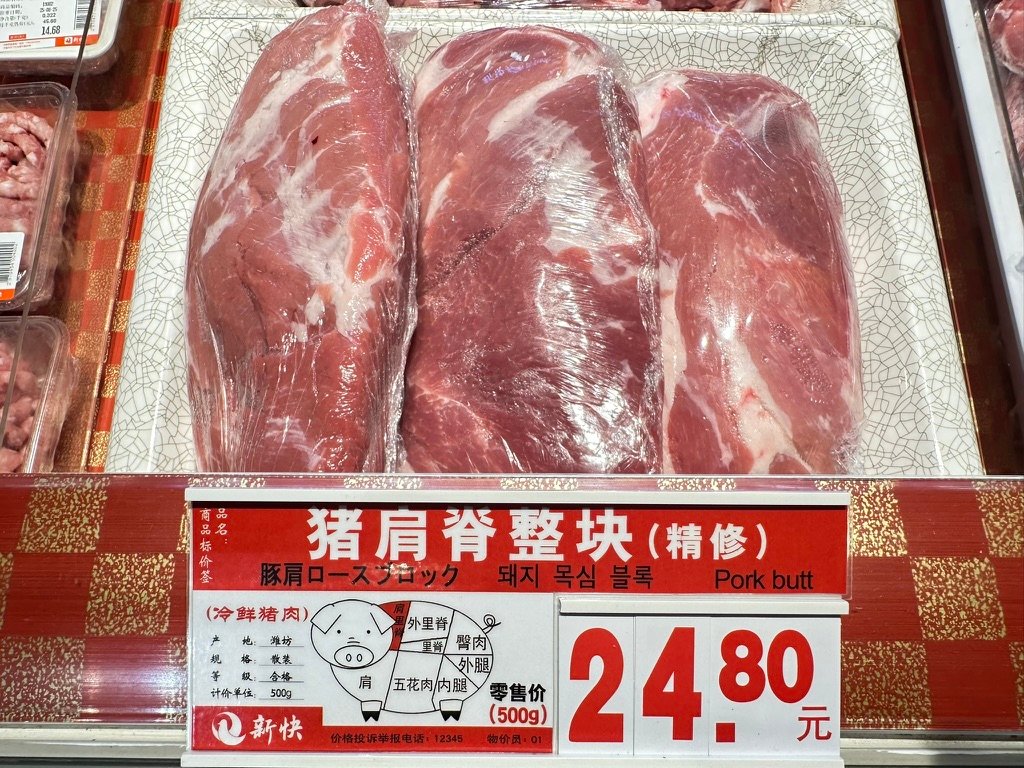
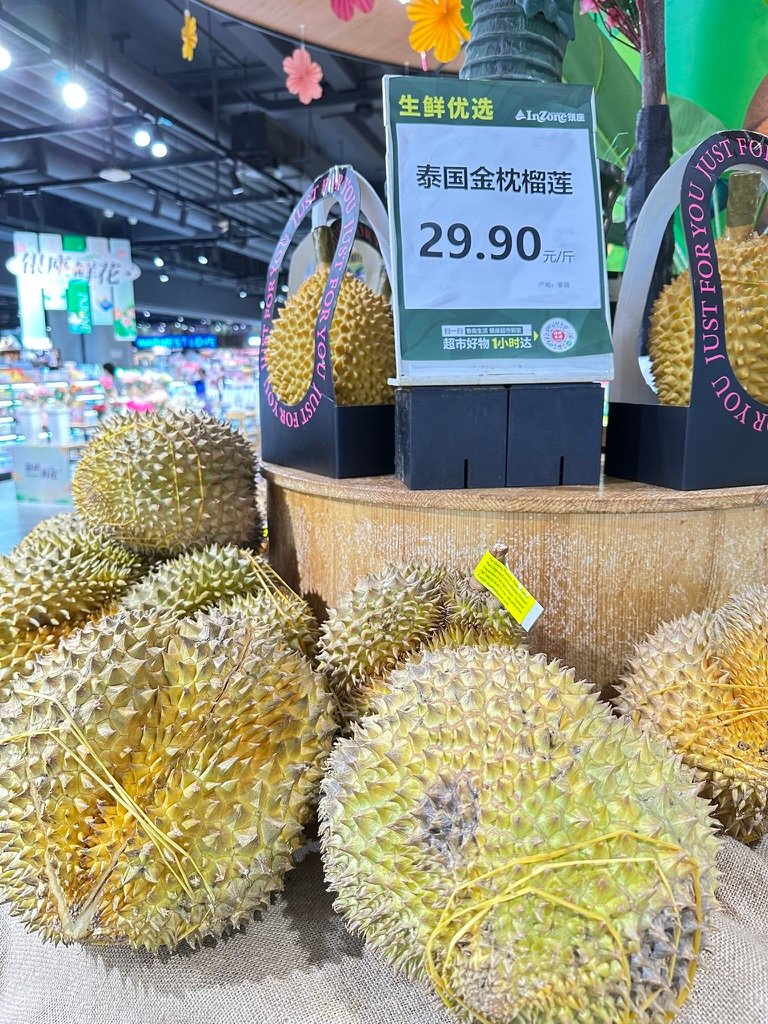
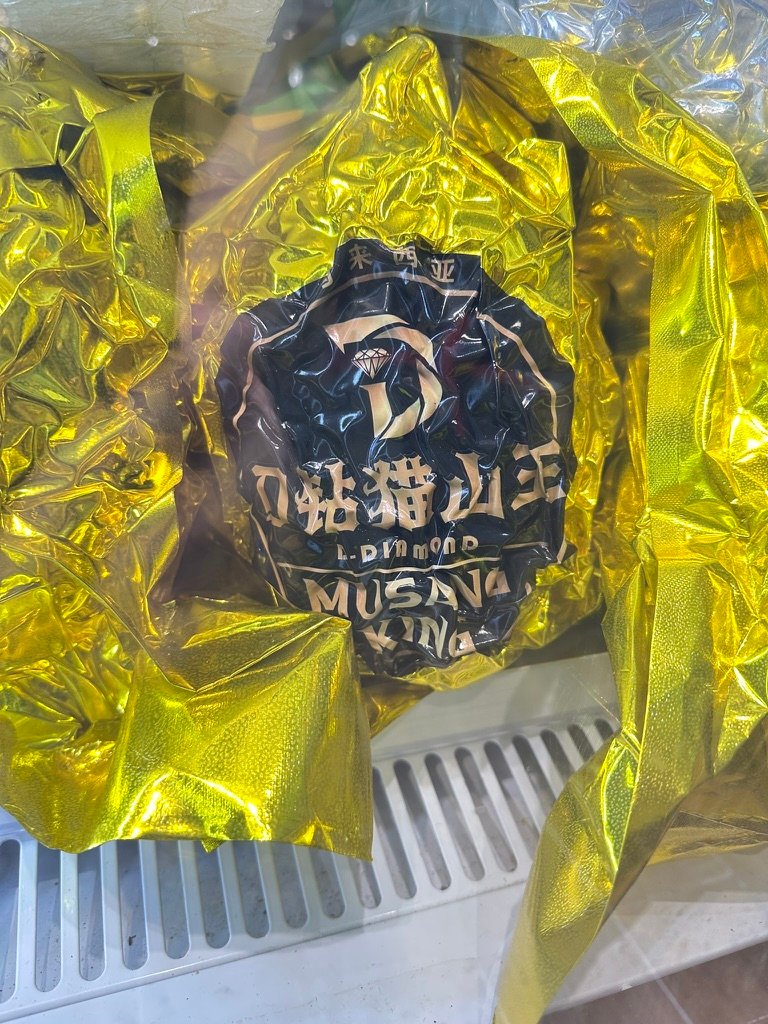
Why We Actually Enjoy Visiting Chinese Supermarkets
Supermarkets became part of our China experience.
They showed us everyday life.
We discovered:
local snacks
different drinks
fresh fruit
imported food
even imported durian 榴莲 (liúlián)
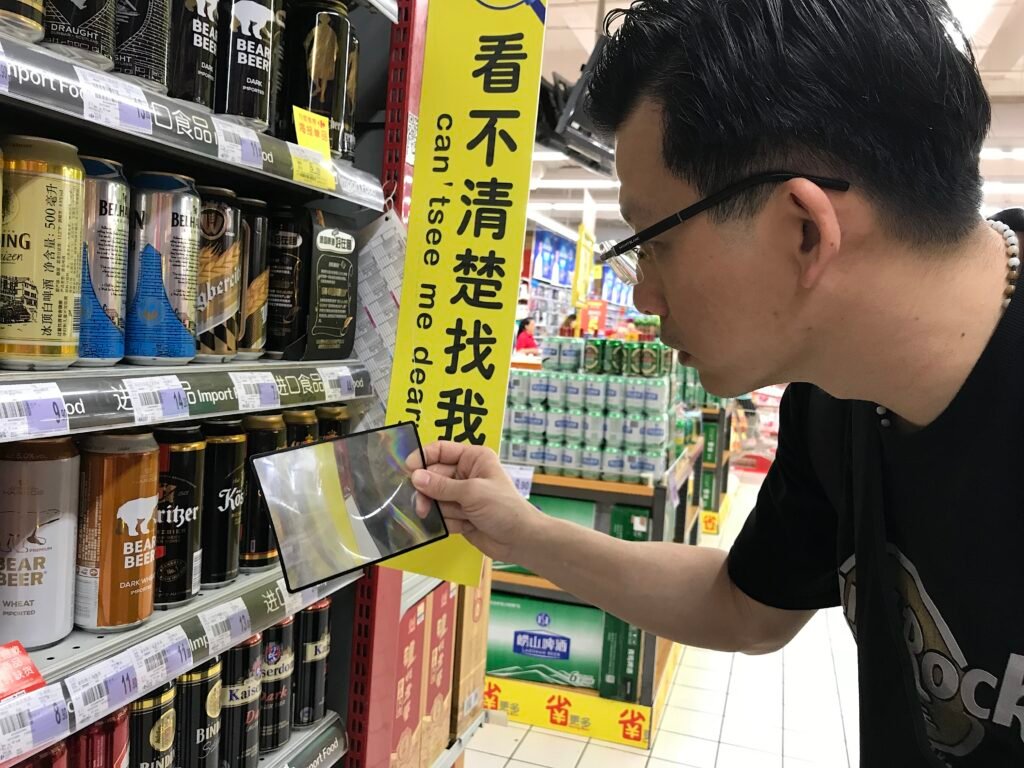
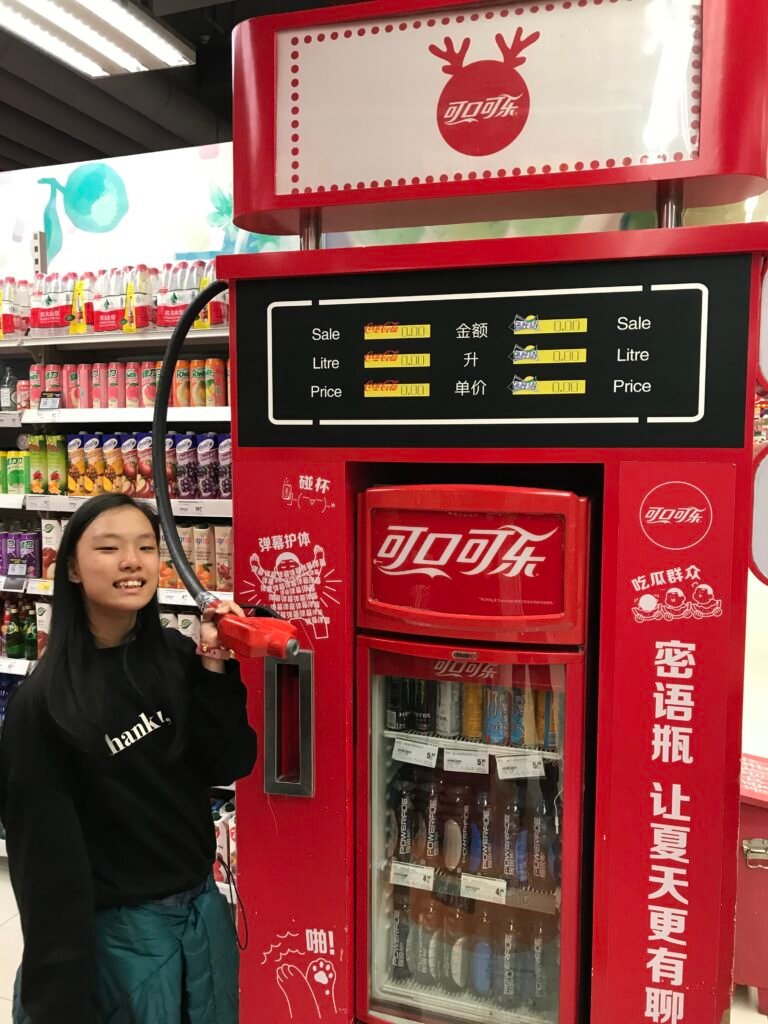
Sometimes Elaine enjoyed exploring supermarket shelves as much as tourist streets.
Because every country tells stories through what people eat every day.

The Unexpected Hero: Instant Noodles 方便面
Every traveller has imperfect days.
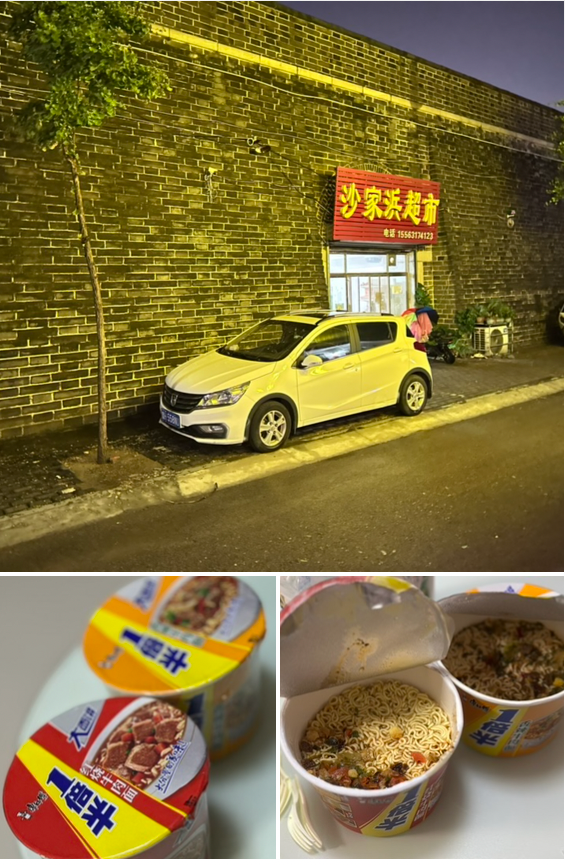
Our Qufu 曲阜 visit was one.
Heavy rain.
Late evening.
Hungry.
Most places nearby closed.
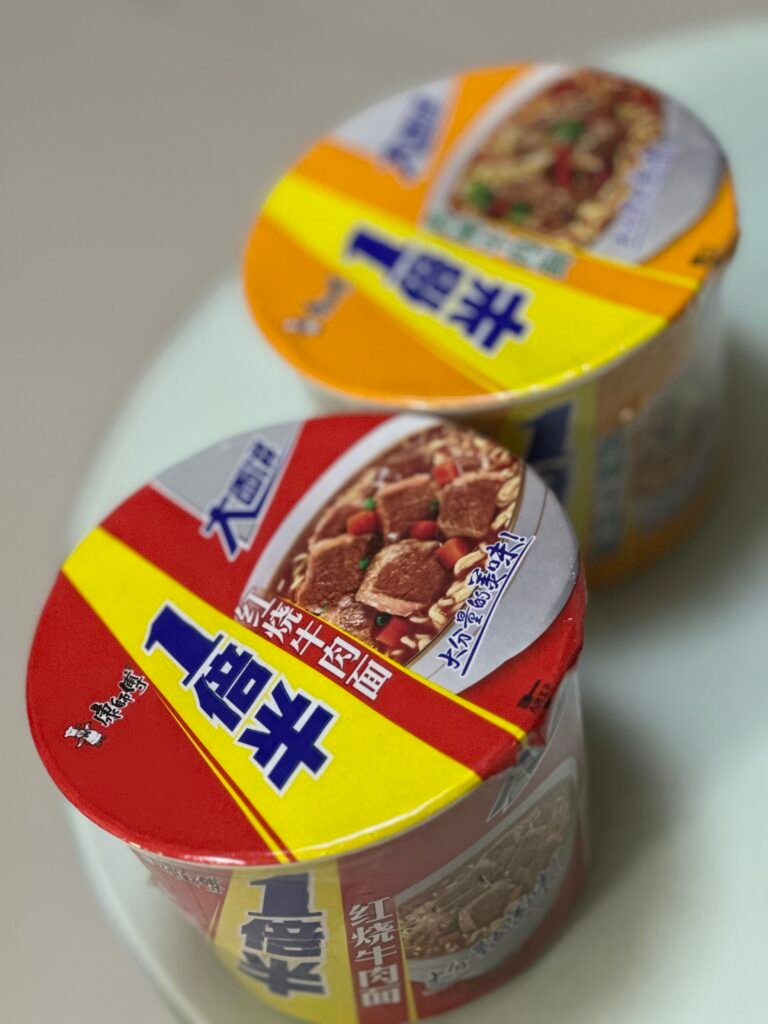
Luckily, a tiny “超市” near our homestay still had a few bowls of instant noodles.
方便面 (fāngbiàn miàn).
Saved.
^^^^^^^^^^^^^^^^^^^^^^^^^^^^^^^^^^^^^^^^^^^^^^^^^^^^^^^^^^^^^^^^^^^^^^^^^^^^^
Instant Noodle Section 😂
方便面
(fāng biàn miàn)
instant noodles
泡面
(pào miàn)
cup noodles
热水
(rè shuǐ)
hot water
开水
(kāi shuǐ)
boiled water
Useful:
哪里有热水?
(nǎ lǐ yǒu rè shuǐ?)
“Where is hot water?”
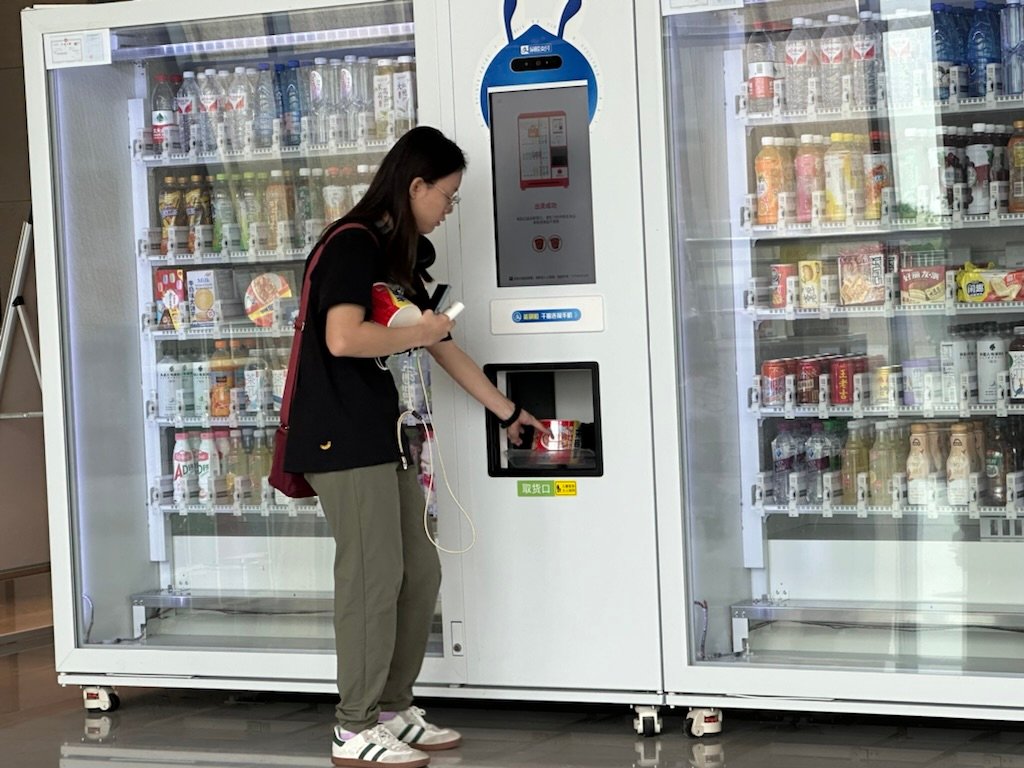
Another time at the Qin-Han Museum 秦汉博物馆 near Xi’an, we explored thousands of years of Chinese history…
until our stomachs reminded us:
History is interesting.
But lunch is important.
😂
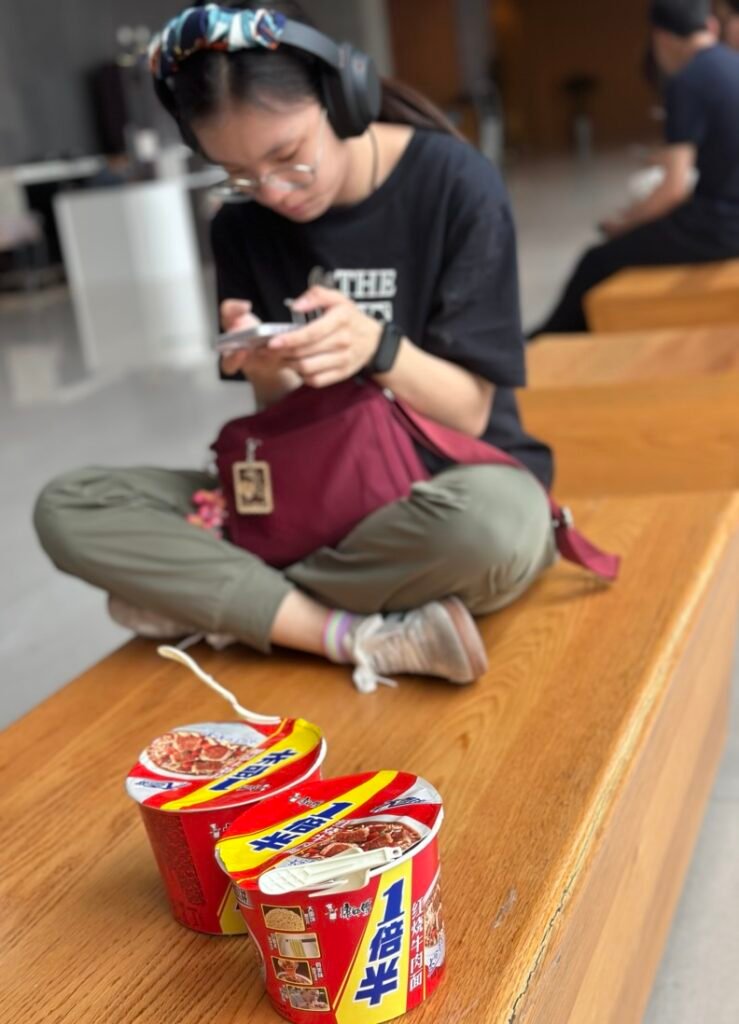
Elaine found a vending machine selling instant noodles.
And luckily, China has something extremely useful:
热水 (rèshuǐ).
Hot water.
Everywhere.
Train stations.
Museums.
Hotels.
Public areas.
Three minutes later:
Lunch solved.
So Parents… Will Your Children Survive Food in China?
Yes.
Very likely.
China is much easier than many first-time travellers imagine.
You will find:
dumplings 饺子
noodles 面条
baozi 包子
hot pot 火锅
fruits 水果
yoghurt 酸奶
supermarkets 超市
And if everything fails…
There is always:
方便面.
😂
After years travelling China with Elaine, I realised something.
The best memories were not always expensive meals.
Sometimes they were:
a bowl of noodles during a rainy night,
a yoghurt break during a long walk,
a supermarket discovery,
or a daughter learning dumplings from friendly aunties.
China did not just feed us.
China welcomed us.
——————————————————————————————————–
Before our China journeys, Elaine learned China from books.
During our journeys, she learned another kind of Chinese:
The Chinese of everyday life.
“我要这个.”
“很好吃.”
“谢谢阿姨.”
Small words.
Small conversations.
Big memories.