Many first-time visitors planning a trip to Beijing, China usually start with the same famous attractions:
The Forbidden City (故宫).
The Great Wall of China (长城).
The Temple of Heaven (天坛).
The Summer Palace (颐和园).
And yes — these are some of the most important places to visit in Beijing.
But after several journeys back to China’s ancient capital, Dad and Elaine slowly discovered something:
Beijing is not just a destination.
Beijing is one of the best travel bases for exploring northern China.
With its excellent subway system, modern railway stations, and China’s incredible high-speed rail network (高铁), you can experience much more than the usual Beijing tourist route.
Ancient villages.
Historic towns.
Great Wall landscapes.
Nearby cities.
Hidden stories connected to China’s past.
All without constantly changing hotels.
That changed the way we planned our Beijing trips.
Instead of asking:
“How many days do we need to finish Beijing?”
We started asking:
“How can we use Beijing intelligently?”
Why Choosing the Right Place to Stay in Beijing Matters
Beijing is huge.
Really huge.
A place may look “nearby” on a map, but travelling across the city can easily take an hour or more.
During our early China trips, Dad learned this lesson quickly.
A good hotel in Beijing is not only about luxury.
For independent travellers, especially families, the most important question is:
How easily can you move every day?
For us, the priorities became simple:
✓ Near a Beijing subway station
✓ Easy connection to major attractions
✓ Convenient access to railway stations for day trips
✓ Nearby local restaurants for simple meals after a long day exploring
Because after walking through palaces, museums and ancient streets for hours…
sometimes the biggest victory is simply finding dinner without another adventure. 😆
🐧 Cheers: “So the hotel doesn’t need a swimming pool?”
🐼 Panda: “After 25,000 steps in Beijing, your bed becomes the attraction.”
🐧 Cheers: “Fair point.”
And that is why, over several Beijing trips, we started choosing locations based on strategy — not just hotel ratings.
Let us share where we stayed, why we chose those areas, and how Beijing became our gateway to even bigger China adventures.
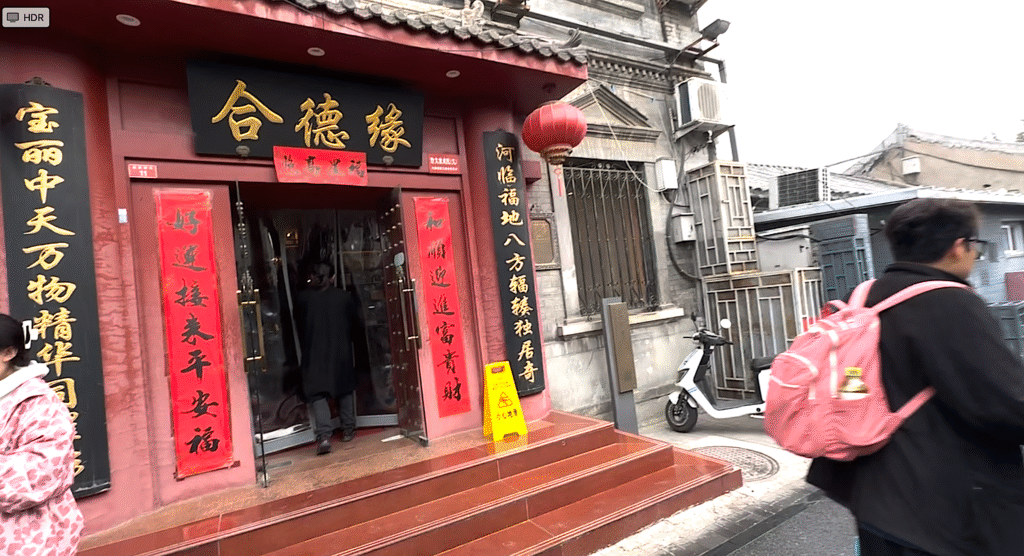
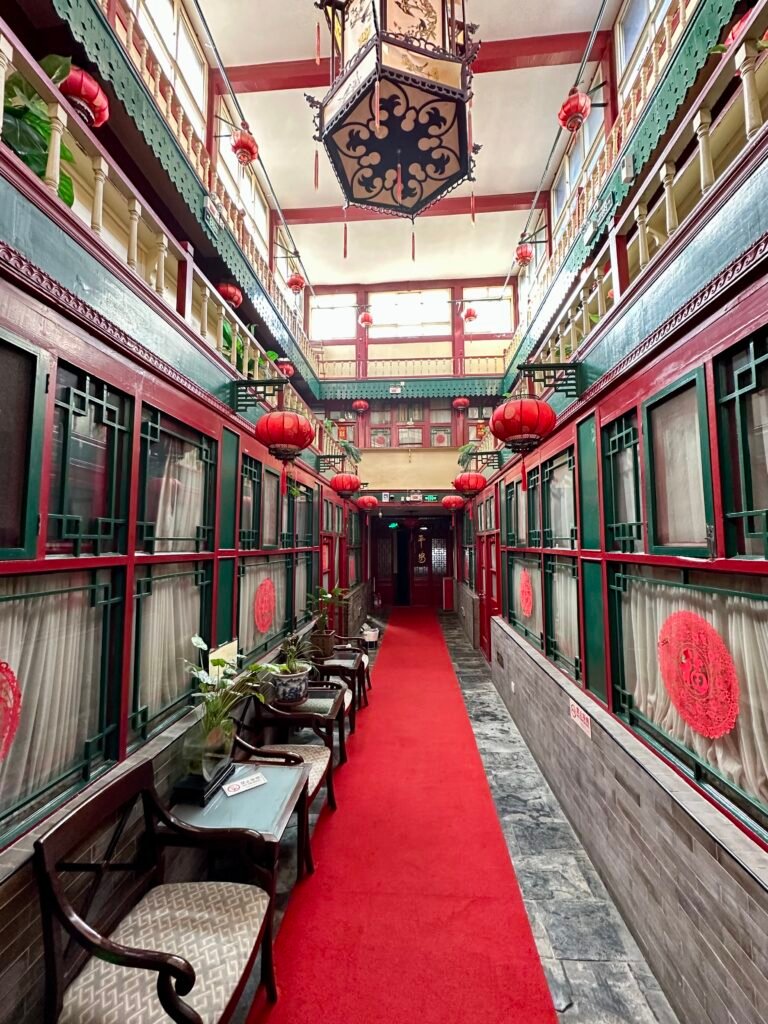
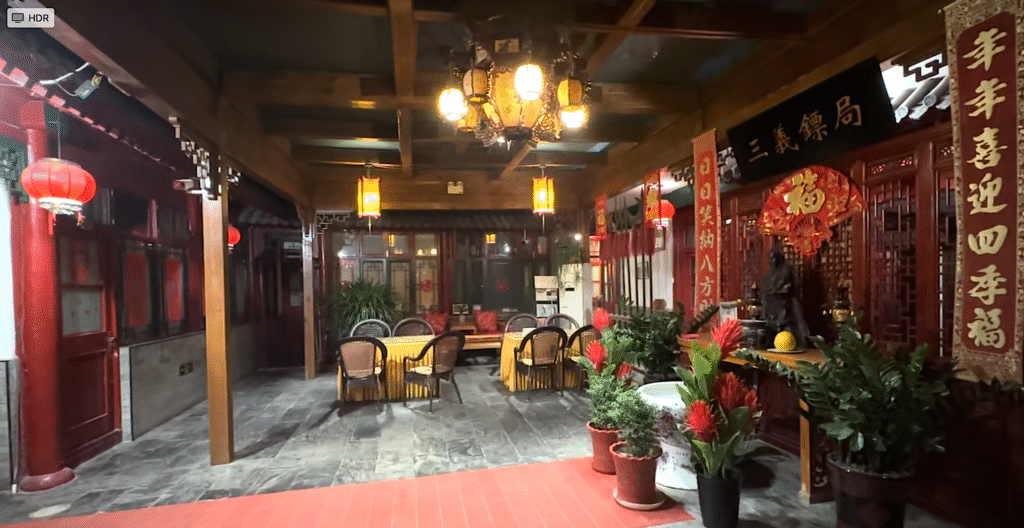
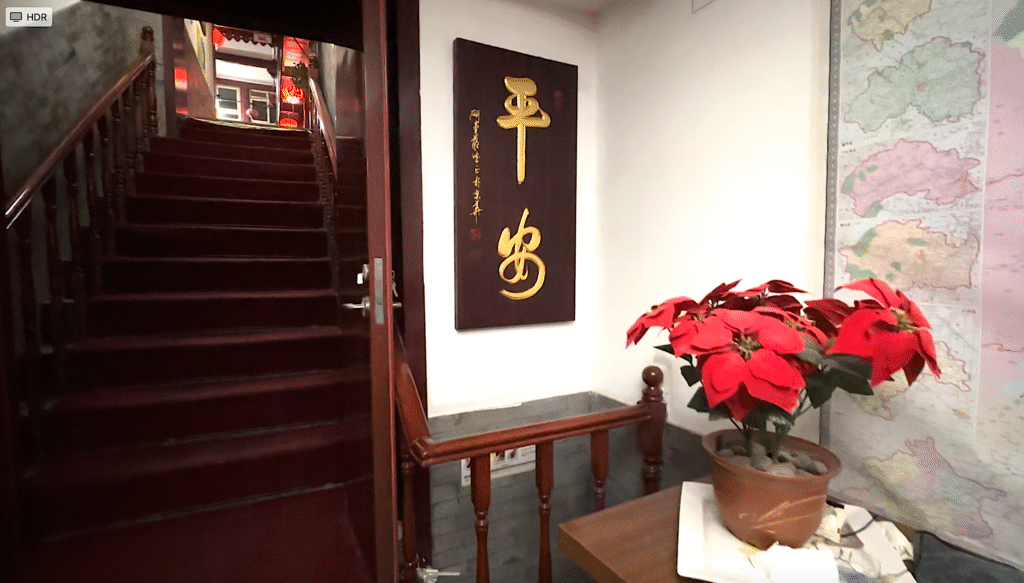
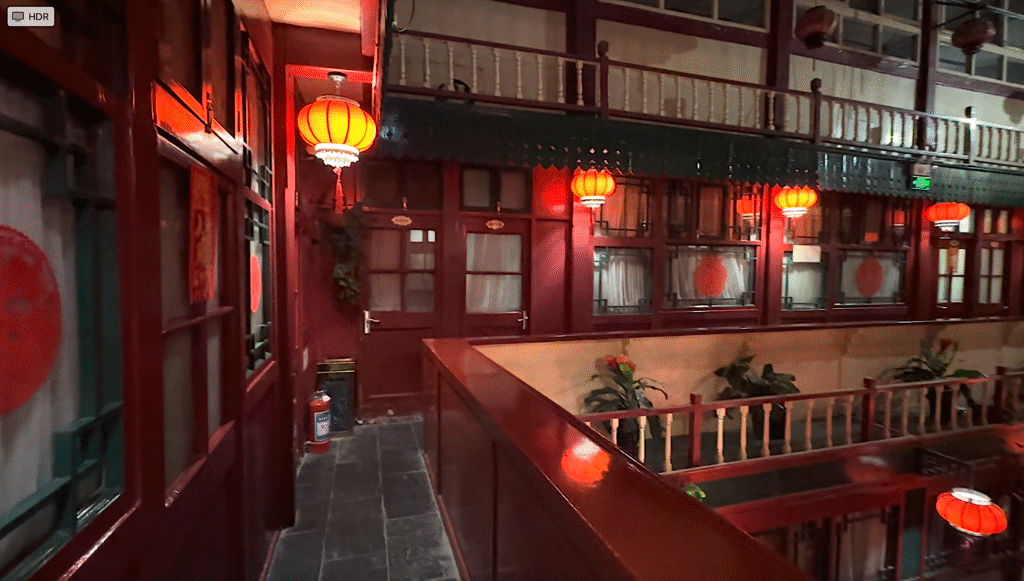
Staying in a Hutong Hotel (胡同酒店): Experience Old Beijing… But Be Prepared 😄
For travellers visiting Beijing, we recommend experiencing a hutong stay (胡同住宿) at least once.
During one of our Beijing trips, Dad and Elaine chose a traditional-style hotel hidden inside Beijing’s old neighbourhood lanes. The moment we entered, it felt different — red lanterns, wooden corridors, Chinese decorations, and a courtyard atmosphere that reminded us of old Beijing.
But the best part was actually outside the hotel.
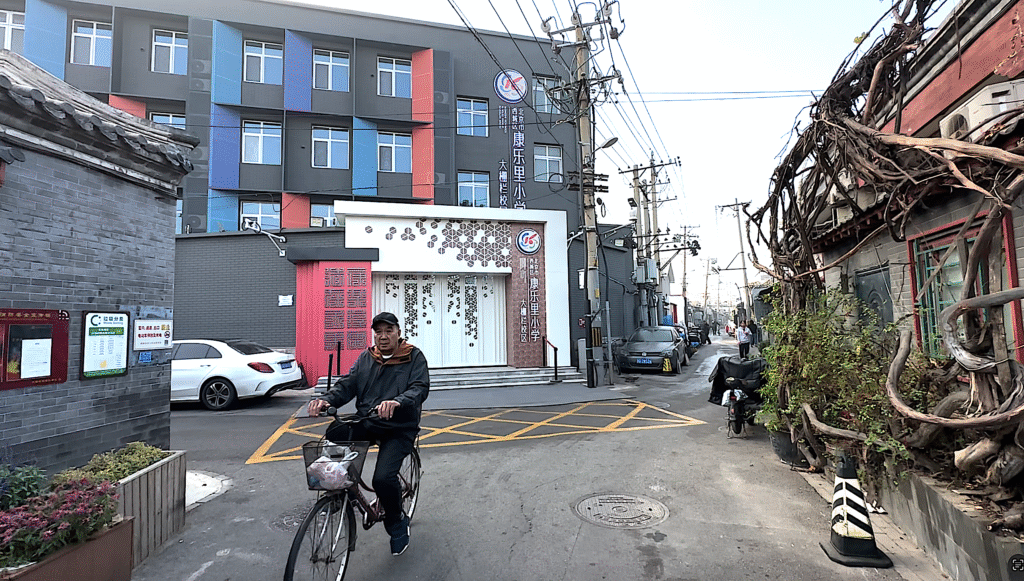
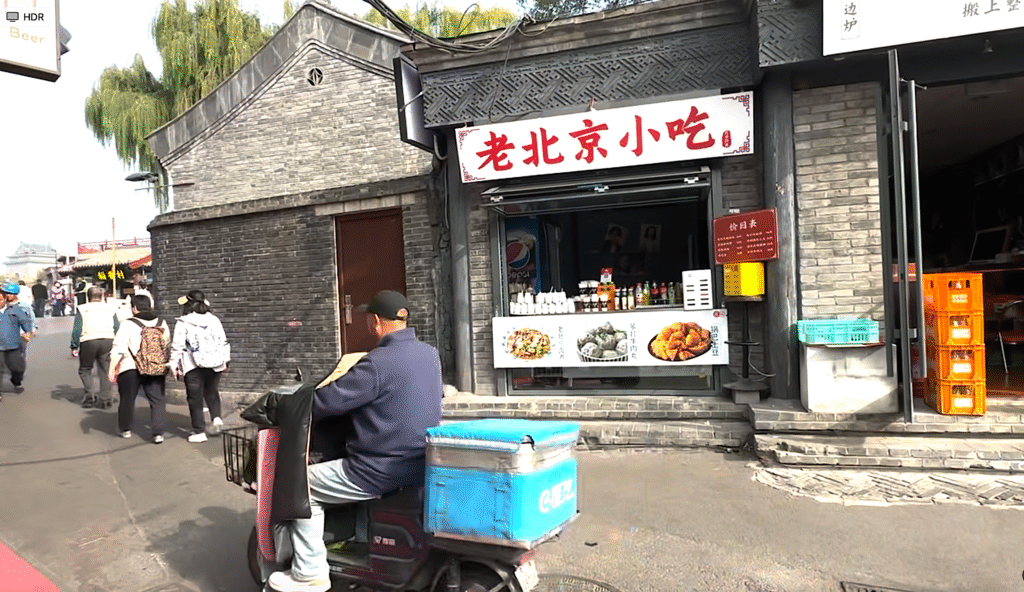
In the morning, take a slow walk around the hutongs.
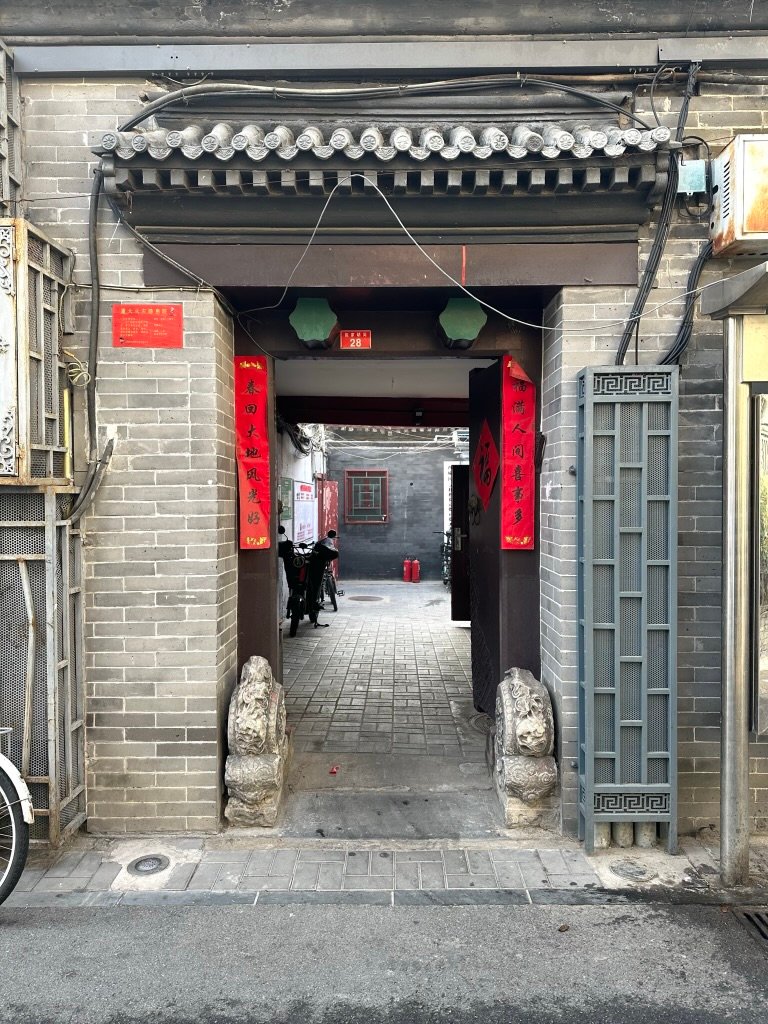
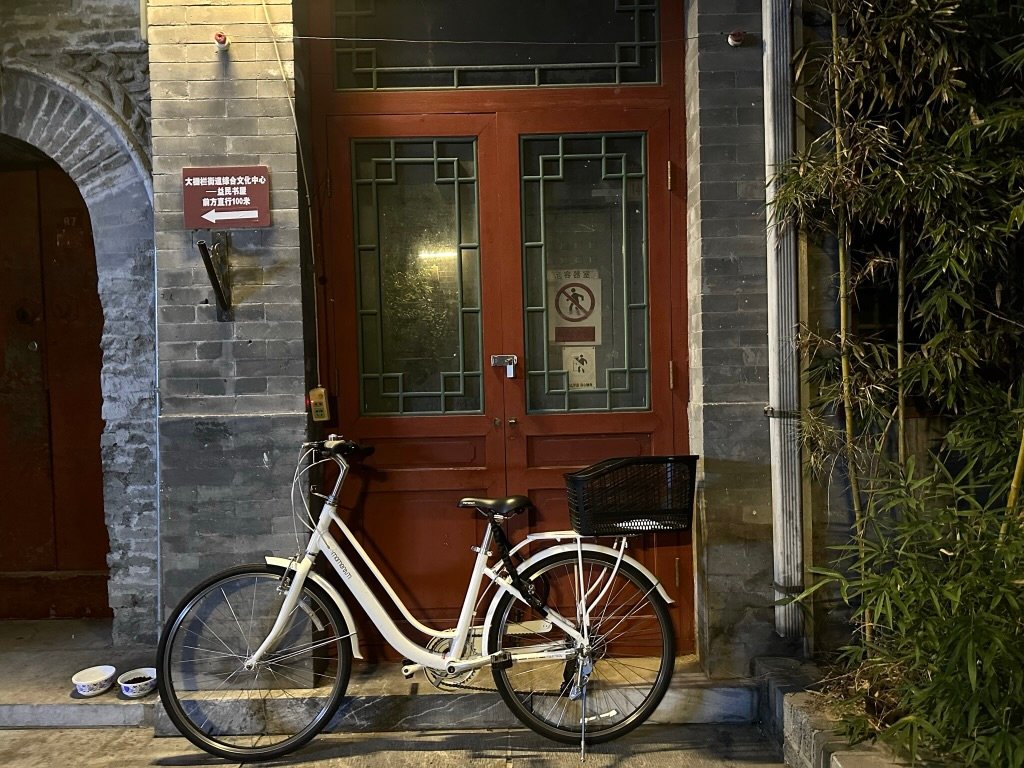
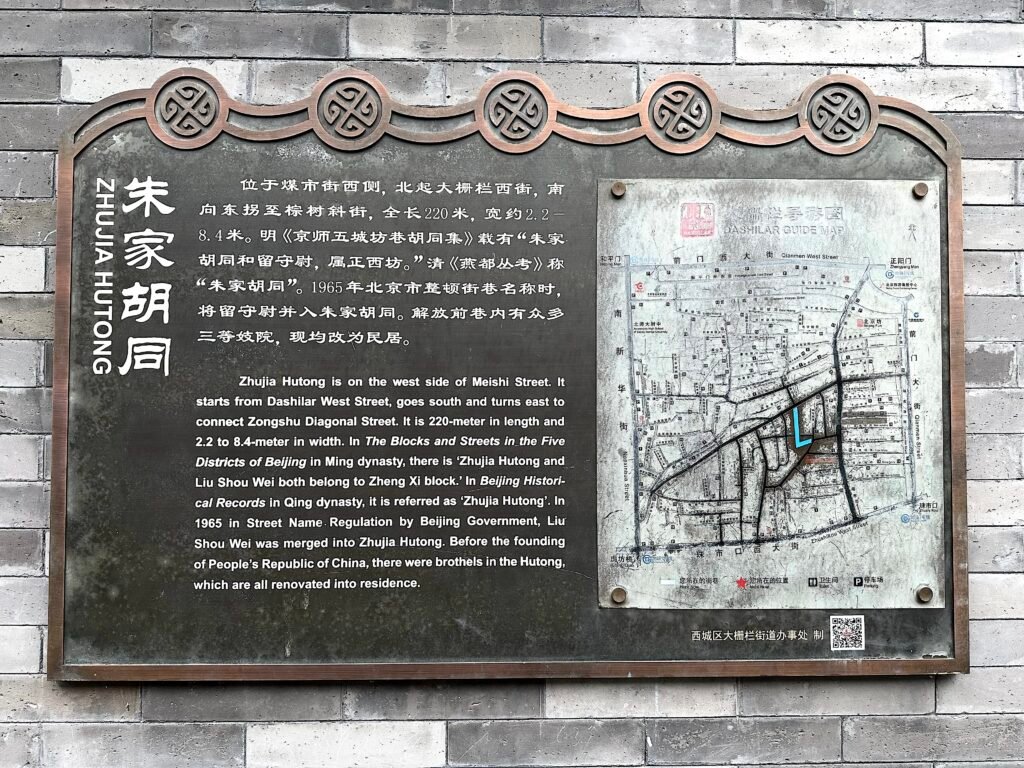
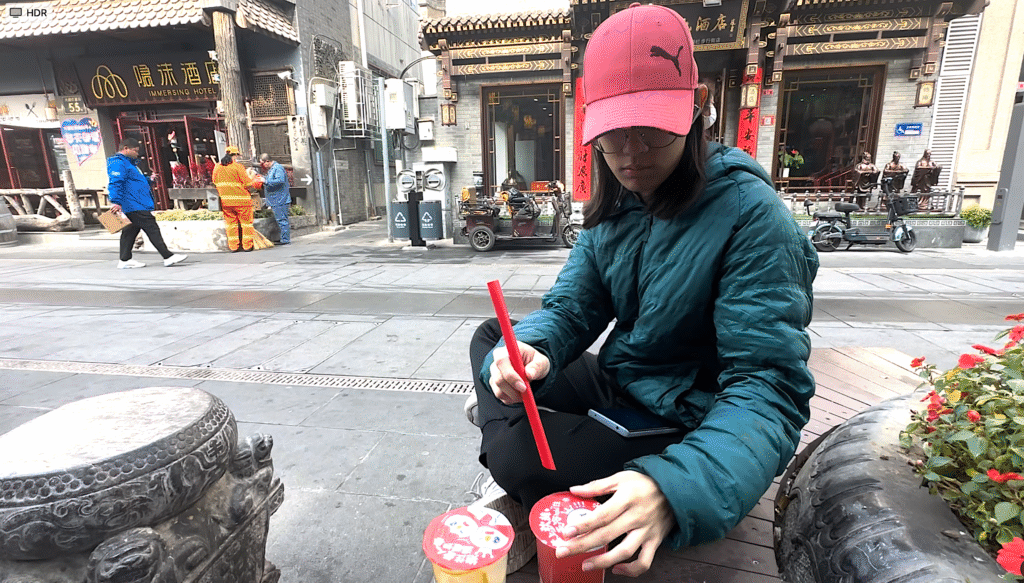
This is when you feel another side of Beijing — elderly residents cycling through narrow lanes, neighbours chatting, children going to school, small breakfast shops opening their doors.
The grey brick walls (灰砖), old houses, and quiet alleys give you a glimpse of the Beijing that existed long before today’s modern skyscrapers.
🐧 Cheers: “Dad, this feels like walking inside a history book!”
Dad: “Exactly. The Forbidden City shows you imperial Beijing. Hutongs show you everyday Beijing.”
🐼 Panda: “Old Beijing is not only inside museums. Sometimes, it is just around the corner.”
But here comes Dad’s important travel warning. 😆
Many hutong hotels are located deep inside narrow alleys where cars and taxis cannot enter.
Which means…
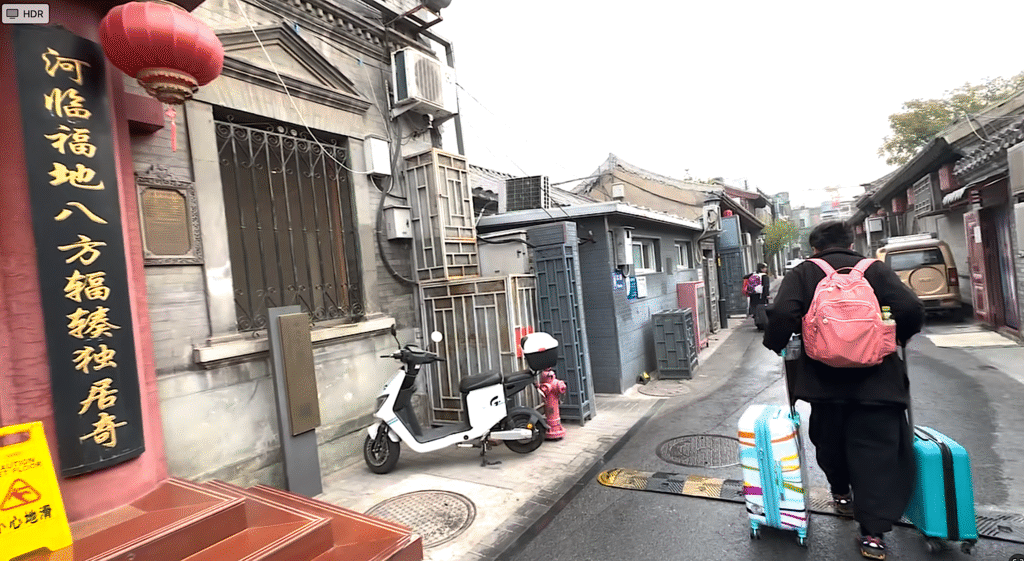
yes, you may need to drag your luggage through the hutong streets.
🐧 Cheers: “Dad… why are we sightseeing with suitcases?”
Dad: “Because we wanted the authentic hutong experience.”
🐧 Cheers: “I think Beijing added the luggage challenge for free.”
So our advice: stay in a hutong hotel for the experience, enjoy the morning walks, soak in the old Beijing atmosphere — but pack light and check the exact location before booking.
A hutong stay may not always be the easiest choice.
But it may become one of your most memorable Beijing stories.
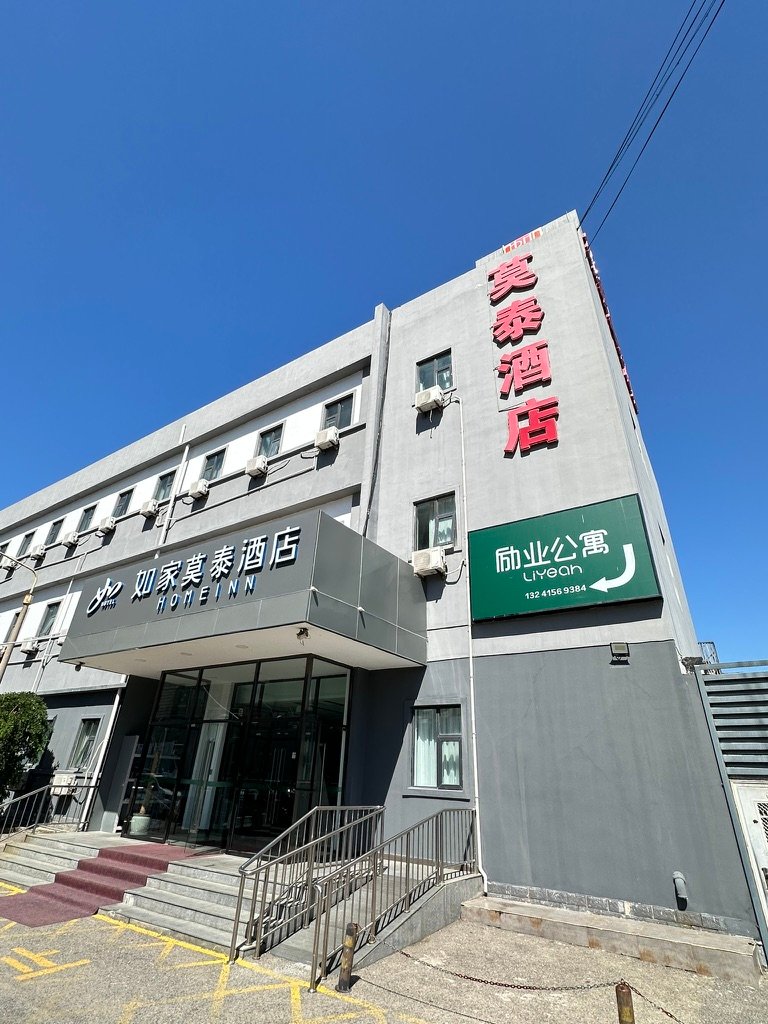
Our Best Value Beijing Hotel Strategy: Stay Further Out, But Stay Near the Subway
After several Beijing trips, Dad and Elaine discovered something important:
You do not always need to stay in the middle of Beijing.
Beijing is huge.
Sometimes a hotel beside a convenient subway station can be a smarter choice than paying much more for a small room near the tourist areas.
One of our best value stays was:
Motel 168 (Beijing Lishuiqiao Metro Station)
📍 Building 7, No. 8 North Lishuiqiao, Chaoyang District, Beijing, China
🚇 Nearest Subway: Lishuiqiao Station (立水桥站)
This hotel is outside central Beijing, near Beijing’s 5th Ring Road (五环路), so don’t expect to walk out and see the Forbidden City. 😄
But here was why it worked so well for us:
✅ Around 5 minutes’ walk to the subway
✅ About 45 minutes by metro into central Beijing
✅ Local restaurants just beside the hotel
✅ Around 8 minutes’ walk to a neighbourhood shopping mall
✅ Supermarket, food court, bakery, KFC, Starbucks and daily supplies in that shopping mall
✅ Easy access to Didi (China’s ride-hailing app)
🐧 Cheers: “Dad… wait. We stayed outside the city centre?”
Dad: “Yes.”
🐧 Cheers: “Are we saving money again?”
Dad: “It is called strategic travel planning.”
🐧 Cheers: “Sounds suspiciously like saving money.”
And sometimes, saving money is smart travelling. 😆
One evening, instead of taking the subway, we simply used Didi to visit a larger shopping mall nearby. It took around 30 minutes and cost about RMB27 one way — very reasonable compared with taxi prices in many countries.
The biggest advantage?
We experienced a more local side of Beijing.
At breakfast and dinner, we were eating with ordinary Beijing residents, not only tourists. We saw office workers, families, and parents bringing children for meals after school.
🐼 Panda: “Visitors come to Beijing looking for palaces and emperors. But everyday Beijing is also part of the story.”
For first-time visitors, staying near famous areas can still be convenient.
But if you are comfortable using Beijing’s excellent subway system, choosing a slightly further hotel near a metro station can give you bigger savings — and a more local Beijing experience.
The Same Travel Strategy Worked for Us in London Too
This “stay near transport, not necessarily beside attractions” strategy was something Dad had already tested years earlier in London.
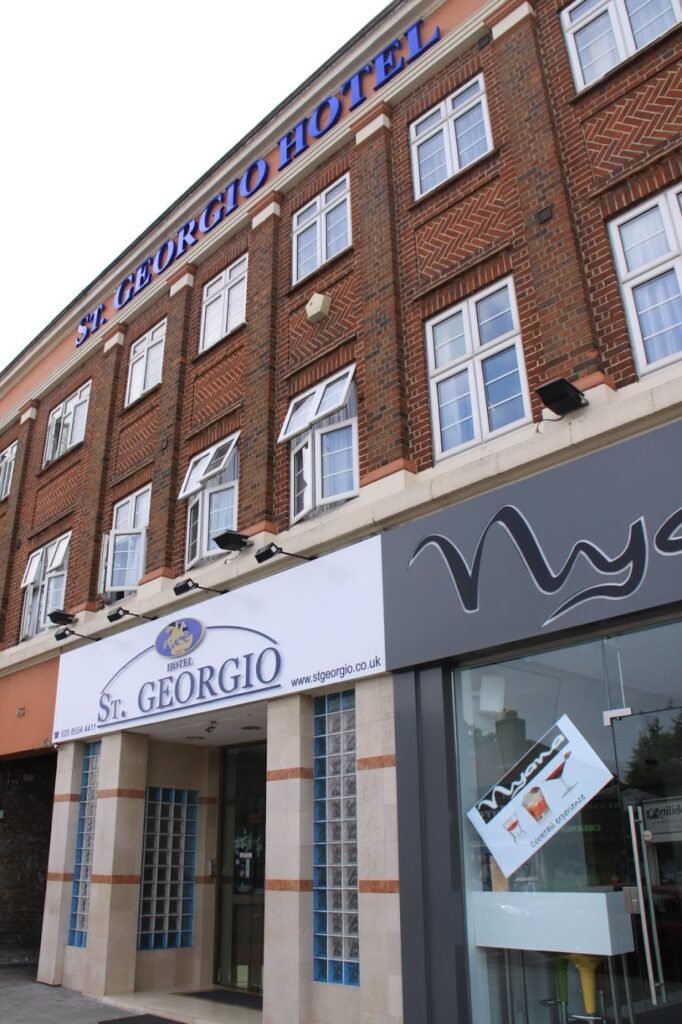
During our London trip more than 10 years ago, we stayed at St. Georgio Hotel in East London.
(The hotel may no longer operate under the same name today — travel changes quickly!)
It was not in the middle of London’s tourist area. We were not walking distance from Big Ben, Buckingham Palace or the museums.
But it gave us something important:
🚇 Easy access to the London Underground.
Every morning, we joined Londoners heading into the city — standing shoulder to shoulder with office workers and students on their way to work.
Instead of only seeing London as visitors, we experienced a little of how London actually wakes up.
Years later, we applied the same idea in Beijing.
Stay near a good metro station, understand the transport system, and suddenly a huge city becomes much easier — and much more affordable.
🐧 Cheers: “Dad, so the secret is… don’t chase the landmark?”
Dad: “Exactly. Chase the subway station.”
🐧 Cheers: “That sounds like a Dad travel rule.”
🐼 Panda: “Smart travellers don’t only visit cities. They learn how cities move.”
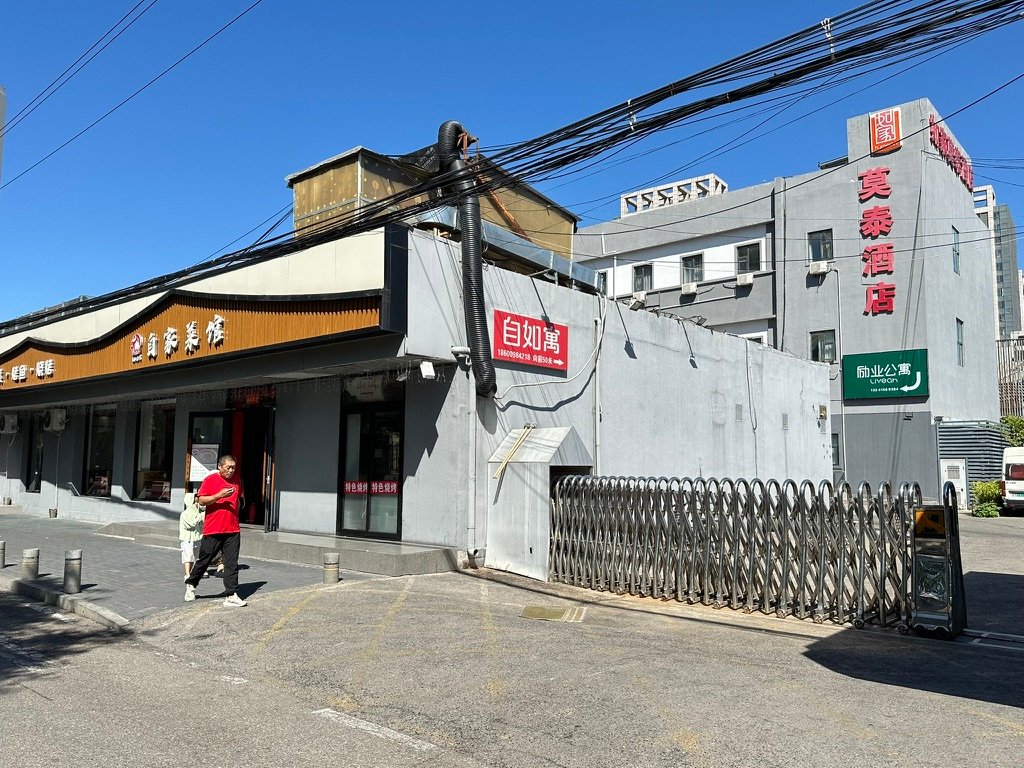
Why This Became Our Favourite Budget-Friendly Beijing Base
The biggest surprise?
For the same room budget, if we wanted to stay right in the inner city tourist areas, many options were mainly youth hostel-style accommodation.
By staying slightly further out — but beside a subway line — we could get a proper hotel room while still controlling our travel cost.
And the hotel came with some very practical benefits:
✅ Simple buffet breakfast included
✅ Free use of washing machine and dryer (a lifesaver for longer China trips!)
✅ Able to receive our Taobao (淘宝) online shopping deliveries at the hotel
✅ Plenty of affordable local food choices nearby
For travellers spending more than just a few days in Beijing, these little conveniences matter.
After walking 20,000+ steps exploring palaces, hutongs and museums, sometimes the best luxury is not a five-star lobby.
It is clean clothes, an easy breakfast, and knowing dinner is just next door. 😄
🐧 Cheers: “Dad… did we travel to Beijing or move into Beijing?”
Dad: “A little bit of both.”
🐧 Cheers: “The Taobao packages arriving at the hotel gave it away.”
🐼 Panda: “That means you discovered the local Beijing lifestyle.”
Of course, this strategy works only if you are comfortable using Beijing’s subway.
But once you understand the metro system, staying slightly outside the tourist centre opens up many more choices — better value, more space, and a small taste of how ordinary Beijing residents live.
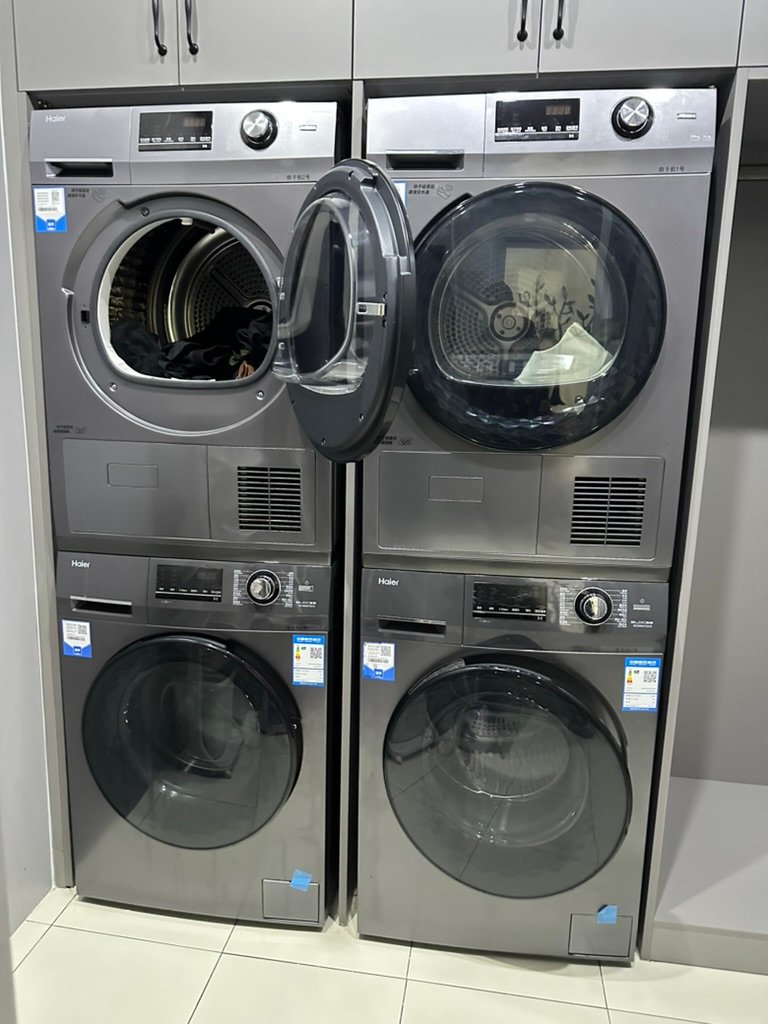
Dad’s China Travel Tip: The Secret Weapon for Longer Trips — Washing Machines 😄
One small detail we now always check before booking hotels in China:
Does the hotel have a washing machine? (洗衣机)
This may sound boring…
until you are travelling across China for two or three weeks. 😆
One thing that surprised us was that many Chinese hotels and homestays provide self-service laundry facilities — sometimes even free washing machines and dryers for guests.
For Dad and Elaine, this changed the way we packed.
Instead of carrying huge luggage full of clothes, we could travel lighter, wash our clothes during the trip, and continue exploring.
🐧 Cheers: “Dad finally discovered ancient Chinese wisdom…”
Dad: “What wisdom?”
🐧 Cheers: “Pack fewer clothes. Buy more snacks.”
Dad: “That was not the lesson.”
🐼 Panda: “I think Cheers only heard the part about extra luggage space.”
Our simple advice:
Before booking, check the hotel facilities section and look for:
✅ Washing machine / laundry room
✅ 洗衣机 (washing machine)
✅ 烘干机 (dryer)
For long China trips, this small detail can make your journey much easier.
Sometimes the best travel upgrades are not expensive hotel rooms.
Sometimes it is simply having clean clothes halfway through your adventure.
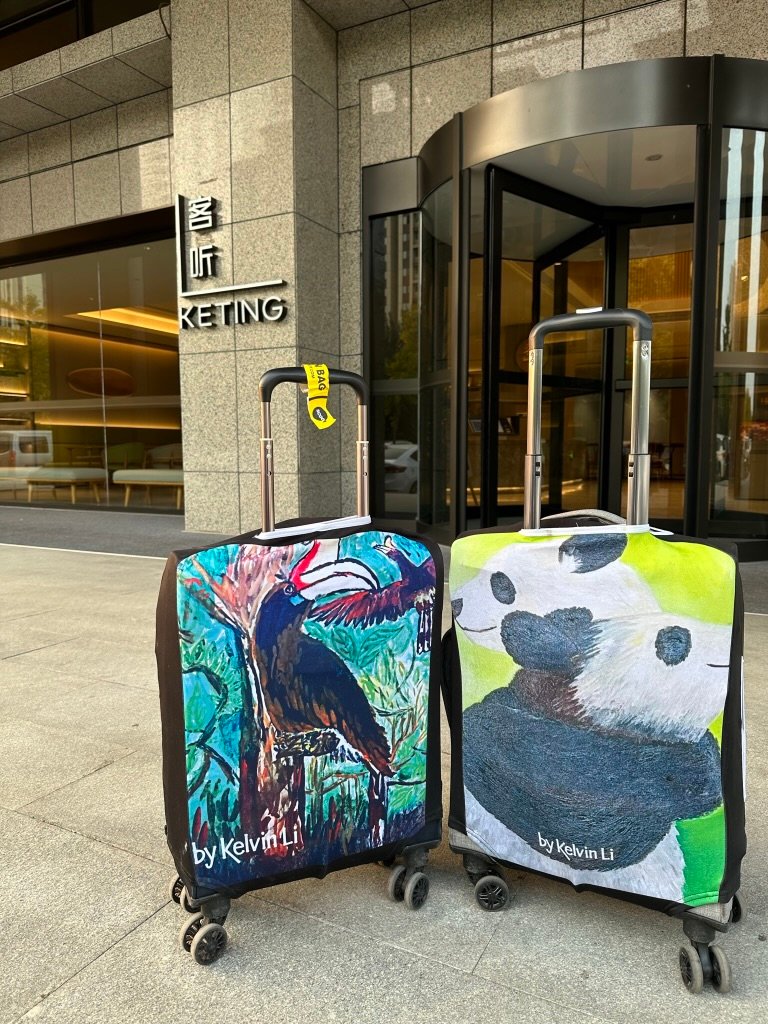
Dad’s China Travel Tip: Pack Light — China Makes It Easier Than You Think
One reason we love hotels with washing machines is because Dad and Elaine have developed one important travel habit:
We travel light.
Whenever possible, we avoid checking in luggage for flights.
Our favourite airline gives us 10kg hand-carry allowance, which is usually enough for our China adventures.
But during one recent 18-day China trip, Dad decided to create a new challenge for Elaine.
Only hand carry.
Budget airline.
Maximum luggage allowance:
7kg each. 😆
🐧 Cheers: “Dad… 18 days in China with only 7kg?”
Dad: “Yes.”
🐧 Cheers: “Did Elaine agree to this challenge?”
Elaine: “Did I actually have a choice?” 😂
🐼 Panda: “Ancient travellers crossed China with horses. Elaine crossed China with a 7kg suitcase.”
The secret?
We didn’t pack 18 days of clothes.
We planned smarter.
China’s convenient hotels, washing machines, online shopping, and transport system made travelling light much easier than expected.
We will share our full 18-day, 7kg packing strategy in another article — because that adventure deserves its own story.
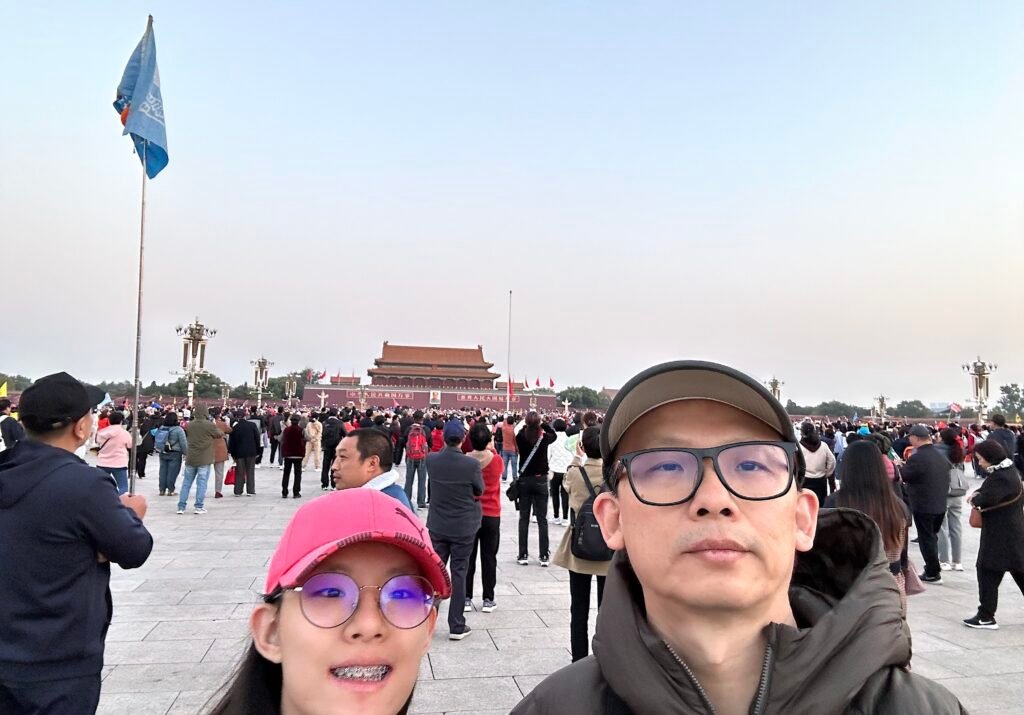
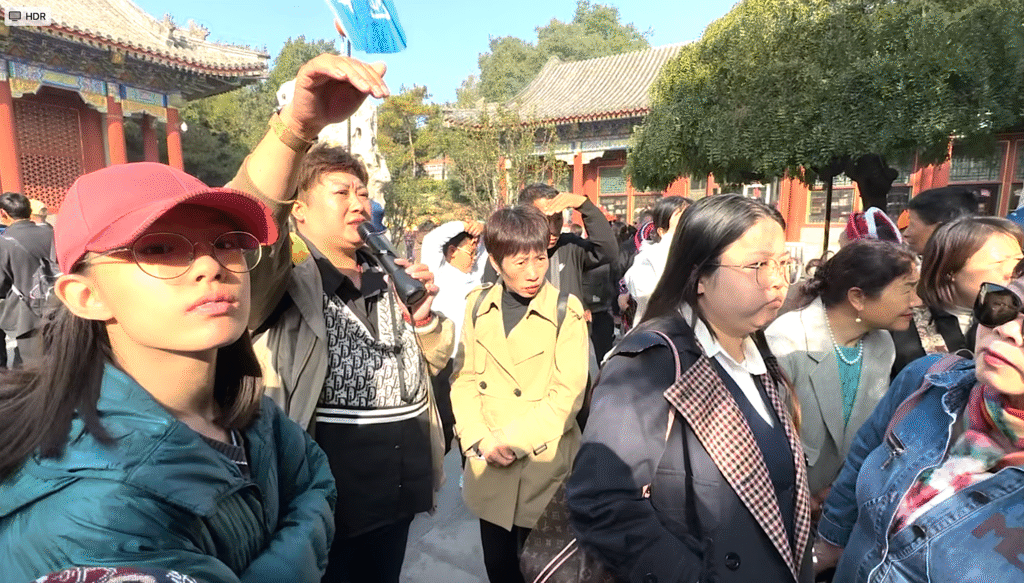
My “Smart Day Tour” Strategy — Tested in London, Perfected in Beijing
After years of travelling with Elaine, I learned something important:
Independent travel does not mean you must do everything yourself.
The real skill is knowing when to explore alone — and when to let a good local tour save your time and energy.
Actually, this was the same strategy I used when Elaine and I visited London many years ago.
Most days, we explored London independently using the Underground (“the Tube”), walking through neighbourhoods, eating locally, and experiencing the city at our own pace.
But for certain places?
I happily booked day tours.
Why?
Because sometimes a good tour is not about being lazy — it is about travelling smarter.
Our London Example 🇬🇧
For our London city tour, transportation and a guide were included.
The biggest advantage?
During the busy summer travel season, places like the Tower of London and London Eye had huge crowds.
Our guide helped arrange the entrance tickets, and we avoided wasting precious holiday time standing in long lines just to buy tickets — and then queue again to enter!
We also used organised day trips to explore further:
- Oxford & Cambridge — two of the world’s most famous university towns
- Stratford-upon-Avon — Shakespeare’s hometown, a place full of English literary history
- Lake District — travelling by train into one of England’s most beautiful landscapes
Could I arrange all these myself?
Probably.
Would I spend many extra hours checking train schedules, connections, tickets, and routes?
Definitely. 😄
Sometimes the tour cost is not only paying for transport.
You are buying back your time.
We Use the Same Strategy in Beijing 🇨🇳
Beijing is very similar.
Inside the city, Elaine and I love exploring freely:
- walking through hutongs (胡同),
- discovering small restaurants,
- taking the subway,
- watching everyday Beijing life.
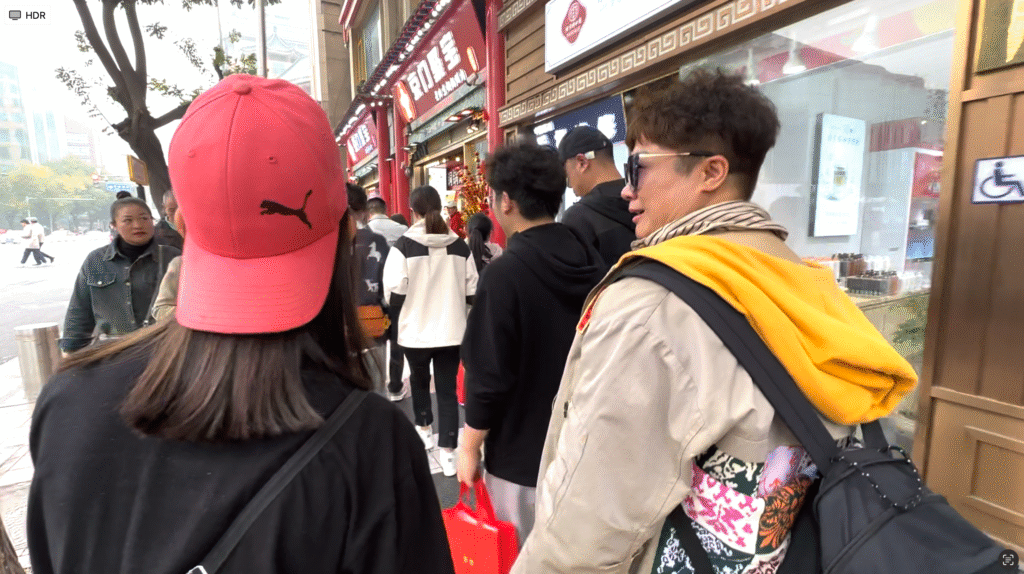
But for certain experiences, a day tour makes much more sense.
A good guide helps with:
✔ transport
✔ timing
✔ entrance arrangements
✔ historical explanations
✔ understanding what you are actually seeing
Because Beijing is not just a city of attractions.
It is a city of stories.
🐧 Cheers: “Dad’s travel secret: walk like a local when it’s easy… borrow a local expert when it gets complicated!” 😄
Exactly.
Travel is not about proving you can do everything the hard way.
Travel is about creating the best memories with the time you have.
My Favourite China Hotel Booking Tip: Use an International-Friendly Platform
One simple mistake first-time foreign travellers to China may not realise:
Not every hotel or small homestay listed inside China is suitable for international visitors.
China has a guest registration system, and some smaller local hotels mainly serve domestic Chinese travellers. They may not regularly handle foreign passports or international guest procedures.
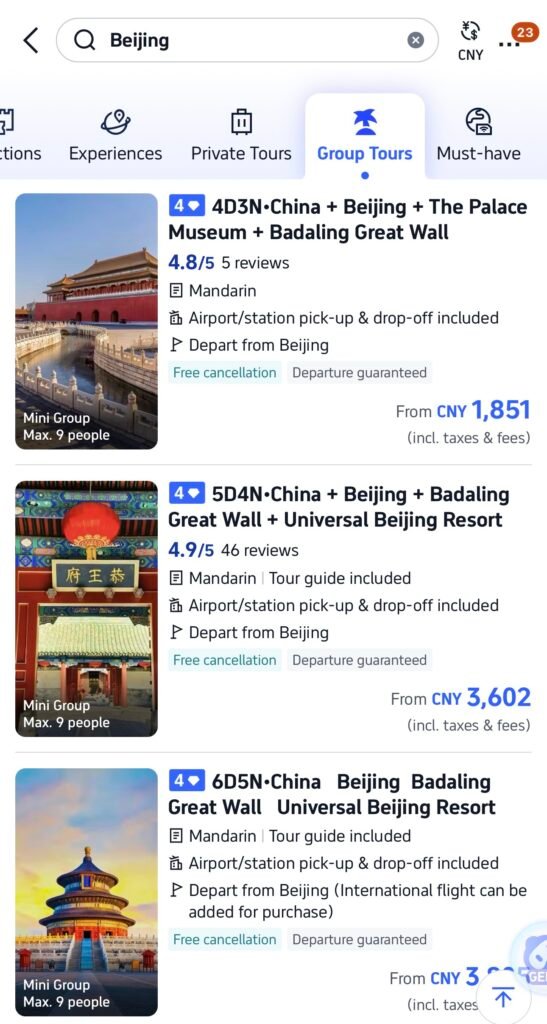
This is why Elaine and I usually use Trip.com when planning our China trips.
For overseas travellers, the advantages are practical:
✅ English interface
✅ International credit card options
✅ English hotel names and addresses
✅ Map locations easier to understand
✅ Reviews from other international travellers
✅ Easier customer support if something changes
Most importantly — hotels shown for international travellers are generally clearer about whether they can receive foreign guests.
When you arrive tired after a flight or high-speed train journey, the last thing you want is standing at reception with your luggage discovering there is a problem checking in!
🐧 Cheers: “Dad already gets lost finding small hutong lanes… please don’t add hotel drama too.” 😄
Fair point, Cheers.
China is actually very convenient to travel today — the trick is simply choosing the right tools.
Final Thoughts: Beijing Becomes Easier When You Travel Smart
Before our first few China trips, Beijing felt like a huge city to figure out.
Where should we stay?
How do we move around?
Will we find food Elaine enjoys?
Can we explore independently without speaking perfect Chinese?
After several trips, Dad slowly discovered something:
Beijing is not difficult.
You just need the right travel strategy.
Stay near the subway.
Choose your accommodation wisely.
Eat where locals eat.
Walk slowly through the hutongs.
And sometimes — use a good day tour instead of spending half your holiday solving transport puzzles.
The goal is not to visit the most places.
The goal is to enjoy China.
To notice the morning conversations in small restaurants.
To watch families having dinner after school.
To walk through old Beijing lanes and imagine the stories hidden inside the grey brick walls.
Those little moments are often what Elaine and I remember most.
🐧 Cheers: “Dad calls it smart planning. Elaine calls it Dad spending 50 hours planning so the trip feels effortless.” 😄
Maybe Cheers is right.
But that is also why China keeps bringing us back.
Every journey teaches us how to travel a little better.
And speaking of travelling smarter…
There is one more travel habit Elaine and I developed after years of China trips.
On our recent 18-day China journey, I gave Elaine a challenge:
“Can we travel across China with only hand-carry luggage?”
No checked baggage.
No big suitcase.
Just 7kg each.
Did we survive?
Yes.
Did Elaine complain?
Maybe a little. 😄
But it changed the way we travel.
That story is next..
Continue Exploring Beijing
If this is your first time visiting China’s capital, you might also enjoy our guides to:
- Beijing Travel Guide: Discover China’s Ancient Capital, Local Life and Future China
- Returning to Qianmen Street (前门大街): Beijing’s Historic Walking Street
- Wangfujing (王府井): Beyond Beijing’s Famous Shopping Street
- Beijing Hutongs (胡同): Discovering Everyday Life in the Capital
- Visiting Great Wall of China from Beijing: