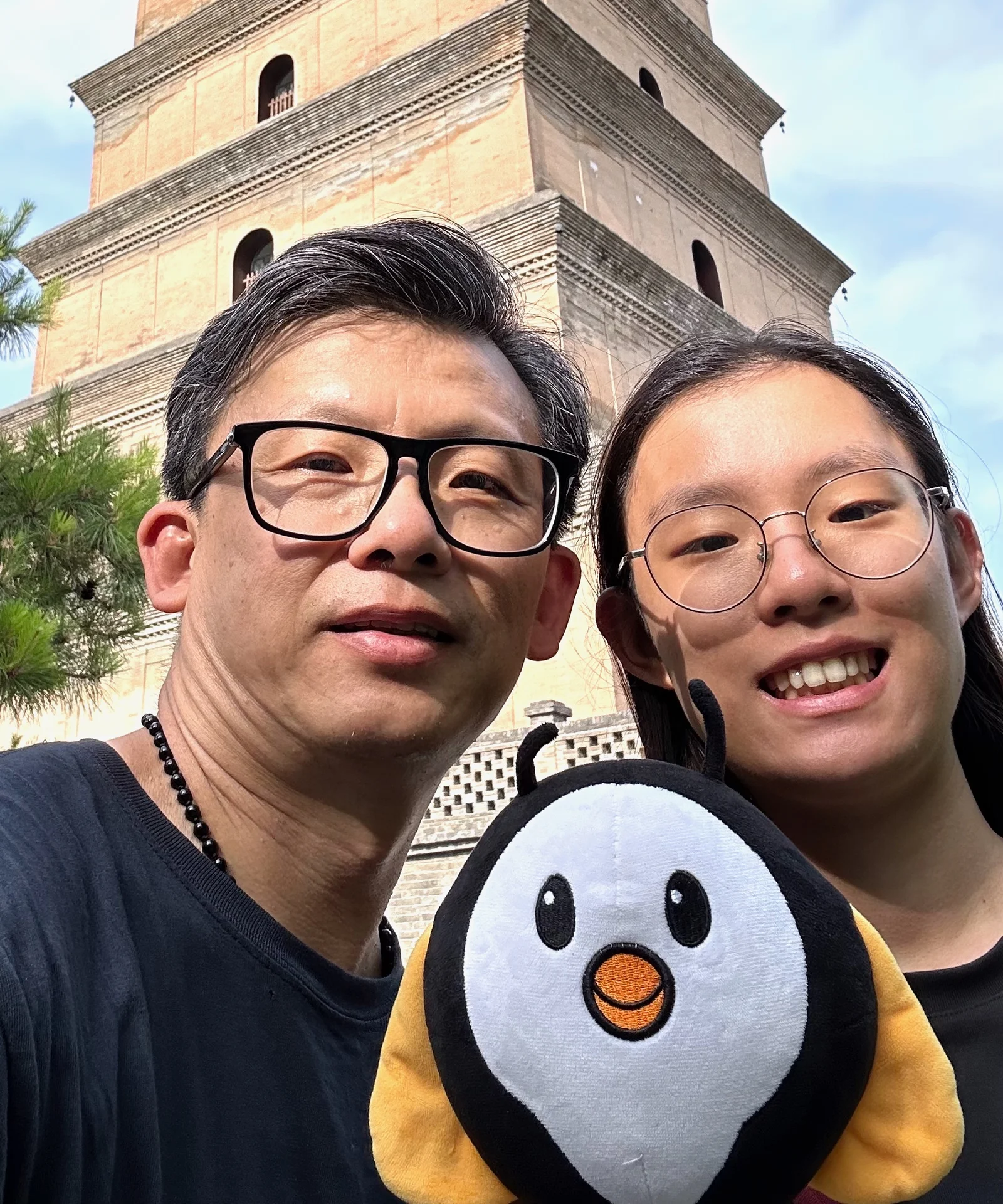
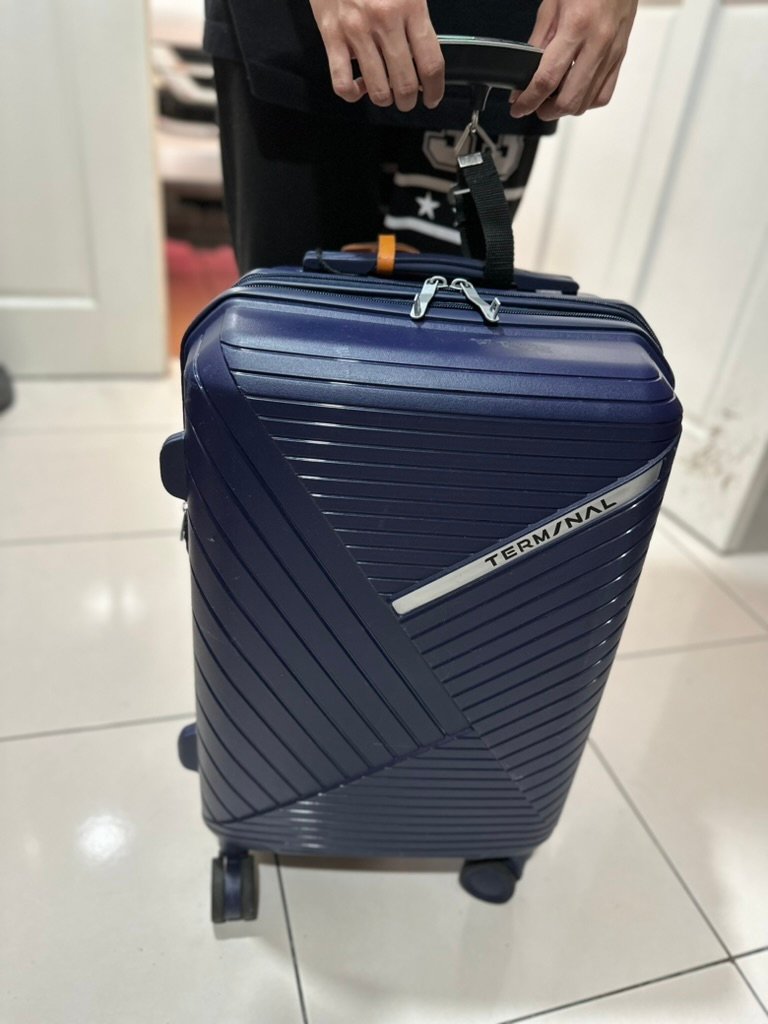
There were actually two seemingly impossible challenges. First, boarding a budget airline with only 7kg hand carry for an 18-day China trip. Second, doing exactly the same on the flight home after 18 days of souvenir hunting, book buying and local discoveries. How did we pull off both?
Before our 18-day China trip, Dad gave Elaine a challenge.
“Can we travel across China with only hand carry luggage?”
Elaine looked at me.
18 days.
Multiple cities.
Different weather.
Lots of walking.
And only 7kg luggage allowance each.
Was Dad becoming too ambitious this time? 😄
🐧 Cheers: “Elaine survived thousands of years of Chinese history… but can she survive Dad’s 7kg luggage challenge?”
Good question, Cheers.
Because this was not a weekend trip.
This was China.
We were moving between cities, taking high-speed trains, walking through metro stations, exploring old streets, and changing hotels.
Dragging a huge suitcase everywhere did not sound fun.
So we tried something different:
Travel lighter.
Travel smarter.
And surprisingly…
It worked.

Many travellers still imagine China travel the old way:
Arrive at airport → meet tour bus → luggage goes underneath → hotel → repeat.
But modern independent China travel is very different.
Today, you may find yourself:
- walking through huge high-speed railway stations,
- taking the metro across the city,
- exploring narrow hutong lanes,
- moving between hotels,
- ordering a DiDi ride.
A lighter bag changes everything.
No waiting at airport baggage claim.
No worrying if luggage arrives.
No fighting with heavy suitcases on stairs.
More freedom.
And the secret?
We were not sacrificing comfort.
China itself helped us travel lighter.
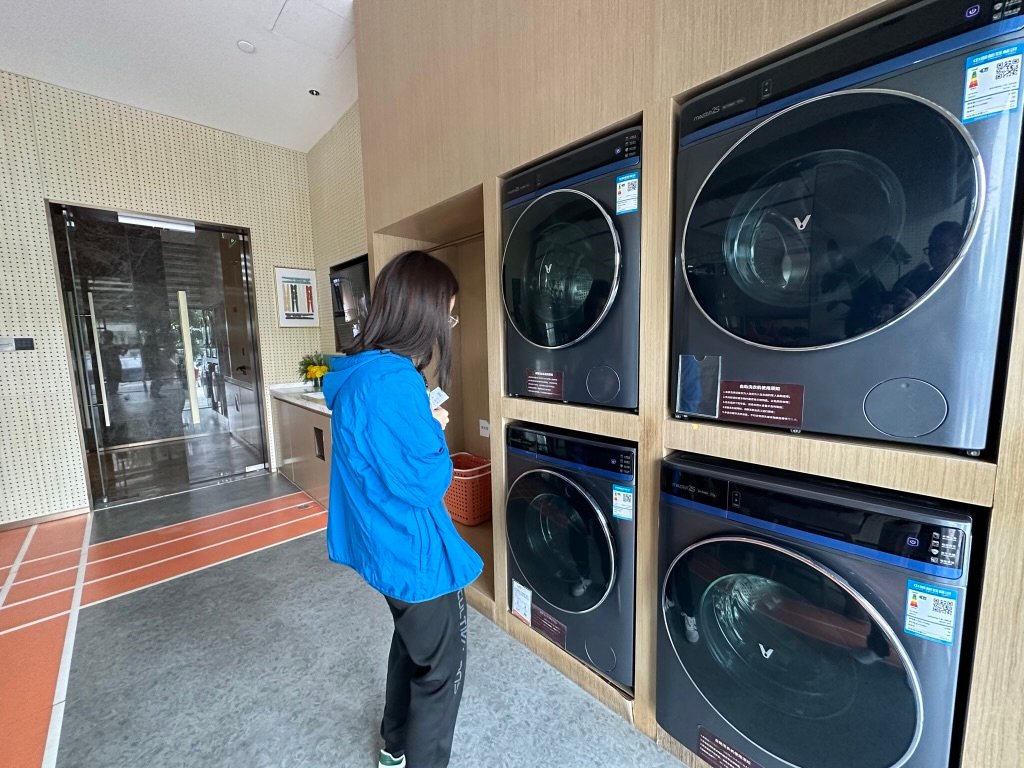
Laundry room in a hotel in Handan City.
Secret #1: We Did Not Pack 18 Days of Clothes — China Hotels Have Washing Machines!
The first secret sounds almost too simple.
For an 18-day China trip…
We did not bring 18 days of clothes.
Impossible with 7kg hand carry luggage!
Instead, Dad planned around one very useful China travel discovery:
Many hotels in China provide washing machines for guests.
And surprisingly, many are free.
Some hotels even provide:
- washing machines
- dryers
- laundry detergent
- laundry rooms open for guests
For long-distance travellers, this changes everything.
Instead of packing more clothes, we simply washed our clothes every few days.
🐧 Cheers: “Wait… Dad’s secret travel strategy is doing laundry?” 😳
Yes, Cheers.
Sometimes the smartest travel tricks are the boring ones. 😄
Before booking hotels in China, we always check the hotel facilities carefully.
Look for:
洗衣房 (xǐ yī fáng) — laundry room
or descriptions mentioning:
洗衣机 (xǐ yī jī) — washing machine
If the hotel provides this, suddenly a 2-week or 3-week China trip becomes much easier.
A few sets of clothes become enough.
Your luggage becomes lighter.
Your travel becomes more flexible.
For example, during our Beijing stay, our budget-friendly hotel even provided free use of washing machines and dryers.
We could return from a full day exploring Beijing, wash our clothes, relax, and continue our journey the next day.
This is one reason Elaine and I could travel across China with only hand carry luggage.
🐧 Cheers: “So Elaine carried 7kg luggage… but Dad secretly made the hotel carry the other 10kg.” 😂
Exactly.
Modern China travel is not about carrying everything with you.
It is about knowing what facilities are already waiting for you.
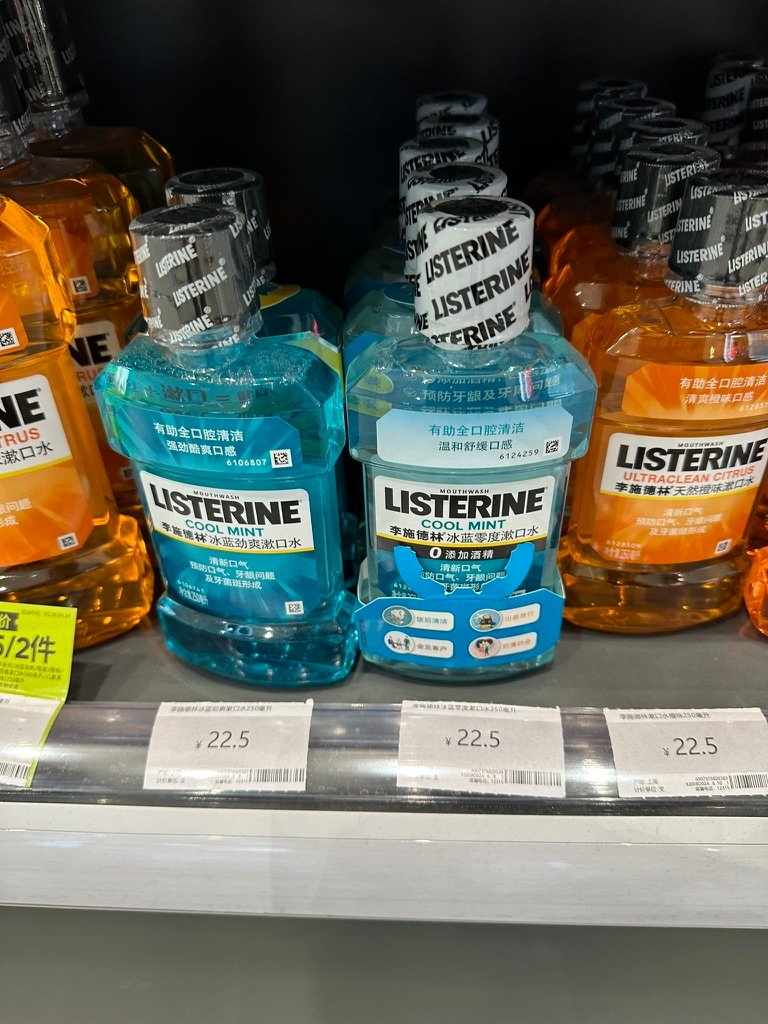
Secret #2: Don’t Pack Your Whole Bathroom — China Has Almost Everything You Need
One reason travellers overpack?
The famous question:
“What if I need it?”
What if I run out of shampoo?
What if I need extra toothpaste?
What if I need something urgently?
That “what if” thinking is how a small suitcase slowly becomes a giant suitcase. 😄
For our 18-day China trip, Dad’s rule was simple:
Bring the essentials.
Don’t bring the entire house.
🐧 Cheers: “Dad says pack light… but Elaine says Dad secretly wants more luggage space for souvenirs.” 😂
Maybe Cheers knows too much.
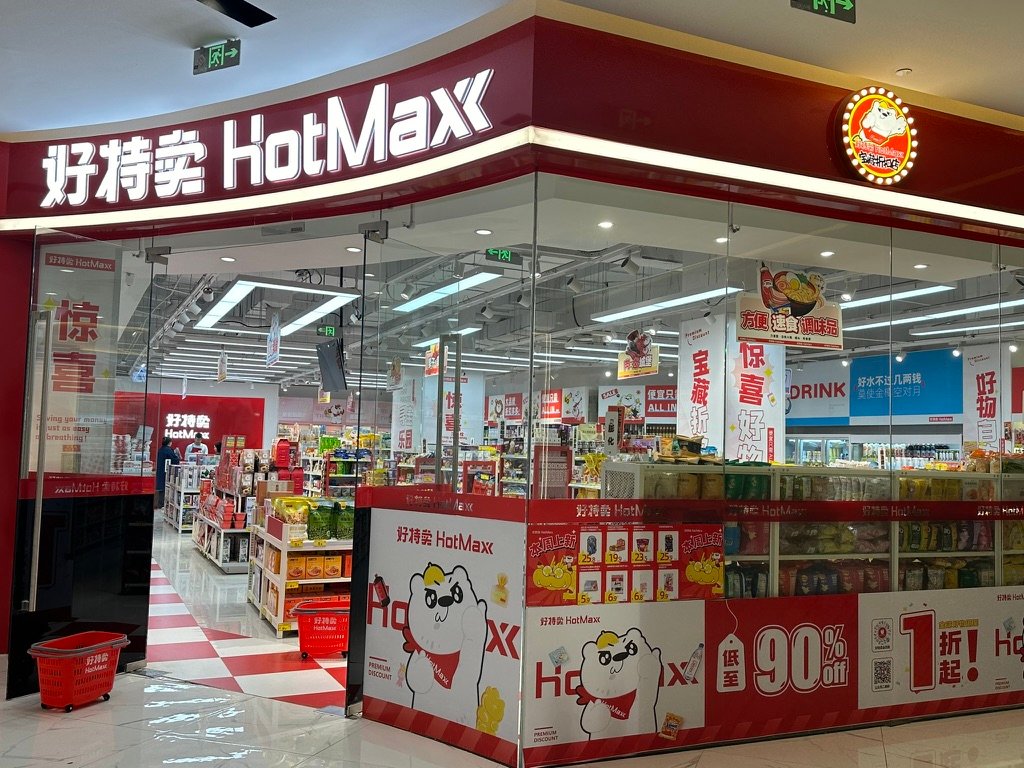
Modern Chinese cities are extremely convenient.
Supermarkets, convenience stores, pharmacies, and shopping malls are everywhere.
Most daily travel items are easy to buy:
- shampoo
- body wash
- toothpaste
- skincare products
- tissues
- snacks
- drinks
- basic travel supplies
Many familiar international brands are also available, together with local Chinese brands.
So unless you need a very specific personal product, you usually do not need to carry weeks of supplies.
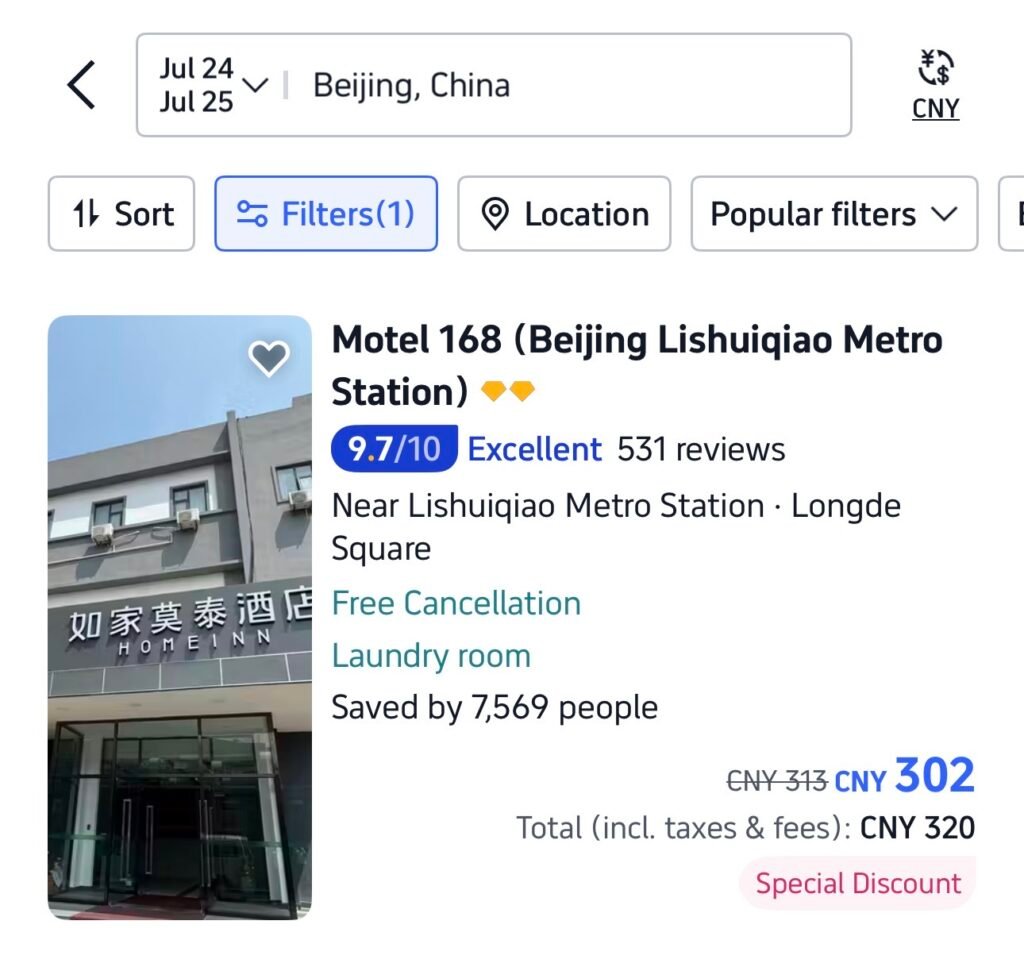
Dad’s Hotel Selection Trick: Check the Area Before Booking
When choosing hotels in China, I do not only look at the room.
I study the neighbourhood.
Using the Trip.com map, I check:
✔ Is there a metro station nearby?
✔ Are there restaurants around?
✔ Is there a supermarket nearby?
✔ Is there a shopping centre within walking distance?
A slightly cheaper hotel in the wrong location may actually cost you more time and energy.
A well-located hotel makes everything easier.
During our China trips, some of our favourite stays were not expensive luxury hotels.
They were simple hotels where we could walk outside and immediately find:
- breakfast shops,
- local restaurants,
- supermarkets,
- bakeries,
- shopping malls.
That convenience allowed us to travel lighter.
The secret is this:
Do not pack for every possible problem.
Choose a location where solutions are already around you.
🐧 Cheers: “Dad’s 7kg luggage secret: carry less things… but secretly surround himself with shops.” 😄
Exactly.
Smart packing starts before you even pack.
It starts when choosing your hotel.
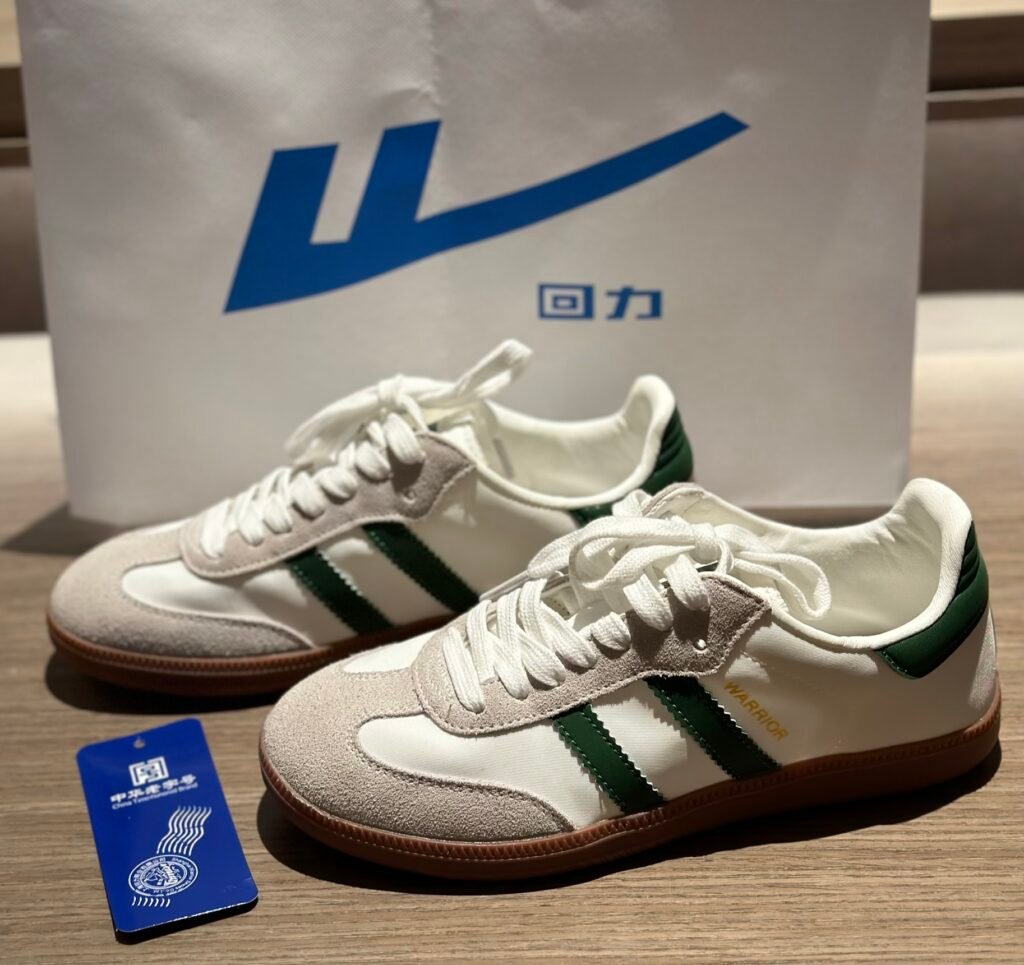
Need Something Extra? Don’t Panic — Just Buy It in China
Another reason we could travel for 18 days with only hand-carry luggage:
We stopped packing for every possible situation.
China’s cities are extremely convenient today.
During our trips, we discovered that many small travel problems can simply be solved after arrival.
Forgot something? Need something unexpected?
Most nearby supermarkets, convenience stores, or shopping malls have you covered.
Some surprisingly useful items travellers can easily find:
✔ Disposable towels and bath towels (一次性毛巾 / 浴巾)
Great if you prefer your own towel or want something lightweight for travel.
✔ Disposable raincoats (一次性雨衣)
No need to carry bulky rain gear “just in case”. When rain comes, buy one.
✔ Extra clothes
Weather colder than expected? Need another shirt? No problem.
During one autumn trip, I underestimated the temperature change and bought an autumn coat in Taiyuan (太原). Elaine bought a jacket in Xi’an.
Instead of carrying a heavy jacket across China “just in case”, I simply bought one when I actually needed it.
Large international clothing brands like full fledged Uniqlo (优衣库) stores are available in many major Chinese cities — and yes, even HeatTech saved me during colder weather! 😄
A hat? Gloves? Extra layers?
Easy.
The old travel thinking:
“Carry everything because I may need it.”
Our China travel thinking:
“Carry less, because China probably already has it.”
When you combine:
- hotels with washing machines,
- supermarkets nearby,
- shopping malls everywhere,
travelling light in China becomes much easier than most people imagine.
🐧 Cheers’ Travel Rule:
“Pack for the journey, not for every imaginary disaster.” 😄
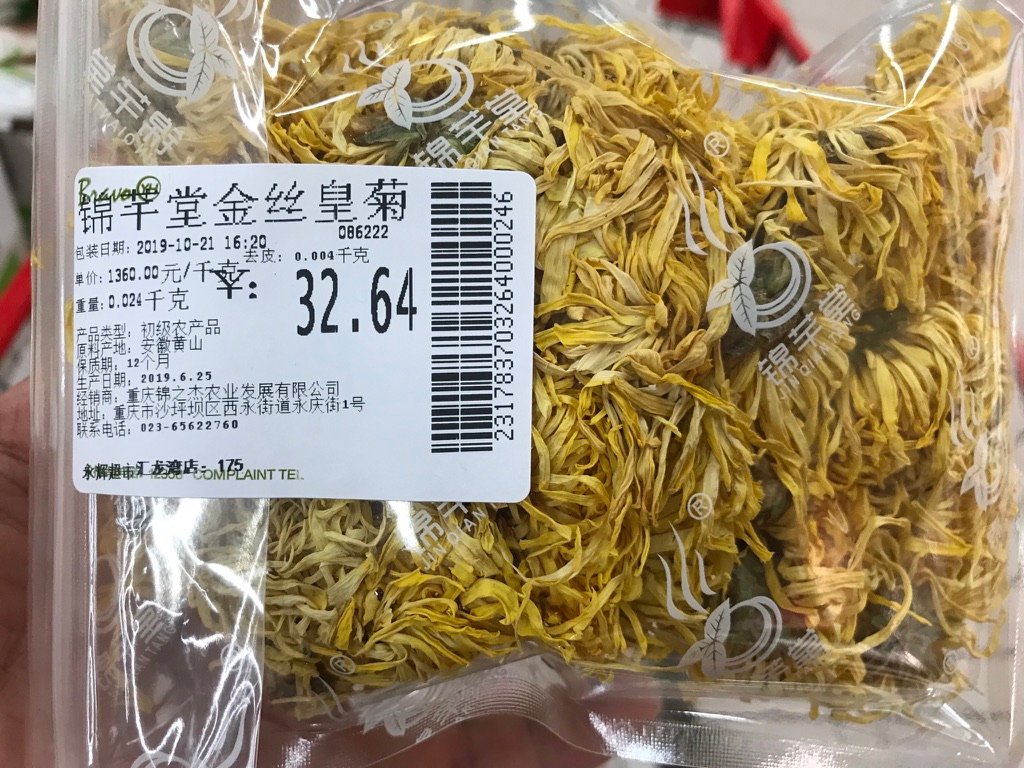
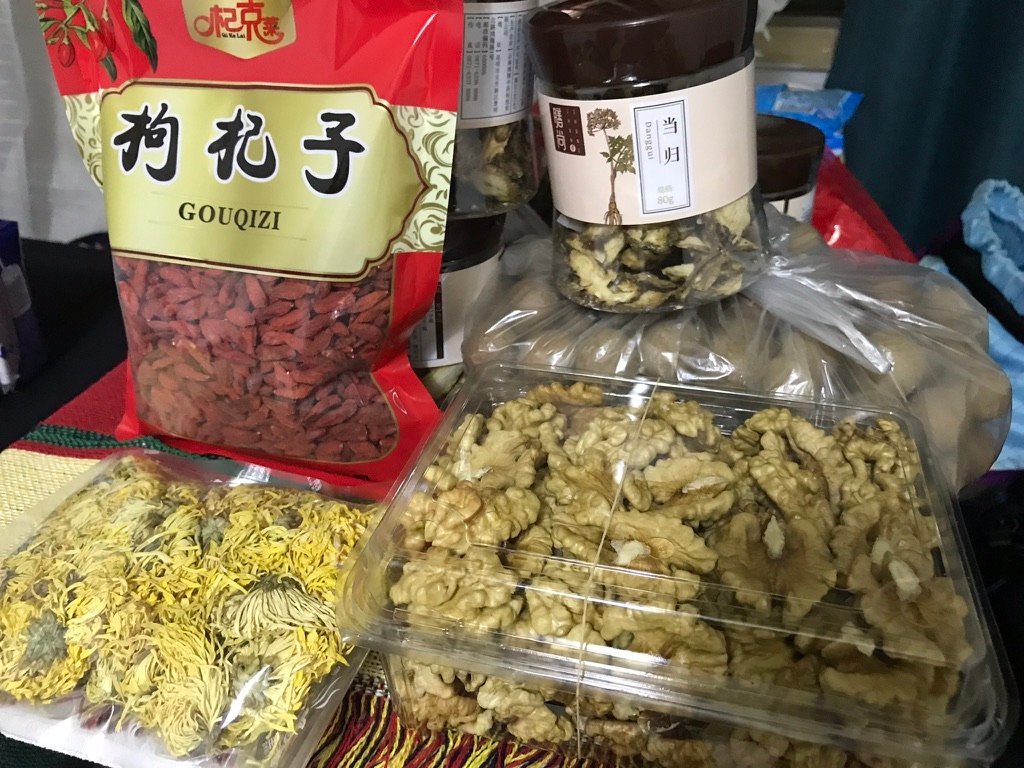
Discovering Chinese Teas and Herbal Teas
One section Dad always enjoys exploring in Chinese supermarkets is the tea area.
Of course, you can find many varieties of traditional Chinese tea leaves (茶叶 chá yè):
- green tea (绿茶)
- black tea (红茶)
- oolong tea (乌龙茶)
- pu’er tea (普洱茶)
But what interests me even more are the dried floral and herbal teas — especially the non-caffeinated choices.
These are common in Chinese daily life and make wonderful light souvenirs because they hardly add any luggage weight.
Some of my favourites include:
🌼 Chrysanthemum flower tea (菊花 júhuā)
A very popular traditional flower drink in China.
🌹 Rose buds (玫瑰花 méi guī huā)
💜 Lavender (薰衣草 xūn yī cǎo)
🌸 Jasmine flower (茉莉花 mò lì huā)
🌼 Osmanthus flower (桂花 guì huā)
A tiny golden flower with a beautiful fragrance.
And many other traditional Chinese ingredients such as:
🔴 Goji berries (枸杞 gǒu qǐ)
🔴 Dried red dates (红枣 hóng zǎo)
🍒 Hawthorn (山楂 shān zhā)
🍇 Mulberry fruit (桑葚 sāng shèn)
🍃 Mulberry leaves (桑叶 sāng yè)
🐧 Cheers: “Dad entered a supermarket and somehow found another Chinese culture lesson.”
Dad: “That’s because China stories are everywhere.”
🐧 Cheers: “Even beside the tea shelf?”
🐼 Panda: “Especially beside the tea shelf.”
For me, this is one of the joys of travelling China.
A supermarket visit is not only about buying supplies.
It is a chance to discover small parts of everyday Chinese culture.
A simple packet of dried flowers or tea leaves can tell a story about local habits, traditional tastes, and how people enjoy daily life.
And best of all for our 7kg luggage challenge?
They are extremely light to bring home. 😄
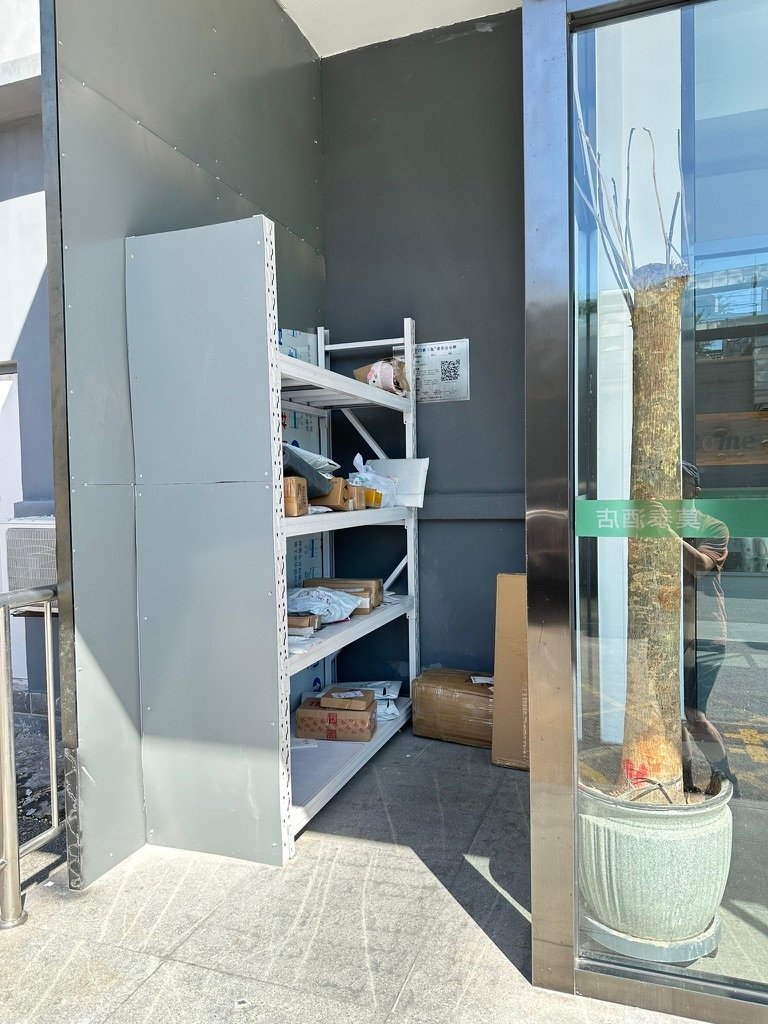
Secret #4: Advanced China Travel Hack — Ordering Taobao Deliveries to Our Hotel
This one is for more experienced China travellers.
After several China trips, Dad and Elaine unlocked another level of travelling light:
Using Taobao (淘宝) during our journey. 😄
For first-time visitors, don’t worry.
You can enjoy China perfectly well with supermarkets, convenience stores and shopping malls.
But if you are already comfortable using Chinese apps, Taobao can make travelling even easier.
China’s online shopping and delivery system is incredibly efficient.
During our longer stays, especially when we stayed three nights or more in one city, we sometimes ordered items we needed through Taobao and delivered them directly to our hotel.
The usual delivery time was often around a few days, so we planned carefully:
Check our travel schedule.
Know where we would stay.
Order ahead.
Let the package meet us at the next hotel.
😄
Some hotels are very used to receiving packages for guests.
For example, our Beijing hotel could help collect our Taobao parcels until we arrived.
This meant we did not need to carry everything across China.
Sometimes we ordered:
- small travel items,
- daily necessities,
- snacks,
- even groceries such as packed yogurt drinks.
🐧 Cheers: “Wait… Dad sent shopping ahead to the hotel?”
Dad: “Yes.”
🐧 Cheers: “So the luggage travelled separately by Taobao?”
Dad: “Something like that.” 😂
🐼 Panda: “Modern Silk Road… but with delivery tracking.”
This is one reason travelling light in modern China is different.
In the past, travellers asked:
“What must I carry?”
Now sometimes we ask:
“What can I easily get along the way?”
Of course, this requires some experience:
✔ ability to use Chinese shopping apps
✔ correct hotel address
✔ timing the delivery properly
✔ checking whether the hotel can receive parcels
But once you understand the system, travelling across China becomes surprisingly convenient.
Our 7kg luggage challenge was not only about packing less.
It was about learning how modern China works.
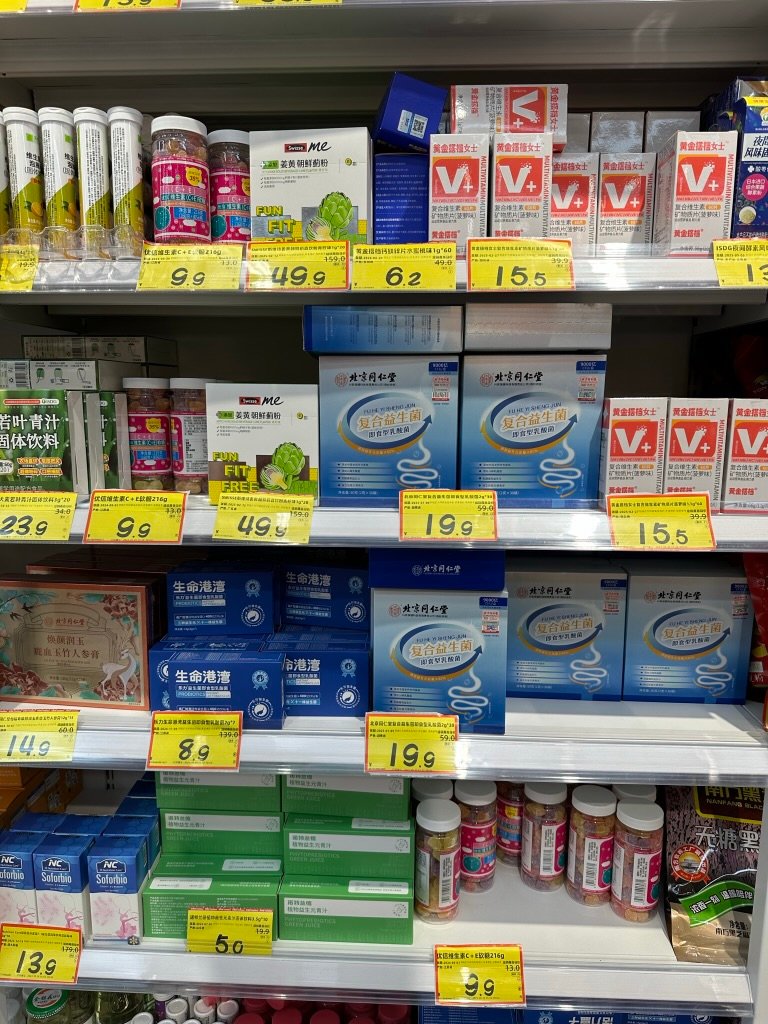
Secret #5: Don’t Pack a Whole Medicine Cabinet — Pharmacies Are Everywhere in China
Another reason we can travel lighter in China:
We stopped packing for every possible “what if”.
Of course, always bring your own important personal medication, prescriptions, and anything specific that you depend on.
But for ordinary travel needs, we discovered something:
Pharmacies are everywhere in Chinese cities.
Look for signs such as:
药店 (yào diàn) or 大药房 (dà yào fáng)
Don’t be confused by the word 大 (dà), which means “big”.
A 大药房 is not a big hospital or medical clinic.
It is simply a pharmacy / drugstore where local people buy common health products and over-the-counter items.
You can easily see them in neighbourhood streets, shopping areas, and near residential communities.
Inside a typical Chinese pharmacy, you may find familiar Western-style over-the-counter products, such as common medicines for simple problems like headaches or minor discomforts.
But what makes Chinese pharmacies interesting is that they often combine different approaches.
Beside modern pharmacy products, you will also see many Chinese herbal-based products and traditional formulations commonly used by local families.
For minor everyday issues such as:
- feeling under the weather,
- sore throat,
- stomach discomfort,
- seasonal changes,
many locals may choose these products as part of their normal daily habits.
And sometimes, Chinese pharmacies feel almost like a health store too.
You may find:
🍵 herbal drinks
🌼 dried flower and herbal teas
🥤 nutritional drinks
💪 health products such as protein powders
and many other wellness items.
🐧 Cheers: “Dad entered a 大药房 and thought he discovered another supermarket.”
Dad: “Almost… but with more health products.”
🐧 Cheers: “So not a hospital?”
Dad: “No, Cheers.”
🐼 Panda: “Just another small window into everyday Chinese life.”
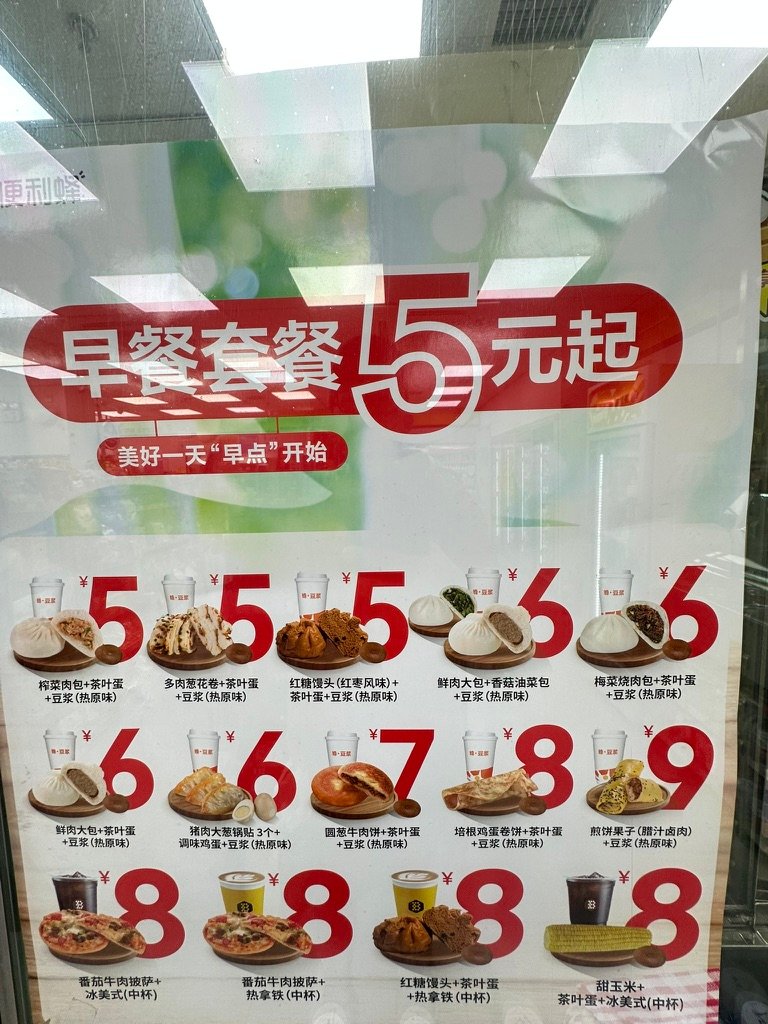
Local fastfood outlet serving breakfast set in Beijing outskirt
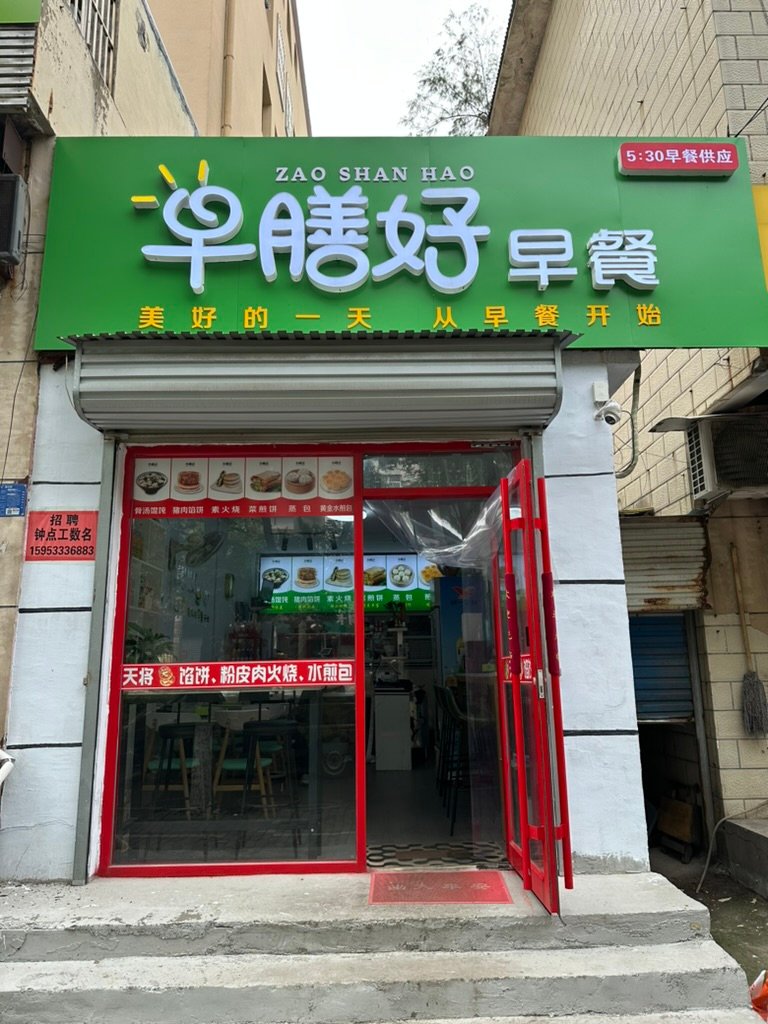
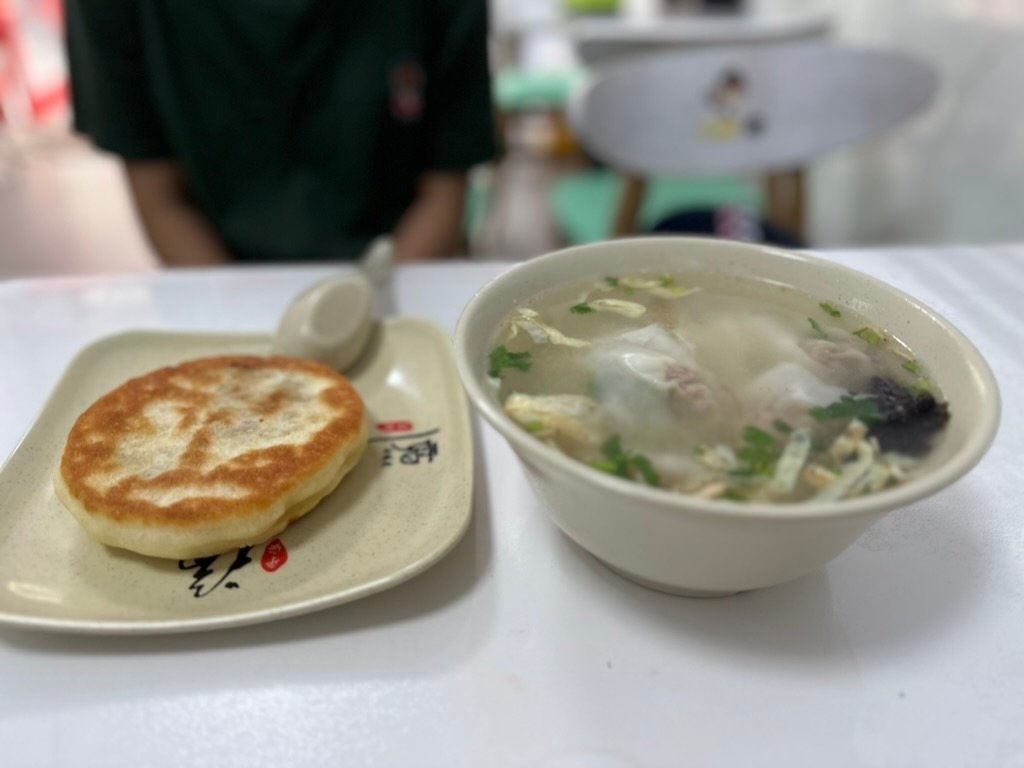
Stumbled upon a breakfast shop near our hotel in Zibo City 淄博, Shandong Province.
Secret #6: Create Your Own Simple Breakfast Routine — Then Explore Local Food
One small travel habit Dad and Elaine developed after many China trips:
We do not always book hotels with breakfast included.
Sometimes we choose:
Room only.
Why?
Because breakfast is also part of discovering China. 😄
We enjoy walking out in the morning and finding local breakfast shops — watching the city wake up, seeing what locals eat, and trying something different.
A simple breakfast shop can sometimes teach you more about everyday life than a tourist attraction.
But we also learned another practical trick.
Some smaller hotels and homestays may not provide everything you are used to having inside the room.
So for longer China trips, we usually bring a few small comfort items:
☕ a lightweight mug
🥄 a spoon
☕ our favourite drinks from home (for us Southeast Asians… Milo is almost a travel companion 😄)
Nothing heavy.
Just small things that make travelling easier.
🐧 Cheers: “Dad crossed China carrying Milo?”
Dad: “Some traditions must continue.”
🐧 Cheers: “Ancient Silk Road transported tea. Dad transported Milo.”
🐼 Panda: “Cultural exchange continues.” 😂
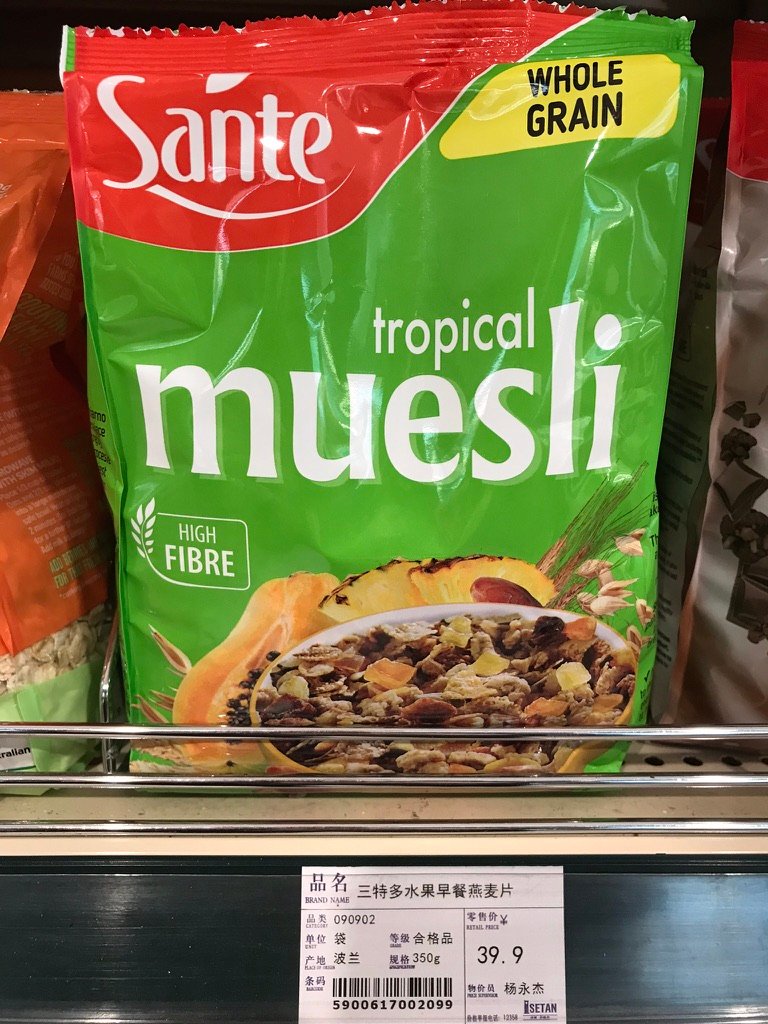
And remember our supermarket tip?
This is where it becomes useful again.
Chinese supermarkets make it easy to buy:
🥣 cereals
🌾 muesli
🍞 bread
🥛 milk and yogurt
🍎 fruits
So some mornings, especially before a long travel day, we simply have:
Coffee or tea.
A simple breakfast in the hotel room.
Then we start exploring.
There is another advantage:
We save space for local food later. 😄
Because in China, you never know what delicious discovery is waiting around the next corner.
Maybe noodles.
Maybe dumplings.
Maybe a local dish you have never tried before.
🐧 Cheers: “Dad’s travel strategy: small breakfast now, bigger food adventure later.”
Dad: “Exactly.”
🐼 Panda: “Always leave room for China.”
Travelling light is not only about reducing luggage weight.
It is about understanding what you really need — and what you can discover along the journey.
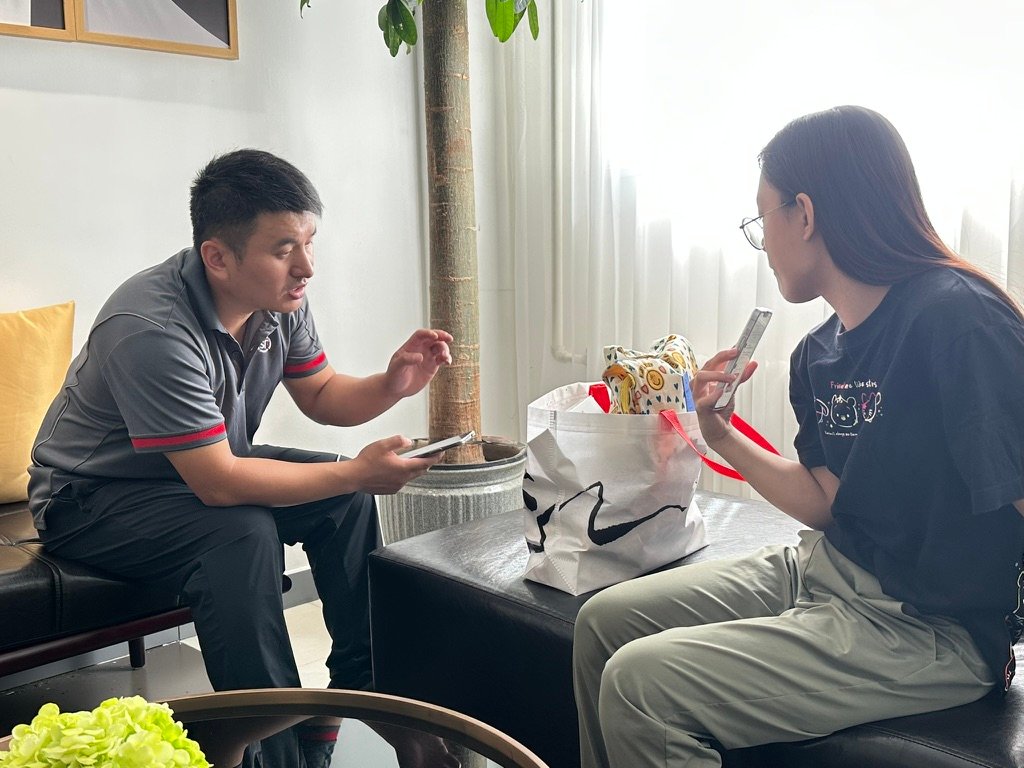
Not every China travel photo is about famous landmarks. Here, Elaine is arranging a local courier to send our extra books, souvenirs and shopping from Beijing to our Taobao warehouse in Guangzhou, before they are shipped home by sea. She even paid the domestic courier fee herself using a Chinese payment app. This little logistics trick became one of our biggest travel hacks for flying home with only 7kg hand carry.
Final Secret (Advanced Travellers Only): The Hardest Part of the 7kg Challenge Is Not the Beginning
This last trick is definitely not for everyone.
It is for travellers who already understand China’s online shopping and delivery systems.
But this was one of the reasons Dad and Elaine managed to complete the real 7kg luggage challenge.
Because we discovered something funny:
Flying to China with only 7kg hand carry?
Actually possible.
The real challenge comes later. 😄
After 18 days exploring China…
After walking through ancient streets…
After visiting museums…
After discovering interesting local products…
After telling yourself:
“Just one small souvenir.”
Then another one.
Then another one.
Suddenly, your obedient little 7kg suitcase develops a new problem.
🐧 Cheers: “Dad, I think your luggage gained weight.”
Dad: “Impossible.”
🐧 Cheers: “Maybe it ate too many souvenirs.”
🐼 Panda: “This is a common travel condition.”
🐧 Cheers: “Diagnosis?”
🐼 Panda: “Shopping expansion syndrome.” 😂
Chinese books.
Local products.
Snacks.
Clothes you bought along the way.
Small memories from different cities.
Each one feels tiny.
Together?
Your luggage starts protesting.
So how did Dad and Elaine return home after our China adventure without upgrading our luggage?
This is where we used a more advanced China travel trick.
Using China’s Delivery Network
For experienced travellers, especially some Southeast Asian Taobao (淘宝) users, there are forwarding services that provide a collection warehouse address in China — often in cities like Guangzhou (广州).
Many overseas Taobao shoppers already understand this system:
Seller
↓
China collection warehouse
↓
International shipping
↓
Your home country
During our trip, we realised:
Why only use this system before travelling?
We could use it while travelling too.
Instead of carrying everything across:
- high-speed rail stations,
- airports,
- subway transfers,
- hotels,
we sent some extra purchases to our designated warehouse.
Then arranged international shipping home later — sometimes using slower but cheaper sea shipping.
Our souvenirs continued their own journey.
And Dad and Elaine continued ours.
Still light. 😄
🐧 Cheers: “Wait. So Dad bought things in China…”
Dad: “Yes.”
🐧 Cheers: “But did not carry them home?”
Dad: “Correct.”
🐧 Cheers: “Dad invented disappearing luggage… like David Copperfield!?”
Dad: “Not magic, Cheers. Just understanding how modern China works.”
🐼 Panda: “Ancient Silk Road carried goods across continents.”
🐧 Cheers: “Modern Dad Road sends souvenirs through Guangzhou.” 😂
Of course, this is an advanced tip.
You need to understand:
✔ Taobao
✔ Chinese delivery addresses
✔ forwarding warehouses
✔ international shipping arrangements
First-time visitors do not need to worry about this.
Just enjoy China.
But once you become familiar with how modern China works, you realise:
Travelling light does not mean limiting your journey.
Sometimes your memories travel home a different way.
Final Thoughts: Travel Smarter, Not Heavier
When people heard that Elaine and I were flying to China for an 18-day trip on a budget airline with only a 7kg hand carry allowance, most thought the challenge was packing for the outbound flight.
That wasn’t the difficult part.
The real puzzle was how we could spend nearly three weeks travelling across China, buy books, souvenirs, groceries and even new clothes along the way—and still board our return budget flight with only a 7kg hand carry.
The answer wasn’t that we packed less.
It was that we travelled differently.
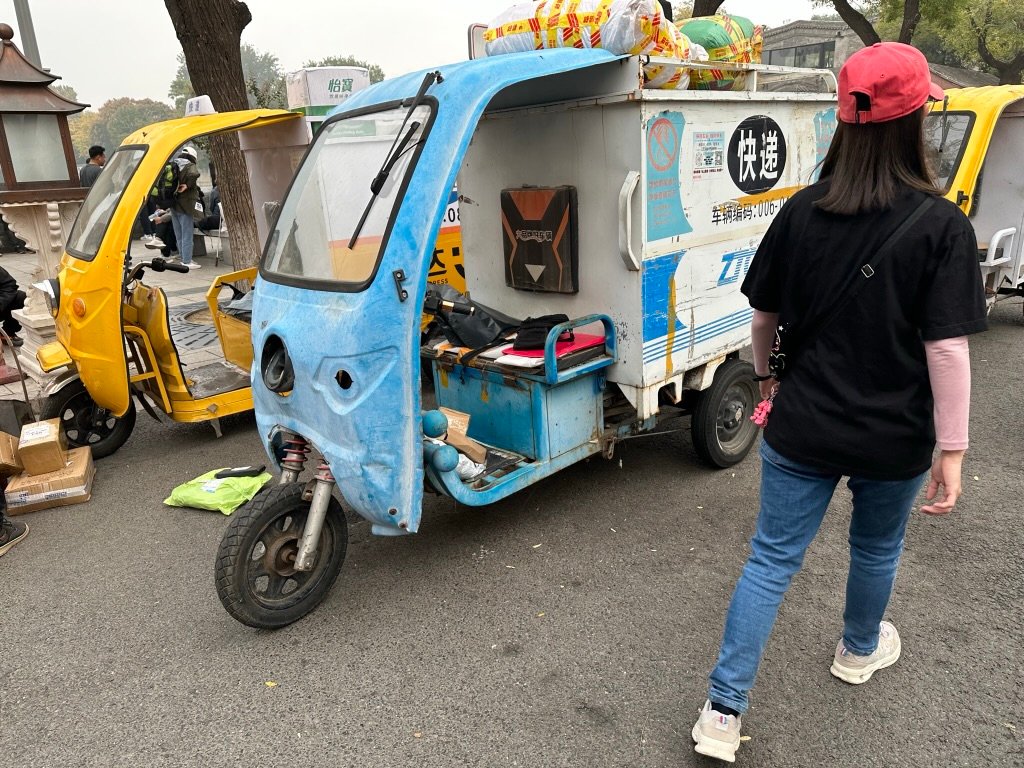
Modern China has one of the world’s most efficient transport, retail and logistics networks. Supermarkets are everywhere. Pharmacies are easy to find. Laundry facilities are surprisingly common in hotels and homestays. Taobao deliveries can arrive almost anywhere within days. Domestic courier services can move parcels across the country quickly and affordably.
Instead of carrying everything “just in case”, we simply used the systems already available around us.
Ironically, travelling lighter allowed us to experience more.
We walked further through hutongs, boarded high-speed trains without struggling with oversized luggage, changed hotels more easily, and spent our energy exploring China instead of dragging heavy suitcases behind us.
Perhaps that’s the biggest lesson we learnt after several trips across China.
Sometimes the smartest traveller isn’t the one carrying the most gear.
It’s the one who understands how the country works.
Continue Exploring Beijing
If this is your first time visiting China’s capital, you might also enjoy our guides to:
- Beijing Travel Guide: Discover China’s Ancient Capital, Local Life and Future China
- Returning to Qianmen Street (前门大街): Beijing’s Historic Walking Street
- Wangfujing (王府井): Beyond Beijing’s Famous Shopping Street
- Beijing Hutongs (胡同): Discovering Everyday Life in the Capital
- Visiting Great Wall of China from Beijing: