
About ChinaTravelBUG

See China. Understand It Better.

 
Most Journeys Begin with a Destination. Ours Began with a Question.

How can I help my daughter become a curious, independent learner who understands the world beyond textbooks?

That question changed how we learned, traveled and eventually created ChinaTravelBUG.

Today, ChinaTravelBUG brings together practical advice, history and real experiences to help travelers explore China confidently—and understand it more deeply.

A Chinese saying captures our philosophy:

读万卷书,不如行万里路
Reading ten thousand books is not as valuable as traveling ten thousand miles.

We believe neither is complete without the other. Books help us recognize what we see. Travel brings those stories to life.
A Simple Family Holiday That Planted a Seed

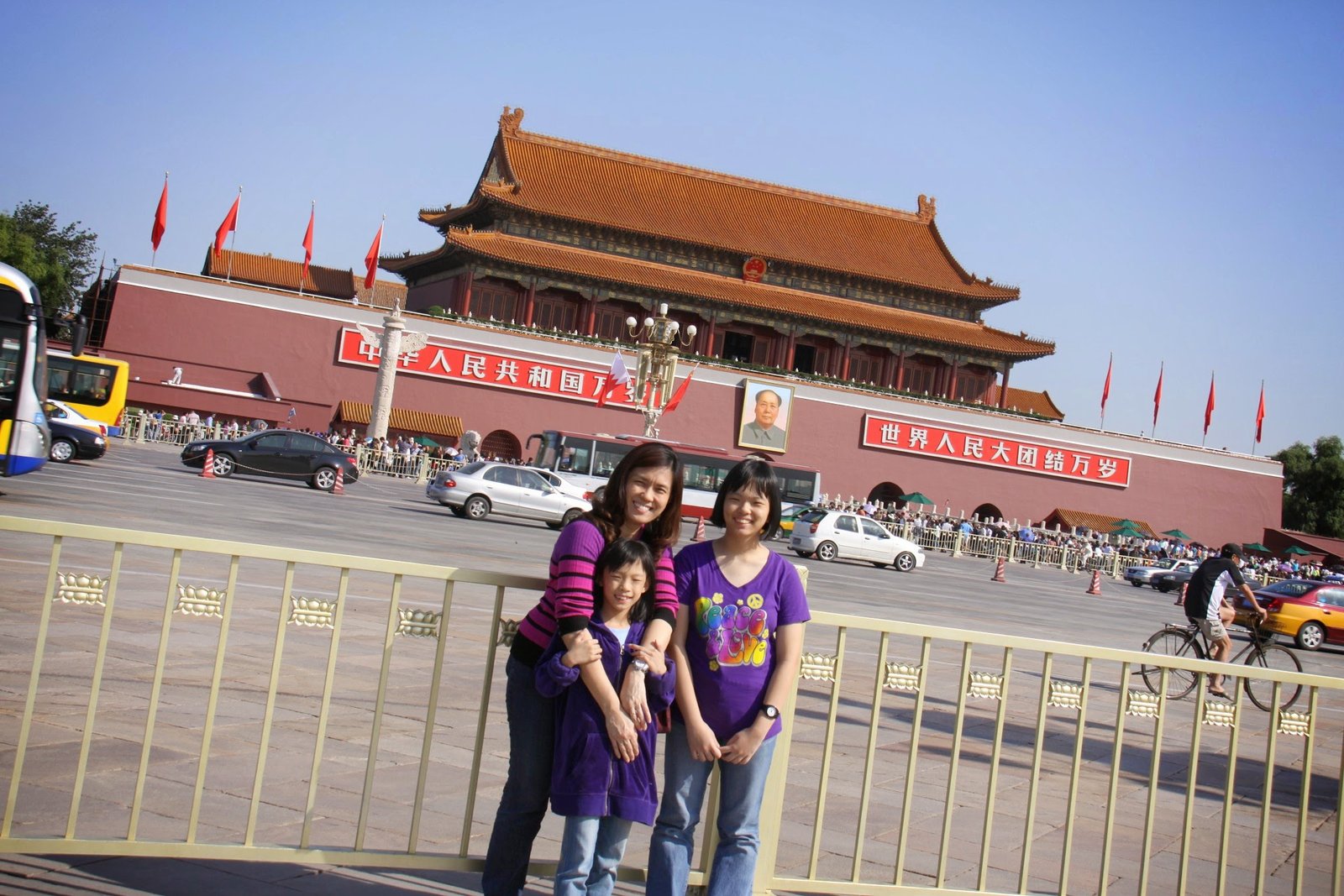
Our journey with China began in 2013, when our family joined a guided tour of Beijing. We visited the Great Wall, Forbidden City, Wangfujing and Beijing Zoo.

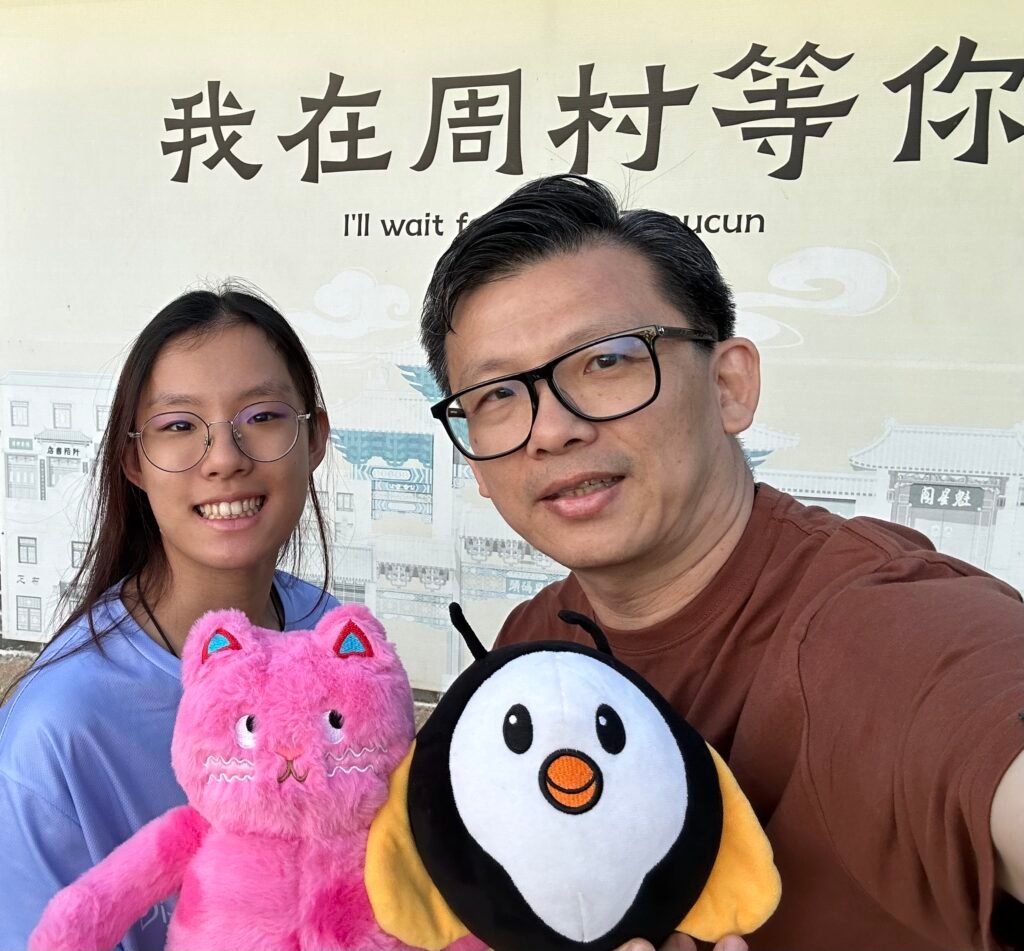
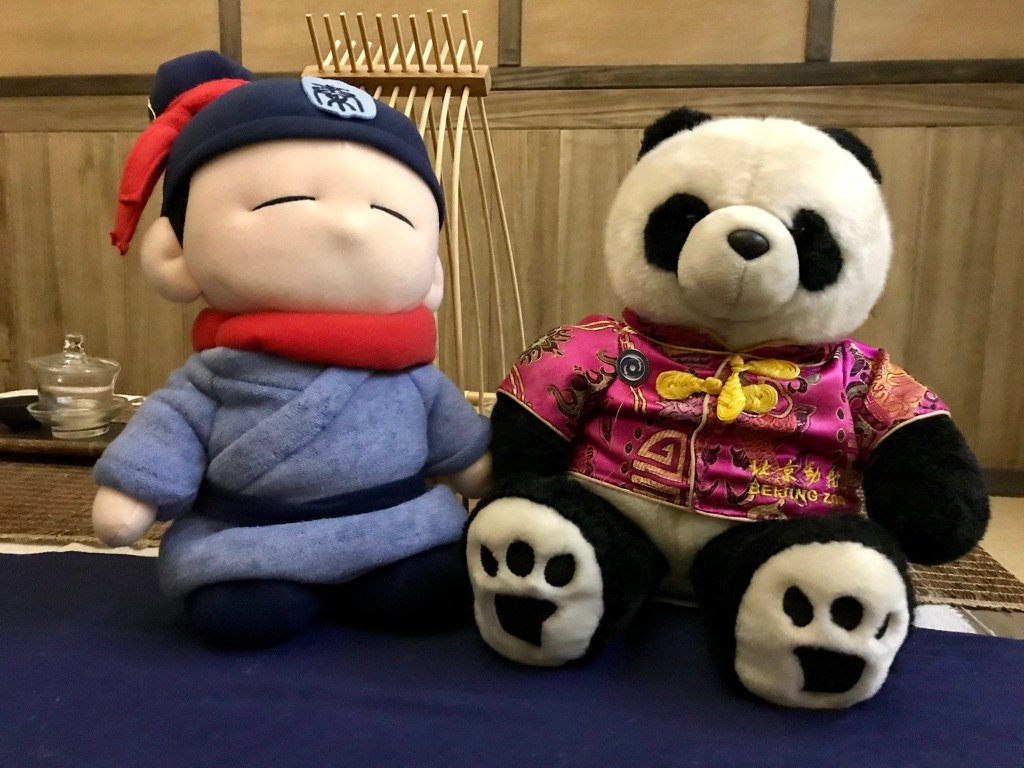
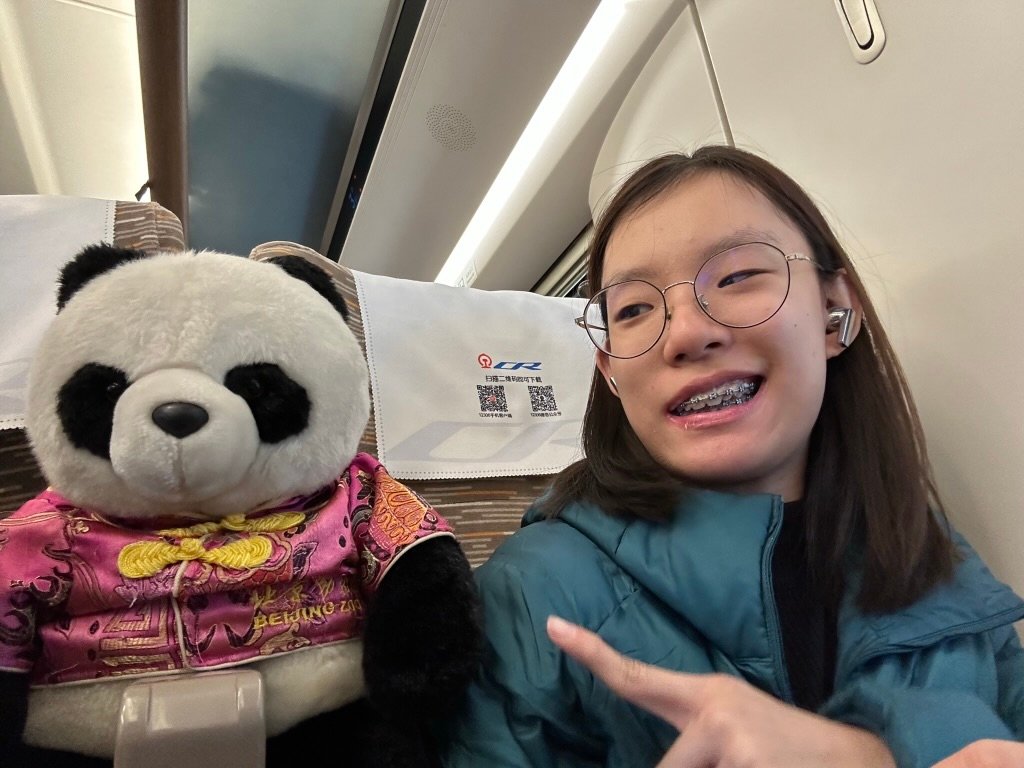
At the zoo, eight-year-old Elaine chose a small panda soft toy. Panda soon became her constant companion and a reminder of Beijing.

Every so often, she would say:

“One day, we must bring Panda home.”

She meant Beijing.

Years later, Panda returned with us. Looking back, that childhood souvenir carried more than memories. He planted the seed for many more journeys—and eventually, ChinaTravelBUG.

Sometimes the smallest souvenirs become part of life’s biggest stories.

Learning to Travel China Independently

In 2019, we returned to China and planned our first independent journey through Chengdu and Xi’an.

We had to understand the transport system, adapt to unfamiliar surroundings and solve problems when plans changed. Every mistake made our next journey easier.

Slowly, we became more confident travelers and better itinerary planners.

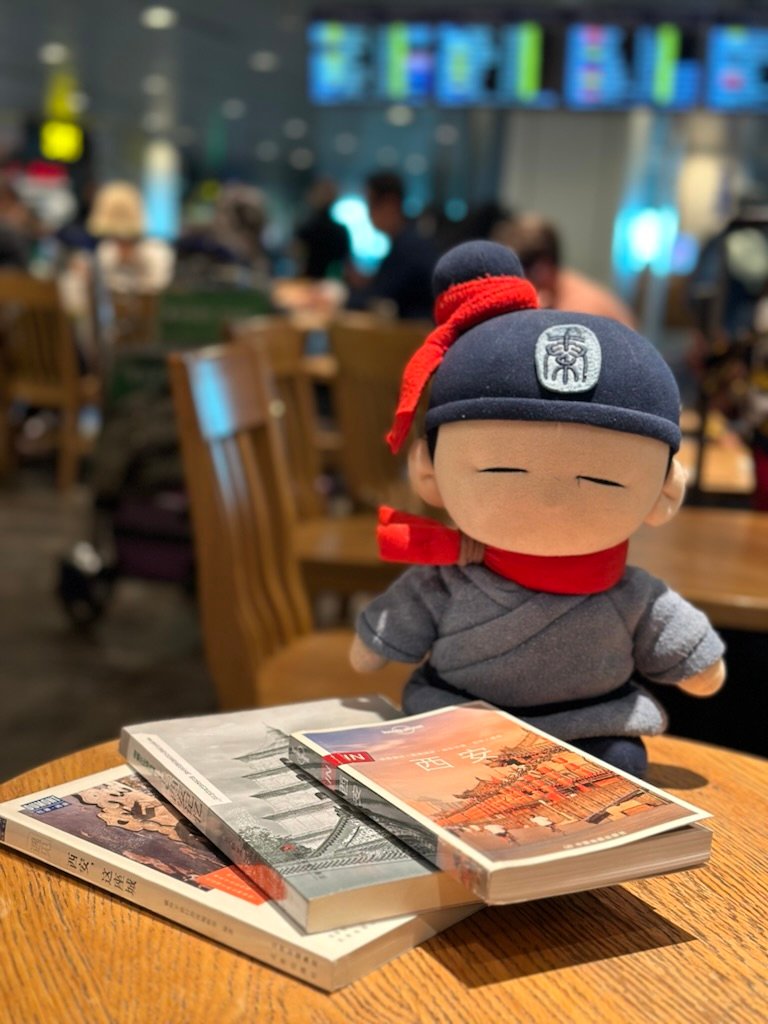
Xi’an also gave us another companion: Bing Ma Zai, our cheerful Terracotta Warrior. He came to represent our growing curiosity about Chinese history.

We returned home as better travelers—but our greatest journey had only just begun.

The Journey Didn't End When We Came Home

Returning home only deepened our curiosity. We wanted to understand why the places we had visited mattered.

We read Chinese history, watched documentaries and followed archaeological discoveries. Famous landmarks became entrances to a much larger story.

Why was Beijing designed this way? Why did Xi’an become an ancient capital? What came before the Qin dynasty?

Instead of choosing destinations first, we began learning first—and allowing the stories to guide our next journey.

Travel gave us questions. Learning showed us where to find the answers.

Those answers kept leading us back to China.

45B771B7-1C35-4456-B46E-CF02FB3658ED_1_105_c

Elaine: Learning Differently

Elaine has always learned best through experience. When traditional classroom learning did not suit her, she began a self-directed learning journey.

I saw an opportunity to nurture her curiosity, independence and confidence.

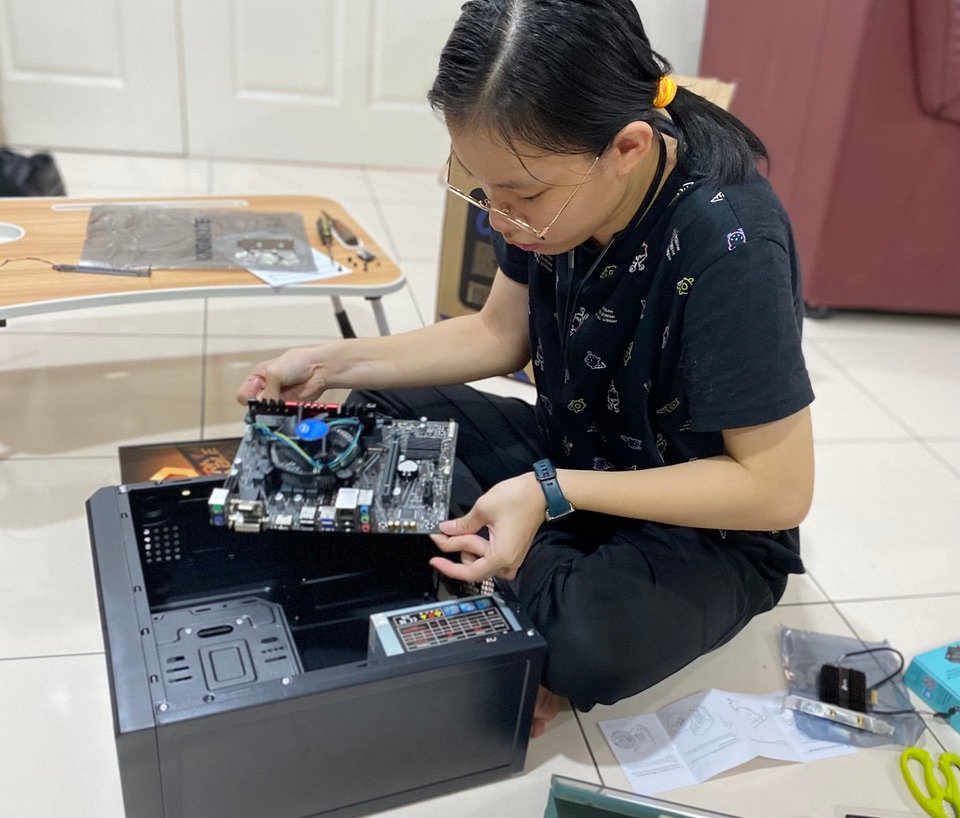
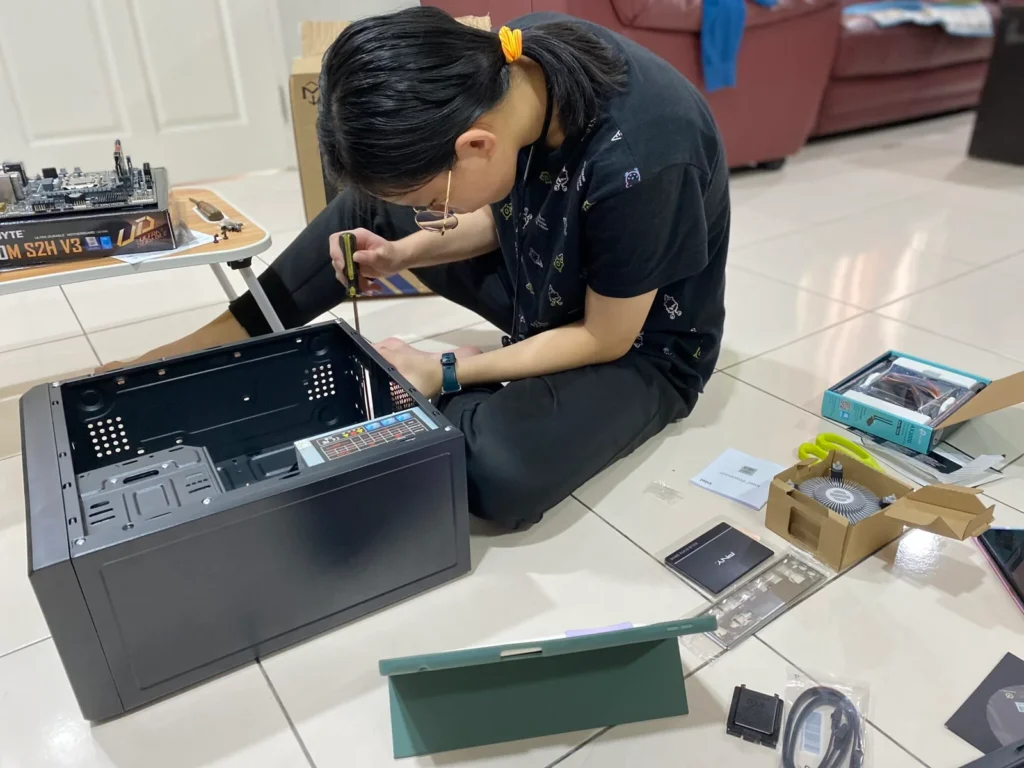
One memorable project was building her own desktop computer. The goal was not merely to assemble it, but to solve problems, persevere and finally say:

“I figured it out.”

That philosophy gradually shaped our travels. Before each journey, we read, watched documentaries, built timelines and asked questions. Then we traveled.

Museums became classrooms. Ancient walls became history lessons. Archaeological sites turned names and dates into places we could explore.

I was not simply watching Elaine learn. I was learning beside her.

China became her classroom, and our shared discoveries became the foundation of ChinaTravelBUG.

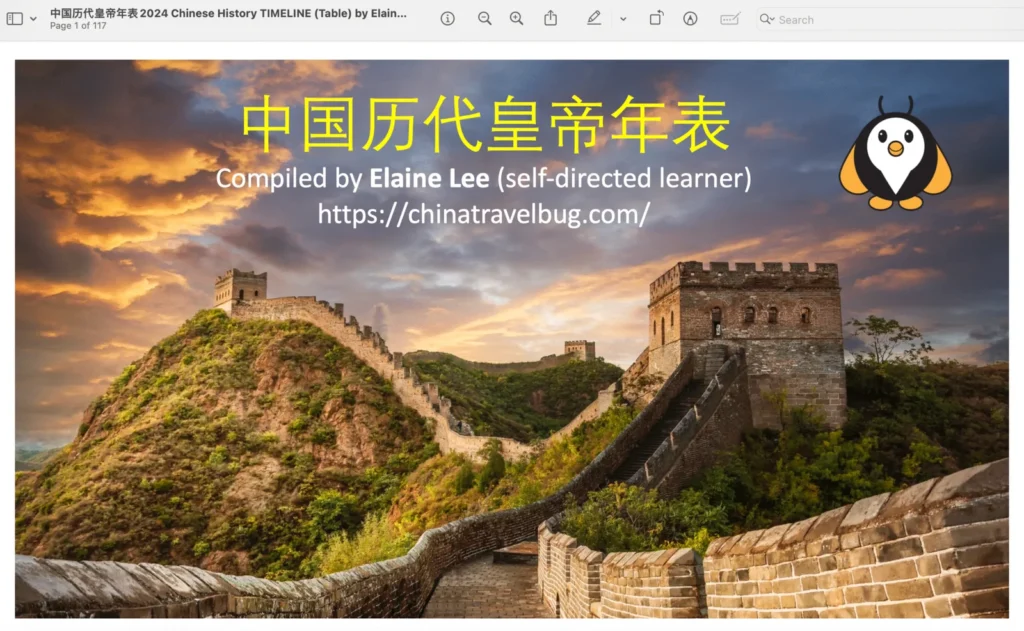
An Emperor's Timeline Changed Everything

One day, I gave Elaine a simple assignment:

“Why don’t you create your own timeline of Chinese emperors?”

As she researched the dynasties, names became stories—and stories became questions.

The Qin, Han, Tang, Song, Yuan, Ming and Qing dynasties were no longer isolated chapters. They became one connected story.

That timeline became our travel map. Whenever we planned a journey, we asked:

Which chapter of China’s story are we following this time?

This is why many ChinaTravelBUG articles use timelines or explain where a destination belongs within China’s larger story.

A simple assignment gave meaning to our journeys. Our journeys brought the timeline to life.

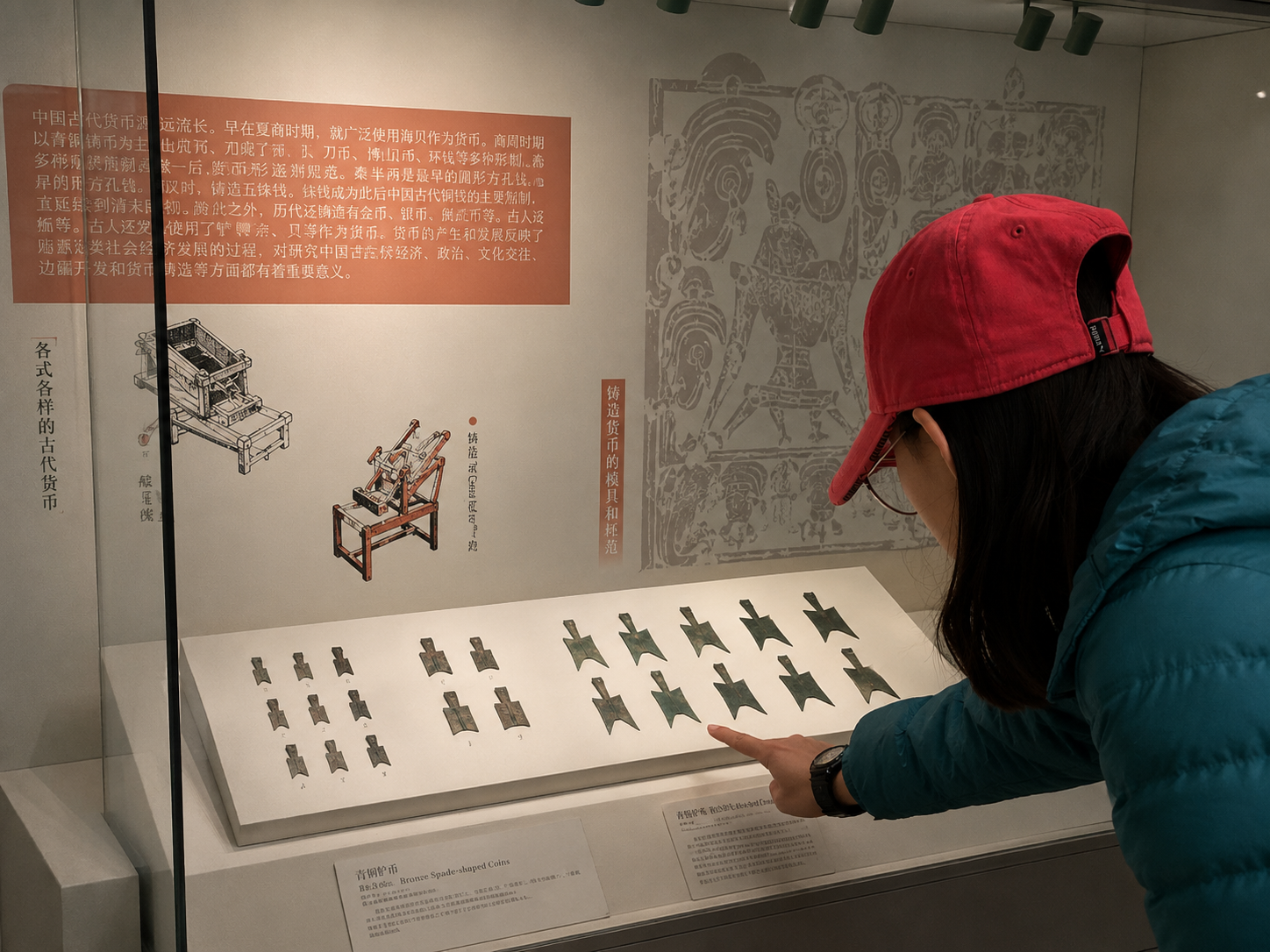
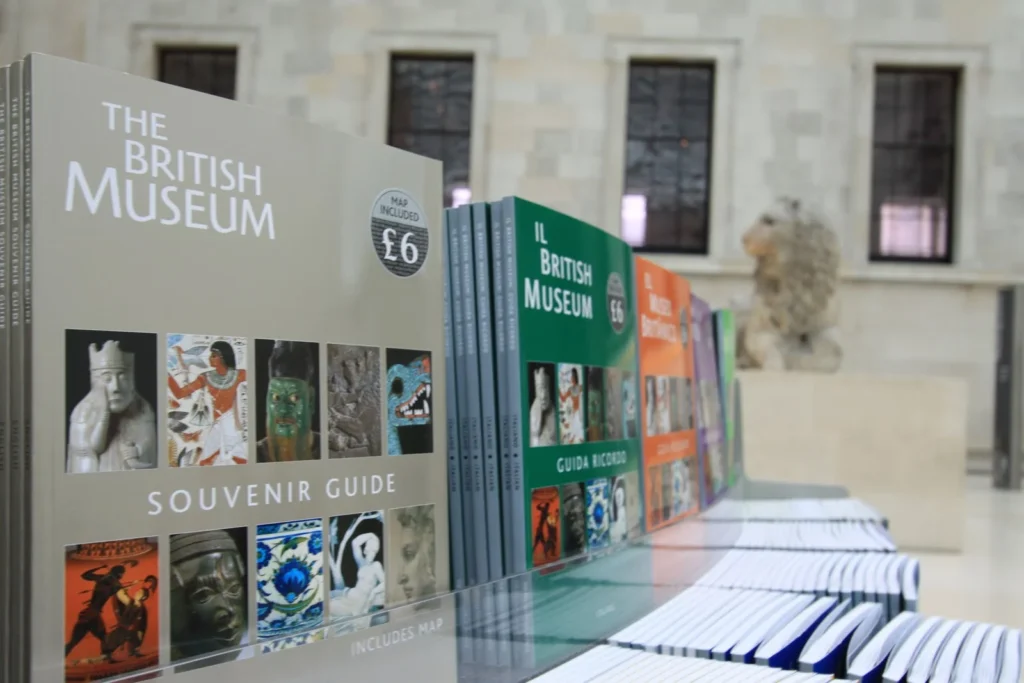
When Museums Become Classrooms

Many travelers spend an hour or two in a museum. We often spend most of the day—and sometimes return.

Museums answer questions guidebooks rarely address.

A bronze vessel becomes evidence of how people lived and ruled. A mural reveals the world of an emperor. A pottery figure offers a glimpse of ordinary life during the Han dynasty.

For Elaine, museums turned history from something to memorize into something to explore. For me, they connected the scattered pieces of China’s story.

That is why museums matter so much to ChinaTravelBUG.

They are not simply attractions. They are classrooms without walls.

Every Journey Answered a Few Questions... And Created A few More

Every destination answered a few questions—and created a few more.

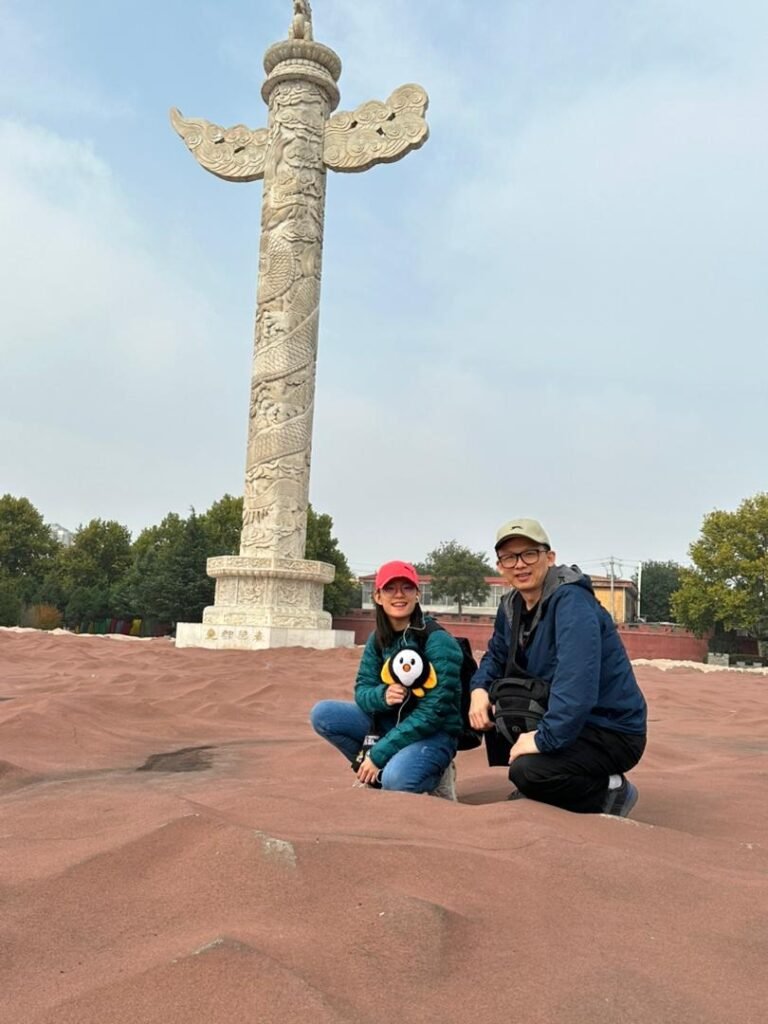
Beijing helped us understand imperial China. Xi’an introduced us to the Qin, Han and Tang dynasties. Our reading then led us to Zhouyuan, Hancheng and Yuncheng.

We visited these places not because they were “hidden gems,” but because they contained important chapters of China’s story.

One place explained another. One museum clarified something we had seen years earlier. Gradually, we stopped asking:

“Where should we travel next?”

Instead, we asked:

“Where does the story continue?”

That question continues to shape every journey—and every article we write.

We Stopped Following Destinations. We Started Following the Story.

We still love China’s famous landmarks. Every first-time traveler should consider experiencing the Great Wall, Forbidden City and Terracotta Warriors.

But as our understanding grew, our itineraries changed.

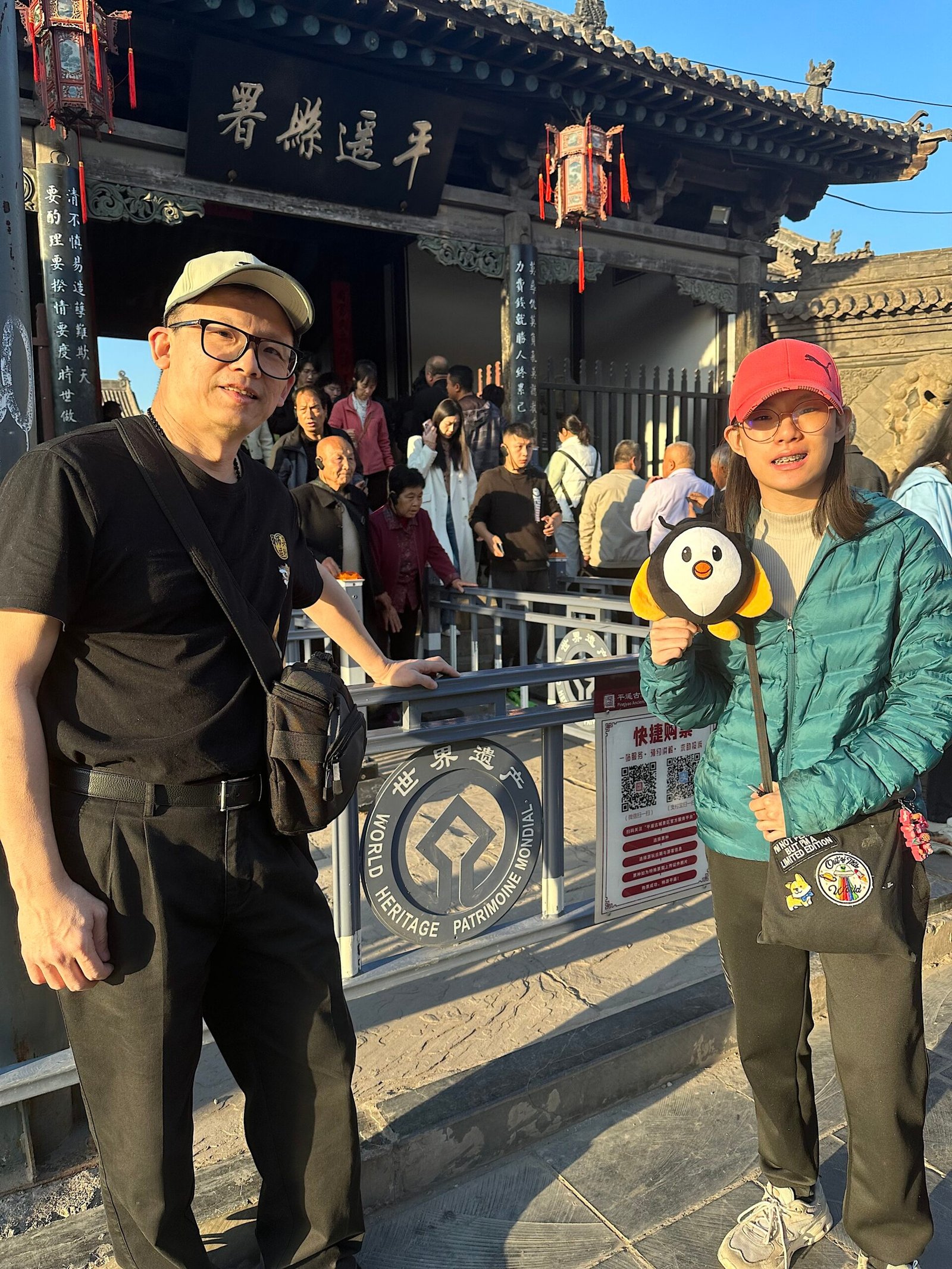
The question “Where does the story continue?” took us beyond familiar routes—to Zhouyuan, where the Zhou civilization shaped ideas that still influence China; Hancheng, home of the historian Sima Qian; and Yuncheng, where archaeology, legends and landscapes meet.

These places may be unfamiliar, but they preserve important chapters of Chinese civilization.

Today, we do not simply follow destinations.

We follow the story.


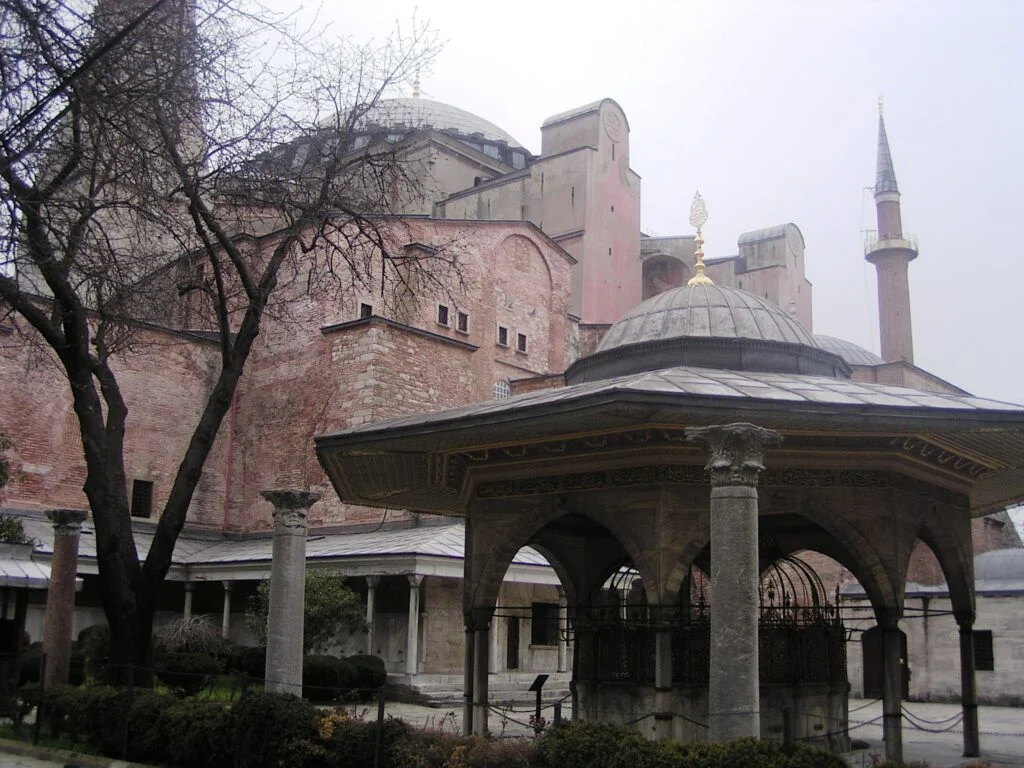
The Istanbul Lesson

China was not the first place that changed how I traveled.

Istanbul did.

I admired its magnificent historical sites, but only after returning home did I realize how much I had missed. Without knowing their history, I had seen only part of the story.

That experience taught me that preparation is part of travel.

Before a journey, I read, watch documentaries and ask questions—not to become an expert, but to appreciate what I am about to see.

That lesson later shaped every journey Elaine and I made through China.

The more we understand before traveling, the more meaningful the journey becomes.

Building Bridges Between Europe and China

ChinaTravelBUG sometimes compares places in China with Rome, London, Paris or Istanbul.

This is intentional. Familiar places can help English-speaking readers understand the scale of a Chinese imperial capital, the way a museum presents history or the meaning behind an unfamiliar idea.

These comparisons do not suggest that one civilization is better than another—or that two places are the same.

They are simply bridges.

Learning often begins with something we already understand.

Why I Photograph China Differently

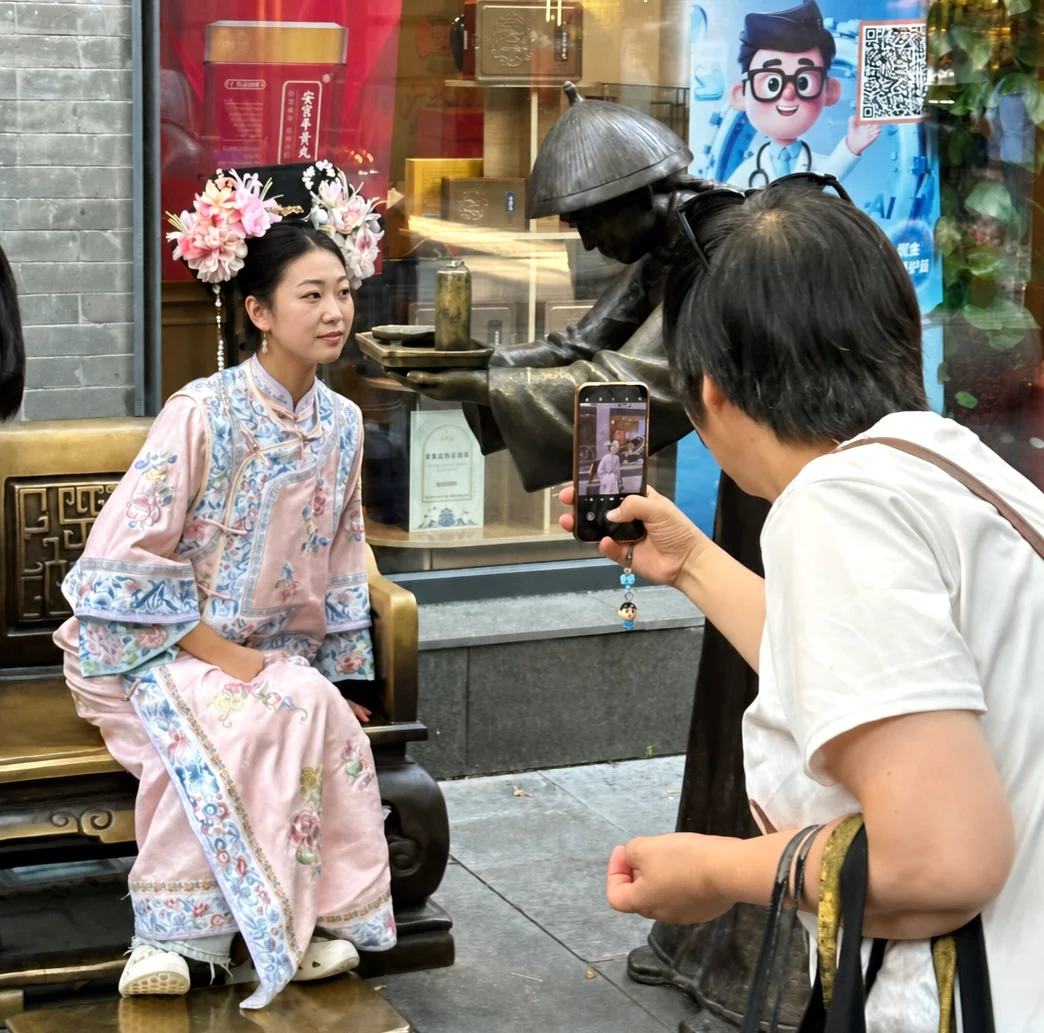
I still photograph famous landmarks, but increasingly I am drawn to smaller details:

A museum label explaining an artifact. An elderly man practicing calligraphy. A craftsman at work. A breakfast stall. Elaine absorbed in an information panel.

Many photographs help us remember where we have been. I prefer those that help me remember why a place mattered.

The photographs I treasure most do not simply say:

“We were here.”

They ask:

“What happened here?”
“Why does this place matter?”

Those photographs often become ChinaTravelBUG articles—because every image can lead to the next question.

Learning From People, Not Just Places

Understanding a place begins with understanding its people.

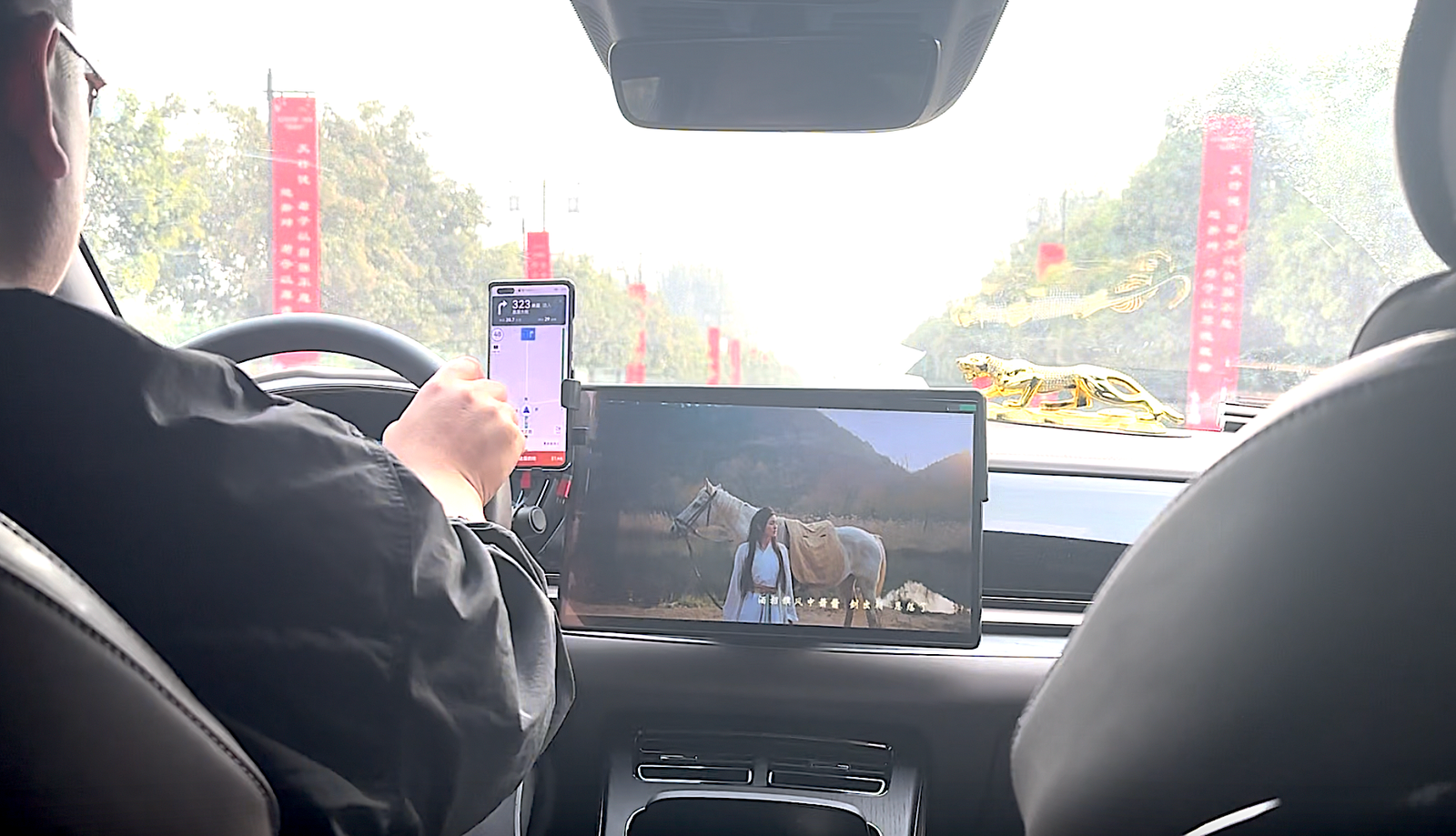
We have learned from museum curators, licensed guides, archaeologists, drivers, restaurant owners and homestay hosts who generously shared their knowledge.

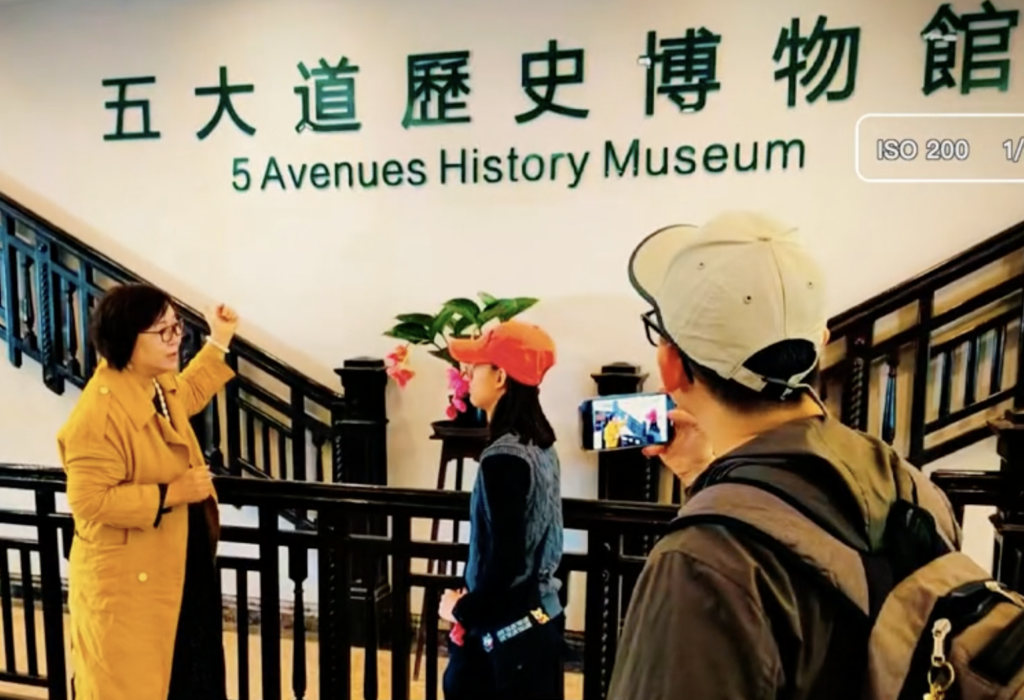
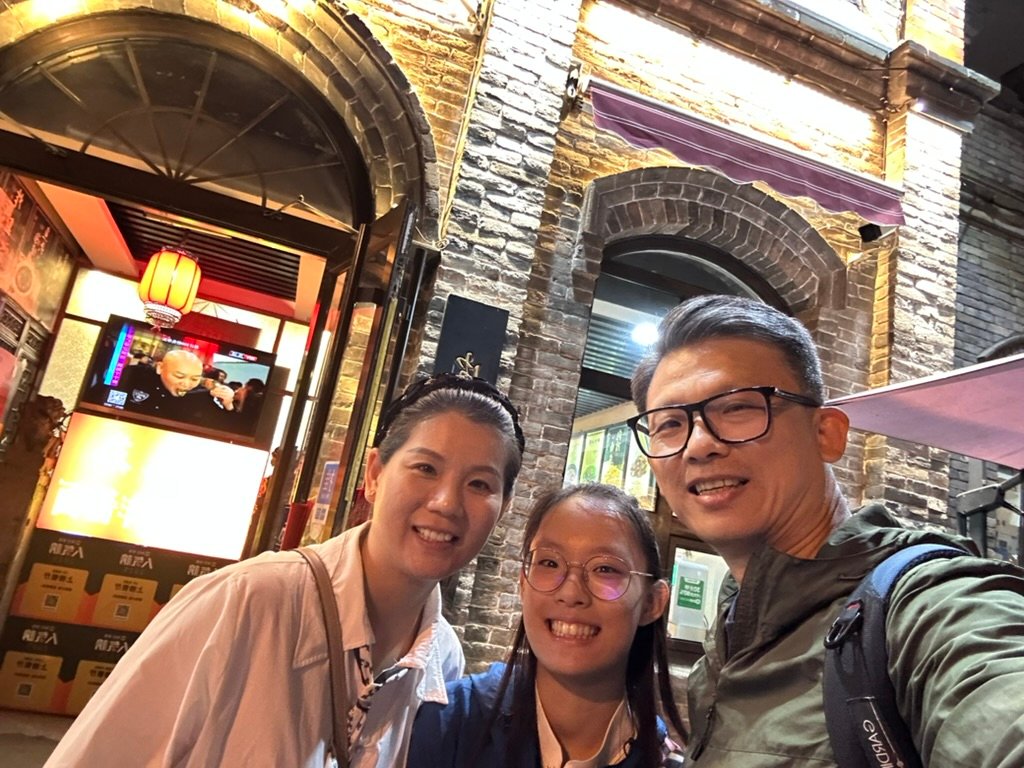
While exploring Tianjin’s Five Great Avenues, Elaine and I met a senior museum director. A museum visit became an afternoon conversation over tea.

We learned not only about the buildings, but why preserving them mattered.

Some of the most meaningful travel experiences cannot be booked. They happen when people share their time, knowledge and passion.

Many ChinaTravelBUG insights began in conversations like these.

Places tell stories. People bring them to life.

Returning to Friends

Travel should never be only about collecting destinations. It should also be about appreciating people.

Whenever possible, we stay in family-run homestays, where we can experience local life more closely. Some hosts have become friends whom we later returned to visit.

Long after hotel rooms and train schedules fade from memory, we often remember the people most.

Reuniting with our original Beijing guide more than a decade after our first visit reminded us that some friendships, like some journeys, quietly continue.

I hope Elaine carries that lesson long after our journeys through China have ended.

Cheers, Panda and Bing Ma Zai

Our journeys gradually gained a few unexpected companions.

Panda came from Beijing Zoo during Elaine’s first visit to China. Bing Ma Zai, our cheerful Terracotta Warrior, joined us in Xi’an.

They were never intended for a travel website. They were childhood souvenirs carrying happy memories.

Then came Cheers.

Created especially for ChinaTravelBUG, Cheers represents the heart of how we travel: curiosity.

He asks the questions readers may already be thinking:

“Why is this place important?”
“What happened here?”
“Why should I care?”

Panda welcomes readers to Beijing. Bing Ma Zai brings Xi’an and China’s early dynasties to life. Cheers reminds us to keep asking questions.

Together, they ensure that learning never loses its sense of wonder.

Because every journey begins with curiosity—and sometimes, curiosity is the best traveling companion of all.

Why We Created ChinaTravelBUG.com

When we first traveled to China, we collected memories. Over time, we began collecting something even more valuable:

Questions.

Those questions became journeys. The journeys became stories. And the stories became ChinaTravelBUG.

Our mission goes beyond helping travelers plan a successful trip. We want to show that Chinese civilization is not as distant, complicated or overwhelming as it may first appear.

You do not need to be a historian or memorize every emperor and dynasty. You need only curiosity and a clear place to begin.

That is how we learned. We asked one question, built a simple timeline, visited the places where history happened and connected one story to the next.

What once seemed difficult gradually became logical, connected and approachable.

If our father-and-daughter journey encourages someone to say:

“Perhaps I can understand Chinese history too.”

Then ChinaTravelBUG has achieved more than helping someone plan a holiday.

Perhaps a family will read an article before visiting China. Perhaps a teacher will use one of our journeys to introduce the Qin dynasty, Silk Road or Forbidden City. Perhaps a student will discover that Chinese history simply needs the right starting point.

Our journey is far from over. There are more stories to follow, museums to explore, friends to revisit and a few more questions leading us toward the next destination.

We hope you will continue the journey with us.

See China. Understand It Better.