Wall?
The Terracotta Warriors?
Those are good questions.
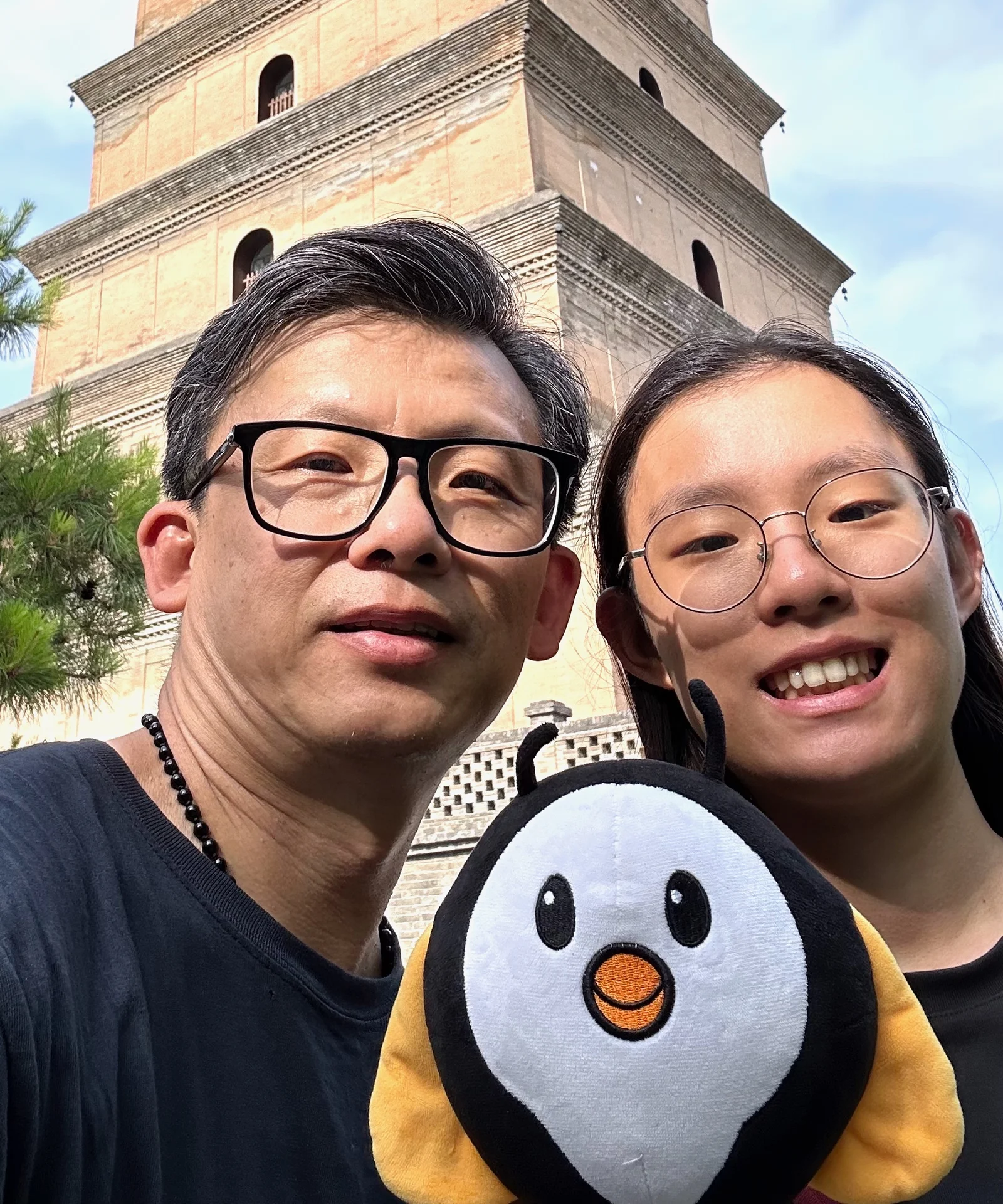
But after travelling through China with my daughter Elaine over many years, I slowly discovered another question:
“What story is this place trying to tell us?”
Because China is not only a country of famous attractions.
It is a civilisation built layer by layer.
A small village.
An ancient writing system.
A forgotten king.
A philosopher.
An emperor.
A merchant town.
A capital city.
A modern high-speed train.
Each place is a chapter.
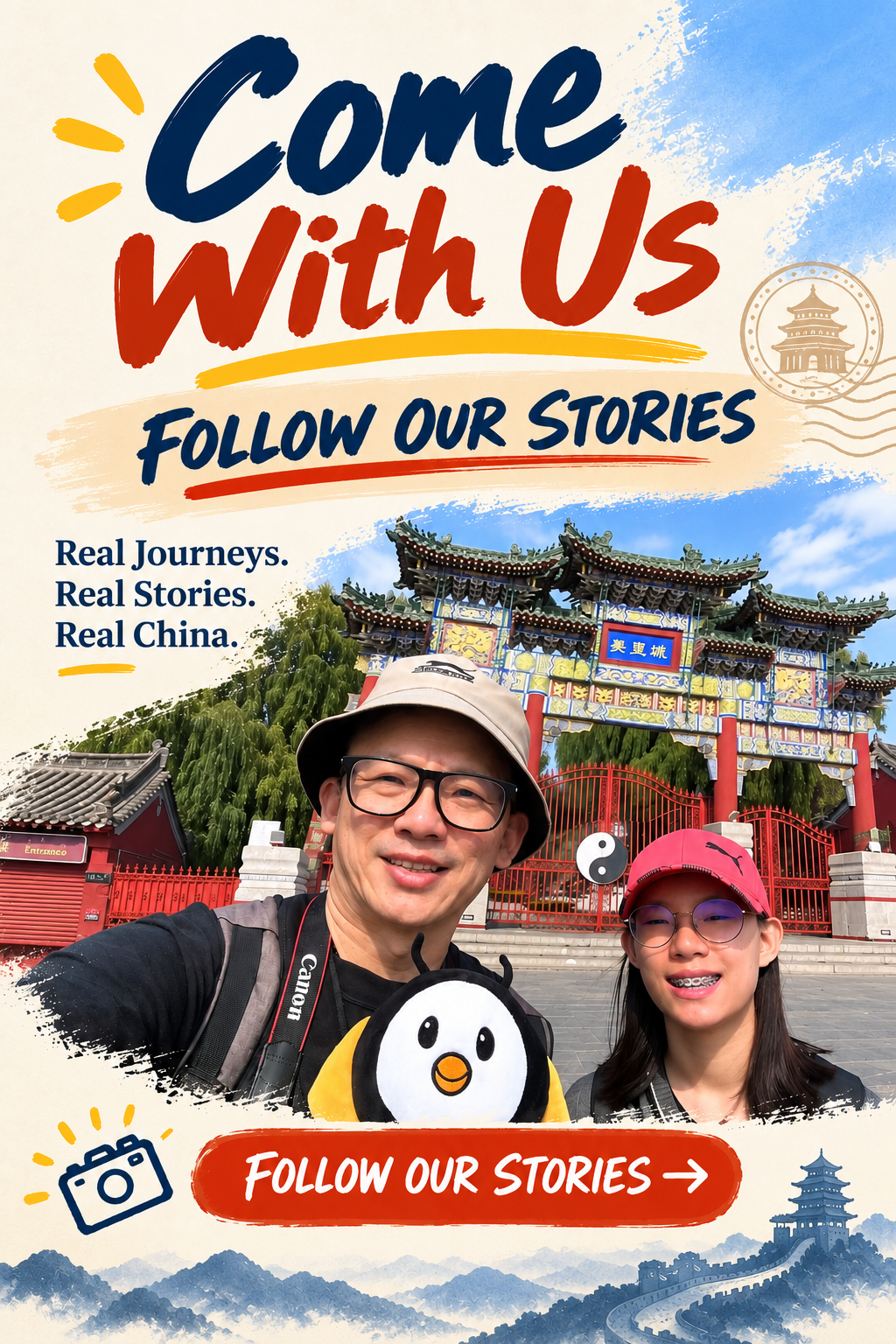
This is how Elaine and I travelled through 5,000 years of China — one place, one story at a time.
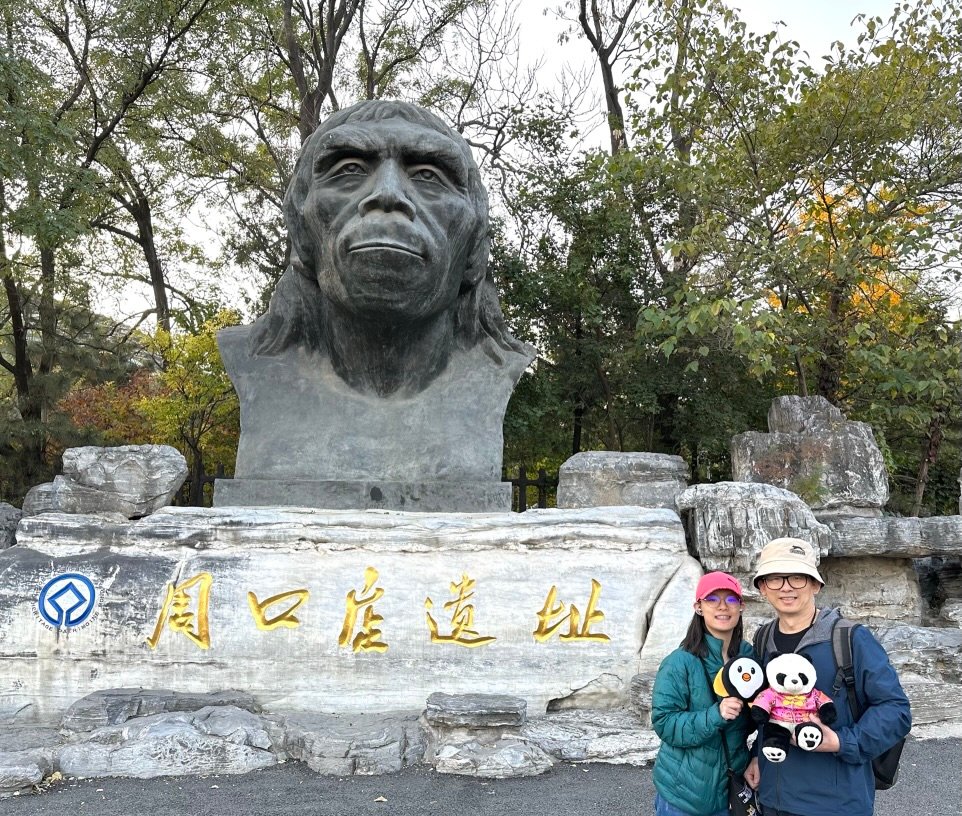
“Before discovering China’s emperors, we searched for an older story — the people who lived before China became China.”
1. Before China: The Human Story
Zhoukoudian 周口店 — Looking Beyond the Great Wall
Chinese word:
人 (rén) = people / human
Before there was:
- Beijing 北京
- Xi’an 西安
- emperors
- dynasties
there were simply people.
Outside Beijing, Elaine & I visited Zhoukoudian (周口店), famous for the discovery of Peking Man 北京人.
Many visitors come to Beijing for the Great Wall.
But Zhoukoudian asks an even older question:
Before people built walls and cities…
how did humans survive?
It reminded me of visiting museums in Europe, where ancient human history helps us understand our shared beginnings.
China’s story does not start with emperors.
It starts with people.
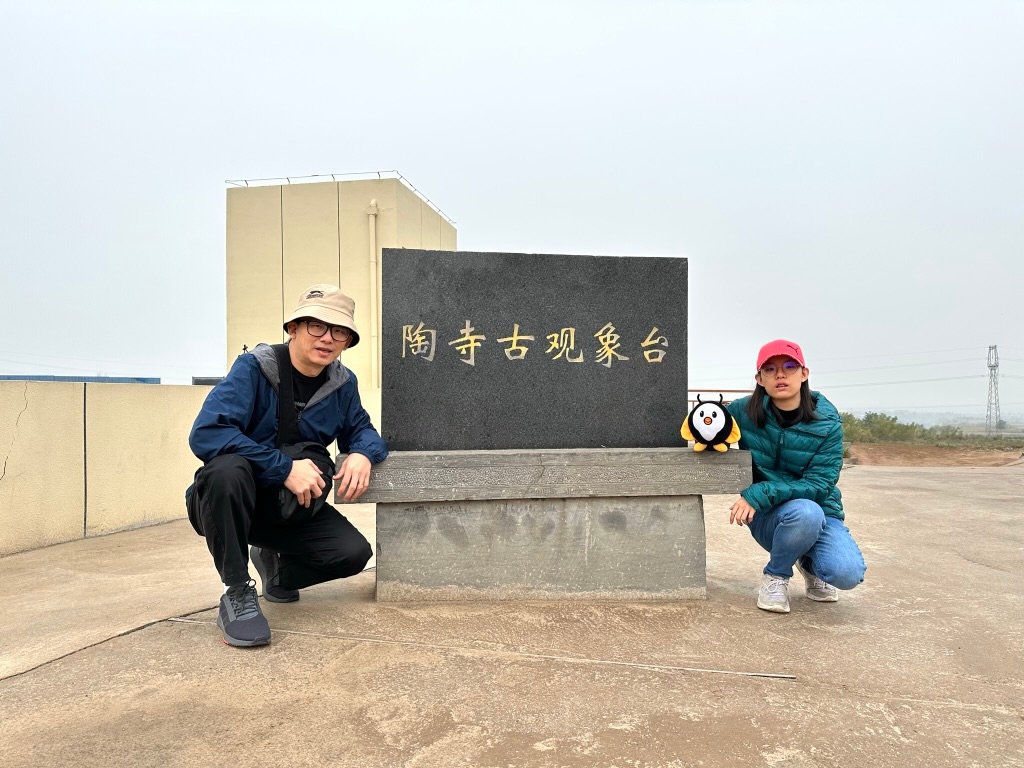
“Ancient places sometimes preserve ancient questions — what makes a good society?”
2. When People Created Society
Taosi 陶寺 & Yao Temple 尧庙
Chinese word:
家 (jiā) = home / family
As humans settled, another question appeared:
How should people live together?
In Shanxi, we visited:
- Taosi archaeological site 陶寺遗址
- Yao Temple 尧庙 in Linfen 临汾
These places are not famous among most international travellers.
But they represent something important:
The beginning of organised society.
The story of Yao 尧 is remembered because Chinese civilisation valued the idea of a good ruler.
Not just:
“Who is strongest?”
But:
“Who is worthy?”
That question continues through thousands of years of Chinese history.
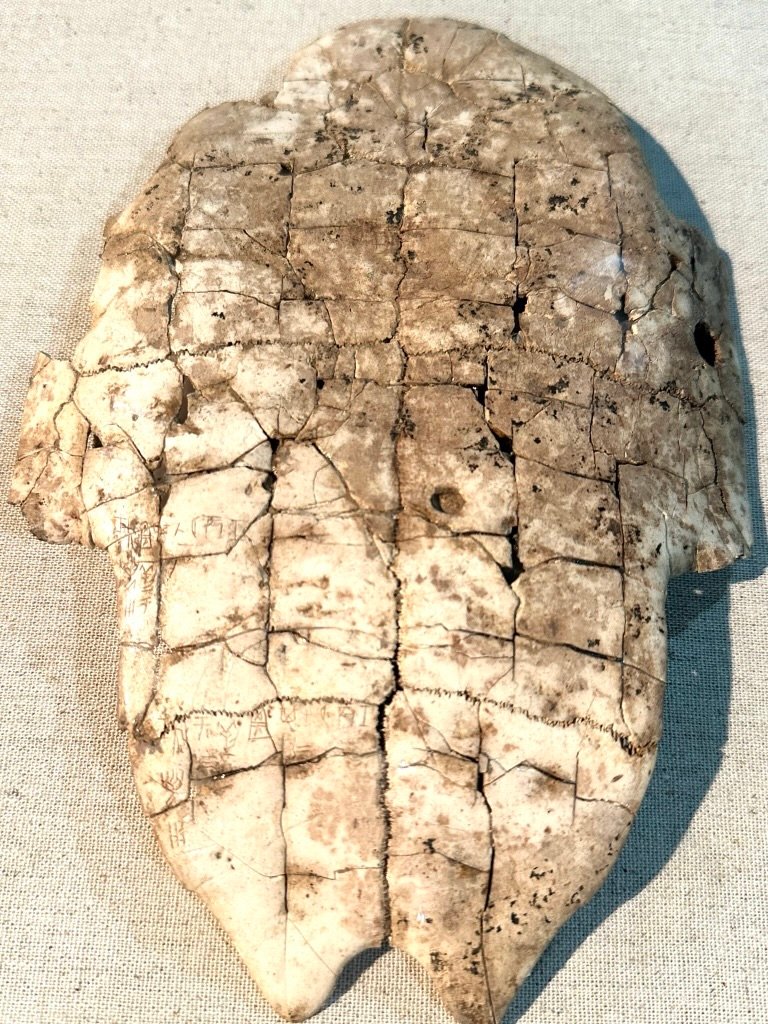
“At Yin Xu, China’s earliest writing opened a window into a world thousands of years old.”
3. When China Started Writing Its Story
Yin Xu 殷墟 — The Voice From 3,000 Years Ago
Chinese word:
文 (wén) = writing / culture
Every civilisation has a moment when it begins speaking to future generations.
Egypt had hieroglyphics.
Ancient Mesopotamia had clay tablets.
China had oracle bones:
甲骨文 (jiǎ gǔ wén)
At Yin Xu 殷墟 in Anyang, Elaine and I saw where some of China’s earliest writing was discovered.
Suddenly, ancient people were no longer silent.
Their questions.
Their beliefs.
Their world.
They could still speak.
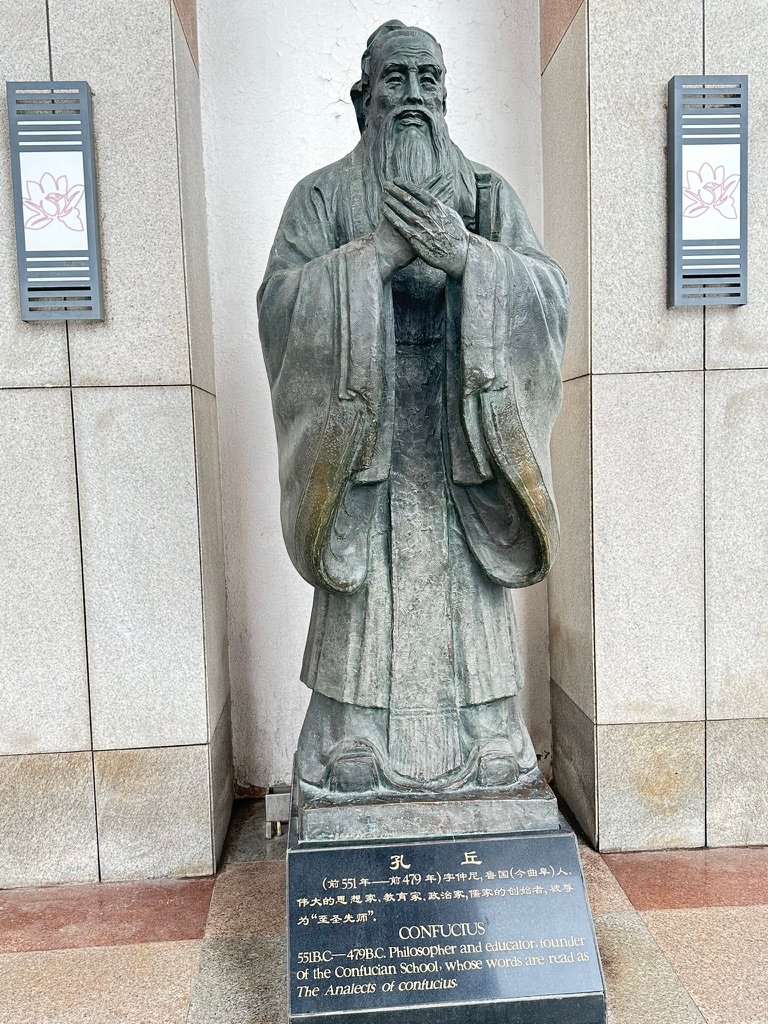
“Long before modern China, ideas shaped how people saw the world.”
4. Ideas That Shaped China
Laozi 老子 and Confucius 孔子
Chinese word:
道 (dào) = the way
Before China became a great empire, thinkers asked:
“How should humans live?”
Two important answers shaped China.
Confucius 孔子 asked:
How should people treat each other?
Family.
Education.
Responsibility.
Laozi 老子 asked:
How should humans live with nature?
Balance.
Simplicity.
Harmony.
When travelling China, these ideas appear everywhere:
in temples,
gardens,
families,
daily life.
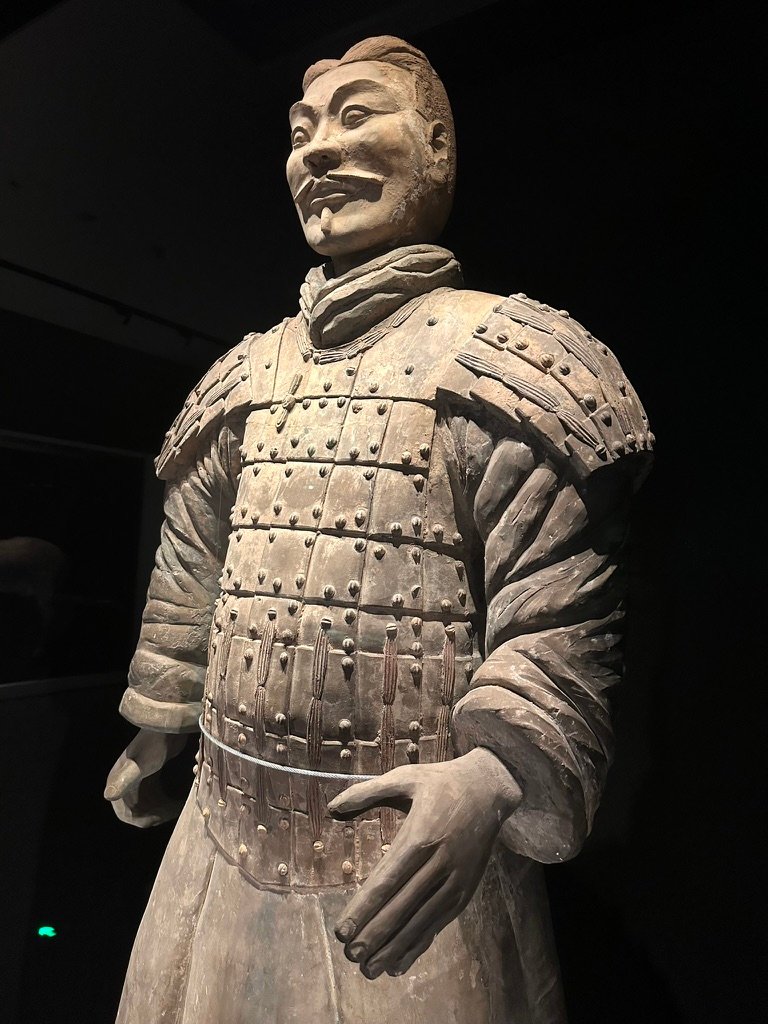
“Bing Ma Zai’s home — where ancient China became an empire.”
5. Xi’an 西安 — When China Became China
Chinese word:
国 (guó) = country
Most travellers know Xi’an because of:
Terracotta Warriors 兵马俑
But Xi’an is much more.
This region tells the story of China becoming one civilisation.
Elaine and I explored:
- Banpo 半坡
- Baoji Bronze Museum 宝鸡青铜器
- Zhouyuan 周原
- Qin 秦
- Han 汉
- Tang 唐
Qin unified China.
Han created identity.
Tang connected China with the world.
Xi’an is not just an ancient capital.
It is where many chapters of China began.
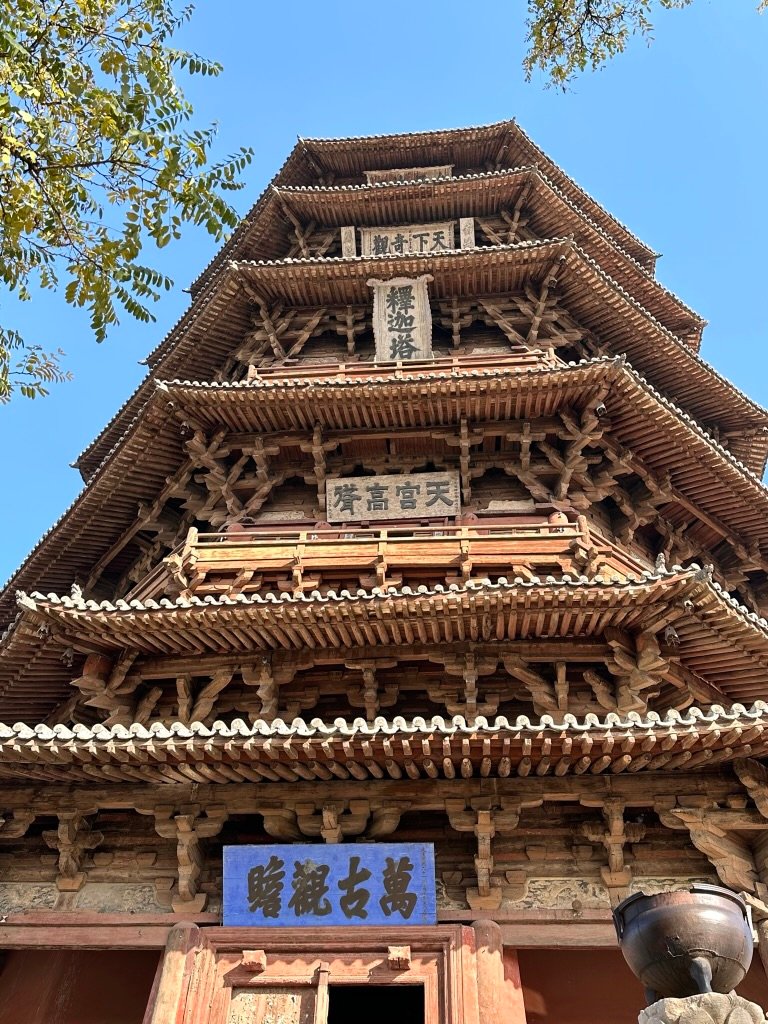
“Some parts of history are not only remembered — they are still standing.”
6. Shanxi 山西 — Where Old China Still Stands
Chinese word:
古 (gǔ) = ancient
Some places tell history through books.
Shanxi tells history through buildings.
We visited:
- Pingyao 平遥
- Hanging Temple 悬空寺
- Yingxian Wooden Pagoda 应县木塔
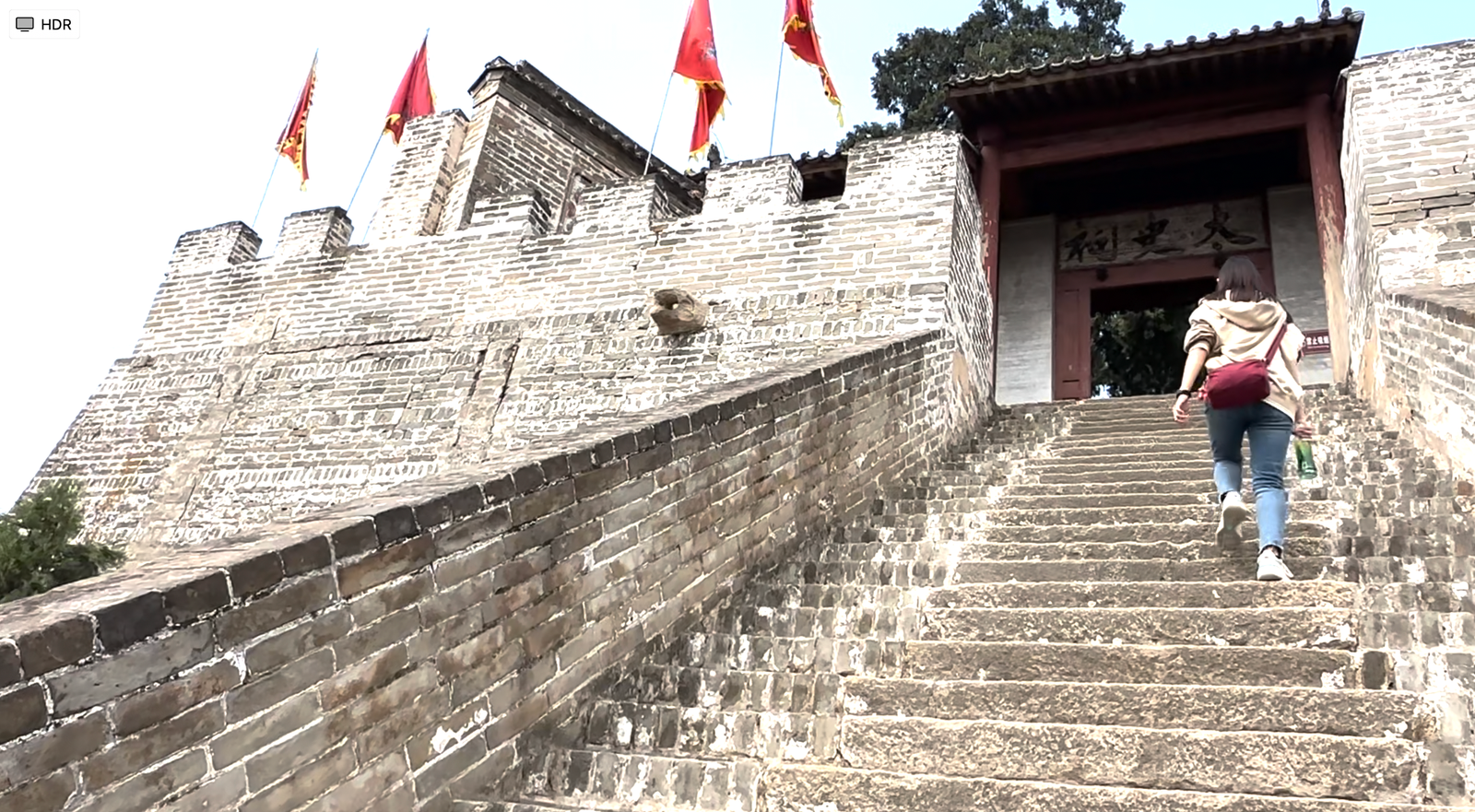
- Yanmen Pass 雁门关
- Jinci 晋祠
Walking through Shanxi felt like walking through preserved memories.
Wood.
Stone.
Old streets.
Ancient walls.
A civilisation you can touch.
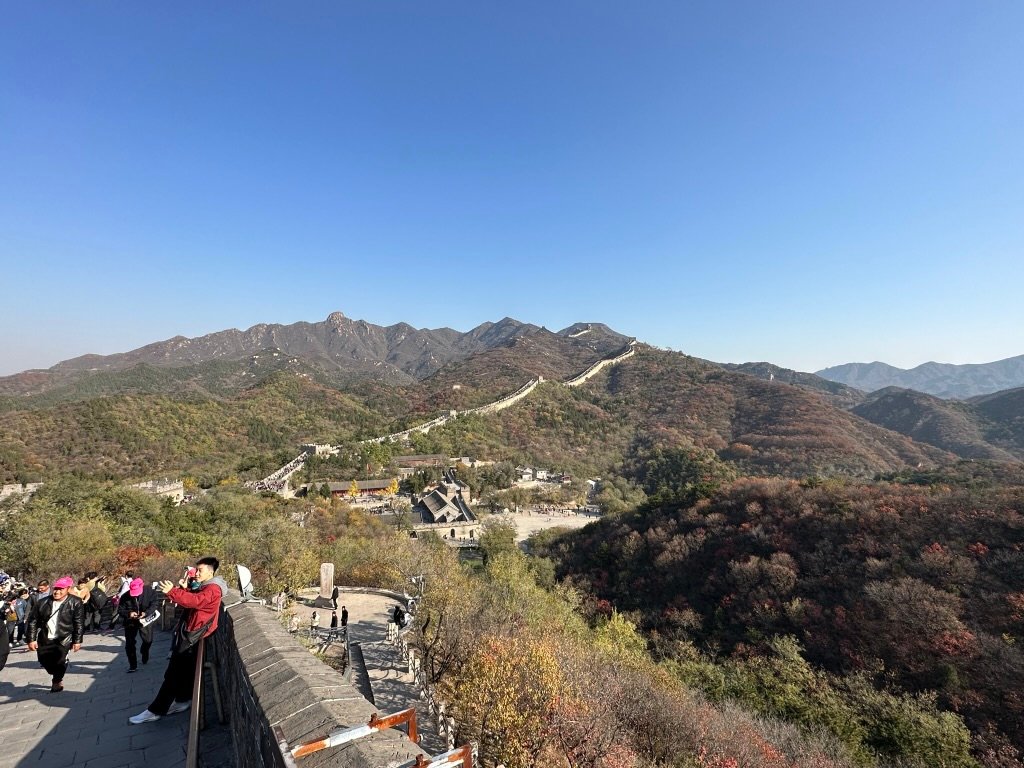
“Panda’s Beijing — discovering how China’s capital tells centuries of stories.”
7. Beijing 北京 — How China Was Governed
Chinese word:
京 (jīng) = capital
Beijing is more than China’s capital.
It answers:
How do you organise a civilisation this large?
The Forbidden City 故宫.
The Central Axis 中轴线.
Temple of Heaven 天坛.
Great Wall 长城.
They are not only beautiful places.
They tell stories of:
order,
responsibility,
protection,
continuity.
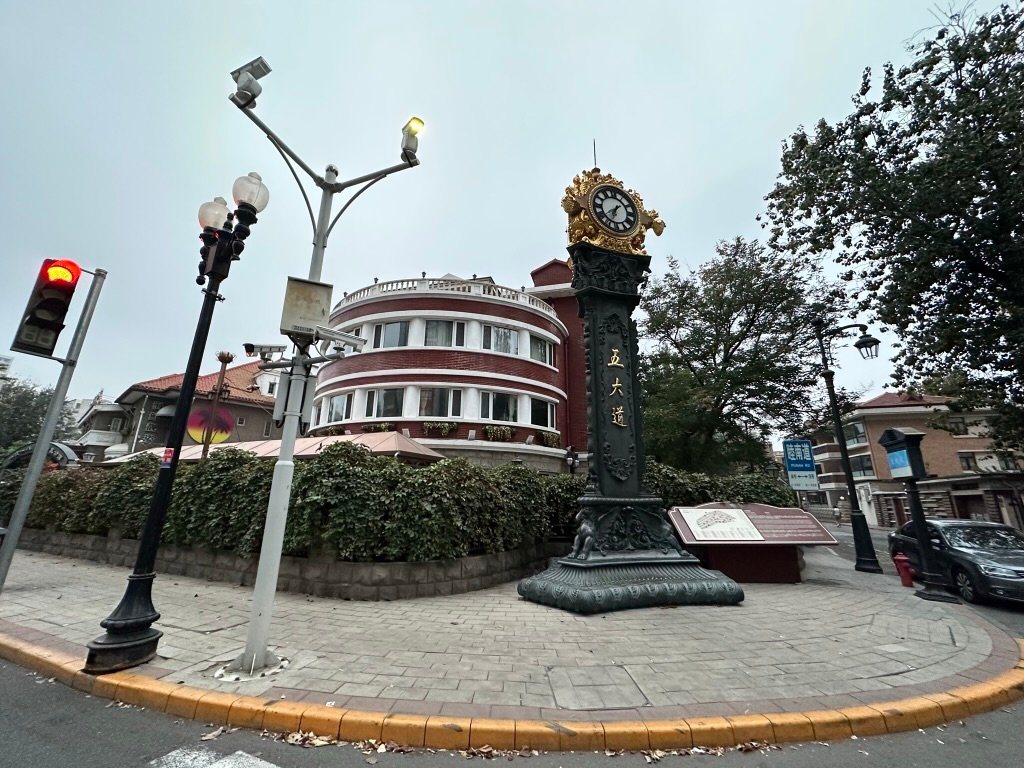
“Tianjin tells the story of an old civilisation meeting a changing world.”
8. Tianjin 天津 — When China Met the Modern World
Chinese word:
新 (xīn) = new
Only about 30 minutes from Beijing by high-speed rail, Tianjin tells another chapter.
At Wudadao 五大道, we discovered a city where China encountered modern influences.
New architecture.
New technology.
New ideas.
China was changing.
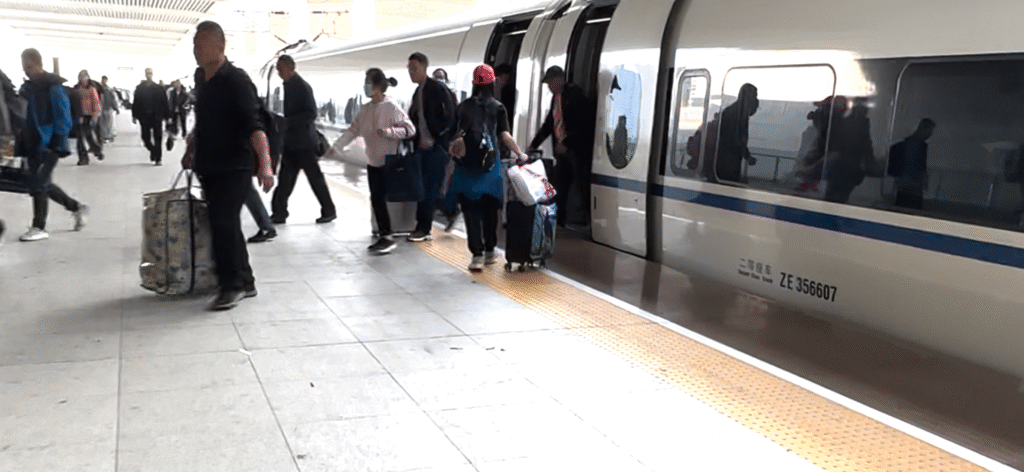
“From ancient paths to high-speed rail — China’s story continues moving forward.”
9. High-Speed Rail 高铁 — The Journey Continues
Chinese word:
路 (lù) = road / journey
From ancient roads…
to canals…
to modern high-speed rail…
China has always faced the same challenge:
How do people stay connected?
Today, Elaine and I continue discovering China by train.
The journey is not finished.
There are always more stories waiting.
Final Ending
Many travellers visit China once.
They see famous places.
Take beautiful photos.
And leave.
But if we slow down, every place begins to speak.
A wall is not just a wall.
A temple is not just a temple.
A train is not just a train.
They are chapters of a much longer story.
And through ChinaTravelBug, Elaine and I hope to continue discovering those chapters — one journey at a time.