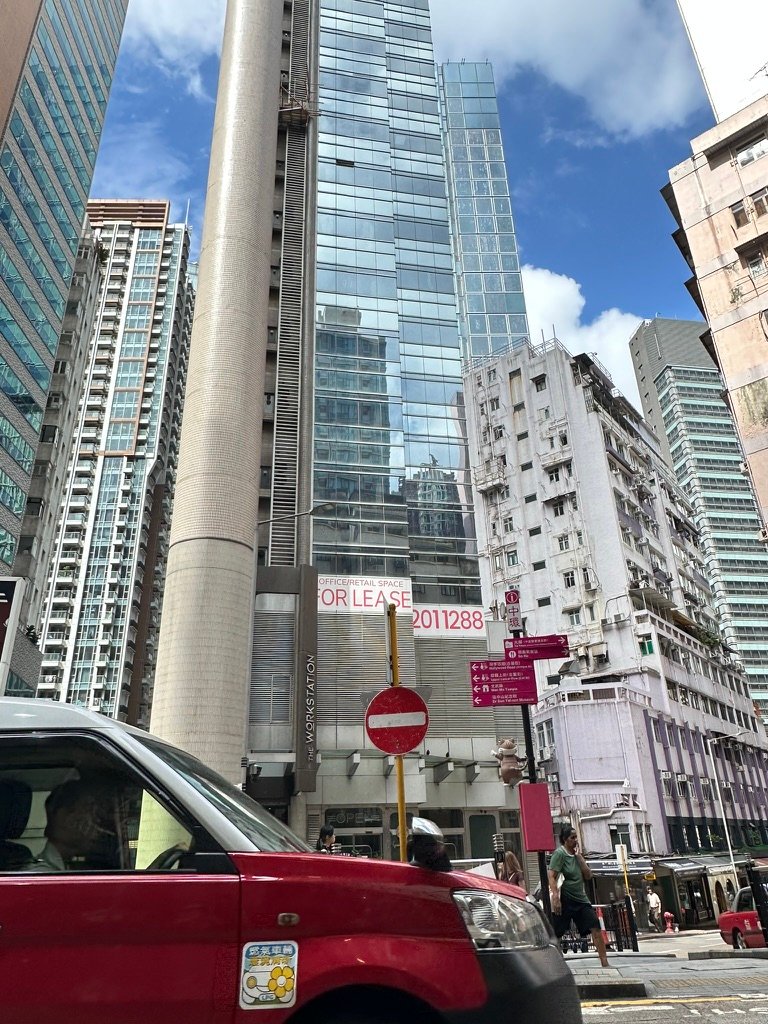
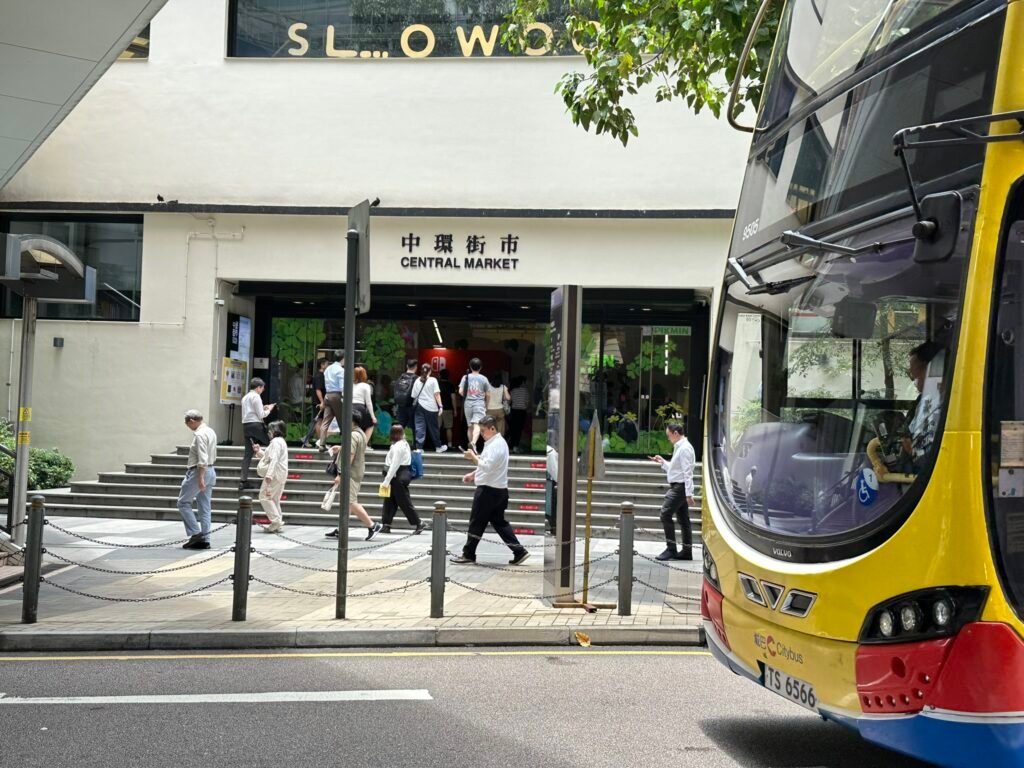
We Stayed in Sheung Wan 上環 — So We Could Walk Into Different Hong Kongs

Sleep → Eat → Walk → See → Coffee.

When Dad was choosing where we should stay in Hong Kong, there was a strategy behind it.

I didn’t want Elaine and me to stay right in the middle of the busiest part of Central.

Of course, we wanted to experience Central.

The crowds.

The commercial streets.

The skyscrapers.

The energy.

That busy, buzzing Hong Kong is part of the experience.

But I wanted Elaine to see another Hong Kong too.

The Hong Kong of neighborhood streets.

Local food.

Markets.

Old shop signs.

Ding Dings passing through everyday traffic.

People buying breakfast.

Small places where you can sit down for coffee.

And streets where the pleasure isn’t necessarily reaching an attraction.

Sometimes the pleasure is simply walking.

So Dad deliberately chose Sheung Wan (上環).

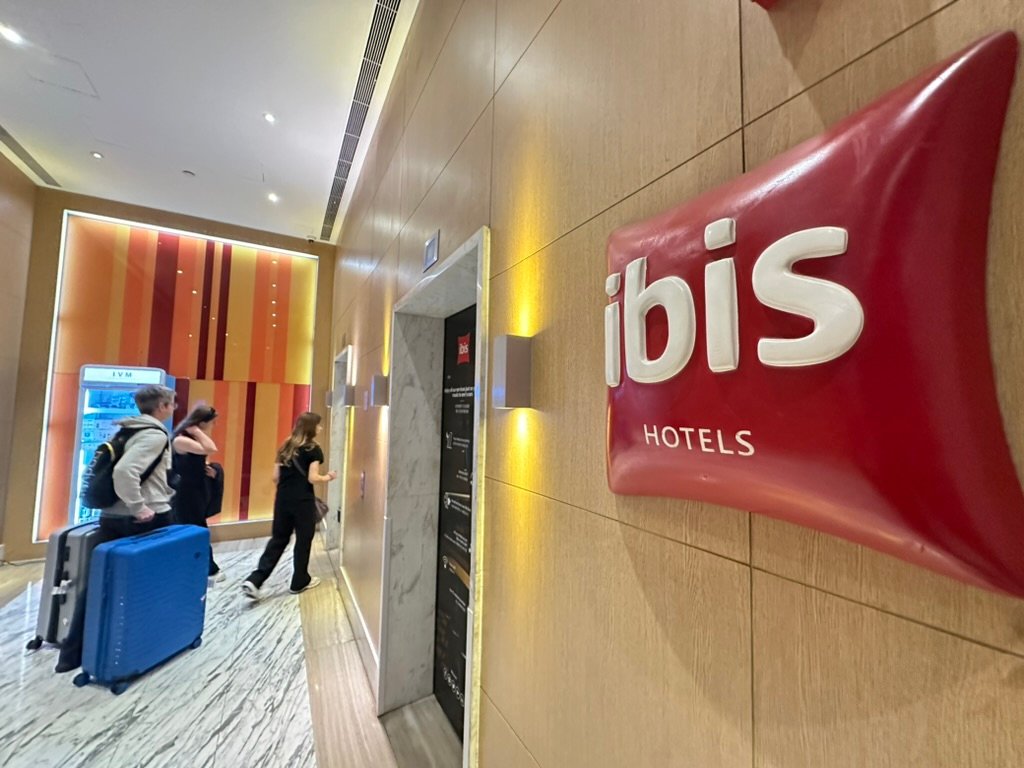
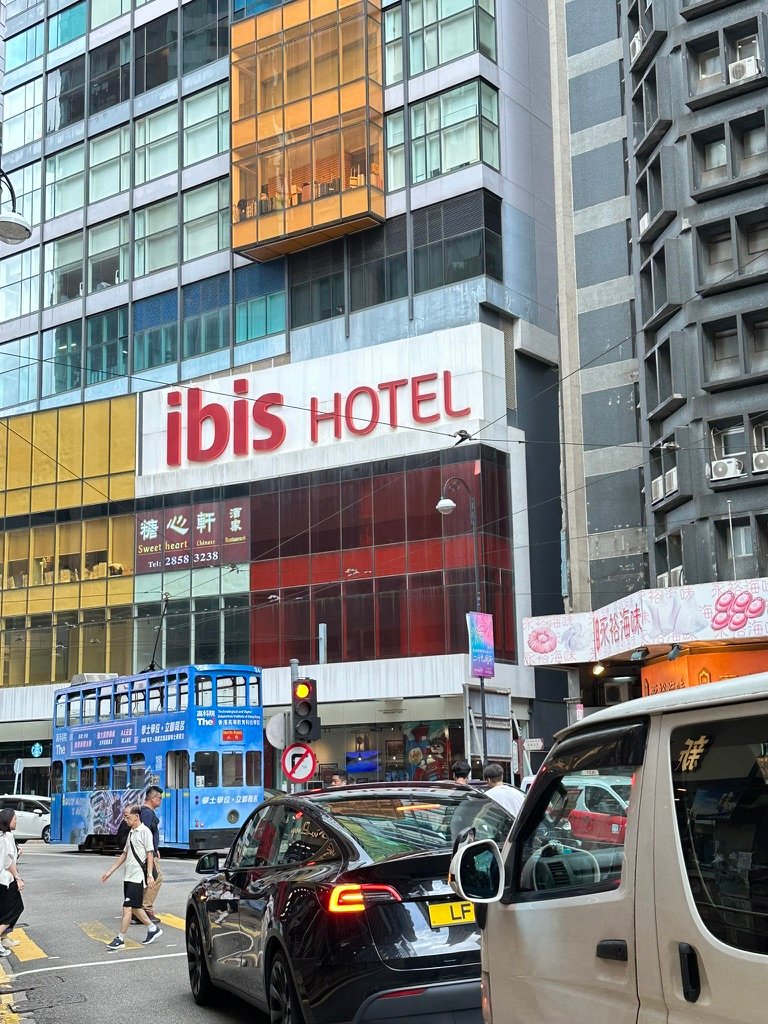
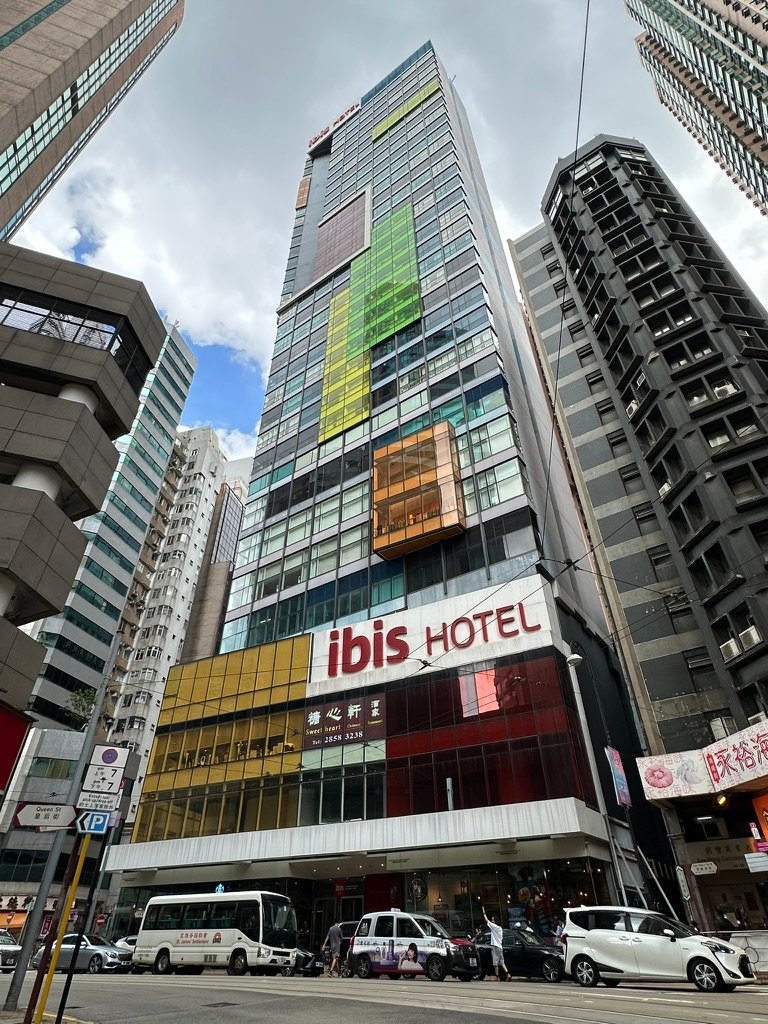
Our base was Ibis Hong Kong Central & Sheung Wan.

It gave us what I was looking for: value for money, a location outside the busiest part of Central, plenty of everyday Hong Kong around us — and yet excellent access to the rest of the city.

The MTR was about a 10-minute walk away.

The Hong Kong–Macau Ferry Terminal was also about a 10-minute walk away.

But the best part?

We didn’t always need either of them.

We could simply walk out of our hotel and choose a direction.

Walk west toward Sai Ying Pun 西營盤 for neighborhood Hong Kong.

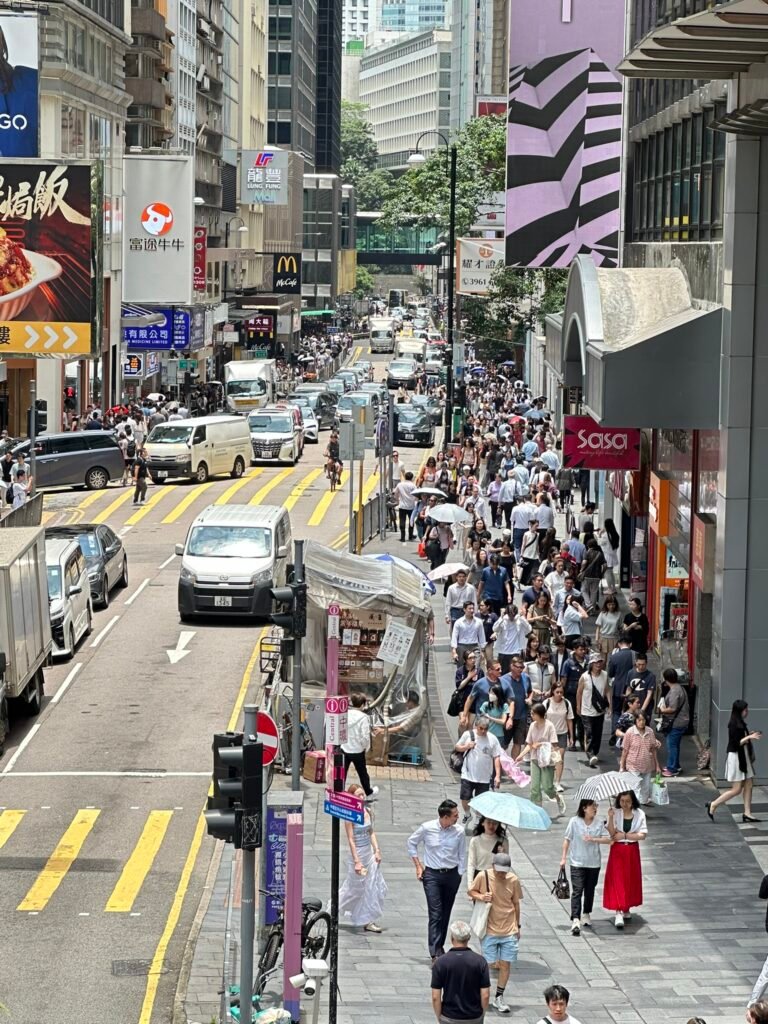
Walk east toward Central 中環 for busy, buzzing Hong Kong.

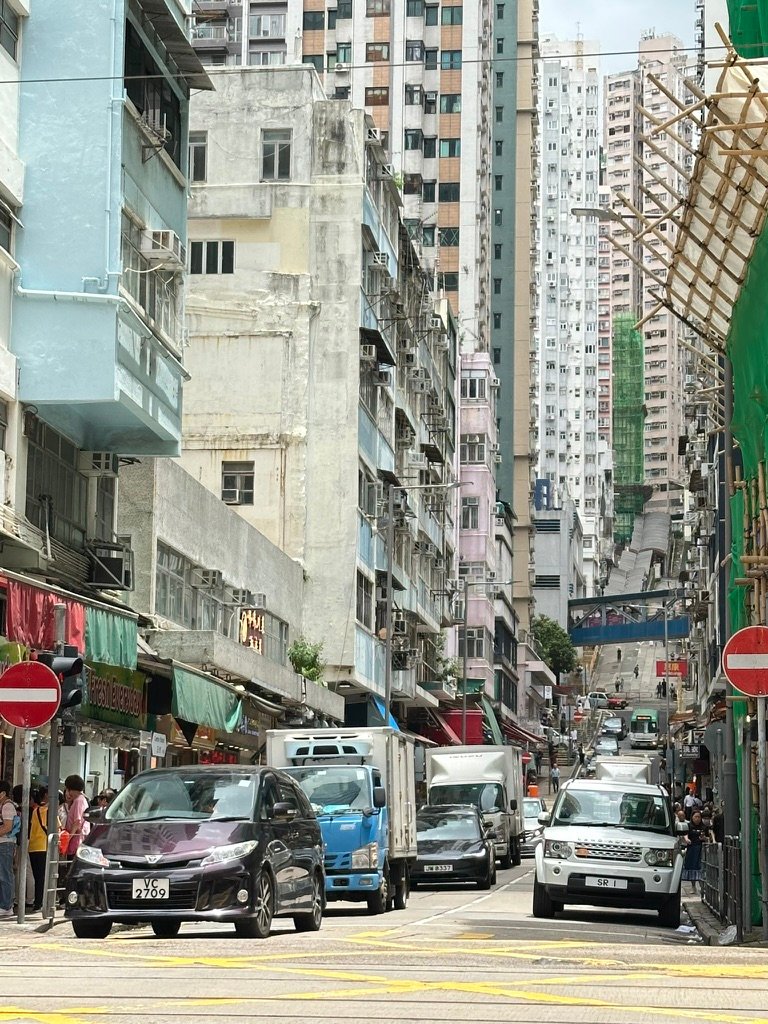
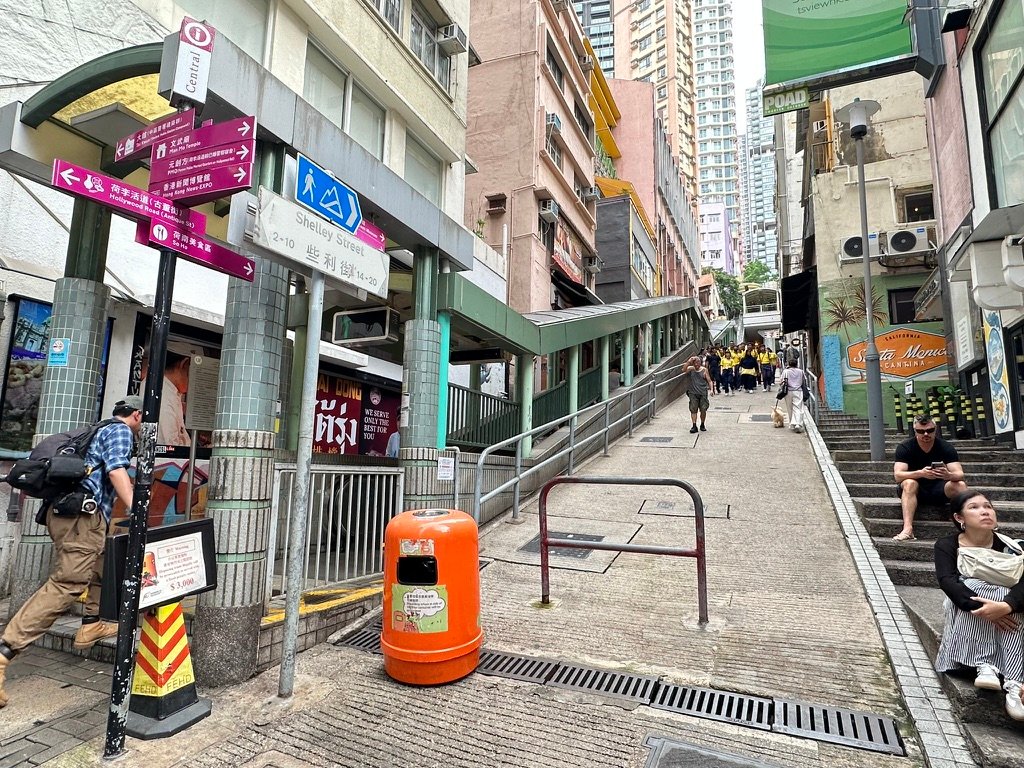
Walk uphill behind the hotel for old streets, food, shops and heritage.

That was Dad’s Sheung Wan 上環 strategy.

And if you enjoy discovering a city on foot, it’s a strategy I’d highly recommend.


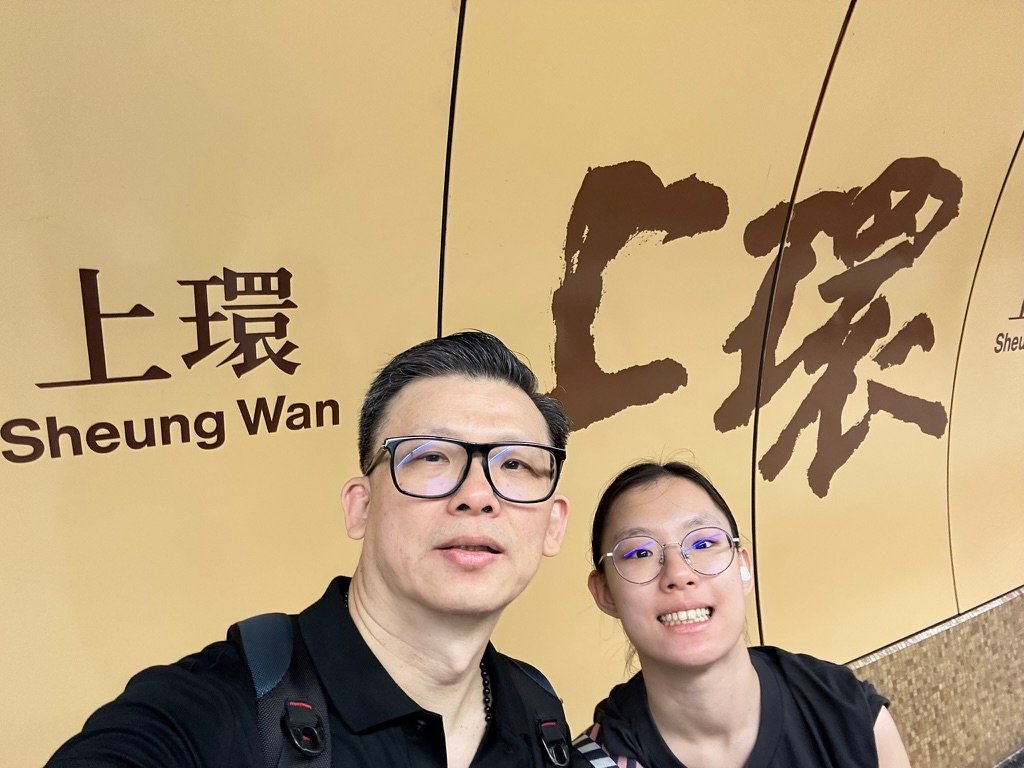
🐞 Dad + Elaine in Sheung Wan 上環

There we were.

Dad and Elaine.

上環. Sheung Wan.

This wasn’t somewhere we came for two hours of sightseeing.

For this part of our Hong Kong journey, Sheung Wan was home.

And that makes a difference.

When you visit a neighborhood for an hour or two, you tend to look for its attractions.

When you sleep there, wake up there, eat there and repeatedly walk the same streets, you begin noticing something else.

How the neighborhood lives.

That was exactly what Dad wanted Elaine to experience.


SLEEP

Why Dad Chose Ibis Hong Kong Central & Sheung Wan

Our base was Ibis Hong Kong Central & Sheung Wan.

And this one has made it onto a small personal list:

🐞 One of Dad’s Favorite Hotels

Dad has stayed in plenty of hotels while traveling around China and Hong Kong.

A few become absolute favorites.

Not necessarily because they’re luxurious.

In fact, that’s usually not what Dad is looking for.

The hotels I remember — and recommend most enthusiastically — tend to get several things right:

Good value for money.

A strategic location for the journey we’re actually making.

A location that adds something to the travel experience.

And somewhere Dad would genuinely choose to stay again.

This Ibis ticked those boxes for us.

👉 Check Ibis Hong Kong Central & Sheung Wan rooms and current prices on Trip.com

ChinaTravelBUG may earn a commission if you book through our Trip.com links, at no extra cost to you.


Value for Money Doesn’t Mean the Cheapest Hotel

Hong Kong accommodation can take a substantial chunk out of a travel budget, particularly in the most central locations.

Dad wasn’t looking for a luxury hotel experience.

We wanted a comfortable and practical place to sleep while spending our time experiencing Hong Kong.

But a cheaper room in the wrong location isn’t necessarily good value.

For Dad:

Value for money ≠ cheapest hotel.

A hotel becomes genuinely good value when price, location and usefulness to the journey come together.

And that’s where this Ibis worked particularly well for us.

Location was the secret sauce.

🌶️


One Hotel. Three Directions. Different Hong Kongs.

Look at our hotel as the center point.

From there, Dad had a very simple strategy.

← WEST

Sheung Wan 上環 → Sai Ying Pun 西營盤

Slow down.

Neighborhood streets.

Markets.


Local food.

Coffee.

Ding Dings.


Everyday Hong Kong.

EAST →

Sheung Wan 上環 → Central 中環

Feel the pace increase.

Commercial streets.

Crowds.

Offices.

Modern buildings.

Shopping.


Busy, buzzing Hong Kong.

↑ UPHILL

Behind our hotel

Explore.

Sloping streets.


Commercial streets.

Food and beverage outlets.

Older shops.

Heritage.


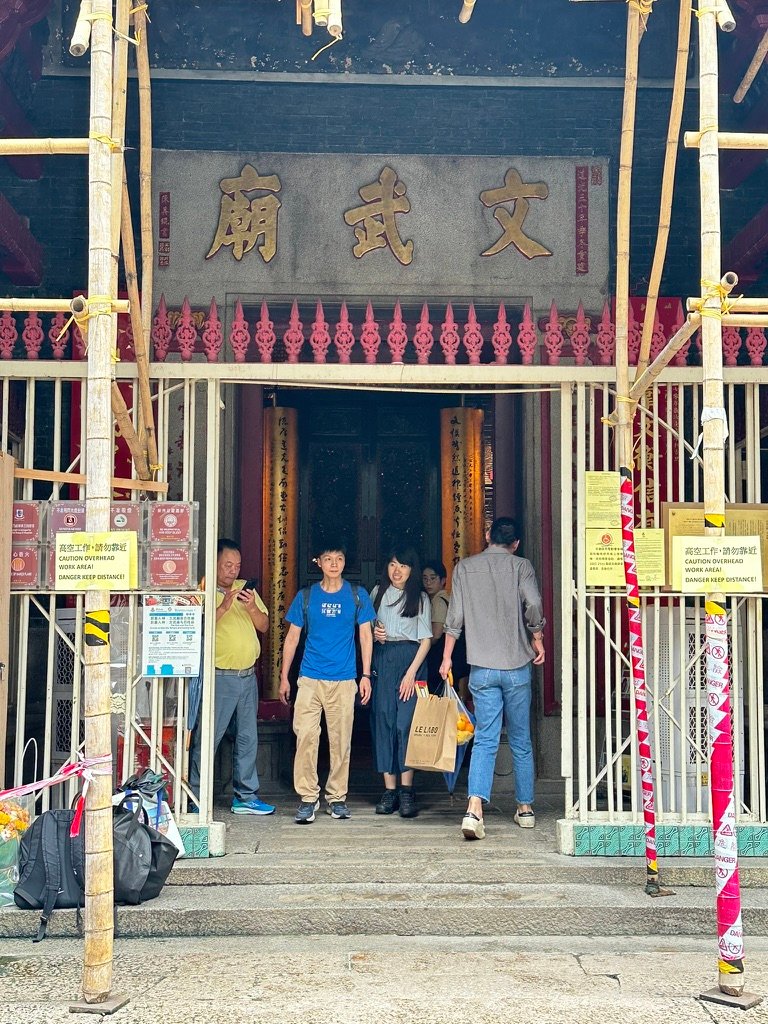
And Man Mo Temple (文武廟).

And in the middle?

Our hotel.

That’s why Dad calls the location strategic, rather than simply convenient.

It wasn’t only close to transportation.

Its location helped shape what Elaine and I experienced.


← WALK WEST

Toward Sai Ying Pun 西營盤— Our Slower Hong Kong

When we wanted to slow down, we could walk west toward Sai Ying Pun (西營盤).

There was no need for a complicated itinerary.

Walk.

Look.

Stop.

Eat.

Have coffee.

Continue walking.

That’s it.

😂

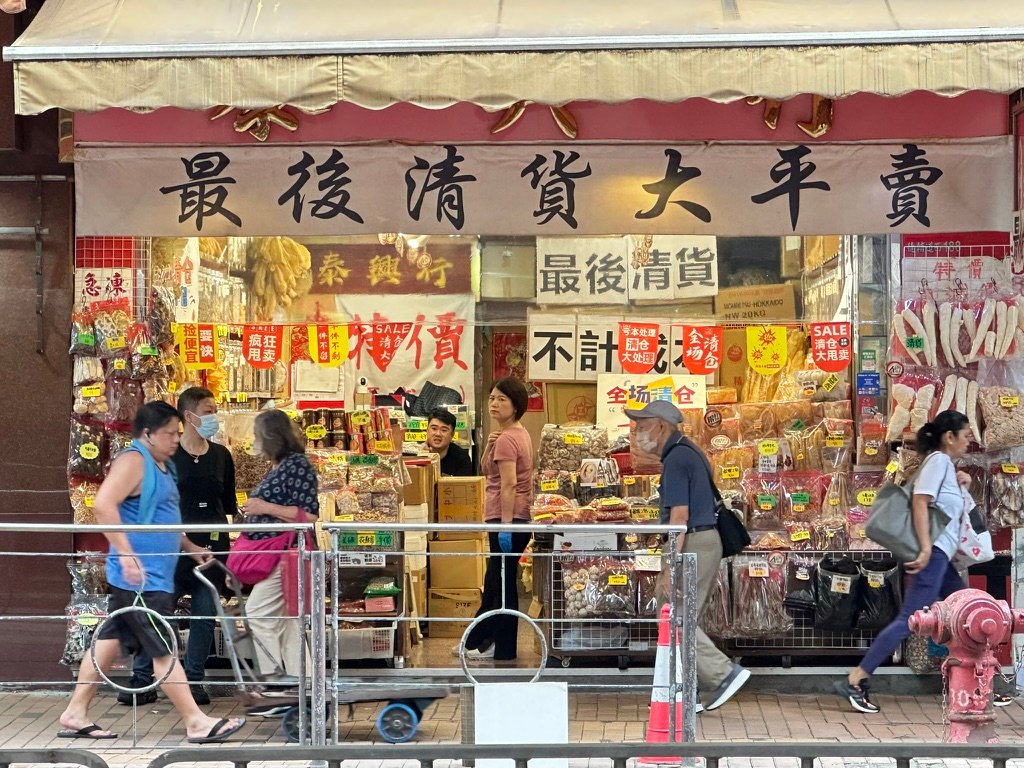
But this kind of traveling gives you something a checklist sometimes doesn’t.

Time to notice.

Local streets.

Small businesses.

Food shops.

Markets.

Older buildings.

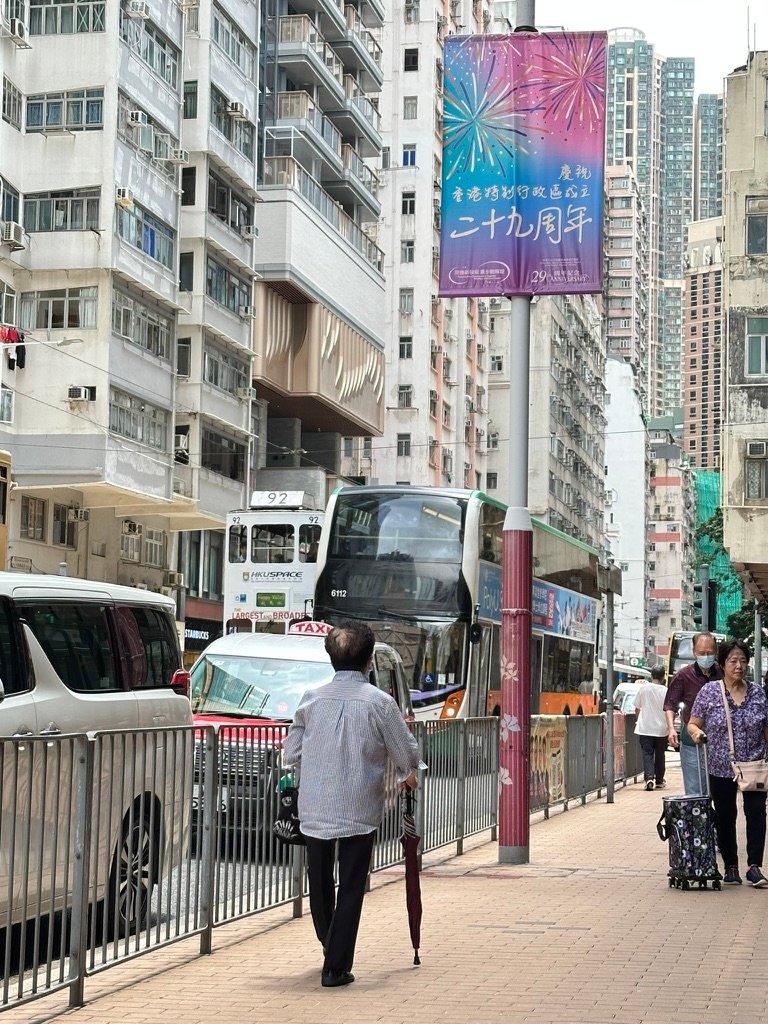
Trams passing.

People buying groceries.

People having breakfast.

People going to work.

Nobody is performing Hong Kong for us.

They’re simply living there.

And that’s part of the Hong Kong Dad wanted Elaine to experience.


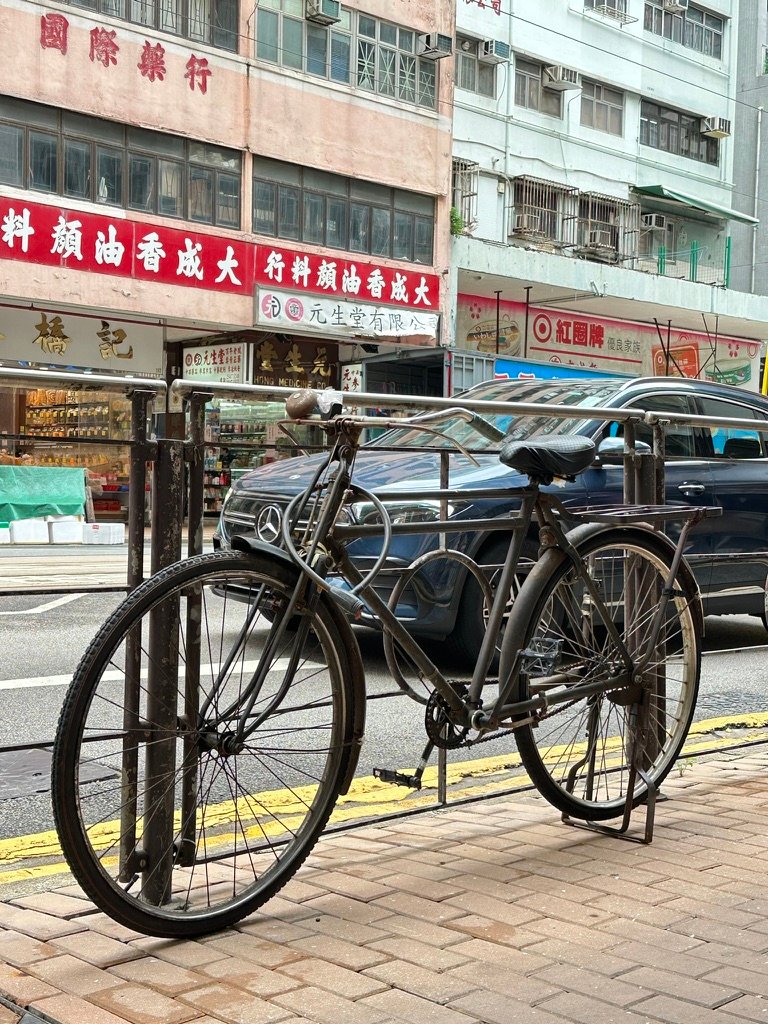
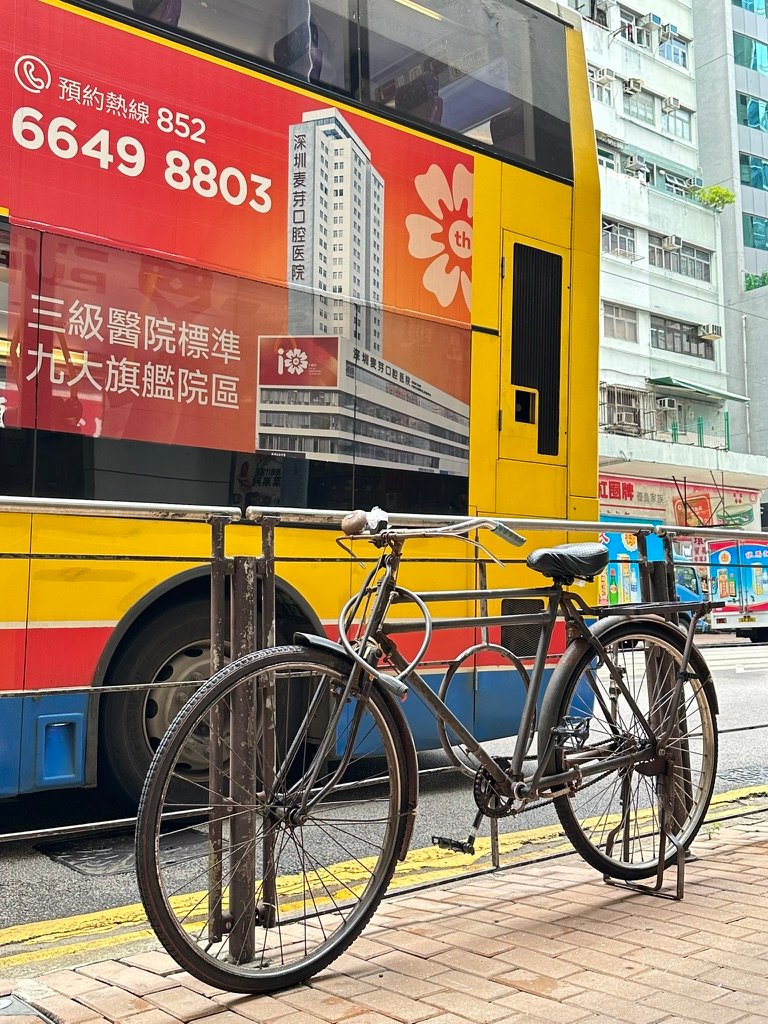
An Old Bicycle Can Become Part of the Journey

Look at the photograph.

An old bicycle in the foreground.

A double-decker bus behind it.

Tram tracks.

Buildings.

Traffic.

People moving through their day.

There is nothing famous about that bicycle.

We don’t know its story.

It isn’t appearing on anyone’s list of:

20 MUST-SEE HONG KONG ATTRACTIONS.

But put all those ordinary things together and somehow the photograph feels very Hong Kong.

That’s what walking does.

You begin seeing the spaces between the attractions.

And sometimes those become the parts you remember.


EAT

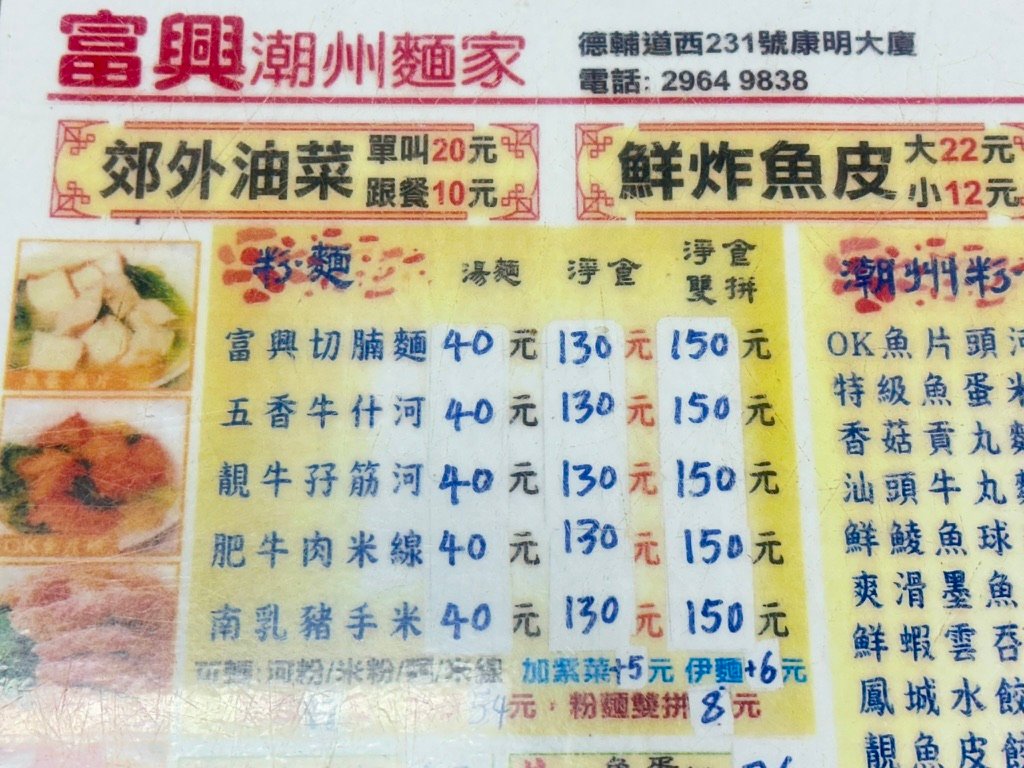
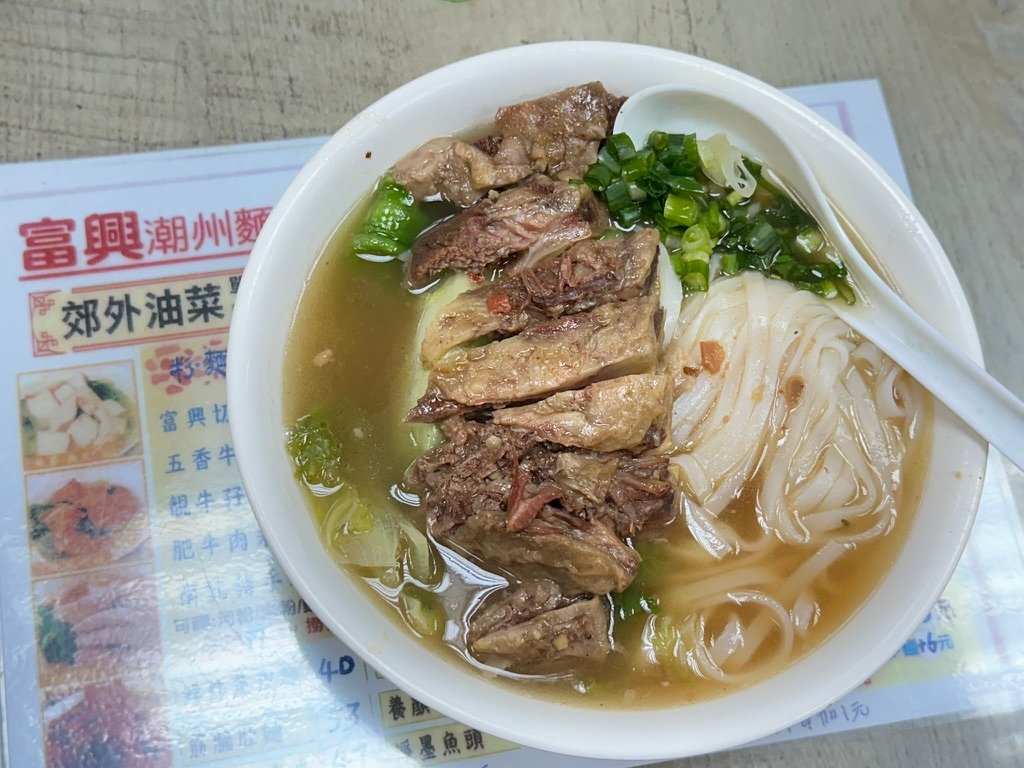
Local Food Was Part of Dad’s Plan Too


Dad didn’t choose an older neighborhood just so that we could photograph it.

We wanted to eat there too.

Not every meal needed to be a famous restaurant.

Not every breakfast required:

TOP 10 MUST-EAT HONG KONG BREAKFASTS.

Sometimes Dad’s restaurant-selection methodology is considerably more sophisticated:

Lots of local people are eating there.

Let’s try.

😂

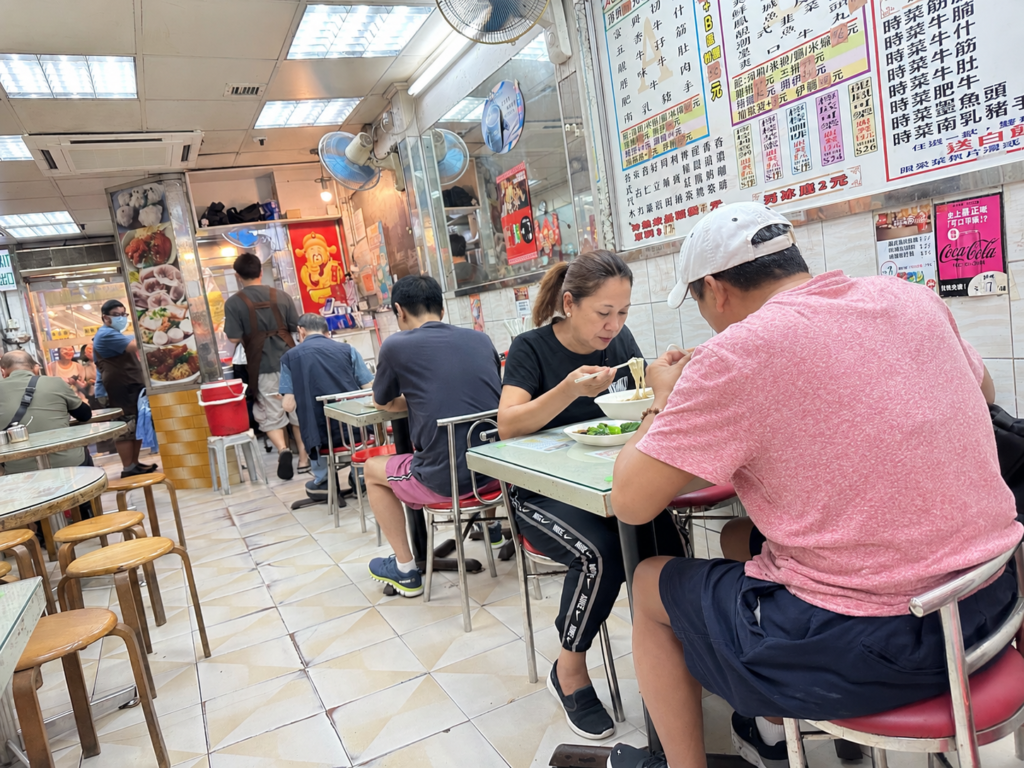
When you eat around the neighborhood where you’re staying, you begin seeing another side of everyday life.

Someone is buying breakfast before work.

Someone is preparing drinks.

Another order arrives.

Customers come and go.

For us, it’s part of our Hong Kong journey.

For most of the people around us?

It’s simply breakfast.

And that’s precisely what Dad wanted Elaine to see.


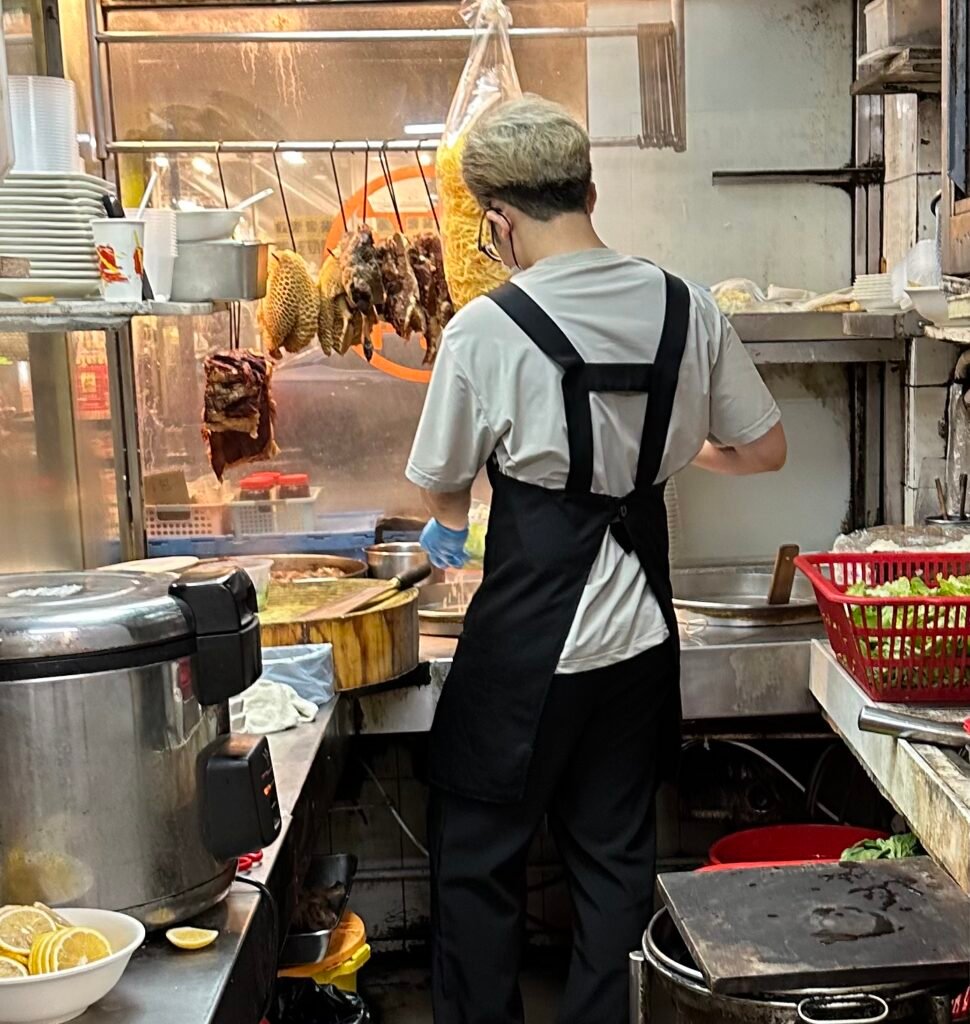
Watch the Kitchen

Dad likes watching small kitchens work.

Bowls.

Chopsticks.

Steam.

Condiments.

Hands moving quickly.

Someone reaches for something without needing to look.

Another order appears.

There doesn’t have to be anything polished about it.

There doesn’t have to be a chef explaining the philosophy behind the dish.

Sometimes that little opening into a working kitchen tells you plenty.

This is food as part of everyday Hong Kong.

And that’s why Dad photographed it.


SEE

The Ding Dings Became Part of Our Neighborhood

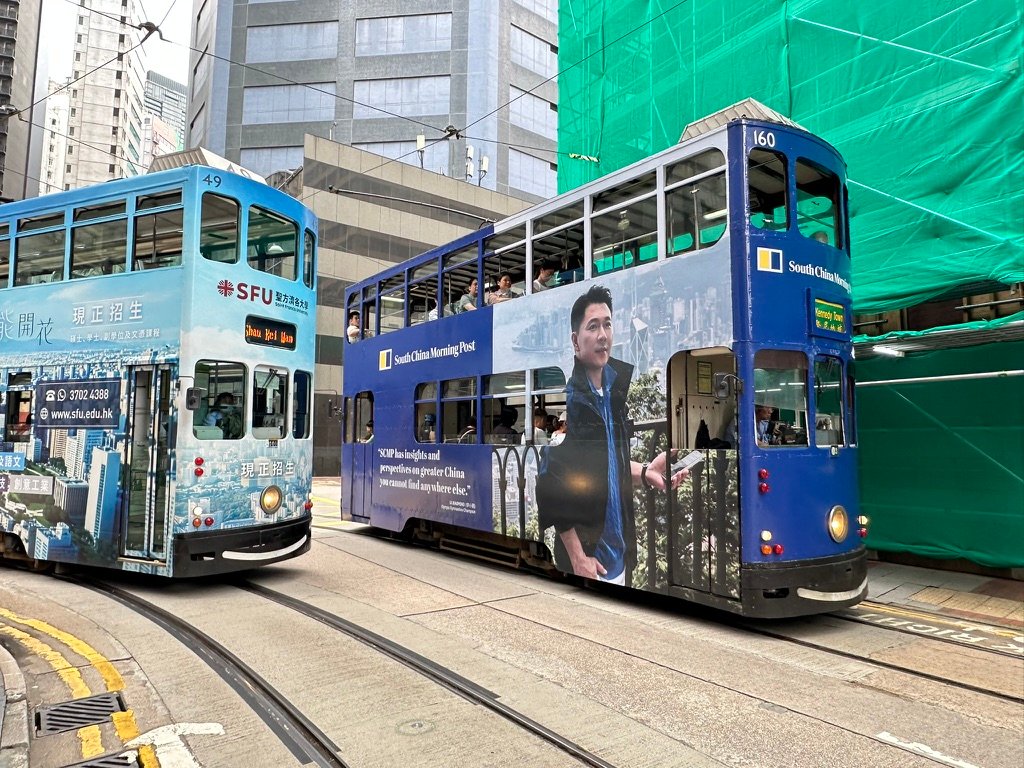
And then there were the Ding Dings.

Hong Kong’s famous double-decker trams run through this part of Hong Kong Island.

Of course, visitors can ride them.

But staying nearby changes the relationship slightly.

They aren’t only a tourist experience anymore.

You hear them.

You see them in traffic.

You wait while they pass.

You watch people sitting upstairs.

They become part of the street.

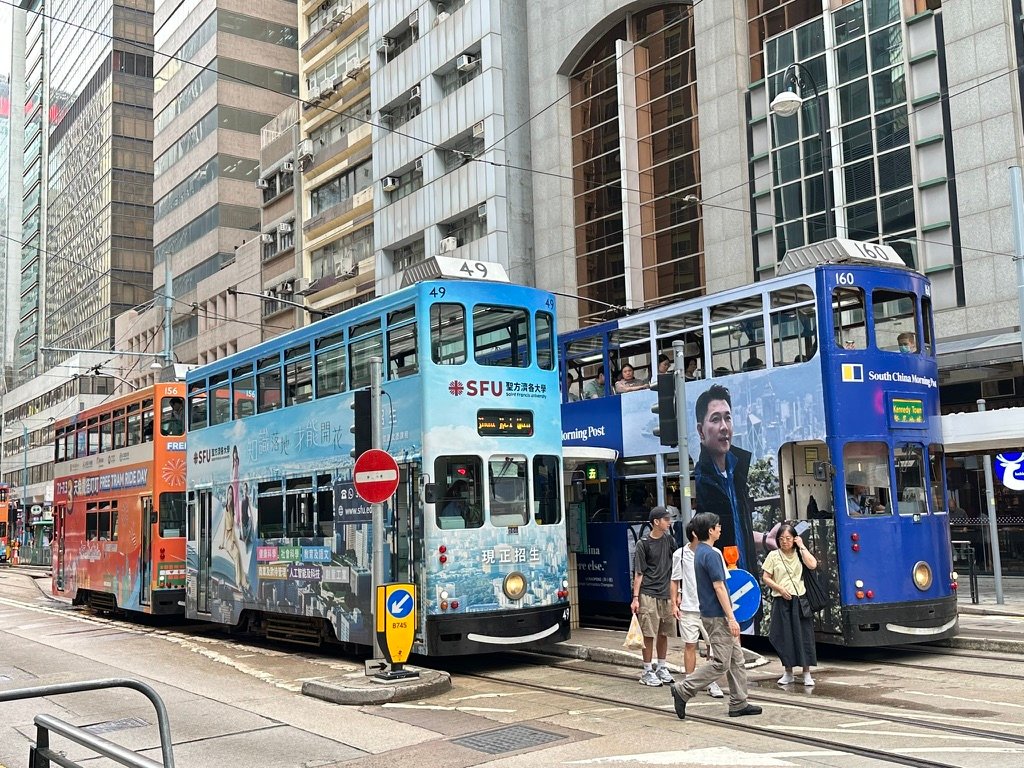
And occasionally several appear together and Dad immediately reaches for the camera.

😂

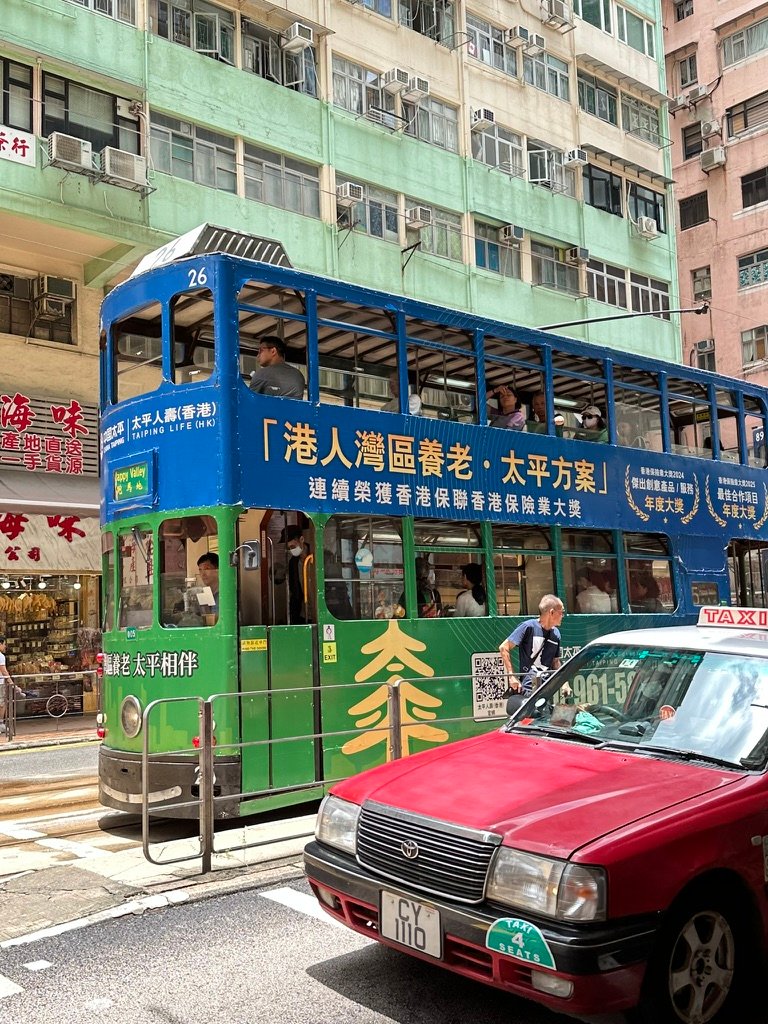
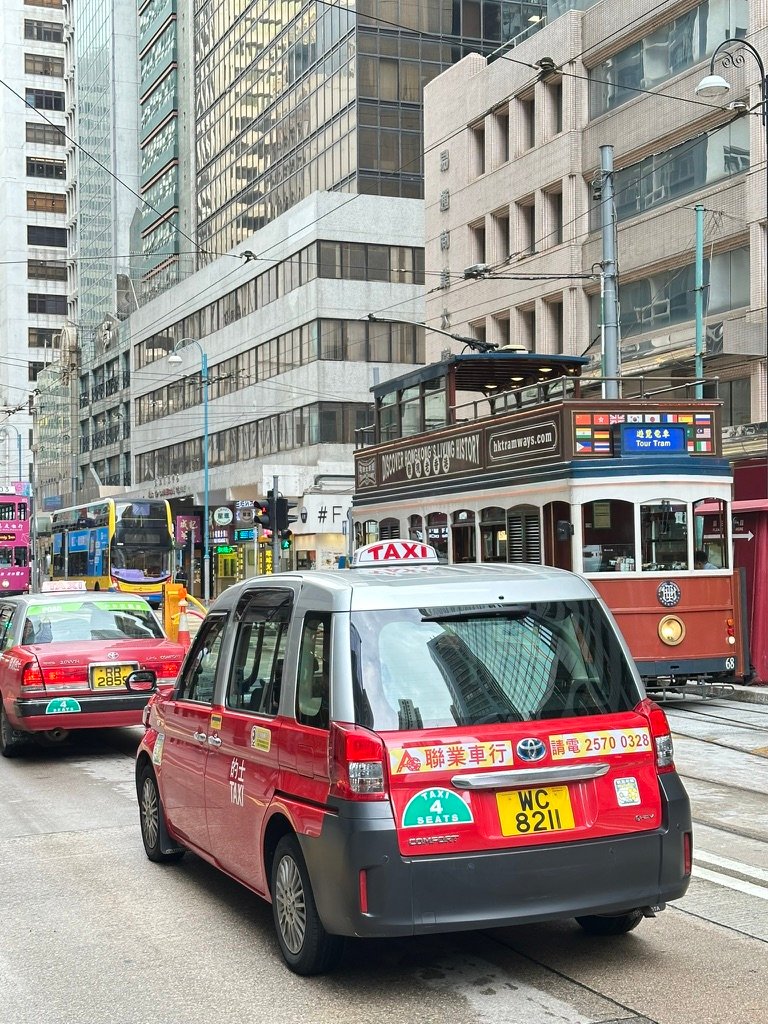
Look at this photograph.

Trams.

Different colors.

People upstairs.

Buildings surrounding them.

Cars sharing the road.

This is transportation.

But it’s also part of the visual language of Hong Kong.


Sometimes Don’t Ride. Just Watch.

When we’re traveling, we naturally think:

What should we DO?

Ride the tram.

Visit the temple.

See the market.

Go to Central.

But sometimes:

Just watch.

Watch a Ding Ding negotiate the street.

Watch people get on.

Watch traffic move around it.

Watch pedestrians cross behind it.

Then keep walking.

For practical information about Hong Kong transportation, we have a separate guide:

👉 Getting Around Hong Kong: MTR, Octopus, Buses, Trams, Ferries & Taxis

This story isn’t about how to use a tram.

It’s about what happened when the trams became part of our neighborhood.


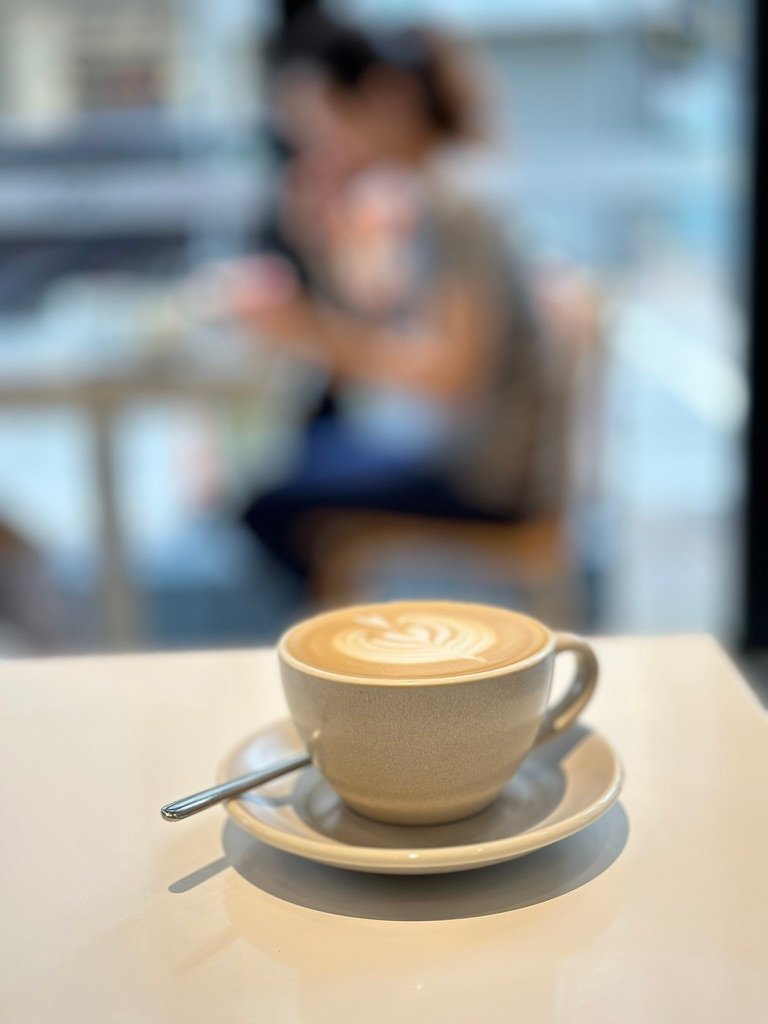
HAVE COFFEE

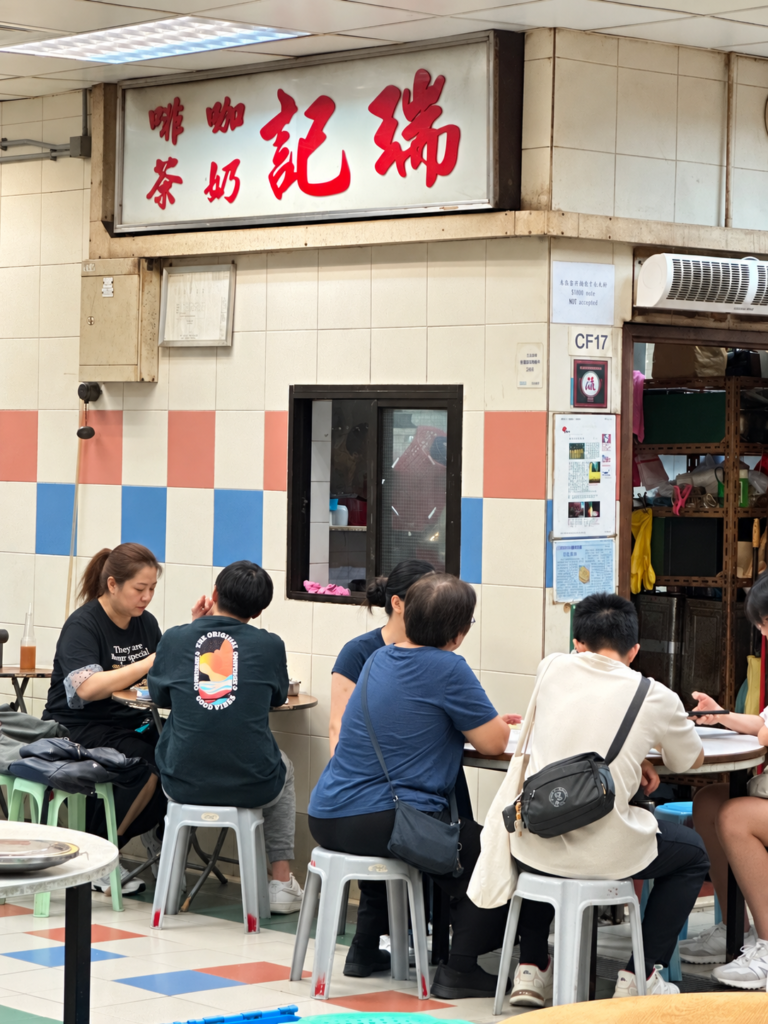
瑞記咖啡


Then, eventually:

Coffee.

😂

Places like 瑞記咖啡 were part of what Dad wanted from staying around here.

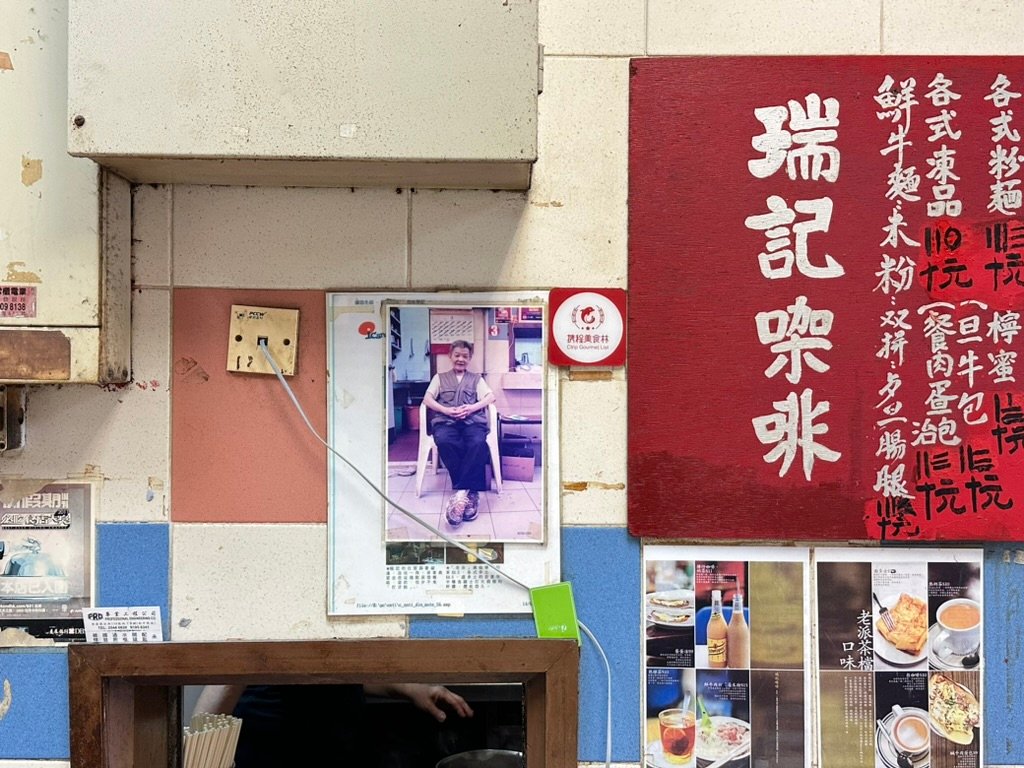
Look at the photograph.

Old tiles.

A red menu on the wall.

Food photographs.

A small kitchen opening.

Older photographs.

Nothing seems arranged for visitors.

Good.

We didn’t want it arranged for us.

We wanted to experience the place as we found it.


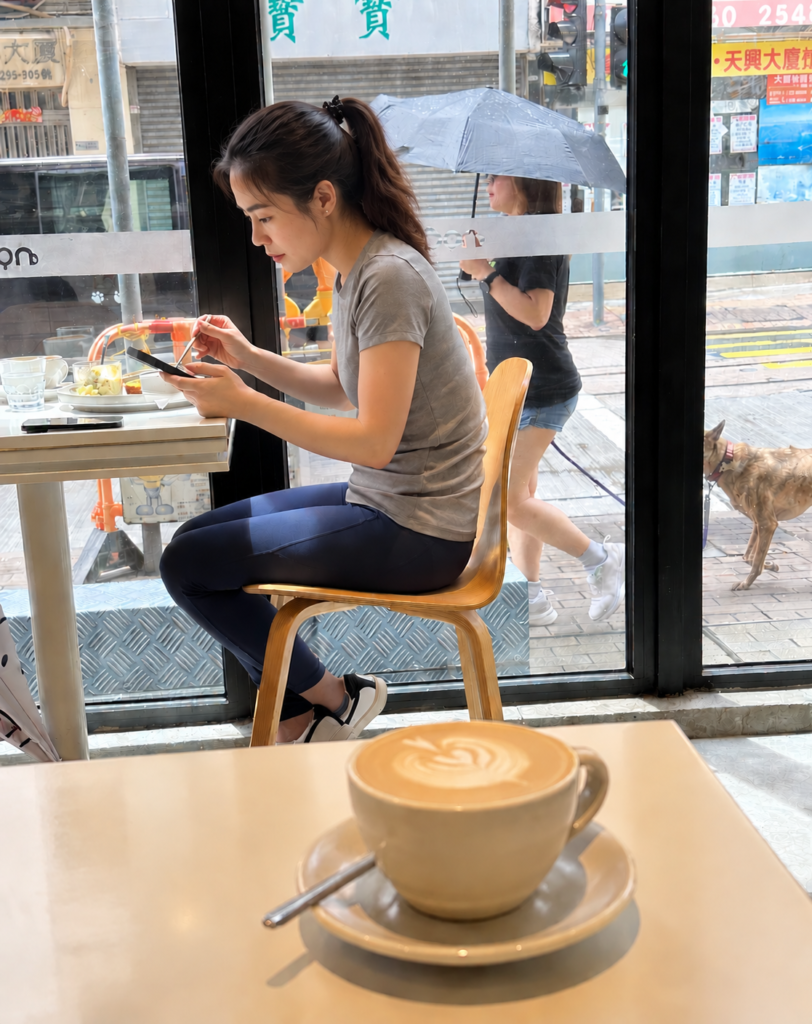
Sit Down. Drink. Look Around.

Travel doesn’t always require another attraction.

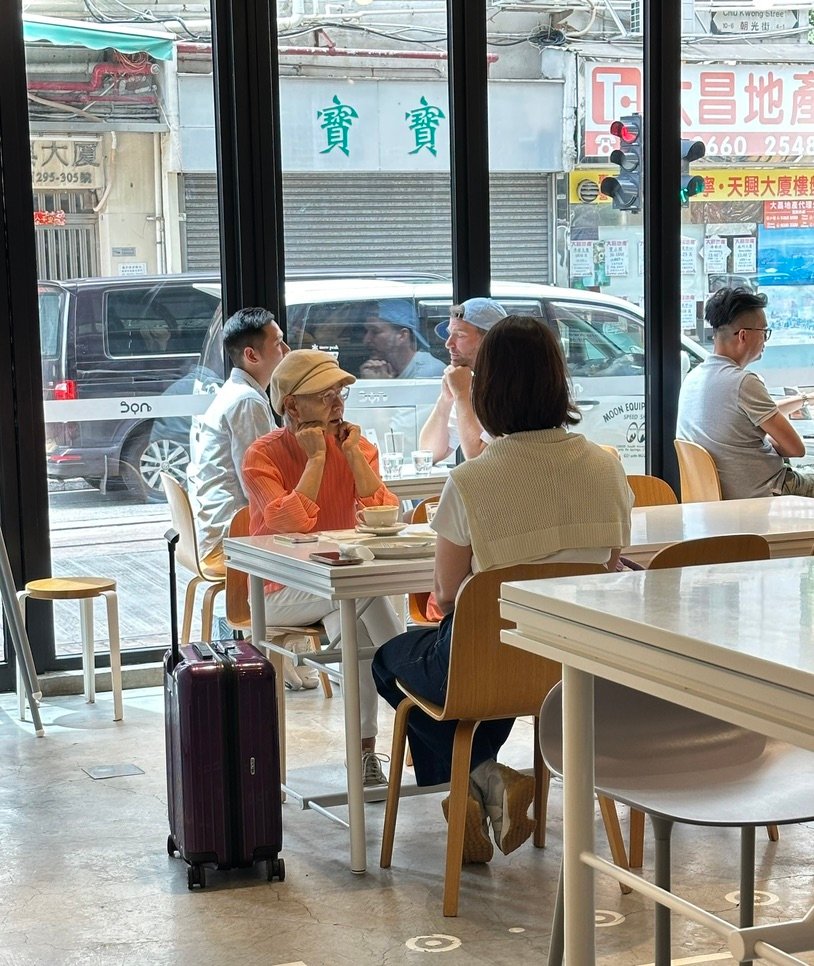
Sometimes you sit.

Have something to drink.

Look at the walls.

Watch people come and go.

Rest your legs.

Elaine looks at her phone.

Dad looks at something on the wall and inevitably begins wondering:

What’s the story behind that?


🐇

Another rabbit hole.

But for a little while, nobody needs to be:

DOING HONG KONG.

We’re simply in Hong Kong.

That can be enough.


↑ WALK UPHILL

Behind Our Hotel Was Yet Another Hong Kong

There’s something a flat map doesn’t properly communicate about this part of Hong Kong Island.

It goes up.

😂


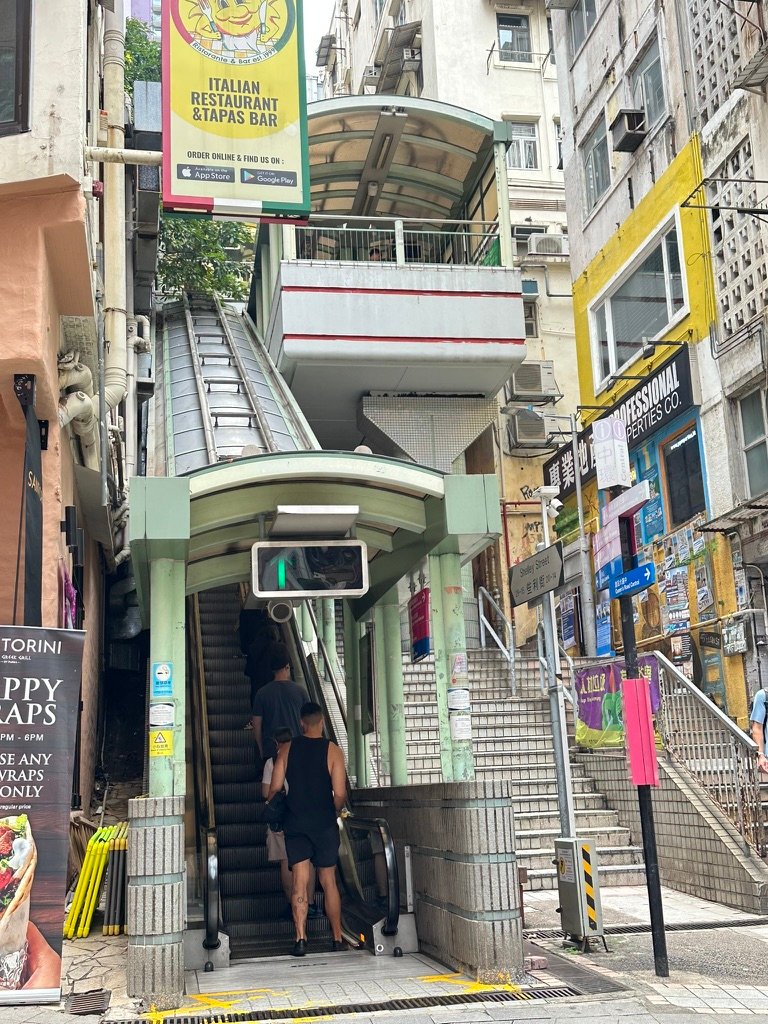
Walk behind our hotel and the streets begin climbing.

And once we started walking uphill, the experience changed again.

Commercial streets.

Food and beverage outlets.

Older shops.

Narrower streets.

Chinese signs.

Old and new businesses sitting beside one another.

The slopes themselves became part of the walk.


Toward Man Mo Temple

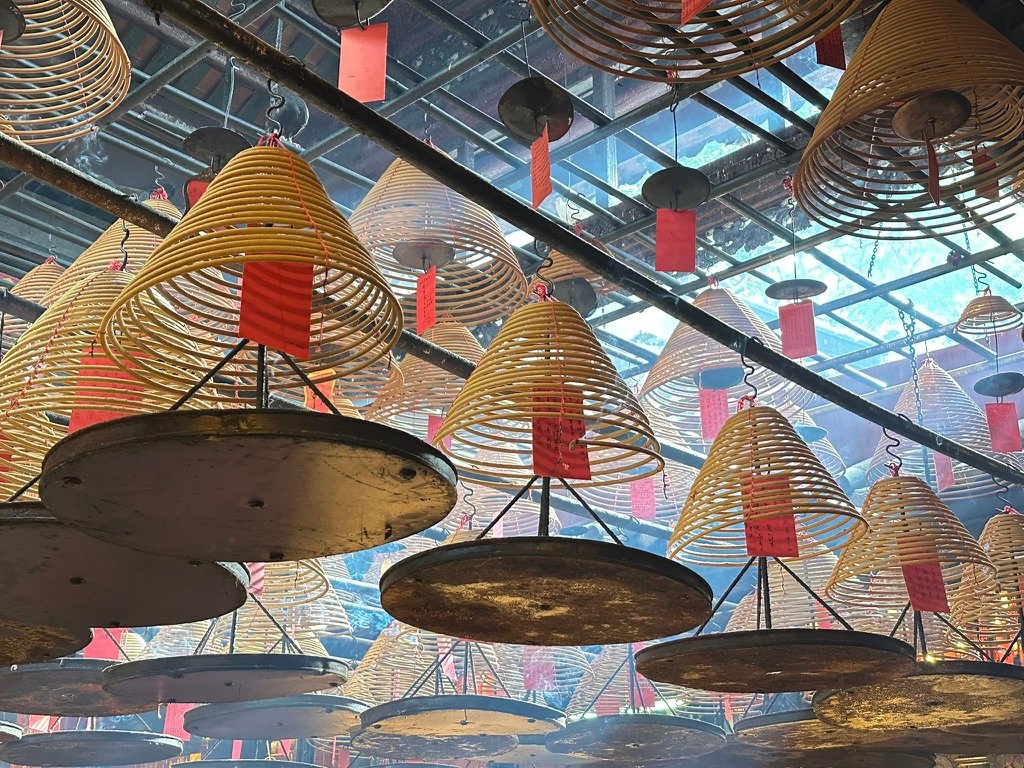
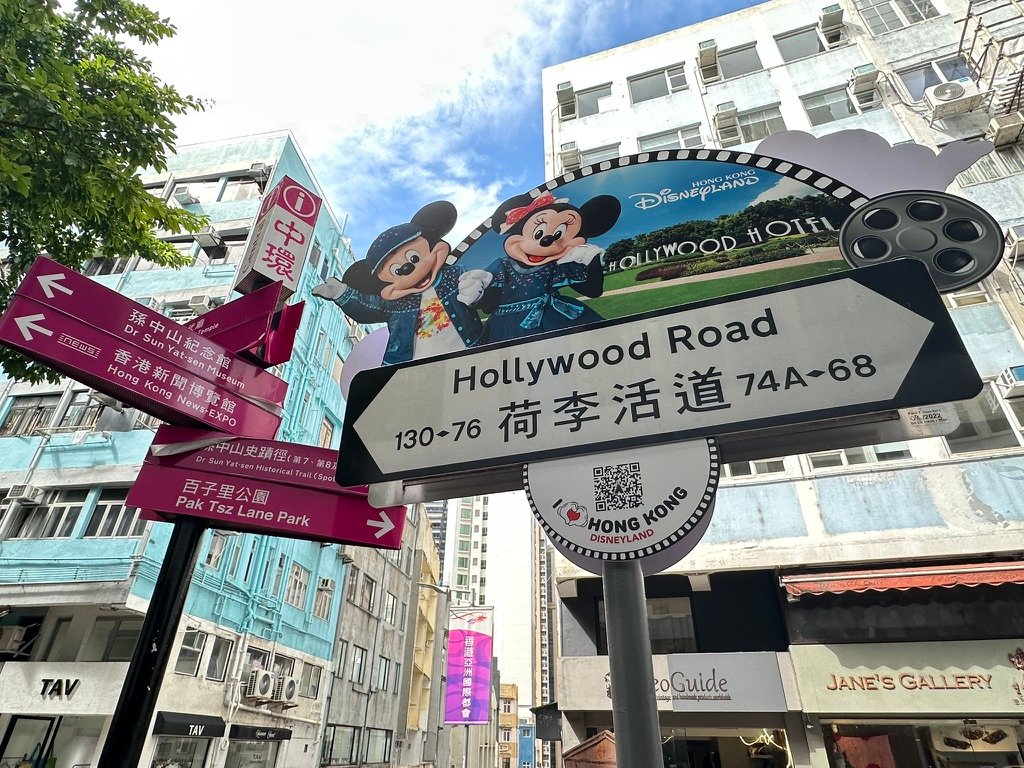
Continue exploring the older streets behind Sheung Wan and you eventually reach Man Mo Temple (文武廟) on Hollywood Road, one of Hong Kong’s best-known historic temples.

Think about that for a moment.

We could leave a modern international hotel…

walk through commercial streets…

pass restaurants and shops…

climb through an older neighborhood…

and encounter an important piece of Hong Kong’s heritage.

All on foot.

That’s what we liked about basing ourselves here.

The experiences weren’t neatly separated.

Food. Commerce. Everyday life. History. Religion. Modern Hong Kong. Old Hong Kong.

They overlapped.


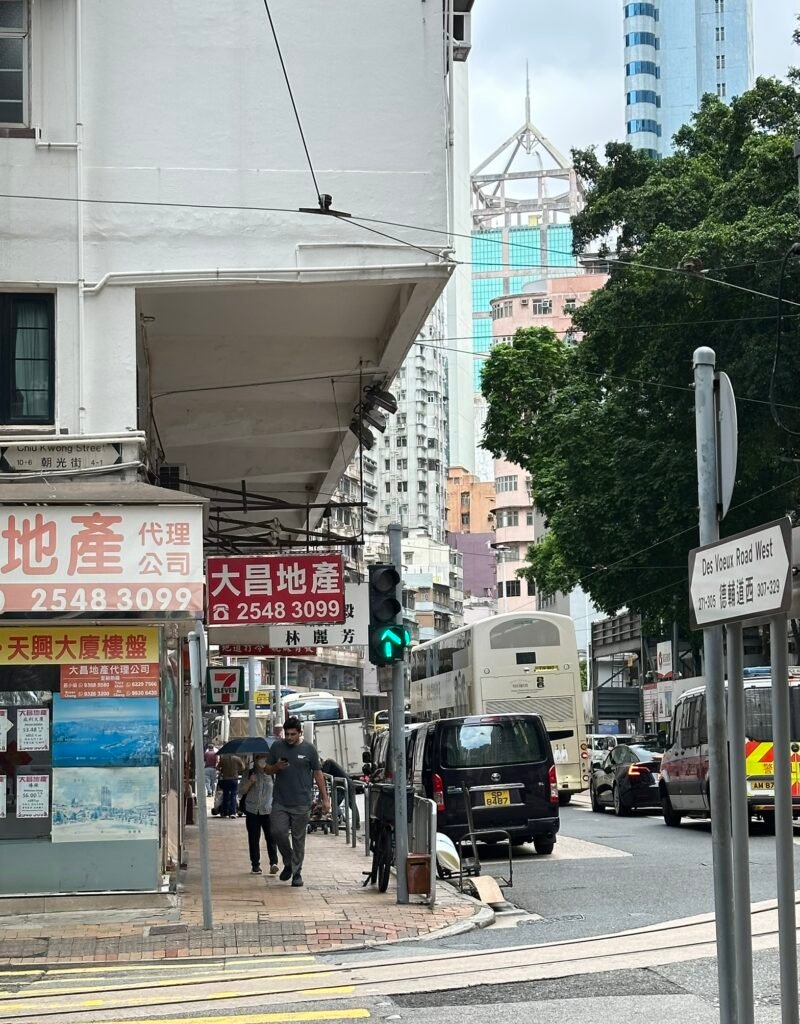
One Street, Several Hong Kongs

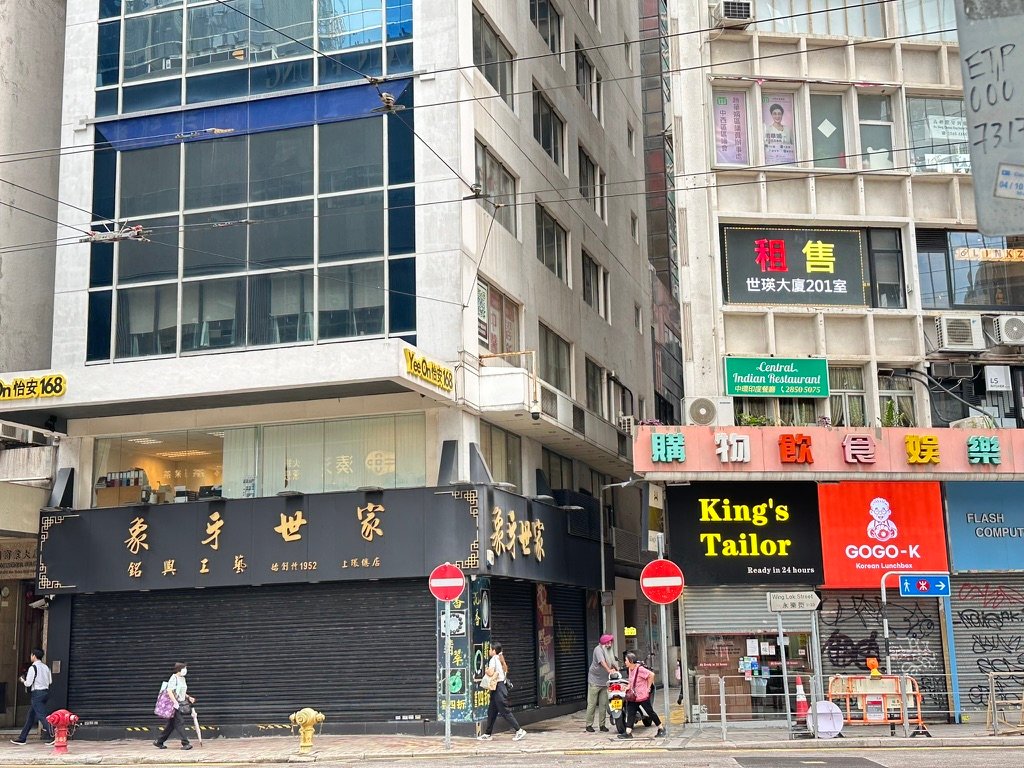
[PHOTO: Wing Lok Street (永樂街), Sheung Wan]

Dad likes this photograph.

At first glance, there is nothing spectacular happening.

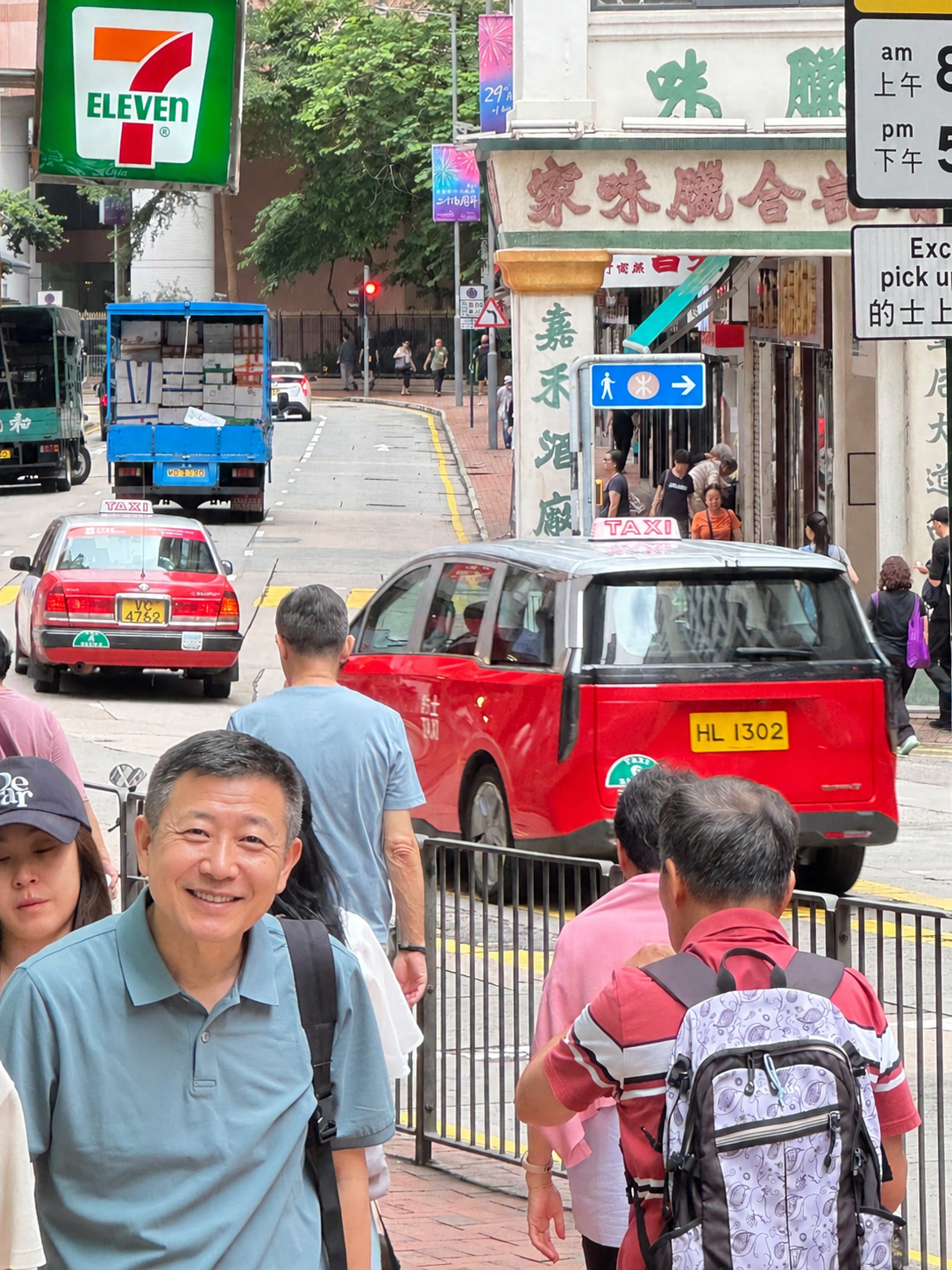
It’s simply a street corner in Sheung Wan (上環).

But look a little longer.

And look at the signs.

There’s English:

King’s Tailor.

Central Indian Restaurant.

Korean Lunchbox.

Then there are the Chinese characters:

租售 — property for rent and sale.

購物・飲食・娛樂 — shopping, food and entertainment.

And across the older shopfront:

象牙世家.

Above everything are glass-fronted offices, aging concrete buildings, air conditioners, tram wires and apartments.

Down at street level, people are simply getting on with their day.

English and Chinese. Old and new. Local and international.

All in one photograph.


Look Up. Then Look Down.

That’s one of the pleasures of walking around Sheung Wan (上環).

Hong Kong’s contrasts aren’t always separated into different neighborhoods.

Sometimes they’re separated by only a few meters.

A traditional-looking Chinese shopfront can sit beneath an office building.

An Indian restaurant can be above a tailor.

A Korean lunchbox shop can sit beside them.

English signs compete with Traditional Chinese characters.

An older concrete building stands beside a newer glass façade.

And above the whole scene?

The web of tram wires reminds you that you’re still standing on a working Hong Kong street.

This isn’t an open-air museum preserving “Old Hong Kong.”

And it isn’t a shiny new city that has erased everything that came before.

Both are still here.

Living on top of one another.


And This Is Why Dad Likes Walking

If we’d gone underground, taken the MTR and emerged at our next destination, we might never have noticed this street.

Nothing here would necessarily appear on a first-time visitor’s must-see list.

But Dad wanted Elaine to notice precisely this kind of Hong Kong.

Not just:

Where are the famous buildings?

But:

What is this street telling us?

Why are the buildings different ages?

Why are Chinese and English everywhere?

What businesses have survived?

What businesses are new?

Who lives here?

Who works here?

Who eats here?

🐇

One photograph.

Several rabbit holes.

That’s the advantage of walking.

Sometimes seeing Hong Kong better begins with stopping somewhere that wasn’t on the itinerary.


WALK EAST →

Toward Central — Our Busy, Buzzing Hong Kong

On another day, or even later the same day if our legs were willing, we could leave the hotel and head in the opposite direction.

East.

Toward Central (中環).

And gradually, the feeling changed.

More people.

More offices.

More commercial activity.

More modern buildings.

More movement.

More of that unmistakable Hong Kong energy.

Busy. Buzzing. Moving.

This was another Hong Kong Dad wanted Elaine to experience.


We Didn’t Have to Choose Between the Two

This was what Dad liked most about our location.

I wanted Elaine to experience neighborhood Hong Kong.

But that didn’t mean avoiding Central.

Quite the opposite.

Central is part of Hong Kong too.

So instead of deciding:

Should we experience local Hong Kong?

or:

Should we experience modern commercial Hong Kong?

Dad’s answer was:

Why not walk between them?

🐞

Start around Sheung Wan.

Walk east.

Watch the city change.

The transition itself becomes part of the journey.


Walking Lets You Feel the Transition

Of course, we could take the MTR.

And sometimes we did.

Hong Kong’s public transportation makes getting around wonderfully convenient.

But when distance, weather and energy levels allowed, Dad preferred walking.

Because the MTR is brilliant at transporting you from:

A → B.

Walking shows you what exists between:

A …………….. B.

That’s a very different travel experience.

You notice when streets become busier.

When buildings change.

When shops change.

When the crowd changes.

When the rhythm of the city changes.

You don’t just arrive in Central.

You feel yourself walking into Central.


🐞 Dad’s Sheung Wan Strategy

Looking back, Dad’s strategy was remarkably simple.

← WEST: WALK TOWARD SAI YING PUN

Slow down.

Neighborhood streets.

Markets.

Local food.

Coffee.

Everyday life.

Walk without needing a major attraction at the end.


↑ UPHILL: EXPLORE OLD SHEUNG WAN

Climb.

Commercial streets.

Restaurants.

Shops.

Older buildings.

Heritage.

Man Mo Temple.

Let the rabbit holes appear.

🐇


EAST →: WALK TOWARD CENTRAL

Speed up.

More people.

More commerce.

More offices.

More modern Hong Kong.

Feel the city become busier and more intense as you approach Central.


And Back at Our Base…

Ibis Hong Kong Central & Sheung Wan.

Value for money.

Everyday Hong Kong outside the door.

About a 10-minute walk to the MTR for journeys farther away.

And about a 10-minute walk to the Hong Kong–Macau Ferry Terminal.

That combination worked extremely well for us.


Then Our Location Became Useful for Macau

One morning, the strategic side of Dad’s hotel choice became particularly obvious.

We were heading to Macau (澳门, Àomén).

Our journey began:

hotel → walk → Hong Kong–Macau Ferry Terminal

Roughly 10 minutes.

Simple.

From there, Dad and Elaine took the ferry to Macau.

And after our Macau day, we returned to Hong Kong by bus across the Hong Kong–Zhuhai–Macau Bridge.

So our Sheung Wan base wasn’t only good for exploring the neighborhood.

It also fitted neatly into the wider journey.

We documented that journey separately:

👉 Hong Kong to Macau Day Trip: Ferry to Macau, Bus Back to Hong Kong — Step by Step


Would Dad Stay at This Ibis Again?

Yes.

That’s why it qualifies as one of Dad’s Favorite Hotels.

Not because it’s the fanciest hotel we’ve stayed in.

Not because everybody visiting Hong Kong should automatically stay there.

And certainly not because there’s a booking link in this article.

Dad recommends it because we actually stayed here and the hotel worked extremely well for the way we traveled.

For our journey, we got:

value for money

+

a strategic location

+

neighborhood Hong Kong outside our door

+

walking access toward Sai Ying Pun

+

walking access toward Central

+

older Sheung Wan uphill

+

easy MTR access

+

easy access to the Macau ferry

That’s a hotel Dad can recommend with confidence.

👉 Check Ibis Hong Kong Central & Sheung Wan rooms and current prices on Trip.com

If this hotel doesn’t suit your dates, budget or travel style, you can compare other Hong Kong accommodation:

👉 Check Hong Kong hotels and current prices on Trip.com

ChinaTravelBUG may earn a commission if you book through our Trip.com links, at no extra cost to you.


Would Dad Recommend the Sheung Wan Strategy?

Yes — especially if you enjoy walking.

Not necessarily this exact hotel.

And not necessarily Sheung Wan for every traveler.

Different travelers need different bases.

If you want Victoria Harbour immediately outside your door, another neighborhood may suit you better.

If shopping is your overwhelming priority, you may choose somewhere else.

If you want to be right in the middle of Central, stay in Central.

But Dad would strongly recommend thinking about your hotel in a slightly different way.

Don’t only ask:

How close is it to the MTR?

Ask:

What can I experience when I walk out of the hotel?

For us, that question changed the value of the location.


Your Hotel Can Be Part of Your Travel Strategy

A hotel doesn’t have to be simply:

sleep → wake up → leave

Choose the right location and it can become the pivot around which you experience a city.

For us:

← Walk west for neighborhood Hong Kong.

↑ Walk uphill for old streets, food and heritage.

Walk east → for busy, buzzing Central.

Take the MTR when we wanted to go farther.

Walk to the ferry terminal when it was time for Macau.

That’s a lot of Hong Kong accessible from one value-for-money base.

And much of it didn’t require another ticket.

Just comfortable shoes.

😂


🐞 What This Story Shows

This isn’t really a hotel review.

And it isn’t a list of the “10 Best Things to Do in Sheung Wan.”

It’s about something Dad has increasingly learned from traveling with Elaine:

Where you stay can change what you notice.

I wanted Elaine to experience everyday Hong Kong.

Not instead of the famous Hong Kong.

Alongside it.

The neighborhood market and Central.

The local food shop and the commercial street.

The old temple and the modern building.

The Ding Ding and the MTR.

Coffee and sightseeing.

Slow Hong Kong and buzzing Hong Kong.

Sheung Wan allowed us to move between those experiences naturally.

Often on foot.


Planning Your Own Hong Kong Trip?

If you’re deciding where to base yourself, our practical guide compares the main areas:

👉 Where to Stay in Hong Kong: Best Areas for First-Time Visitors

For the bigger picture:

👉 Planning Your First Trip to Hong Kong: A Complete Guide for First-Time Visitors

For transportation:

👉 Getting Around Hong Kong: MTR, Octopus, Buses, Trams, Ferries & Taxis

And for building your sightseeing days:

👉 What to Do in Hong Kong: A Realistic First-Time Itinerary

Those articles explain how to plan Hong Kong.

This article is simply how Dad planned our little corner of it.


We Just Walked Outside

Looking back at our photographs, the interesting thing is how many of our memories aren’t famous attractions.

A Ding Ding coming down the street.

An old bicycle.

A market.

Someone preparing food.

Chinese characters above a shop.

A little kitchen window.

Coffee.

Walking uphill.

Walking west.

Walking east.

Dad and Elaine wandering without needing to arrive somewhere immediately.

I chose Sheung Wan because I wanted Elaine to experience some everyday Hong Kong.

But we didn’t have to sacrifice the big-city Hong Kong to get it.

That was the beauty of our base.

Walk west and Hong Kong slowed down.

Walk uphill and its older layers appeared.

Walk east and Hong Kong sped up.

And whenever we came back?

We were home in Sheung Wan.

Maybe seeing Hong Kong doesn’t always begin when you reach Victoria Peak, Victoria Harbour or your first famous attraction.

Sometimes it begins much earlier.

You walk downstairs from your hotel.

Choose a direction.

And start walking.

🐞

Real Journeys. Real Stories. Real China.

ChinaTravelBUG — See China. Understand It Better.

KC2

Writer & Blogger

Related Posts:

  • All Post
  • CHINA Bites
  • China Trains & Transportation
  • China Travel Made EASY
  • China. The Big Decision
  • DEEP China Series
  • DEEP China. Michelin BIG Questions Series
  • DESTINATIONS
  • Elaine's notes
  • First Time China Travel ESSENTIAL Guides
  • First Time Visiting Beijing
  • First Trip to China. The Decision Series
  • FOLLOW OUR STORIES
  • From Our Beijing Guides
  • Hong Kong
  • Internet, SIM cards, Alipay & WeChat Pay
  • LOCAL GUIDES
  • Macau
  • Michelin History Tasting JOURNEY
  • OUR JOURNEY
  • Plan First China Trip
  • Real China Travel Questions - Answered
  • SIGNATURE Beijing Series
  • START HERE
  • Travel Out from Xi’an
  • Travel Tips
  • UNDERSTAND CHINA
  • UNESCO Sites
  • Visa & Entry Requirements
    •   Back
    • About ChinaTravelBUG
    •   Back
    • WHAT Is That?
    • WHY Do They Do That?
    • WHAT's Going On Here?
    • Am I Supposed to DO That TOO?
    • WHY Does It LOOK Like That?
    • WAIT... Is That REALLY?
    • WHY Does China Do It This Way?
    • WAIT... China Is LIKE THIS?
    •   Back
    • Beijing
    • Xi'an
    • Chengdu
    • Beyond Beijing
    • Beyond Xi'an
    • Explore More China
    •   Back
    • Meets Our Guides
    • Beijing Guide Advice
    • Beijing 50 Questions Answered
    • Customized Tours
    •   Back
    • ON THE MOVE
    • IN THE CITY
    • DAILY CHINA
    • WHAT WE ATE
    • PEOPLE WE MET
    • WHERE CURIOSITY TOOK US
    • WHERE WE STAYED
    • WHAT WE EXPERIENCED
    •   Back
    • Planning & Itineraries
    • Trains, Transport & Getting Around
    • Internet, eSIMs, VPNs, Phones, Apps
    • Payments, Money & Budget
    • Tickets, Attractions & Booking Ahead
    • Hotels, Food & Everyday Travel
    • Kids, Seniors & Different Travel Needs
    • Visa, Entry, Weather & Before You Go
    • Hong Kong & Macau Travel Questions
    •   Back
    • Museums & Chinese History
    • Signature Beijing Series

Hello, we're KC & Elaine..


We’re a father and daughter exploring China through real journeys, real traveler questions, and the little things that make us stop and ask, “Why?”

ChinaTravelBUG.com helps you travel China — and understand it better.

Come for practical answers to plan your trip. Follow our journeys to see what traveling in China is really like. And when something makes you curious, look a little deeper into the culture, history and everyday life behind what you see.

Along the way, we share our firsthand experiences, answers to real traveler questions, and insights from licensed local guides.


Come with us — SEE China. ASK questions. UNDERSTAND it better.

Popular Posts

  • All Post
  • CHINA Bites
  • China Trains & Transportation
  • China Travel Made EASY
  • China. The Big Decision

  • DEEP China Series
  • DEEP China. Michelin BIG Questions Series
  • DESTINATIONS
  • Elaine's notes
  • First Time China Travel ESSENTIAL Guides
  • First Time Visiting Beijing
  • First Trip to China. The Decision Series
  • FOLLOW OUR STORIES
  • From Our Beijing Guides
  • Hong Kong
  • Internet, SIM cards, Alipay & WeChat Pay
  • LOCAL GUIDES
  • Macau
  • Michelin History Tasting JOURNEY
  • OUR JOURNEY
  • Plan First China Trip
  • Real China Travel Questions - Answered
  • SIGNATURE Beijing Series
  • START HERE
  • Travel Out from Xi’an
  • Travel Tips
  • UNDERSTAND CHINA
  • UNESCO Sites
  • Visa & Entry Requirements
    •   Back
    • About ChinaTravelBUG
    •   Back
    • WHAT Is That?
    • WHY Do They Do That?
    • WHAT's Going On Here?
    • Am I Supposed to DO That TOO?
    • WHY Does It LOOK Like That?
    • WAIT... Is That REALLY?
    • WHY Does China Do It This Way?
    • WAIT... China Is LIKE THIS?
    •   Back
    • Beijing
    • Xi'an
    • Chengdu
    • Beyond Beijing
    • Beyond Xi'an
    • Explore More China
    •   Back
    • Meets Our Guides
    • Beijing Guide Advice
    • Beijing 50 Questions Answered
    • Customized Tours
    •   Back
    • ON THE MOVE
    • IN THE CITY
    • DAILY CHINA
    • WHAT WE ATE
    • PEOPLE WE MET
    • WHERE CURIOSITY TOOK US
    • WHERE WE STAYED
    • WHAT WE EXPERIENCED
    •   Back
    • Planning & Itineraries
    • Trains, Transport & Getting Around
    • Internet, eSIMs, VPNs, Phones, Apps
    • Payments, Money & Budget
    • Tickets, Attractions & Booking Ahead
    • Hotels, Food & Everyday Travel
    • Kids, Seniors & Different Travel Needs
    • Visa, Entry, Weather & Before You Go
    • Hong Kong & Macau Travel Questions
    •   Back
    • Museums & Chinese History
    • Signature Beijing Series

ChinaTravelBUG.com

Newsletter

Subscribe For Latest Updates
We'll send you the latest travel post and informed on what matters the most to you.

Categories

Tags

Edit Template