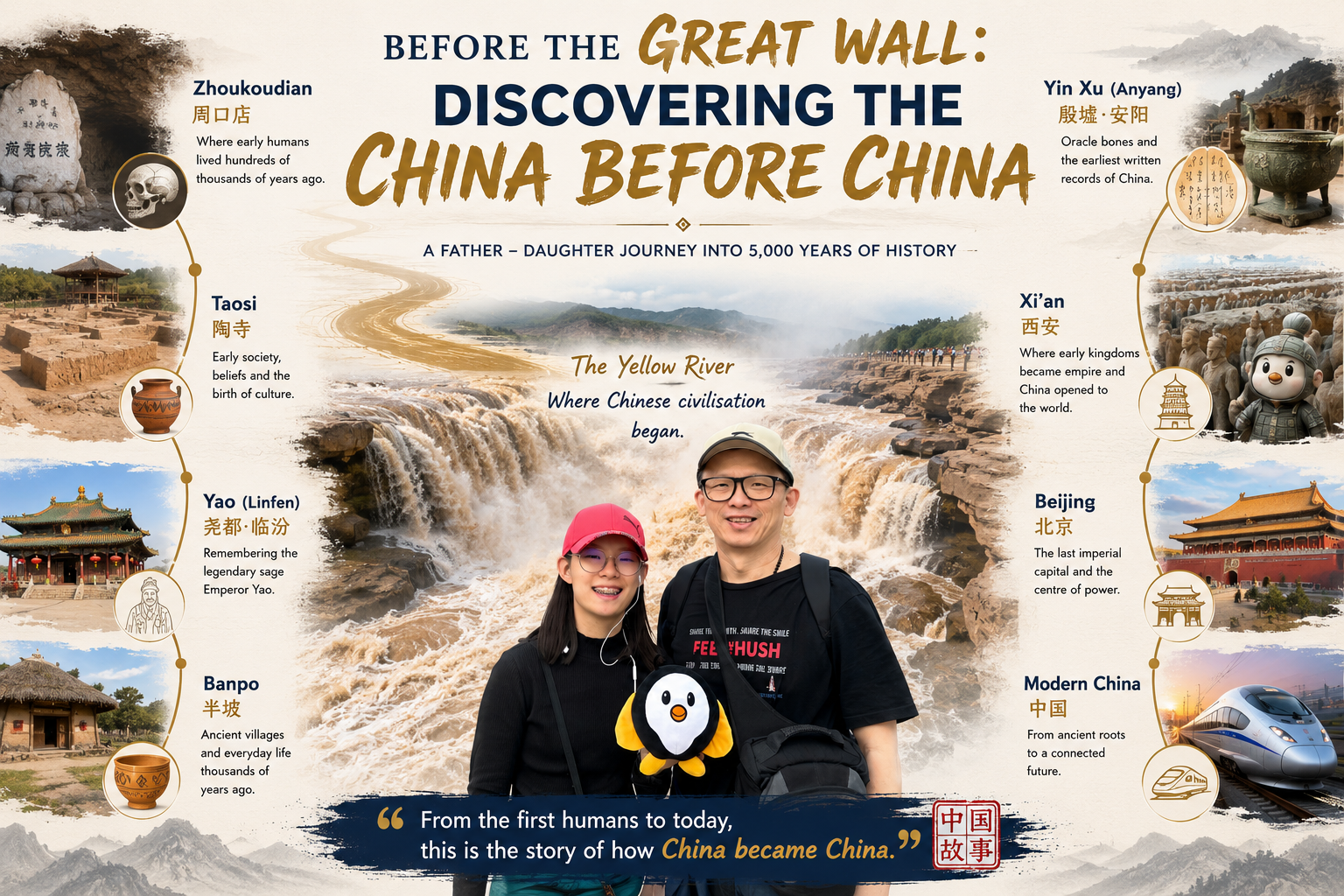
A Father and Daughter Journey Into China’s Earliest Stories
Most travellers begin their first China trip with two unforgettable images.
The endless stones of the Great Wall.
The golden roofs of Beijing’s Forbidden City.
And they should.
Standing on the Great Wall (长城 Chángchéng), looking across the mountains north of Beijing, you feel the scale of ancient China. Walking through the Forbidden City (故宫 Gùgōng), you step into the world of emperors who ruled from the capital.
These are among the greatest Beijing China tourist attractions and essential stops for anyone planning a trip to Beijing China.
But during our father-daughter journeys across China, Elaine and I slowly discovered another story.
A quieter story.
A much older story.
A China that existed before the emperors.
Before the Great Wall.
Before Beijing.
A journey into the question:
How did China become China?
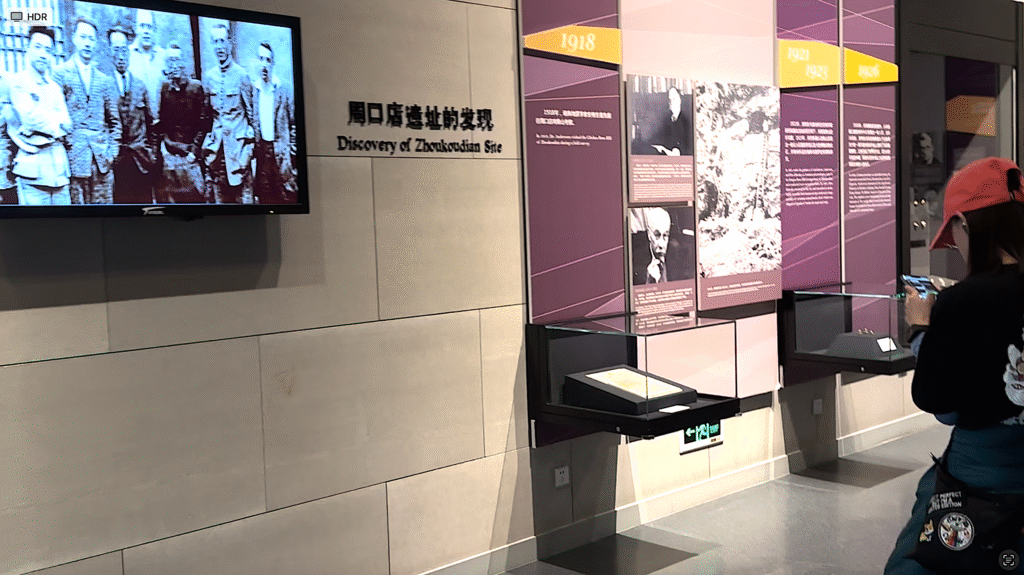
“Zhoukoudian 周口店 — a reminder that China’s story began long before emperors and dynasties.”
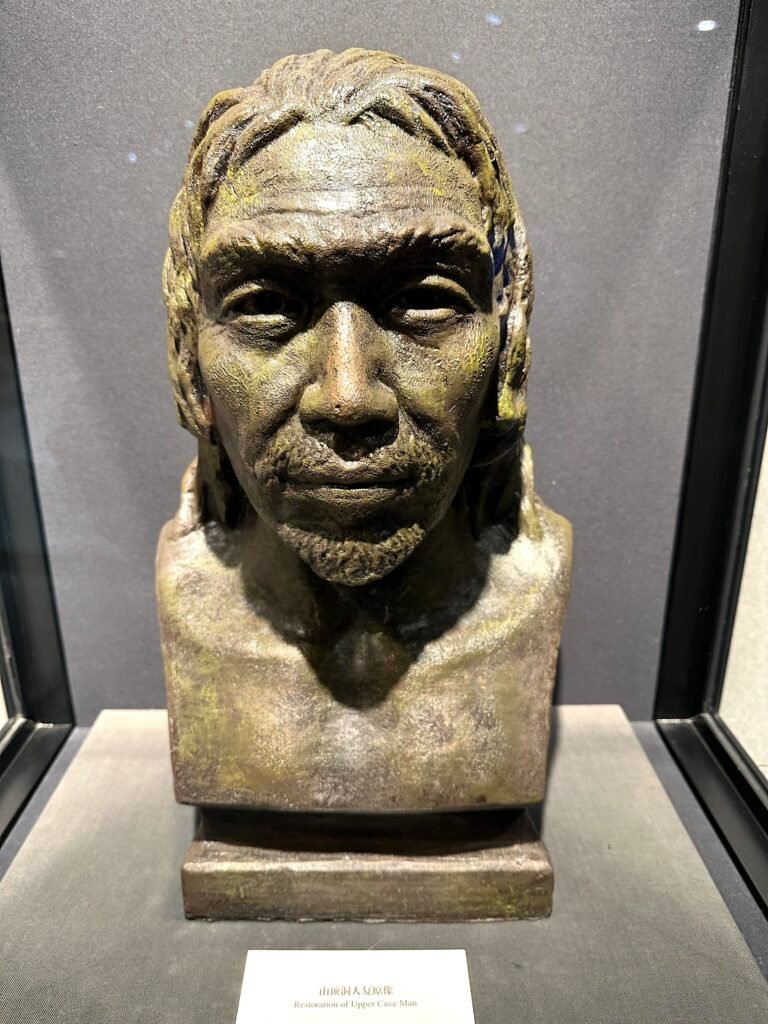
“Before the Forbidden City, before Xi’an, before written history — early humans were already living here.”
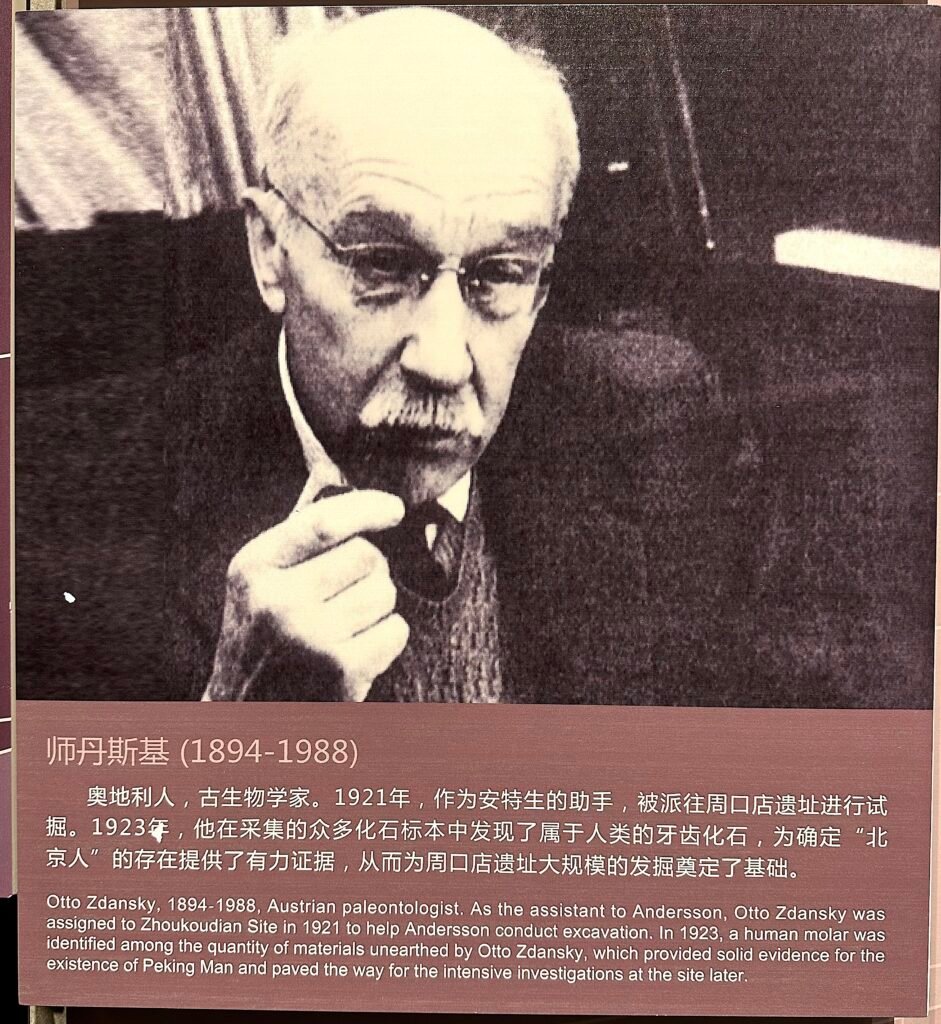
“Before China became China — the first chapter was humanity itself.”
Zhoukoudian 周口店 — Before China Became China
Our journey begins outside Beijing.
Not with emperors.
Not with dynasties.
But with early humans.
At Zhoukoudian (周口店), famous for Peking Man (北京人 Běijīng Rén), visitors discover a world hundreds of thousands of years before modern China existed.
This was not yet Chinese civilisation.
There were no characters.
No cities.
No emperors.
Only humans learning how to survive.
Walking here feels very different from visiting a palace.
It is like visiting early human sites in Europe or Africa — a reminder that every great civilisation begins with ordinary people adapting to nature.
For Elaine, this was an important lesson:
Before history becomes famous monuments, it begins with human stories.
Beginner Chinese:
人 (rén) = person / human
北京人 (Běijīng Rén) = Peking Man
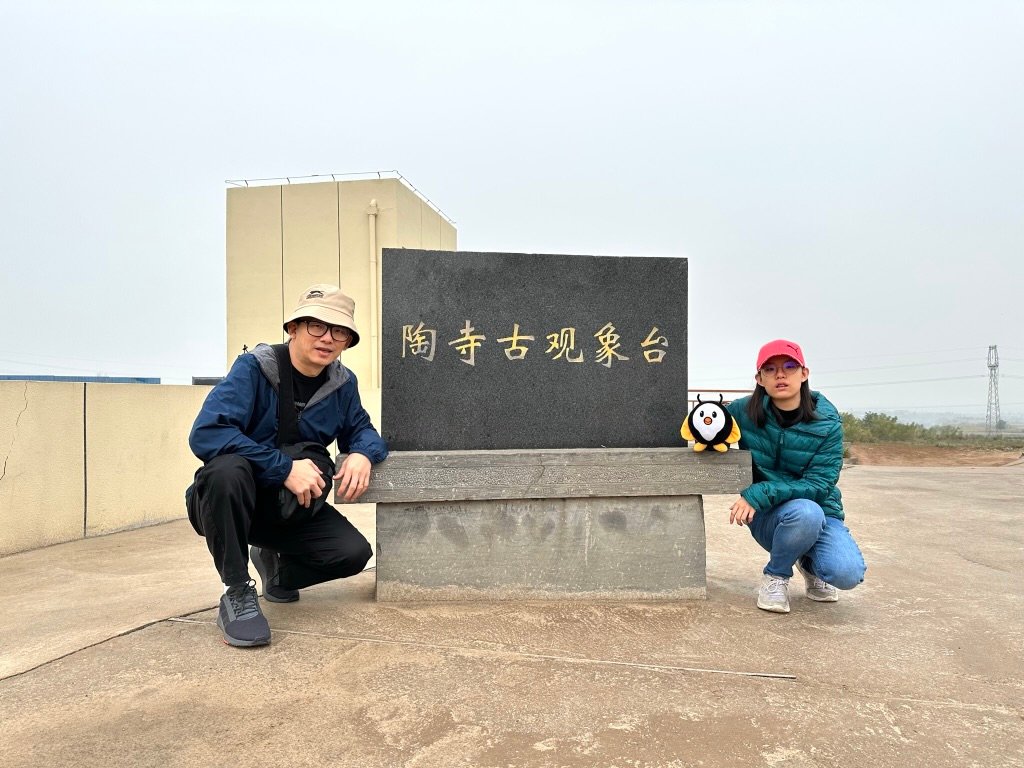
“Taosi 陶寺 — exploring one of the archaeological sites connected with early Chinese civilisation.”
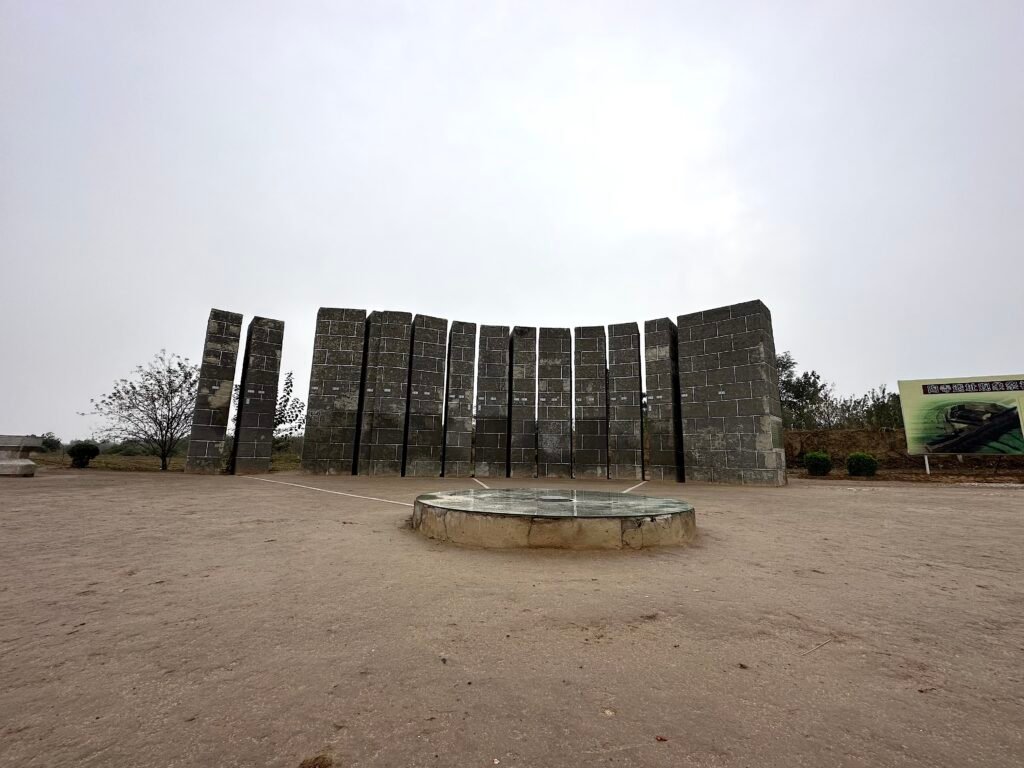
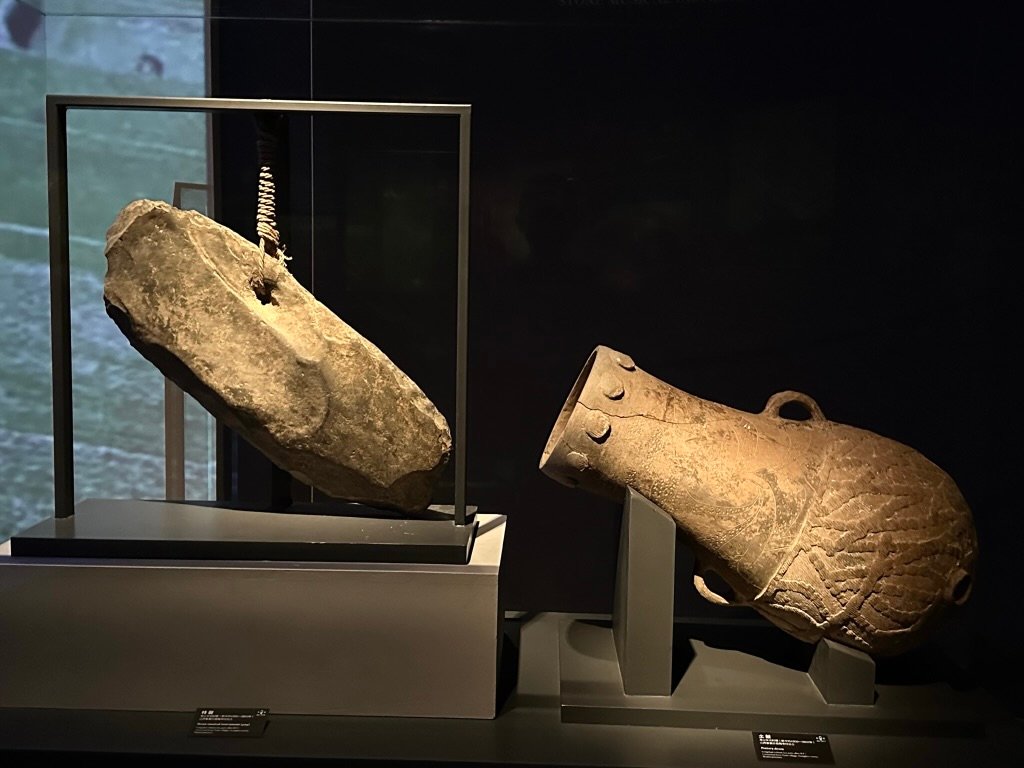
“Taosi 陶寺 — exploring one of the archaeological sites connected with early Chinese civilisation.”
Taosi 陶寺 — When Early Society Began
After humans came communities.
In Shanxi 山西 province, Taosi (陶寺) represents one of the most fascinating early civilisation sites connected with ancient Chinese cultural memory.
This was a time when people began creating more organised societies.
Questions started appearing:
How should people live together?
Who should lead?
How should time and seasons be understood?
Before China had emperors, these early communities were already developing ideas that would shape thousands of years of history.
For travellers who love ancient Egypt before the pyramids, or Mesopotamia before great empires, this is China’s equivalent journey.
Beginner Chinese:
古 (gǔ) = ancient
文化 (wénhuà) = culture
古文化 = ancient culture
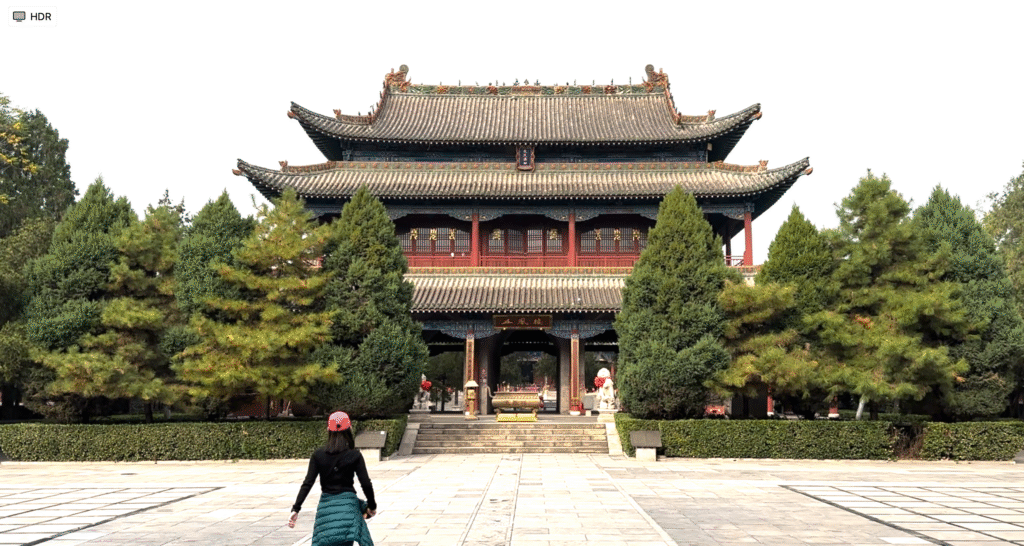
“At Yao Temple in Linfen — discovering the values remembered at the beginning of Chinese civilisation.”
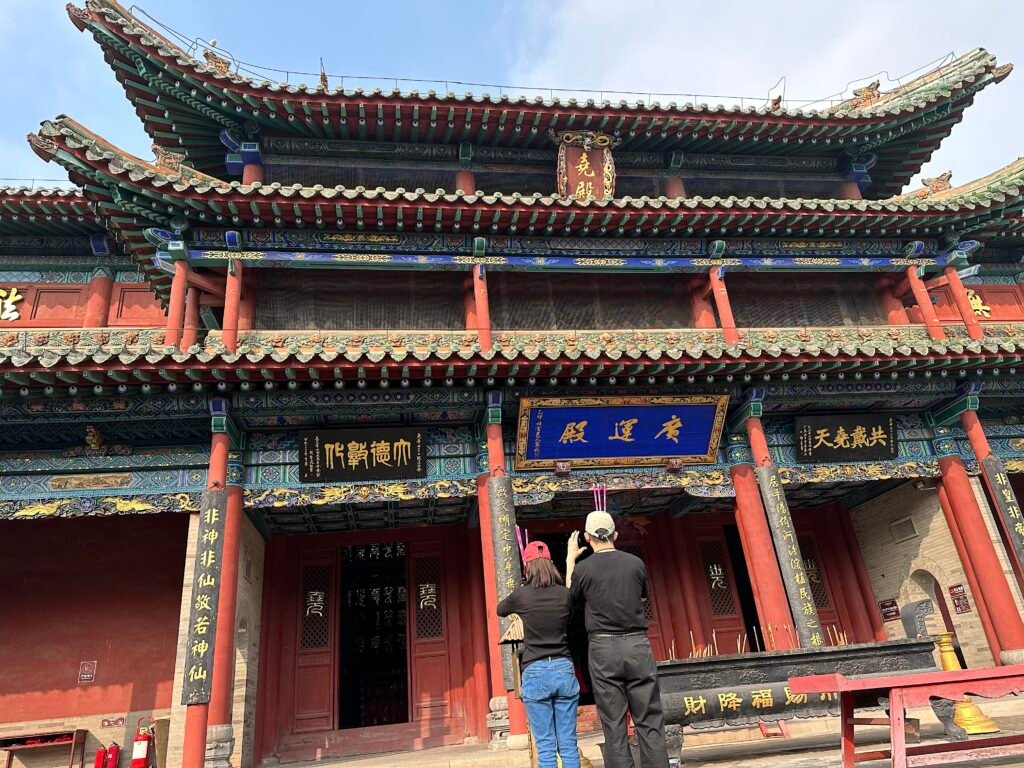
“Visiting Yao Temple 尧庙 in Linfen — exploring the memories connected with early Chinese civilisation.”
Yaodu Linfen 尧都临汾 — Searching for the Age of Yao
Some places are important not only because of what remains in the ground.
They are important because of the stories remembered for thousands of years.
Linfen 临汾 in Shanxi is traditionally connected with Emperor Yao (尧 Yáo), one of ancient China’s legendary sage rulers.
When we visited Yao Temple (尧庙 Yáomiào), it was not about finding a palace.
It was about understanding an idea.
Chinese civilisation has always remembered rulers not only by power, but also by virtue and responsibility.
The story of Yao represents one of China’s earliest ideas:
A leader should care for the people.
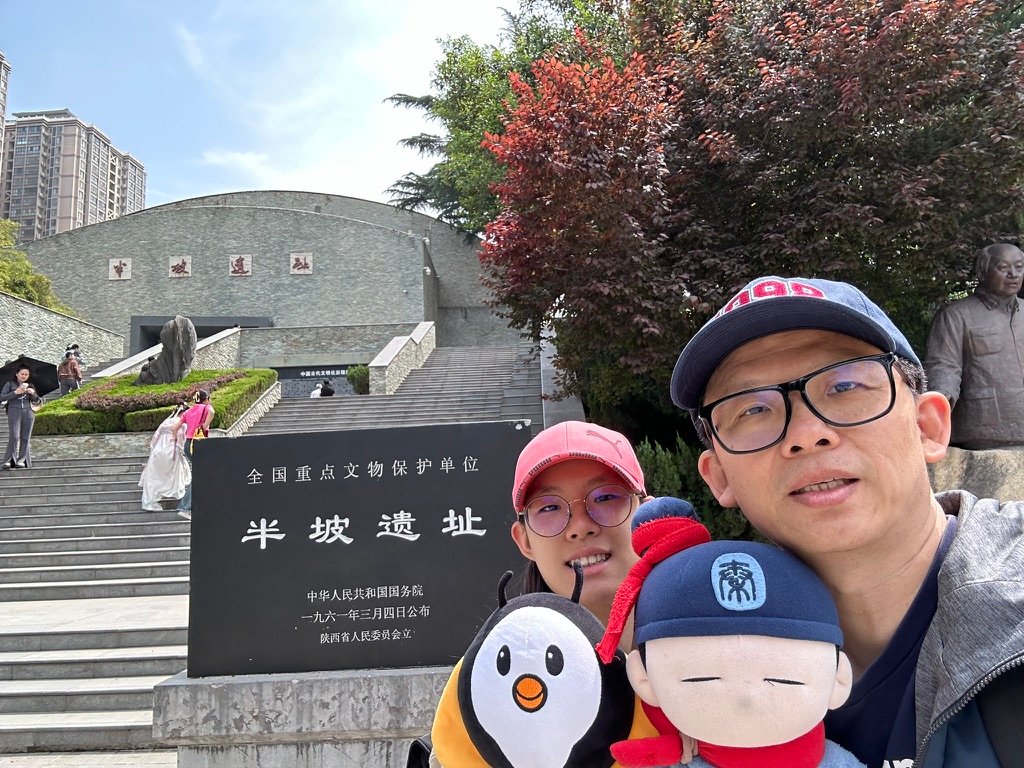
“Before Xi’an became an imperial capital, people were already building communities here.”
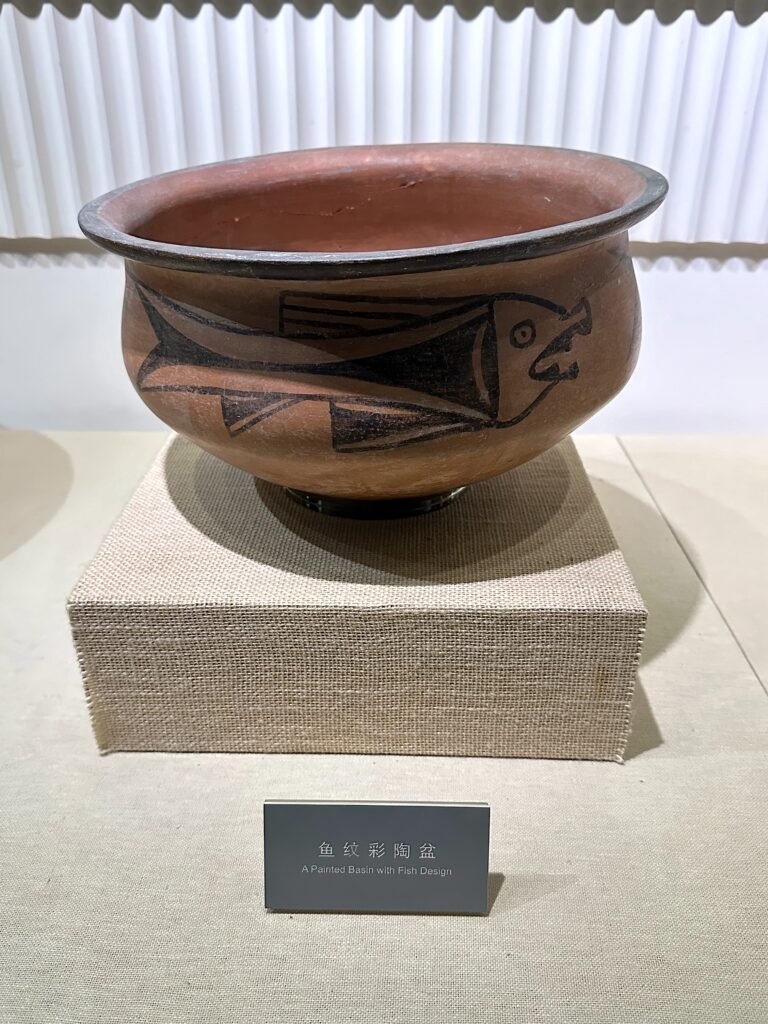
“Banpo 半坡 shows another side of ancient China — ordinary families, homes and daily life.”
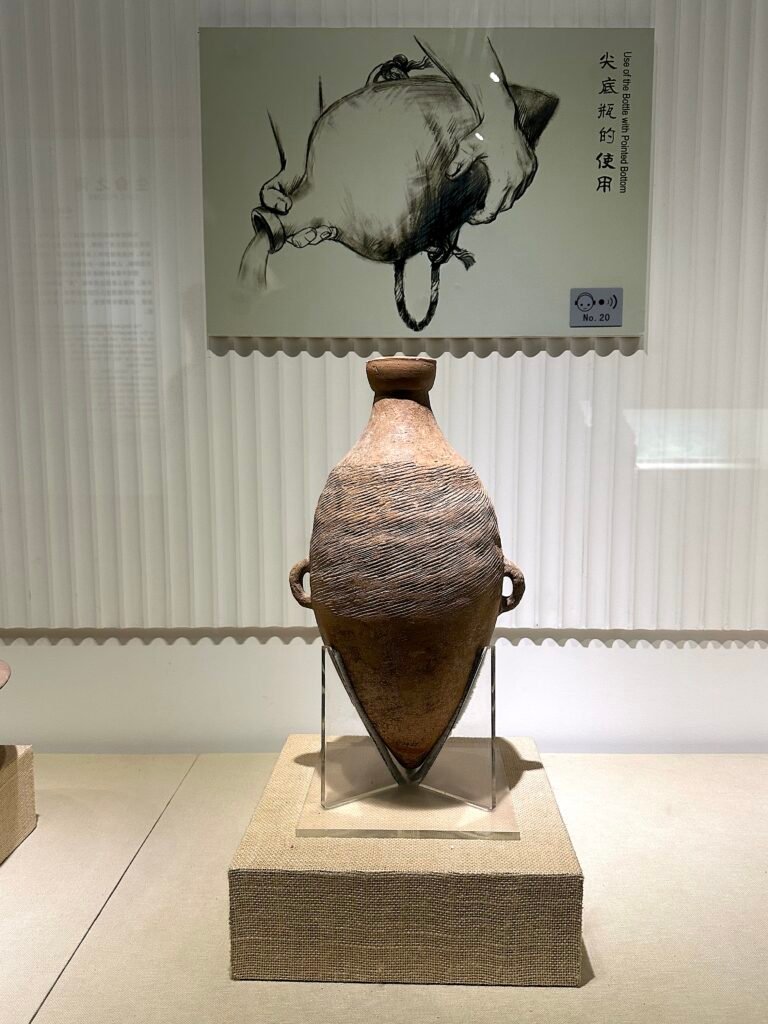
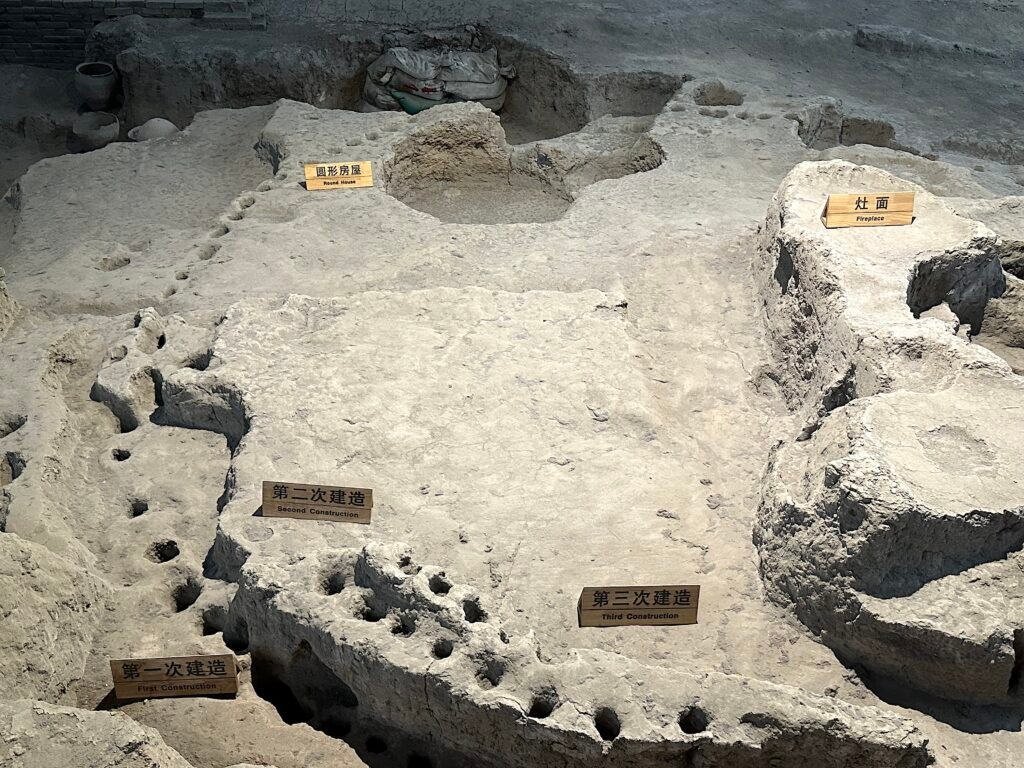
“Before palaces and emperors, civilisation began with communities.”
Banpo 半坡 — Everyday Life Before the Empires
Near Xi’an 西安 is another important window into early China.
Banpo (半坡).
Many travellers visit Xi’an only for the famous Terracotta Warriors.
But before Qin emperors and armies, ordinary families were already living here thousands of years earlier.
At Banpo, you discover:
- homes
- pottery
- villages
- daily life
This is the human side of ancient China.
History is not only kings and battles.
It is also families.
Beginner Chinese:
家 (jiā) = home / family
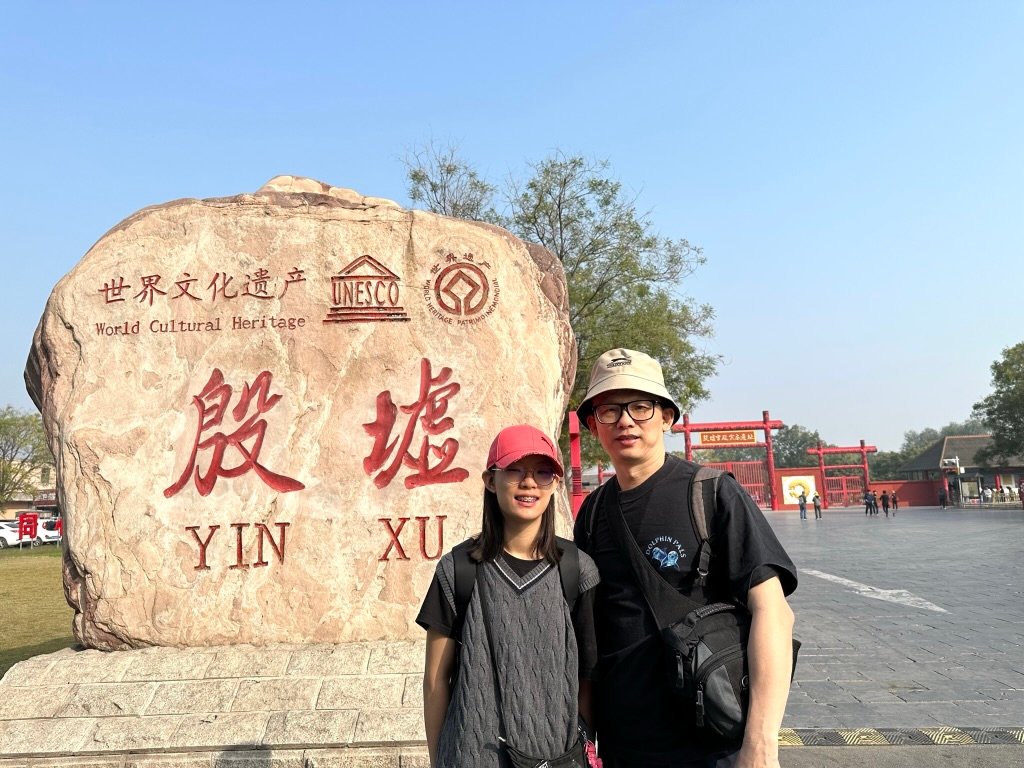
“The moment ancient China began leaving written memories behind.”
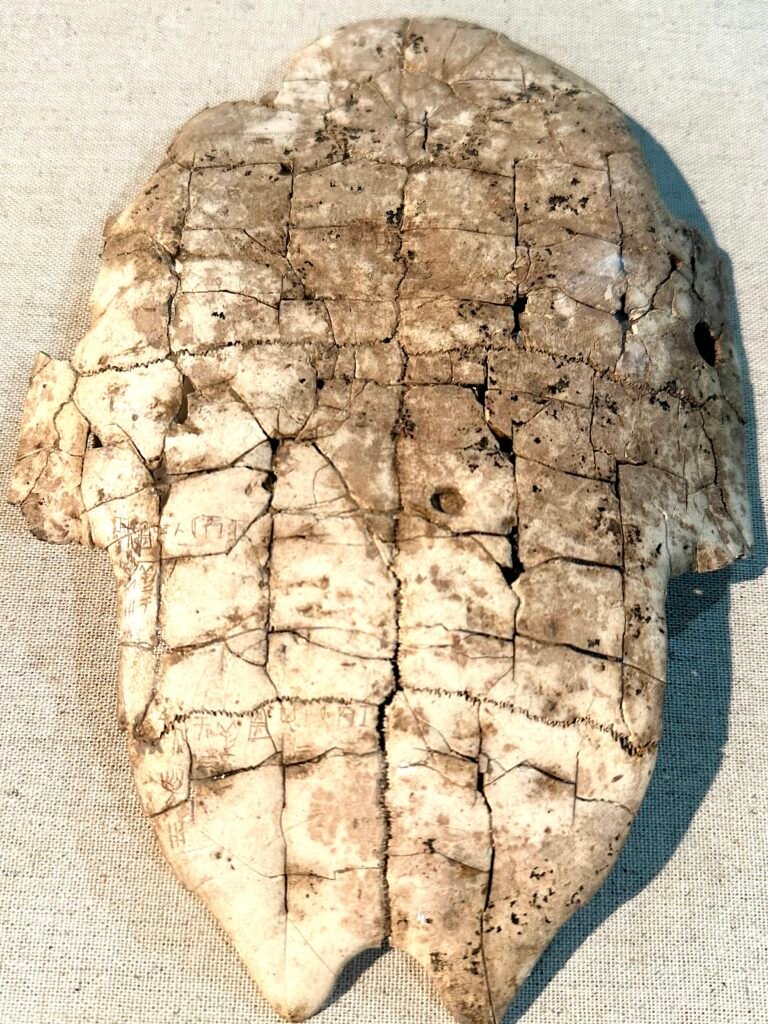
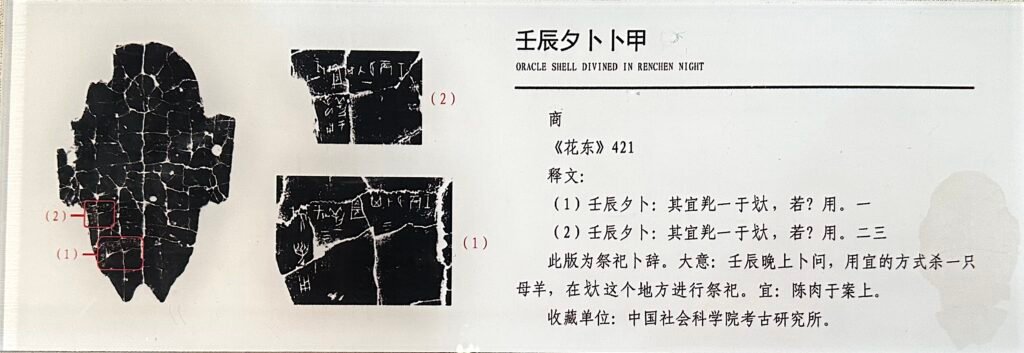
“Oracle bone inscriptions 甲骨文 — where China’s matured early writings recorded fascinating history.”
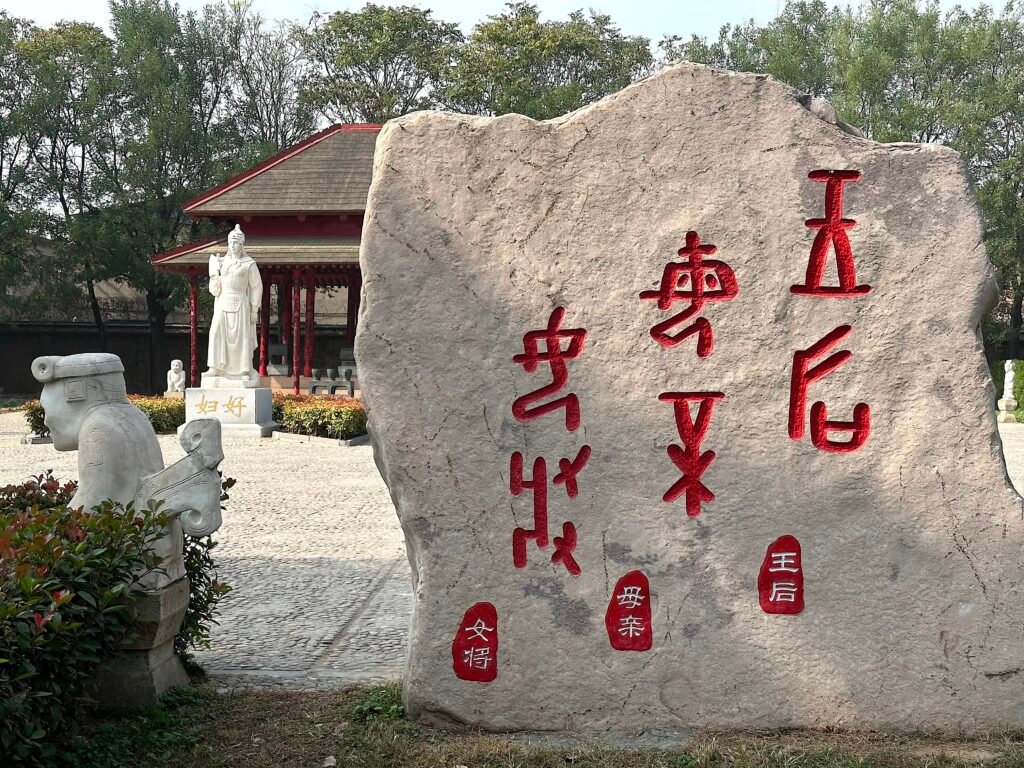
“The story of Fu Hao 妇好 reveals a powerful woman from China’s Bronze Age.”
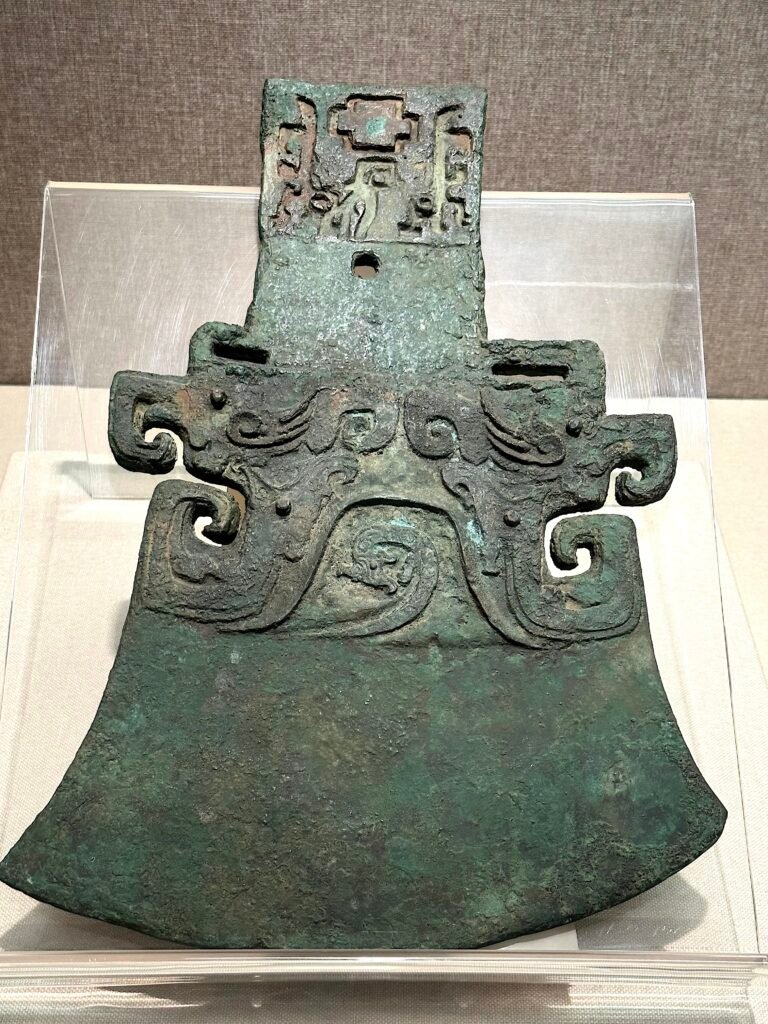
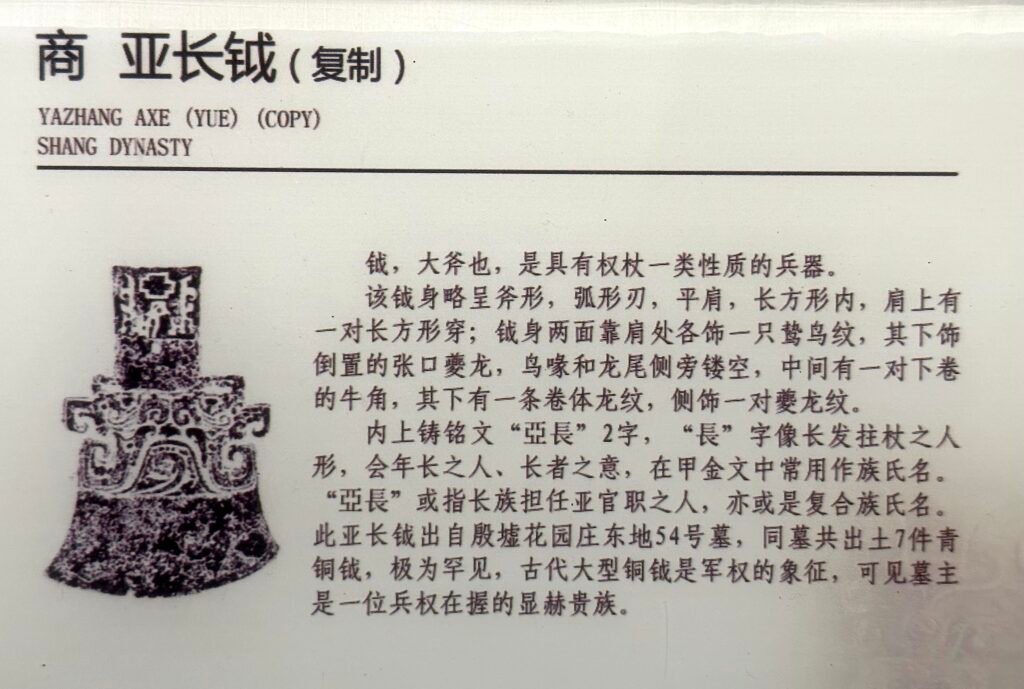
Before China had emperors, the Shang Dynasty (商朝) already had powerful generals, armies and bronze technology. This ceremonial battle axe (钺, yuè) from Yin Xu (殷墟) reminds us that ancient China was not only legends — it was a real civilisation with leaders, warriors and written history.
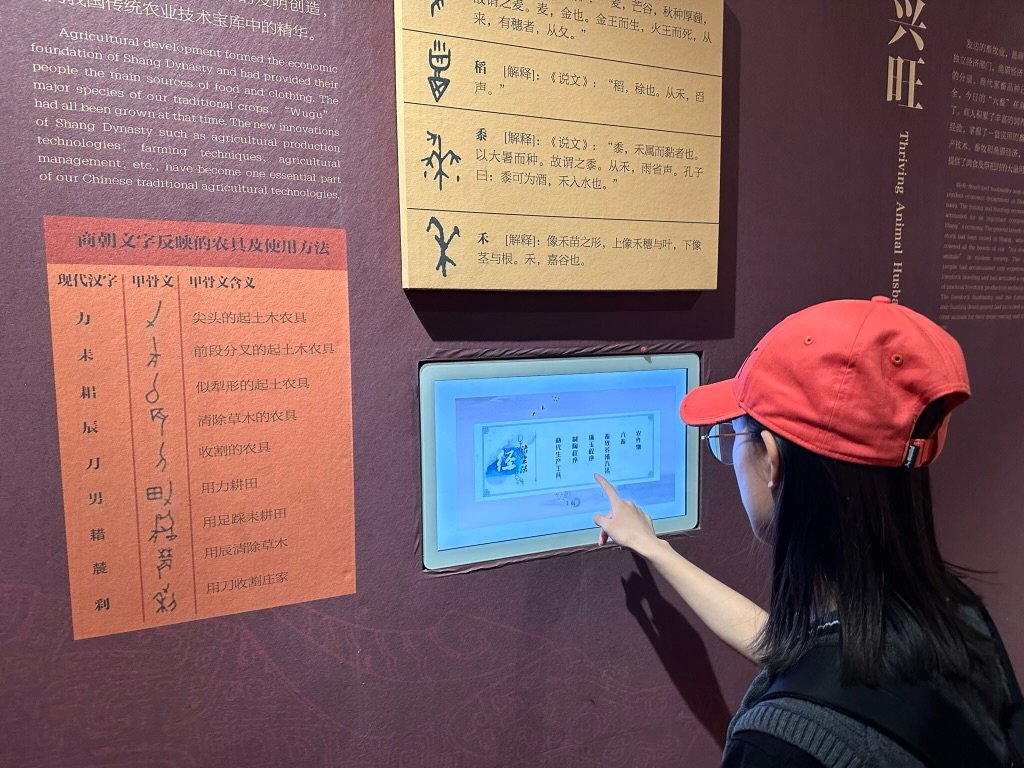
“Walking through Yin Xu — discovering the moments ancient stories became recorded history.”
Yin Xu 殷墟 — When Chinese History Found Its Voice
Then came one of the greatest turning points.
Writing.
At Yin Xu (殷墟) in Anyang 安阳, we reach the world of the Shang Dynasty (商朝 Shāng Cháo).
Here, archaeologists discovered oracle bones (甲骨文 Jiǎgǔwén).
Suddenly, ancient voices could speak again.
Names.
Questions.
Events.
A civilisation had begun recording itself.
For travellers trying to understand China history, Yin Xu is a bridge between legend and recorded civilisation.
Beginner Chinese:
文 (wén) = writing / culture
甲骨文 = oracle bone writing
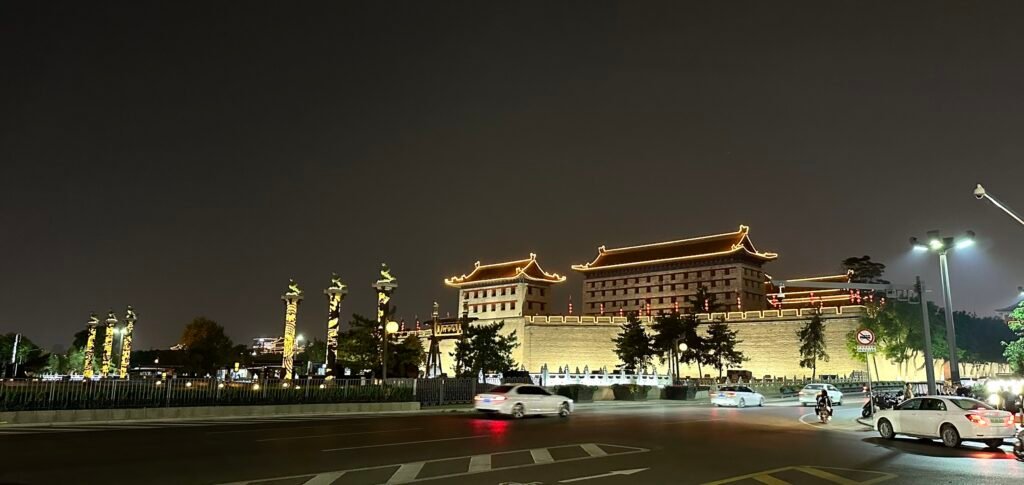
“From early civilisation to empire — Xi’an marks the rise of unified China.”
Xi’an 西安 — Where Early Civilisation Became Empire
Eventually these thousands of years of development led to one of China’s greatest historic cities:
Xi’an.
The Qin Dynasty united China.
The Terracotta Warriors (兵马俑 Bīngmǎyǒng) guarded an emperor.
Later, the Tang Dynasty connected China with the world through the Silk Road.
For many visitors planning a China vacation, Xi’an is one of the best places to visit in China because so many chapters meet here.
Ancient villages.
Early kingdoms.
Empire.
Global connections.
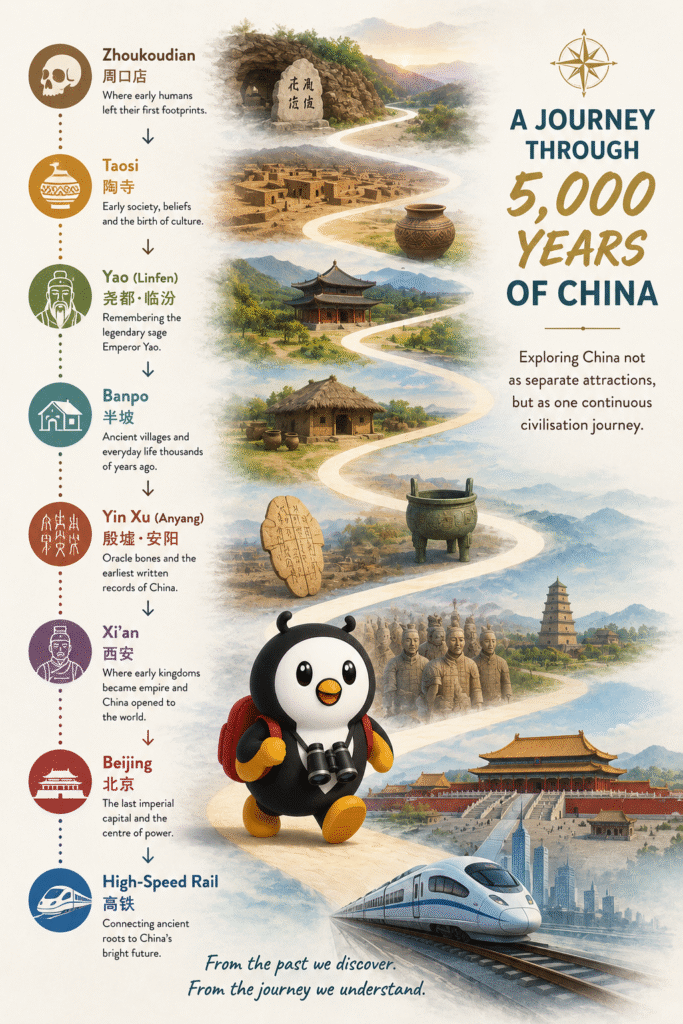
Why We Travel China This Way
Many people ask:
Beijing or Xi’an?
Great Wall or Terracotta Warriors?
Ancient or modern China?
After years travelling China with Elaine, we discovered something:
They are not separate choices.
They are chapters of one story.
Zhoukoudian showed us humanity.
Taosi showed society.
Yao showed values.
Banpo showed families.
Yin Xu showed writing.
Xi’an showed empire.
Beijing showed governance.
Modern China high-speed rail showed transformation.
Together, they form one continuous journey.
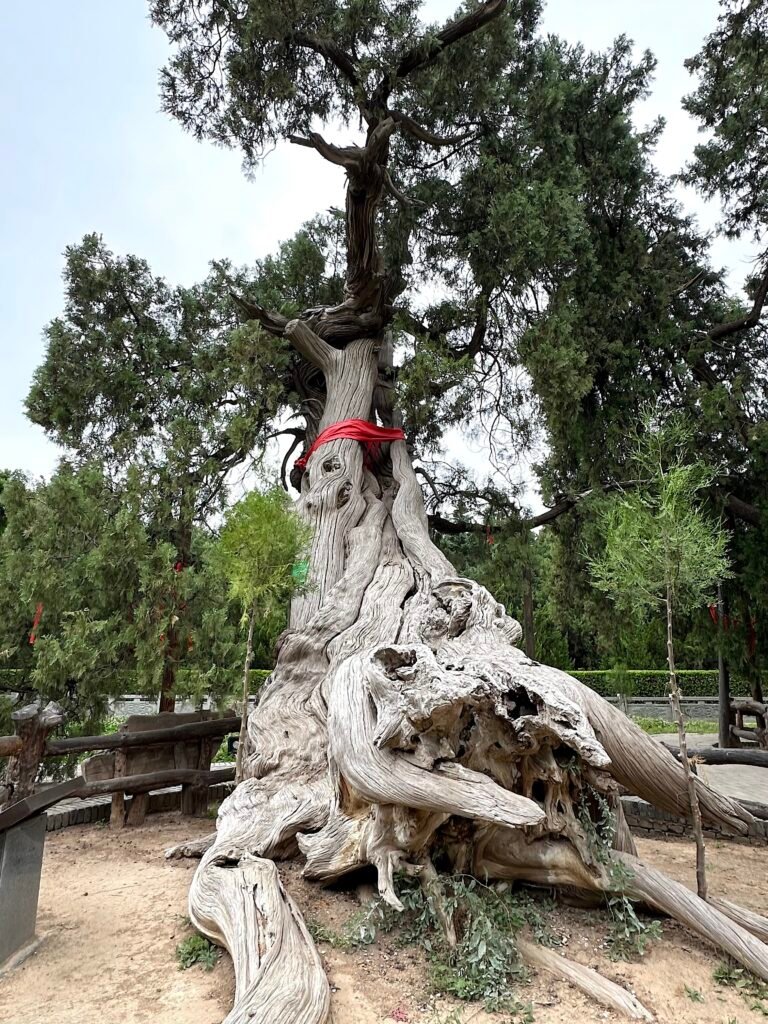
A 4,000-year-old cypress tree standing quietly at Emperor Shun Temple, YungCheng, Shanxi Province (舜帝陵), 山西运城 — a living witness from the era when China’s earliest civilisation stories were beginning to take shape. Long before emperors, palaces and the Great Wall, roots like these were already growing beside the Yellow River. We came searching for ancient China in books and museums… but sometimes history is simply standing in front of you. This ancient tree at Yao Temple has watched over thousands of years of change.
Final Thoughts: Discovering the China Before China
The Great Wall and Forbidden City show the China the world recognises.
But beyond them is an even older story.
A story of people, villages, ideas, writing and memory.
For Elaine and me, China travel became more than sightseeing.
It became a journey through time.
A journey to UNDERSTAND how one of the world’s oldest continuous civilisations began.
And some of the most meaningful places are not always the most famous ones.
Sometimes the quiet places tell the deepest stories.