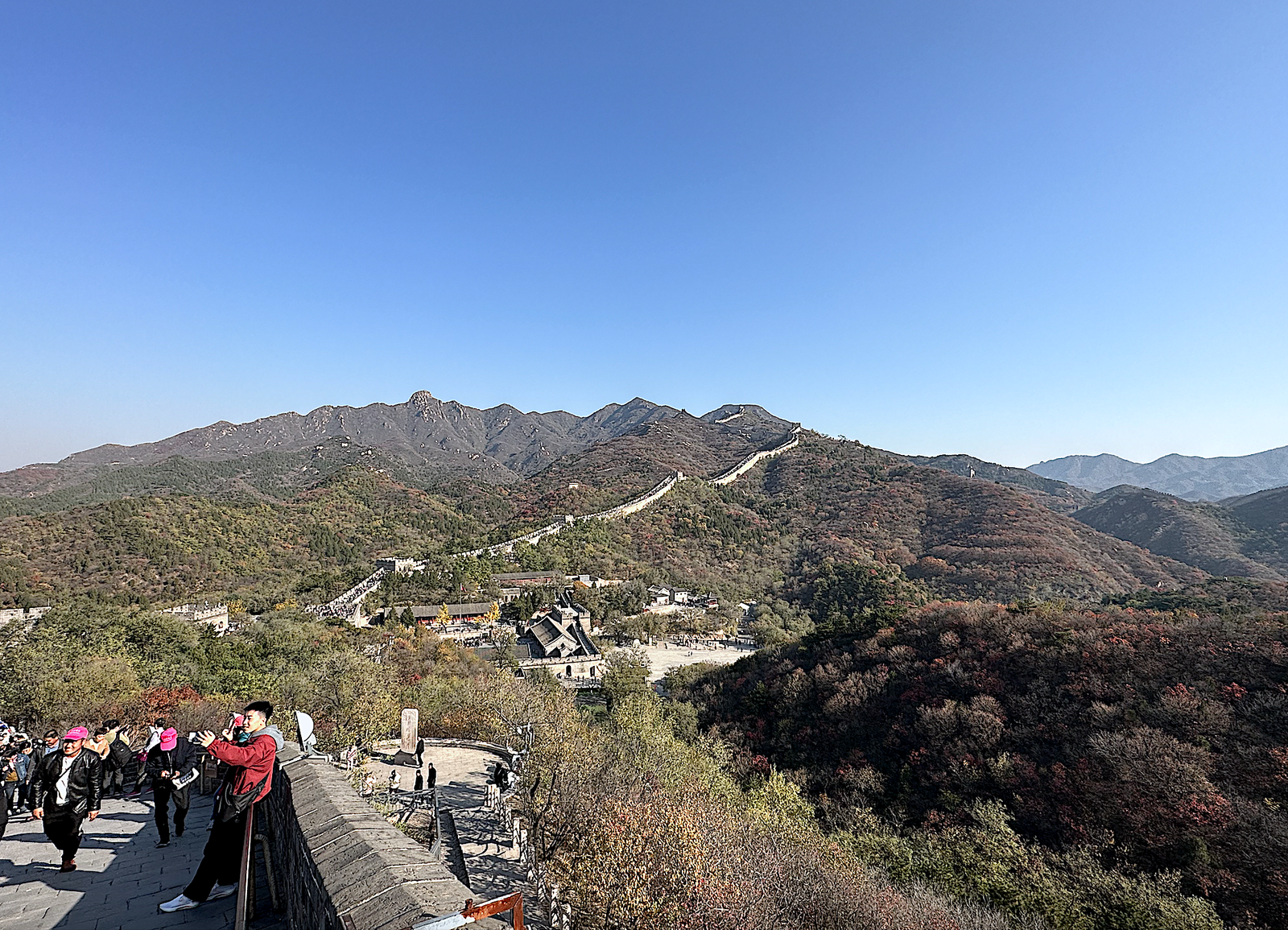
Few places represent China more than the Great Wall of China (长城).
For many travellers visiting Beijing, standing on the Great Wall is one of those once-in-a-lifetime experiences — a moment when something you have seen in photographs, documentaries, and history books finally becomes real.
It was also one of the first places where our China journey began.
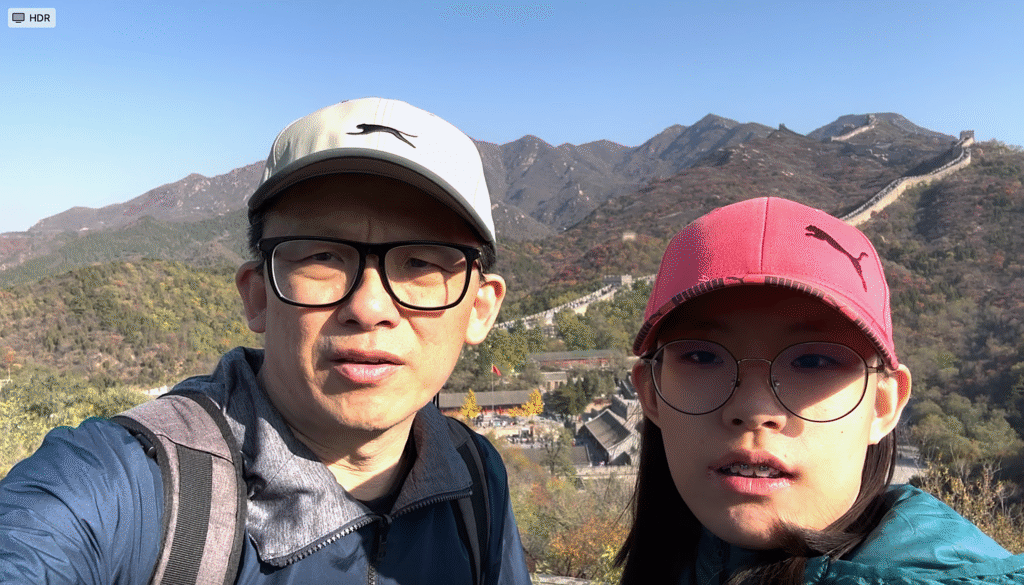
In 2013, I brought Elaine to Beijing for the first time.
She was only eight years old.
Back then, the Great Wall was simply something amazing — a giant wall stretching across the mountains, a famous place everyone said you must visit when travelling to China.
Many years later, after learning more about Chinese history, building her Chinese emperor timeline (中国皇帝时间线), and travelling through China’s ancient cities, the Great Wall started to mean something different.
It was no longer just a wall.
It became a story.
A story about ancient China, emperors, borders, people, and thousands of years of history.
Visiting The Great Wall From Beijing
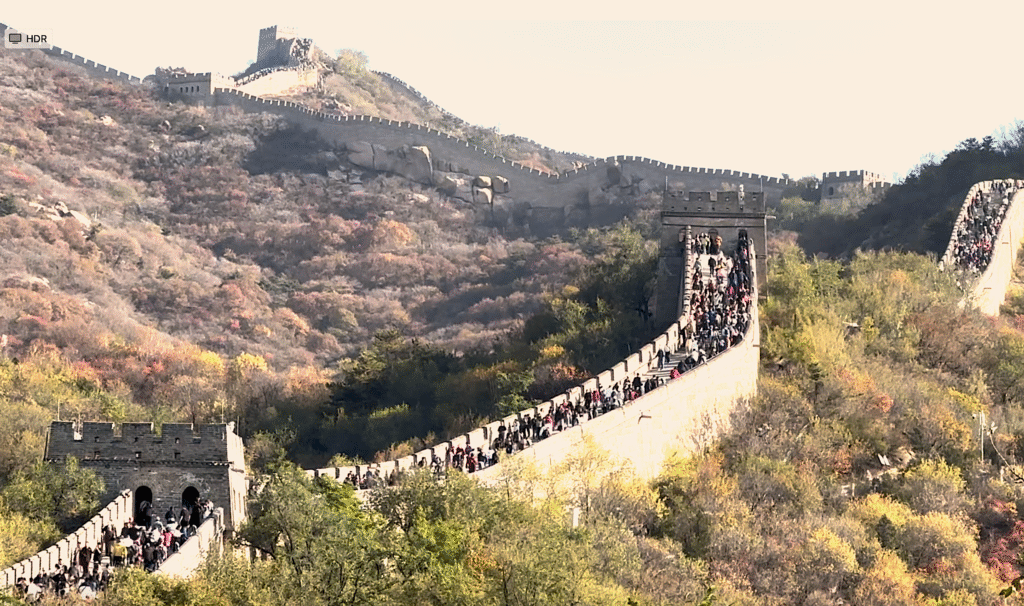
One reason the Great Wall is one of the top Beijing attractions is because several famous sections are easily accessible from China’s capital.
Many first-time visitors ask:
Which Great Wall section should I visit from Beijing?
The answer depends on what type of experience you want.
Badaling Great Wall (八达岭长城): The Classic First Visit
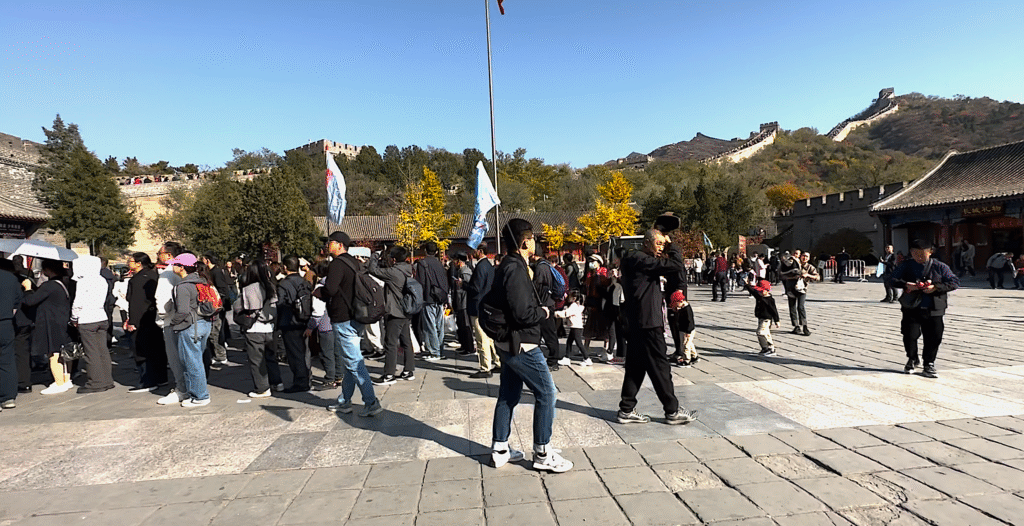
Badaling Great Wall is the most famous and most visited section of the Great Wall near Beijing.
This was also the section we visited during Elaine’s first Beijing trip.
For many travellers, Badaling is their first encounter with the Great Wall.
It is:
- well restored
- easier to access
- suitable for families
- one of the most iconic Great Wall experiences
Because of its popularity, it can also become crowded, especially during Chinese holidays.
But there is a reason millions of visitors come here.
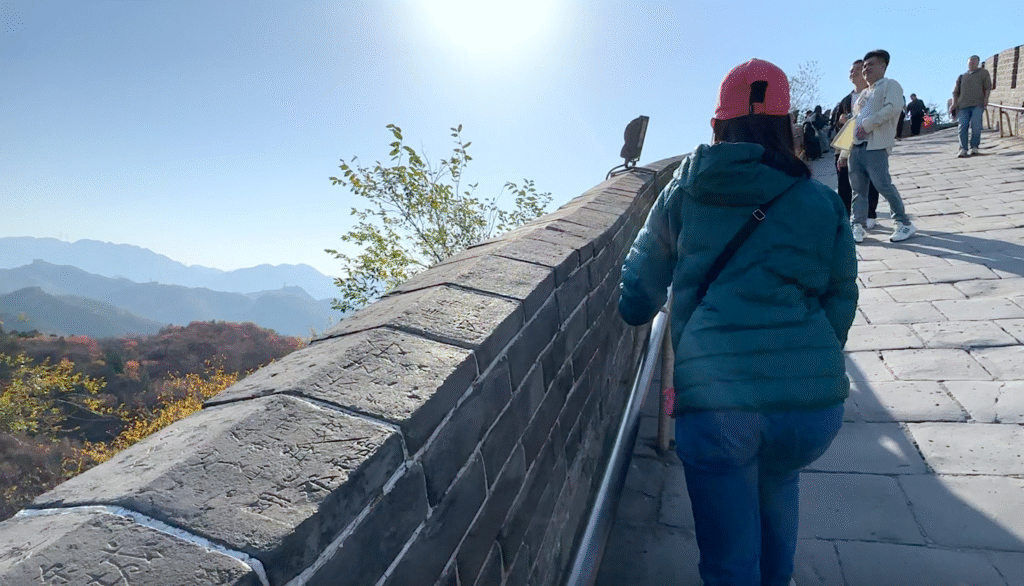
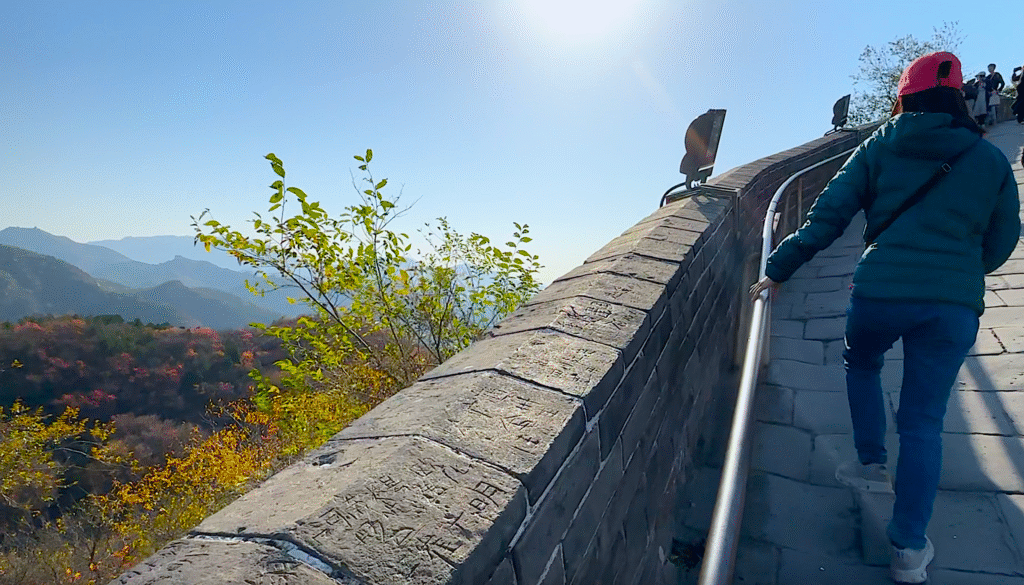
Standing on Badaling and watching the wall climb across the mountains gives you that unforgettable first impression:
“I am really standing on the Great Wall of China.”
Why Was The Great Wall Built?
Many people imagine the Great Wall as one continuous wall built by one emperor.
The real story is more complicated.
Different Chinese states and dynasties built walls over many centuries.
The most famous early story is connected with Qin Shi Huang (秦始皇), China’s first emperor, who connected earlier defensive walls after unifying China in 221 BC.
Later dynasties continued rebuilding and strengthening different sections.
Much of the Great Wall we see near Beijing today was developed during the Ming Dynasty (明朝).
The wall was not simply a barrier.
It represented ancient China’s challenges:
protecting borders,
managing relationships with northern peoples,
defending trade routes,
and maintaining control over a huge empire.

Seeing The Great Wall Differently Years Later
When Elaine first stood on the Great Wall as a child, she saw its size.
The steps.
The towers.
The mountains.
And honestly, that is already impressive.
But after years of exploring Chinese history, we realised something:
The Great Wall becomes even more amazing when you understand the stories behind it.
A stone wall is just a wall.
Until you imagine:
the soldiers who guarded it,
the workers who built it,
the emperors who worried about protecting their empire,
and the ordinary people whose lives were connected to it.
That is why we believe understanding a little history before travelling can completely change the experience.
Other Great Wall Sections Near Beijing
Badaling may be the most famous, but Beijing offers several different Great Wall experiences.
Mutianyu Great Wall (慕田峪长城)
A popular choice for international travellers.
It offers:
- beautiful mountain views
- restored walls
- fewer crowds compared with Badaling
Many visitors consider Mutianyu one of the best Great Wall sections from Beijing.
Jinshanling Great Wall (金山岭长城)
For travellers who enjoy photography and hiking, Jinshanling offers a different feeling.
Parts of the wall feel older and quieter.
It gives visitors a stronger sense of the Great Wall disappearing into the landscape.
Gubeikou & Simatai Great Wall (古北口 / 司马台长城)
These areas show another side of the Great Wall experience.
Less about a quick visit.
More about atmosphere, history, and slow exploration.
More Than A Beijing Attraction
The Great Wall is often listed as:
“Top things to do in Beijing.”
And yes, it belongs on every Beijing travel guide.
But after travelling across China, we started seeing it differently.
The Great Wall connects many parts of China’s story:
the rise and fall of dynasties,
the relationship between geography and civilisation,
and how generations of people tried to protect what they built.
It is not only China’s most famous wall.
It is one of the world’s greatest historical stories written across mountains.
^^^^^^^^^^^^^^^^^^^^^^^^^^^^^^^^^^^^^^^^^^^^^^^^^^^^^^^^^^^^^^^^^^^^^^^^^^^^^
🌱 Elaine’s Notes: The Wall That Grew Bigger When I Grew Older
“When I first visited the Great Wall, I was eight years old.
Back then, my biggest memory was simple:
The wall was huge.
The steps felt endless.
And I could not believe people actually built something like this on top of mountains.
But years later, after learning more about Chinese history, the Great Wall felt different.
The wall itself did not change.
I changed.
After creating my Chinese emperor timeline (中国皇帝时间线) and learning about different dynasties (朝代), I started thinking about the people connected to this place.
The emperors.
The soldiers.
The workers.
The countless people whose stories became part of the Great Wall.
When I was younger, I saw a famous landmark.
Now, I see thousands of years of stories.”
Final Thoughts: Walking Through China’s Story
The Great Wall of China from Beijing is more than a day trip.
It is one of the best ways to begin UNDERSTANDING China.
You can visit it quickly.
Take beautiful photos.
Enjoy the mountain views.
But if you bring curiosity with you, the Great Wall becomes something more.
Not just a place you visit.
A story you walk through.