北京 — Walking Through China’s Past, Present and Future
A Different Beijing Travel Guide
Many travellers planning their first trip to Beijing China usually start with the same questions:
What are the best Beijing things to do?
What are the most famous Beijing China tourist attractions?
Should I visit Beijing or Shanghai?
How many days should I spend in the capital of China?
Those are important questions.
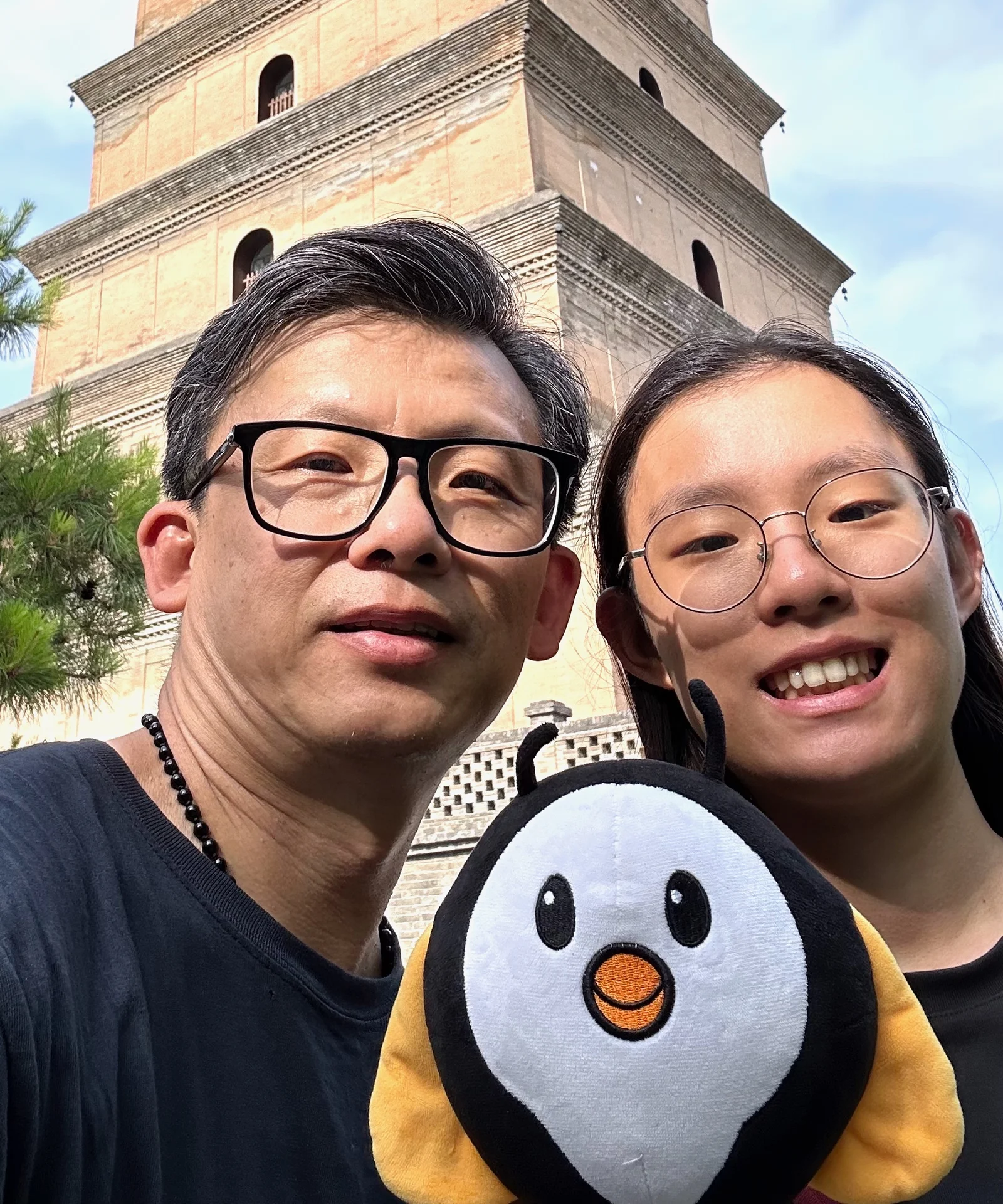
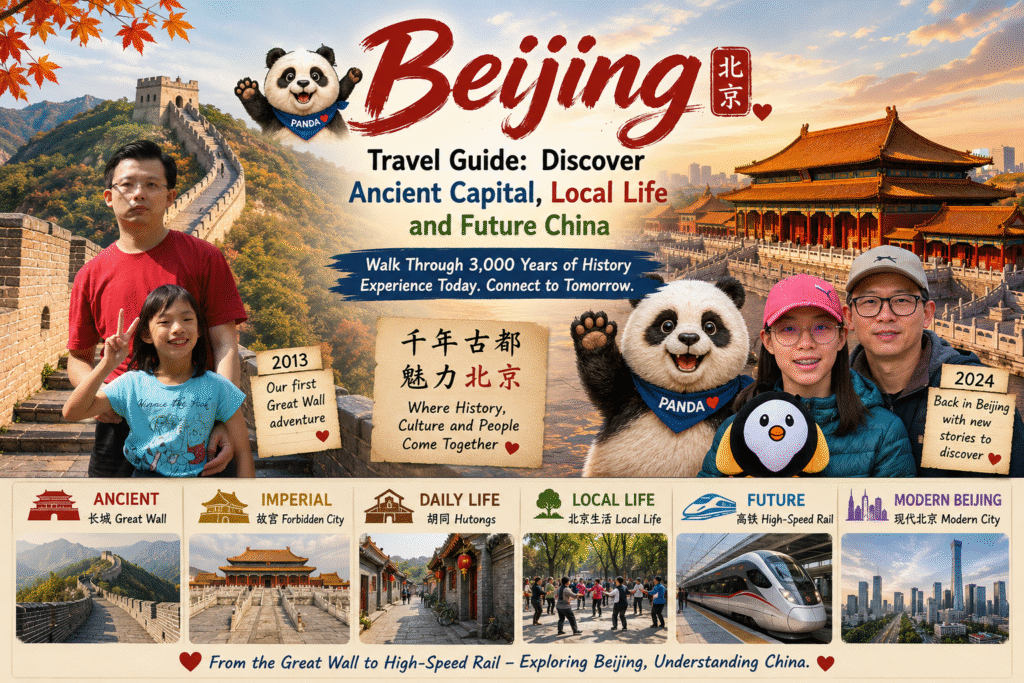
But after visiting Beijing several times — first when my daughter Elaine was a young child, and returning again many years later — I realised something:
Beijing is not only a city of attractions.
Beijing is a city where you can walk through different chapters of Chinese civilisation.
From the Great Wall 长城, to the Forbidden City 故宫, from old neighbourhood streets 胡同 (hutongs), to modern high-speed trains 高铁…
Beijing tells the story of how China was built, how people lived, and where the country is moving today.
This is our ChinaTravelBug way of discovering Beijing.
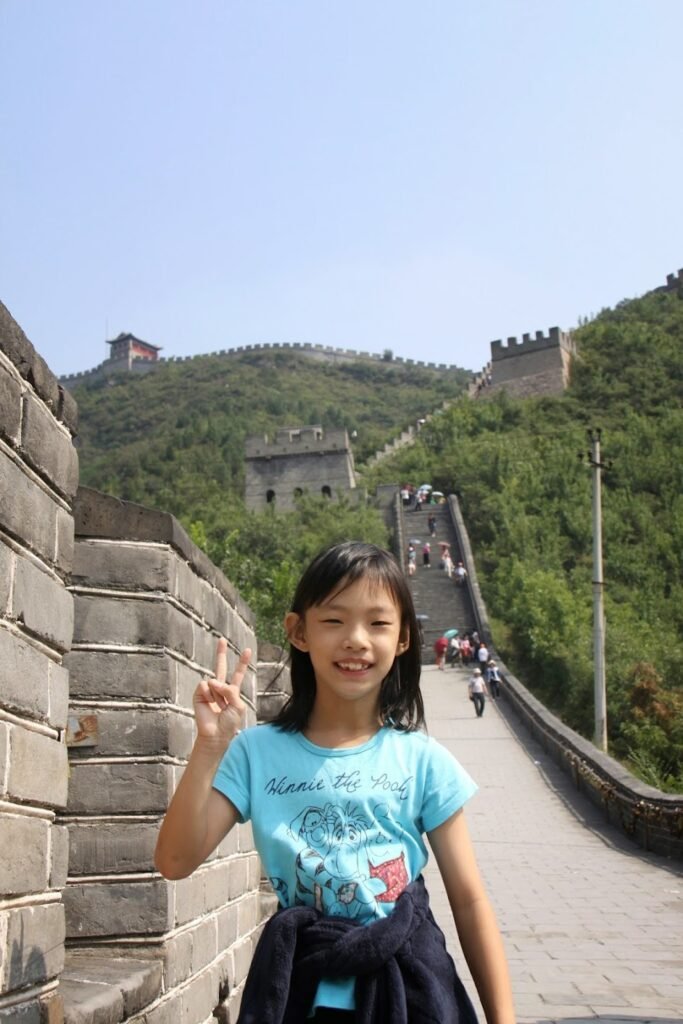
1. Ancient Beijing — The Great Wall and the Story of Survival
长城 Great Wall
For many first-time visitors, the Great Wall of China is the dream.
It is usually the first image people imagine when planning a China vacation.
And yes — standing on the Great Wall is unforgettable.
But the Great Wall is more than a beautiful photo location.
It tells a bigger story.
For thousands of years, Chinese dynasties faced one important question:
How do you protect a civilisation?
The answer was not just a wall.
It was:
- military defence
- communication systems
- frontier management
- transportation routes
The Great Wall became one of the greatest engineering projects in human history.
Years later, we returned again.
The stones were the same.
But our questions changed.
The first time:
“Wow, how big is the Great Wall?”
The second time:
“Why did China build something like this?”
That is when travel becomes discovery.
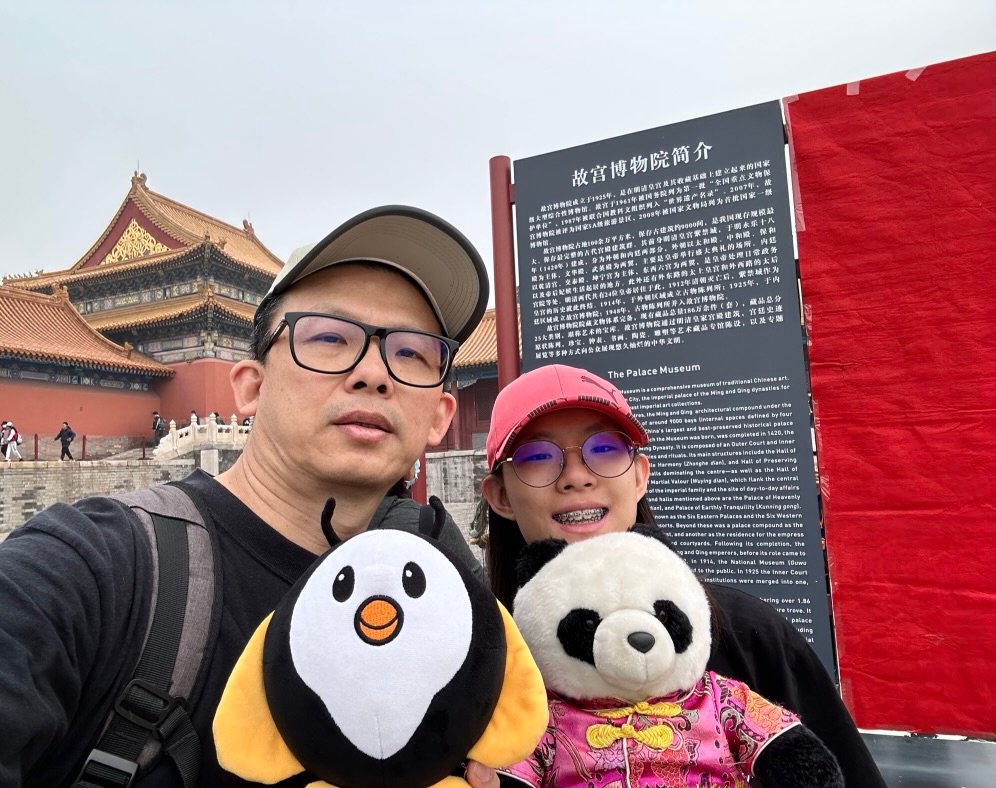
2. Imperial Beijing — Understanding the Forbidden City
故宫 Forbidden City
No Beijing tour is complete without visiting the Forbidden City.
But many travellers walk through the gates, take photos, and leave without understanding what they just experienced.
The Forbidden City was not only an emperor’s home.
It was the centre of a huge civilisation.
For centuries, decisions affecting millions of people were made here.
The design itself tells a story:
The straight lines.
The gates.
The courtyards.
The halls.
Everything represented order.

When I visited Versailles in France, I saw how European kings used palaces to show royal power.
When I visited the Forbidden City, I discovered another idea:
How do you organise and govern a civilisation?
Different places.
Different cultures.
Similar human questions.
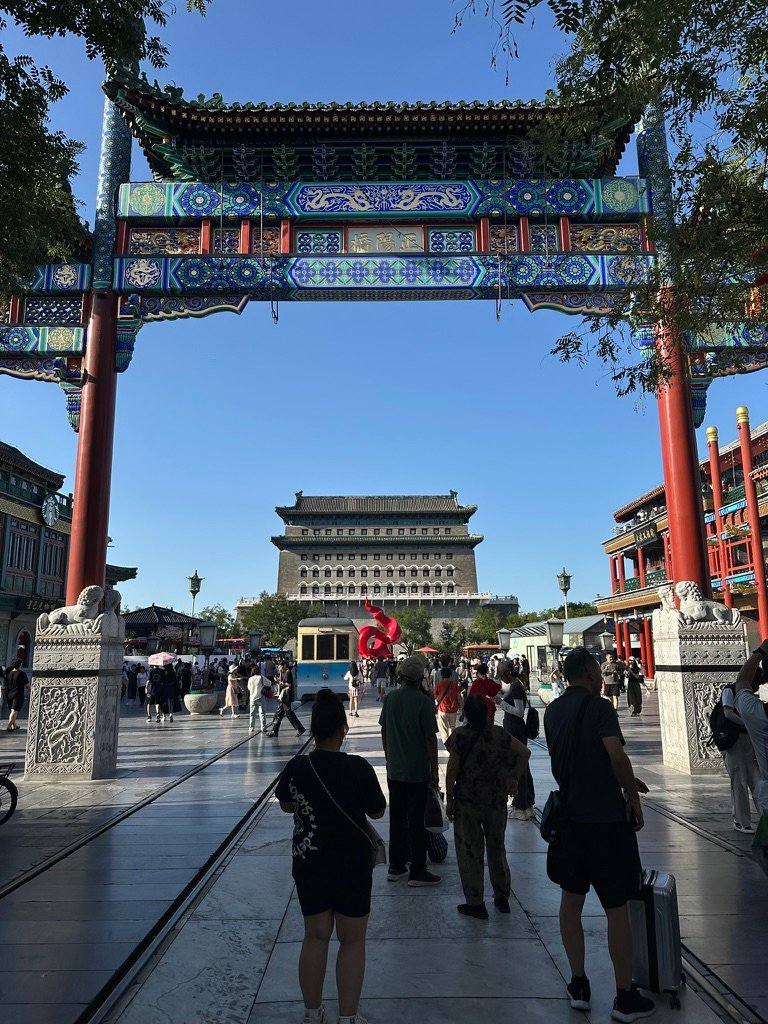
3. Beijing Central Axis — A City Designed With Meaning
北京中轴线
One of the most interesting things about Beijing is something many visitors miss.
The city itself tells a story.
From:
Yongdingmen 永定门
↓
Qianmen 前门
↓
Forbidden City 故宫
↓
Jingshan 景山
↓
Bell and Drum Towers 钟鼓楼
You are walking along Beijing’s Central Axis.
This was not accidental.
Ancient Beijing was designed around ideas of harmony, order and balance.
A city was not only a place to live.
It represented a worldview.

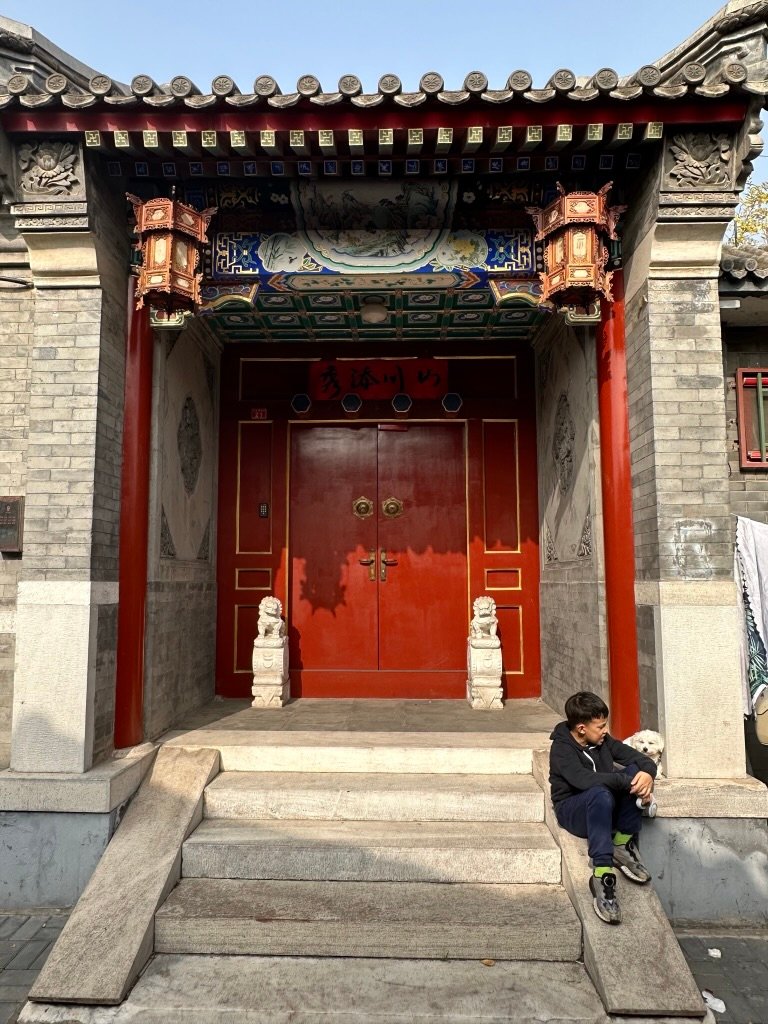
“The everyday Beijing — where history and modern life meet.”
4. Local Beijing — The City Behind the Capital
胡同 Hutongs and Everyday Life
Some of our favourite Beijing memories were not famous attractions.
They were simple moments.
Walking streets.
Buying snacks.
Watching families enjoying evenings.
Seeing elderly residents exercising in parks.
These small moments show another Beijing.
Not the imperial capital.
Not the tourist city.
The living city.
This is why we returned to places like:
- Qianmen 前门
- Wangfujing 王府井
- Shichahai 什刹海
Not because we had not seen them before.
Because every return showed another layer.

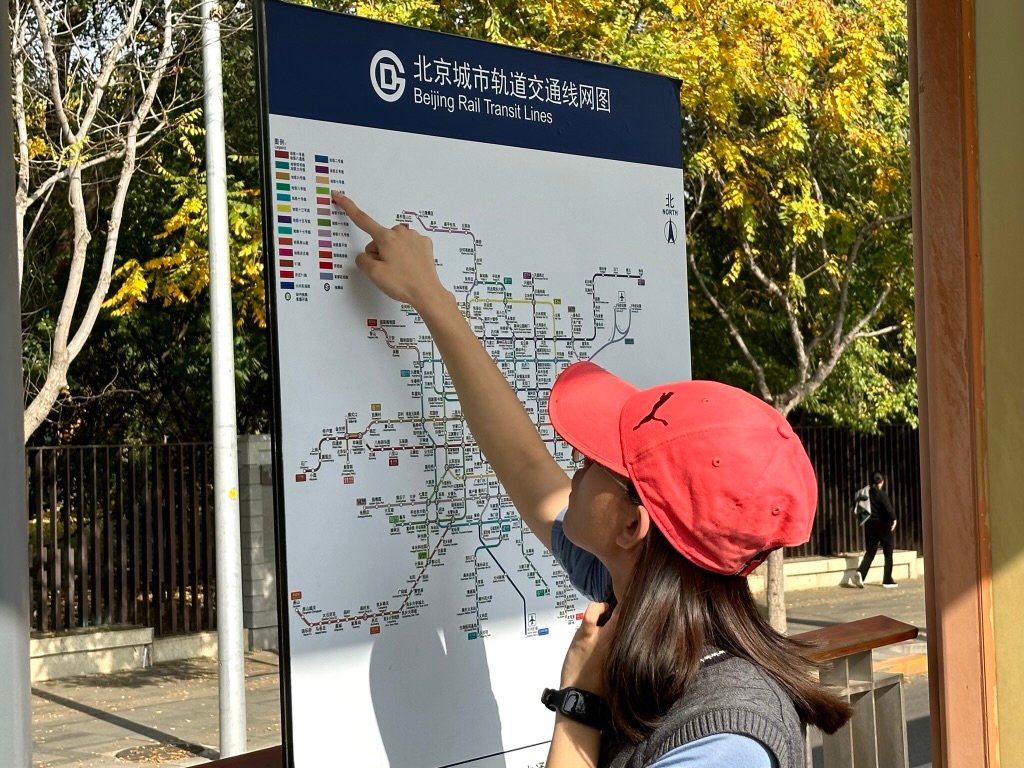
“From ancient roads to high-speed rail — China continues connecting itself.”
5. Future Beijing — High-Speed Rail and Modern China
高铁 High-Speed Rail
Many people think a Beijing China travel guide should only focus on ancient history.
But modern China is also part of the story.
After walking on ancient walls and imperial streets, we travelled by high-speed rail.
Beijing connects not only history.
It connects China today.
The same civilisation that built:
The Great Wall
The Grand Canal
Ancient roads
is now building:
high-speed railways
modern cities
new connections
The question remains similar:
How do you connect a huge country?
Recommended Beijing Itinerary for First-Time Visitors
3–5 Days Beijing Highlights
Perfect for first China visit place planning:
Day 1:
Forbidden City 故宫 + Tiananmen + Jingshan
Day 2:
Great Wall 长城
Day 3:
Temple of Heaven 天坛 + Hutongs 胡同
Day 4:
Summer Palace 颐和园 + local Beijing
Day 5:
Modern Beijing + High-Speed Rail experience
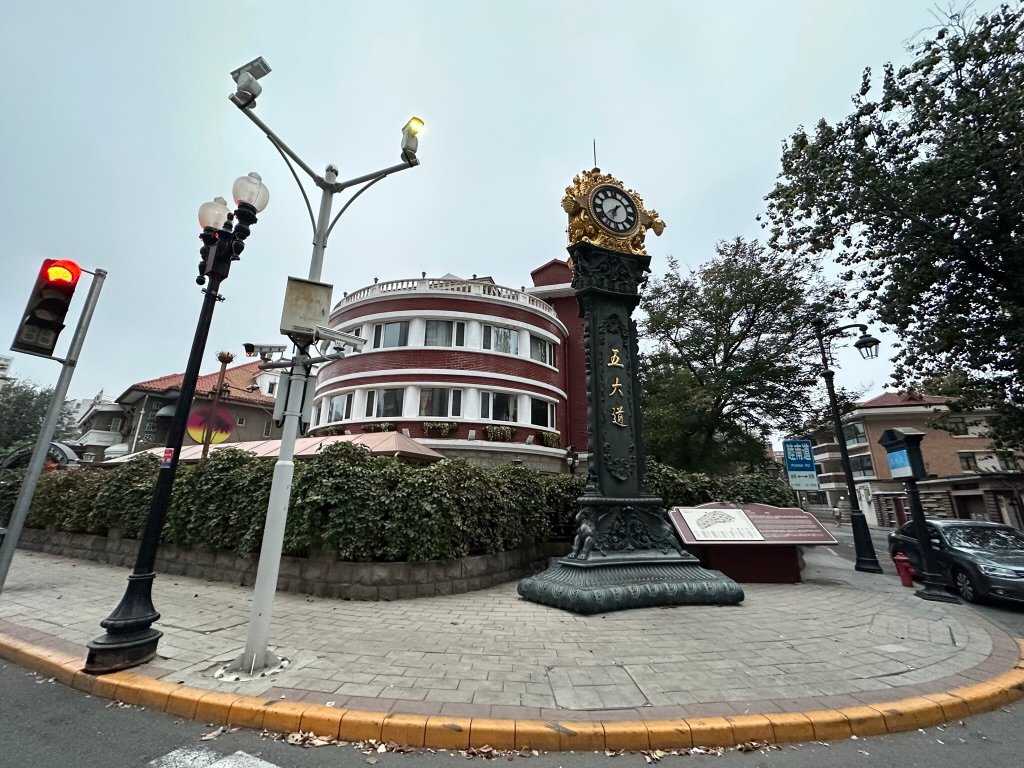
Beyond Beijing
Beijing is also a perfect starting point for exploring northern China.
Easy trips include:
Tianjin 天津
Only about 30 minutes by high-speed rail.
A city showing China’s modern transformation.
Datong 大同
Ancient Buddhist culture and frontier history.
Chengde 承德
Understanding Qing dynasty China beyond Beijing.
Final Thoughts: Why Beijing Matters
Beijing is not only a checklist of attractions.
It is a place where you can see:
Ancient China
↓
Imperial China
↓
Everyday China
↓
Future China
The Great Wall shows survival.
The Forbidden City shows governance.
The hutongs show daily life.
High-speed rail shows transformation.
That is why Beijing remains one of the most important places to visit in China.
And why Panda will always call Beijing home.