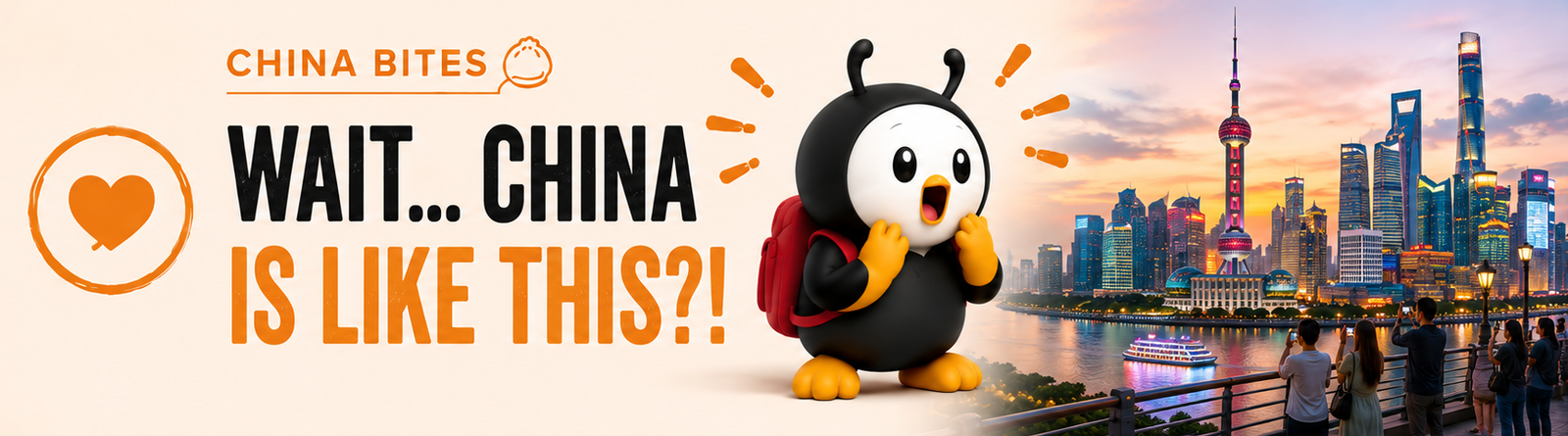
You step out of a modern metro station in China.
Phone in hand.
High-rises behind you.
Then a short walk later…
temple roof. Old courtyard. Historic gate.
And you think:
“Wait… how did I get from THAT China to THIS China so quickly? 😳”
🥟 The Quick Bite
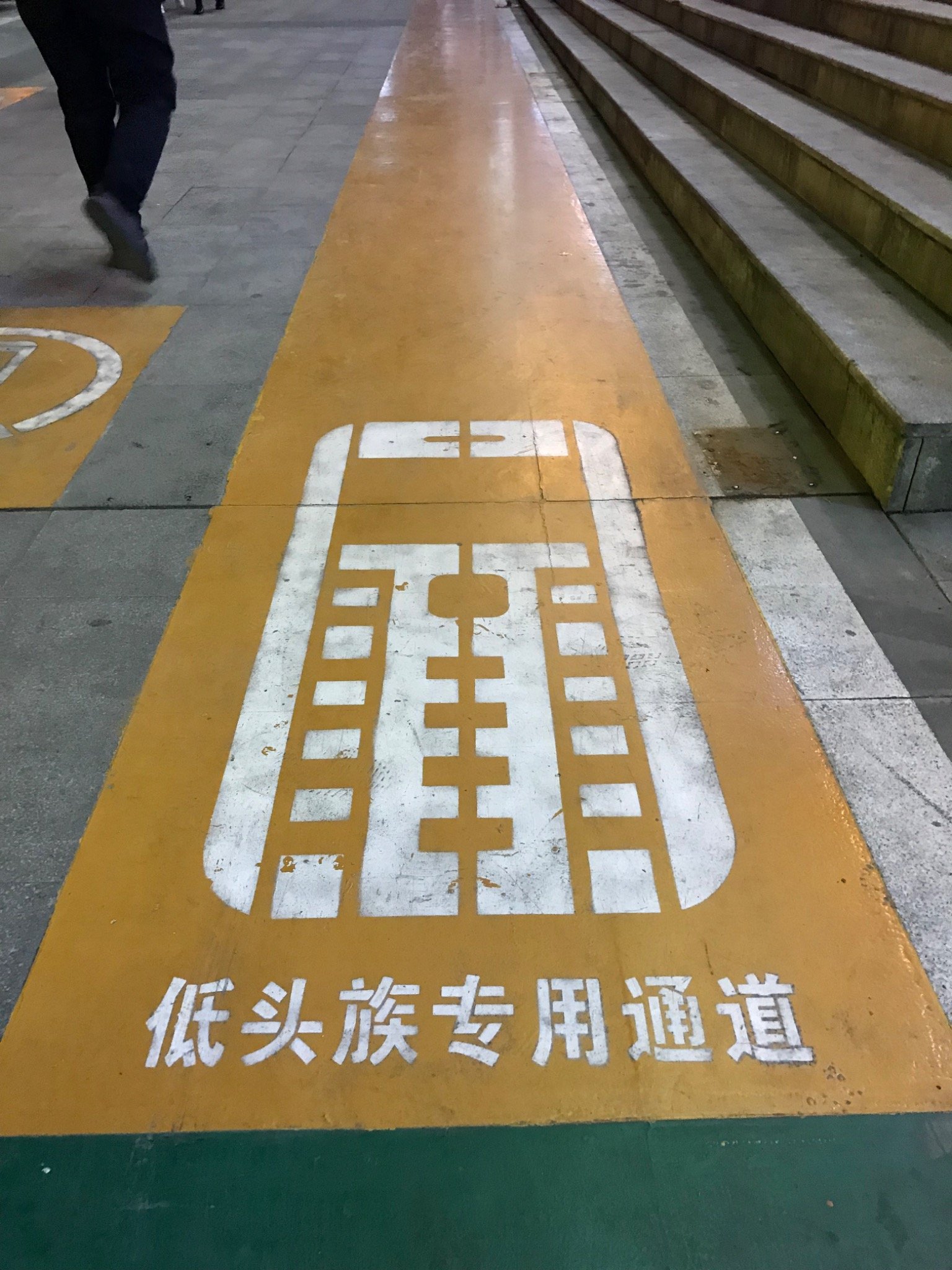
This old-meets-new contrast is something first-time international travelers repeatedly notice in China.
China didn’t become modern by simply removing everything that came before it.
In some cities, different historical layers can sit surprisingly close together:
modern transport + new commercial districts + older neighborhoods + historic monuments + ancient sites.
Sometimes one metro ride — or even one walk — takes you between them.
🌍 If You’re Trying to Place It…
Think of an old cathedral standing in the middle of a modern European city.
The cathedral didn’t stop being old because skyscrapers appeared nearby.
China can give you that same time-layering feeling —
but sometimes the contrast is much sharper than you expected.
👀 Look for the Layers
A useful Chinese pair:
古 (gǔ) — ancient / old
新 (xīn) — new
And:
古建筑 (gǔ jiànzhù) — historic/traditional architecture
现代 (xiàndài) — modern
When you’re walking through a Chinese city, try looking for 古 + 新 together.
Don’t only photograph the old building.
Turn around.
What’s behind it?
Sometimes that’s the more interesting photograph.
🏙️ Why Does the Contrast Feel So Strong?
Partly because China’s urban transformation has been extraordinarily rapid.
Modern infrastructure and new urban districts have developed alongside places with much older histories.
That doesn’t mean every old-looking building you encounter is ancient — restoration and reconstruction are another CHINA Bites story. 😂
But genuine historic places can exist within intensely modern urban environments.
🤯 And That’s the Surprise
Before travelling, it’s easy to keep two Chinas in separate mental boxes:
Ancient China
Great Wall. Temples. Palaces. Dynasties.
and:
Modern China
High-speed rail. Metros. QR codes. Skyscrapers.
Then you arrive and discover:
they aren’t two separate countries.
You’re moving between different layers of the same one.
🥟 One Last Bite
Next time you visit a historic place in a Chinese city, take your photograph.
Then do one more thing:
turn around.
The metro entrance, apartment towers or modern skyline behind you may initially seem to spoil the ancient-China picture.
Don’t crop them out too quickly.
Sometimes that contrast is the China story.
See China. Understand It Better.