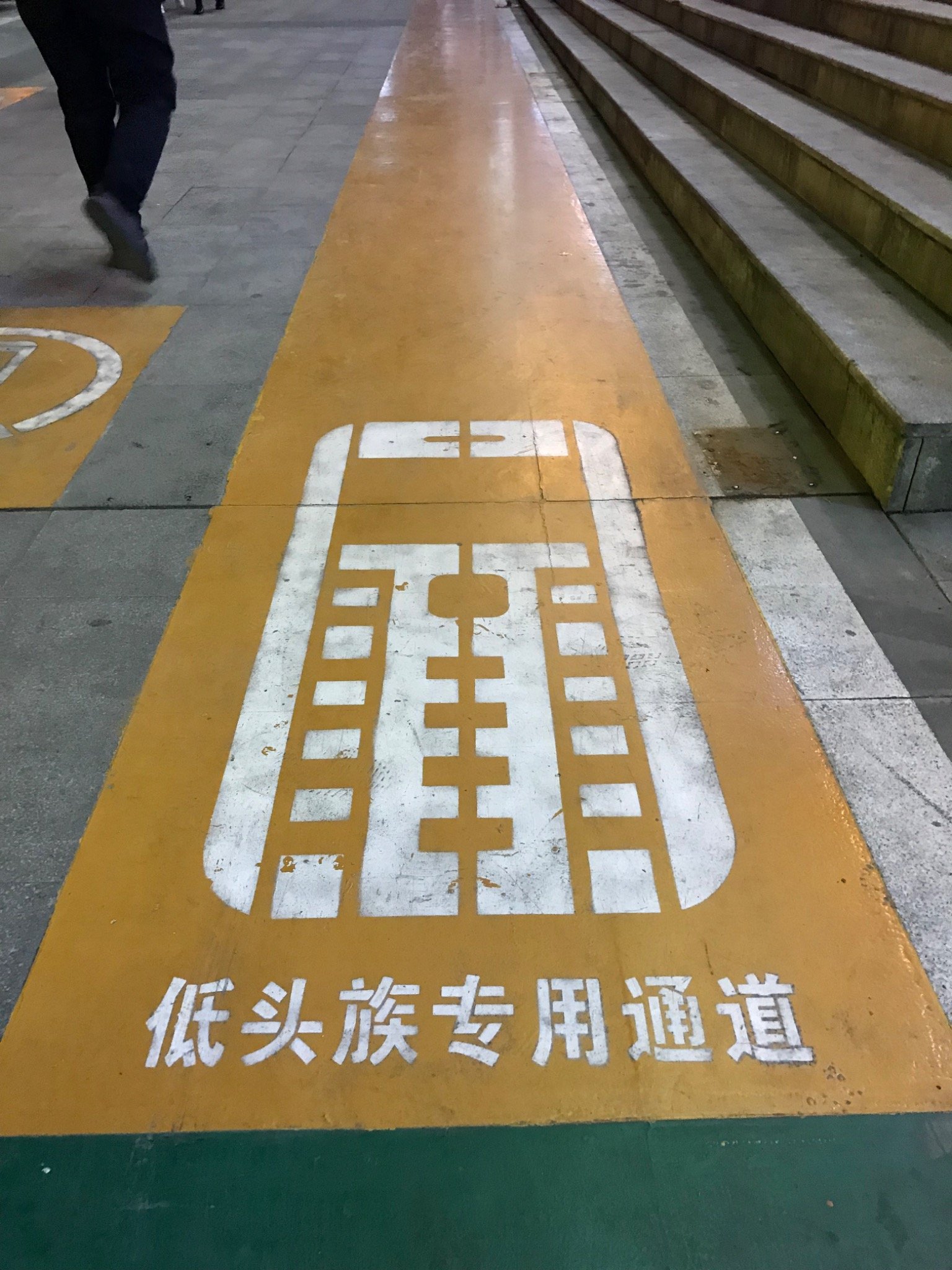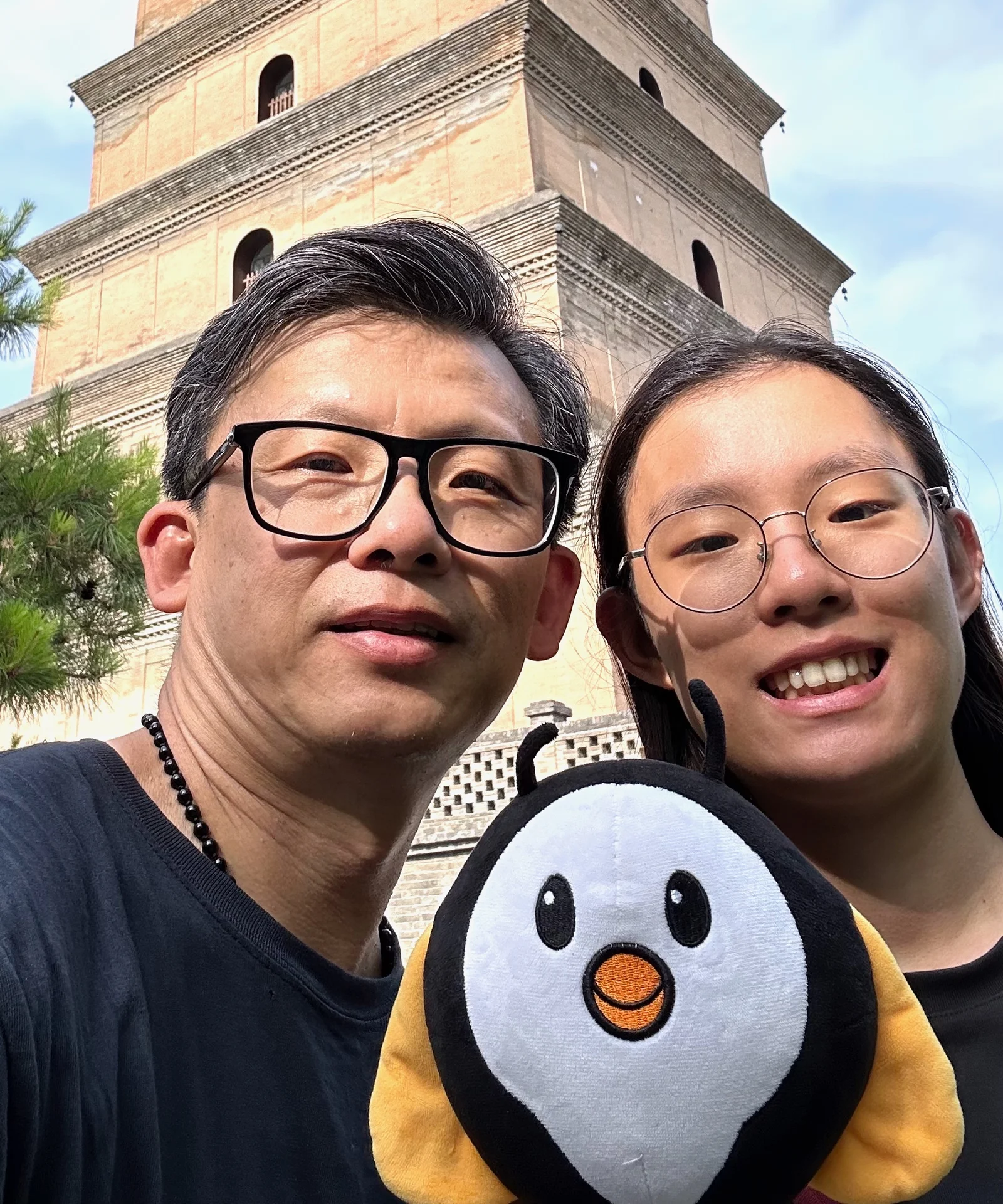

Dad & Elaine arrive in another Chinese city.
Hotel reception?
Maybe some English.
Major attraction?
Possibly.
Then we walk into a small restaurant.
Dad speaks English.
They speak Chinese.
Everyone smiles.
Now what? 😂
Yet somehow:
we order dinner.
we find the train.
we get the DiDi.
we reach the hotel.
And after travelling through city after city, Dad realized:
“We actually CAN travel China without being fluent in Chinese.”
🥟 The Quick Bite
English ability varies enormously across China.
At international hotels, airports and major attractions, you may encounter English-speaking staff and English signs.
At a neighborhood restaurant or somewhere receiving fewer international visitors?
Maybe very little English at all.
But modern travel has changed the problem.
Your phone can now help bridge much of the language gap.
🌍 If You’re Trying to Place It…
Imagine travelling somewhere without speaking the local language — but carrying:
translator + map + address book + transport planner
in your pocket.
You still don’t speak the language.
But you’re no longer completely helpless.
That’s a useful way to think about travelling China today.
📷 Dad & Elaine’s China
This became especially obvious when Dad & Elaine travelled beyond the most internationally familiar destinations.
Linfen (临汾, Línfén).
Yuncheng (运城, Yùnchéng).
Hancheng (韩城, Hánchéng).
Baoji (宝鸡, Bǎojī).
Zibo (淄博, Zībó).
Dezhou (德州, Dézhōu).
We couldn’t assume everyone we met would speak English.
Sometimes communication became:
Dad’s Chinese + phone translation + pointing + photographs + hand gestures + helpful local person. 😂
And somehow it usually worked.
📱 Your Phone Becomes Part of the Conversation
One useful Chinese word:
翻译 (fānyì) — translate / translation
You can type what you want to say and show the translation.
Even better, keep important destinations written in Chinese characters.
Instead of showing a driver only:
Yinxu Museum
show:
殷墟博物馆 (Yīnxū Bówùguǎn)
Now the person helping you doesn’t need to recognize the English name.
This is one reason CHINA Bites keeps giving you:
English + Chinese characters + pinyin.
Sometimes the Chinese characters are the most useful part on the ground.
👀 And Sometimes People Find Another Way
This is something Dad & Elaine have experienced repeatedly.
No shared language doesn’t necessarily mean:
no communication.
Someone points.
Someone opens a map.
Someone calls another person.
Someone types into a phone.
Someone walks you toward the correct place.
China keeps reminding Dad of one of our favorite travel lessons:
China usually has another way. 😂
🗣️ Learn a Few Words Anyway
Technology helps.
But a few words still make travelling warmer.
你好 (nǐ hǎo) — hello
谢谢 (xièxie) — thank you
请问 (qǐngwèn) — excuse me / may I ask…
多少钱?(Duōshao qián?) — how much?
可以吗?(Kěyǐ ma?) — is it okay / can I?
Nobody expects perfect pronunciation.
Trying is already part of the encounter.
🥟 One Last Bite
Dad & Elaine have travelled to Chinese cities where English wasn’t something we could simply depend on.
And yet:
we ate.
we travelled.
we found our hotels.
we visited the museums.
we followed the rabbit holes.
So don’t let:
“But I don’t speak Chinese!”
automatically become:
“I can’t travel China.”
Prepare your phone.
Save destinations in Chinese.
Learn a few useful words.
And when all else fails…
point, smile and 翻译. 😂
See China. Understand It Better.