It gave us what I was looking for: value for money, a location outside the busiest part of Central, plenty of everyday Hong Kong around us — and yet excellent access to the rest of the city.
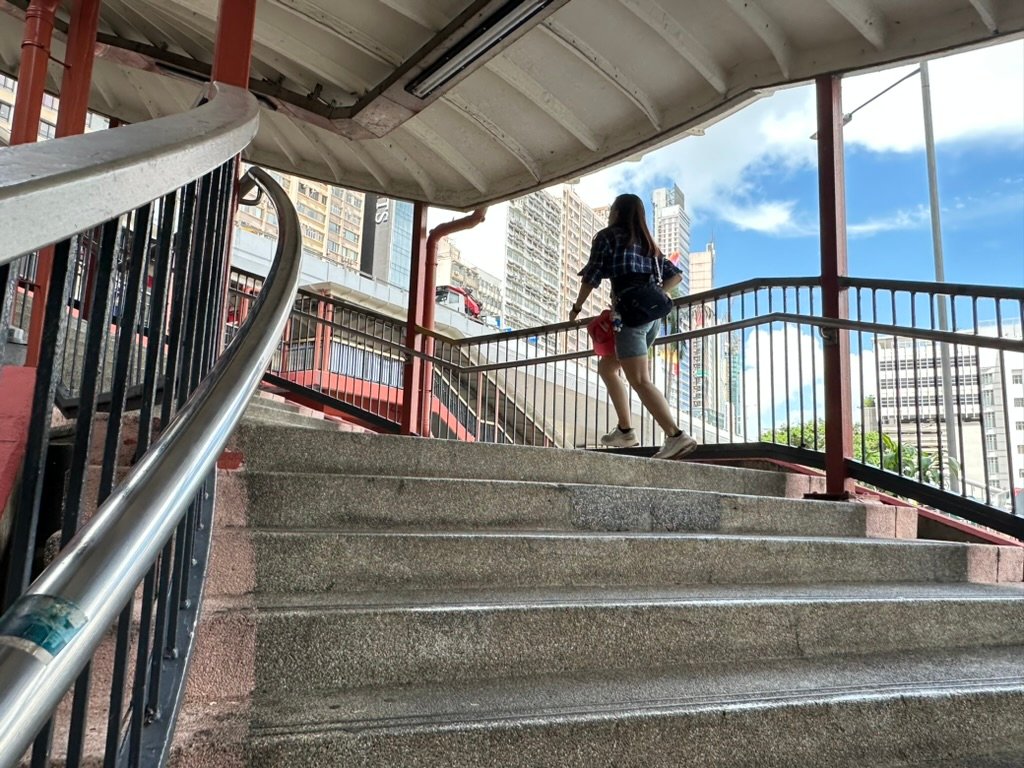
The MTR was about a 10-minute walk away.
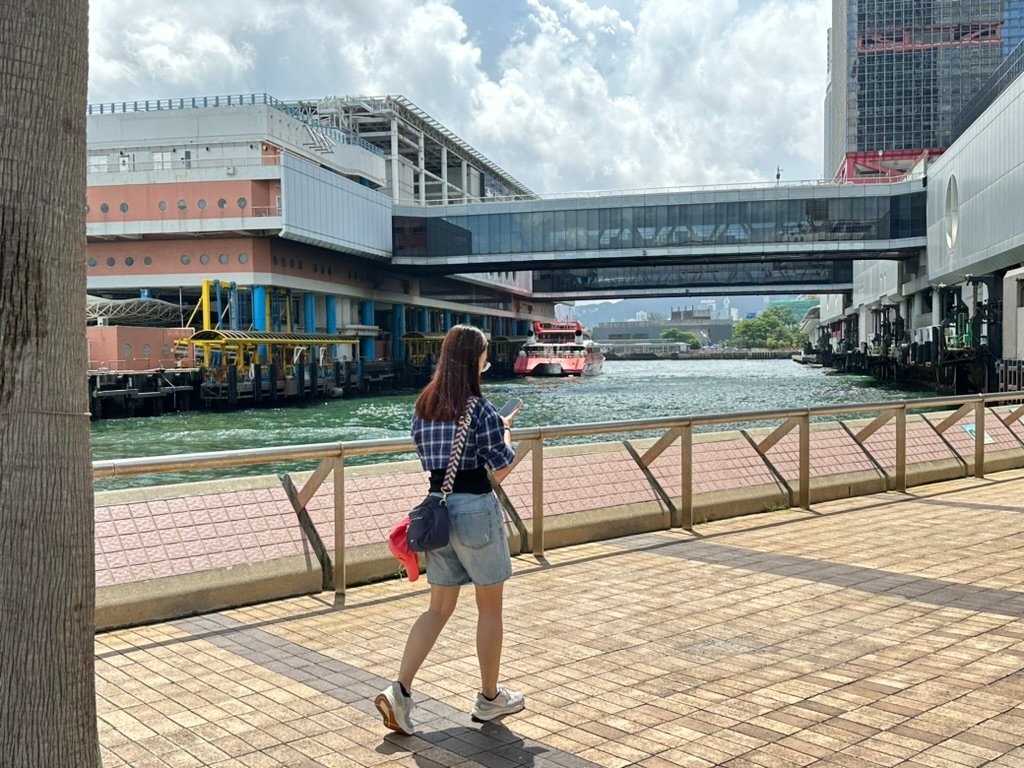
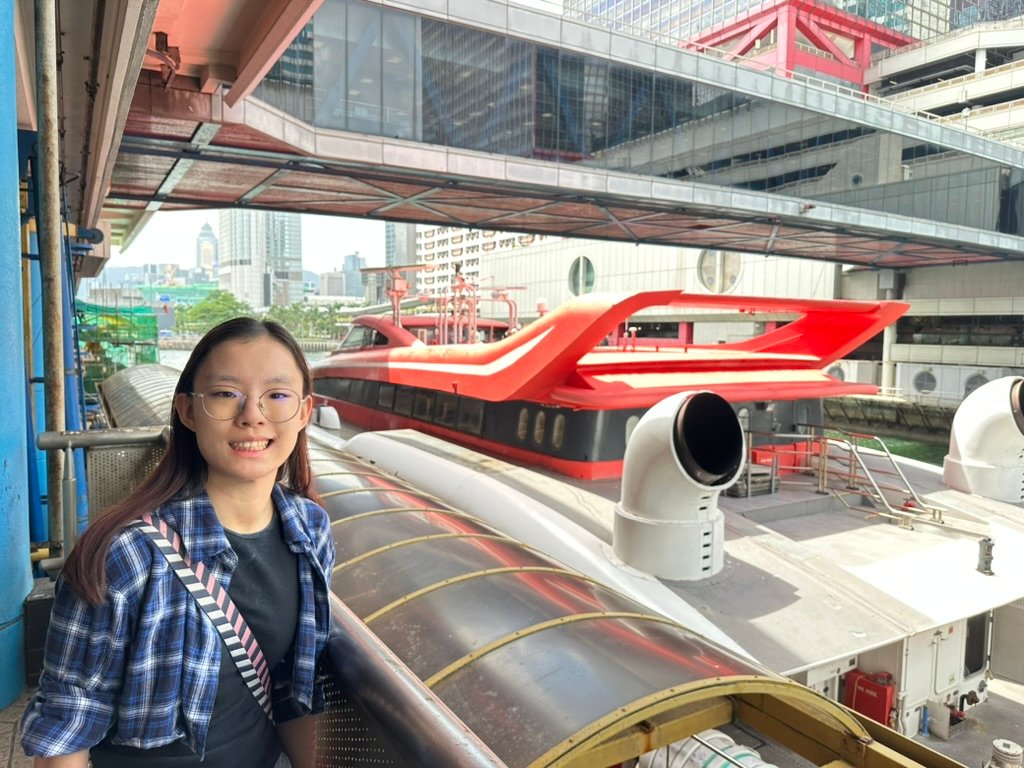
The Hong Kong–Macau Ferry Terminal was also about a 10-minute walk away.
But the best part?
We didn’t always need either of them.
We could simply walk out of our hotel and choose a direction.
Walk west toward Sai Ying Pun 西營盤 for neighborhood Hong Kong.
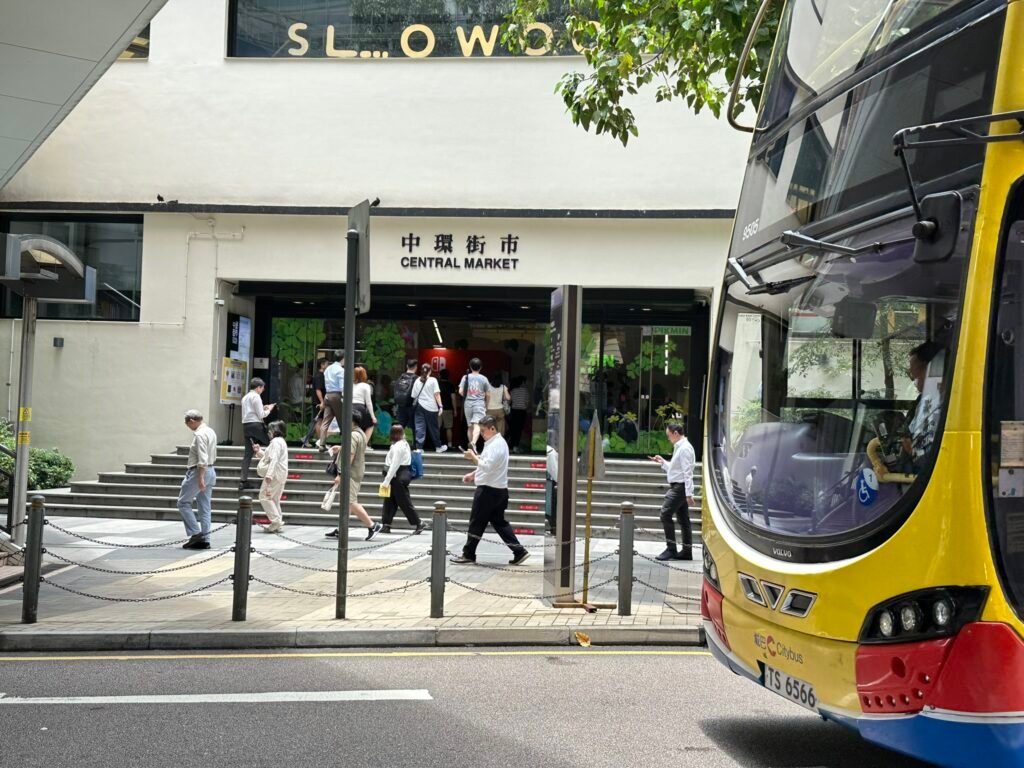
Walk east toward Central 中環 for busy, buzzing Hong Kong.
Walk uphill behind the hotel for old streets, food, shops and heritage.
That was Dad’s Sheung Wan 上環 strategy.
And if you enjoy discovering a city on foot, it’s a strategy I’d highly recommend.
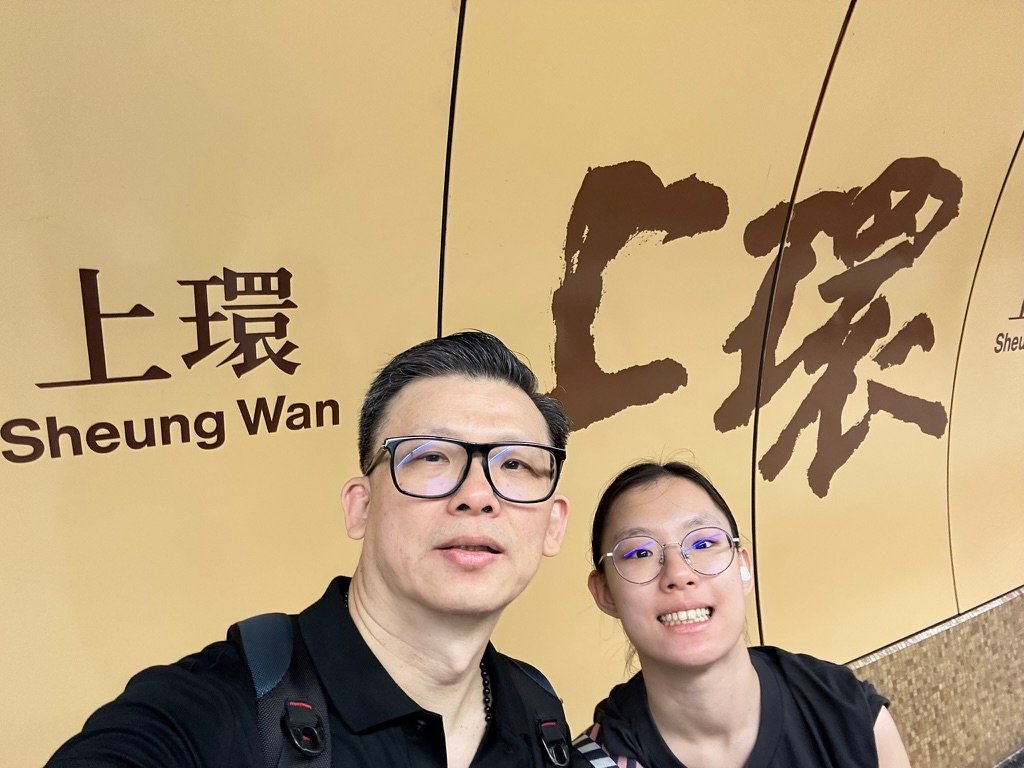
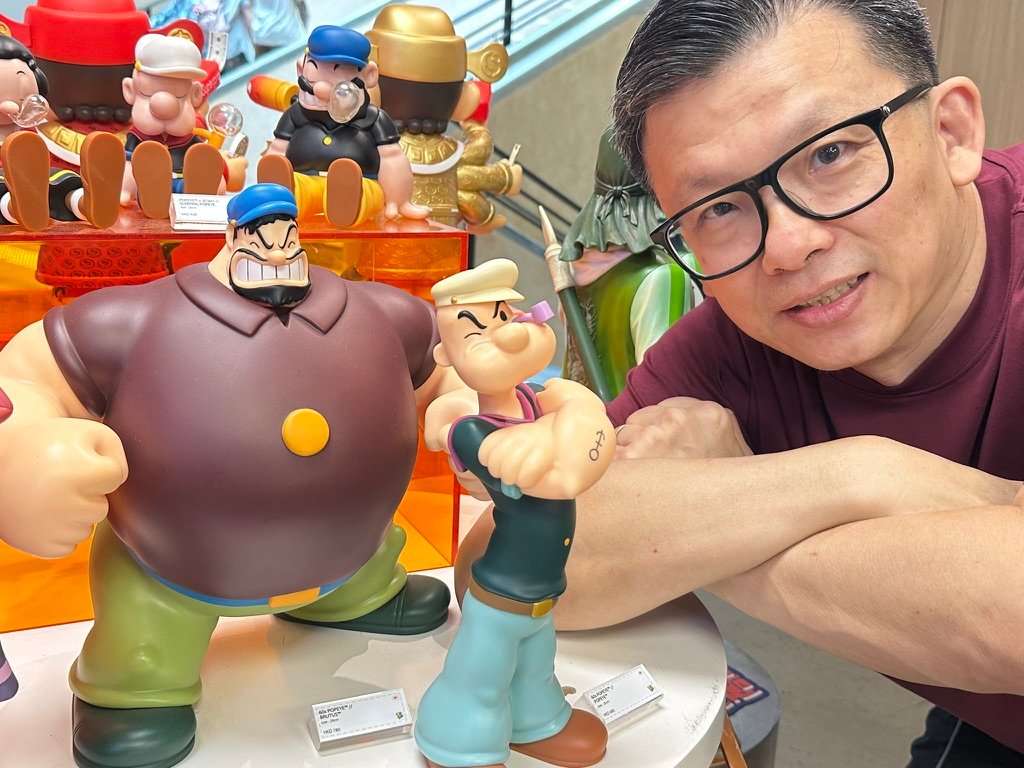
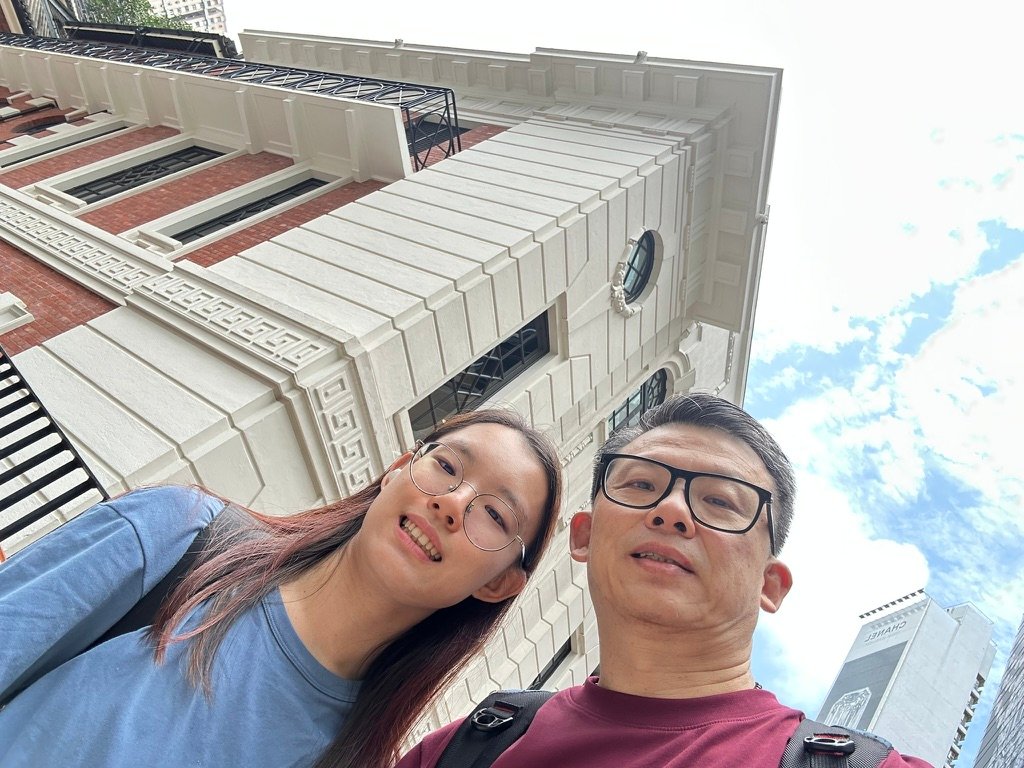
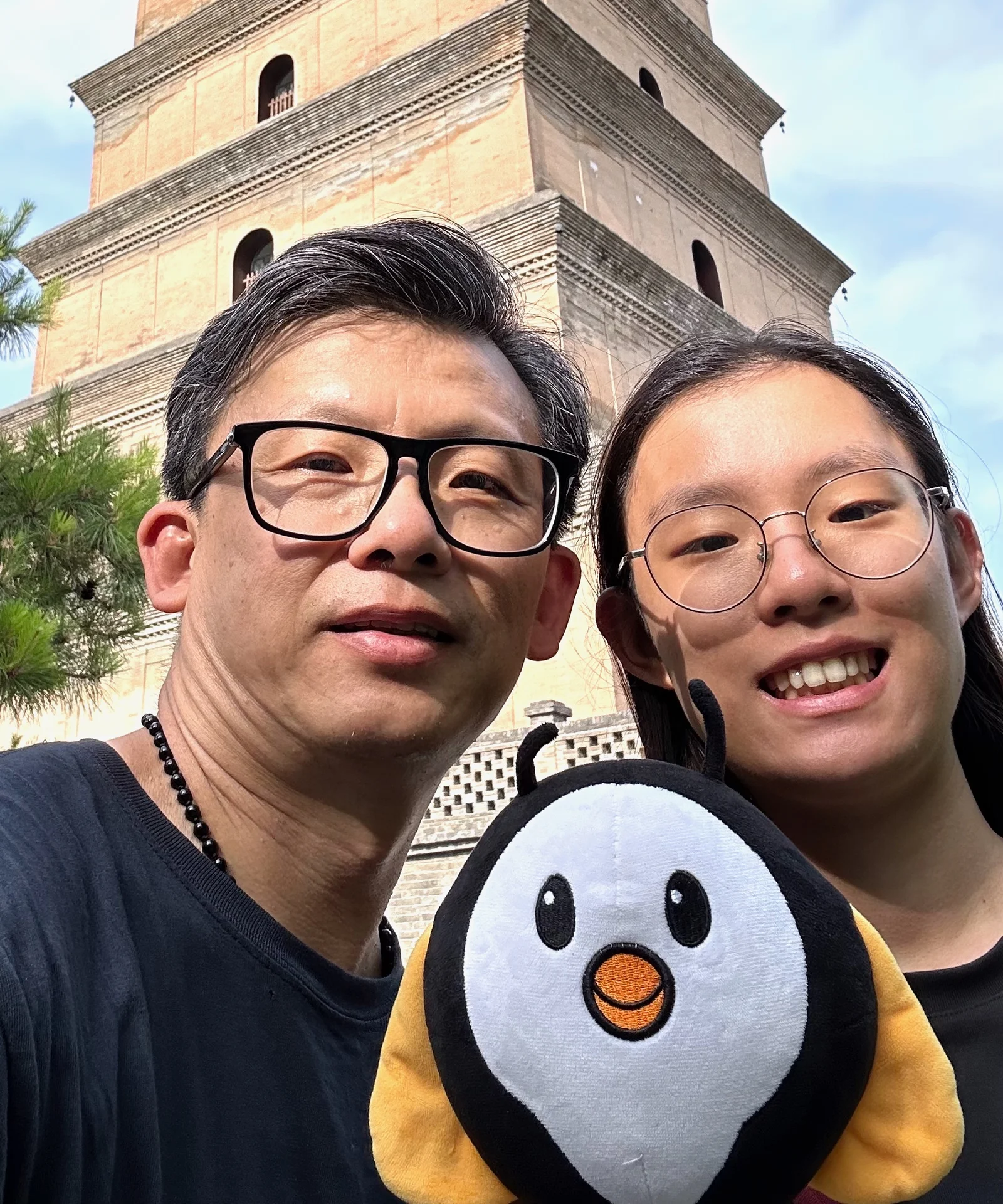
🐞 Dad + Elaine in Sheung Wan 上環
There we were.
Dad and Elaine.
上環. Sheung Wan.
This wasn’t somewhere we came for two hours of sightseeing.
For this part of our Hong Kong journey, Sheung Wan was home.
And that makes a difference.
When you visit a neighborhood for an hour or two, you tend to look for its attractions.
When you sleep there, wake up there, eat there and repeatedly walk the same streets, you begin noticing something else.
How the neighborhood lives.
That was exactly what Dad wanted Elaine to experience.
SLEEP
Why Dad Chose Ibis Hong Kong Central & Sheung Wan
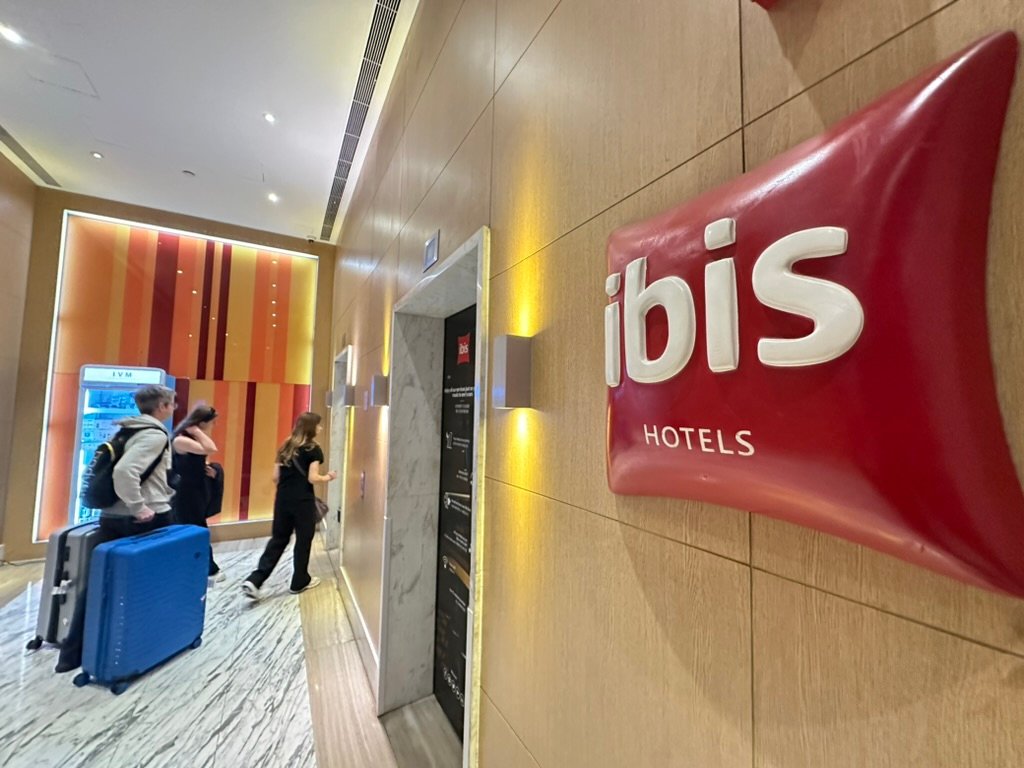
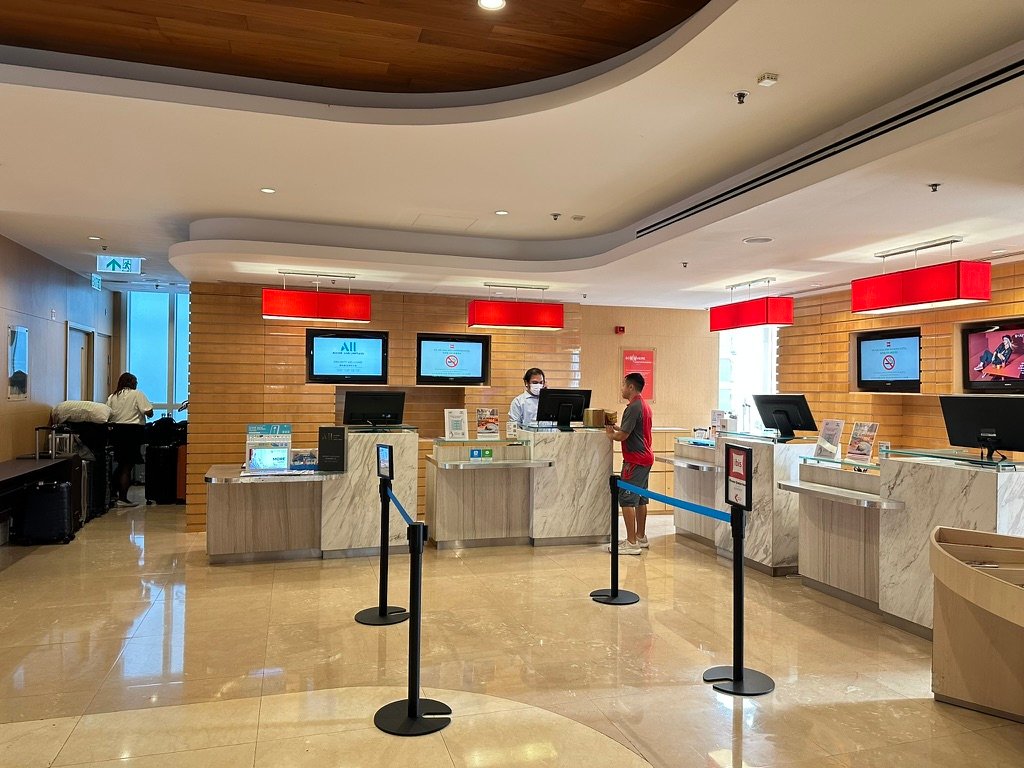
Our base was Ibis Hong Kong Central & Sheung Wan.
And this one has made it onto a small personal list:
🐞 One of Dad’s Favorite Hotels
Dad has stayed in plenty of hotels while traveling around China and Hong Kong.
A few become absolute favorites.
Not necessarily because they’re luxurious.
In fact, that’s usually not what Dad is looking for.
The hotels I remember — and recommend most enthusiastically — tend to get several things right:
Good value for money.
A strategic location for the journey we’re actually making.
A location that adds something to the travel experience.
And somewhere Dad would genuinely choose to stay again.
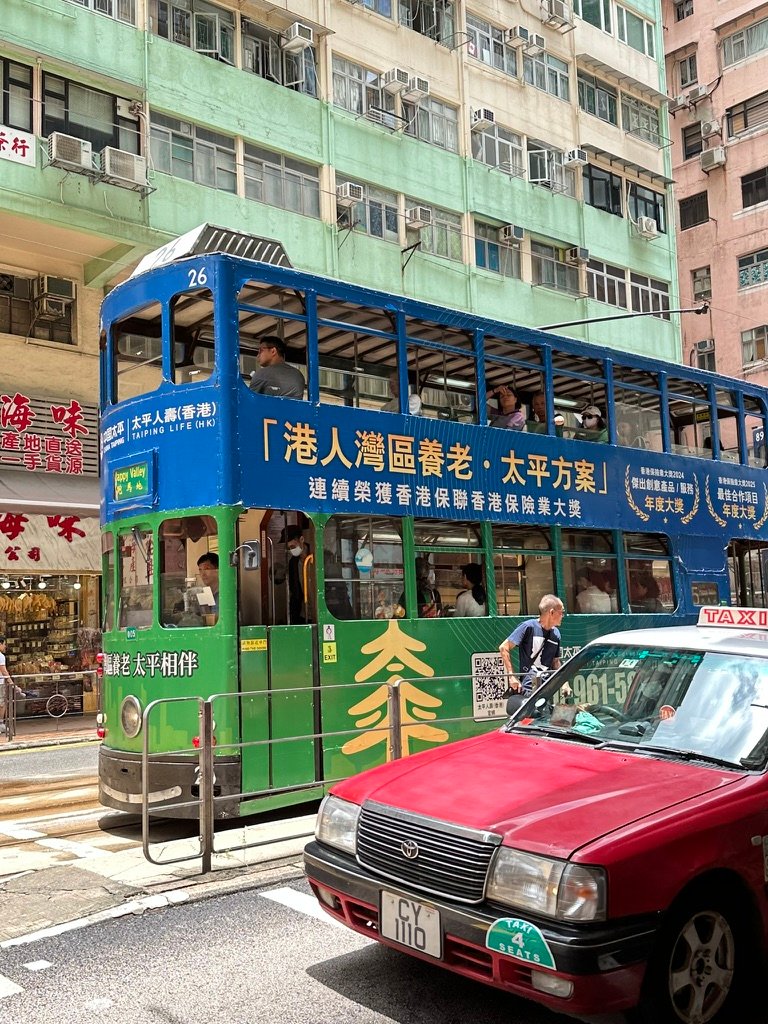
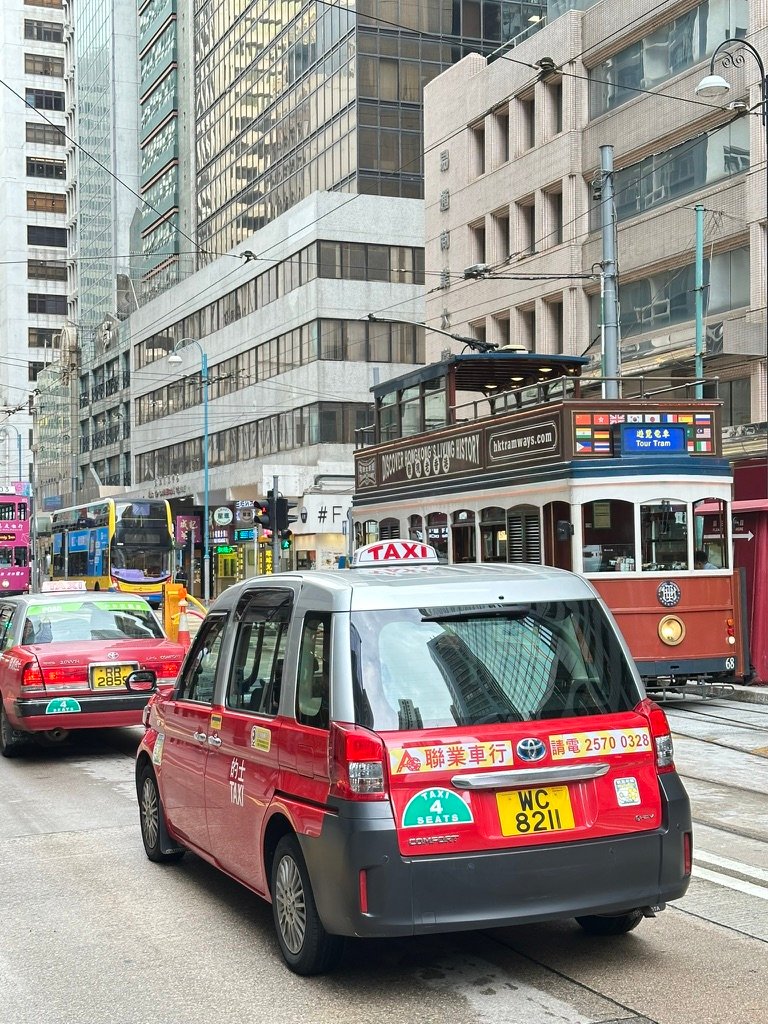
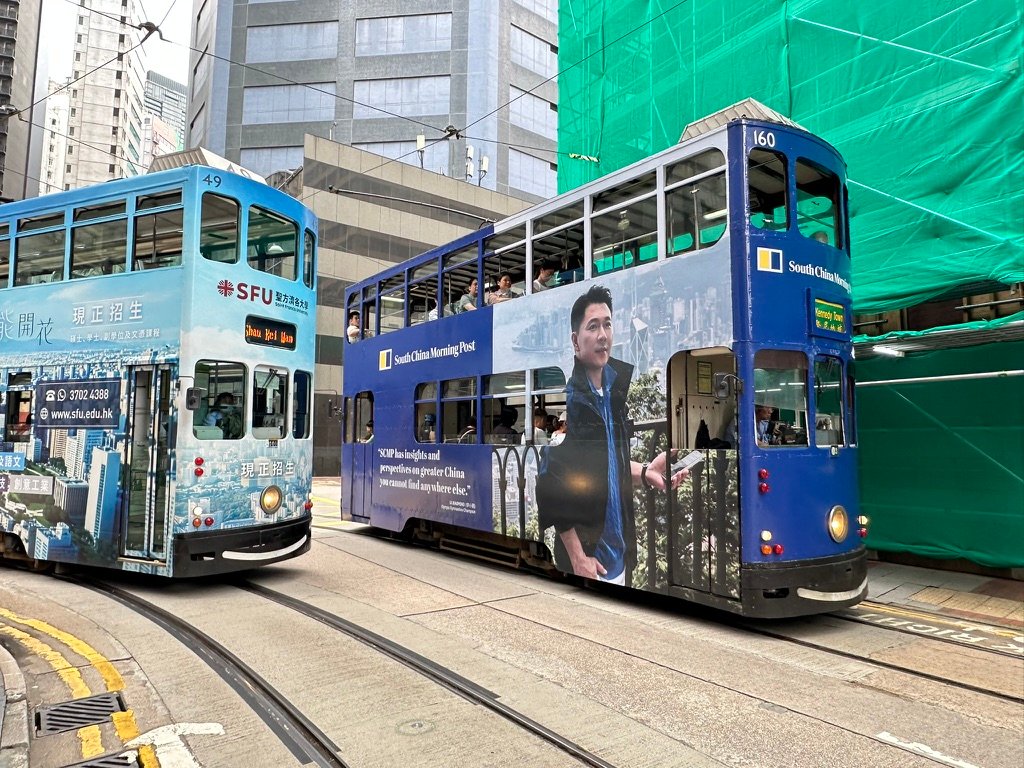
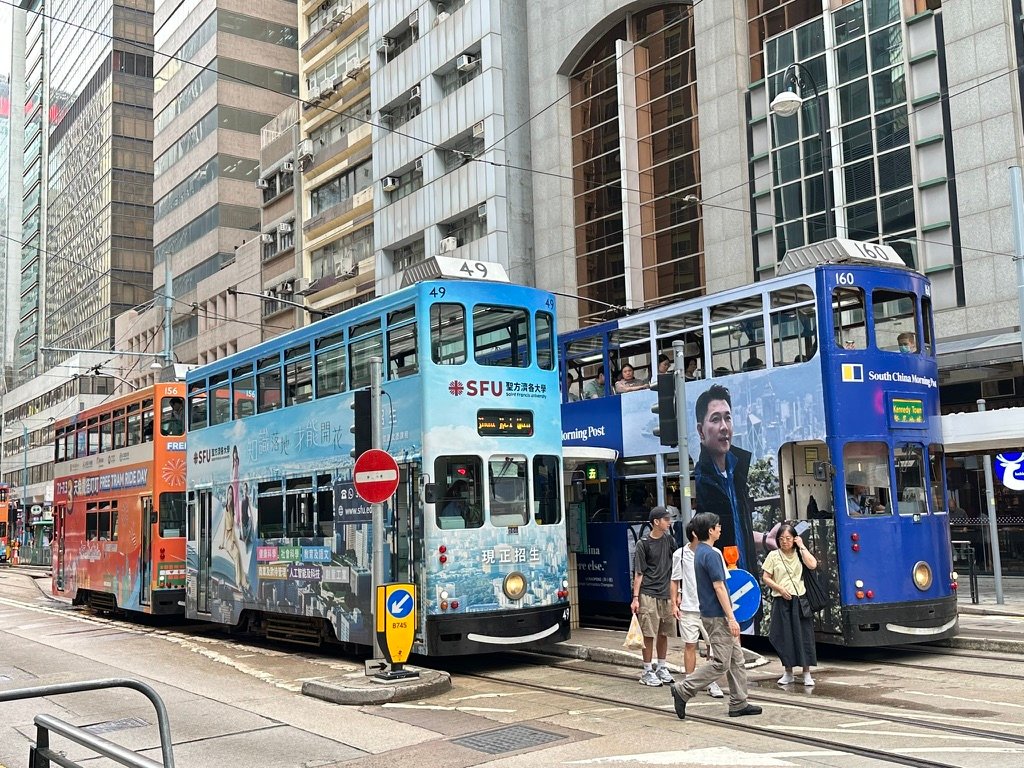
It’s about what happened when the trams became part of our neighborhood.
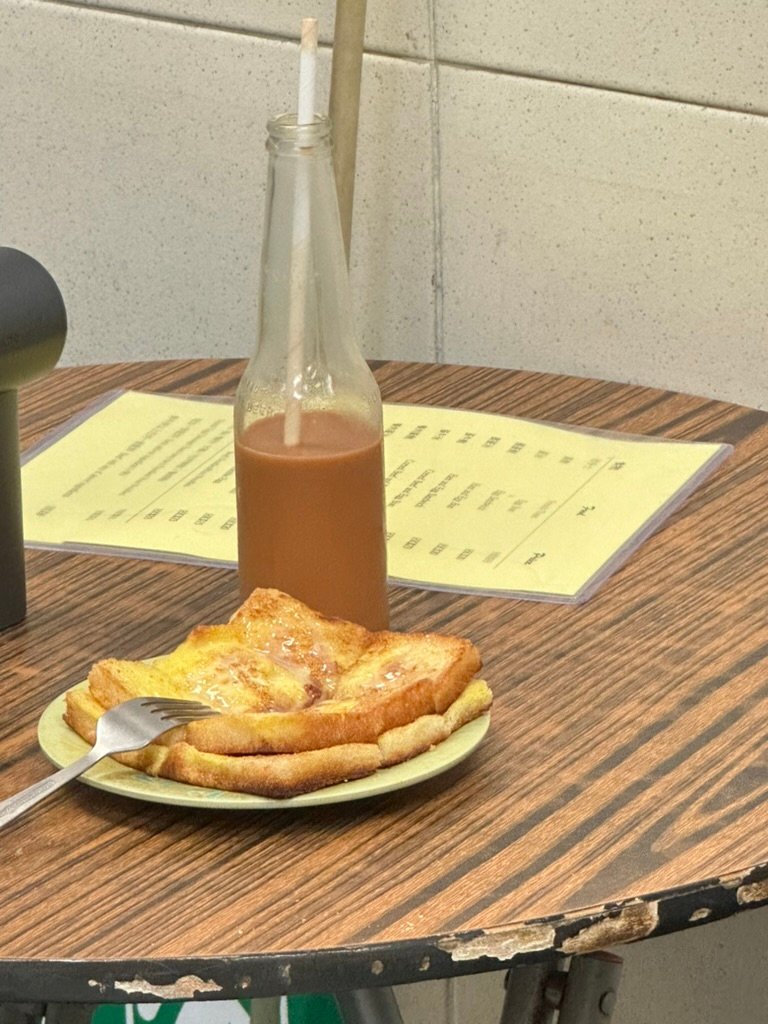
HAVE COFFEE
瑞記咖啡
Then, eventually:
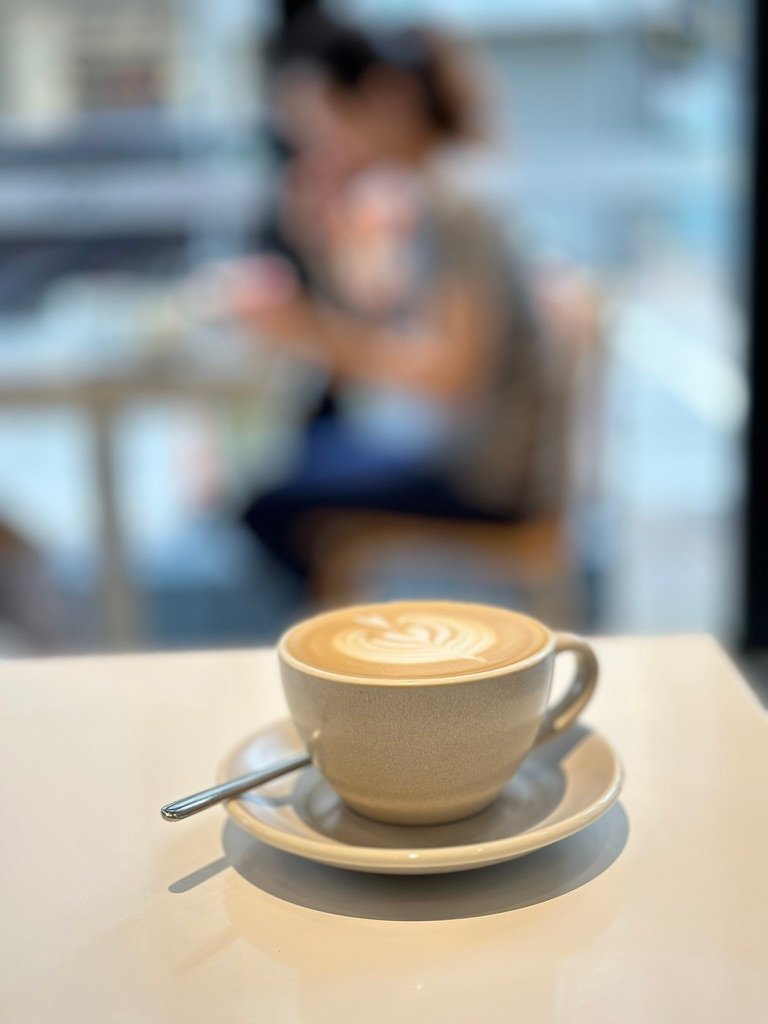
Coffee.
😂
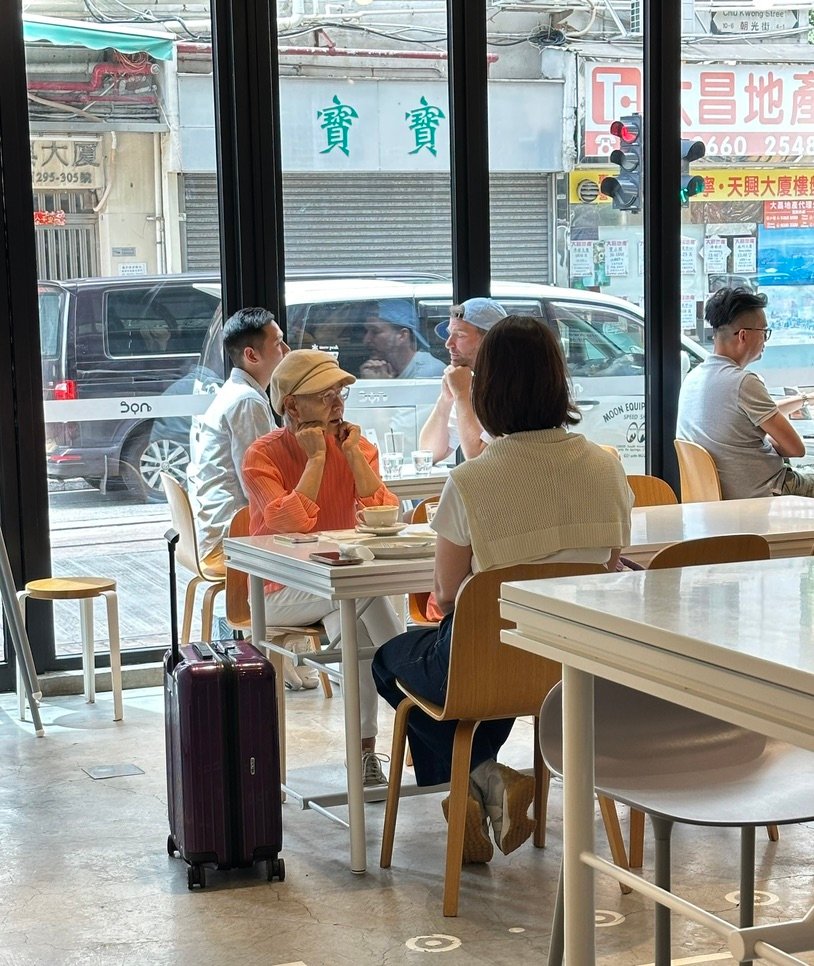
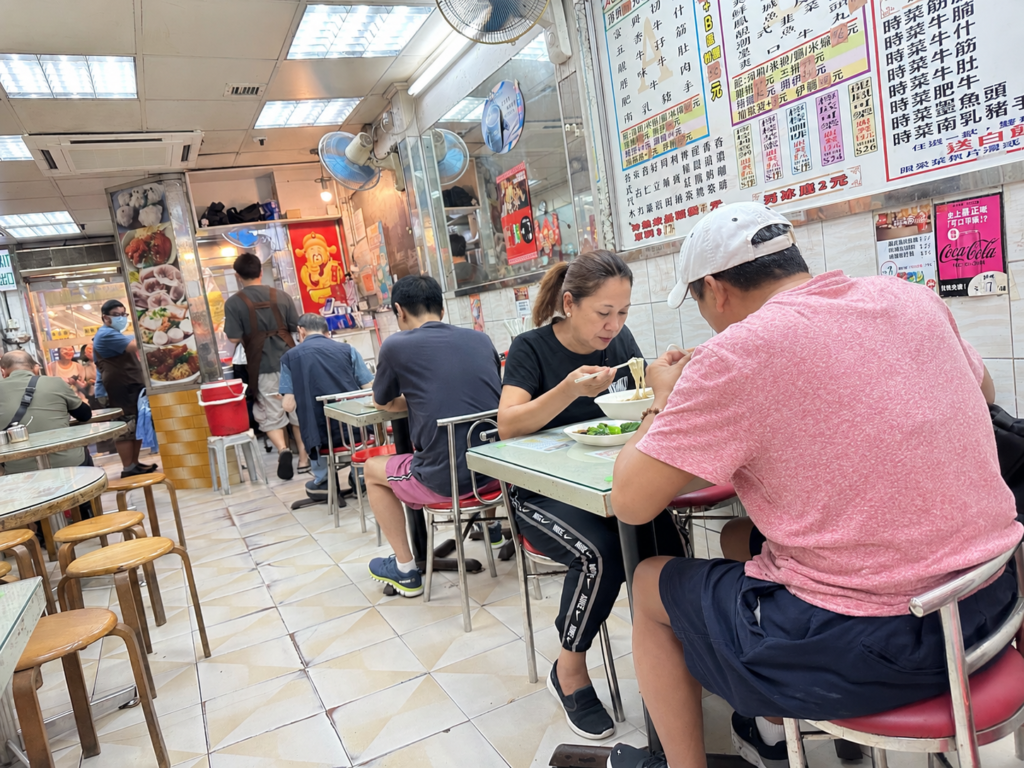
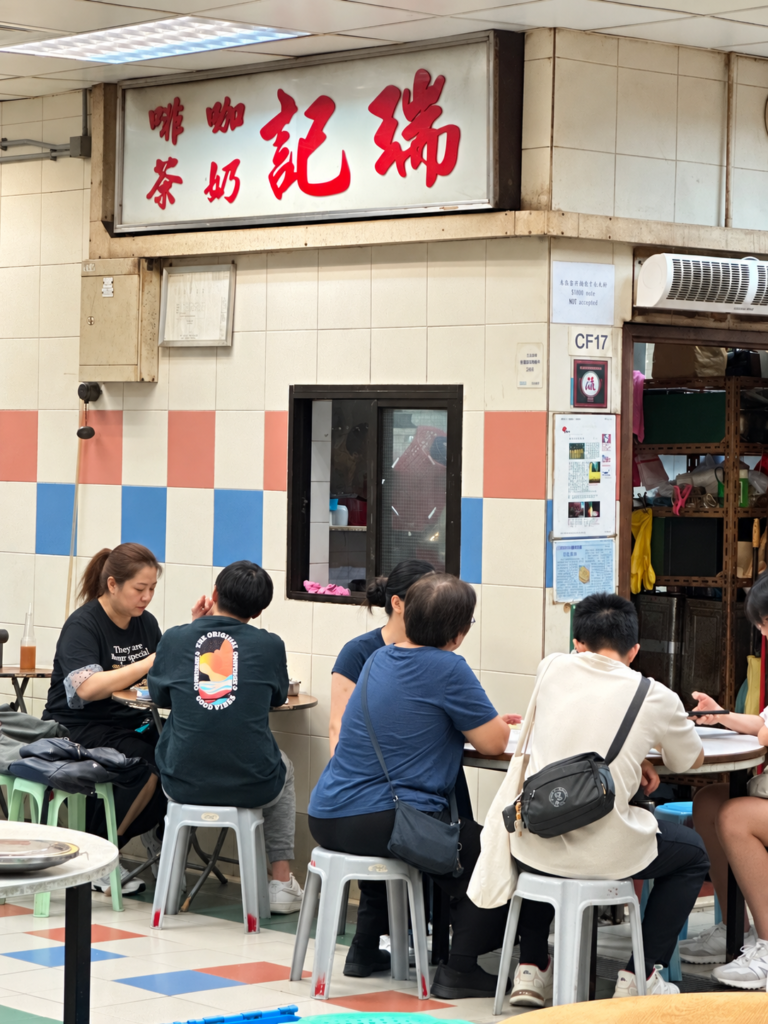
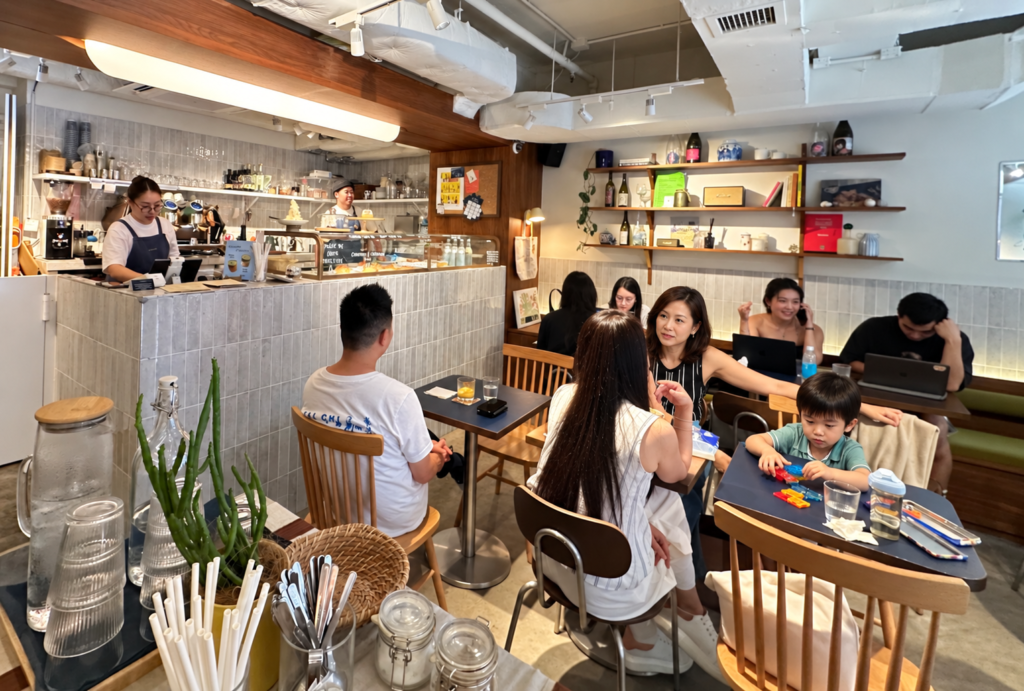
Places like 瑞記咖啡 were part of what Dad wanted from staying around here.
Look at the photograph.
Old tiles.
A red menu on the wall.
Food photographs.
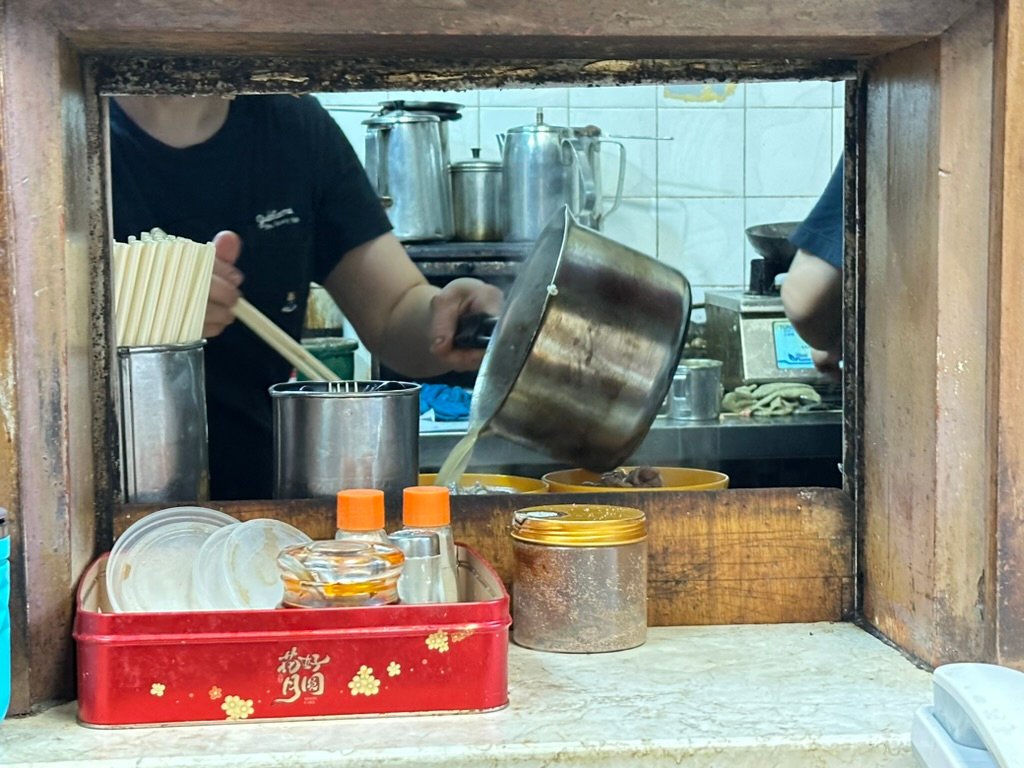
A small kitchen opening.
Older photographs.
Nothing seems arranged for visitors.
Good.
We didn’t want it arranged for us.
We wanted to experience the place as we found it.
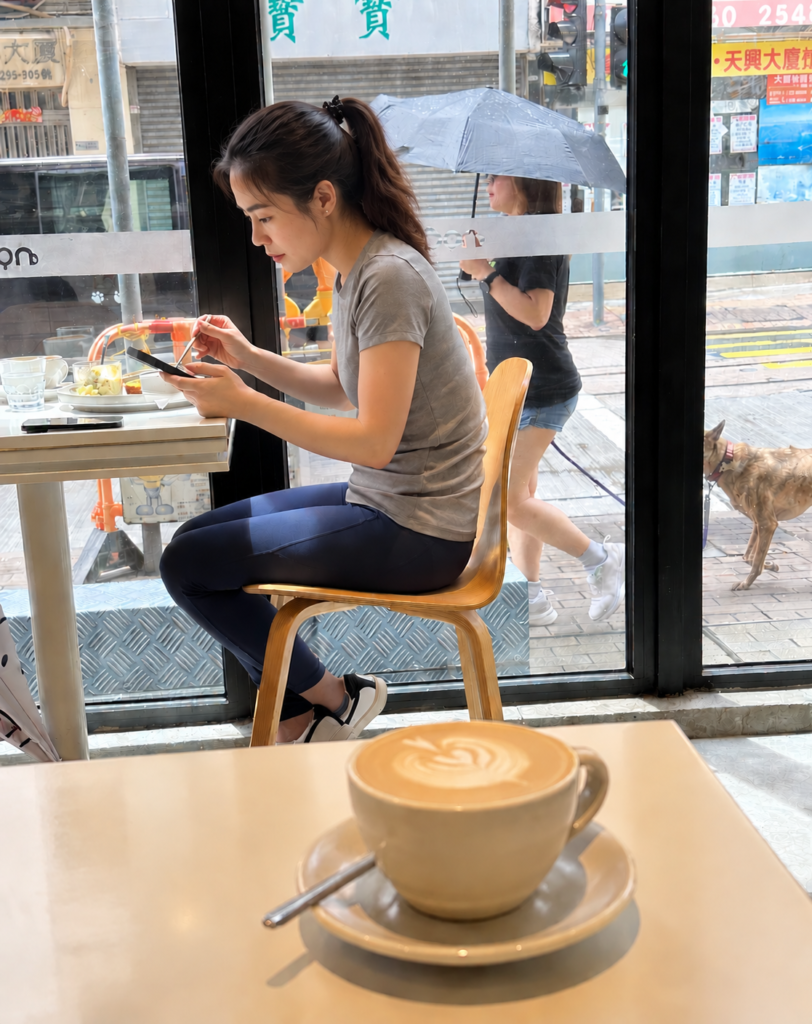
Sit Down. Drink. Look Around.
Travel doesn’t always require another attraction.
Sometimes you sit.
Have something to drink.
Look at the walls.
Watch people come and go.
Rest your legs.
Elaine looks at her phone.
Dad looks at something on the wall and inevitably begins wondering:
What’s the story behind that?
🐇
Another rabbit hole.
But for a little while, nobody needs to be:
DOING HONG KONG.
We’re simply in Hong Kong.
That can be enough.
↑ WALK UPHILL
Behind Our Hotel Was Yet Another Hong Kong
There’s something a flat map doesn’t properly communicate about this part of Hong Kong Island.
It goes up.
😂
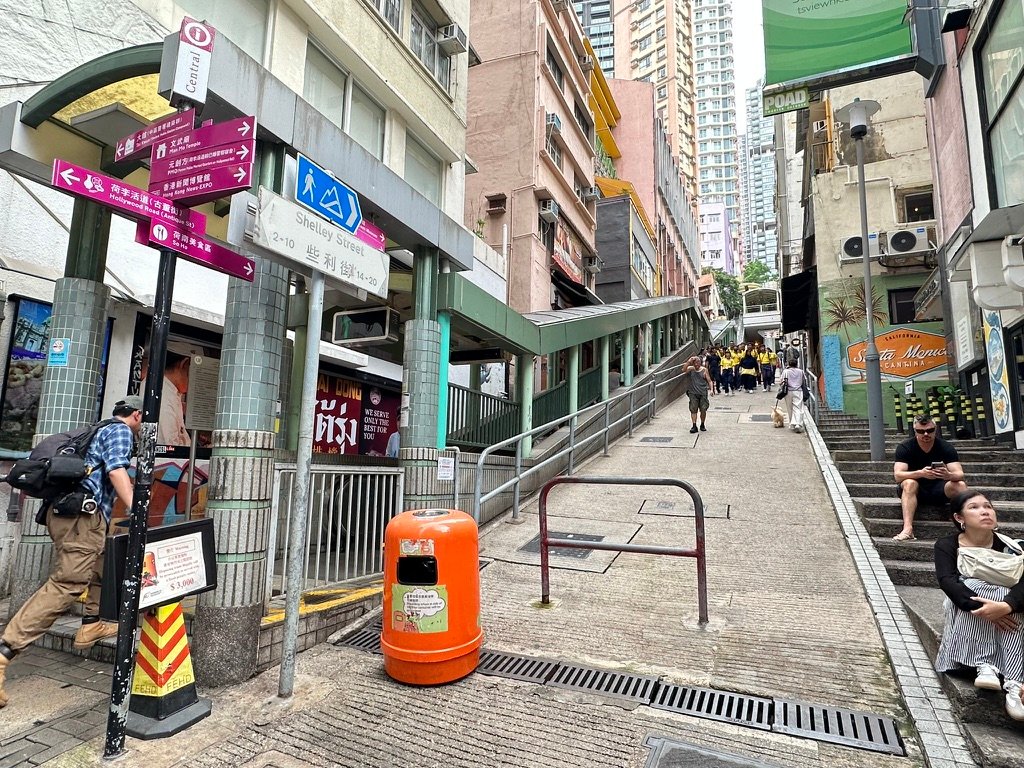
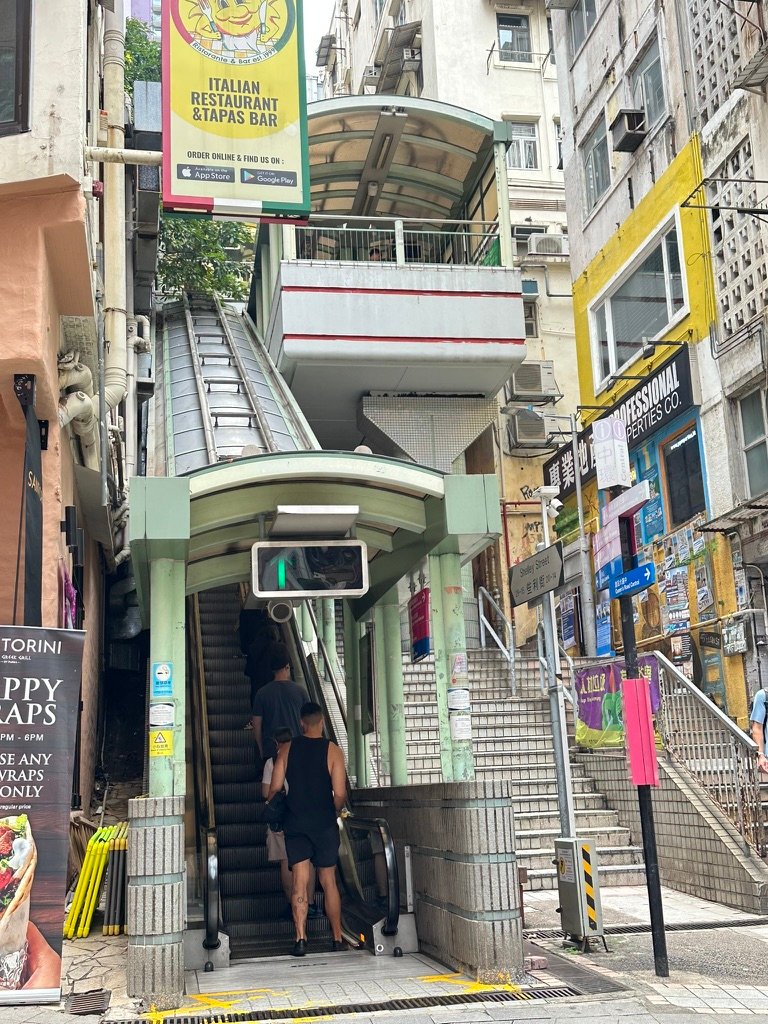
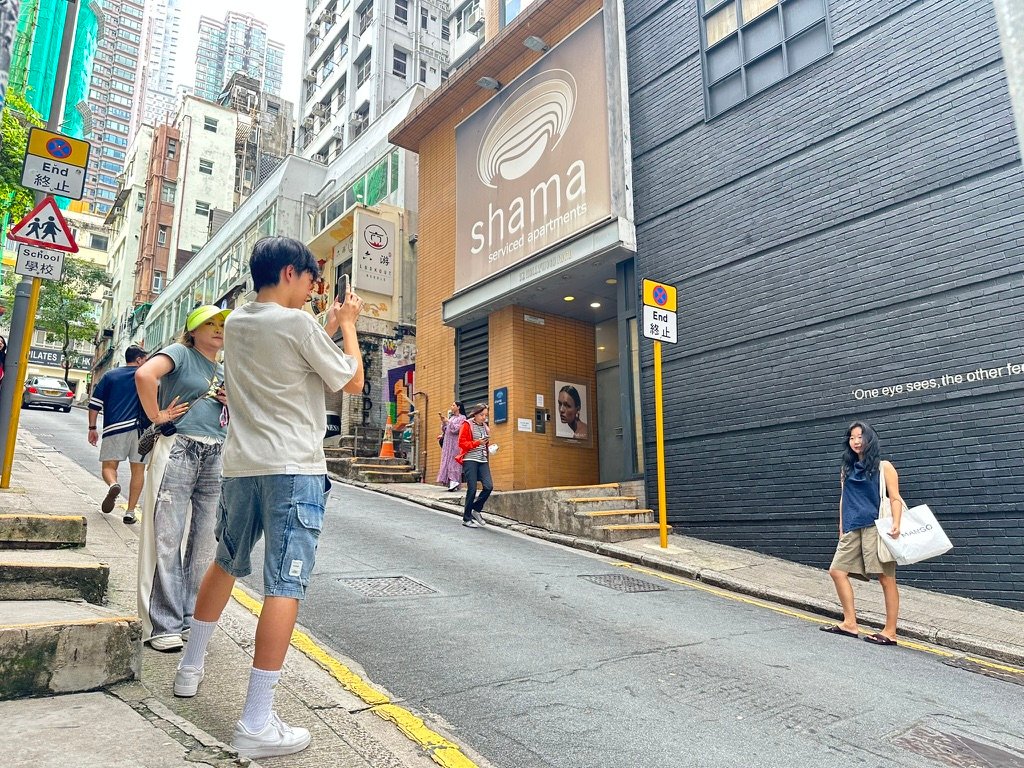
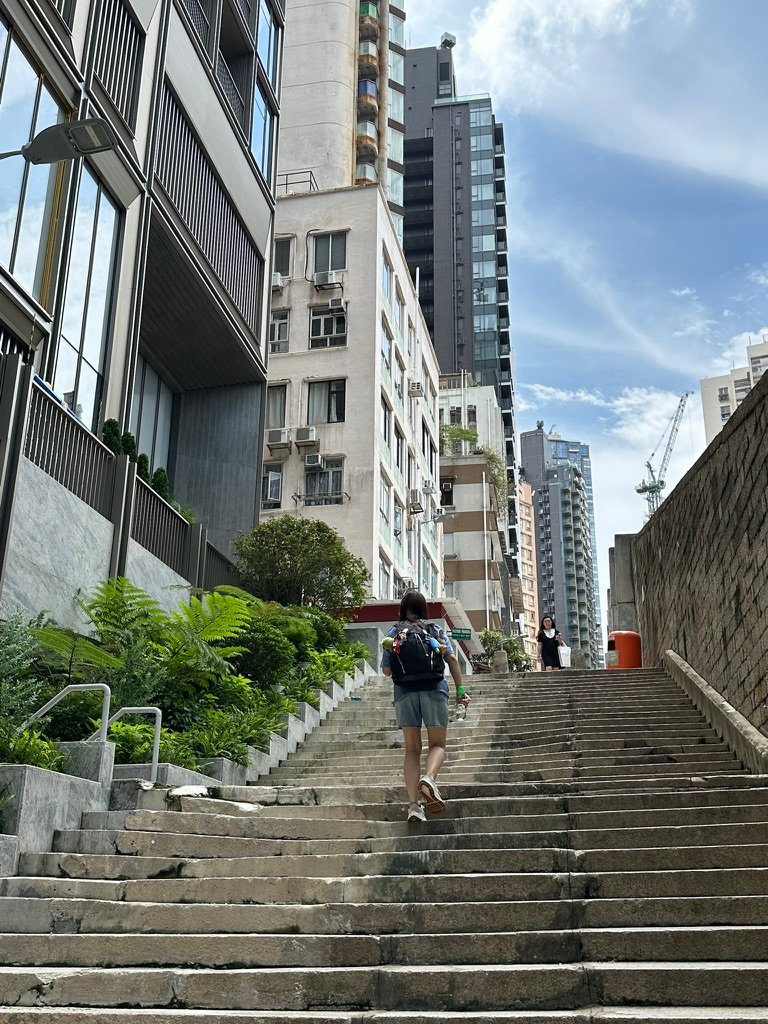
Walk behind our hotel and the streets begin climbing.
And once we started walking uphill, the experience changed again.
Commercial streets.
Food and beverage outlets.
Older shops.
Narrower streets.
Chinese signs.
Old and new businesses sitting beside one another.
The slopes themselves became part of the walk.
Toward Man Mo Temple
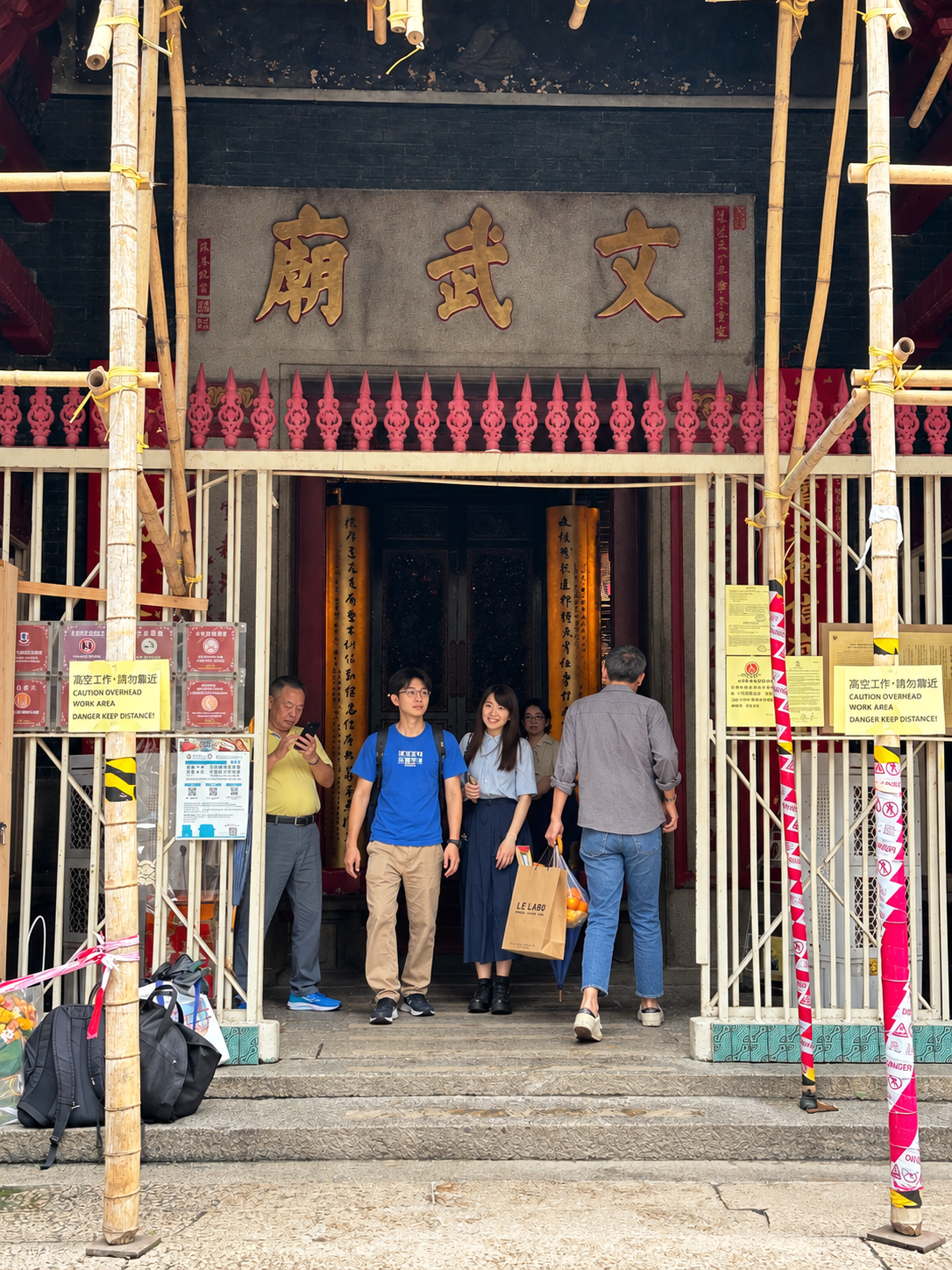
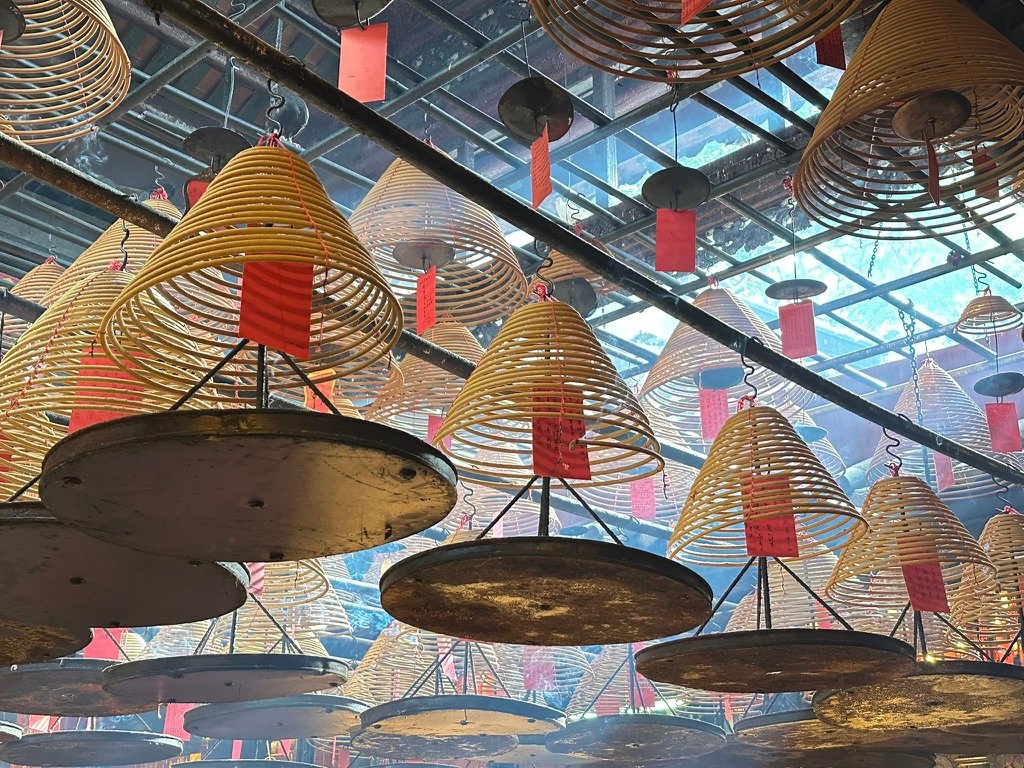
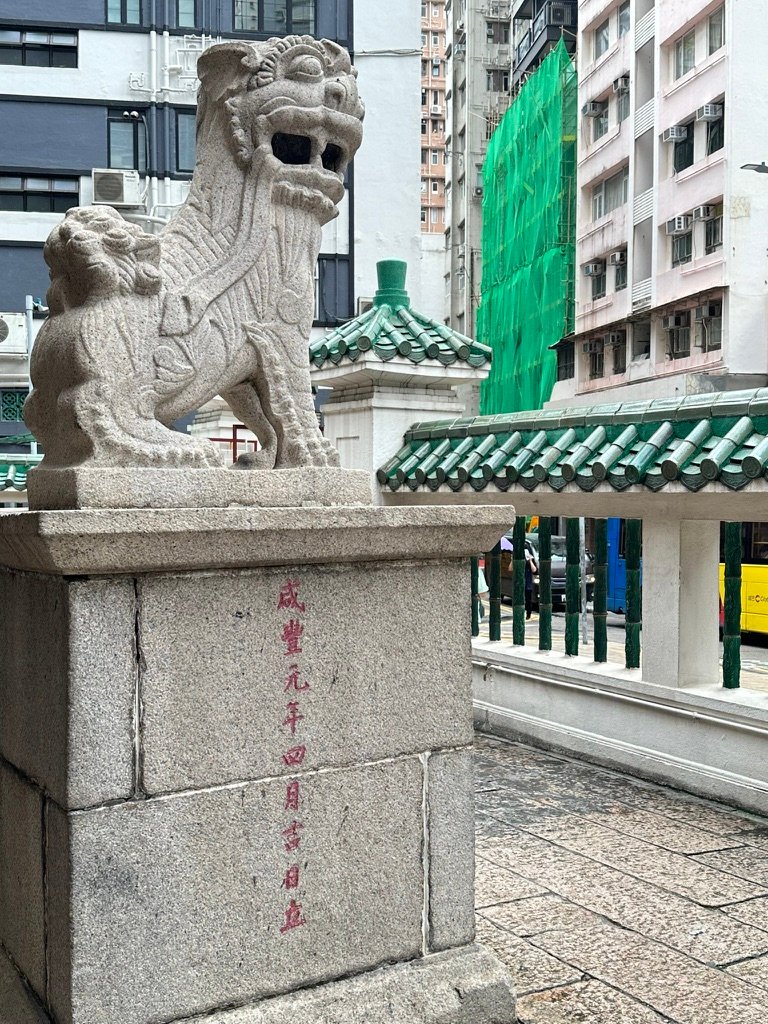
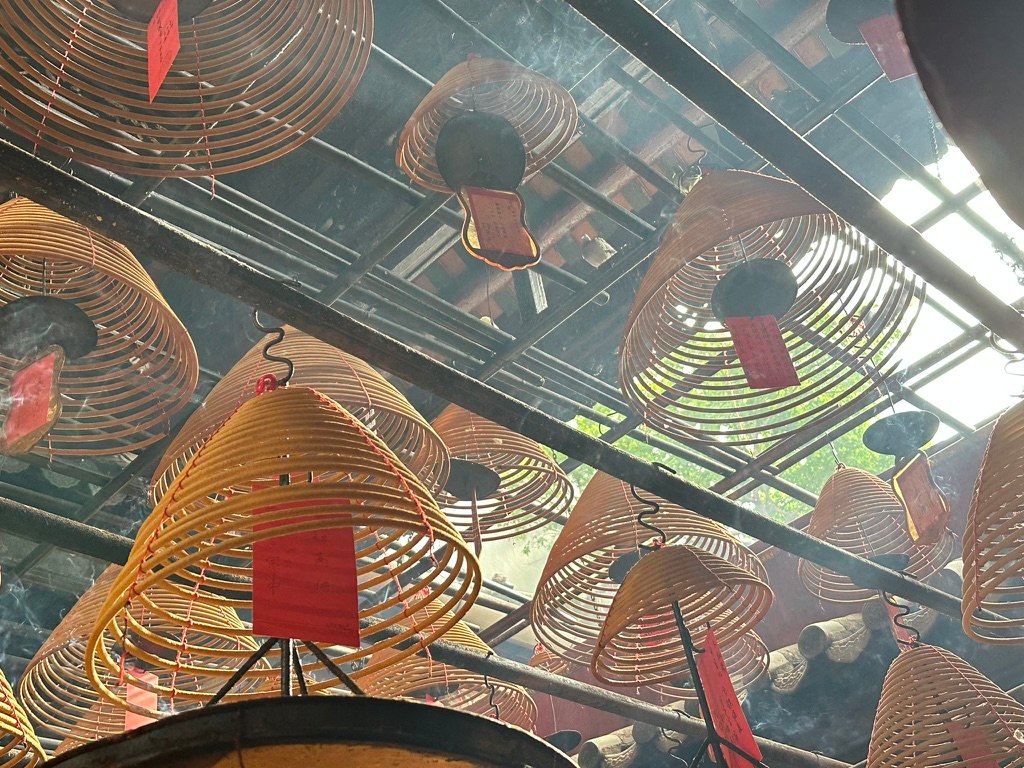
Continue exploring the older streets behind Sheung Wan and you eventually reach Man Mo Temple (文武廟) on Hollywood Road, one of Hong Kong’s best-known historic temples.
Think about that for a moment.
We could leave a modern international hotel…
walk through commercial streets…
pass restaurants and shops…
climb through an older neighborhood…
and encounter an important piece of Hong Kong’s heritage.
All on foot.
That’s what we liked about basing ourselves here.
The experiences weren’t neatly separated.
Food. Commerce. Everyday life. History. Religion. Modern Hong Kong. Old Hong Kong.
They overlapped.
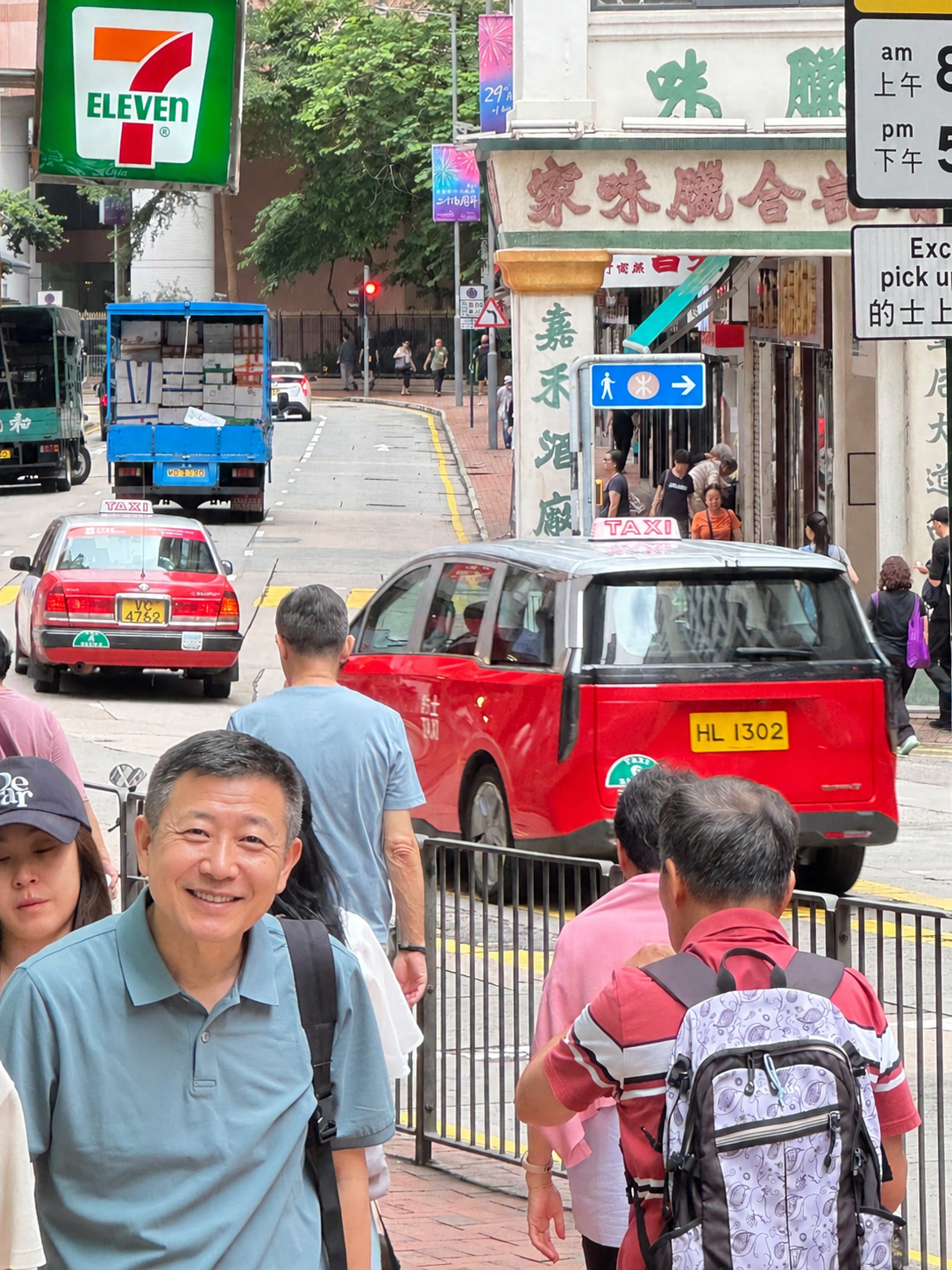
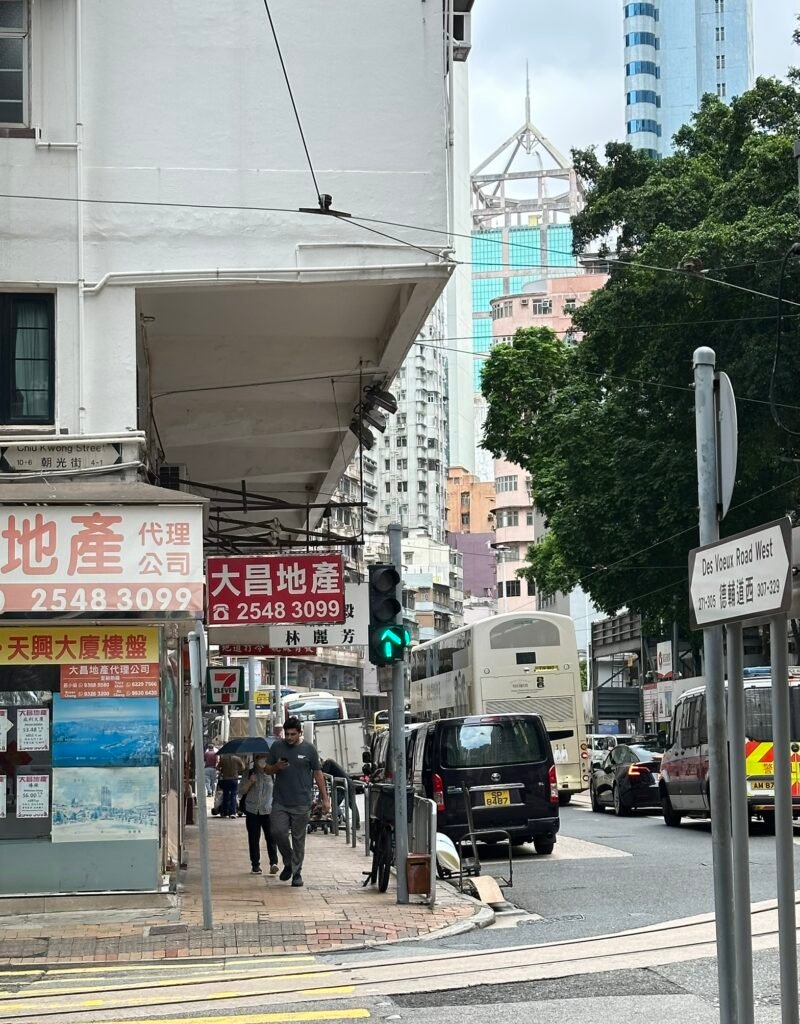
One Street, Several Hong Kongs
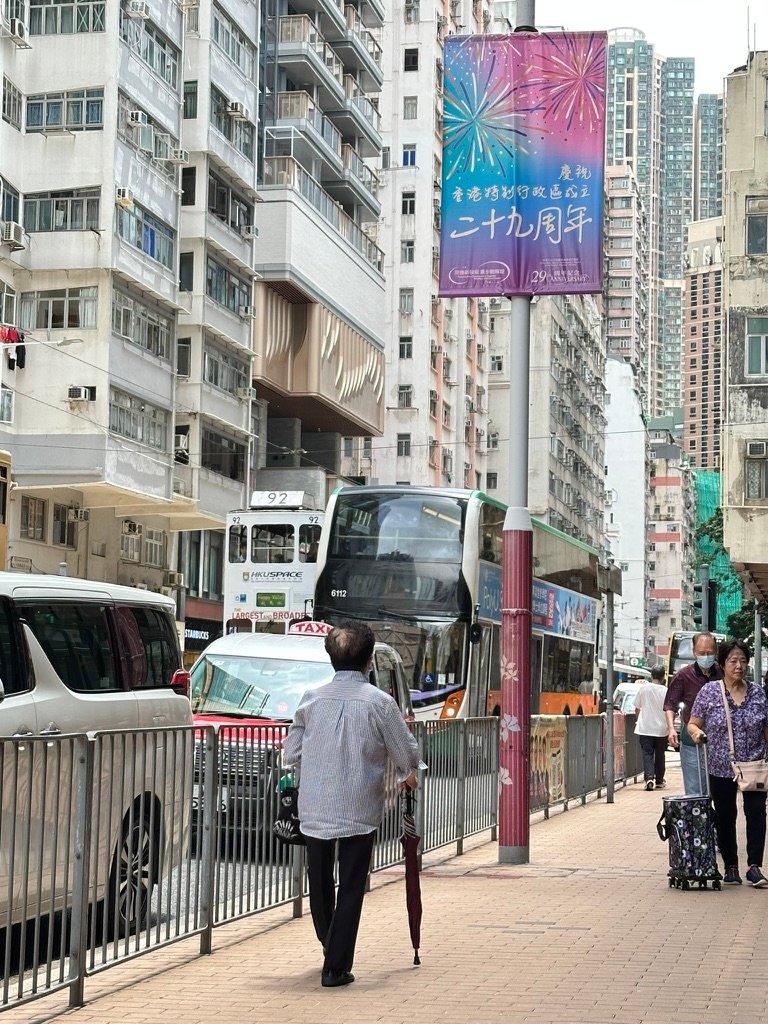
That’s one of the pleasures of walking around Sheung Wan (上環).
Hong Kong’s contrasts aren’t always separated into different neighborhoods.
Sometimes they’re separated by only a few meters.
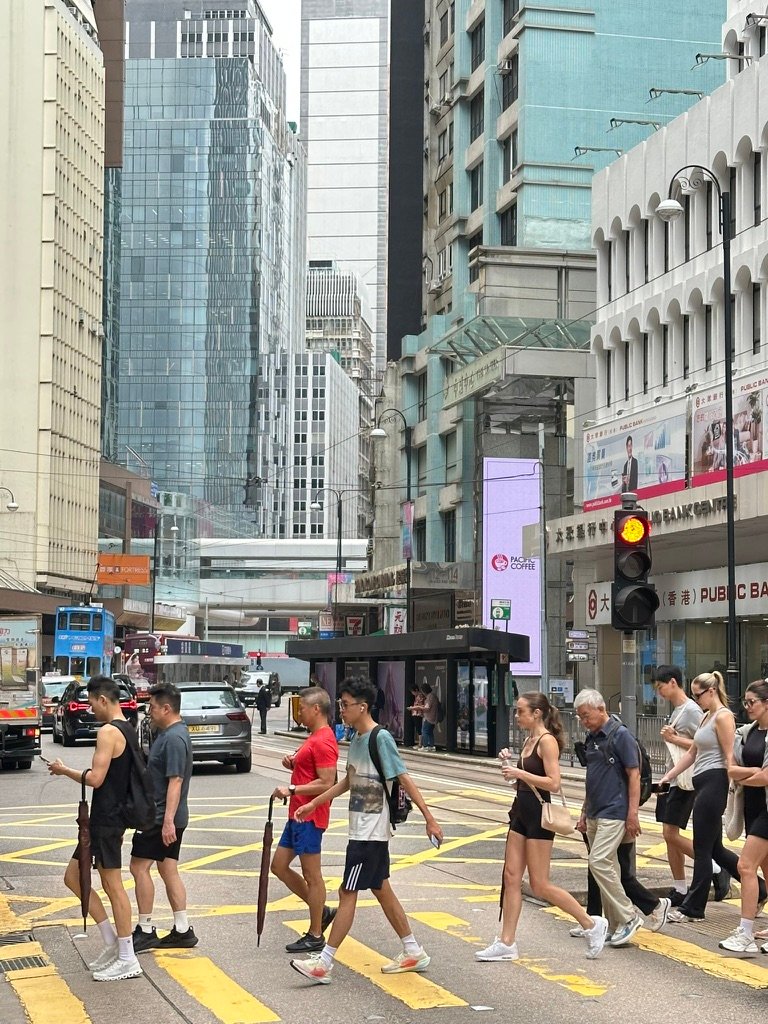
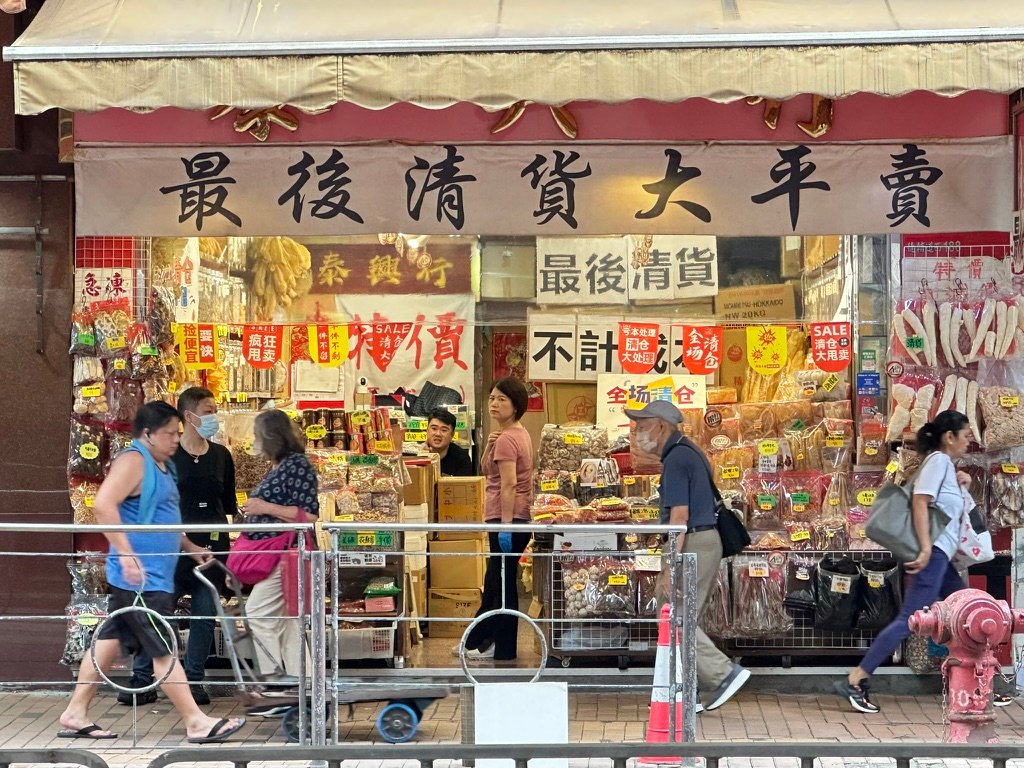
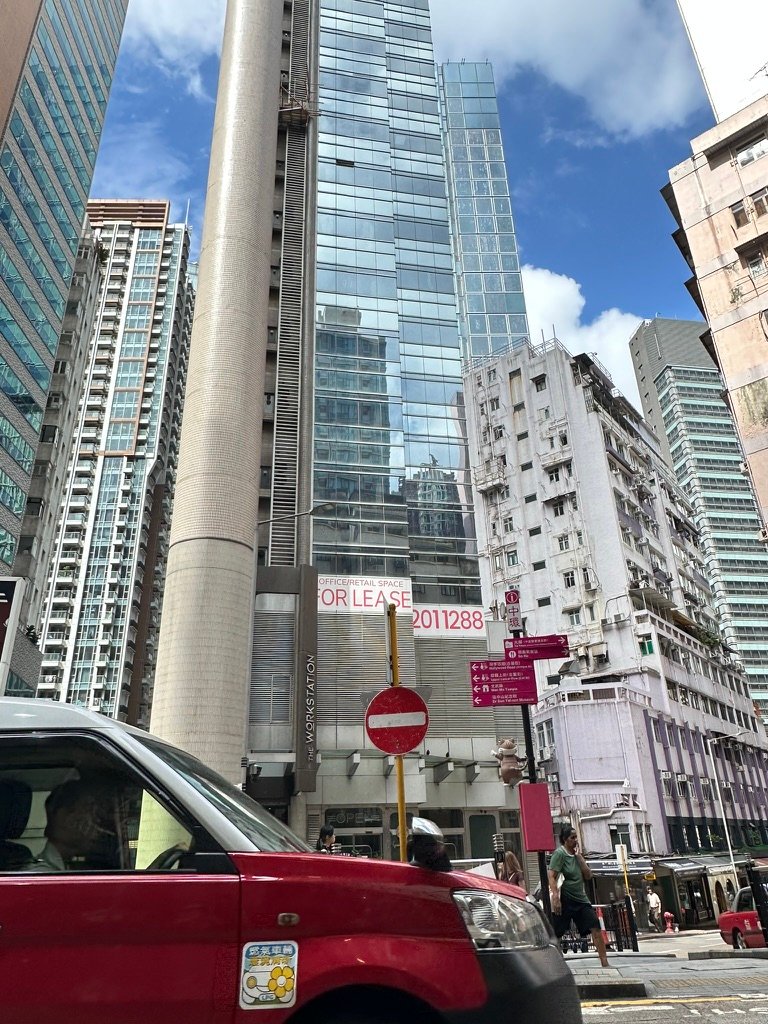
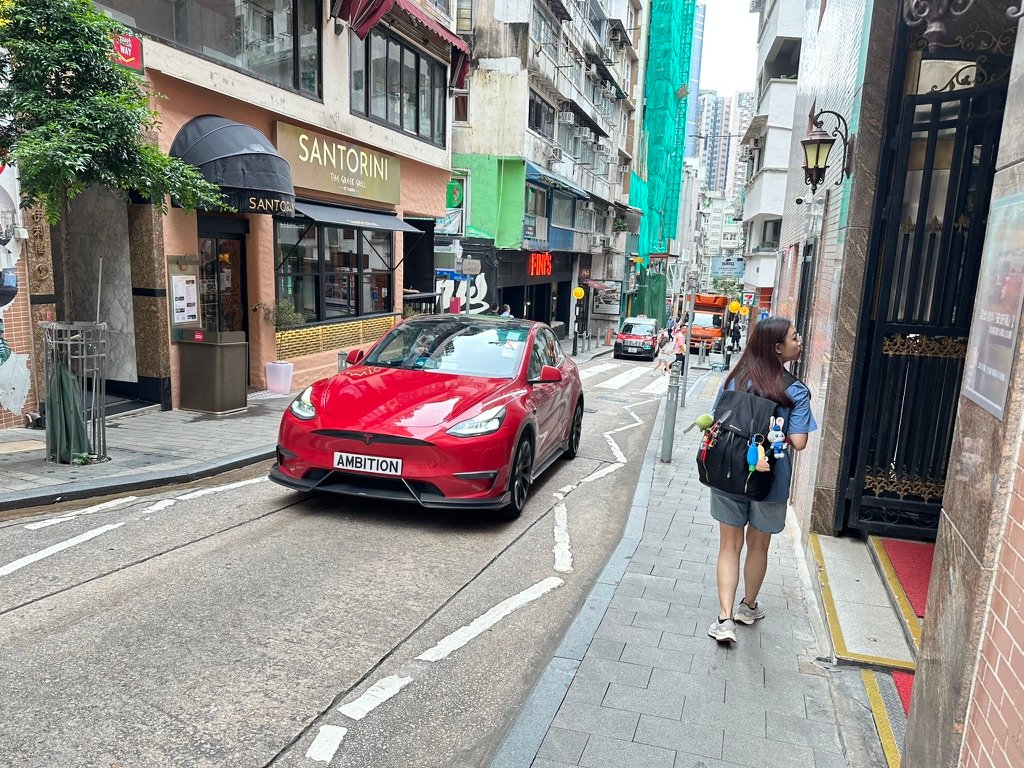
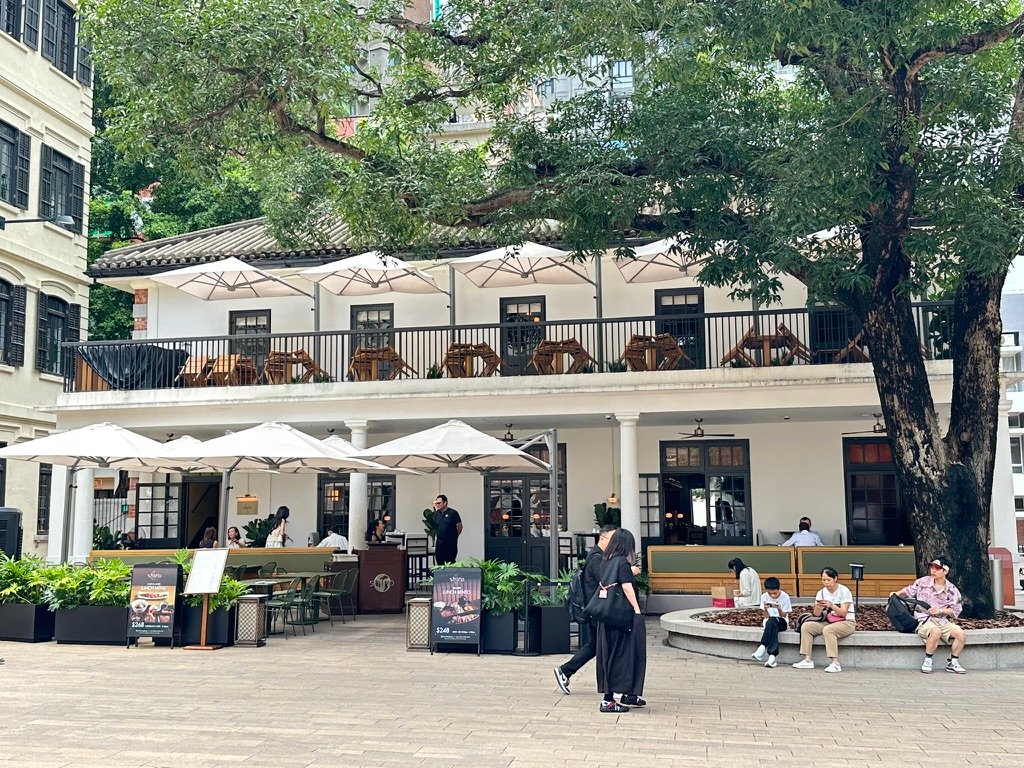
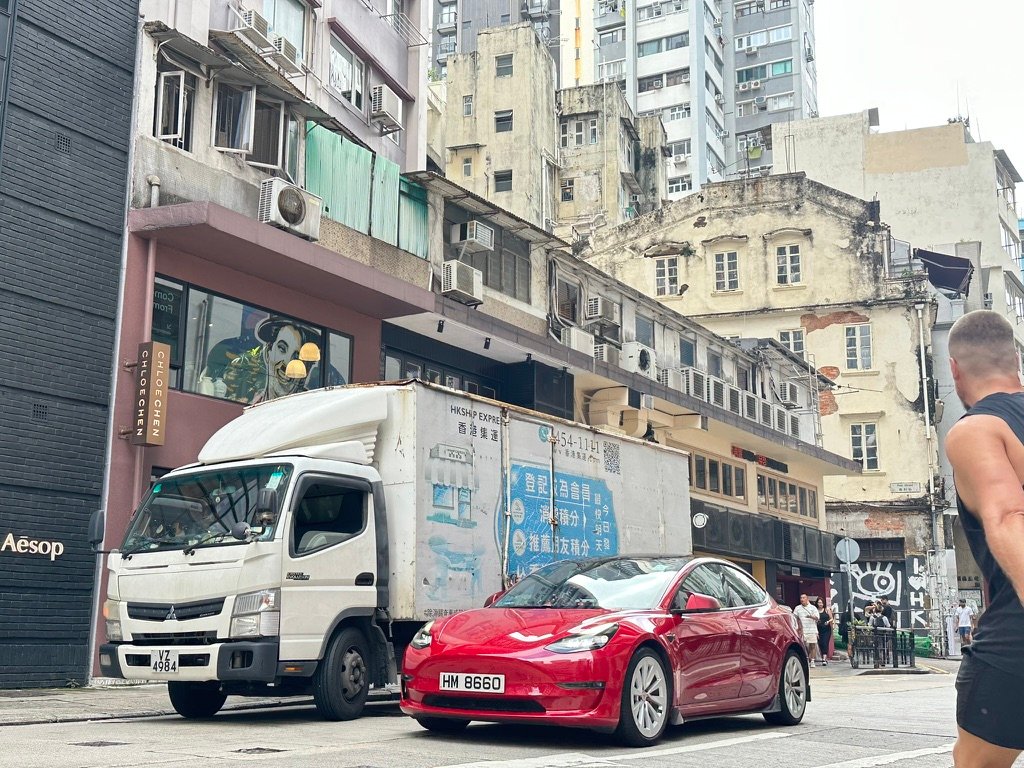
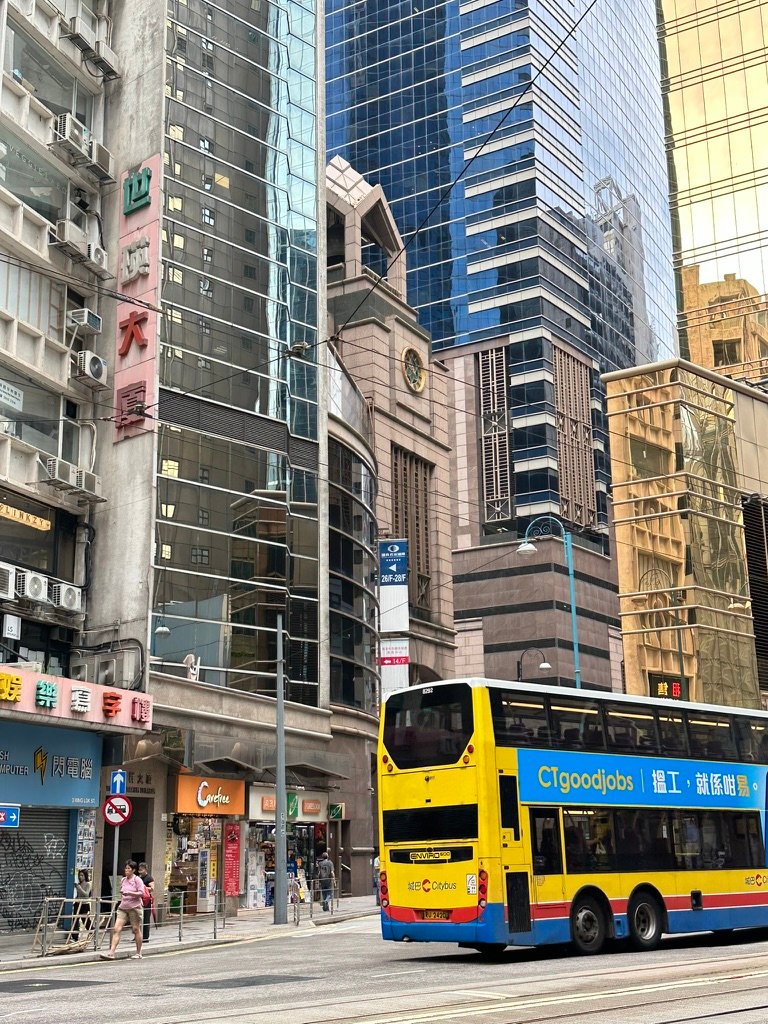
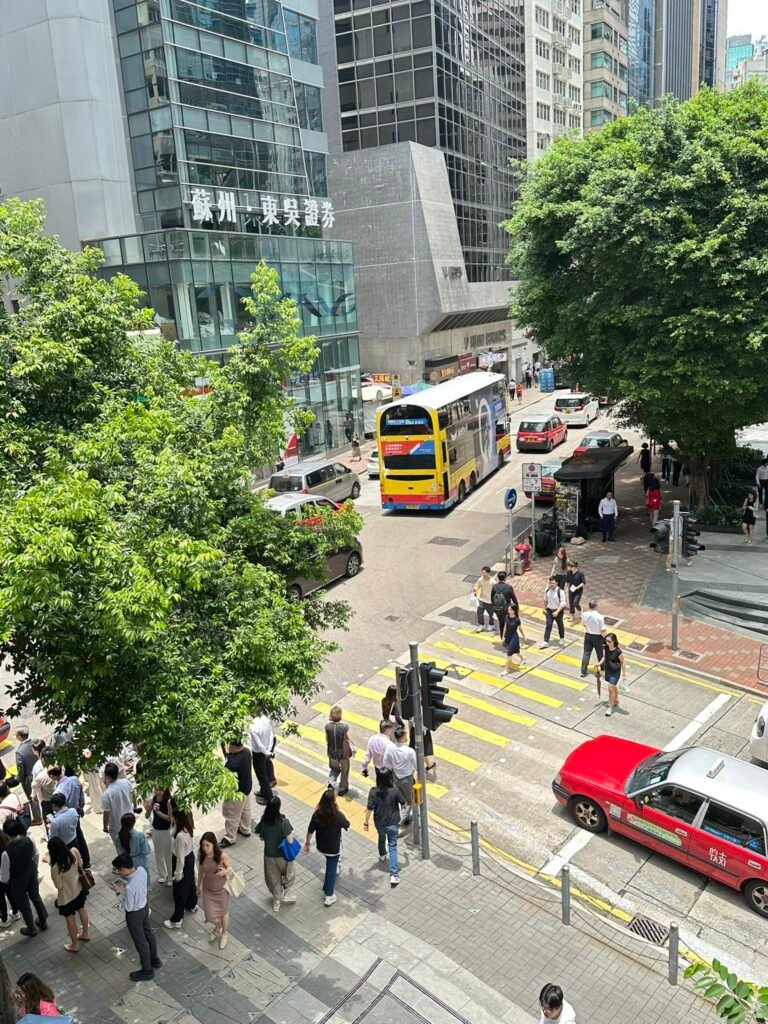
A traditional-looking Chinese shopfront can sit beneath an office building.
An Indian restaurant can be above a tailor.
A Korean lunchbox shop can sit beside them.
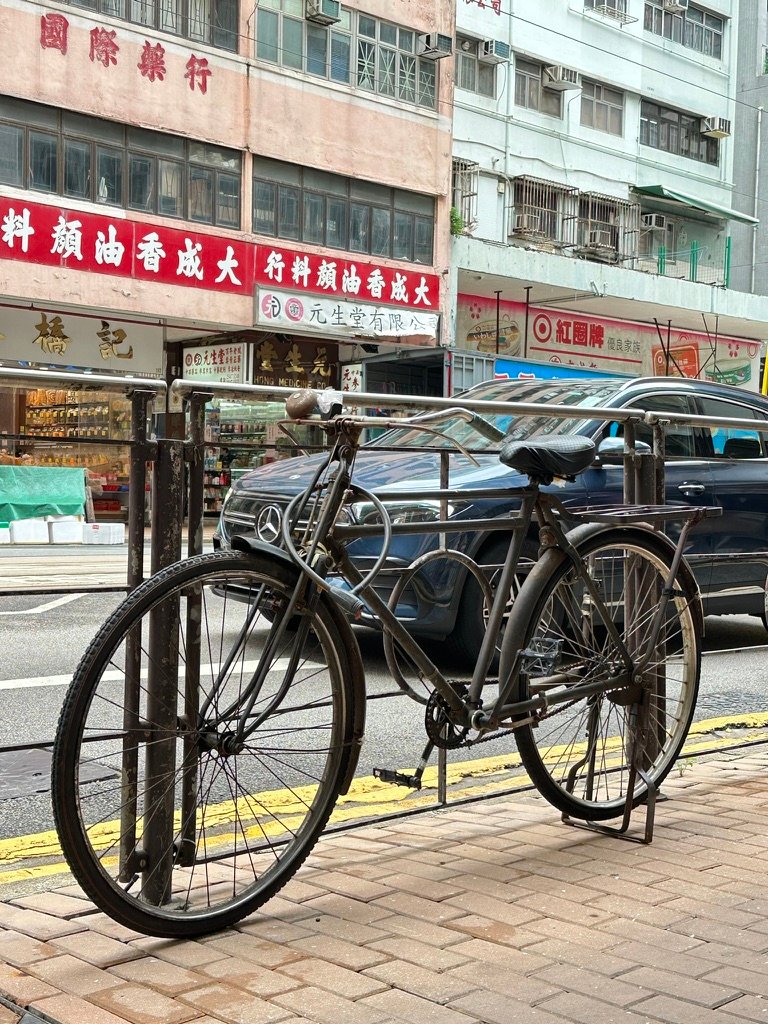
English signs compete with Traditional Chinese characters.
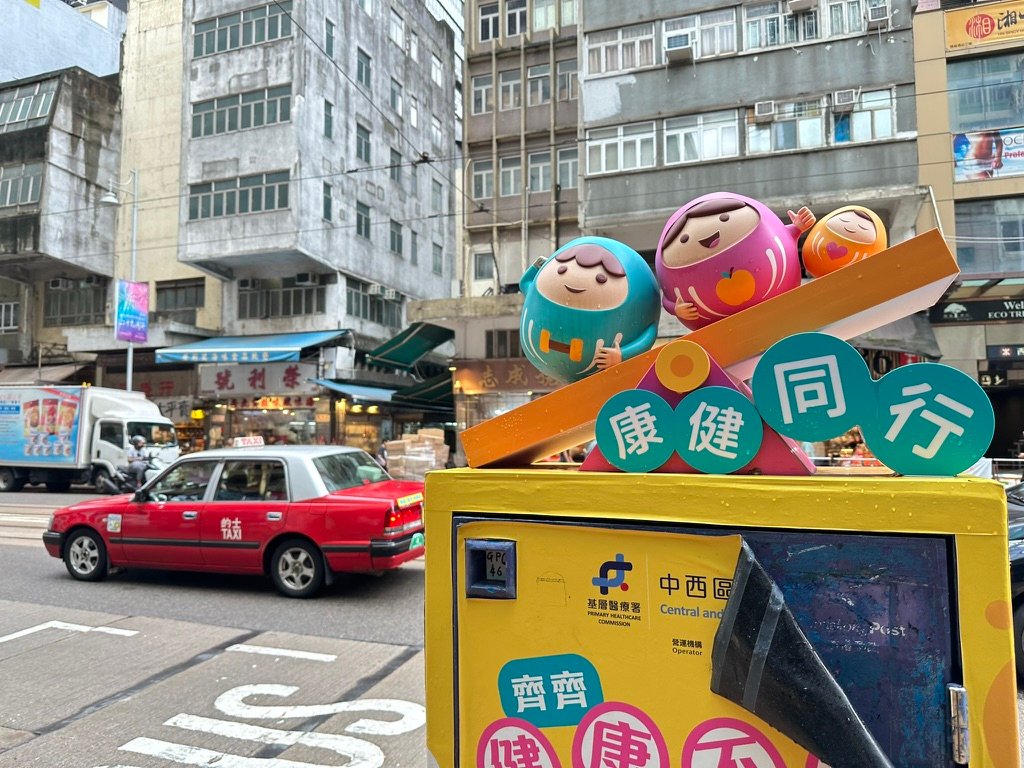
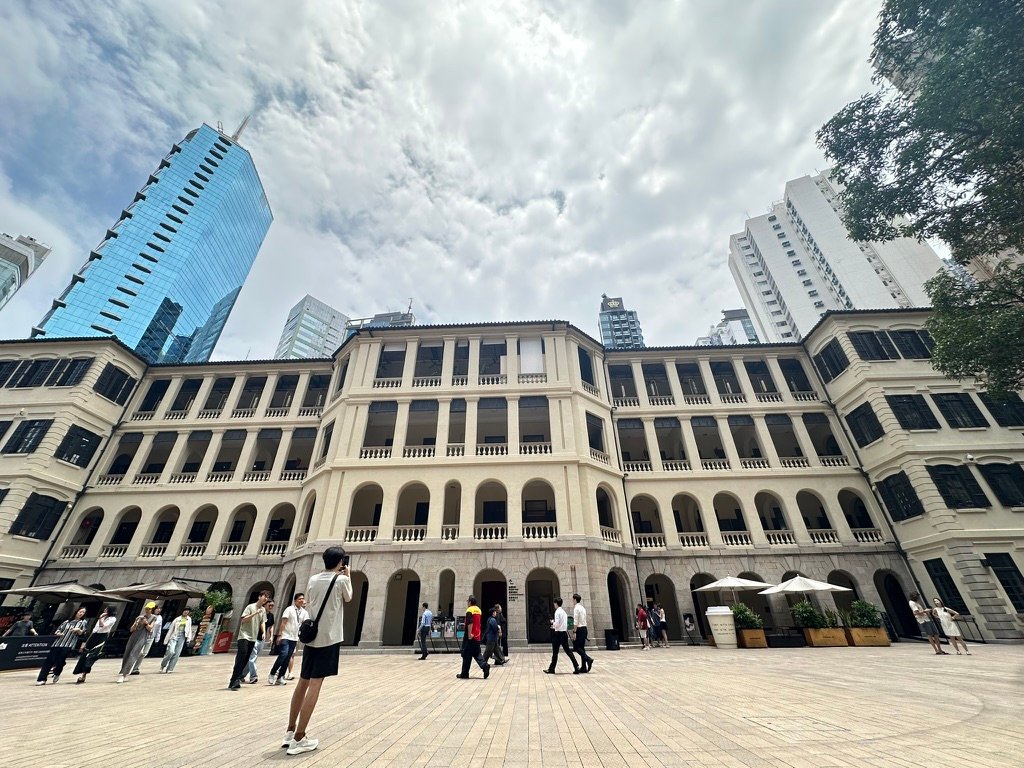
An older concrete building stands beside a newer glass façade.
And above the whole scene?
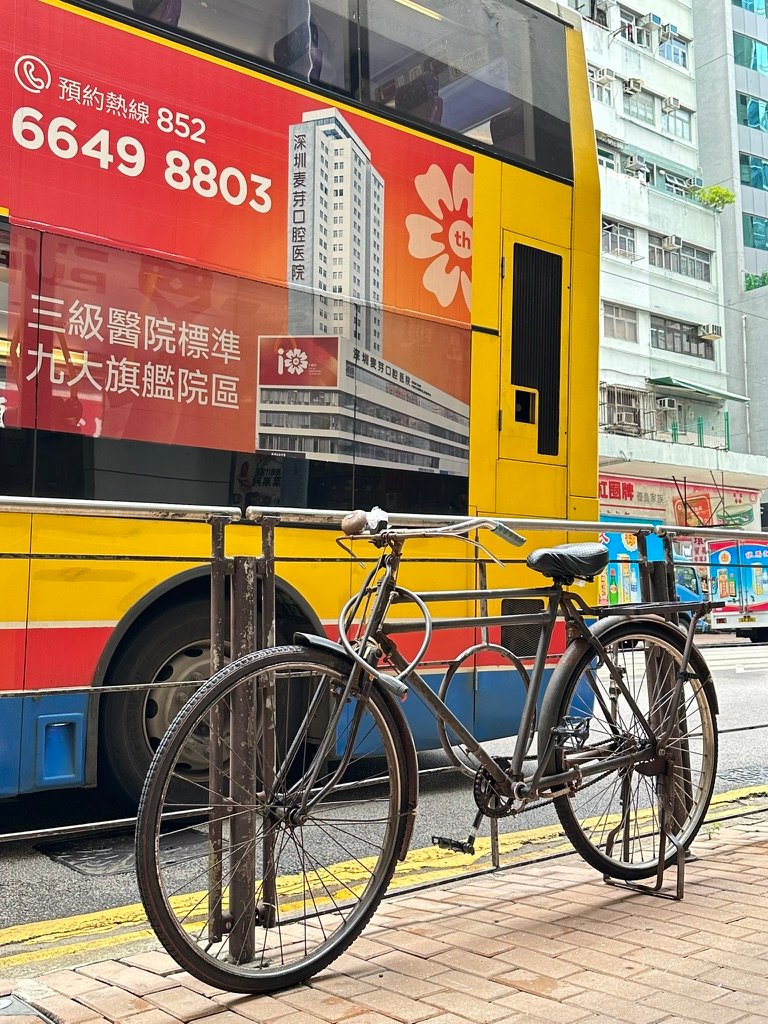
The web of tram wires reminds you that you’re still standing on a working Hong Kong street.
This isn’t an open-air museum preserving “Old Hong Kong.”
And it isn’t a shiny new city that has erased everything that came before.
Both are still here.
Living on top of one another.
And This Is Why Dad Likes Walking
If we’d gone underground, taken the MTR and emerged at our next destination, we might never have noticed this street.
Nothing here would necessarily appear on a first-time visitor’s must-see list.
But Dad wanted Elaine to notice precisely this kind of Hong Kong.
Not just:
Where are the famous buildings?
But:
What is this street telling us?
Why are the buildings different ages?
Why are Chinese and English everywhere?
What businesses have survived?
What businesses are new?
Who lives here?
Who works here?
Who eats here?
🐇
One photograph.
Several rabbit holes.
That’s the advantage of walking.
Sometimes seeing Hong Kong better begins with stopping somewhere that wasn’t on the itinerary.
WALK EAST →
Toward Central — Our Busy, Buzzing Hong Kong
On another day, or even later the same day if our legs were willing, we could leave the hotel and head in the opposite direction.
East.
Toward Central (中環).
And gradually, the feeling changed.
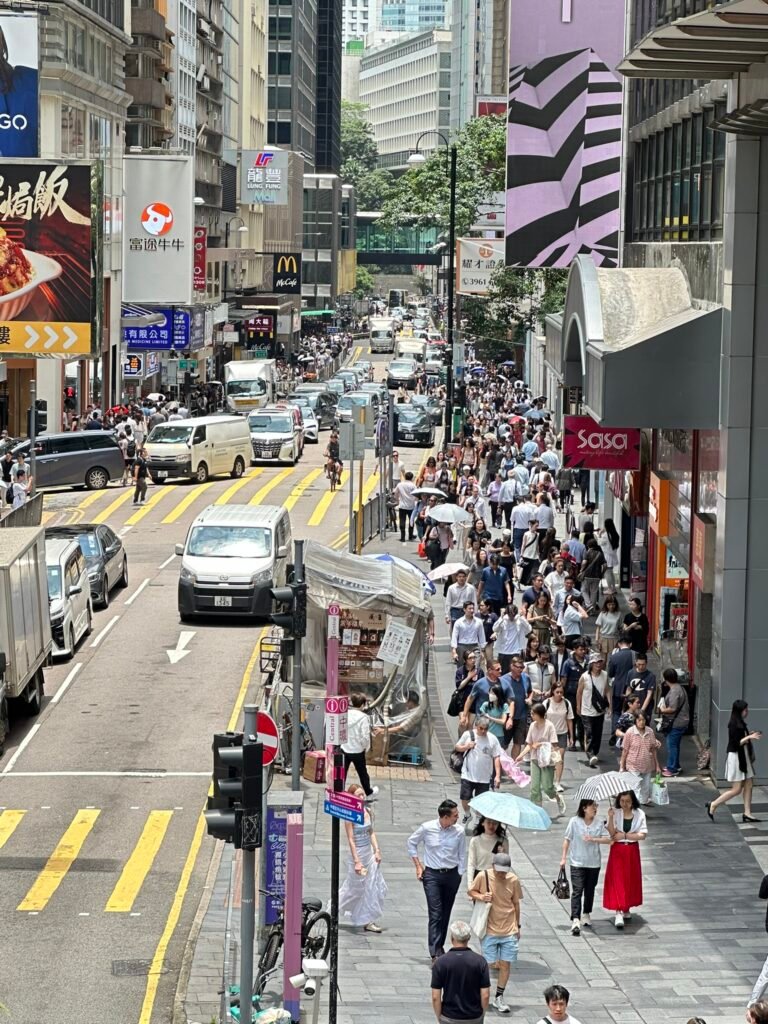
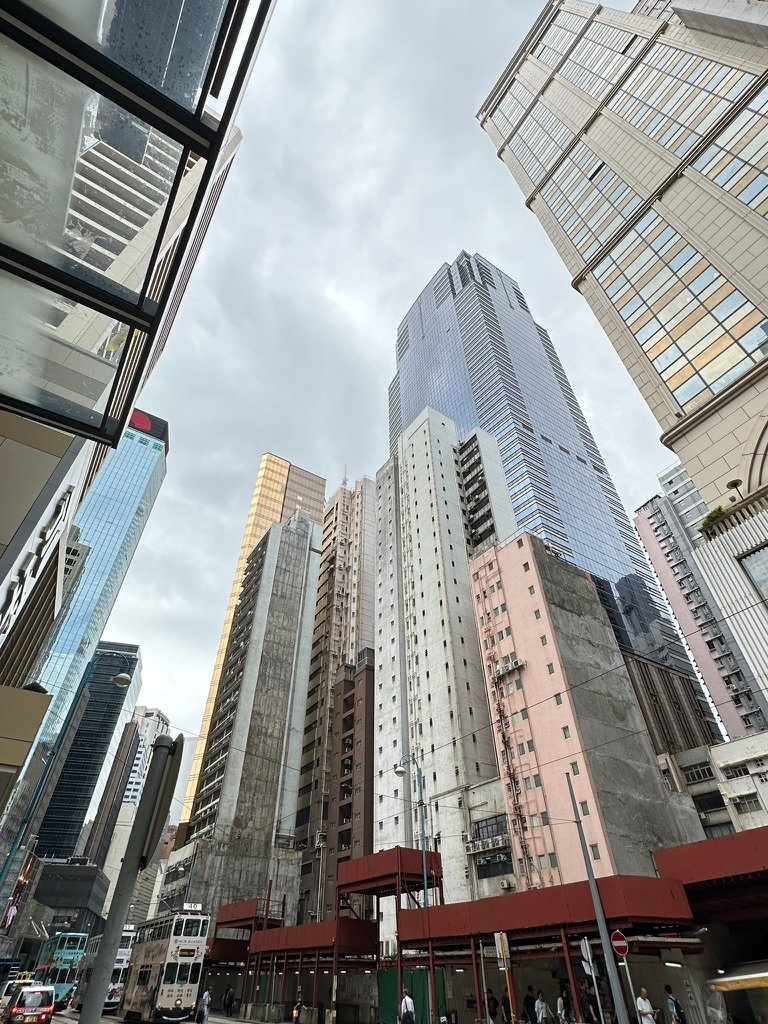
More people.
More offices.
More commercial activity.
More modern buildings.
More movement.
More of that unmistakable Hong Kong energy.
Busy. Buzzing. Moving.
This was another Hong Kong Dad wanted Elaine to experience.
We Didn’t Have to Choose Between the Two
This was what Dad liked most about our location.
I wanted Elaine to experience neighborhood Hong Kong.
But that didn’t mean avoiding Central.
Quite the opposite.
Central is part of Hong Kong too.
So instead of deciding:
Should we experience local Hong Kong?
or:
Should we experience modern commercial Hong Kong?
Dad’s answer was:
Why not walk between them?
🐞
Start around Sheung Wan.
Walk east.
Watch the city change.
The transition itself becomes part of the journey.
Walking Lets You Feel the Transition
Of course, we could take the MTR.
And sometimes we did.
Hong Kong’s public transportation makes getting around wonderfully convenient.
But when distance, weather and energy levels allowed, Dad preferred walking.
Because the MTR is brilliant at transporting you from:
A → B.
Walking shows you what exists between:
A …………….. B.
That’s a very different travel experience.
You notice when streets become busier.
When buildings change.
When shops change.
When the crowd changes.
When the rhythm of the city changes.
You don’t just arrive in Central.
You feel yourself walking into Central.
Dad’s Sheung Wan Strategy
Looking back, Dad’s strategy was remarkably simple.
← WEST: WALK TOWARD SAI YING PUN
Slow down.
Neighborhood streets.
Markets.
Local food.
Coffee.
Everyday life.
Walk without needing a major attraction at the end.
↑ UPHILL: EXPLORE OLD SHEUNG WAN
Climb.
Commercial streets.
Restaurants.
Shops.
Older buildings.
Heritage.
Man Mo Temple.
Let the rabbit holes appear.
🐇
EAST →: WALK TOWARD CENTRAL
Speed up.
More people.
More commerce.
More offices.
More modern Hong Kong.
Feel the city become busier and more intense as you approach Central.
And Back at Our Base…
Ibis Hong Kong Central & Sheung Wan.
Value for money.
Everyday Hong Kong outside the door.
About a 10-minute walk to the MTR for journeys farther away.
And about a 10-minute walk to the Hong Kong–Macau Ferry Terminal.
That combination worked extremely well for us.
Then Our Location Became Useful for Macau
One morning, the strategic side of Dad’s hotel choice became particularly obvious.
We were heading to Macau (澳门, Àomén).
Our journey began:
hotel → walk → Hong Kong–Macau Ferry Terminal
Roughly 10 minutes.
Simple.
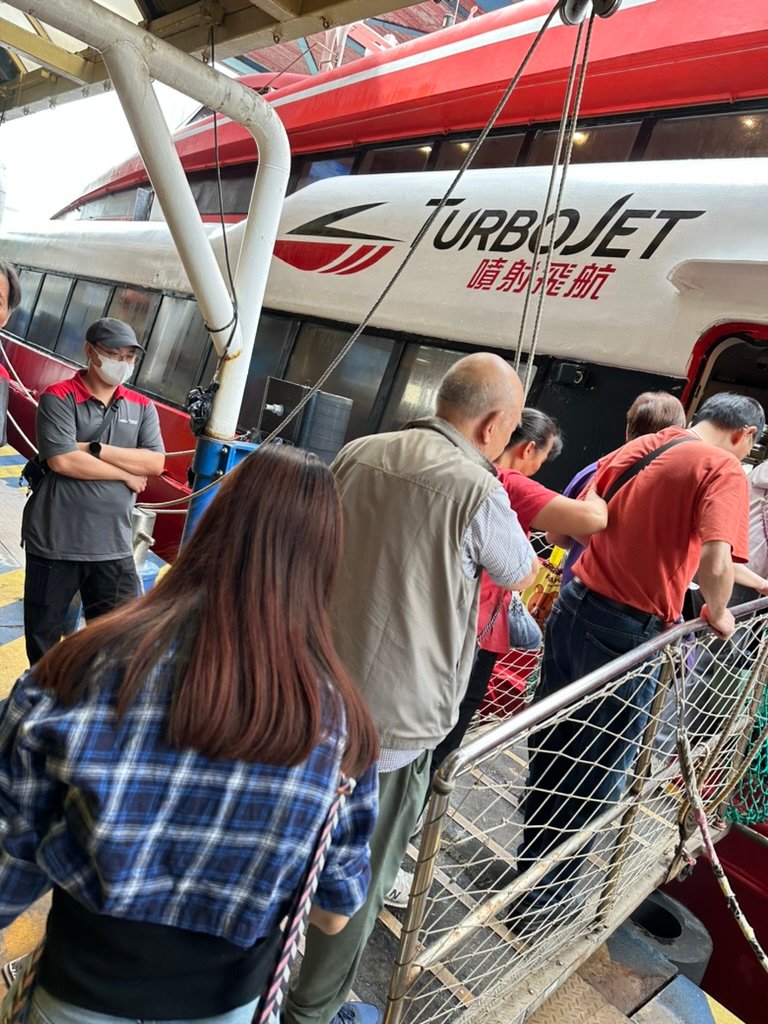
From there, Dad and Elaine took the ferry to Macau.
And after our Macau day, we returned to Hong Kong by bus across the Hong Kong–Zhuhai–Macau Bridge.
So our Sheung Wan base wasn’t only good for exploring the neighborhood.
We’re a father and daughter exploring China through real journeys, real traveler questions, and the little things that make us stop and ask, “Why?”
ChinaTravelBUG.com helps you travel China — and understand it better.
Come for practical answers to plan your trip. Follow our journeys to see what traveling in China is really like. And when something makes you curious, look a little deeper into the culture, history and everyday life behind what you see.
Along the way, we share our firsthand experiences, answers to real traveler questions, and insights from licensed local guides.
Come with us — SEE China. ASK questions. UNDERSTAND it better.