You booked your train online.
Payment went through.
You have a train number, carriage and seat.
But then you wonder:
“Where’s my actual ticket?” 😂
🥟 The Quick Bite
For ordinary domestic rail travel in China, your booking is generally electronic and linked to the identity document used to buy it.
For most international travelers, that means your passport.
So you normally don’t need to collect a traditional paper ticket before boarding.
🌍 If You’re Trying to Place It…
Think of an airline e-ticket where the booking already exists in the system.
But instead of showing a boarding pass, China’s railway system can use your identity document to retrieve and verify the journey attached to you.
Your passport isn’t the ticket itself.
But it is the key that connects you to your electronic booking.
🚄 So What Do I Show at the Station?
Bring the original passport you used for the booking.
China’s official guidance says foreign travelers can enter and exit railway stations through automatic or manual ticket gates using the original valid identity document used when purchasing the ticket.
If the automatic gate doesn’t accept your passport, use the staffed/manual channel (人工通道, réngōng tōngdào).
📱 Should I Still Keep My Booking Details?
Absolutely.
Keep the confirmation on your phone or take a screenshot showing:
train number + departure station + time + carriage + seat.
Not because the screenshot replaces your passport, but because Dad would rather know he’s in Carriage 6, Seat 8A before the train arrives. 😂
🧾 What About a Paper Receipt?
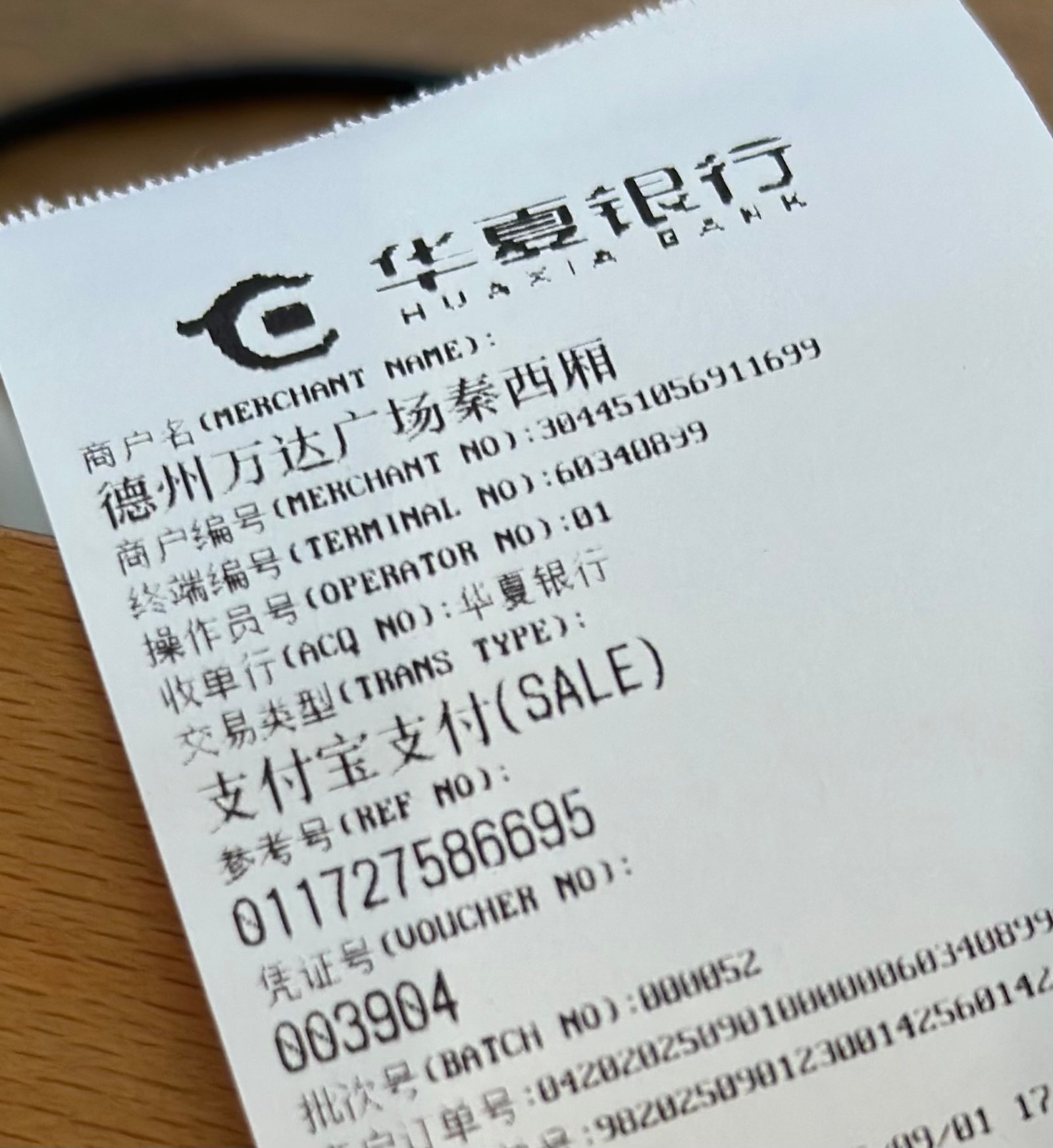
Don’t confuse a ticket for travel with a receipt/invoice for reimbursement.
China Rail now provides electronic railway invoices for eligible journeys.
That’s an accounting document — not something you normally need in order to board your train.
🥟 One Last Bite
So if you’ve booked your Chinese train and find yourself thinking:
“But I still don’t have a ticket!”
Don’t panic.
Check that the booking is confirmed.
Keep your journey details handy.
And most importantly:
bring the passport used for the booking.
In China’s real-name railway system, that’s the document that connects you to your seat.
See China. Understand It Better.