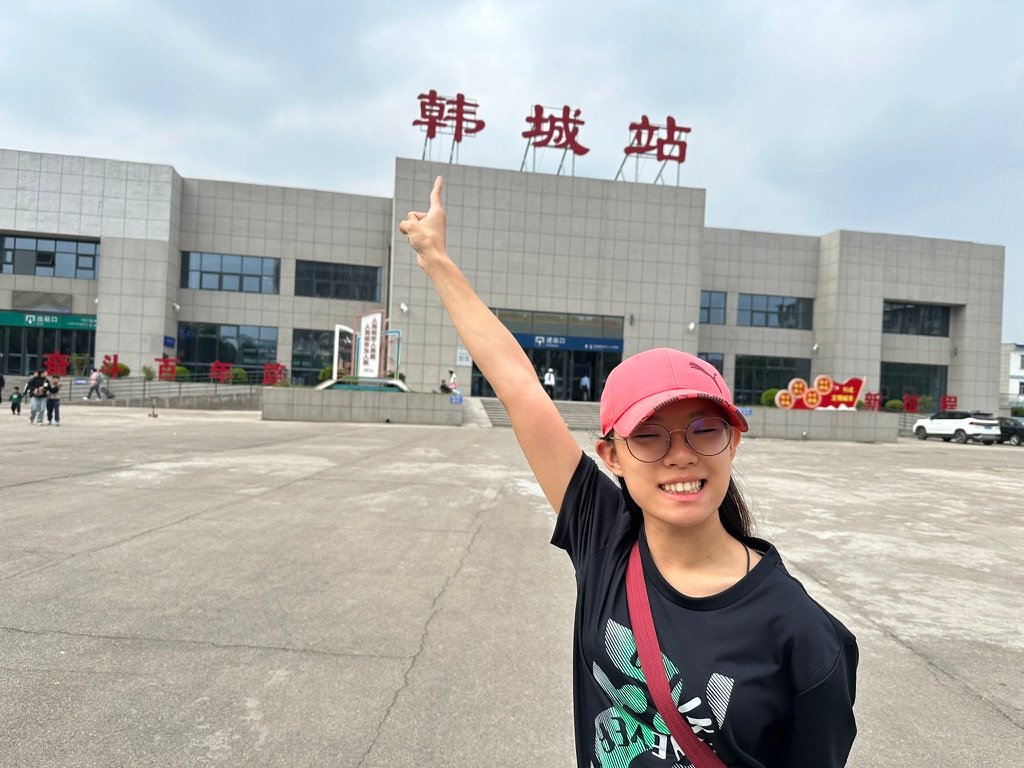
A hidden historical place beyond Xi’an where Sima Qian, ancient temples, and a forgotten old city turned a simple stopover into one of our most meaningful China journeys
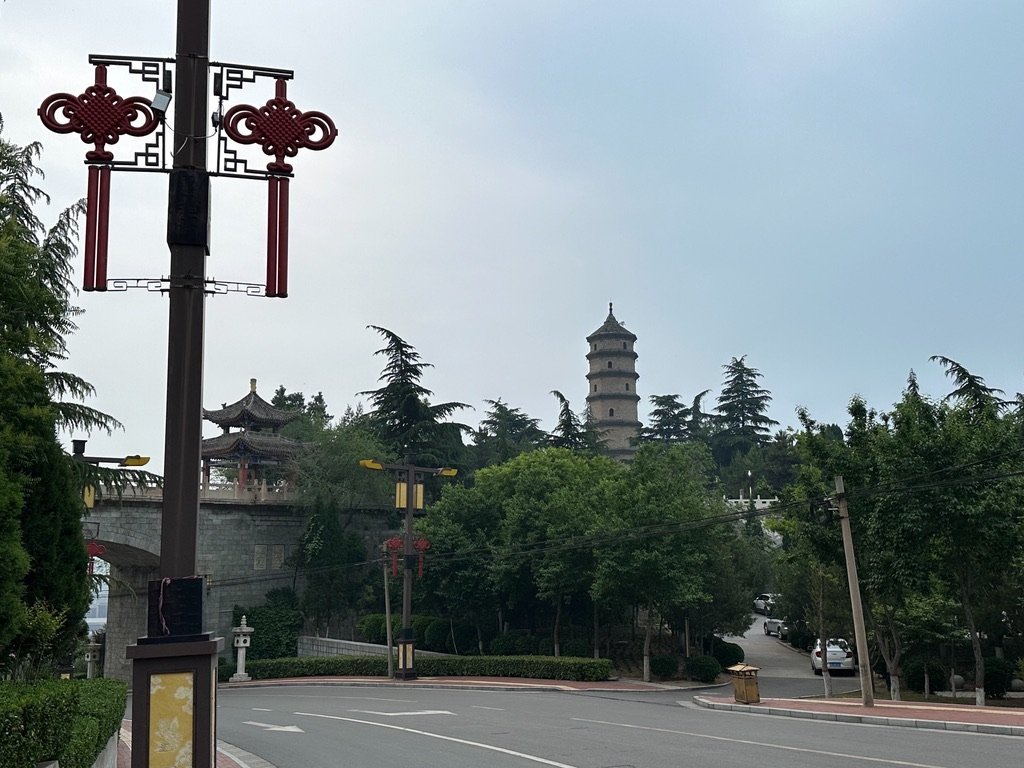
Sometimes, the most unforgettable travel memories are not the ones we carefully plan.
Sometimes, they are the places we almost miss.
Hancheng (韩城) was one of those places for Elaine and me.
When most travellers plan their first China vacation, Xi’an (西安) is naturally one of the top China places to visit.
And for very good reasons.
Xi’an China is one of the world’s greatest historical cities.
The Xi’an Terracotta Warriors.
The magnificent Xi’an City Wall (西安城墙).
The lively Xi’an Muslim Quarter (回民街).
The museums, pagodas, ancient streets, and countless Xi’an tourist attractions.
For anyone searching for Xi’an things to do, there are already enough places to fill several days.
Elaine and I love Xi’an too.
We returned again and again.
But the more we explored Xi’an, the more questions appeared.
Before the glory of Han and Tang Chang’an (长安)…
What came before?
How did this civilisation develop?
How did thousands of years of stories survive until today?
Those questions slowly brought us beyond the normal tourist routes.
To Baoji (宝鸡), where we discovered the Western Zhou world.
To Zhouyuan (周原), where we stood on land connected with 3,000 years of history.
To Xianyang (咸阳), where Qin created China’s first unified empire.
And unexpectedly…
To Hancheng.
A small city beside the Yellow River.
A place we originally planned only for one night.
A place that helped us understand one important Chinese word:
传承 (chuánchéng).
Passing something meaningful from one generation to another.
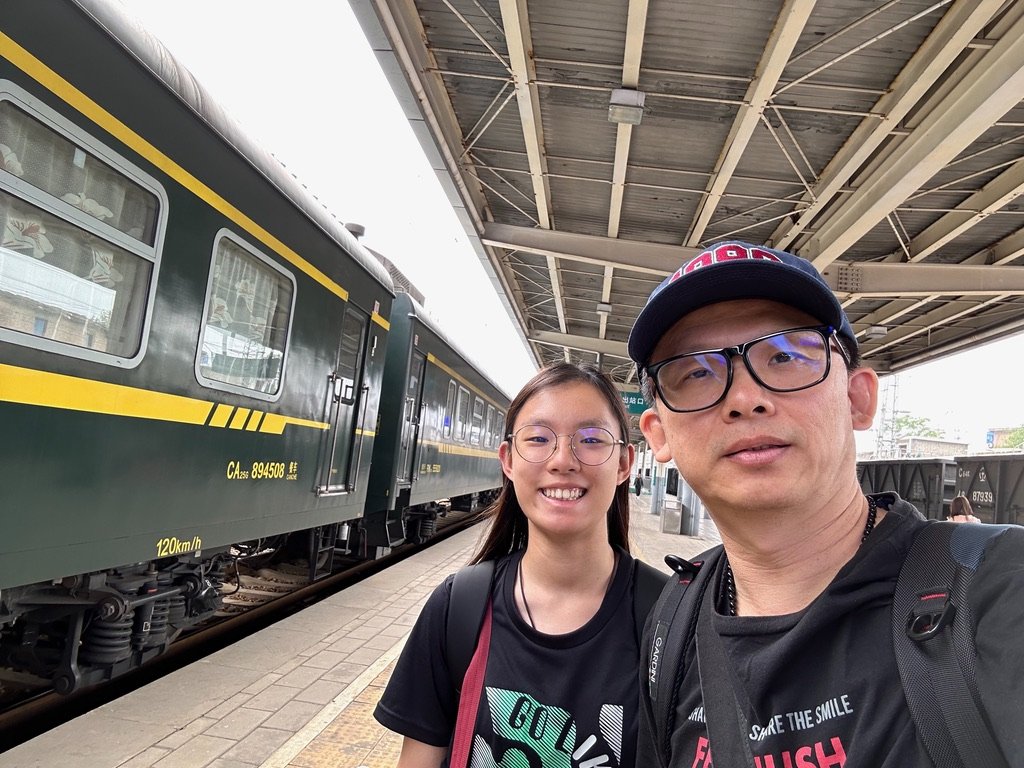
Hancheng — The Overnight Stop We Almost Missed
Our journey to Hancheng was actually not carefully planned.
We were travelling from Yuncheng (运城) back towards Xi’an.
Looking at the route, Hancheng seemed convenient.
Stay overnight.
Rest.
Continue our journey.
Simple.
At least that was what I thought.
I knew Sima Qian (司马迁) was from Hancheng.
I knew he wrote one of the greatest books in Chinese history:
《史记》 (Shǐ Jì) — Records of the Grand Historian.
But knowing a name from a book is very different from standing on the land where history happened.
This is something Elaine and I discovered again and again through our China journeys.
History is not only something you read.
History is something you can feel.
历史 (lìshǐ).
History.
The stories of people who lived before us.
We arrived in Hancheng thinking we were spending one night.
We left feeling we had travelled through thousands of years.
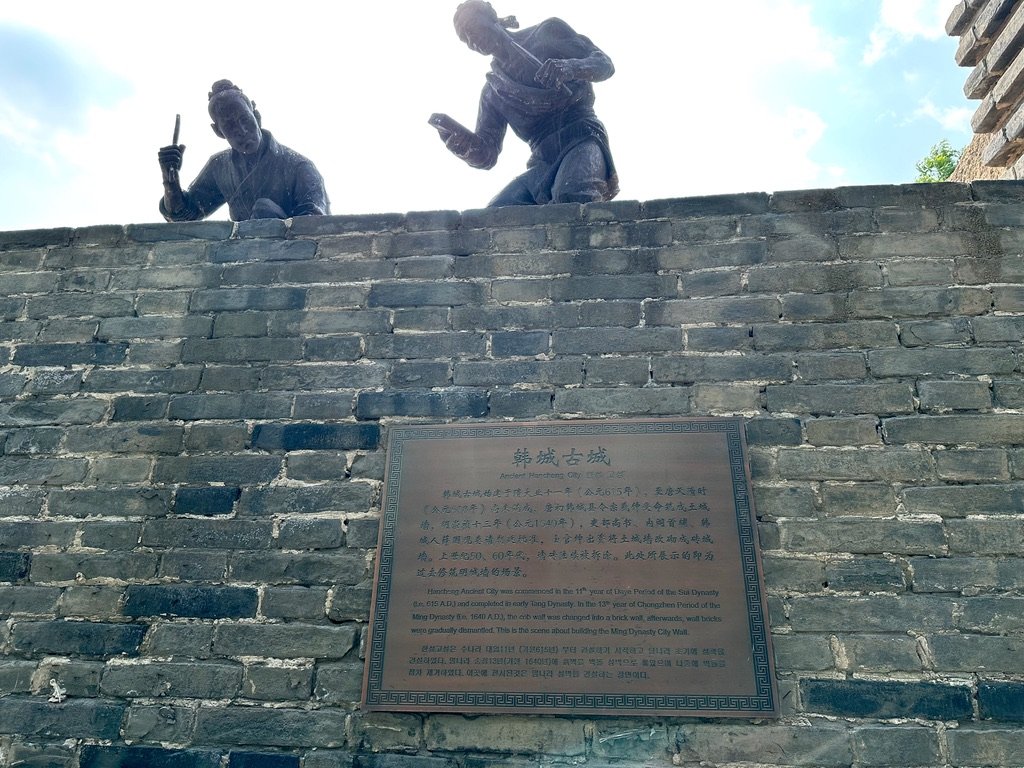
Hancheng Ancient City 韩城古城 — A Hidden Gem Beyond Xi’an
Many travellers know China’s famous places.
Beijing.
Shanghai.
Xi’an.
Many history lovers also visit Pingyao Ancient City (平遥古城), the UNESCO World Heritage Site in Shanxi Province.
Elaine and I visited Pingyao too.
It is beautiful and absolutely worth visiting.
Walking through Pingyao feels like entering the world of Ming and Qing Dynasty merchants.
But Hancheng surprised us in another way.
It felt quieter.
Less commercialised.
More like a discovery.
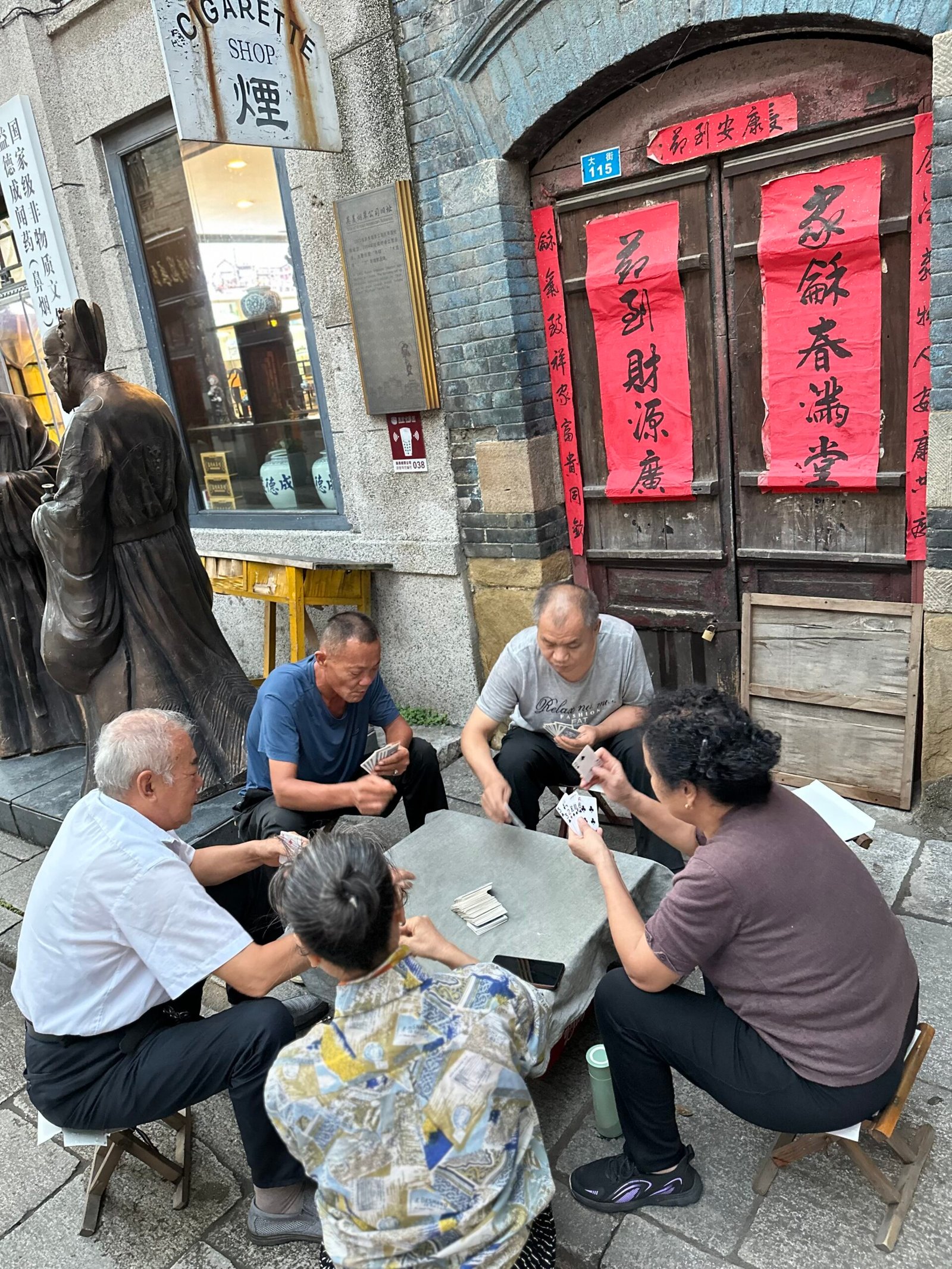
The ancient streets.
Traditional buildings.
Courtyards.
Local people continuing everyday life.
Hancheng Ancient City does not immediately shout for attention.
It slowly reveals itself.
Sometimes the most meaningful China destinations are not only the famous ones.
Sometimes they are places waiting quietly for travellers who are curious enough to explore deeper.
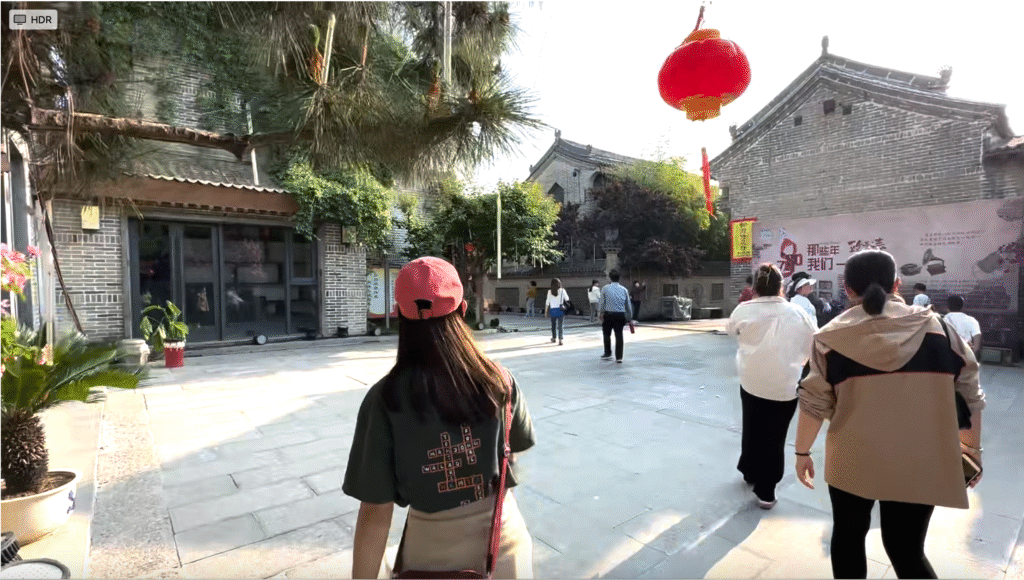
Walking Through History — Elaine’s Open Classroom
For Elaine, Hancheng became another open classroom.
Not a classroom with textbooks.
Not memorising dates for examinations.
But learning by experiencing.
After years of travelling together, I slowly realised something:
A wall is just a wall.
A temple is just a temple.
An artefact behind museum glass is just an object.
Until you understand the human story behind it.
Then everything changes.
A city becomes a story.
A river becomes a witness.
A simple object becomes a voice from thousands of years ago.
That is the way Elaine and I try to explore China.
Not just seeing history.
But feeling history.
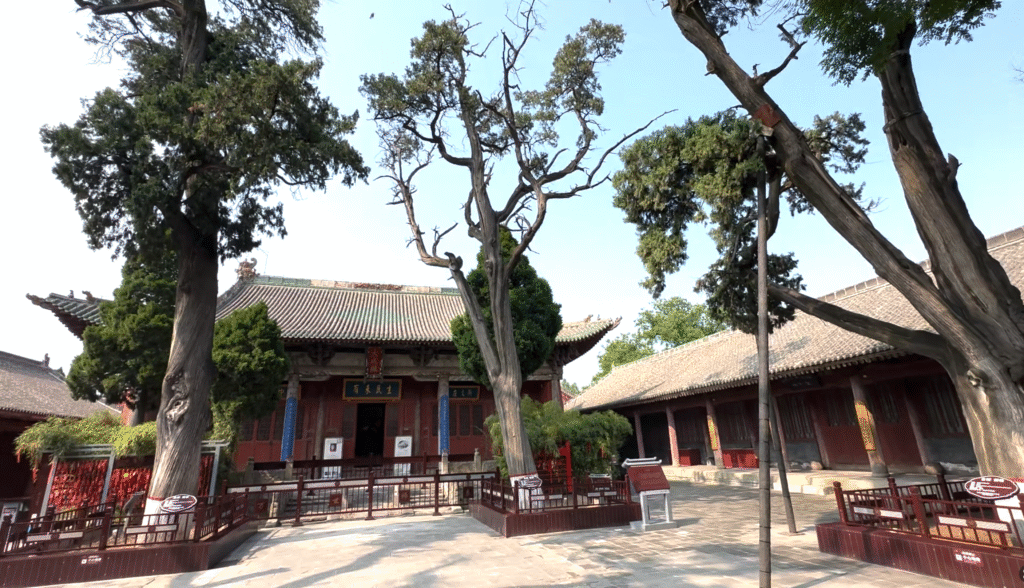
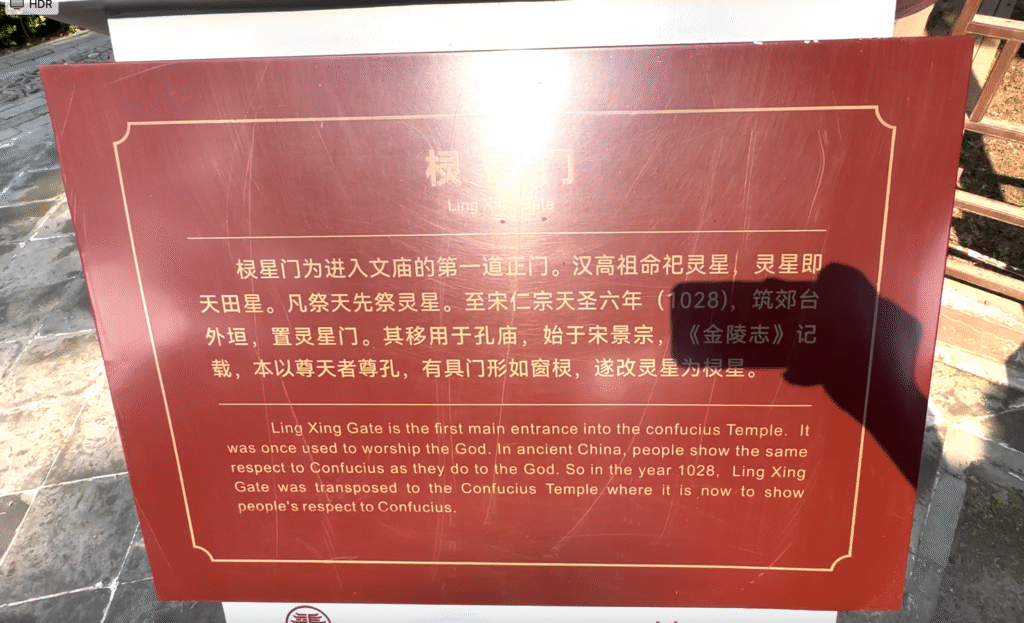
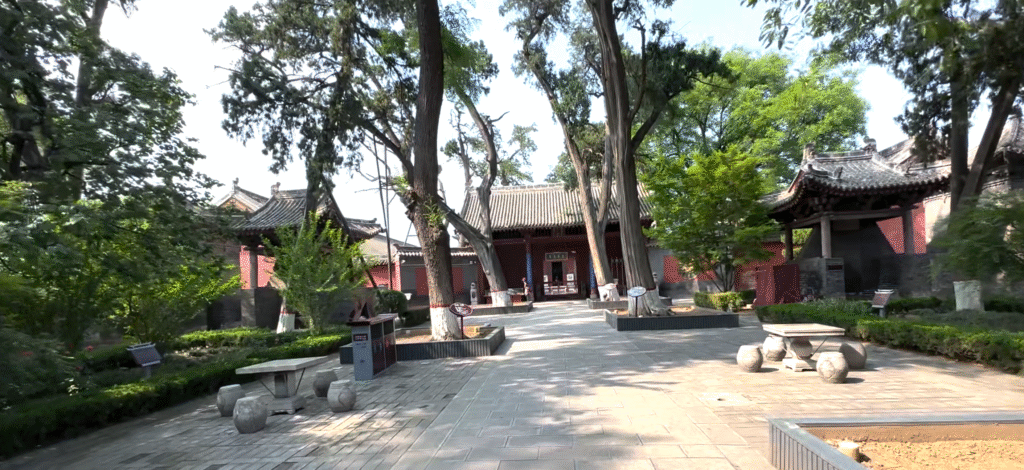
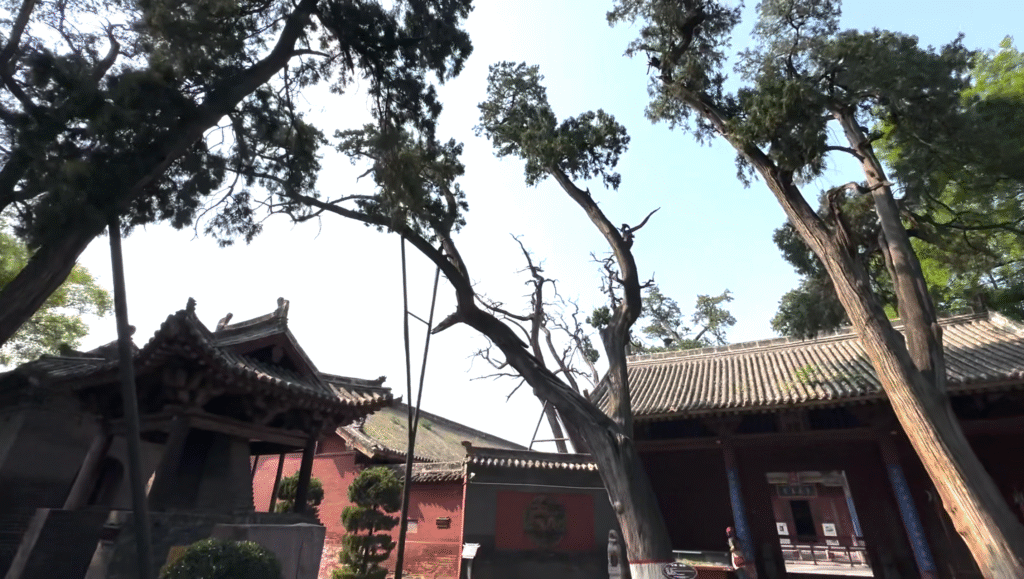
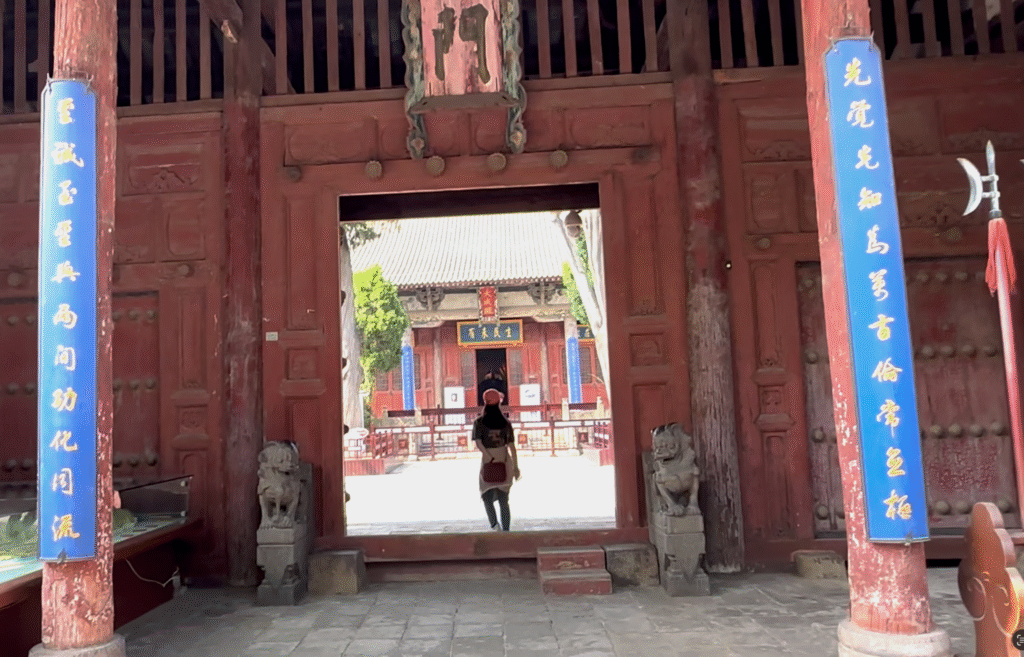
Hancheng Wen Temple 韩城文庙 — Understanding China Through Ideas
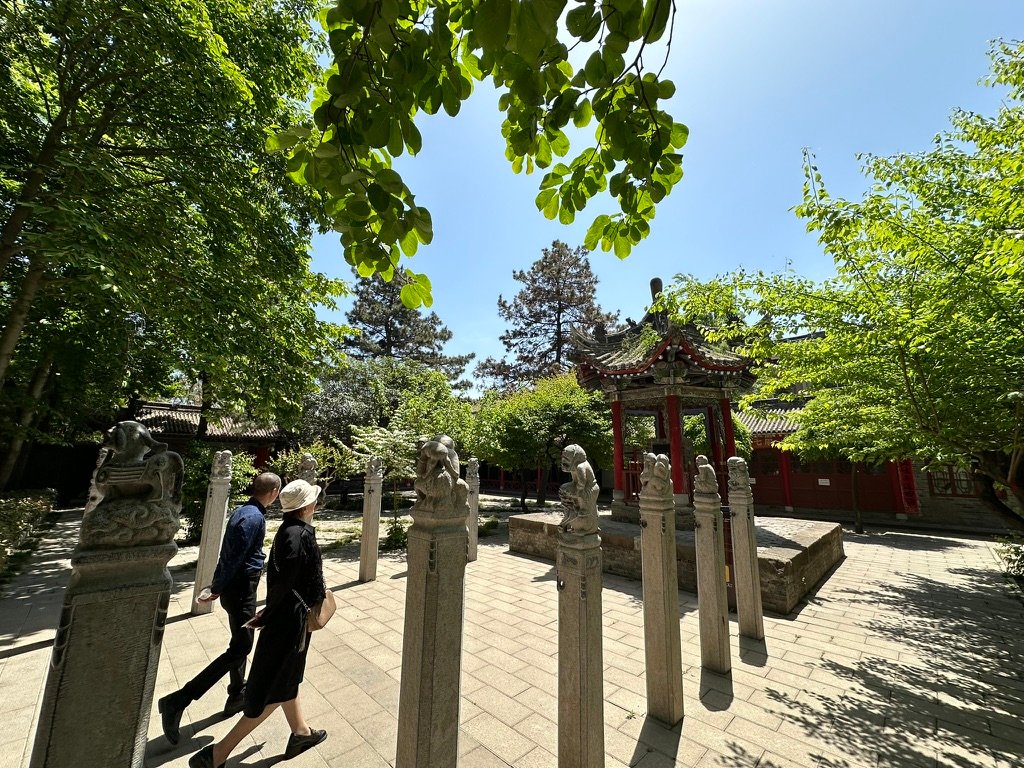
One of our first surprises inside Hancheng Ancient City was the Wen Temple.
文庙 (Wén Miào).
The Confucius Temple.
Throughout Chinese history, many cities built Confucius temples because education and learning were deeply connected with society and government.
Hancheng Wen Temple is especially impressive because it remains one of the best-preserved county-level Confucian temple complexes in China.
Walking through the old halls, Elaine and I were not only looking at architecture.
We were looking at an idea.
How does a civilisation organise itself?
Confucius (孔子) lived more than 2,500 years ago.
His ideas influenced Chinese society across many dynasties.
Education.
Responsibility.
Family.
Personal improvement.
There is a Chinese phrase:
修身 (xiū shēn).
To cultivate oneself.
The idea that improving society begins with improving ourselves.
Standing inside Hancheng Wen Temple, surrounded by old buildings and ancient trees, we were seeing something beyond stone and wood.
We were seeing how a civilisation thought.
文明 (wénmíng). Civilisation.
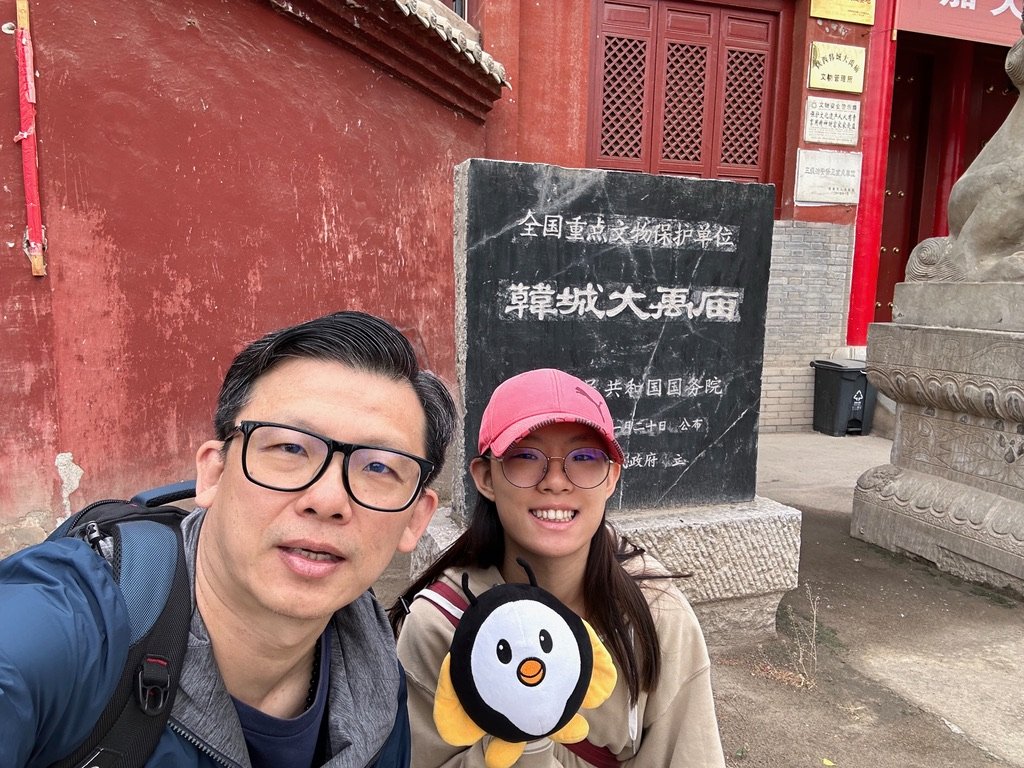
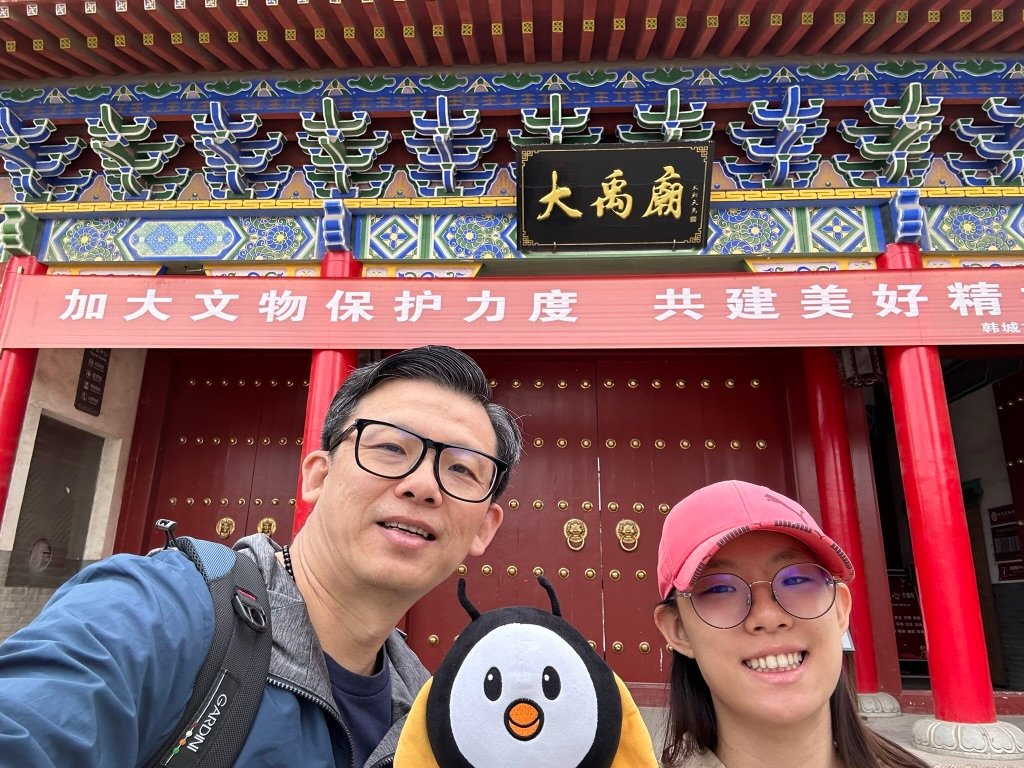
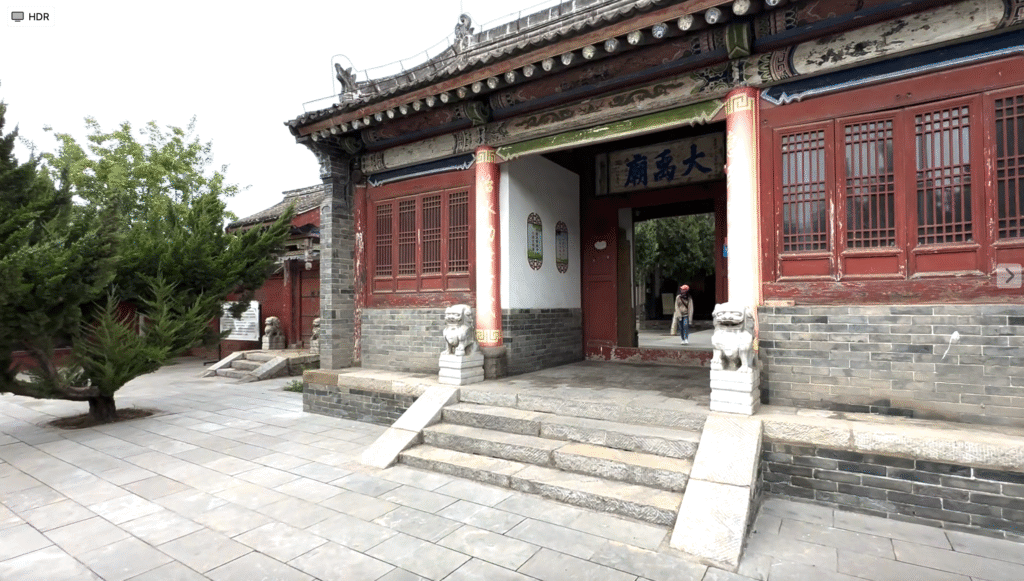
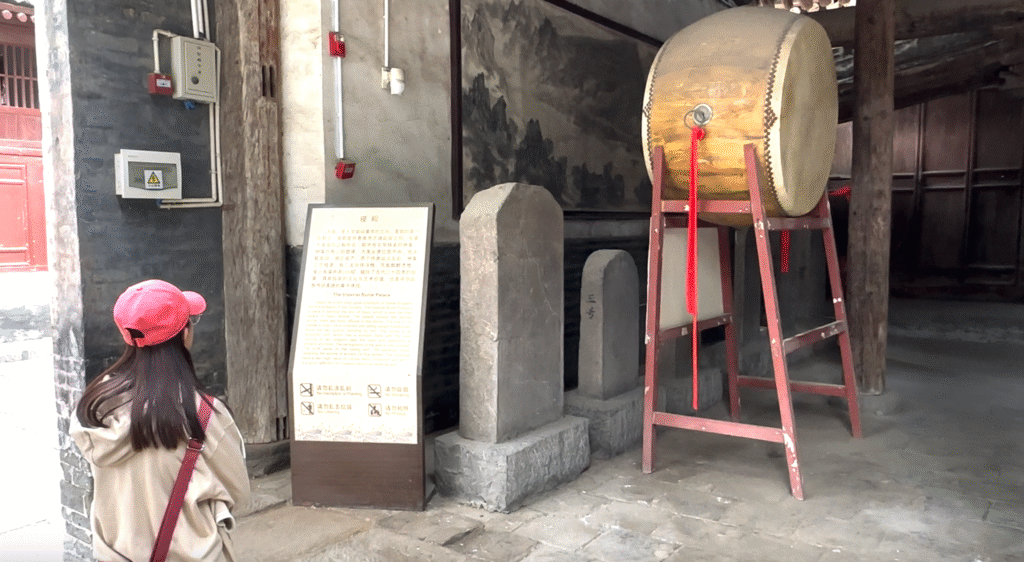
Dayu Temple 大禹庙 — How Civilisation Survived Great Challenges
Another unexpected discovery inside Hancheng was Dayu Temple.
大禹庙 (Dà Yǔ Miào).
For many foreign travellers learning about Chinese history and culture, the name Yu the Great (大禹) may not be as familiar as Qin Shi Huang or Confucius.
But in the long story of Chinese civilisation, Dayu represents something deeply important.
Survival.
The famous story:
大禹治水 (Dà Yǔ zhì shuǐ)
means “Yu the Great controlling the waters.”
It is the ancient story of how Yu successfully managed devastating floods and helped society overcome one of its greatest challenges.
But Dayu does not represent the beginning of Chinese civilisation.
Our journey into the earliest chapters of China had already taken Elaine and me much further back.
We visited places connected with:
黄帝 (Huángdì) — the Yellow Emperor.
炎帝 (Yándì).
舜帝 (Shùndì).
And Taosi (陶寺遗址) near Linfen, an archaeological site linked to discussions about early Chinese civilisation before the first dynasties.
Those journeys helped us understand the deep roots of Chinese civilisation.
But Dayu represented another important question:
After a civilisation develops…
How does it survive?
Every civilisation faces challenges.
Floods.
Natural disasters.
Internal conflicts.
External threats.
The deeper meaning of the Dayu story is not only about controlling water.
It is about humans learning how to cooperate.
How to organise.
How to build systems.
How communities work together.
治理 (zhì lǐ).
Governance.
The ability of society to solve problems.
Standing inside Dayu Temple, I realised Hancheng was slowly showing Elaine and me different layers of civilisation.
Dayu showed us survival.
Confucius showed us ideas and social order.
But the most powerful experience was still waiting.
Sima Qian.
The man who helped China remember.
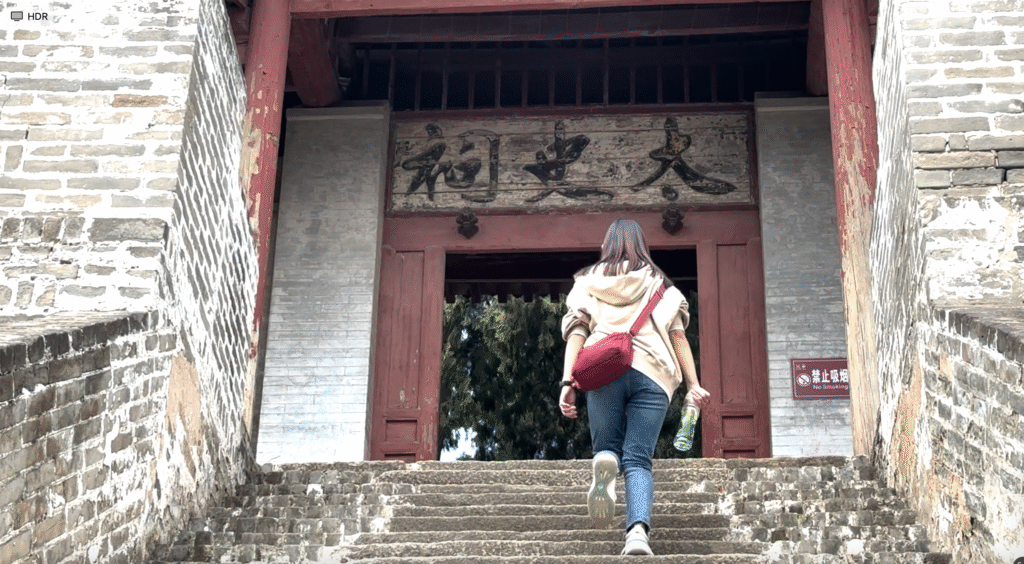
Walking Up to Sima Qian Temple 司马迁祠 — A Journey Towards Memory
The main reason we visited Hancheng was Sima Qian Temple.
司马迁祠 (Sī Mǎ Qiān Cí).
Unlike many tourist attractions located in busy city centres, Sima Qian Temple sits quietly on a hill.
To reach it, we walked upward.
Step by step.
Stone path after stone path.
And somehow, the journey itself felt meaningful.
Almost like history was asking us to slow down.
Standing there with Elaine, I felt something very different from visiting a palace or a grand monument.
We were not here to admire an emperor.
We were not here to see the remains of someone who conquered lands.
We were here to pay respect to someone who preserved memories.
A person who dedicated his life to answering one question:
If nobody records the past…
how will future generations remember?
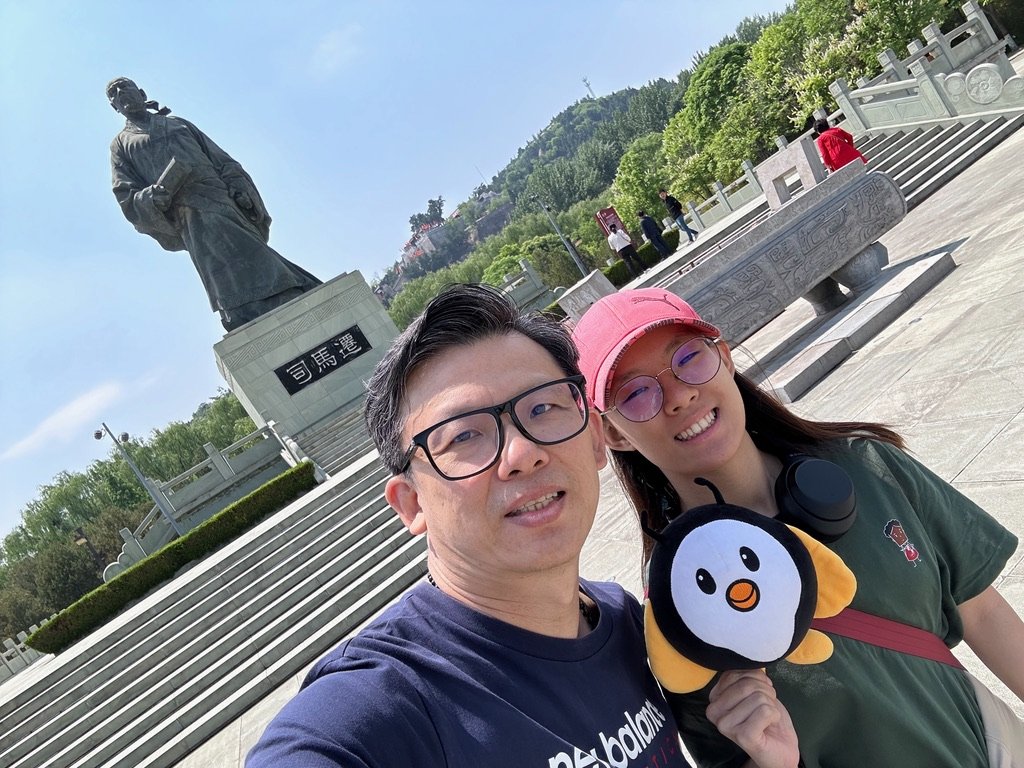
Meeting Sima Qian 司马迁 — The Man Who Connected China’s Memory
Before Hancheng, Elaine and I had already travelled through many chapters of Chinese history.
Almost without realising it, our journeys had followed a timeline.
In Anyang (安阳), we discovered:
甲骨文 (jiǎ gǔ wén).
Oracle bone writing.
More than 3,000 years ago, ancient Chinese people were already recording questions, events, and royal activities on bones and shells.
In Baoji (宝鸡) and Zhouyuan (周原), we discovered:
金文 (jīn wén).
Bronze inscriptions.
Important events, achievements, and memories cast permanently into bronze vessels.
Then we travelled through places connected with Qin, Han, and Tang.
Ancient capitals.
Museums.
Historical landscapes.
Everywhere we went, we discovered pieces of China’s story.
But pieces are still pieces.
Someone had to connect them.
Someone had to organise them.
Someone had to preserve the bigger picture.
That person was Sima Qian.
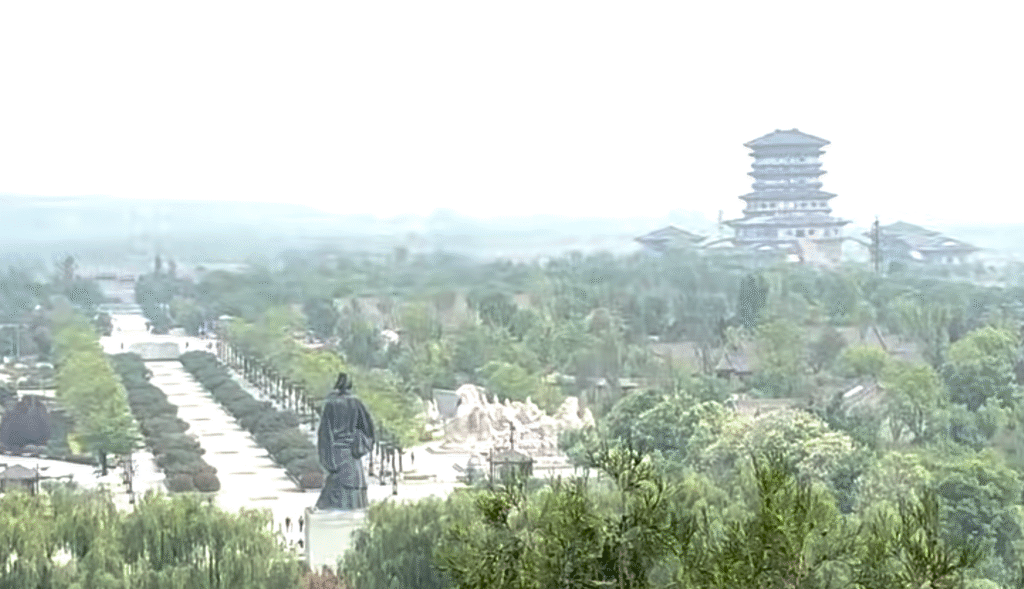
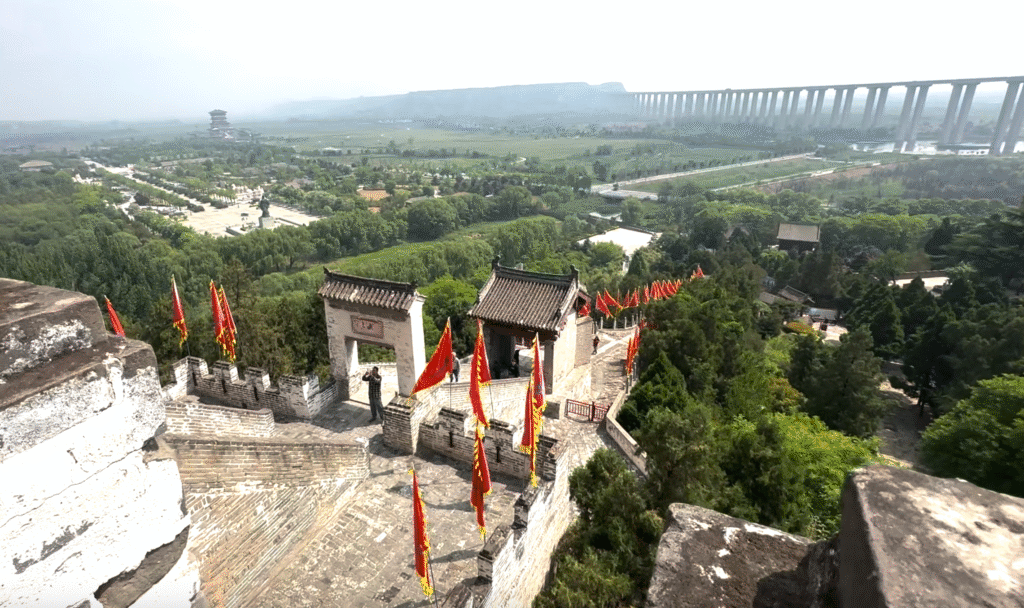
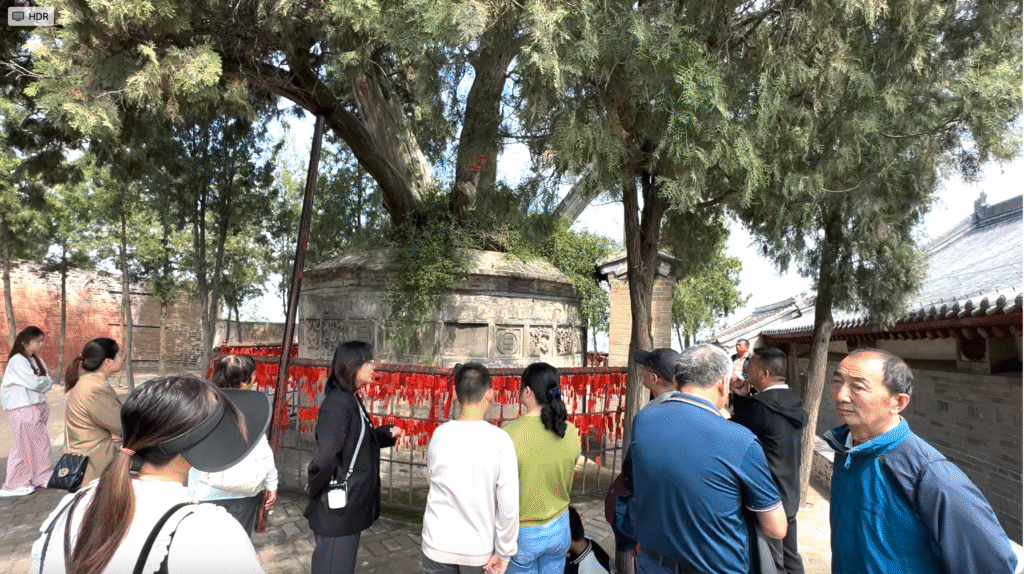
A Father’s Dream. A Son’s Lifetime Mission.
Sima Qian lived more than 2,000 years ago during the Han Dynasty.
At that time, China was ruled by one of its most powerful emperors:
汉武帝 (Hàn Wǔ Dì).
Emperor Wu of Han.
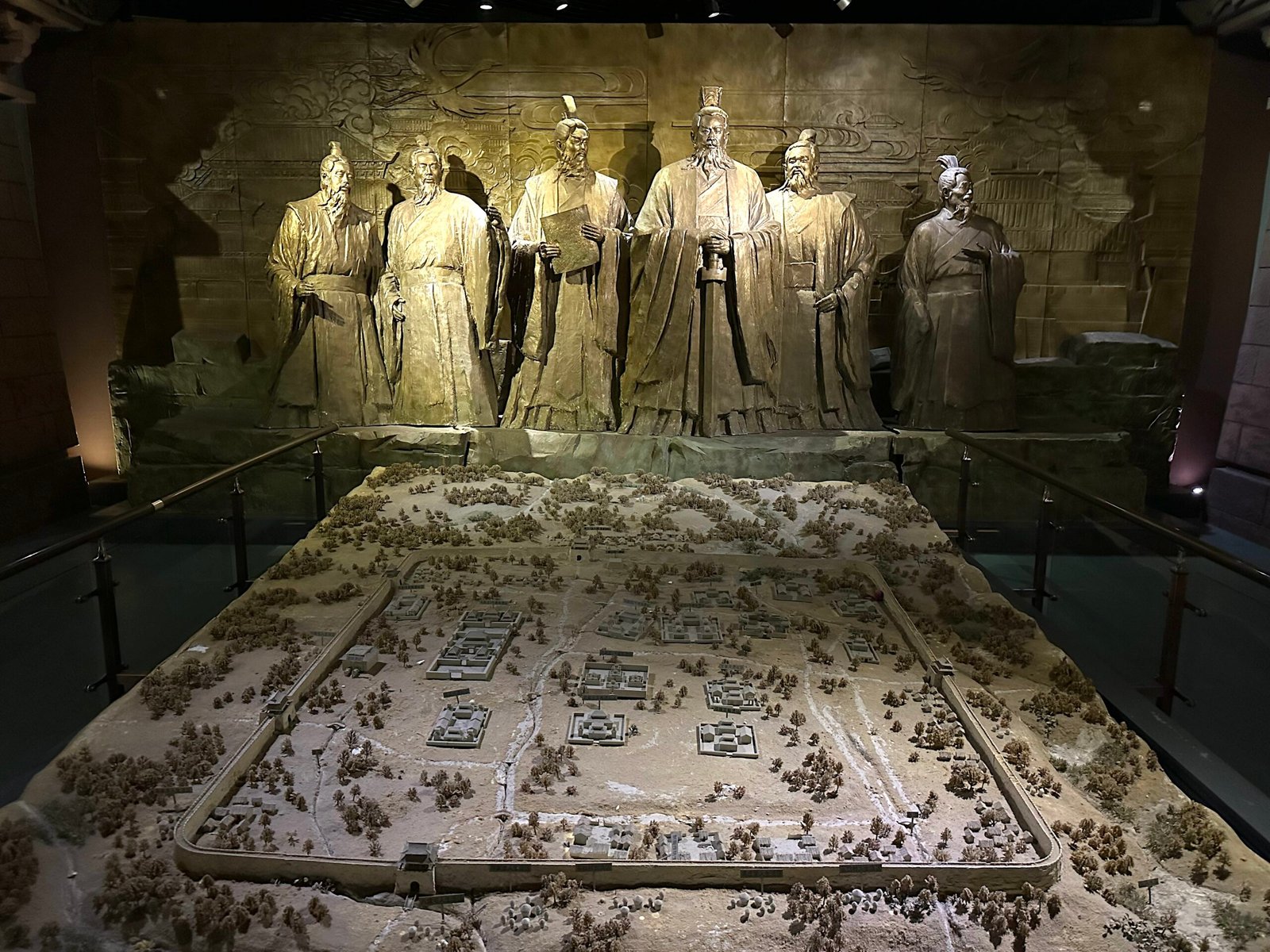
Sima Qian and his father, Sima Tan (司马谈), served as imperial historians.
The position was called:
史官 (shǐ guān).
A recorder of history.
But a 史官 was not simply a person writing notes.
The responsibility was much deeper.
To observe.
To collect.
To preserve.
To pass memory into the future.
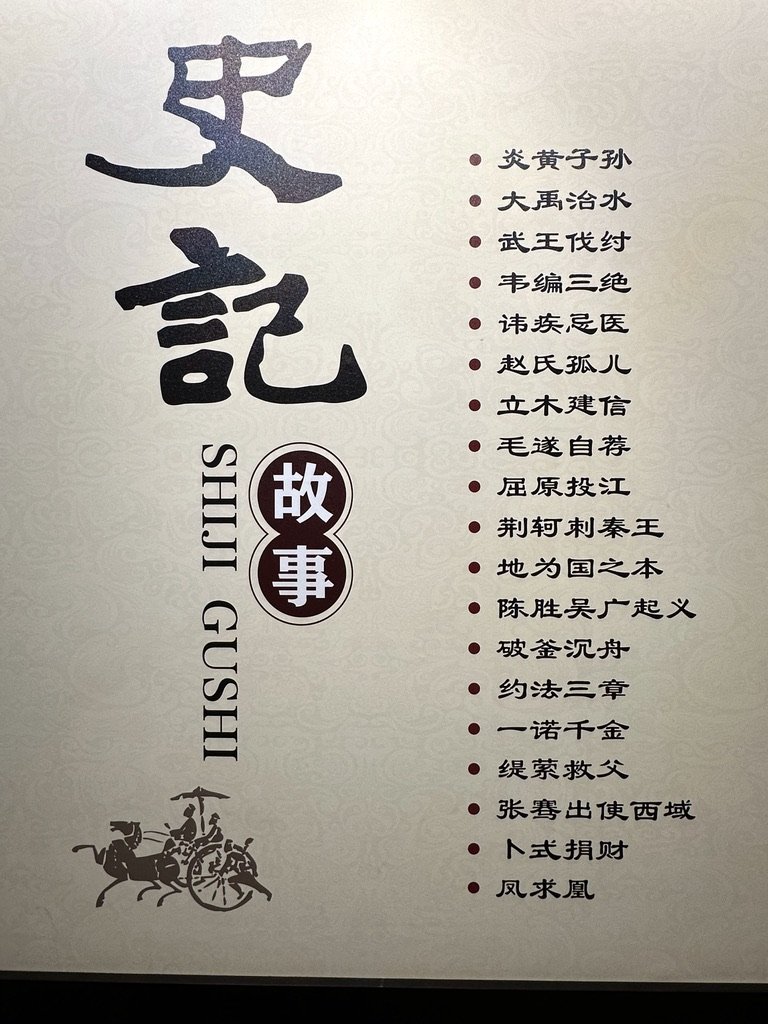
Sima Qian began a Herculean project:
To create a complete historical record connecting China’s past.
But he could not finish it.
Before his death, he entrusted this dream to his son.
A father’s unfinished mission became a son’s lifetime responsibility.
Sima Qian accepted that responsibility.
And what he attempted was almost unbelievable.
He wanted to connect thousands of years of Chinese memory.
From ancient legendary rulers.
Through Xia.
Shang.
Zhou.
The Warring States.
Qin unification.
And finally into his own Han Dynasty world.
Imagine Creating 《史记》 Without Modern Technology
Today, if we want information, we search online.
A few seconds.
Thousands of results.
But Sima Qian lived more than 2,000 years ago.
No internet.
No computers.
No digital libraries.
No photography.
No trains.
No modern transport.
So what did he do?
He travelled.
Across mountains.
Across rivers.
Across ancient China.
He visited historical locations.
He searched available records.
He listened to stories.
He compared different accounts.
He questioned.
He investigated.
In many ways, he was:
a historian,
a researcher,
a traveller,
and a storyteller combined.
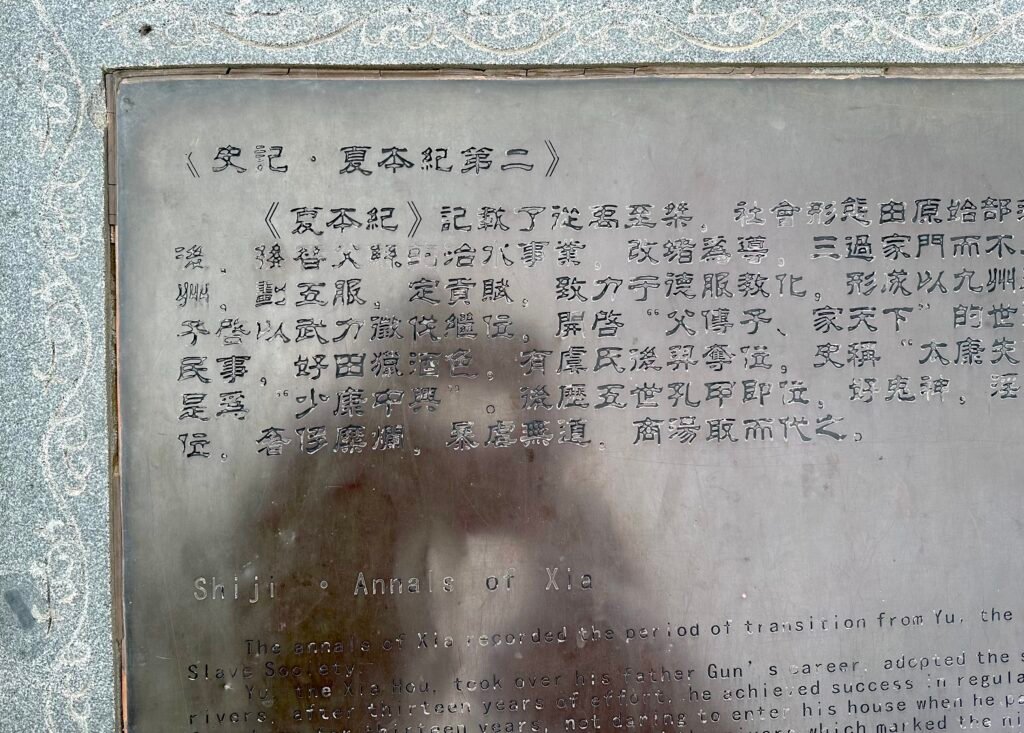
His final work:
《史记》 (Shǐ Jì)
Records of the Grand Historian.
130 chapters.
A history stretching from the ancient Yellow Emperor period to his own Han Dynasty era.
But what makes 《史记》 extraordinary is not only the timeline.
It is the humanity.
Sima Qian did not only write about emperors.
He wrote about people.
Rulers.
Generals.
Thinkers.
Families.
Merchants.
Success.
Failure.
Character.
Choices.
He understood something timeless:
Civilisation is ultimately a story of human beings.
Why Chinese Civilisation Remembered
After visiting so many historical places in China, I slowly noticed something.
Chinese civilisation developed a very strong tradition:
Recording. Remembering. Passing forward.
传承 (chuánchéng).
This idea appears again and again.
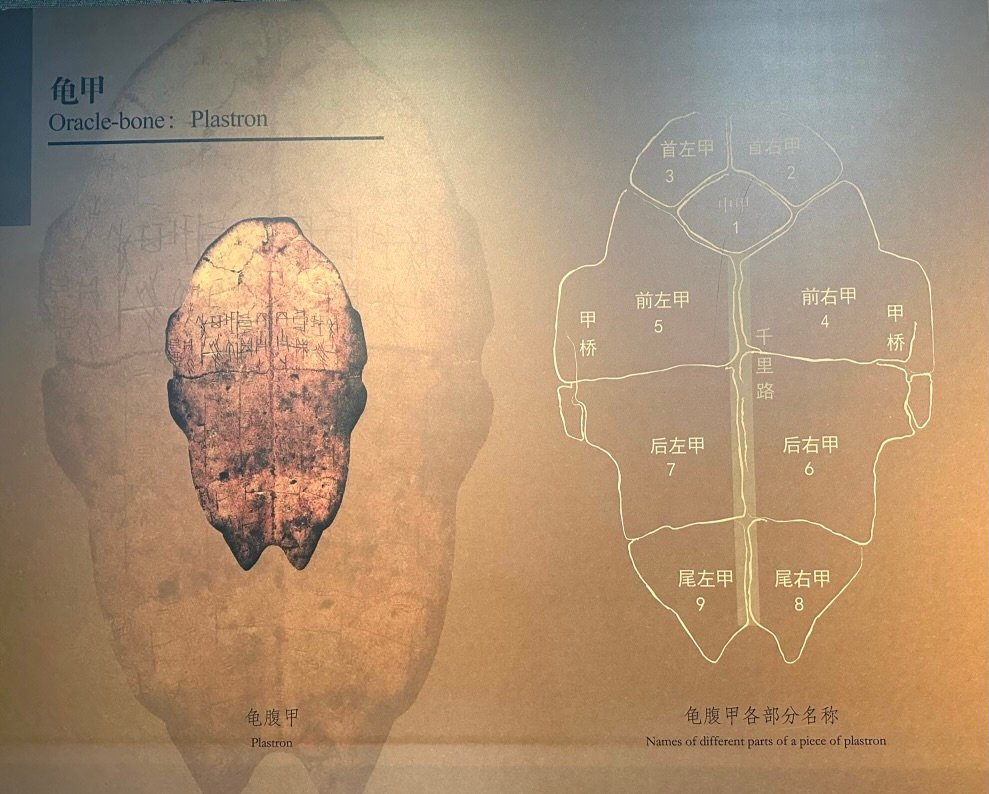
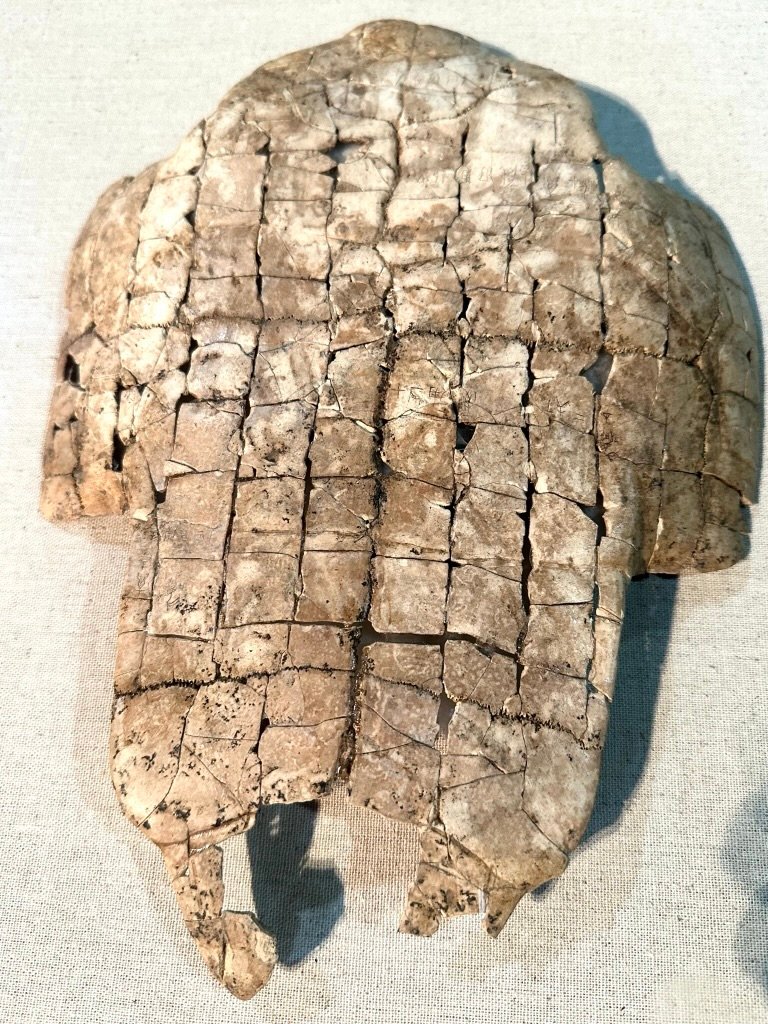
At Anyang (安阳), we saw:
甲骨文 (jiǎ gǔ wén)
Oracle bone writing.
Over 3,000 years ago, people were already carving records onto bones and shells.
At Baoji (宝鸡), we saw:
金文 (jīn wén)
Bronze inscriptions.
Important events, royal commands, family achievements, and memories were preserved in bronze.
Later came:
竹简 (zhú jiǎn)
Bamboo slips.
Then paper.
Different materials. Different dynasties. Same purpose.
To prevent memory from disappearing.
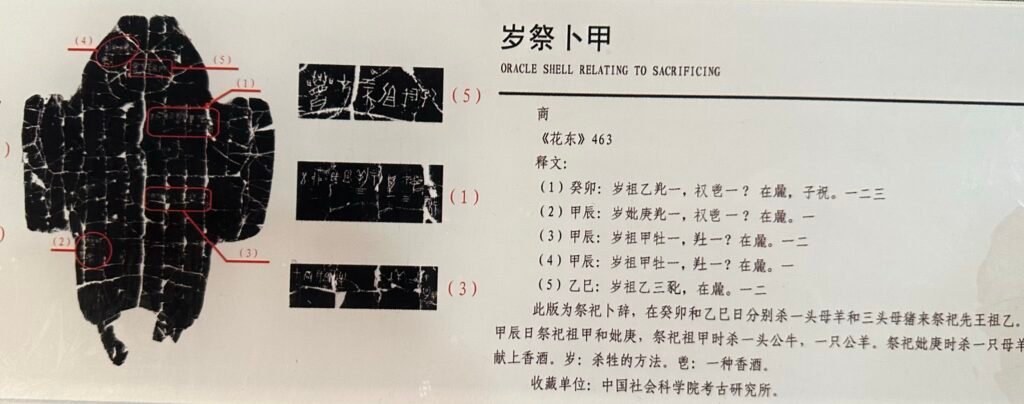
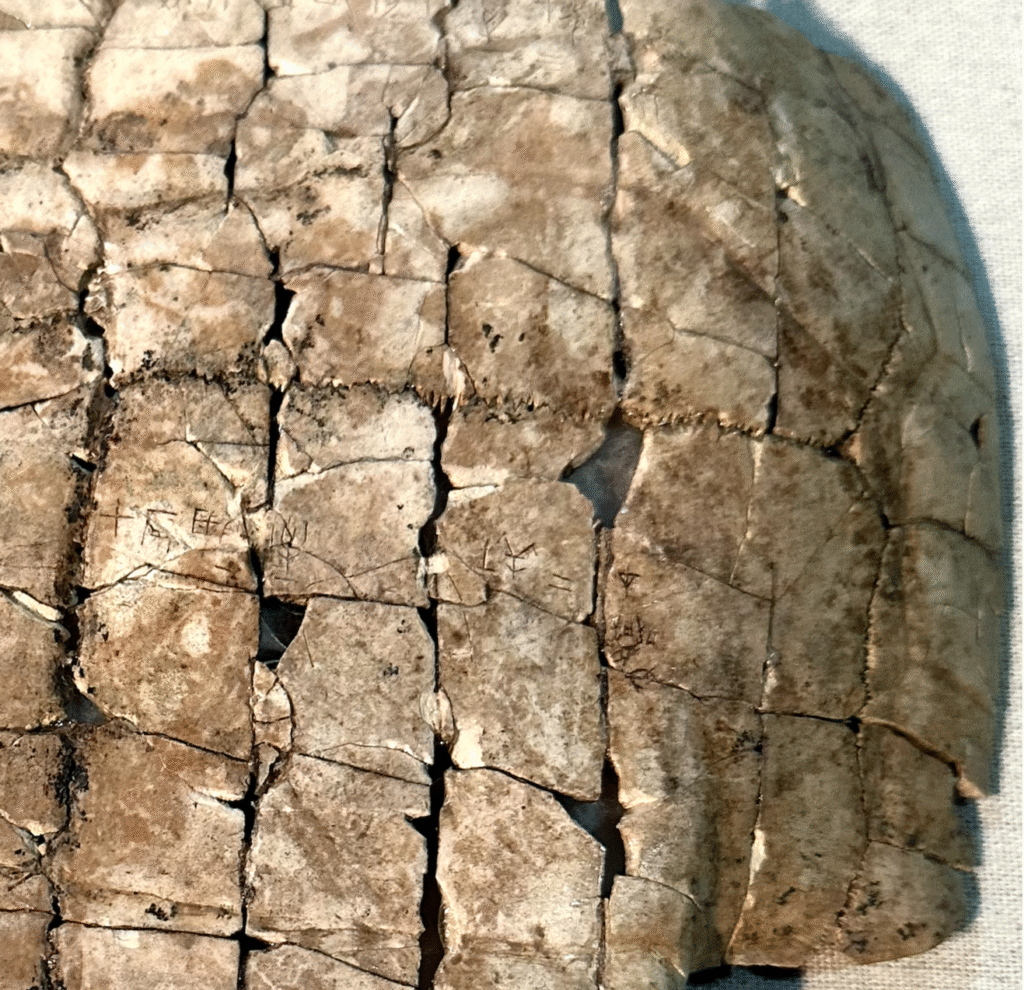
When Buildings Disappear, Words Remain
Travelling around China also taught us another lesson.
Physical things do not always survive.
Palaces disappear. Wooden buildings burn. Cities change. Dynasties rise and fall.
The great Qin palaces of Xianyang no longer stand today.
Many magnificent structures from ancient China have disappeared.
But words survived. Records survived. Ideas survived.
That is why written memory became so important.
A civilisation is not only preserved by buildings.
It is preserved by stories.
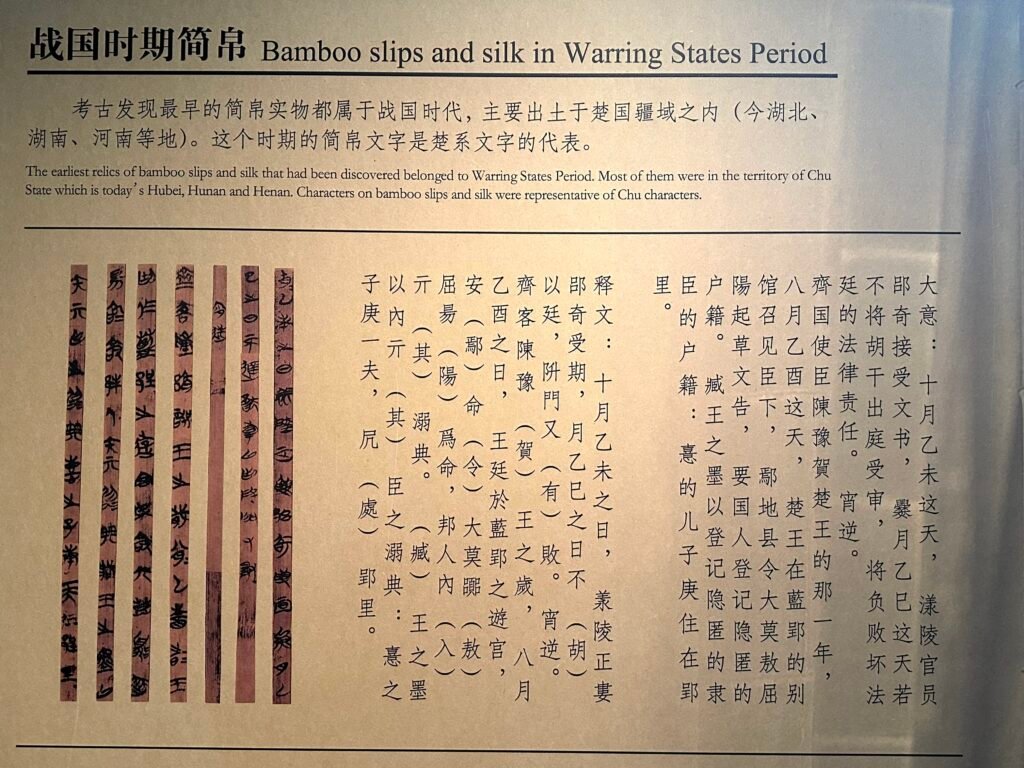
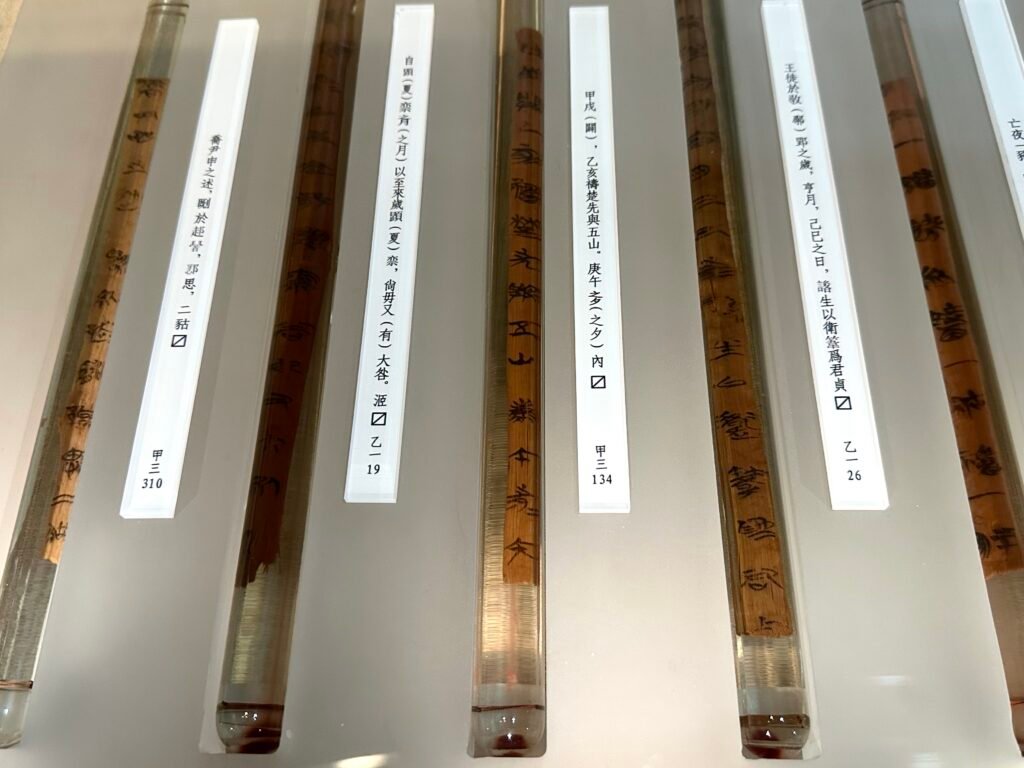
More Than Recording Events — Recording Ideas
Another fascinating thing Elaine and I discovered is that ancient Chinese civilisation did not only record events.
It recorded ways of thinking.
Books such as:
《易经》 (Yì Jīng) — The Book of Changes
explored how ancient thinkers understood change, balance, nature, and human decisions.
Historical works recorded:
What happened. Why it happened. What future generations could learn.
This is why Sima Qian’s work was so powerful.
He was not simply asking:
“What happened?”
He was asking:
“Why did it happen?”
“What can humans learn?”
That is why 《史记》 is still studied more than 2,000 years later.
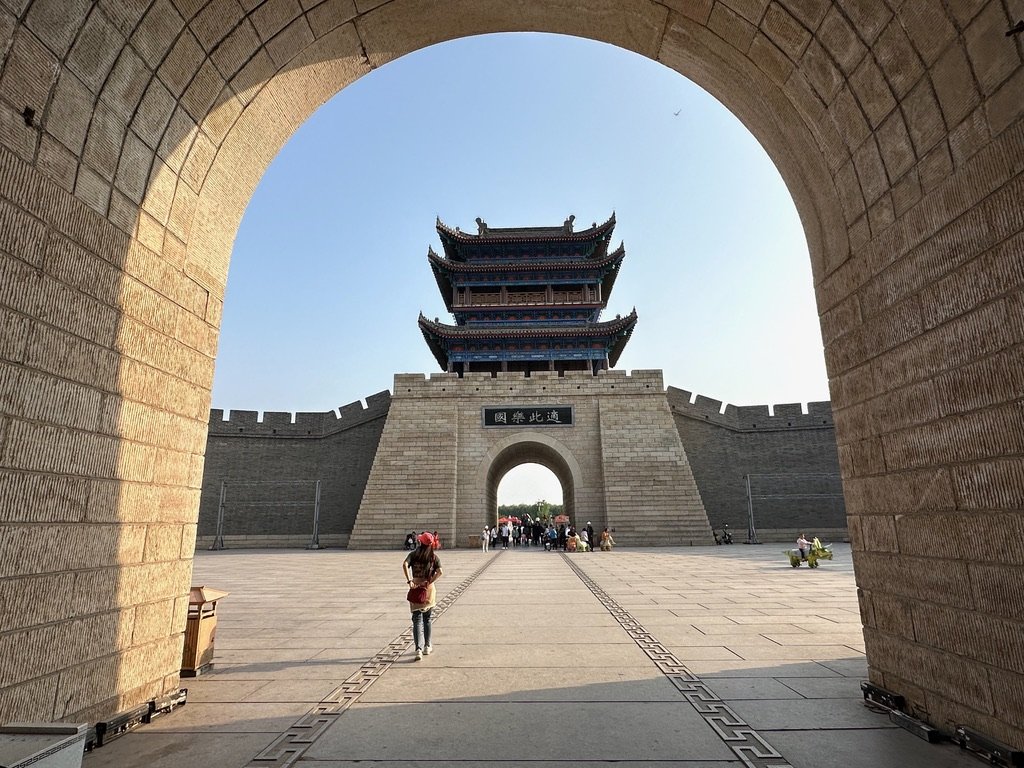
Hancheng and Pingyao — Two Different Windows Into China
Many travellers interested in China history and culture will visit Pingyao Ancient City (平遥古城).
Elaine and I visited Pingyao too.
And we loved it.
Pingyao is a UNESCO World Heritage Site and one of the best places to experience China’s preserved Ming and Qing Dynasty city life.
It absolutely deserves its reputation.
But Hancheng gave us a different feeling.
Pingyao showed us a preserved ancient city.
Hancheng showed us preserved civilisation memory.
Inside one small city, we discovered:
Wen Temple 文庙
A story about education, ideas, and social order.
Dayu Temple 大禹庙
A story about civilisation overcoming challenges.
Sima Qian Temple 司马迁祠
A story about preserving thousands of years of memory.
Three different questions:
How does a civilisation survive?
How does a civilisation organise itself?
How does a civilisation remember itself?
All inside one overlooked city.
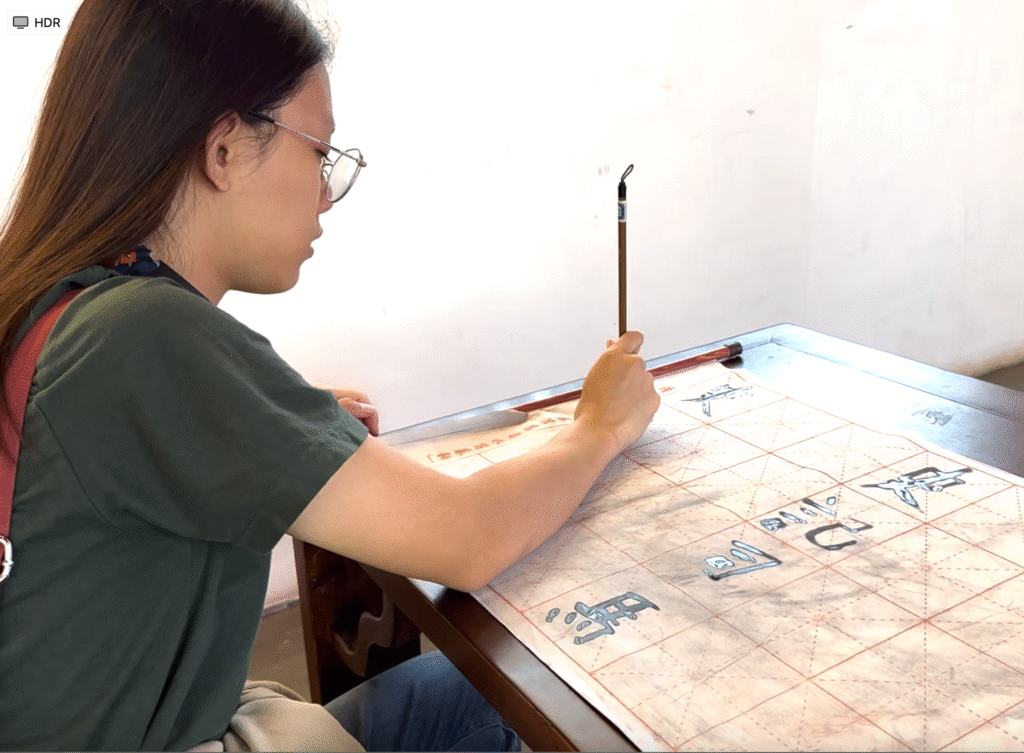
The Bonus Surprise — The Shiji Cultural Experience
Another reason Hancheng impressed us was the effort to keep Sima Qian’s legacy alive.
Around Sima Qian Temple and inside Hancheng Ancient City, visitors can explore exhibitions connected with:
《史记》
Records of the Grand Historian.
For Elaine, this made the experience much easier to understand.
Because history should not only stay inside books.
It should become something people can see.
Experience. Feel.
That has always been the purpose of our China journeys.
Not only learning history. But feeling history, and culture.
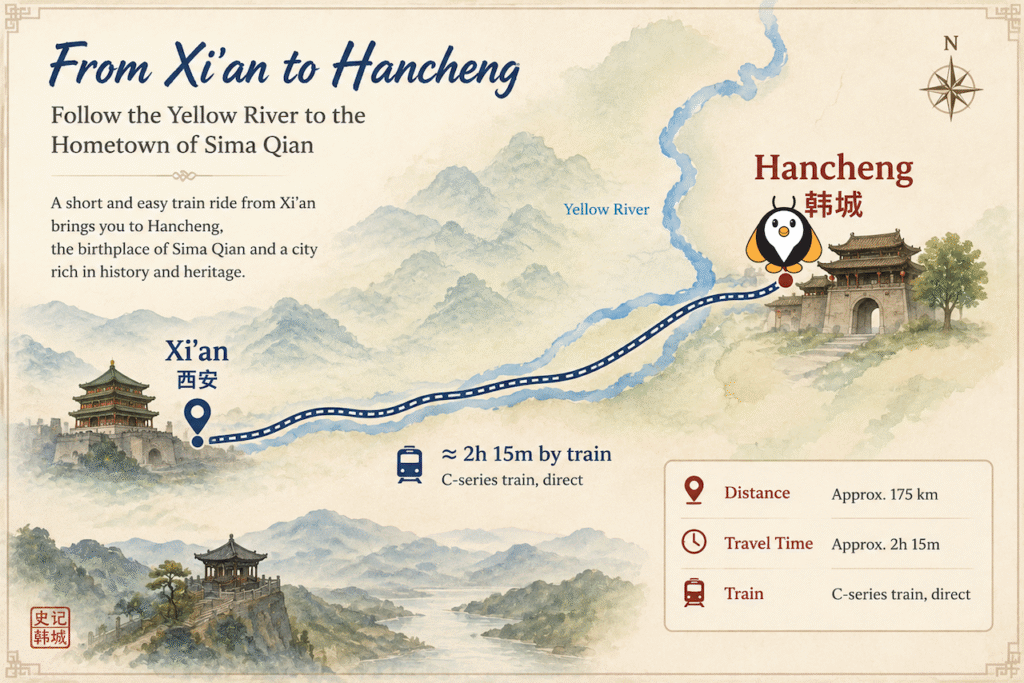
How to Visit Hancheng From Xi’an China
For travellers planning a China vacation, Hancheng is surprisingly EASY to include.
Most international visitors arrive through Xi’an.
They explore famous Xi’an attractions:
Xi’an Terracotta Warriors.
Xi’an City Wall.
Xi’an Muslim Quarter.
Xi’an Museum.
But if you have extra time and want to understand China beyond the usual tourist route, Hancheng is a rewarding journey.
From:
Xi’an Railway Station (西安站)
to:
Hancheng Railway Station (韩城站)
The journey takes around 2+ hours by regular train.
There is currently no high-speed railway connection, but the trip is comfortable and affordable.
You can visit as a long day trip, but Elaine and I prefer staying overnight.
Slow travel gives a place time to tell its story.
A Different Kind of China Travel
Many people travel by collecting famous places.
The biggest attraction.
The most beautiful photo.
The most popular destination.
There is nothing wrong with that.
We enjoy those places too.
The Great Wall of China.
The Forbidden City.
The Terracotta Warriors.
They are all amazing China wonders.
But sometimes, the quieter places give us something different.
Understanding.
Connection.
Meaning.
When we arrived in Hancheng, it was just an overnight stop.
A convenient place between Yuncheng and Xi’an.
When we left, it became one of our most unforgettable China journeys.
Because Hancheng helped us connect everything Elaine and I had been discovering.
Dayu showed us how civilisation survived.
Confucius showed us how civilisation organised itself.
Sima Qian showed us how civilisation remembered itself.
And perhaps that is the greatest lesson from Hancheng:
Civilisations survive not only because people build great monuments.
They survive because people remember.
Because someone records.
Because someone passes the story forward.
传承。Chuánchéng.
From one generation to another.
We arrived for one night.
We left understanding 3,000 years.
Travel Tips
Travel Tips:
How to Visit Hancheng 韩城 From Xi’an China
Beijing Travel Guide: Where to Stay, Getting Around & Smart Day Trips for First-Time Visitors
Beijing Travel Guide: Discover China’s Ancient Capital, Local Life and Future China
Returning to Qianmen Street (前门大街): Beijing’s Historic Walking Street
Wangfujing (王府井): Beyond Beijing’s Famous Shopping Street
Beijing Hutongs (胡同): Discovering Everyday Life in the Capital