Why ChinaTravelBug believes the best journeys begin with curiosity, stories, and understanding civilisation
Many years before travelling deeply through China with my daughter Elaine, I discovered something important while walking through the streets of London, Amsterdam, Paris and Istanbul.
A meaningful journey is never only about visiting famous attractions.
A castle is not only a castle.
A museum is not only a building full of old objects.
A river, bridge, railway, market, palace, or even an ordinary street can tell the story of how people lived, struggled, created ideas, and solved problems.
When we travel through Europe, many of us naturally understand this.
We visit the Tower of London because we want to imagine the kings, queens, prisoners, conflicts and decisions that shaped British history.
We visit Oxford and Cambridge not simply to see beautiful old buildings, but because these universities represent centuries of learning, ideas and human progress.
We walk through Paris, visit the Louvre Museum, explore Versailles Palace, and understand that behind the paintings, gardens and architecture are stories of power, art, society and change.
Yet strangely, many travellers visit China differently.
They rush from attraction to attraction.
Take photos.
Tick boxes.
Great Wall — done.
Forbidden City — done.
Terracotta Warriors — done.
But China deserves to be experienced the same way we experience Europe.
Behind every wall, temple, canal, ancient town and museum is a story waiting to be discovered.
This is the way Elaine and I slowly learned to travel through China.
And this became the spirit behind ChinaTravelBug.
Seeing Civilisation, Not Just Attractions
There is a beautiful Chinese word:
文明 (wénmíng) — civilisation.
It means much more than ancient buildings.
Civilisation is the accumulated wisdom, knowledge, values, systems and memories created by generations of people.
The more I travelled, the more I realised that different civilisations often faced similar human challenges.
How do we protect our communities?
How do we manage water?
How do we create food security?
How do we educate future generations?
How do we preserve memories?
Different places created different answers.
And discovering these answers is what makes travel meaningful.
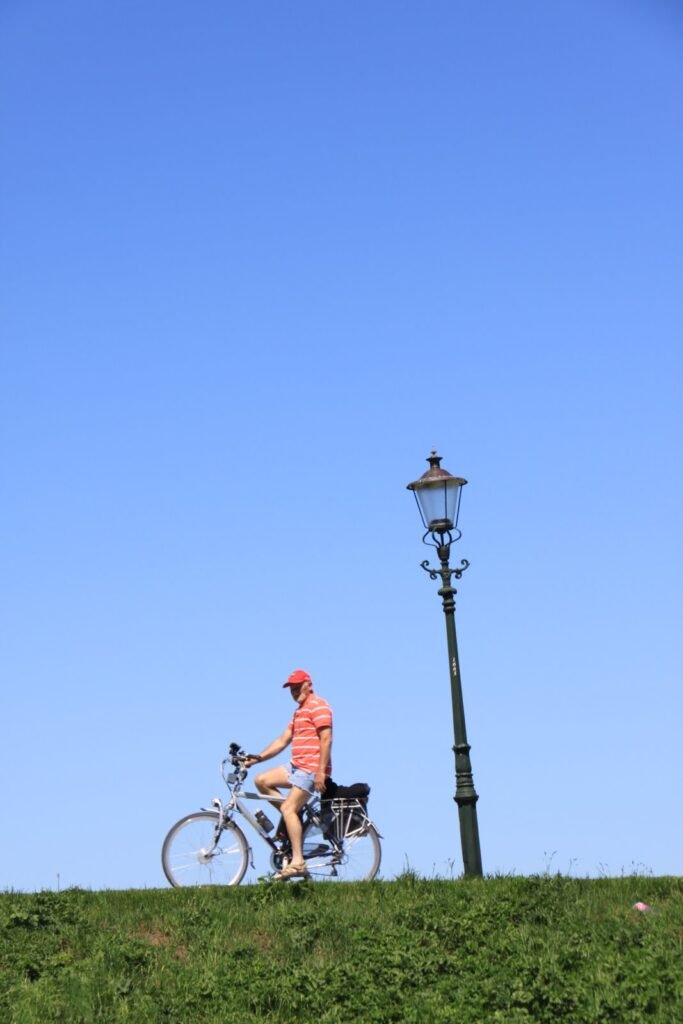
Amsterdam: A Simple Cyclist and the Story of Water
One of my favourite photographs from my old travels in Europe is not a famous landmark.
It is a simple photograph of a man cycling along a dyke in Amsterdam.
At first glance, there is nothing special.
A bicycle.
A lamp post.
Blue sky.
Green grass.
A peaceful everyday moment.
But behind this ordinary scene is an extraordinary civilisation story.
The Netherlands has spent centuries learning how to live with water. Dykes, canals, pumps and engineering systems shaped the country.
The Dutch landscape itself tells the story of humans adapting to nature.
Years later, travelling through China, I began seeing similar stories.
China also faced the challenge of water for thousands of years.
Ancient Chinese civilisation developed the idea of:
治水 (zhì shuǐ) — managing water.
From the legendary stories of Yu the Great (大禹) controlling floods, to the ancient Dujiangyan irrigation system in Sichuan, water management shaped the survival and development of Chinese society.
Different countries.
Different solutions.
Same human challenge.
This is the type of connection I hope travellers discover.
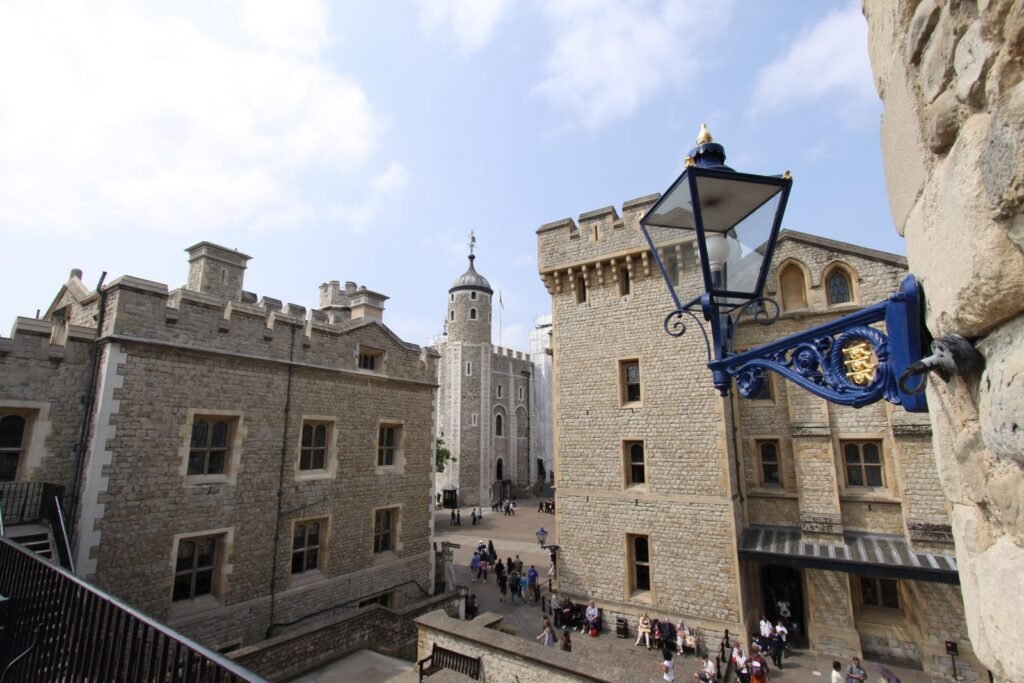
London: History Is About People
During my visits to London, I loved the famous historical places.
The British Museum.
The Tower of London.
The old streets.
The traditional markets.
But I also enjoyed something simpler — experiencing ordinary London life.
Taking the Tube.
Staying outside the central tourist areas.
Watching how neighbourhoods function.
Because a city is not only built by kings and governments.
A city is also created by ordinary people.
That same curiosity later shaped how Elaine and I travelled in China.
Yes, we visited famous China tourist attractions.
But we also stayed in local neighbourhoods.
We explored morning markets.
We walked through ordinary streets.
We watched daily life.
Because understanding China is not only about emperors and dynasties.
It is also about people.
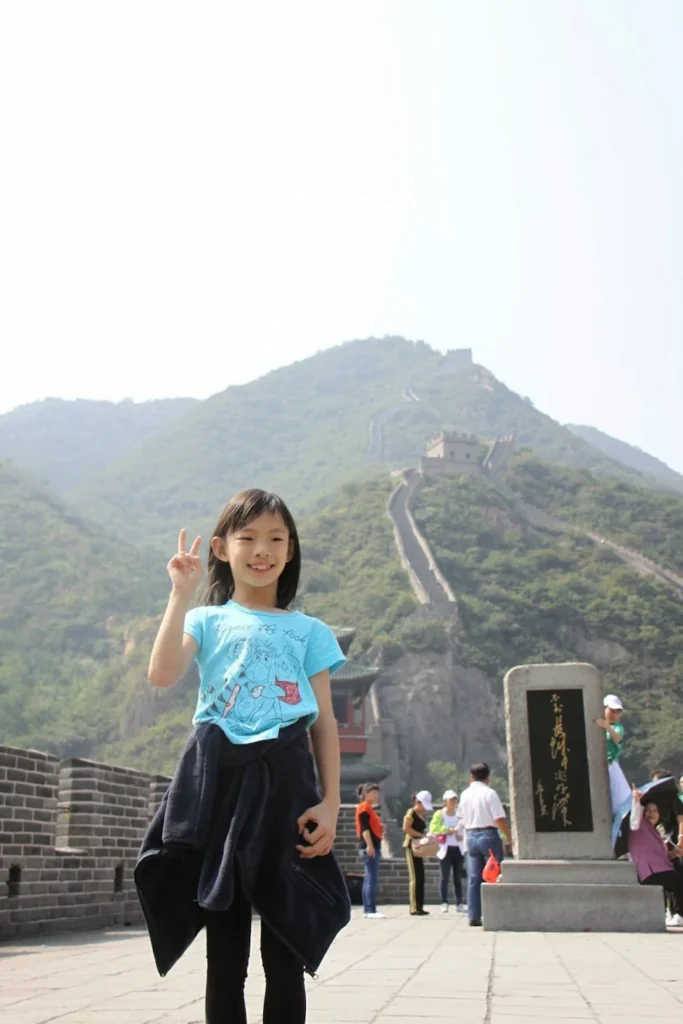
Beijing: More Than a Checklist Destination
For many first-time visitors planning a trip to Beijing China, the Great Wall is naturally at the top of the list.
And it should be.
Standing on the Great Wall — 长城 (Chángchéng) — is unforgettable.
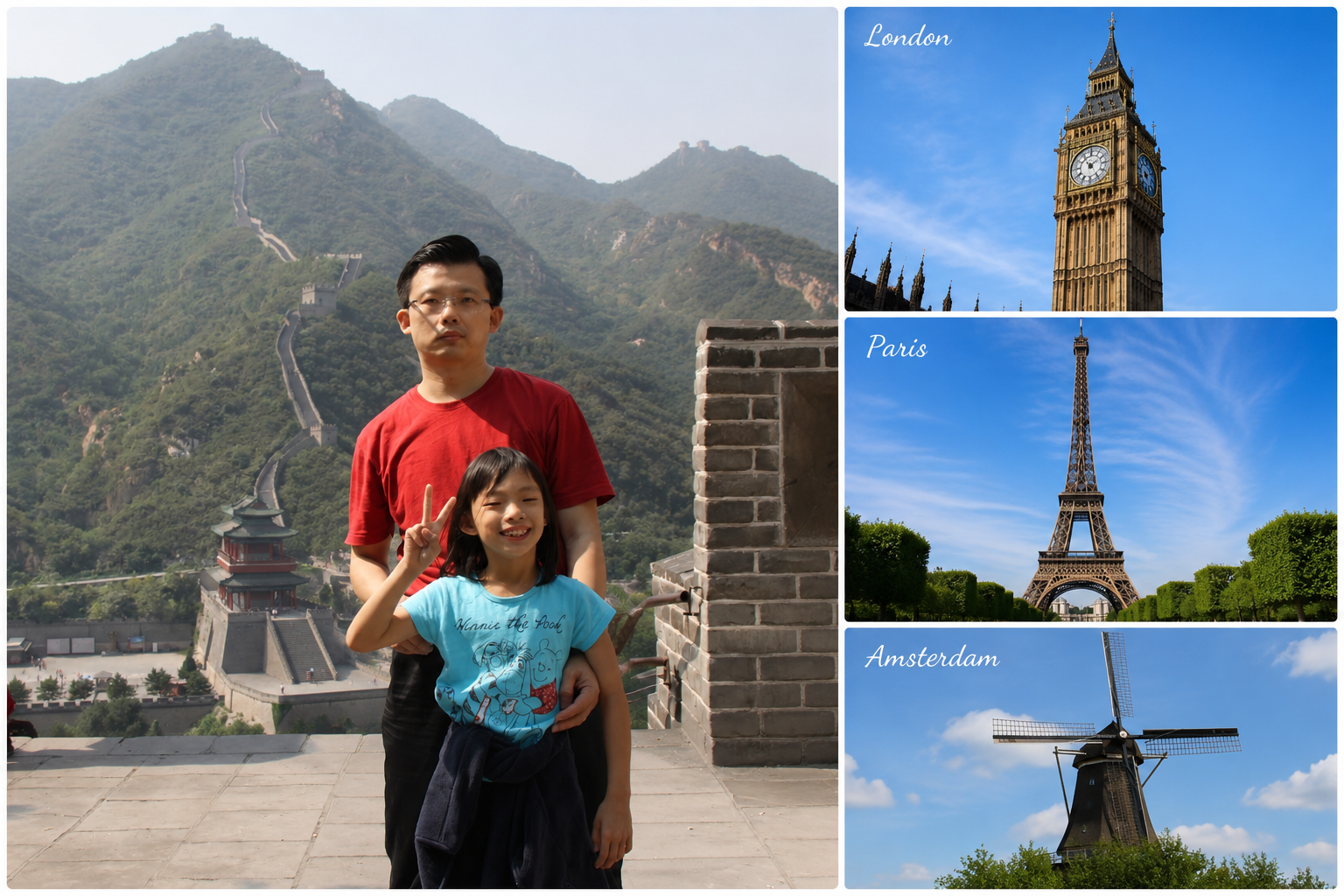
Elaine first visited Beijing in 2013 when she was only eight years old.
At that time, it was simply an exciting family trip.
A child seeing one of the world’s greatest wonders.
But when we returned years later, we started seeing it differently.
The Great Wall was not only a wall.
It represented defence, organisation, engineering, geography and thousands of years of human decisions.
Just like European castles and city walls, it tells us how societies responded to the challenges of their time.
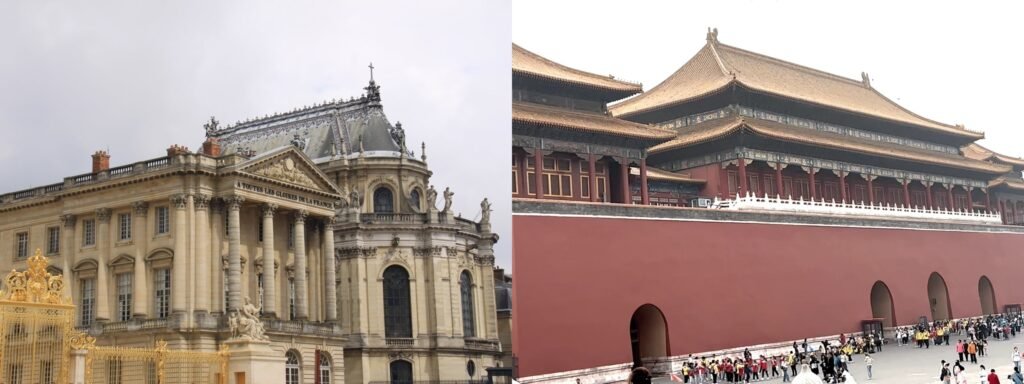
Paris, Versailles and Understanding the Forbidden City
Paris taught me another lesson.
Beautiful places often carry deeper stories.
The Louvre is not only an art museum.
Versailles is not only a beautiful palace.
They reveal how societies viewed leadership, culture, wealth, power and identity.
Years later, walking through Beijing’s Forbidden City — 故宫 (Gùgōng) — with Elaine, I looked at it with the same curiosity.
Not just:
“How beautiful is this building?”
But:
“Why was it built this way?”
“What does it tell us about the civilisation that created it?”
This small change completely transforms how we travel.

Xi’an: Walking Through China’s Timeline
If Beijing introduces visitors to imperial China, Xi’an opens another doorway.
Xi’an was the ancient capital of multiple Chinese dynasties.
It was the starting point of the Silk Road.
It was where different cultures, religions and people met.
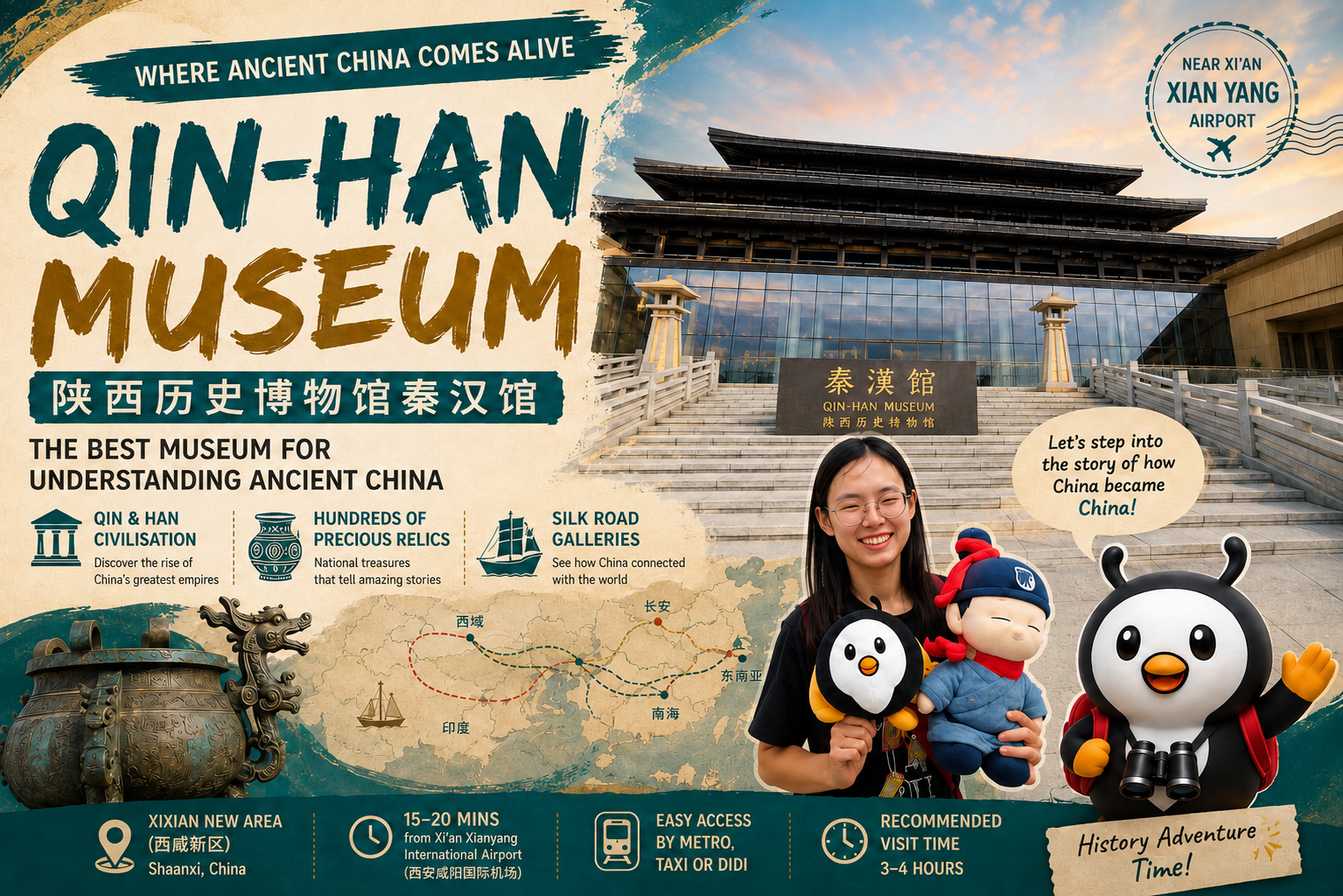
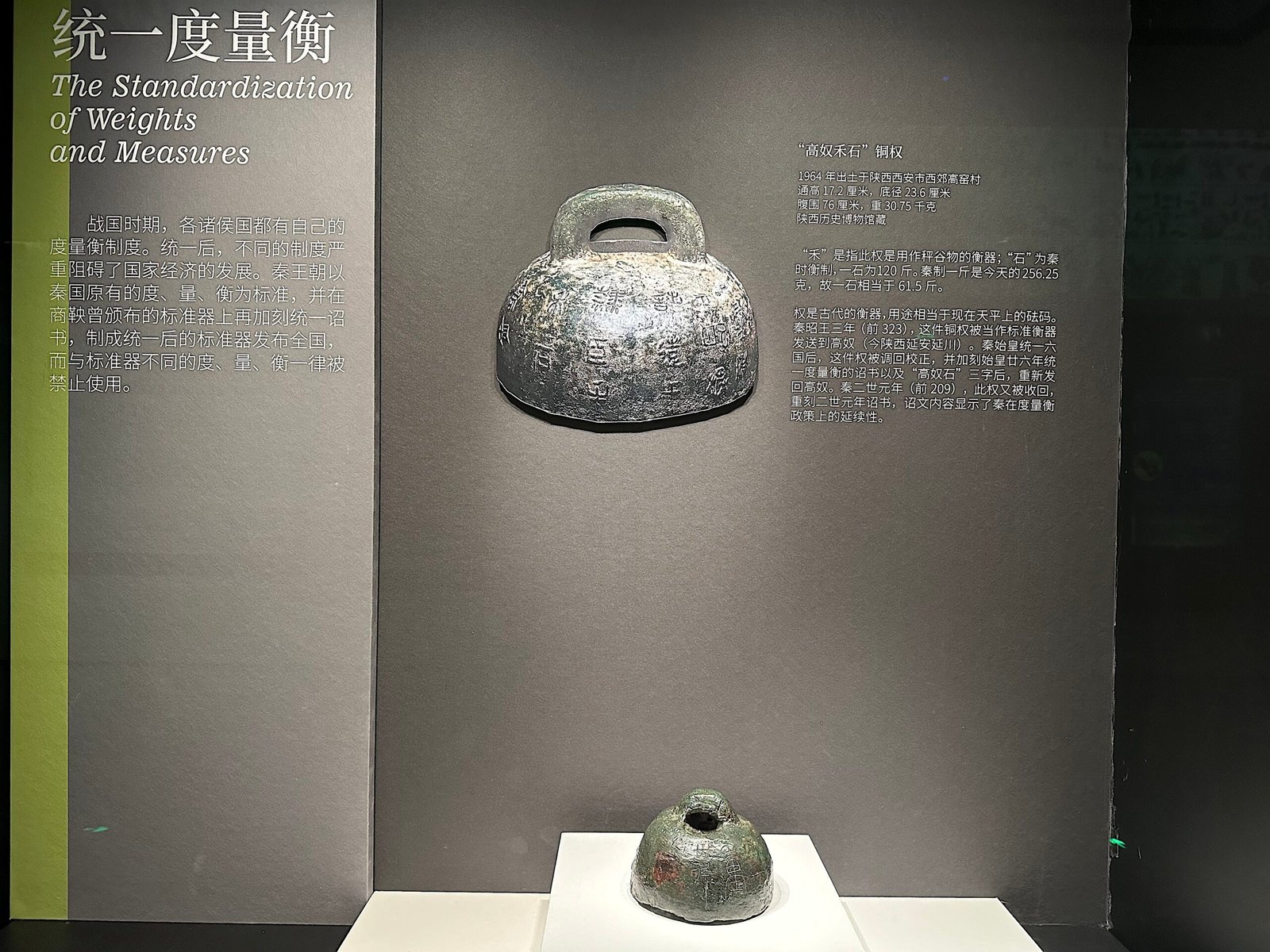
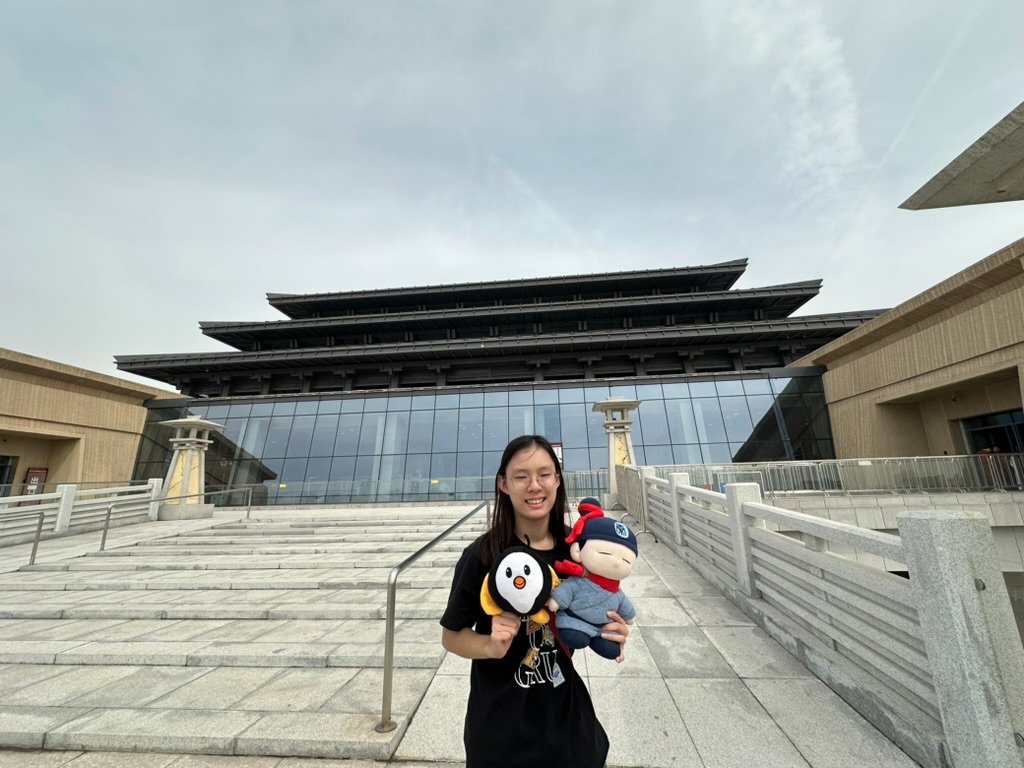
Walking through Xi’an Museum, seeing the Terracotta Warriors, exploring old streets — these experiences helped Elaine connect history with real places.
History was no longer just words in a book.
It became something she could see, touch and feel.
Beyond Famous Cities: Discovering the Hidden Stories of China
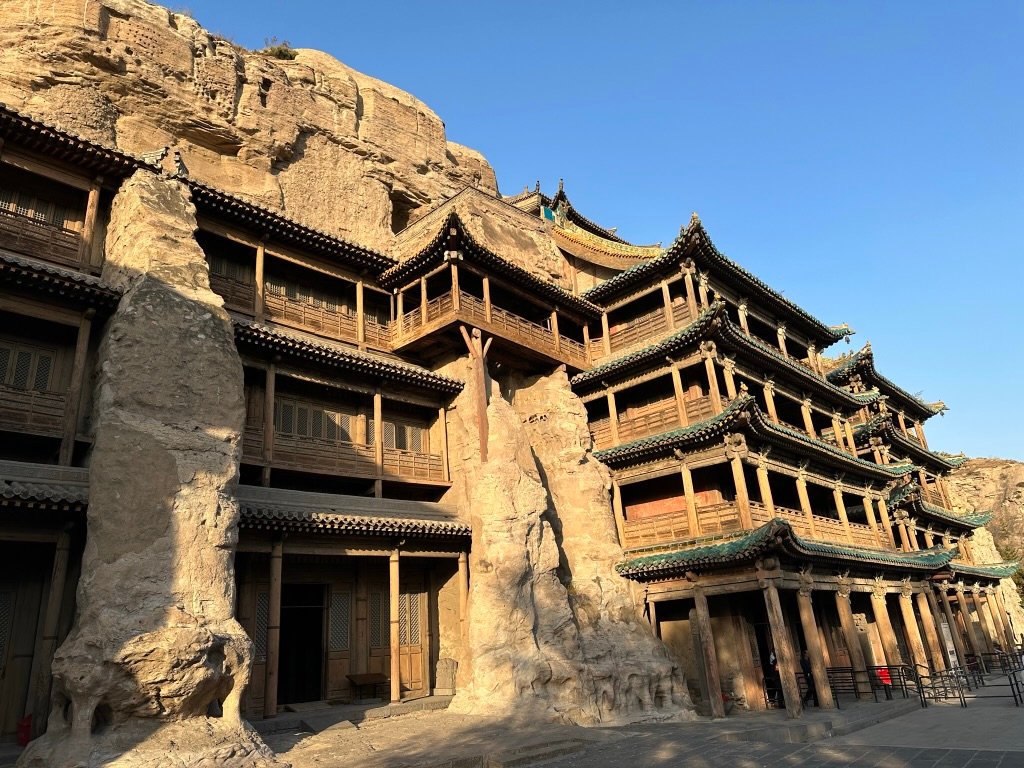
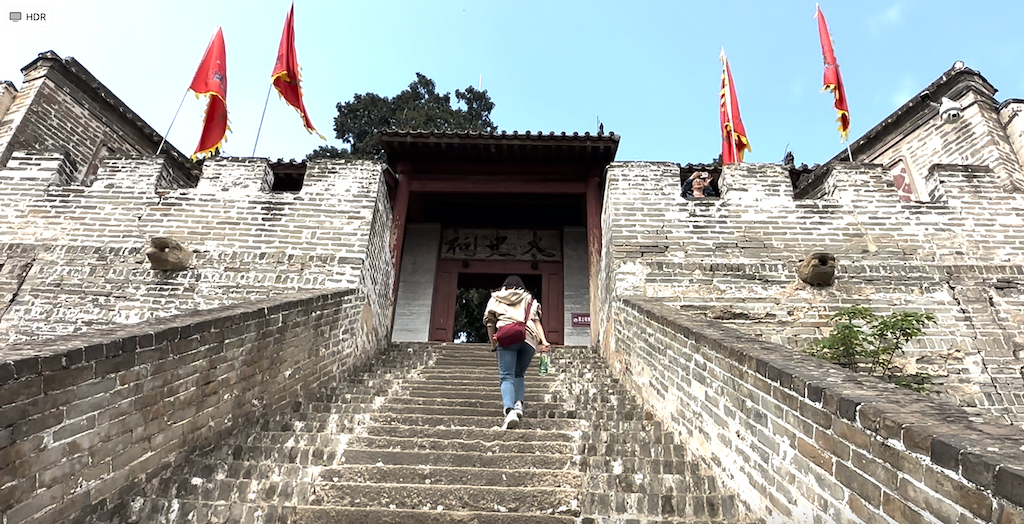
Some of our most meaningful China journeys happened outside the most famous destinations.
Places like:
Baoji.
Hancheng.
Ancient towns.
Smaller museums.
Historical sites many foreign travellers have never heard about.
In Hancheng, we visited the hometown of Sima Qian (司马迁), the historian who wrote Records of the Grand Historian (史记).
Standing there, I understood another important Chinese idea:
传承 (chuánchéng) — passing memories and knowledge from generation to generation.
A civilisation survives because someone preserves its stories.
And travel allows us to rediscover them.
The ChinaTravelBug Way: Learn, Travel, Connect
There is an old Chinese saying:
读万卷书,行万里路
dú wàn juàn shū, xíng wàn lǐ lù
“Read ten thousand books, travel ten thousand miles.”
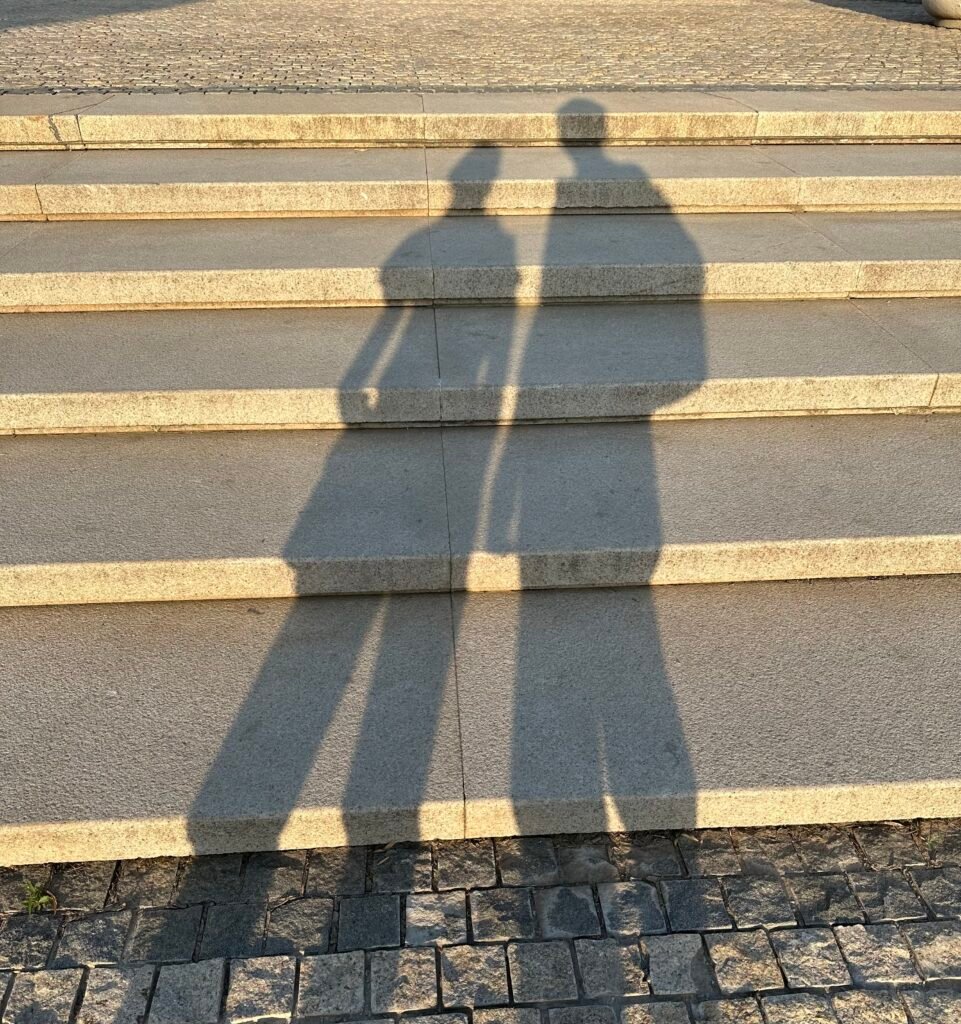
For Elaine and me, China became our open classroom.
Every journey created questions.
Every question encouraged learning.
Every place connected another piece of history.
This is why ChinaTravelBug is not only a China travel guide.
It is our journey to understand China through:
history,
culture,
people,
places,
and everyday life.
From Ancient Roads to High-Speed Rail — China’s Story Continues
One of the most fascinating parts of travelling across China today is discovering that history does not suddenly end when you leave an ancient palace, a temple, or a museum.
The story continues outside.
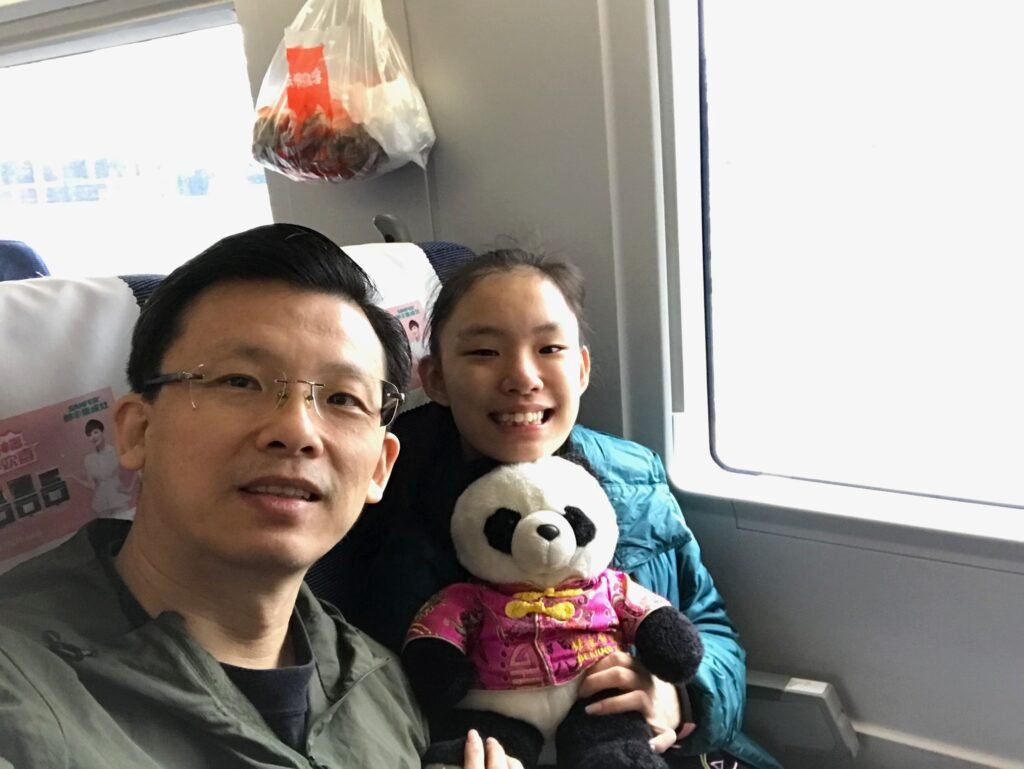
After walking through the old streets of Beijing, exploring the ancient capital of Xi’an, standing on the land where Zhou, Qin, Han and Tang history unfolded, Elaine and I often continued our journey in a very different way — by boarding China’s modern high-speed trains.
In the past, the Silk Road connected Chang’an with distant lands. The Grand Canal connected northern and southern China through water. Ancient roads carried officials, merchants, scholars and travellers across a vast civilisation.
Today, China’s high-speed railway network connects those same landscapes again.
The technology has changed, but the human question remains surprisingly similar:
How do we connect people, ideas, cities and cultures?
This is why we enjoy travelling through China slowly — not only flying from one famous attraction to another, but watching the country unfold between cities.
Sometimes the most meaningful travel moments happen outside the famous landmarks.
Looking through a train window.
Walking through a local neighbourhood.
Talking to ordinary people.
Discovering a small historical town that most foreign visitors have never heard about.
For us, China travel is not only about visiting the past.
It is about seeing how thousands of years of civilisation, 文明 (wénmíng), continue into the present — and how the story is still being written today.
Planning Your First Trip to China?
If you are planning your first China vacation or holiday in China, start with the famous places.
Visit Beijing.
Walk on the Great Wall.
Explore the Forbidden City.
Experience Xi’an.
See the Terracotta Warriors.
They are famous for good reasons.
But do not stop there.
Slow down.
Ask questions.
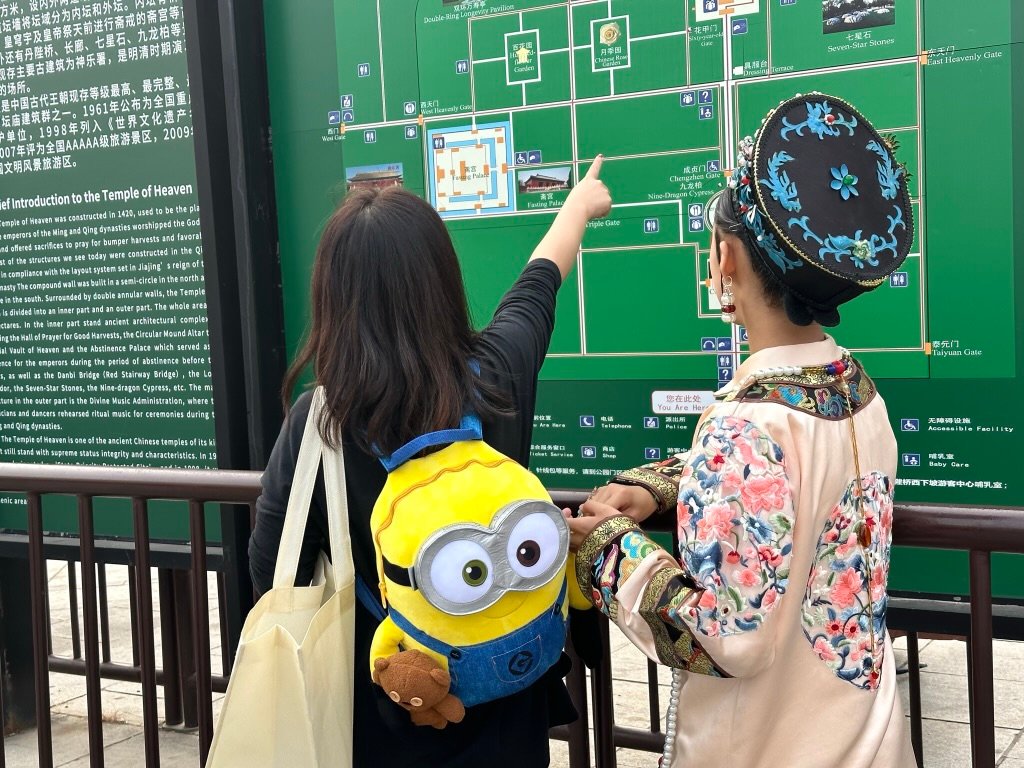
Explore local streets.
Visit museums.
Learn the stories.
Because the real beauty of China is not only what you see.
It is what you begin to understand.
Just like travelling through Europe’s great historical cities, China becomes unforgettable when every place becomes a story.
Welcome to our ChinaTravelBug journey.