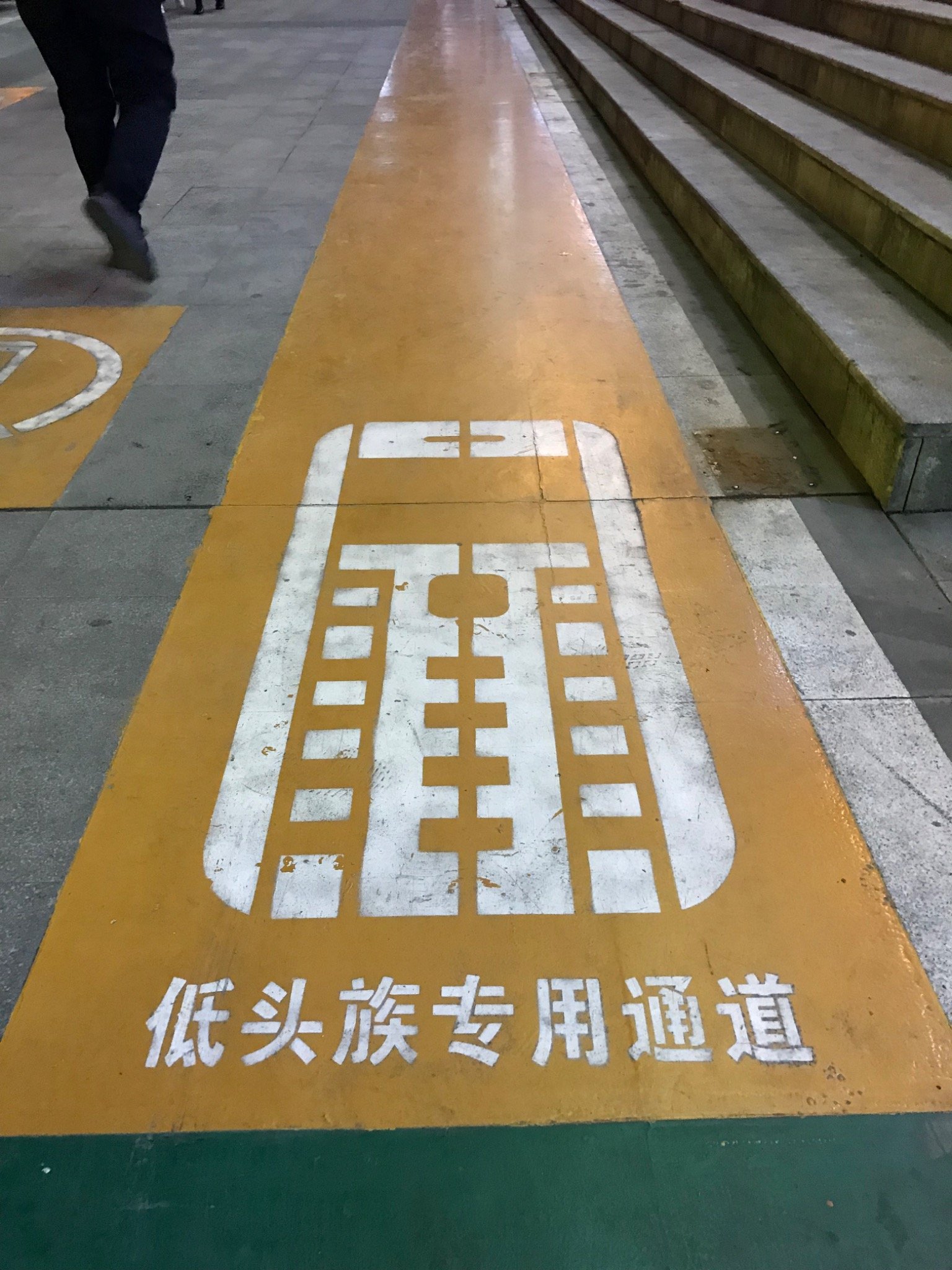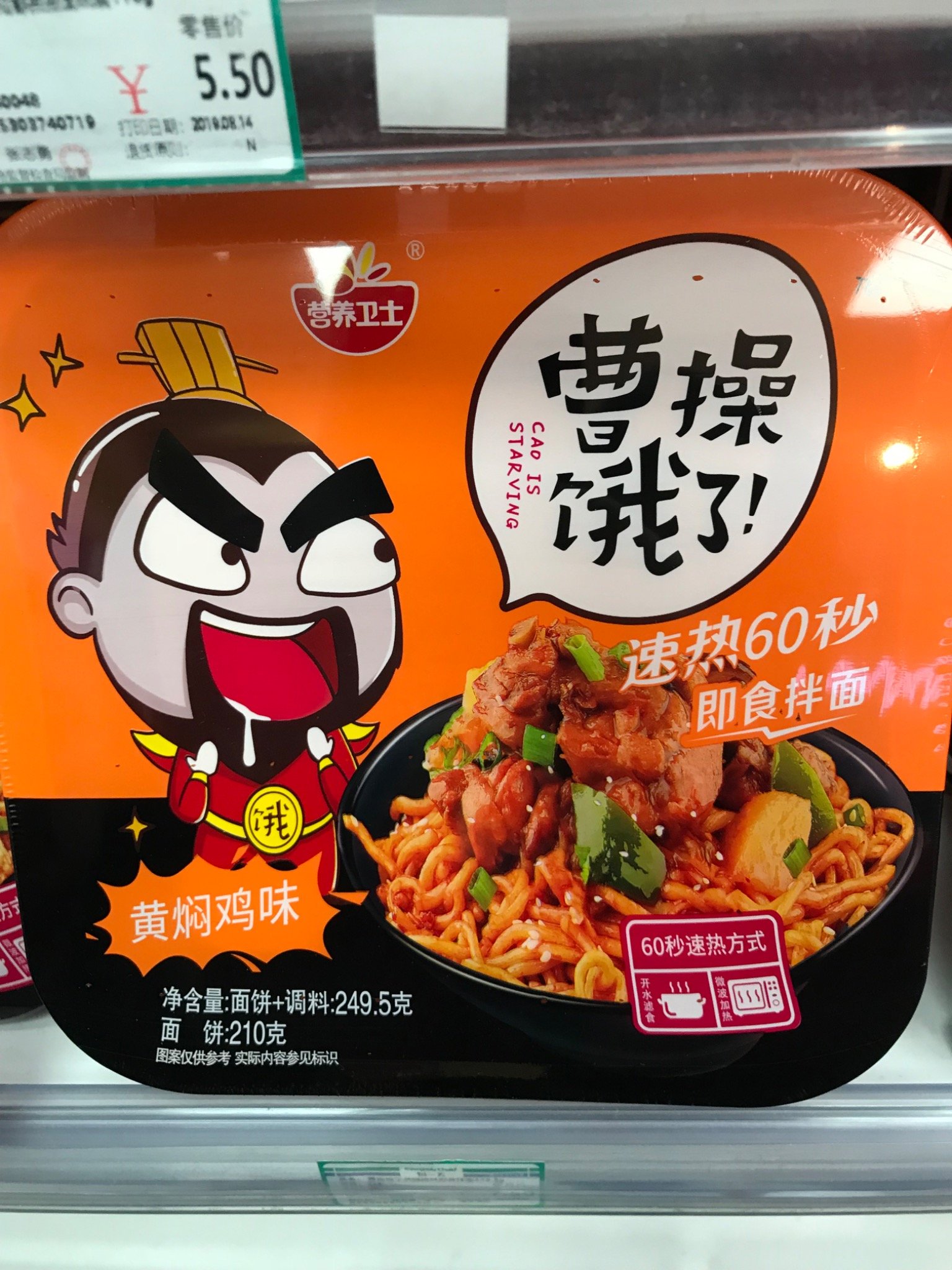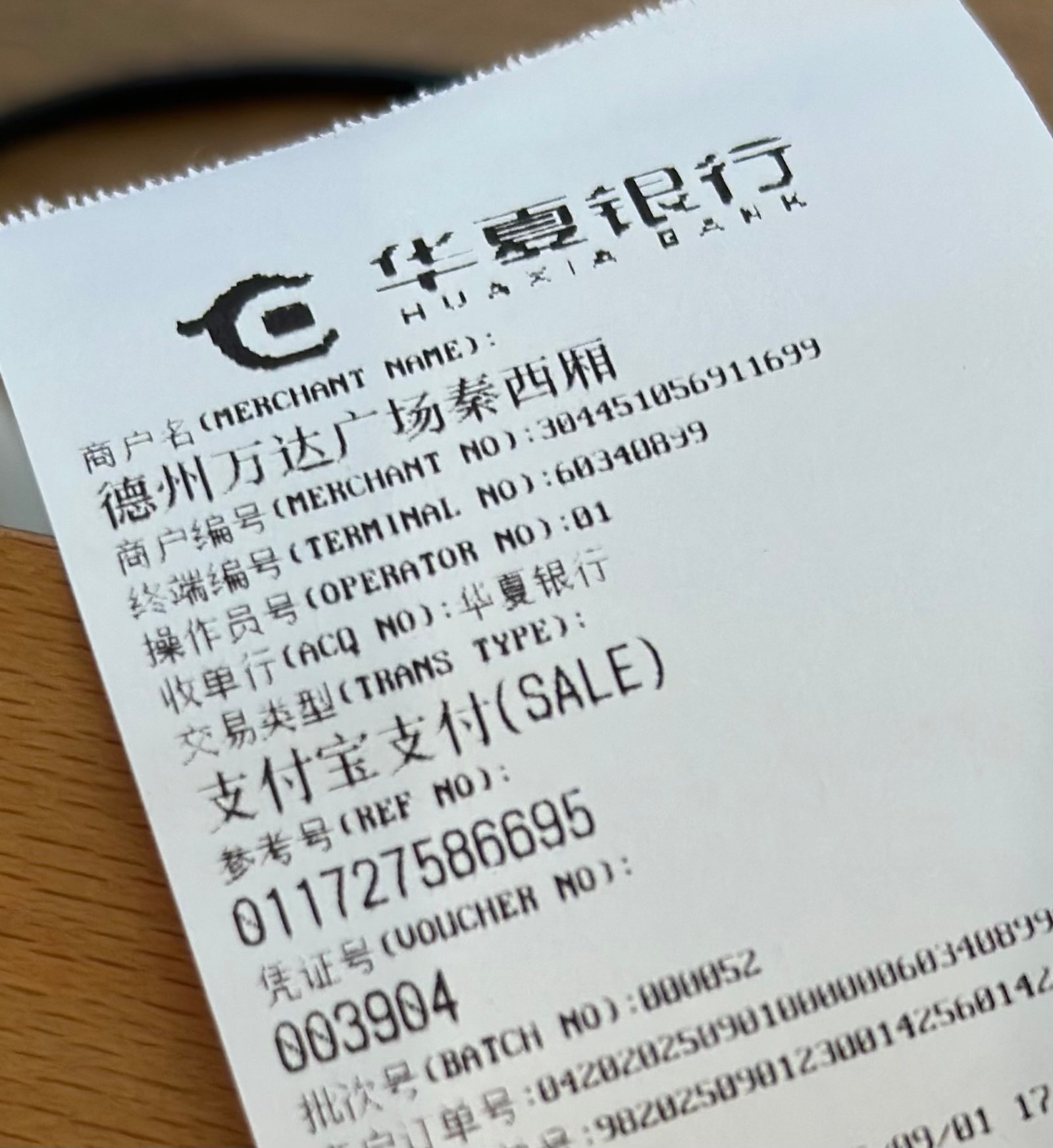
You want to pay.
Phone.
Call a ride.
Phone.
Order at a restaurant.
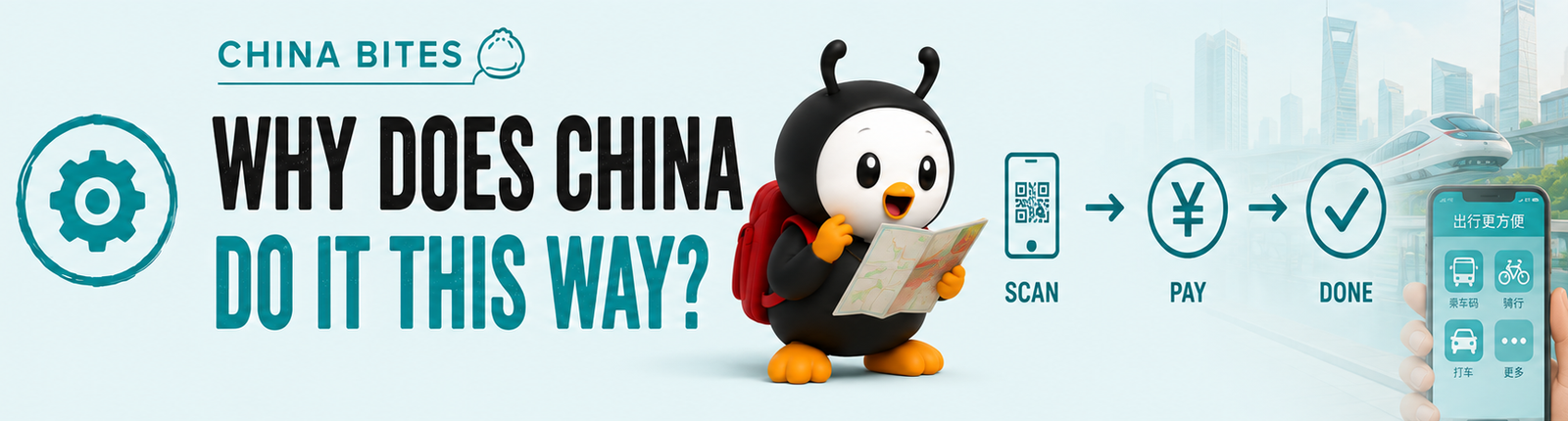
Scan the QR code.
Ride the metro in many cities.
Another QR code.
After a while, first-time visitors may wonder:
“Why does everything in China seem to happen on my phone? 😂”
🥟 The Quick Bite
China developed a remarkably mobile-first everyday ecosystem.
Apps such as WeChat (微信, Wēixìn) and Alipay (支付宝, Zhīfùbǎo) grew far beyond messaging or payments.
Inside them are mini programs (小程序, xiǎochéngxù) — small services that can run inside the main app without you downloading a separate full app for every task.
That helps one phone handle an enormous amount of everyday life.
🌍 If You’re Trying to Place It…
Imagine combining pieces of:
WhatsApp + your digital wallet + Uber/Grab + restaurant ordering + transit apps
and then putting many of those services behind QR codes inside one or two big apps.
Not an exact comparison — but you’re getting close.
📱 Why Did China Go This Way?
Smartphones, QR codes, mobile payments and huge digital platforms developed together very quickly in China.
For businesses, a QR code is also wonderfully simple.
A restaurant can put one on the table.
A shop can display one beside the till.
A transport system can let passengers scan one at the gate.
The phone becomes the connecting tool.
👀 Look at the QR Code on Your Table
This is one of the easiest places to see the system at work.
In some restaurants, scanning the table’s QR code can open a menu or mini program.
You browse.
Order.
Sometimes pay.
And the restaurant doesn’t necessarily need to hand every customer a printed menu.
Once you understand that little QR square as a doorway into a service, China’s phone-centered life starts making much more sense.
😅 Is It Always Easy for International Travelers?
No.
A system designed around domestic apps, phone numbers, identity verification and Chinese-language services can create friction for overseas visitors.
China itself has recognized this problem and is introducing measures intended to make digital services easier for international visitors.
So if your first reaction is:
“This is incredibly convenient!”
followed ten minutes later by:
“Why can’t I get this thing to work?!” 😂
You are not necessarily contradicting yourself.
Both can be true.
🥟 One Last Bite
China didn’t simply replace cash with phones.
The phone became a gateway to everyday services.
Once you understand that, all those QR codes stop looking like random little black-and-white squares.
They start looking like:
doors.
And China has put a lot of doors inside your phone.
See China. Understand It Better.