Like many first-time visitors to Beijing, I initially assumed we should stay somewhere close to the Forbidden City, Wangfujing or Qianmen. After all, that seemed to be where most tourists stayed.
Then I started comparing hotel prices.
The reality surprised me.
Compared with many other Chinese cities such as Xi’an, hotel rooms in Beijing are noticeably more expensive, especially those inside or near the city centre. Budget hotels often came with compromises—small rooms, mediocre reviews, no breakfast, inconvenient access to the Metro, or questionable cleanliness.
Rather than accepting those compromises, I took a different approach.
I spent time researching hotels using Trip.com, studying maps, reading hundreds of reviews and thinking carefully about Beijing’s excellent Metro system.
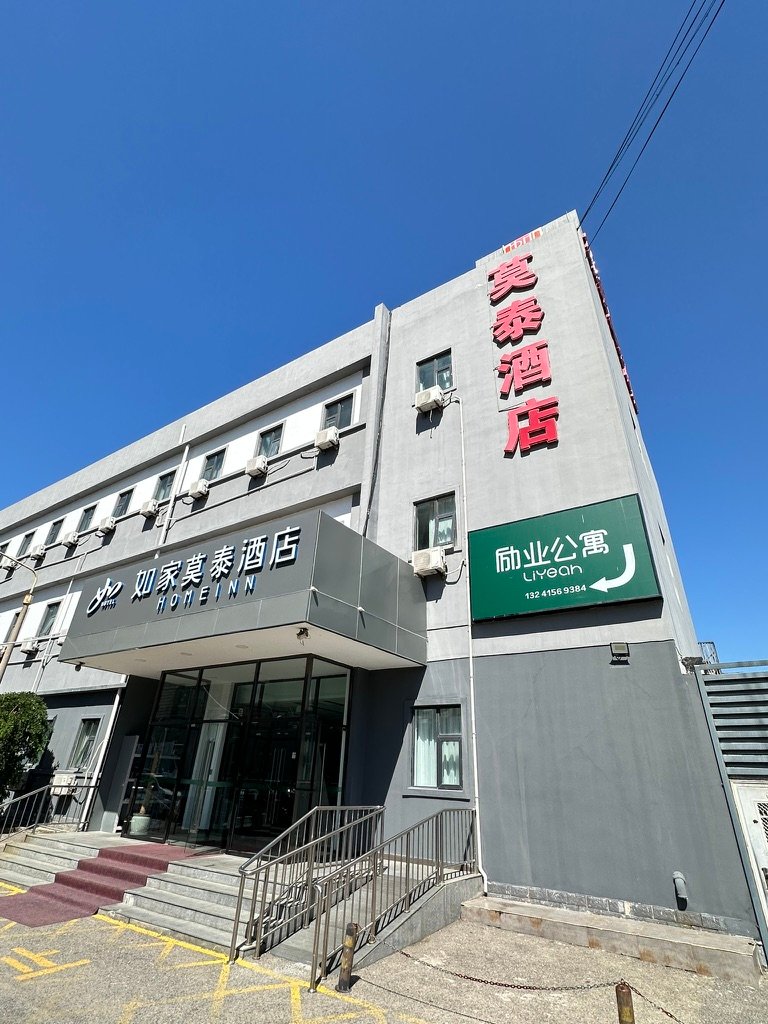
Eventually I found what turned out to be one of the best value hotels of our entire China journey—Motel 168 (Beijing Lishuiqiao Metro Station).
It wasn’t luxurious.
It wasn’t in the city centre.
But for independent travellers who want to stretch every travel dollar without sacrificing comfort, it was an absolute gem.
This article is not sponsored by the hotel. We paid for every night ourselves. I’m sharing it simply because finding good-value accommodation in Beijing can be surprisingly difficult, and I hope this saves fellow travellers hours of research.
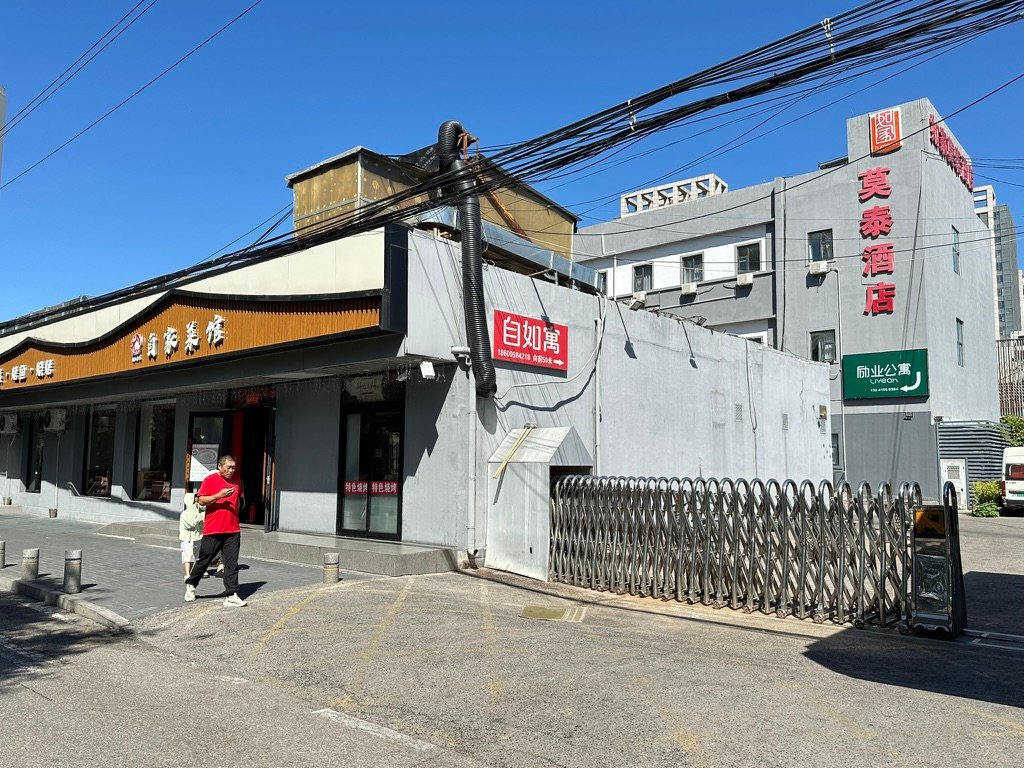
Why We Chose Motel 168: One of Beijing’s Best Budget Hotel Finds
Section 1 – Why Location Isn’t Everything in Beijing
When planning a Beijing trip, many first-time visitors instinctively search for hotels as close as possible to Tiananmen Square, the Forbidden City or Wangfujing.
I nearly did the same.
Then I compared hotel prices.
Unlike many other Chinese cities such as Xi’an, hotel accommodation in Beijing can be surprisingly expensive. Hotels in the city centre often charge a premium simply because of their location. Many budget hotels either had mediocre reviews, tiny rooms, no breakfast, or were located far from a Metro station.
Instead of asking, “Which hotel is closest to the attractions?”, I asked a different question:
“Which hotel gives me the best overall value while still allowing me to reach the city easily?”
That small change completely transformed how I searched for accommodation.
Beijing has one of the world’s largest and most efficient Metro systems. Spending 40–45 minutes on a comfortable train each morning is often a worthwhile trade-off if it means staying in a cleaner hotel, enjoying a better neighbourhood, paying significantly less, and even having breakfast included.
Many Beijingers themselves commute longer than that every day. Before long, we found ourselves sharing the morning Metro with office workers, students and grandparents. Rather than feeling isolated outside the city, we felt we were experiencing a little slice of everyday Beijing life.
🐧 Cheers: “Dad doesn’t choose hotels… he interrogates them until they confess they’re good value!”
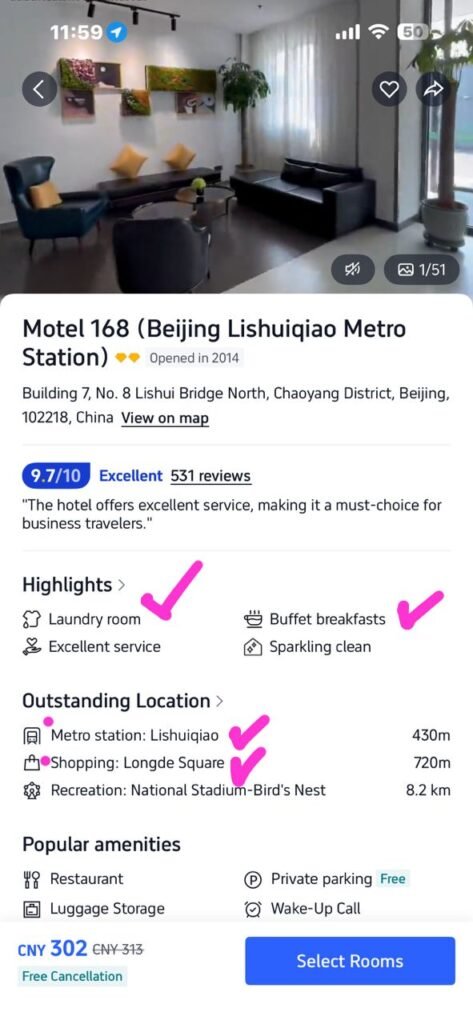
Section 2 – How I Research Hotels on Trip.com
People often ask how I find surprisingly good hotels.
The answer isn’t luck.
It’s a systematic process.
For China, I usually begin with the Trip.com app because it is available in English, easy to use, and hotels listed there are generally suitable for international travellers.
For Beijing, my search process usually looks like this.
Step 1 – Shortlist the Candidates
I first look for hotels that meet several basic criteria:
- Reasonably priced
- Near a Metro station
- Excellent review score (preferably above 9/10)
- Large number of reviews
- Good cancellation policy
These filters immediately remove many unsuitable choices.
Step 2 – Always Tap “View on Map”
This is probably the most important step.
A hotel description can look attractive until you actually see where it sits on the map.
Looking at the map allows me to judge:
- Distance from Beijing city centre
- Distance to Metro stations
- Distance to Beijing South Railway Station or Beijing West Railway Station if I am continuing my journey by high-speed rail
- Whether the neighbourhood appears residential, commercial or isolated
Remember, Beijing is a huge city. Saving just twenty or thirty minutes of travel every day can make a surprising difference over several days.
🐧 Cheers: “Maps never lie… although sometimes hotel marketing photos do.”
Step 3 – Read the Reviews Carefully
I never book a hotel without reading reviews.
Instead of focusing on one or two negative comments, I try to understand the overall consensus.
Some things I specifically look for include:
- Is the room genuinely clean?
- Is the neighbourhood safe?
- Are there eateries nearby?
- Is the Metro really within walking distance?
- Do guests repeatedly praise the staff?
- Are there recurring complaints?
One isolated negative review among hundreds of positive ones may simply reflect an unhappy guest—or, occasionally, even a competitor trying to sabotage ratings. What matters is the overall pattern.
For Motel 168, many guests consistently mentioned that the rooms were clean, the location was convenient, and the overall value for money was excellent.
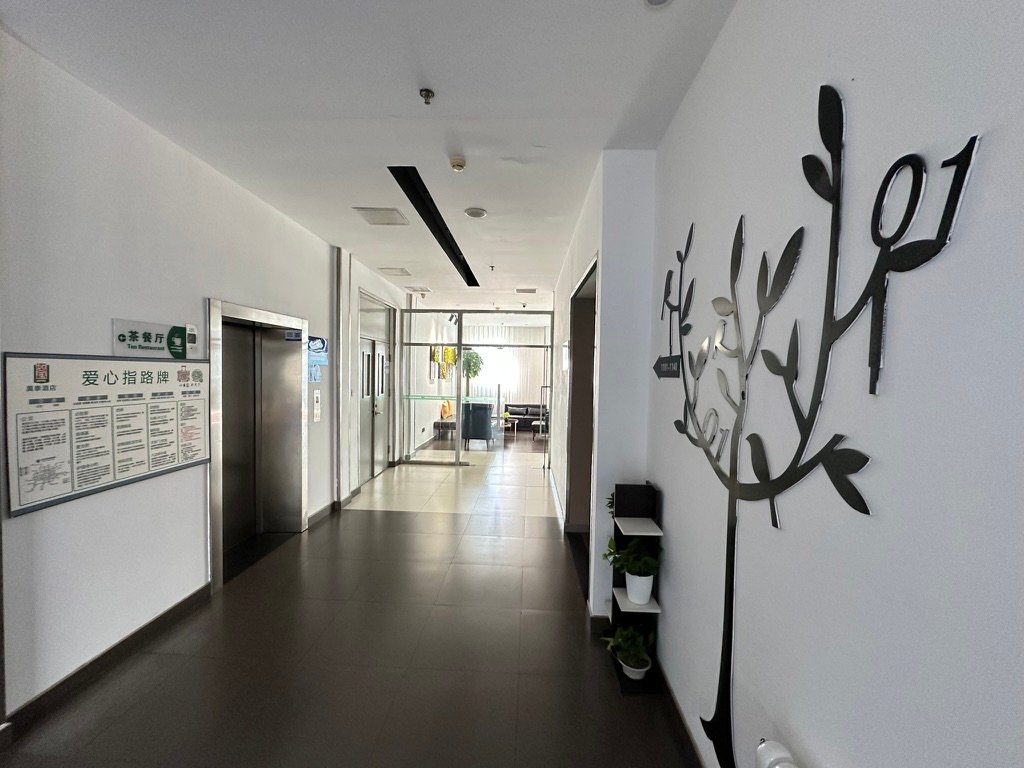
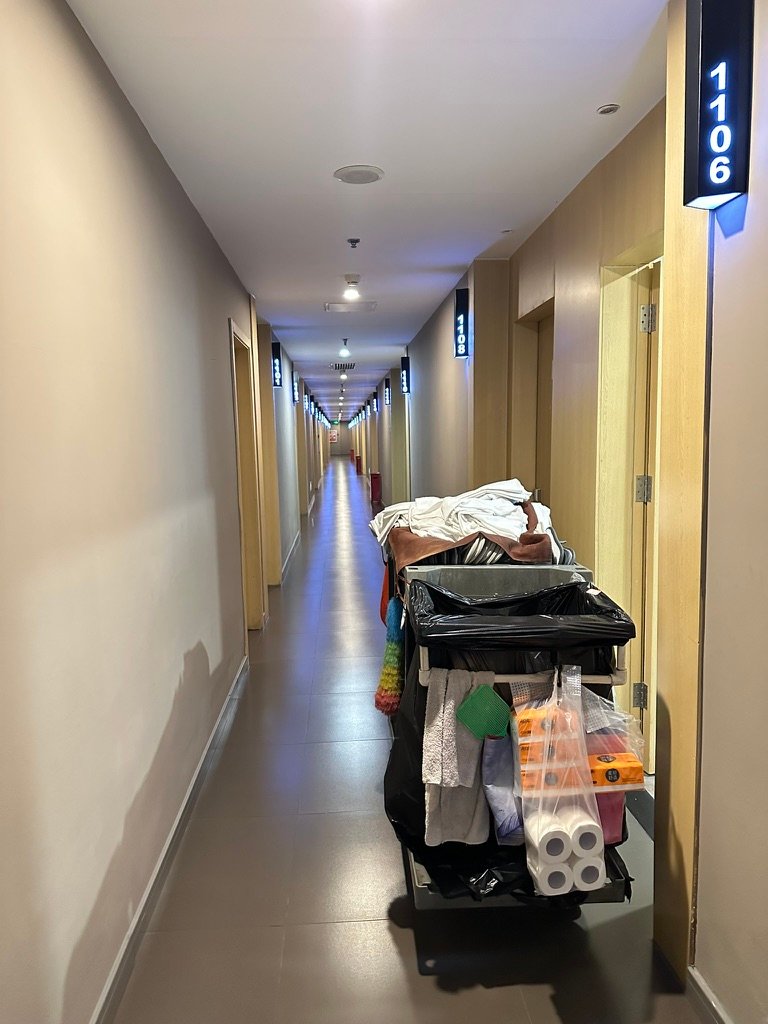
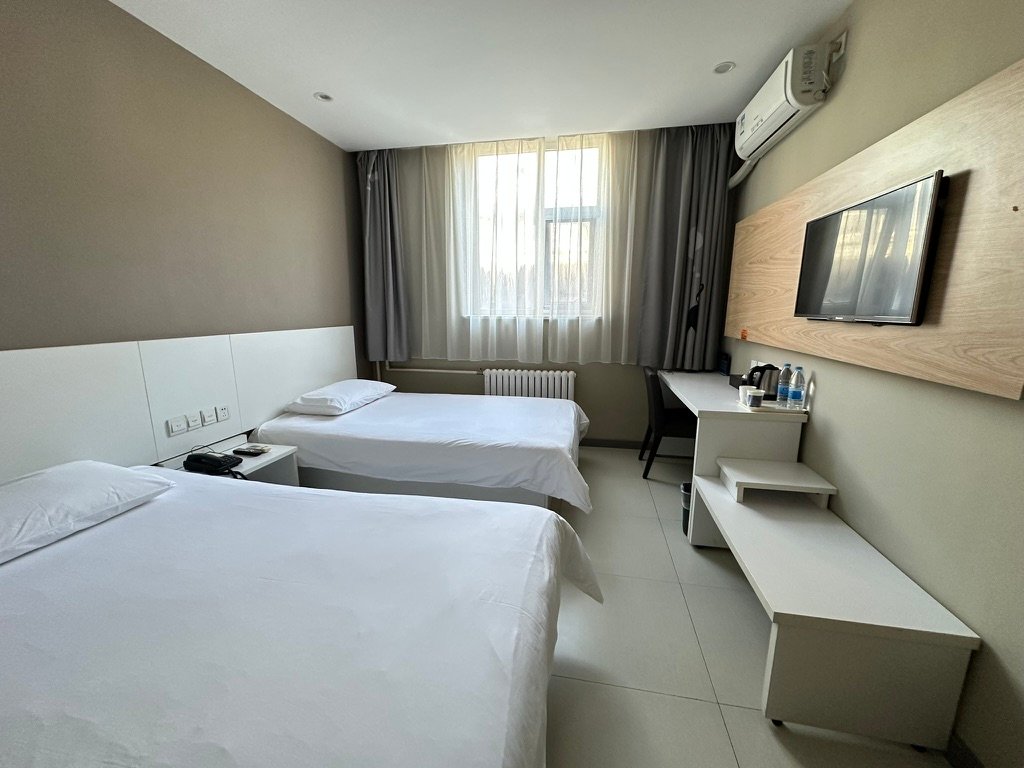
Section 3 – Why Motel 168 Stood Out
After comparing many hotels, one particular property kept appearing near the top of my shortlist.
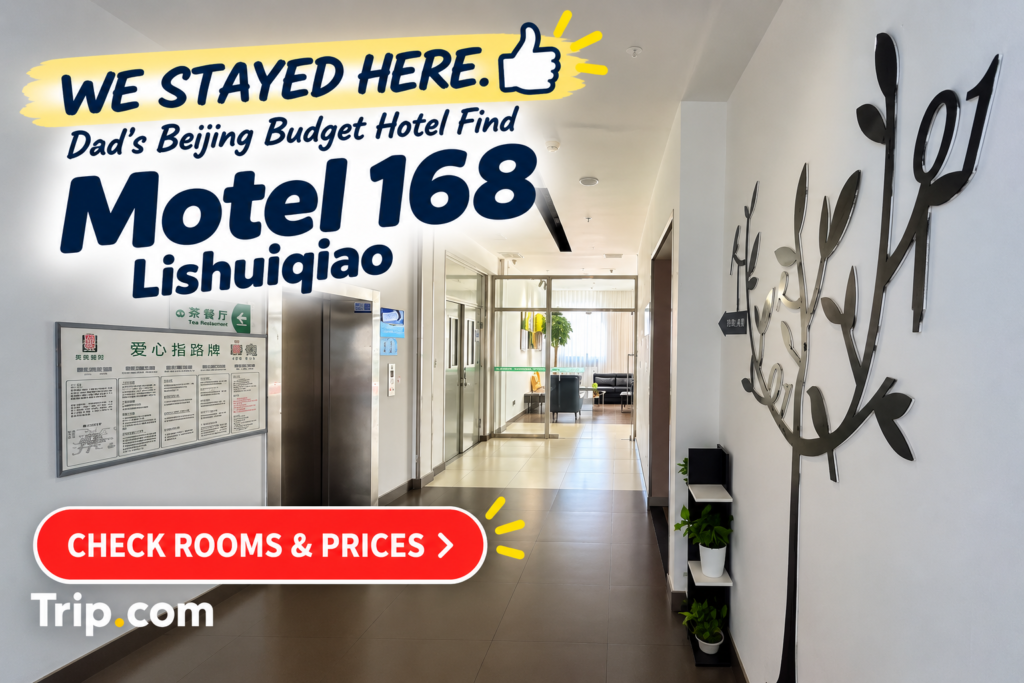
Motel 168 (Beijing Lishuiqiao Metro Station).
On paper, it didn’t sound particularly exciting.
But once I looked deeper, it ticked almost every box that mattered to independent travellers.
The rooms were simple, modern and clean.
The beds were comfortable.
The hotel was only about a five-minute walk from Lishuiqiao Metro Station.
Breakfast was included.
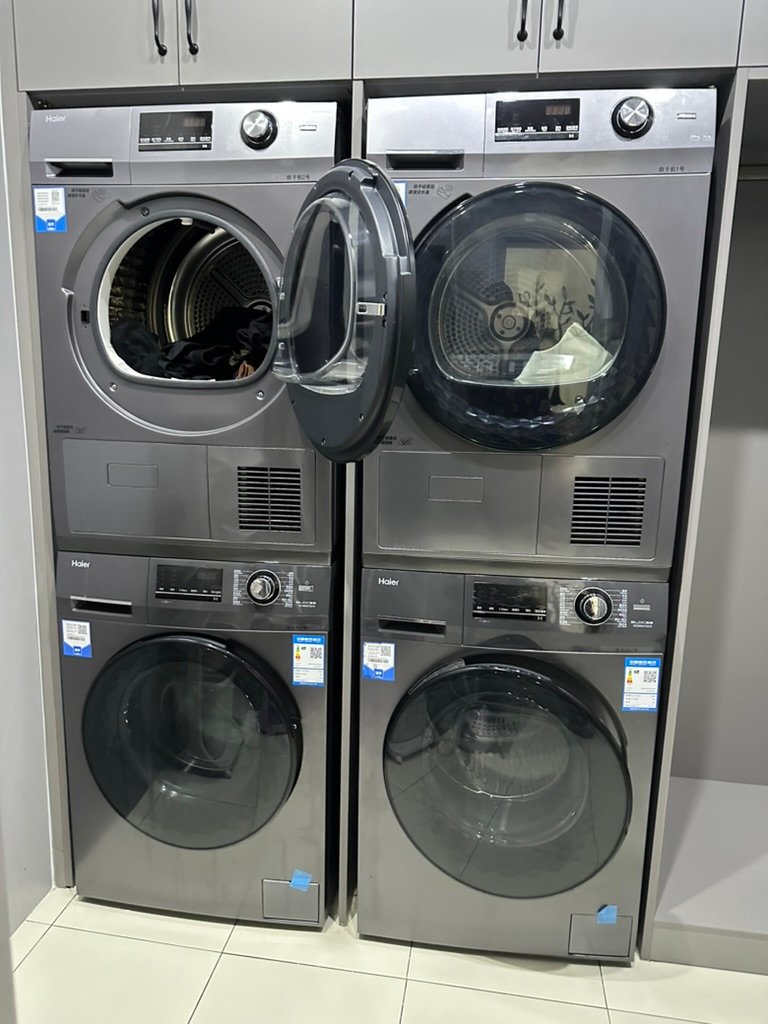
There was a free laundry room.
And all this came at a price that would often only get you a hostel bed or a much lower-rated hotel nearer Beijing’s city centre.
Sometimes value isn’t about paying the least.
It’s about getting the most for your money.
🐧 Cheers: “Dad says five stars aren’t necessary… five good decisions are.”
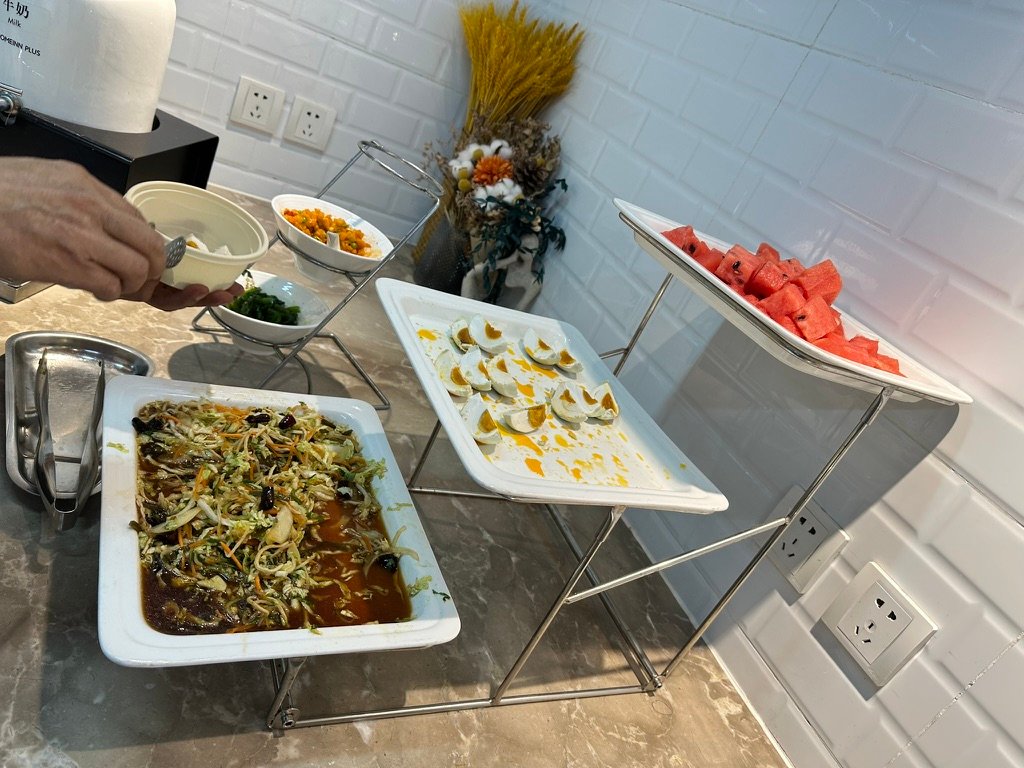
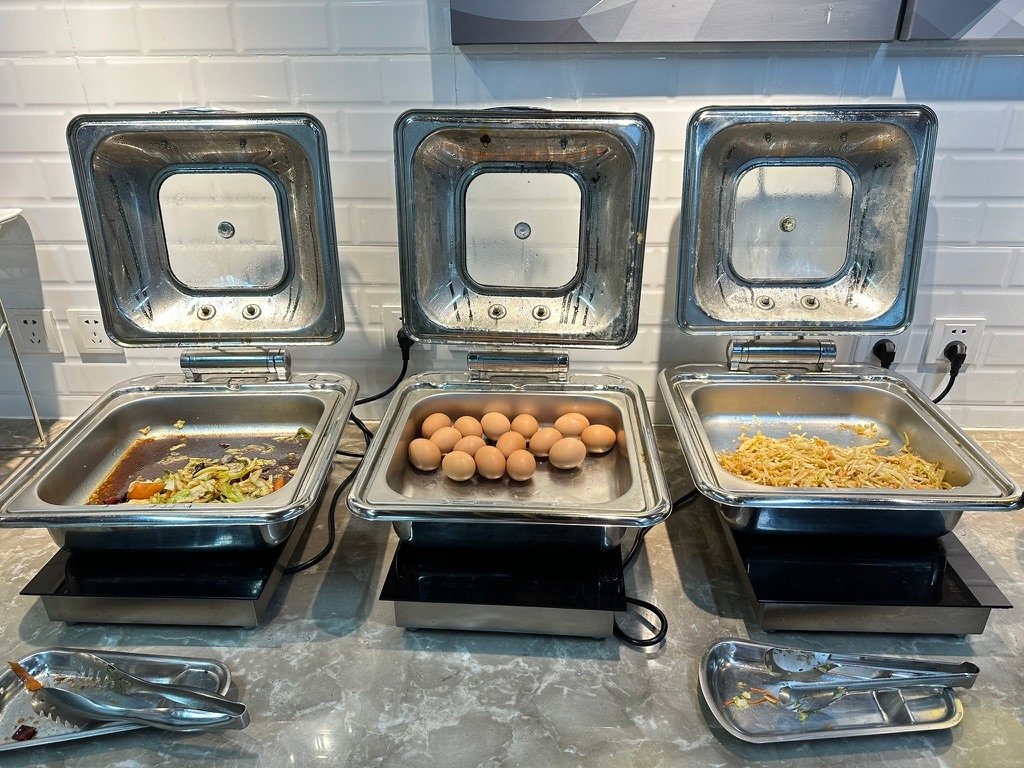
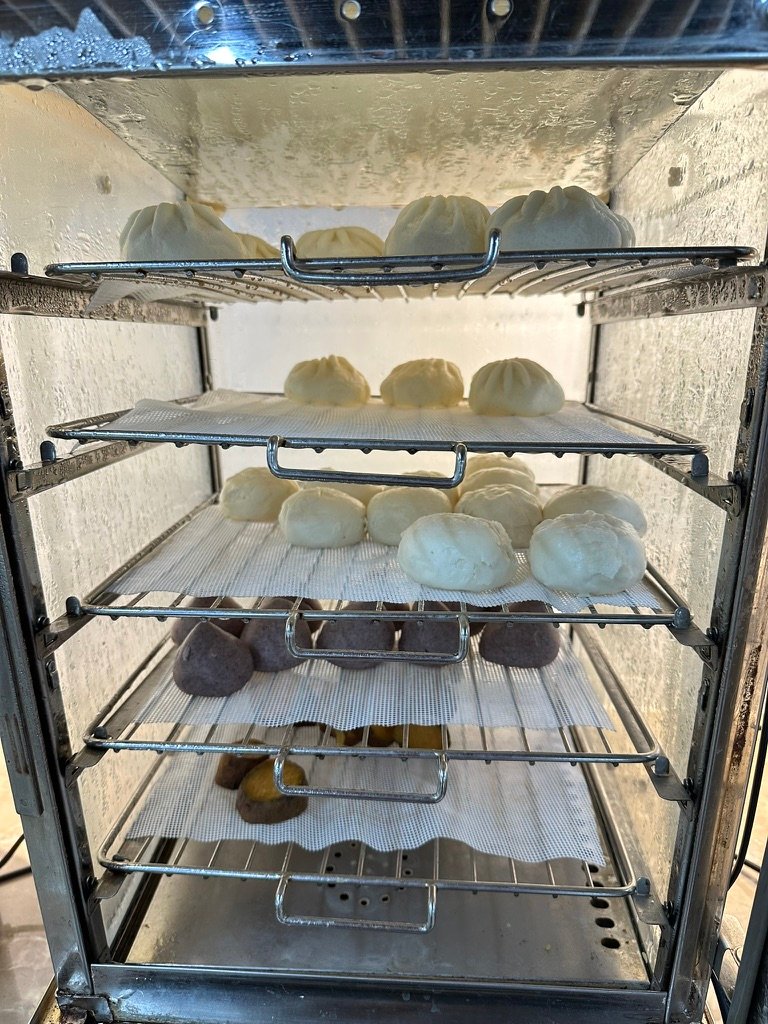
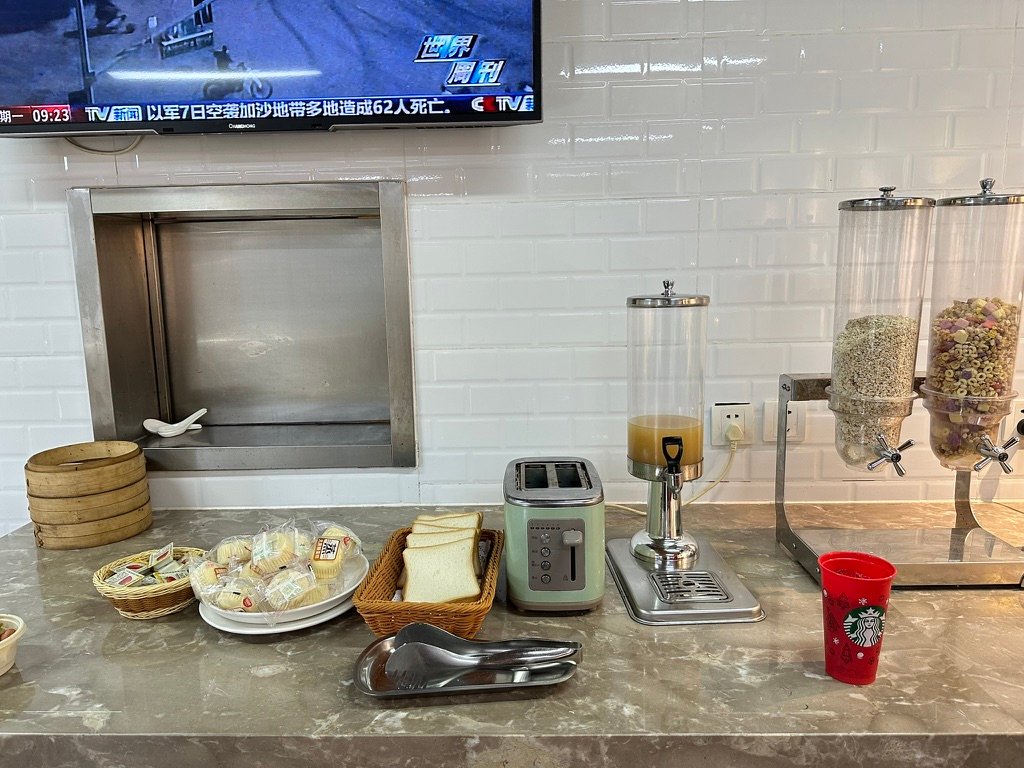
☕ Dad’s Practical Tip: Don’t Expect a Western Hotel Breakfast
Here’s one small cultural difference worth knowing before you book a local budget hotel in China.
Most smaller Chinese hotels serve breakfast mainly for domestic travelers. That means the menu is usually simple and very Chinese.
Don’t be surprised if you find:
- 🥚 Hard-boiled eggs
- 🥣 Rice porridge (粥 zhōu)
- 🥟 Fresh steamed buns (包子 bāozi)
- 🥬 Stir-fried vegetables
- Soy milk
- Yogurt
- Simple cakes or pastries
What you may not find are things many Western or Southeast Asian travellers take for granted:
- ☕ Fresh coffee
- 🫖 English breakfast tea or black tea
- 🧈 Butter
- 🍞 Toast (some hotels don’t even provide bread)
After staying in quite a number of local Chinese hotels over the years, we’ve learnt not to expect a Western-style breakfast.
Our simple solution?
Bring your own favorite instant coffee, tea bags or Milo sachets.
The good news is that almost every hotel room in China provides an electric kettle, and hot drinking water is always readily available. Within a couple of minutes, you can enjoy your favorite morning drink while still benefiting from the hotel’s complimentary breakfast.
It’s a tiny travel habit that has made our mornings much more enjoyable.
Section 4 – Little Details That Made a Big Difference
One feature immediately caught my attention during my research.
Free laundry facilities.
That may sound like a small thing.
For us, it completely changed how we travel.
Being able to wash clothes every few days meant we could pack much lighter throughout our China journey.
Breakfast was another pleasant surprise.
Instead of paying extra every morning, we enjoyed a simple buffet breakfast before heading into the city. It wasn’t luxurious, but it was more than enough to start the day.
The hotel also sat just a short walk from Longde Square, a neighbourhood shopping mall with:
- supermarkets
- food court
- Starbucks
- bakery
- KFC
- everyday shops
Everything an independent traveller might need was within easy reach.
🐧 Cheers: “Free breakfast… free laundry… that’s more dumpling money saved!”
Section 5 – Experiencing Everyday Beijing
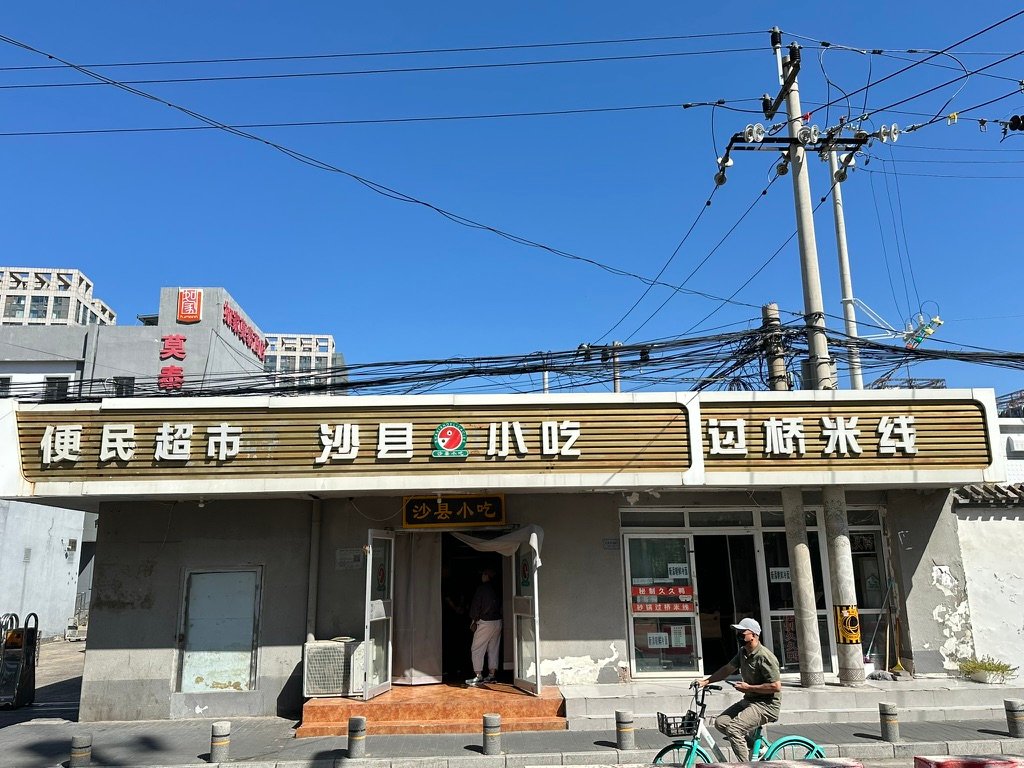
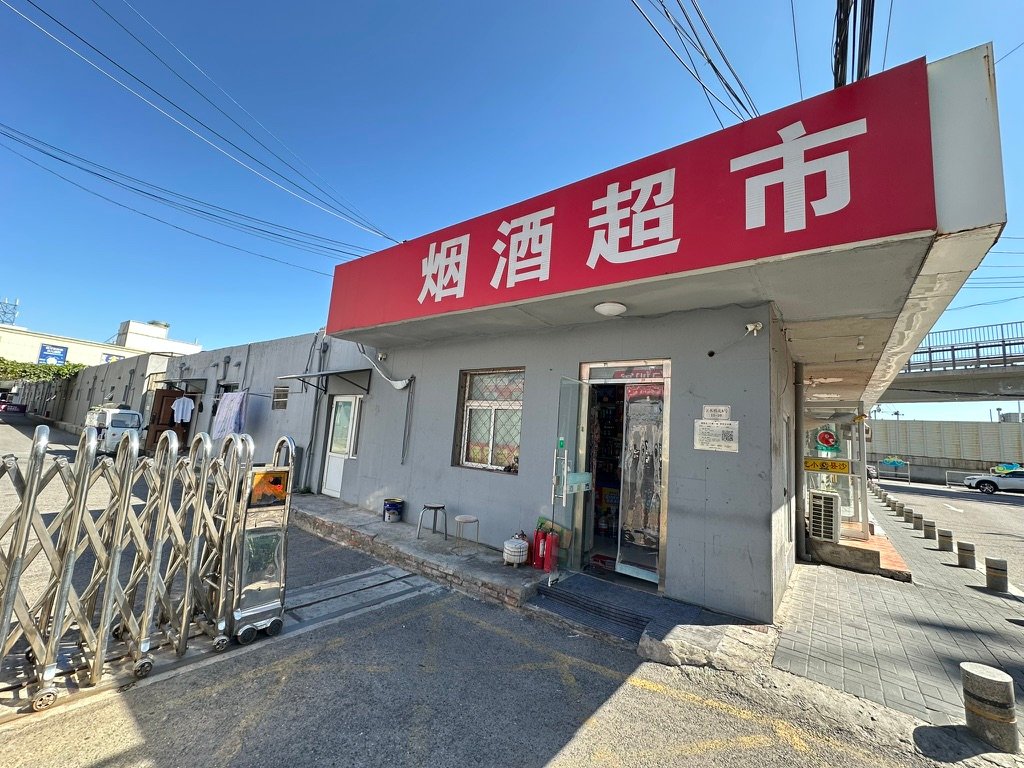
One unexpected benefit of staying outside the tourist centre was the neighbourhood itself.
Each morning we walked past breakfast stalls, convenience stores, cyclists heading to work, parents sending children to school, and elderly residents exercising in nearby parks.
In the evenings, instead of overpriced tourist restaurants, we explored local noodle shops and neighbourhood eateries filled almost entirely with local residents.
This wasn’t the Beijing found on postcards.
It was the Beijing where people actually lived.
For us, those ordinary moments often became some of the most memorable parts of the trip.
💡 Elaine’s Notes
“At first I thought staying outside the city centre meant we would miss out.
Instead, I felt we discovered another side of Beijing.
Every morning, we traveled with local commuters instead of tour groups.
It made me feel less like a tourist, and a little more like we were borrowing everyday life in Beijing.”
🐧 Cheers: “Tourists stay near attractions… explorers discover neighbourhood.”
Section 6 – Who Should Stay Here?
After spending several nights here, I can confidently recommend Motel 168 for travellers who value practicality over luxury.
This hotel is an excellent choice if you:
- want to stretch your travel budget
- don’t mind a comfortable Metro ride into the city
- appreciate clean rooms
- value free breakfast
- like having supermarkets and restaurants nearby
- prefer spending your money on experiences rather than expensive accommodation
It may not suit travelers who only have one or two days in Beijing and want to walk everywhere.
But for independent travelers spending several days exploring China’s capital, I honestly think this was one of the best hotel decisions we made during our trip.
Sometimes the smartest travel choices aren’t the most obvious ones.
They’re simply the ones that give you more experiences—and more value—for every dollar you spend.
🐧 Cheers: “Mission accomplished! Dad found a hotel that was cheaper… cleaner… and left enough money for extra dumplings!”
>>>>>>>>>>>>>>>>>>>>>>>>>>>>>>>>>>>>>>>>>>>>>>>>>>>>>>>>>>>>>>>>>>>>>>>>>>>>>
Not All Hotel Breakfasts in China Are the Same
One mistake many first-time visitors make is assuming that all hotels in China offer the same kind of breakfast.
They don’t.
It depends very much on the city, the hotel category and the target market.
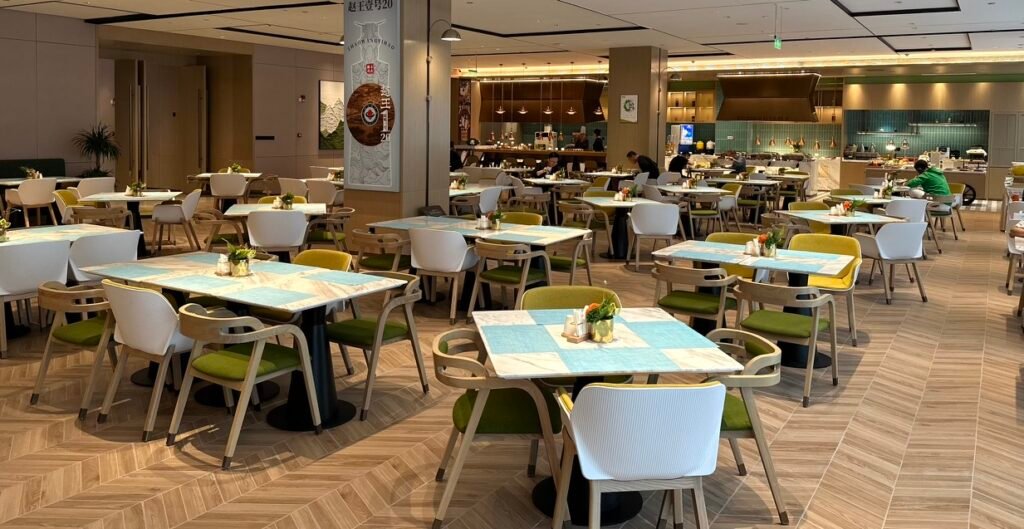
Our Motel 168 in Beijing is an excellent example of a well-run local budget hotel. It offers a clean room, a convenient location near the Beijing Metro, complimentary breakfast, and even a laundry room—all at a price that is already considered good value by Beijing standards.
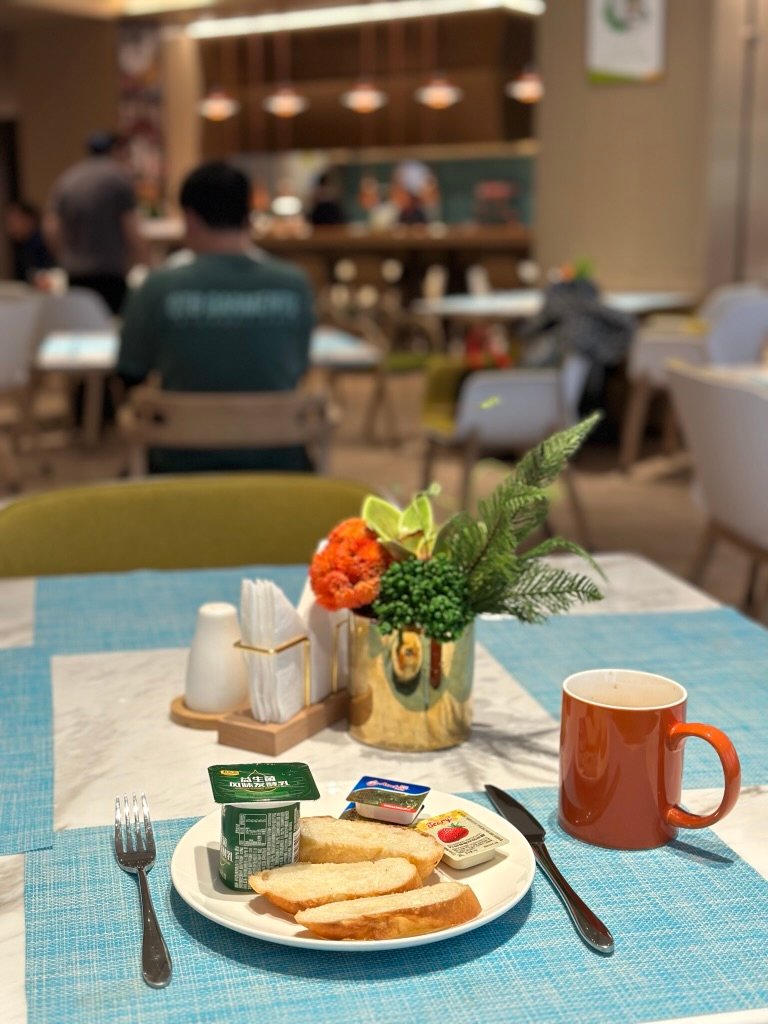
The breakfast was simple but perfectly adequate.
There were steamed buns, porridge, hard-boiled eggs, stir-fried vegetables, soy milk, yogurt, cereal and a few slices of bread. Enough to start a day of sightseeing around Beijing without spending extra money outside.
However, don’t expect the kind of breakfast buffet you might see at an international hotel.
Beijing Is One of China’s Most Expensive Hotel Markets
This is something worth remembering when planning your China trip.
Compared with cities like Xi’an, Taiyuan, Handan or many other inland cities, hotel prices in Beijing are noticeably higher.
Accommodation is one of the biggest expenses for visitors to China’s capital.
That is why finding a clean, highly-rated hotel like Motel 168 at around CNY302 including breakfast (Nov 2025 price) felt like a genuine bargain.
For budget-conscious travelers, value is often more important than luxury.
Compare That With Our Stay in Handan
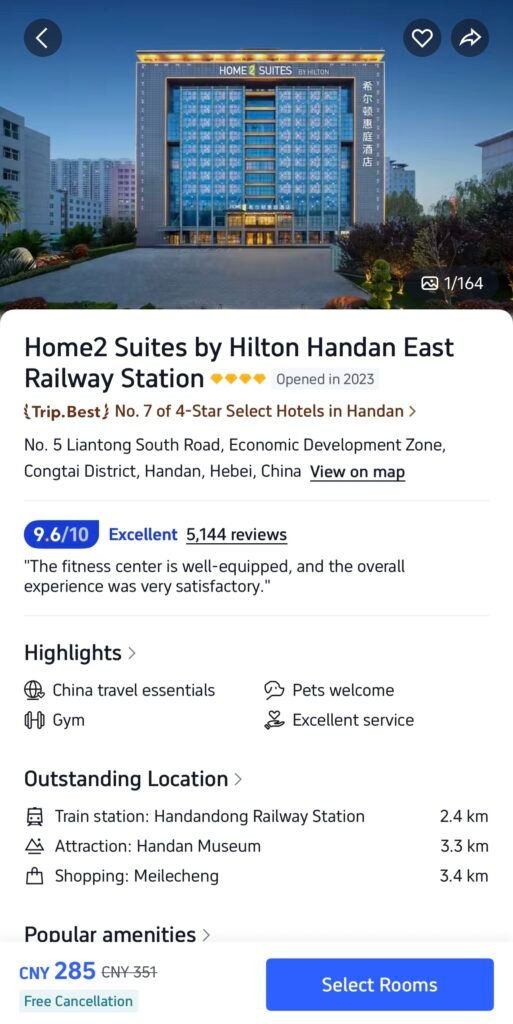
in a separate trip, we stayed at Home2 Suites by Hilton Handan East Railway Station, an international hotel brand.
The surprise?
The room actually cost less than our budget hotel in Beijing.
Yet the breakfast buffet was on a completely different level.
The dining room was spacious and modern.
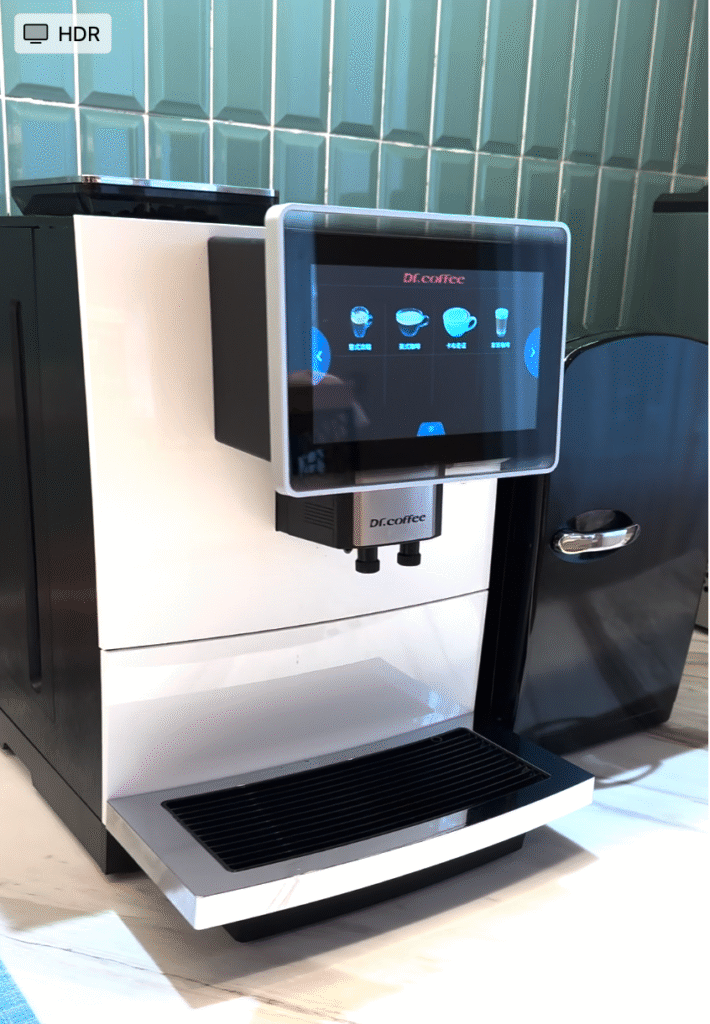
Fresh coffee was available from an automatic coffee machine.
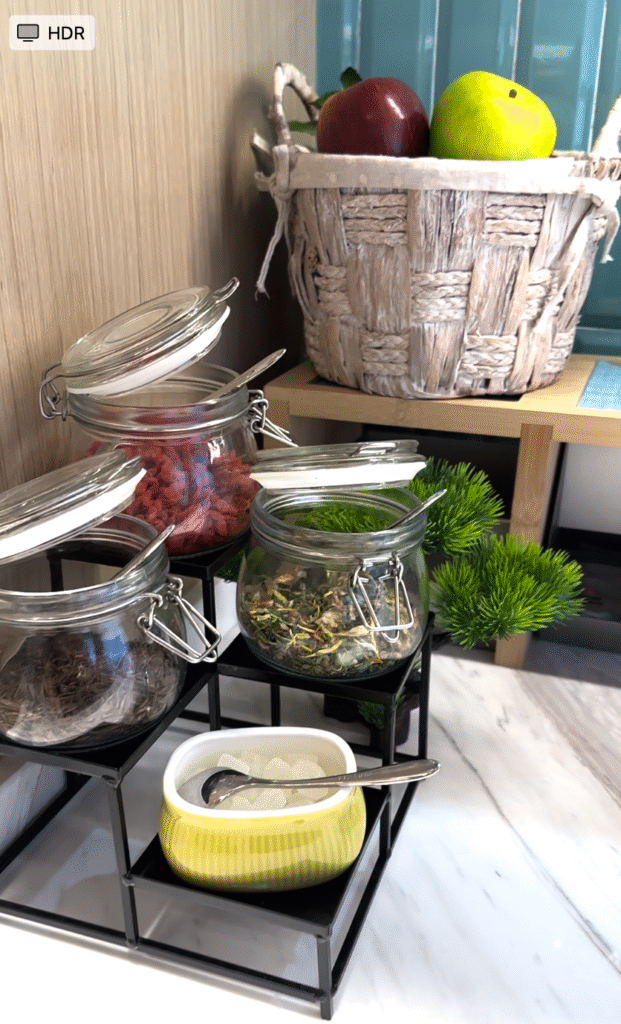
There were several kinds of bread, butter, jams, fresh fruit, yogurt, cereals, salads, Chinese hot dishes, steamed buns, noodles and many other choices.
It felt much closer to the breakfast buffets that many international travellers are familiar with.
This wasn’t because Hilton is “cheap”.
It was because Handan is simply a much more affordable city than Beijing.
Dad’s Practical Tip
Don’t compare hotels only by star ratings.
Always compare the city as well.
A budget hotel in Beijing may cost more than a 4-star international hotel in another Chinese city.
If your itinerary includes several destinations, don’t be surprised if your hotel budget stretches much further once you leave Beijing or Shanghai.
That’s one of the pleasant surprises of traveling deeper into China.
🐧 Cheers Says…
“Wait… so Dad paid MORE for simple steamed buns in Beijing… and LESS for a Hilton breakfast buffet in Handan?!”
Dad: “Exactly.”
Cheers: “China keeps breaking my price calculator.”
China doesn’t have one hotel market—it has dozens. Understanding the difference can save you hundreds of dollars over a multi-city trip.
Final Thoughts: A Good Hotel Is More Than Just a Place to Sleep
When planning a trip to China, it’s tempting to focus only on the nightly room rate.
But after several trips across China, I’ve realised that choosing the right hotel can make your entire journey smoother, more comfortable and even more affordable.
For us, Motel 168 wasn’t simply a place to sleep. It became our base for exploring Beijing. Its convenient location near the Metro saved us valuable traveling time in one of the world’s largest cities. The nearby restaurants made finding meals effortless. The shopping mall and supermarket meant we could easily buy anything we needed. The laundry room helped us travel lighter. Even the simple breakfast saved both time and money before heading out each morning.
None of these features sounds exciting on its own.
Together, however, they made a huge difference to our travel experience.
More importantly, this article isn’t really about recommending one particular hotel.
It’s about sharing a practical way of choosing hotels anywhere in China. Whether you’re travelling to Beijing, Xi’an, Chengdu, Hangzhou or a smaller city you’ve never heard of before, the same research process can help you avoid unpleasant surprises and find accommodation that offers genuine value.
China is changing rapidly, and so is its hotel industry. Budget hotels today can be remarkably clean, efficient and well managed, while international hotel brands outside the biggest cities can sometimes cost even less than a budget hotel in Beijing.
The trick isn’t spending more.
The trick is knowing what to look for before you book.
🐧 Cheers’ Final Words
“Dad doesn’t hunt for the cheapest hotel…”
“…he hunts for the hotel that makes the whole trip cheaper!”
I nodded.
That’s the real secret. A good hotel doesn’t just save you money on accommodation—it saves you time, transport costs, laundry expenses, and countless little hassles. Sometimes, the smartest travel decision is made long before you board the plane.
🏨 Want to Stay at Motel168 Lingshuiqiao?
For Dad, a hotel earns its place in the journey when it gives us what we actually need:
a useful location, reasonable value, and an easy base for experiencing the destination.
If Motel168 Lingshuiqiao fits your own itinerary, you can check the latest room options, availability and prices here:
👉 Check Motel168 Lingshuiqiao Rooms & Current Prices on Trip.com
Dad’s rule:
VALUE FOR MONEY ≠ CHEAPEST HOTEL.
The better question is:
Does this hotel make your particular journey easier — and help you experience more of the place you’ve come to see?
That’s what matters.
ChinaTravelBUG may earn a commission if you book through our Trip.com link, at no extra cost to you.
Continue Exploring Beijing
If this is your first time visiting China’s capital, you might also enjoy our guides to:
- Beijing Travel Guide: Discover China’s Ancient Capital, Local Life and Future China
- Returning to Qianmen Street (前门大街): Beijing’s Historic Walking Street
- Wangfujing (王府井): Beyond Beijing’s Famous Shopping Street
- Beijing Hutongs (胡同): Discovering Everyday Life in the Capital
- Visiting Great Wall of China from Beijing: