西安 — Walking Through the Beginning of Chinese Civilisation
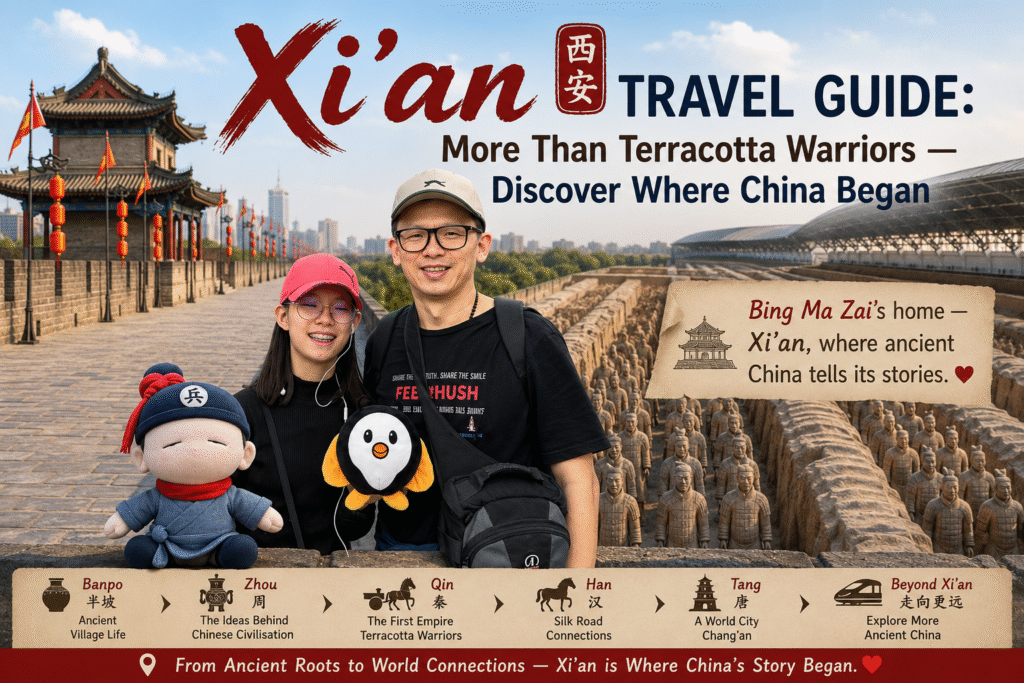
A Different Xi’an Travel Guide
Most travellers planning their first trip to Xi’an China usually start with one famous question:
“Where are the Terracotta Warriors?”
And yes — the Terracotta Army 兵马俑 is one of the greatest Xi’an attractions and one of the most unforgettable places to visit in China.
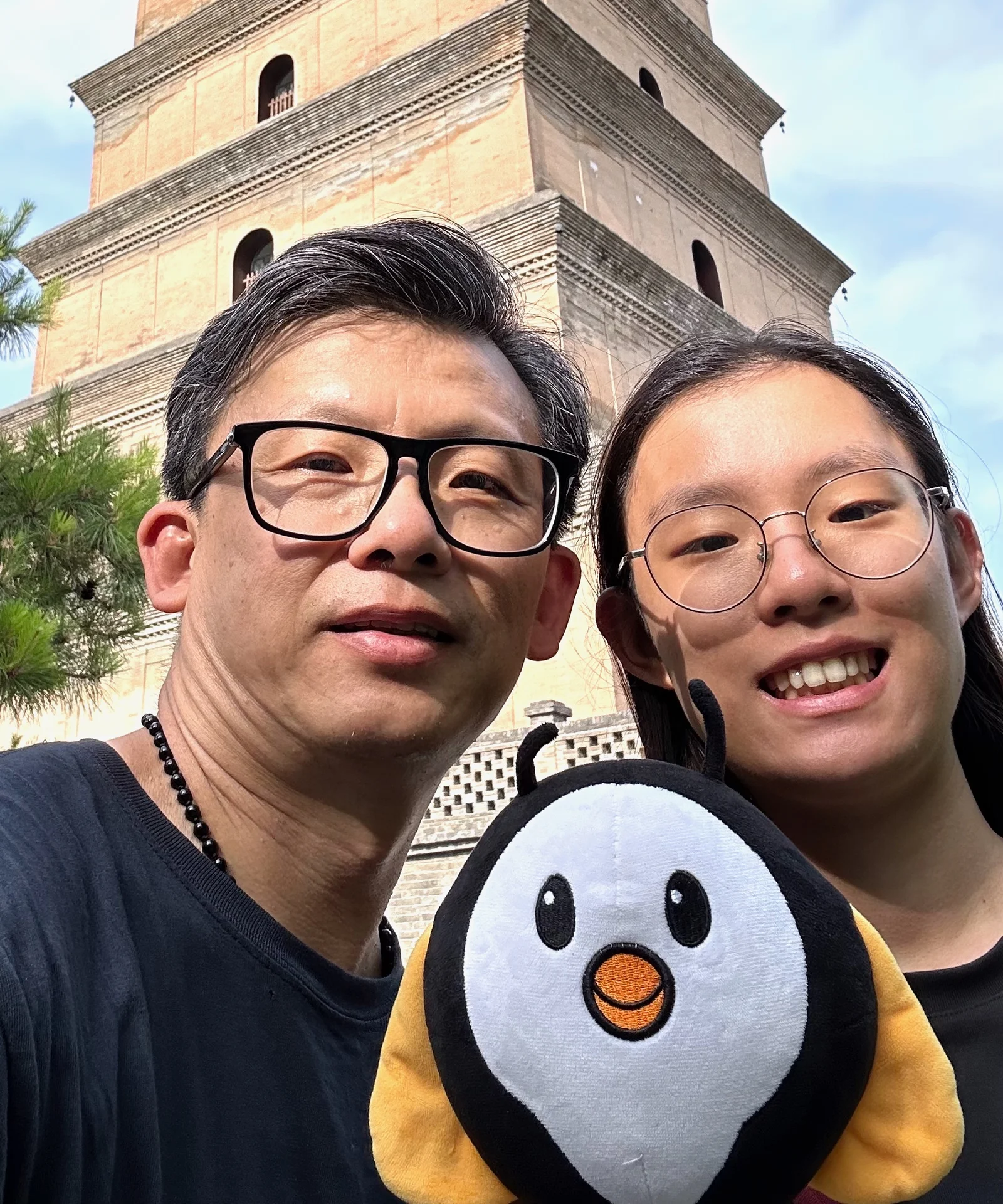
But after travelling through Xi’an with my daughter Elaine, we discovered something deeper.
Xi’an is not only a city with famous tourist attractions.
Xi’an is where many chapters of China began.
Before Beijing became the capital of China…
Before the Forbidden City…
Before modern China…
Many important stories started here.
From ancient villages, to the Zhou dynasty, Qin Empire, Han dynasty and Tang dynasty…
Xi’an allows travellers to walk through thousands of years of Chinese civilisation.
This is our ChinaTravelBug way of discovering Xi’an.
Not only:
“What should we see?”
But:
“Why does this place matter?”
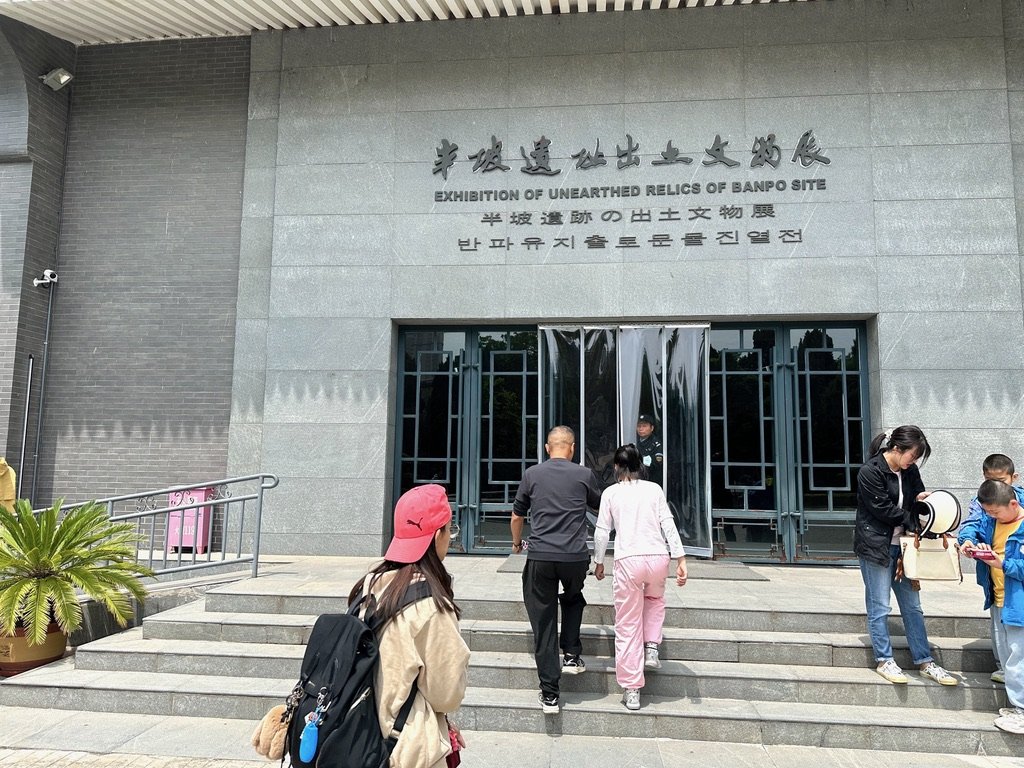
“Before China’s emperors and armies — there were ordinary communities beginning their story.”
1. Before Xi’an — Banpo and the Beginning of Settled Life
半坡 — Ancient Village Life
Many visitors arrive in Xi’an and immediately visit the Terracotta Warriors.
But China’s story started much earlier.
At Banpo Museum 半坡博物馆, we discovered a different world.
Not emperors.
Not armies.
Not palaces.
But ordinary people.
Thousands of years ago, people here were already:
- building homes
- creating pottery
- farming
- forming communities
Before there was a Chinese empire…
There were villages.
Before emperors ruled China…
Families were building a way of life.
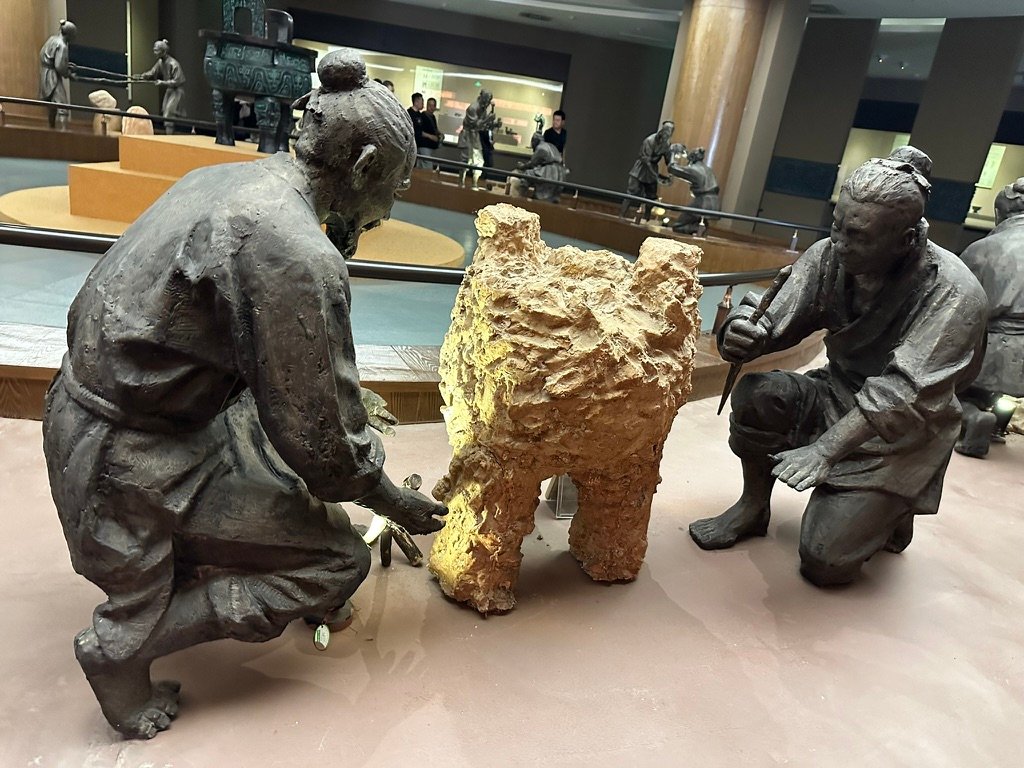
“Walking through Zhou history — discovering ideas that shaped China.”
2. Zhou Dynasty — The Ideas Behind Chinese Civilisation
周 — More Than a Dynasty
To understand China, we cannot jump directly to the Qin Emperor.
The Zhou 周 dynasty shaped many ideas that influenced China for thousands of years.
During our journey beyond Xi’an to places connected with Zhou history, we started to understand:
China was not built only by armies.
It was also built by ideas.
The Zhou period introduced concepts about:
- family
- responsibility
- rituals 礼
- government
Many traditions that influenced later Chinese civilisation developed from this period.
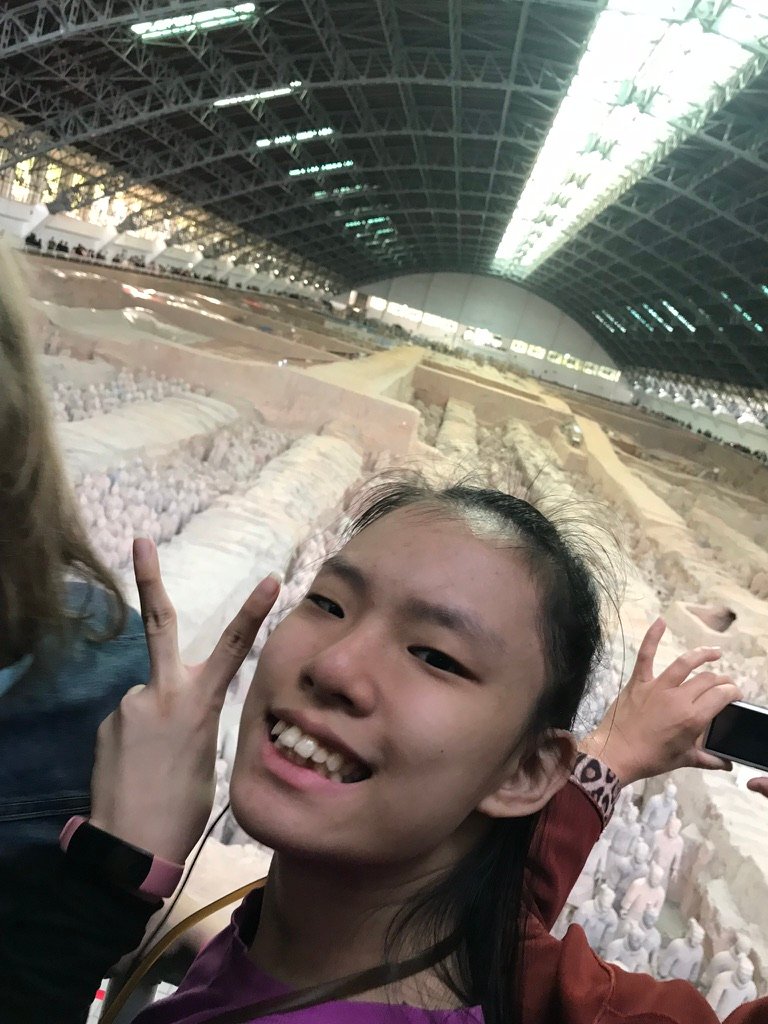
3. Qin Dynasty — The First Emperor and Terracotta Warriors
秦 — The Birth of Imperial & Unified China
For most visitors, this is the highlight of a Xi’an tour.
The Terracotta Warriors 兵马俑.
And they deserve their reputation.
Standing in front of thousands of soldiers, each with a different face, is an unforgettable experience.
But the bigger story is not only the warriors.
The real question is:
“How did separate kingdoms become one China?”
Qin Shi Huang 秦始皇 created the first unified Chinese empire.
He connected:
- writing
- measurements
- administration
- roads
The Terracotta Warriors were protecting an emperor.
But they also represent the beginning of imperial China.
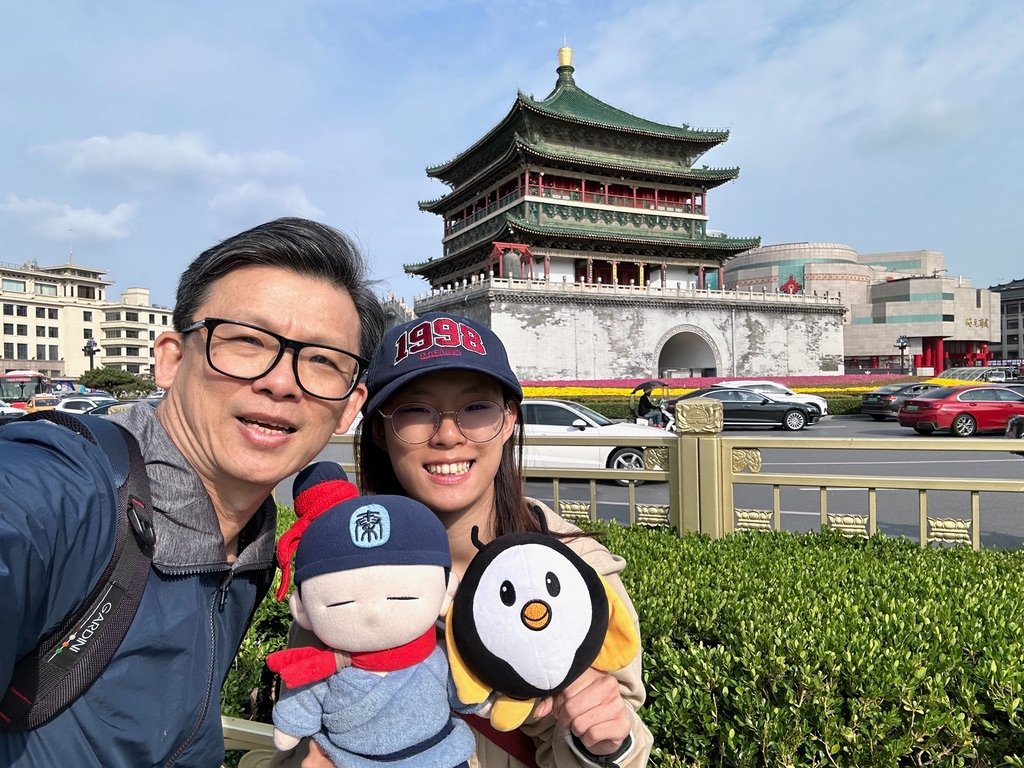
4. Han Dynasty — China Opens to the World
汉 — The Silk Road Begins
After Qin came Han 汉.
And China changed again.
The Han dynasty expanded connections beyond China.
The Silk Road 丝绸之路 began linking:
China
↓
Central Asia
↓
Europe
Goods travelled.
Ideas travelled.
Cultures met.
When people today talk about China and the world, many connections started thousands of years ago.
Xi’an, then called Chang’an 长安, was the beginning point.
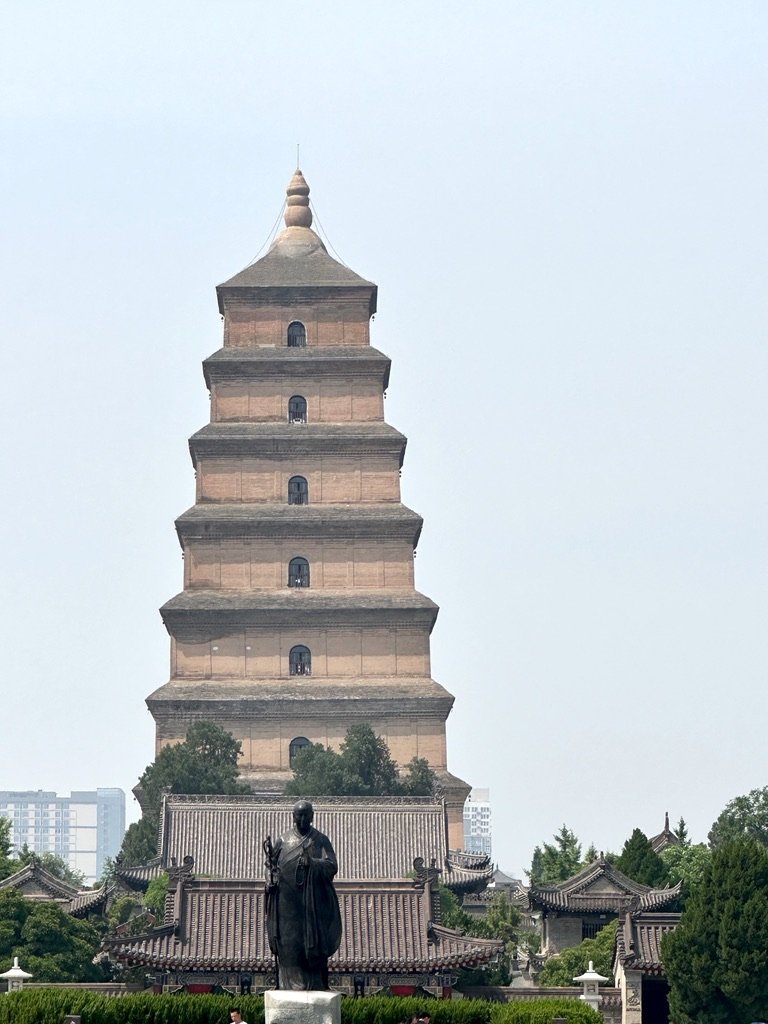
“Big Wild Goose Pagoda — remembering the time when Chang’an connected China with the world.”
5. Tang Dynasty — When Xi’an Became a World City
唐 — Ancient China’s International Capital
Many travellers compare modern global cities like London, Paris or New York.
But more than 1,000 years ago, Chang’an was already one of the world’s greatest cities.
During the Tang dynasty 唐朝, people from different countries came here:
merchants
students
travellers
religious teachers
Xi’an was not only Chinese history.
It was world history.
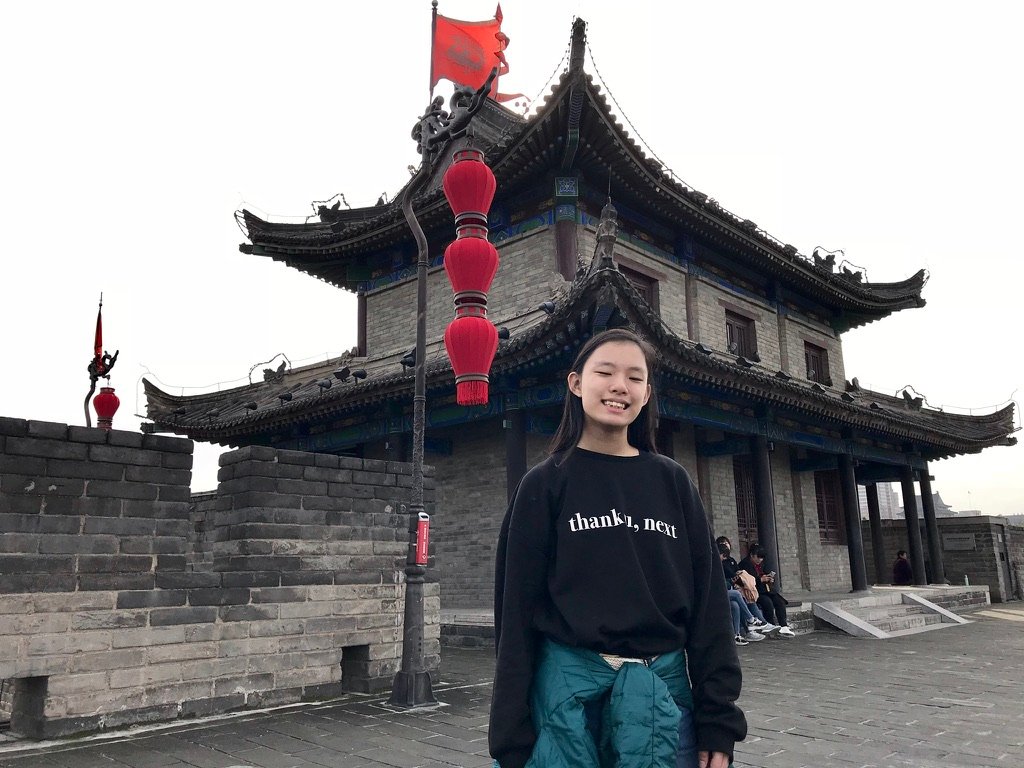
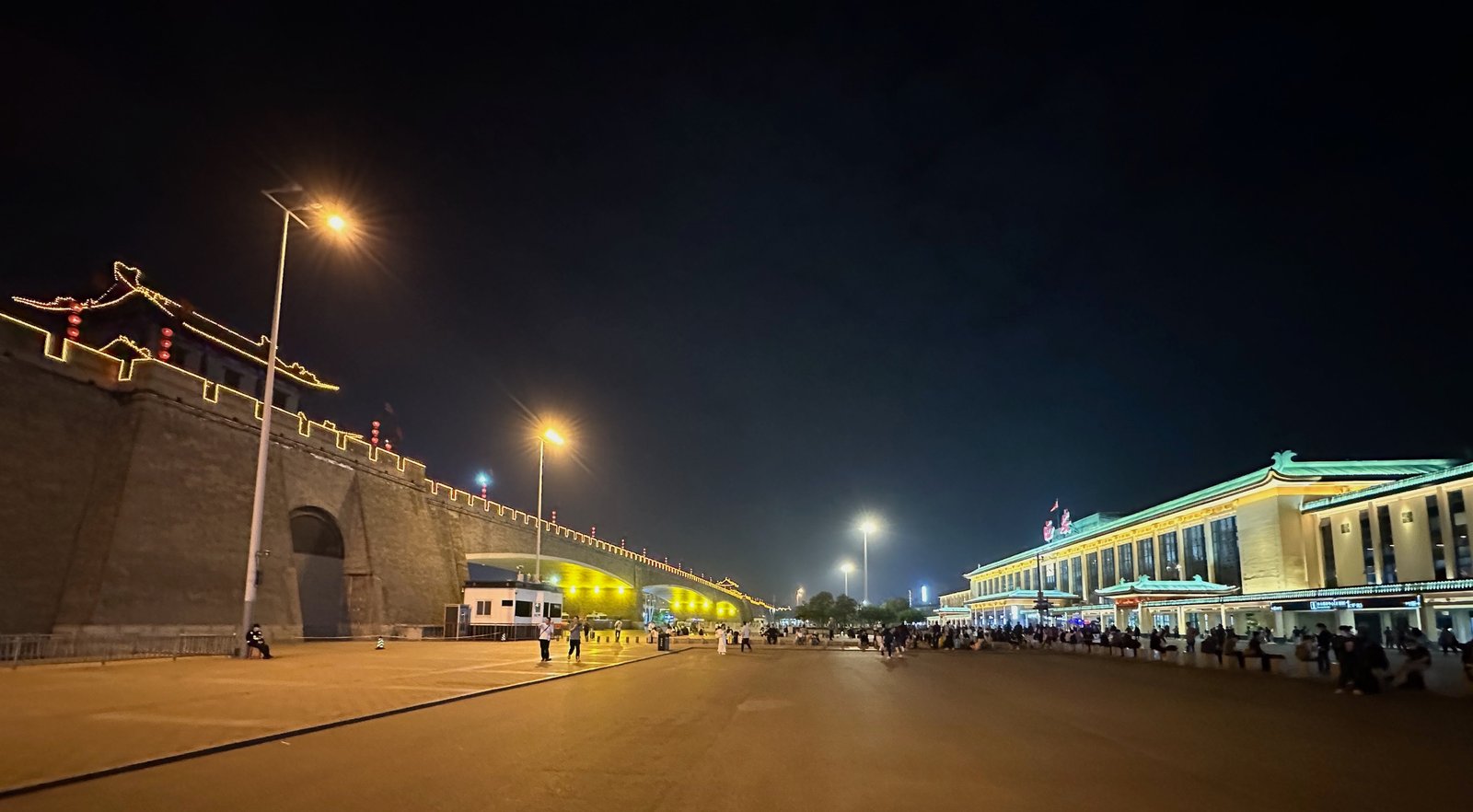
“Walking above Xi’an — where ancient walls meet modern China.”
6. Xi’an City Wall — Walking Above History
西安城墙
One of our favourite Xi’an experiences was simple:
Walking.
The Xi’an City Wall is not only a beautiful photo location.
It gives visitors a feeling of the ancient city.
Below you:
modern Xi’an
Around you:
old walls
Behind you:
centuries of history
Few places show old and new China together like this.

“High-speed rail allows us to follow China’s history across thousands of years.”
7. Beyond Xi’an — Discovering More of China’s Story
Xi’an is also a perfect starting point to explore deeper China.
Many visitors only see Beijing and Xi’an.
But nearby places reveal even more.
Baoji 宝鸡
Discover Zhou civilisation.
Hancheng 韩城
Explore ancient towns and historical stories.
Shanxi 山西
A living museum of Chinese civilisation:
- Pingyao 平遥
- Yungang Grottoes 云冈石窟
- Hanging Temple 悬空寺
- Yingxian Wooden Pagoda 应县木塔
These places help travellers understand the journey from ancient China to today.
Recommended Xi’an Itinerary for First-Time Visitors
3 Days Xi’an Highlights
Perfect for your first Xi’an China tour.
Day 1:
Xi’an City Wall 西安城墙
Muslim Quarter 回民街
Bell Tower 钟楼
Day 2:
Terracotta Warriors 兵马俑
Qin history
Day 3:
Big Wild Goose Pagoda 大雁塔
Shaanxi History Museum 陕西历史博物馆
5–7 Days: Deeper Xi’an Journey
Add:
Banpo 半坡
Baoji 宝鸡
Zhou history
Ancient villages
This turns sightseeing into understanding.

Final Thoughts: Why Xi’an Matters
Beijing shows how China was governed.
Xi’an shows how China began.
Xi’an is not only about the Terracotta Warriors.
It is the story of:
Ancient villages
↓
Chinese ideas
↓
First empire
↓
Silk Road
↓
World connections
For anyone planning a China vacation, Xi’an deserves more than a quick stop.
Slow down.
Look deeper.
Because every wall, every warrior, every ancient road has a story.
And for Bing Ma Zai…
Xi’an will always be home.