小地方,大故事 — Discovering the China Most Travellers Miss
A Different China Travel Guide: Looking Beyond Famous Attractions
Most travellers planning their first trip to China usually start with the famous names.
Beijing 北京.
Xi’an 西安.
Shanghai 上海.
The Great Wall 长城.
The Forbidden City 故宫.
The Terracotta Warriors 兵马俑.
And they should.
These are some of the greatest China places to visit and unforgettable experiences for any China vacation.
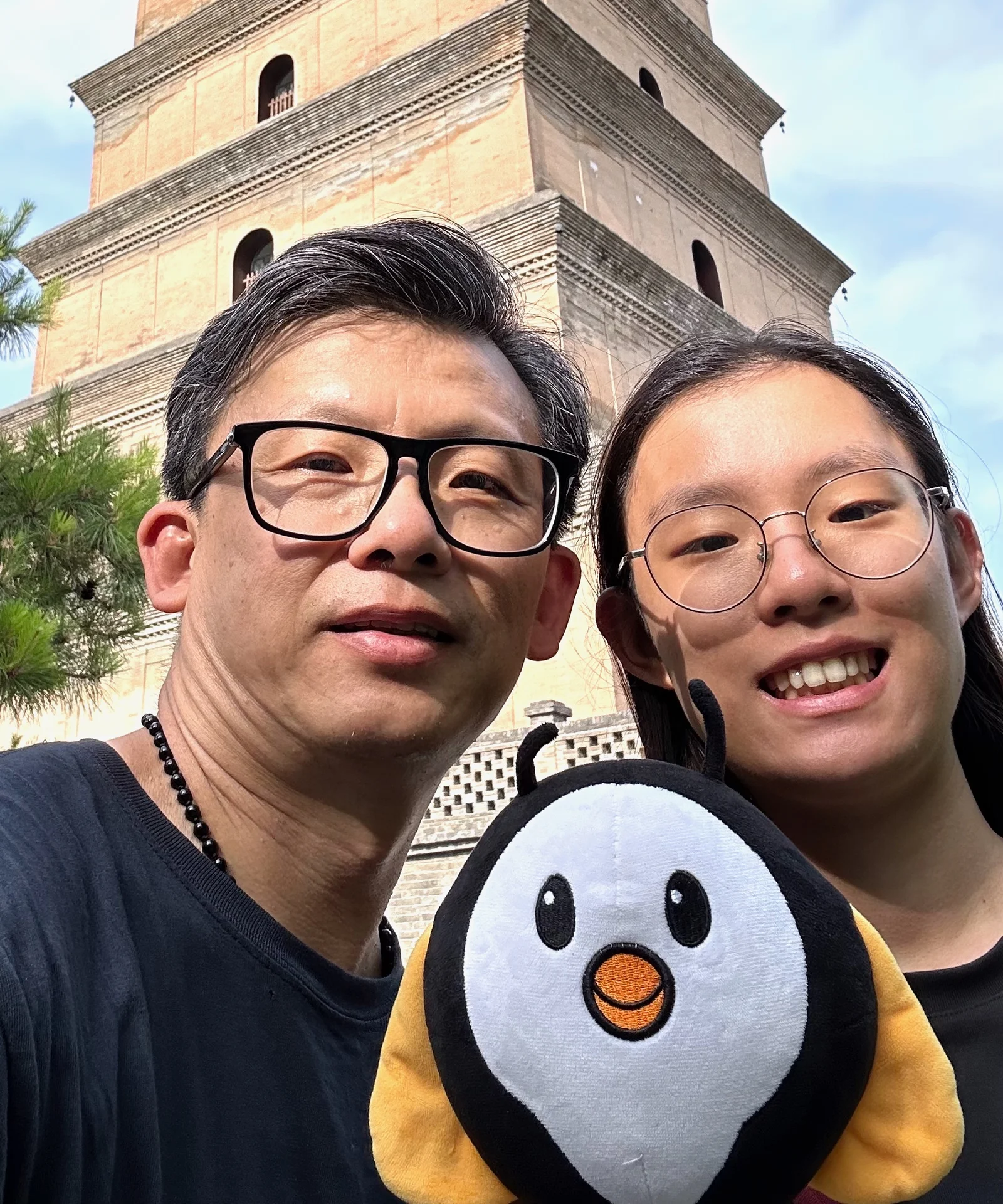
But after travelling across China many times with my daughter Elaine, we discovered another side of China.
A quieter China.
A China found in:
small cities,
ancient streets,
old temples,
mountains,
and places many international travellers have never heard of.
Sometimes the places with fewer crowds tell the biggest stories.
This is the ChinaTravelBug way.
And this is where Cheers 🐞 continues the journey.
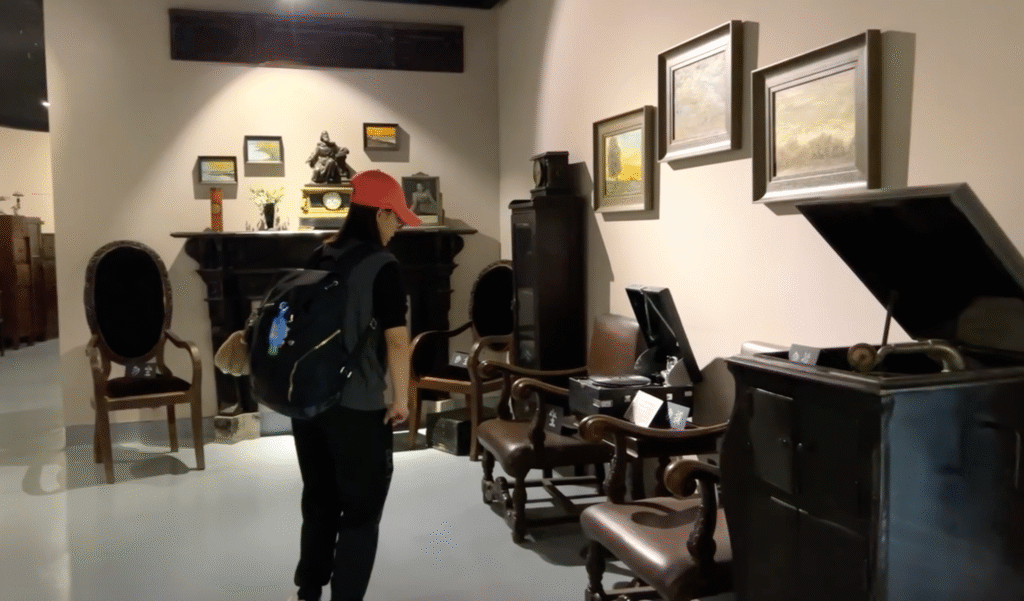
1. Tianjin 天津 — When Old China Met the Modern World
The Perfect Day Trip Beyond Beijing
Chinese:
天 (tiān) = heaven
津 (jīn) = crossing / port
Many travellers visiting Beijing ask:
“What are the best places to visit near Beijing?”
One of the easiest answers is Tianjin.
Only around 30 minutes by China high-speed rail 高铁 from Beijing, Tianjin shows a completely different chapter.
After seeing:
Beijing’s imperial palaces,
ancient walls,
and royal gardens…
Tianjin shows the moment China encountered a changing world.
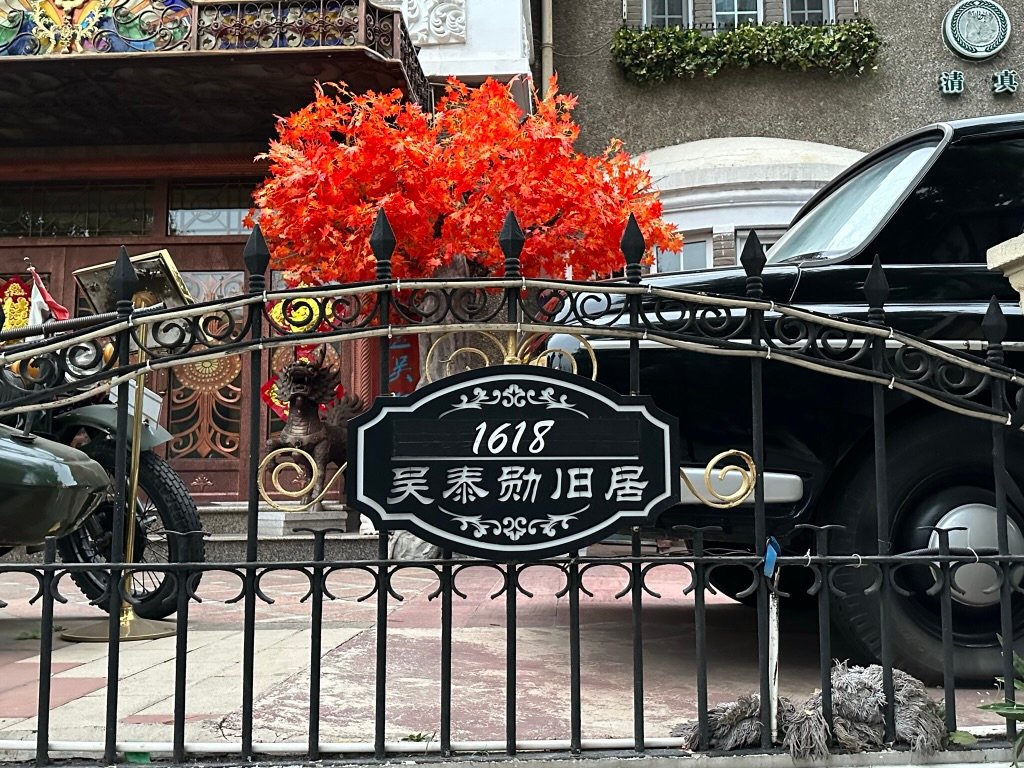
At Wudadao 五大道, Elaine and I walked through streets filled with different architectural styles.
It reminded me of travelling in European cities.
Buildings are not only buildings.
They are memories of different periods.
Tianjin tells the story of:
new technology,
modern industries,
international connections,
and a China entering a new age.
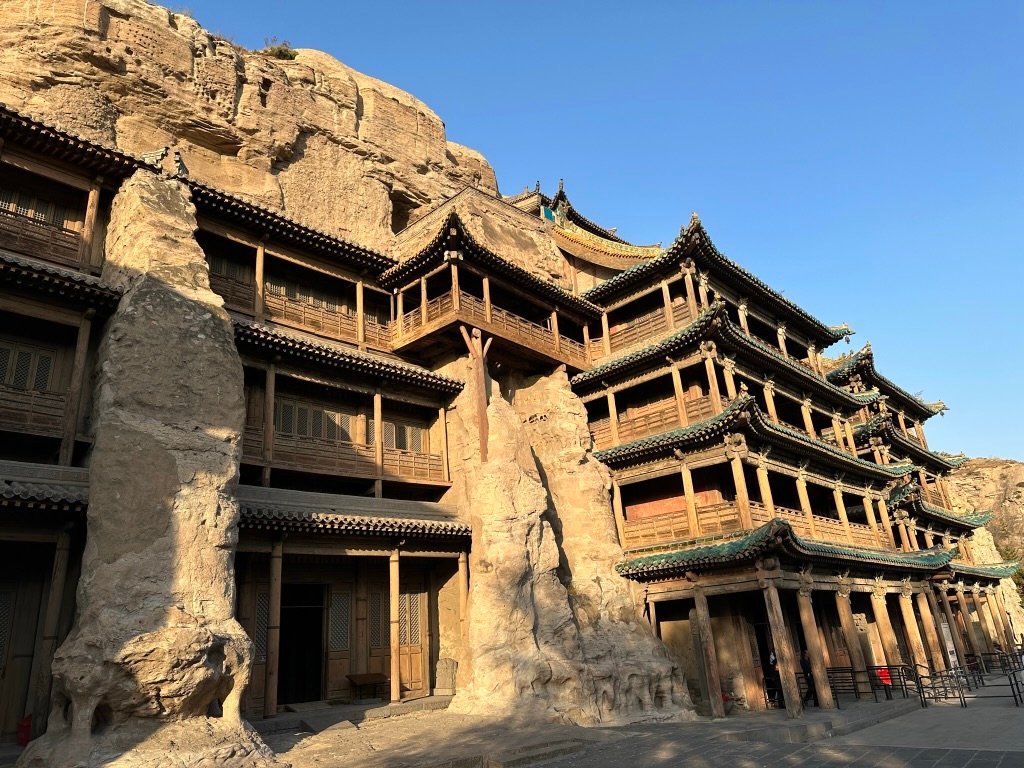
2. Datong 大同 — Where Civilisations Met Along China’s Frontier
Chinese:
大 (dà) = great / big
同 (tóng) = together
Datong surprised us.
It was not just another ancient city.
It showed us how cultures travelled and connected.
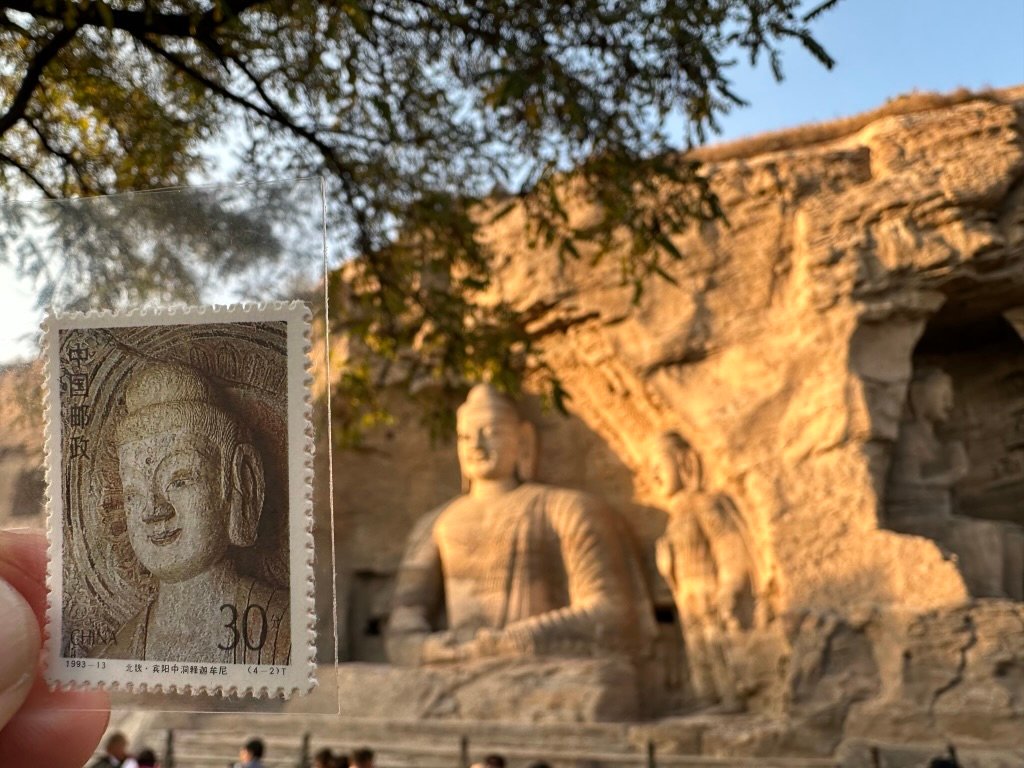
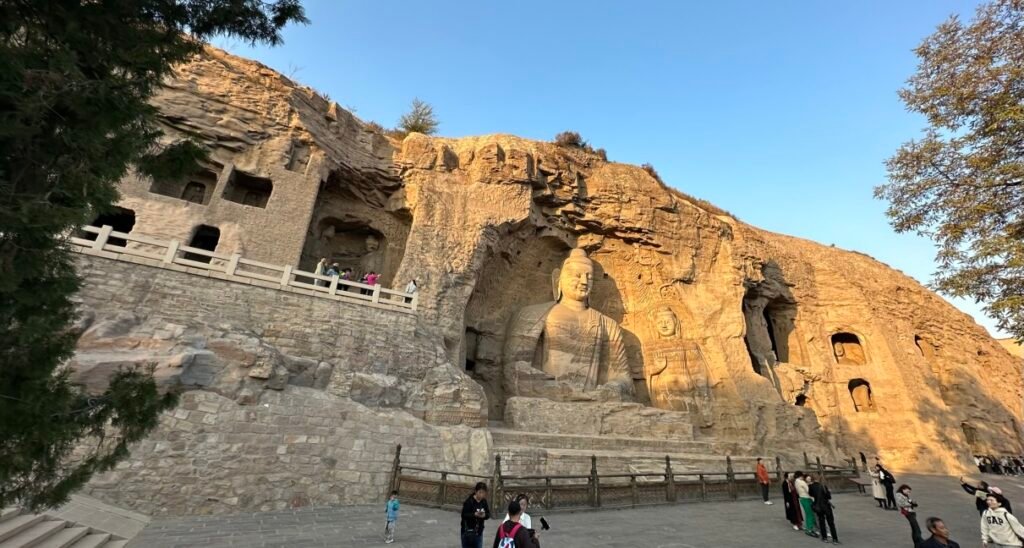
“Yungang 云冈石窟— where ideas travelled across mountains, deserts and civilisations.”
The Yungang Grottoes tell a story bigger than China alone.
Buddhism travelled:
India
↓
Central Asia
↓
China
Art changed.
Ideas changed.
Civilisations learned from each other.
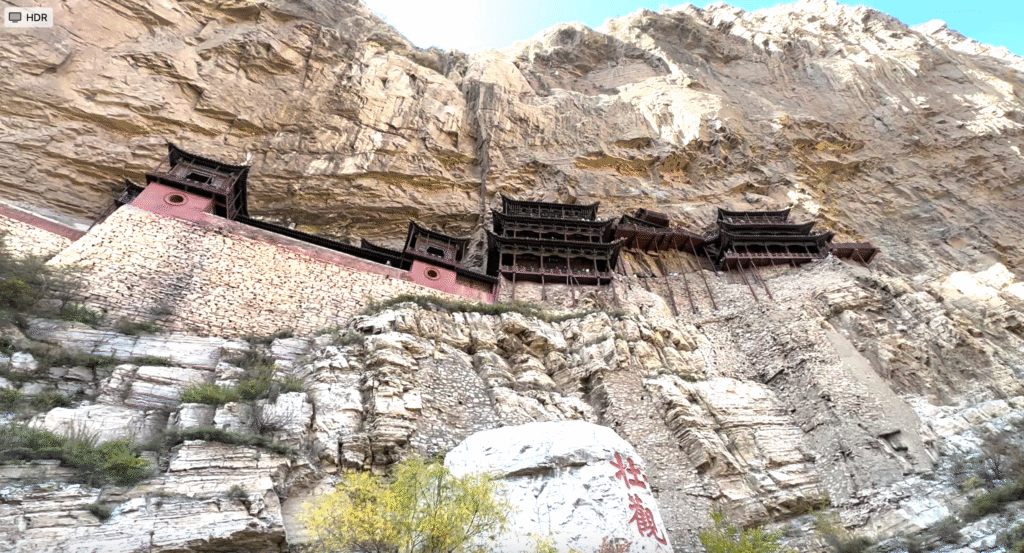
“A temple between earth and sky — ancient imagination carved into a mountain.”
Hanging Temple 悬空寺
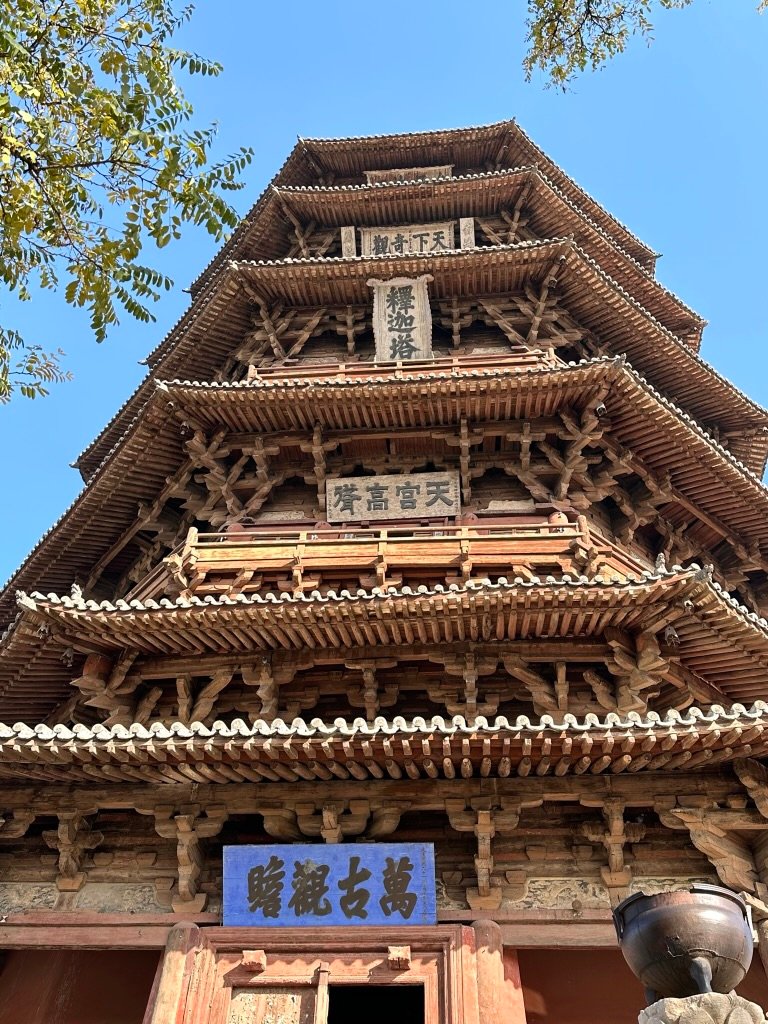
“A wooden structure standing for almost 1,000 years — ancient engineering still alive today.”
Yingxian Wooden Pagoda 应县木塔
Datong reminded us:
China’s history was never only about emperors.
It was also about exchange.
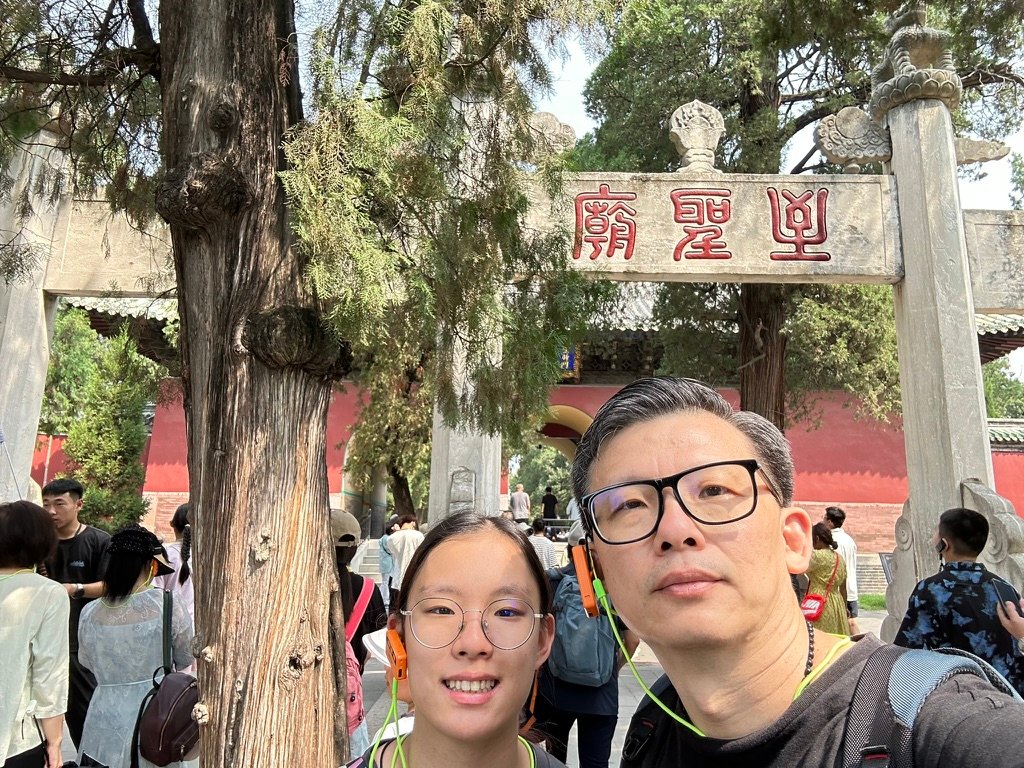
3. Qufu 曲阜 — Discovering the Ideas Behind China
Chinese:
学 (xué) = learning
Some places show you buildings.
Some places explain ideas.
Qufu is one of those places.
It is the hometown of Confucius 孔子.
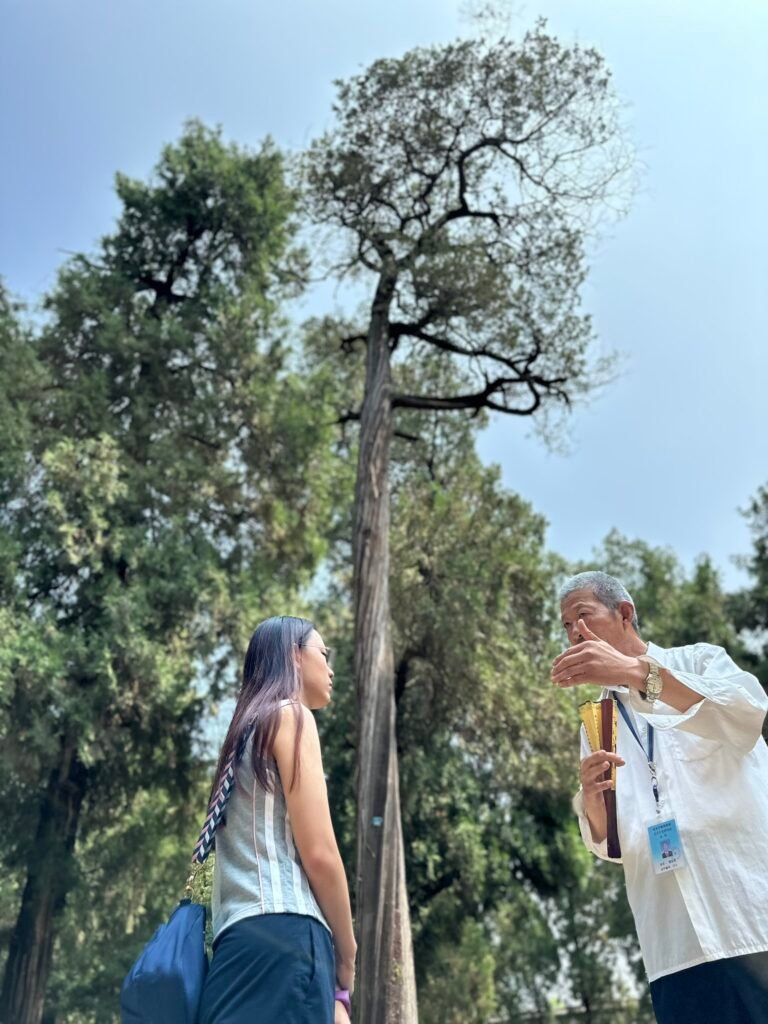
“Walking through Qufu — discovering ideas that shaped generations.”
When travellers visit China, they often see:
palaces,
temples,
ancient towns.
But behind those places are ideas.
Confucius influenced how Chinese civilisation thought about:
family,
education,
responsibility,
relationships.
To understand China, we need to understand not only what people built…
but what people believed.
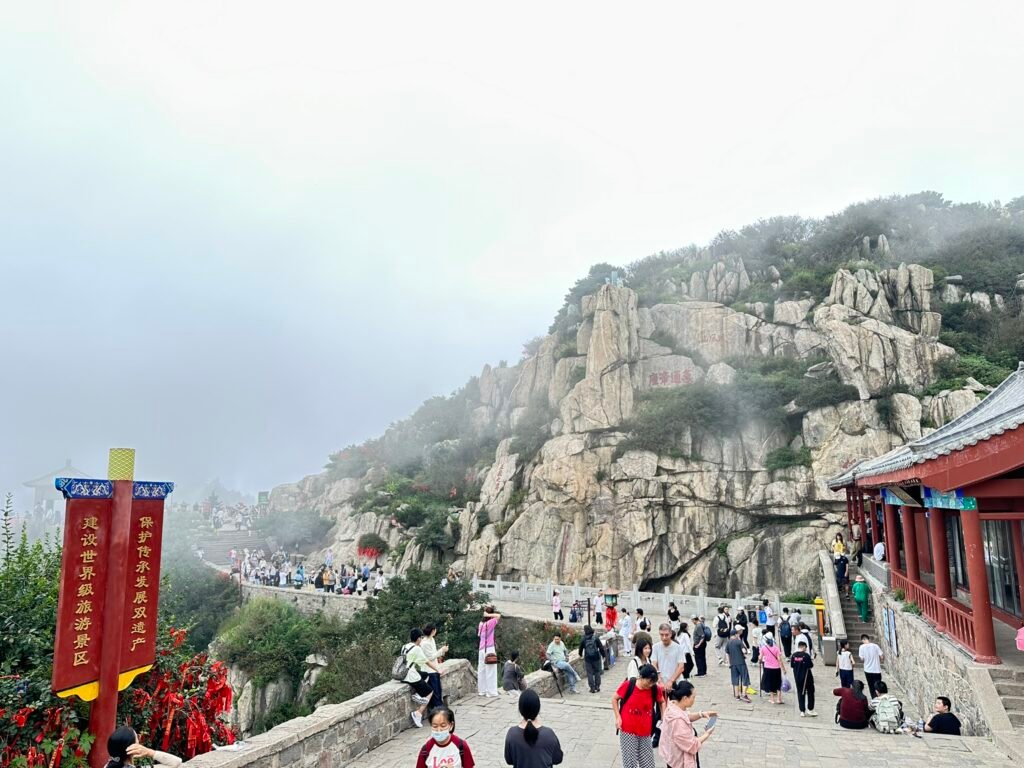
4. Mount Tai 泰山 — The Mountain That Connected Heaven and Earth
Chinese:
山 (shān) = mountain
After Qufu, Elaine and I travelled to Mount Tai.
For thousands of years, emperors came here.
The question is:
Why?
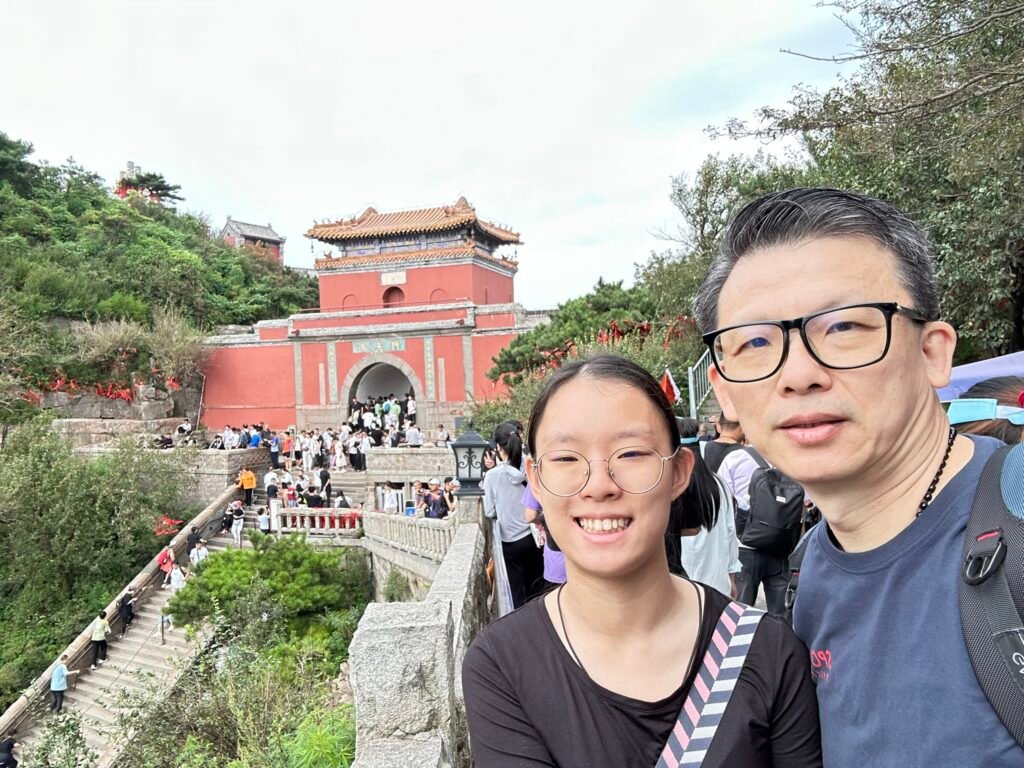
“Mount Tai — discovering why one mountain became part of China’s civilisation story.”
Mount Tai was not only scenery.
It represented a connection between:
天 Heaven
地 Earth
人 People
Many civilisations have special places.
Europe has great cathedrals.
China has sacred mountains.
Different forms.
Similar human questions.
5. Shanxi 山西 — Where Ancient China Still Stands
Chinese:
古 (gǔ) = ancient
If Beijing shows China’s capital…
and Xi’an shows China’s beginning…
Shanxi shows something different:
How old China survived.
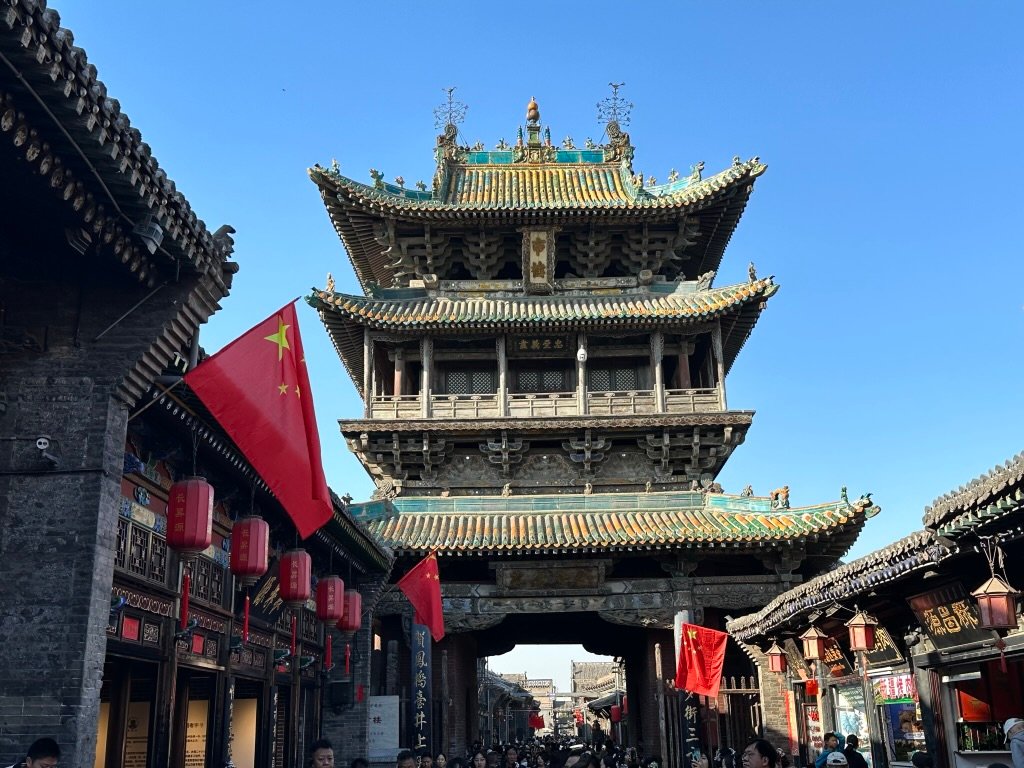
“Walking through Pingyao — an ancient city where history still feels alive.”
Pingyao 平遥
Old streets.
Courtyards.
Traditional businesses.
A city where ordinary life and history meet.
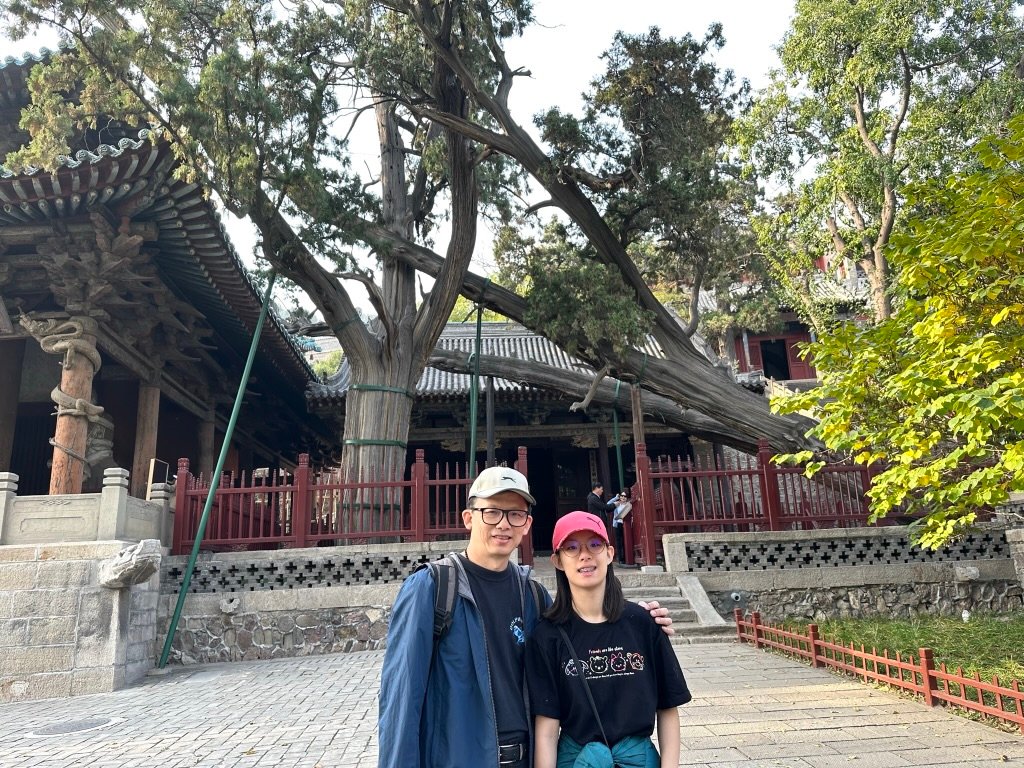
Jinci 晋祠
“Jinci — discovering layers of history preserved through architecture and memory.”
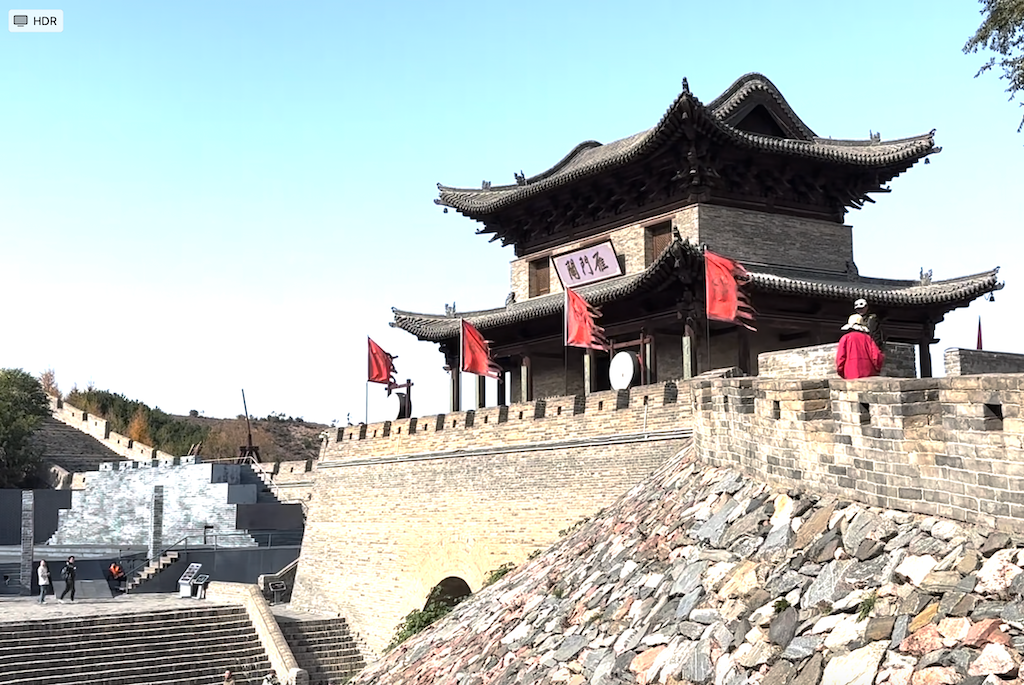
Yanmen Pass 雁门关
A frontier story.
A reminder that protecting a civilisation was never simple.
Shanxi feels like a living museum.
Not because everything is frozen.
But because history continues inside daily life.
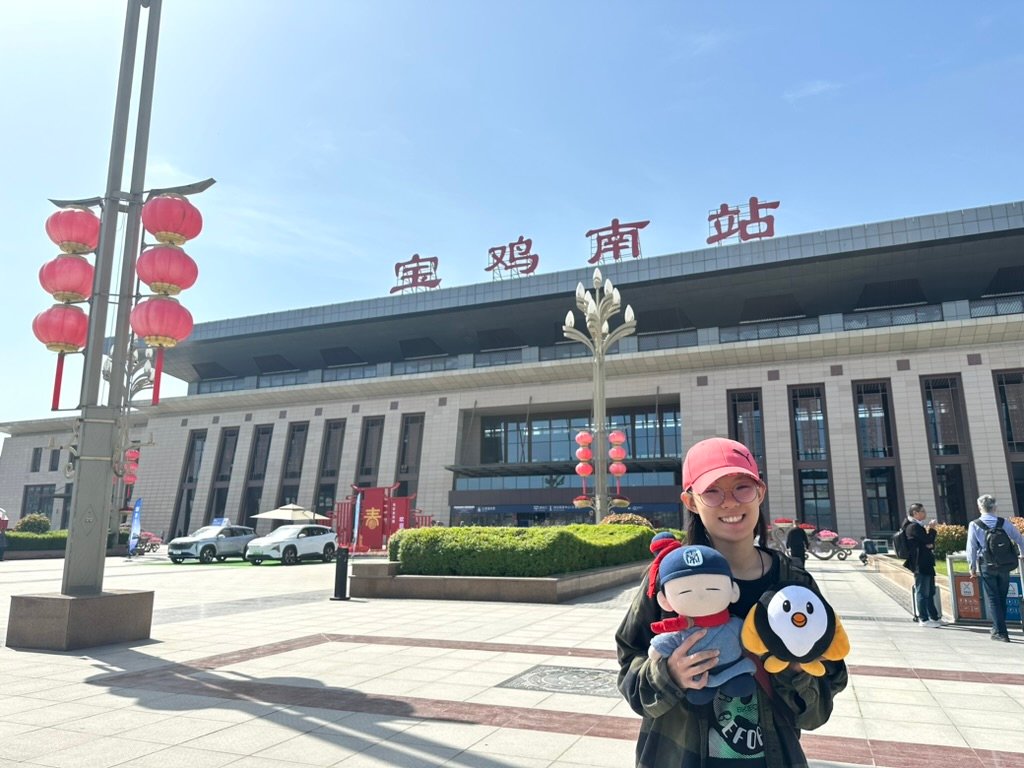
6. Baoji 宝鸡 and Zhouyuan 周原 — Before Xi’an Became Xi’an
Chinese:
根 (gēn) = root
Many travellers know Xi’an.
Few know what came before.
Before Qin.
Before the Terracotta Warriors.
There was Zhou 周.
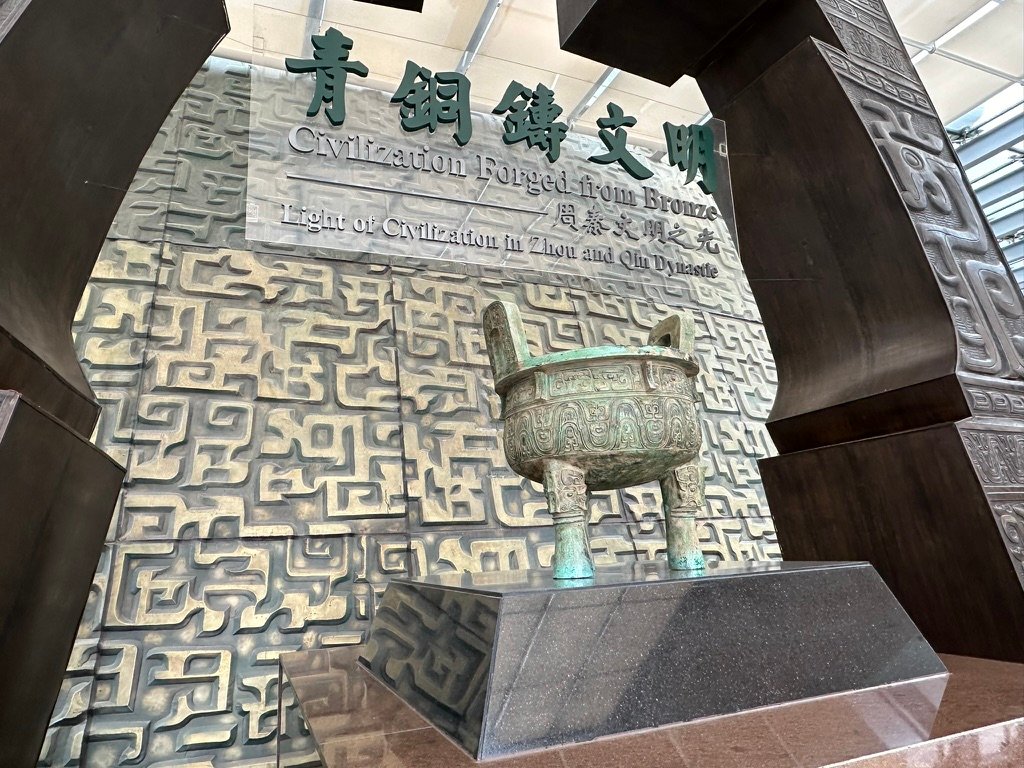
“Looking for the roots before China became an empire.”
The Zhou period shaped ideas that lasted thousands of years.
Ideas about:
leadership,
ritual 礼,
responsibility,
society.
Baoji helps complete the Xi’an story.
Because every civilisation has roots.
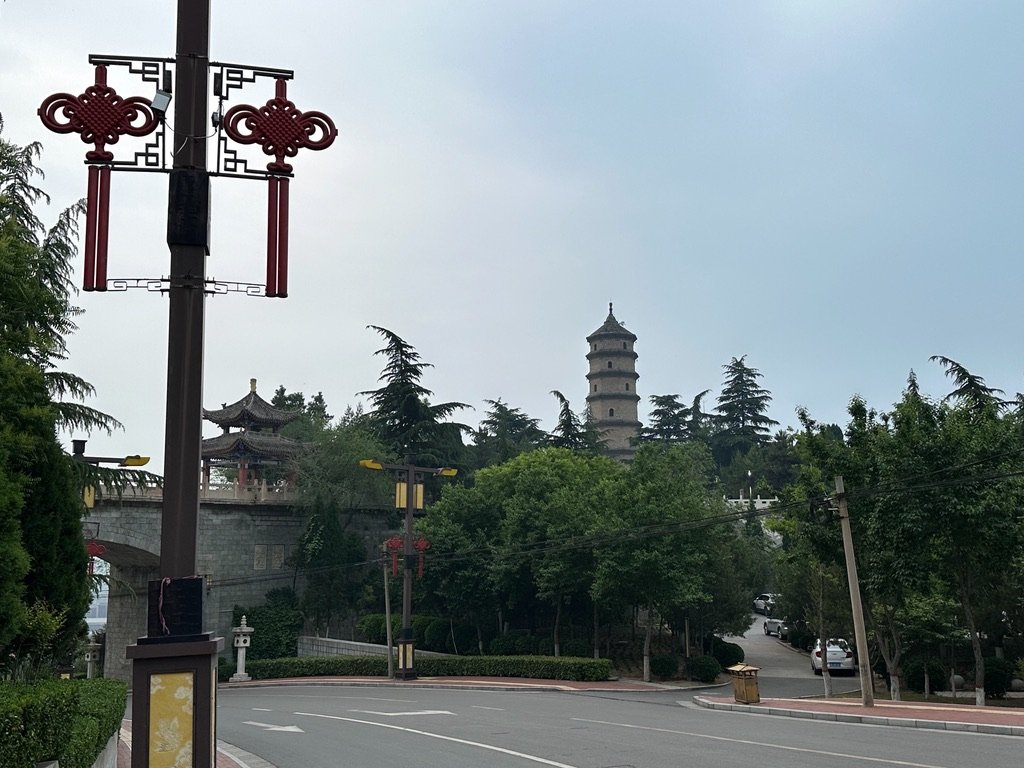
7. Hancheng 韩城 — The City That Protected China’s Memory
Chinese:
史 (shǐ) = history
Some people build empires.
Some people record them.
Hancheng introduced us to one of China’s greatest historians:
Sima Qian 司马迁.
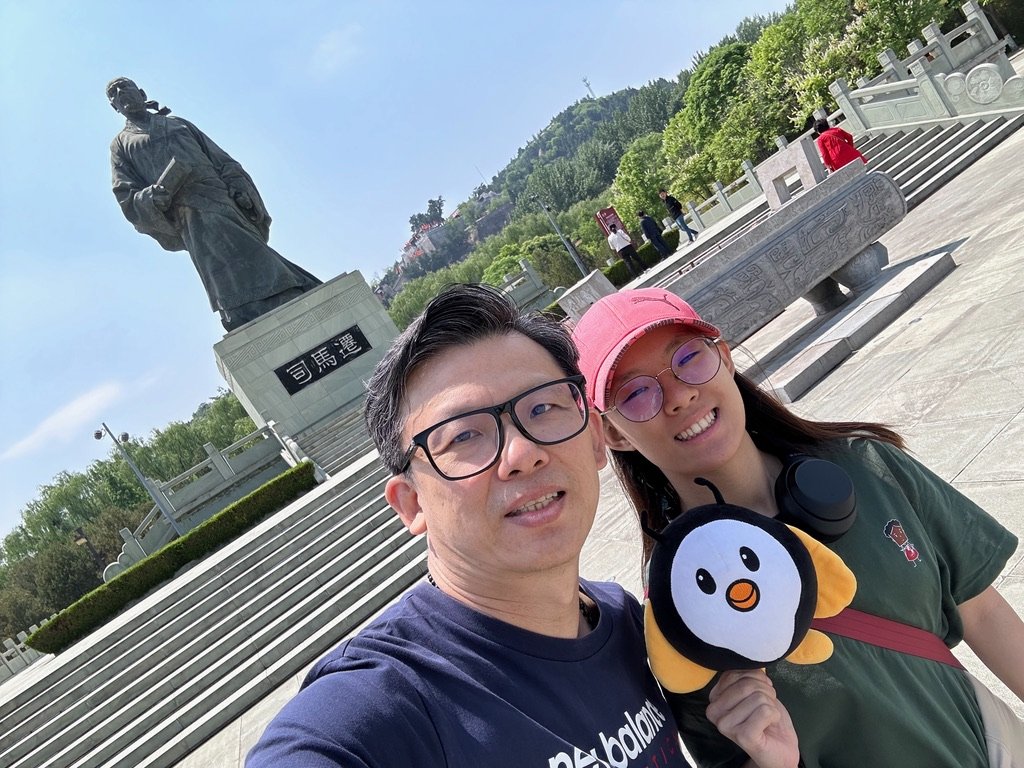
Sima Qian Temple
“Stories survive because someone chooses to remember them.”
His work, Records of the Grand Historian 史记, preserved thousands of years of stories.
For ChinaTravelBug, this place felt meaningful.
Because travelling is also storytelling.
We visit.
We learn.
We remember.
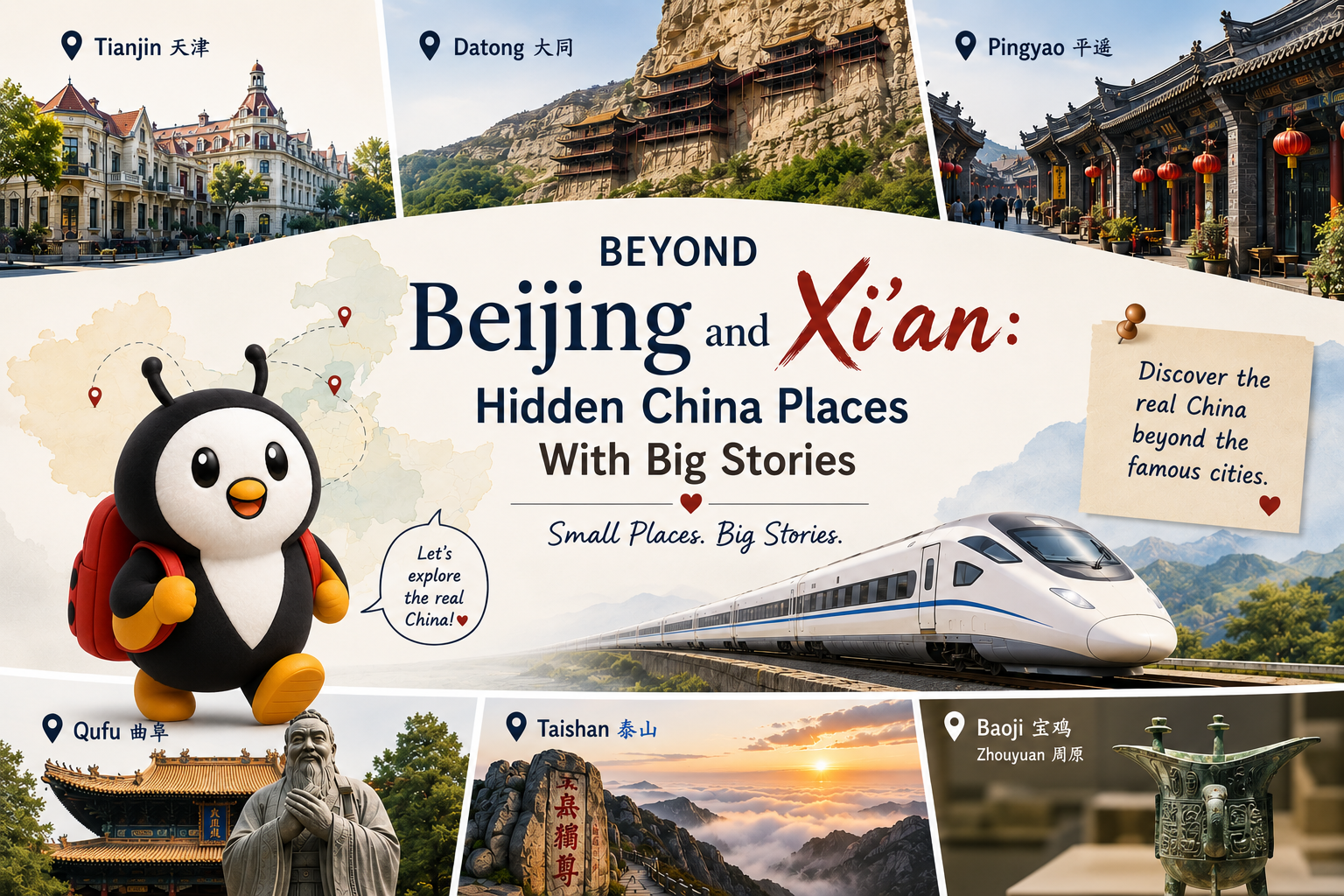
Why Hidden China Matters
A good China itinerary usually starts with:
Beijing
and
Xi’an.
But China is much bigger.
The famous places introduce China.
The smaller places explain China.
Tianjin shows change.
Datong shows exchange.
Qufu shows ideas.
Taishan shows beliefs.
Shanxi shows preservation.
Baoji shows roots.
Hancheng shows memory.
Together, they turn a simple trip into a journey.
Our Hidden China Journey So Far — Following the Stories Beyond the Famous Cities
When we first started travelling across China, we did not plan to create a historical route.
We simply followed curiosity.
One trip led to another.
A famous city led us to a smaller town.
A famous attraction led us to a forgotten story.
Slowly, we realised something interesting:
Many of the most meaningful China travel experiences were not only found in the biggest cities.
They were hidden along the journey between them.
Our ChinaTravelBug journey became a path through different chapters of Chinese civilisation.
Beijing 北京 — The Capital Story of China
Beijing was where our China journey began.
From the Great Wall 长城 to the Forbidden City 故宫, Beijing shows the story of China as a great capital.
It represents:
- defence and survival
- imperial government
- national identity
- modern transformation
Beijing is not only a place to visit.
It is where you begin to understand how a civilisation was managed.
High-Speed Rail 高铁 — Connecting Ancient and Modern China
One of the most exciting parts of travelling China today is the high-speed rail network.
The same land once connected by ancient roads is now connected by modern trains.
For us, taking China’s high-speed rail is not only transportation.
It is part of the travel experience.
From Beijing, new stories are only a short train journey away.
Tianjin 天津 — China’s Meeting Point With the Modern World
Only about 30 minutes from Beijing by high-speed rail, Tianjin feels completely different.
Walking through Wudadao 五大道, we discovered another chapter of China:
A city where Chinese history met international influences.
Old buildings.
Different cultures.
A window into China’s transformation into the modern world.
Datong 大同 — Frontier, Faith and Cultural Exchange
Further west, Datong tells a very different story.
This was once a frontier between different cultures and peoples.
Places like the Hanging Temple 悬空寺 and Yingxian Wooden Pagoda 应县木塔 show how Buddhism, architecture and different traditions became part of Chinese civilisation.
Datong reminds us:
China was never built from only one story.
It was shaped by many connections.
Pingyao 平遥 — The Ancient Business World of China
Walking through Pingyao Ancient City feels like stepping into another age.
Before modern banks and skyscrapers, Chinese merchants were already creating financial networks across the country.
Pingyao shows another side of China:
Not emperors.
Not armies.
But ordinary people, trade and business.
A living story of Chinese society.
Qufu 曲阜 — Understanding Chinese Ideas Through Confucius
Some places explain buildings.
Some places explain thinking.
Qufu, the hometown of Confucius 孔子, helps visitors understand the ideas that shaped Chinese civilisation.
Education.
Family.
Responsibility.
Respect.
Many traditions seen across Asia today can be traced back to ideas connected with Confucius.
Taishan 泰山 — The Sacred Mountain of Emperors
At first glance, Mount Tai looks like a beautiful mountain.
But Taishan is much more.
For thousands of years, emperors travelled here because mountains represented the connection between heaven, earth and leadership.
Taishan shows how geography, belief and history became connected in China.
Baoji 宝鸡 and Zhouyuan 周原 — Searching for the Beginning of Chinese Civilisation
Our journey eventually brought us even further back.
Before Xi’an became the great capital of Qin, Han and Tang dynasties, another important story was happening around Baoji and Zhouyuan.
This was the land connected with the Western Zhou 西周.
The beginning of many ideas, rituals and traditions that influenced later Chinese civilisation.
Standing there, we felt we were not just visiting another destination.
We were travelling closer to where the story began.
Small Places. Big Stories.
From Beijing to Tianjin.
From Datong to Pingyao.
From Qufu and Taishan to Baoji.
Every place added another piece.
Together, they showed us something important:
China is not understood through one city, one monument, or one dynasty.
It is a continuous journey.
And sometimes, the smaller places tell the biggest stories.
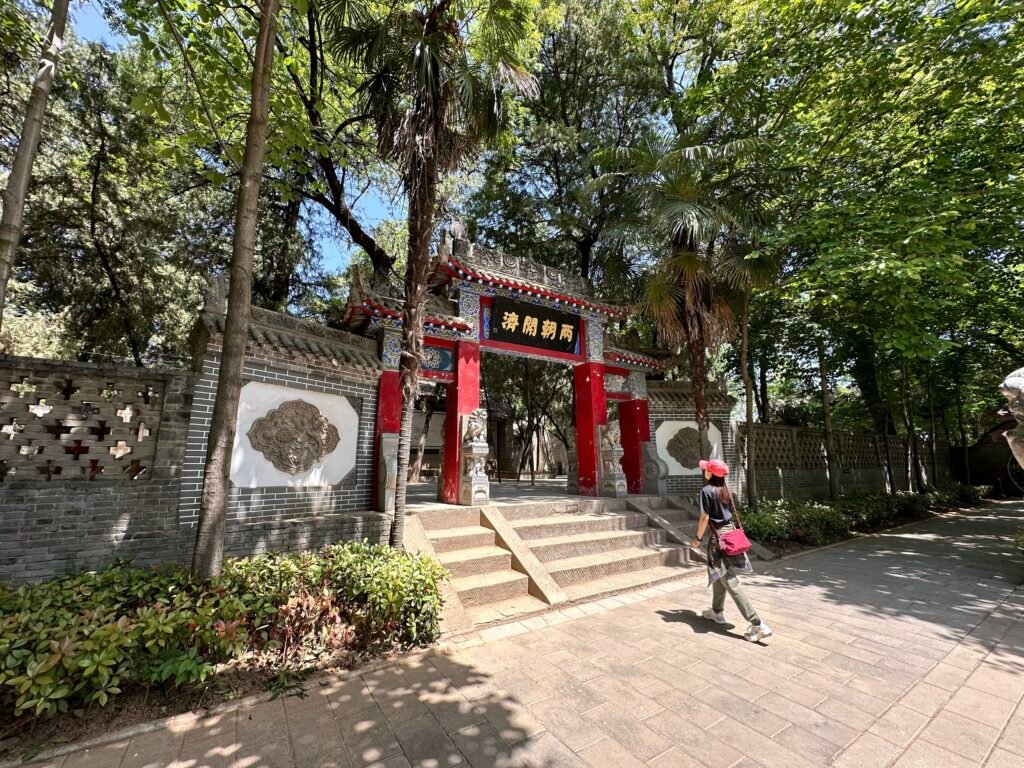
Final Thoughts: Small Places, Big Stories
When Elaine and I started travelling in China, we visited the famous places first.
Like most travellers.
But over time, our questions changed.
Not only:
“What should we see?”
But:
“What story is this place telling us?”
That question brought us beyond Beijing and Xi’an.
To smaller cities.
Older streets.
Quieter museums.
Hidden corners.
And we discovered something:
Sometimes the biggest stories are waiting in the smallest places.
小地方,大故事。
Small places.
Big stories.