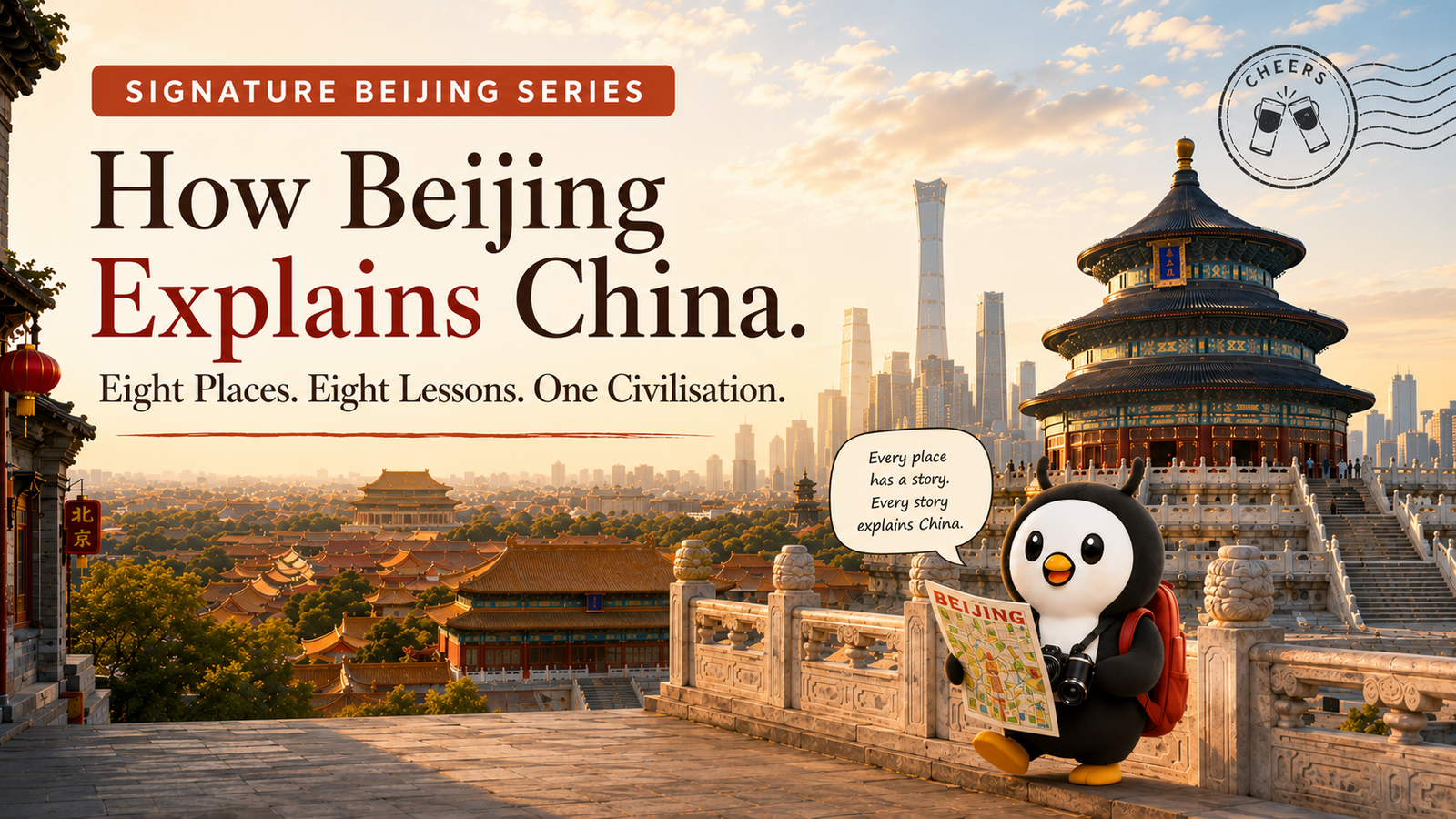
Eight Places. Eight Lessons. One Civilisation.
When Elaine and I planned our first trip to Beijing, our itinerary looked much like everyone else’s.
The Great Wall.
The Temple of Heaven.
The Summer Palace.
Every one of them appeared on every “must-visit” list.
Like many first-time travellers, we assumed Beijing’s famous landmarks were simply attractions waiting to be checked off.
We couldn’t have been more wrong.
Somewhere between walking through the vast courtyards of the Forbidden City and quietly watching elderly Beijingers practise tai chi in a neighbourhood park, we realised something had changed.
We had stopped asking,
“What’s the next attraction?”
Instead, we began asking,
“What is this place trying to teach us about China?”
That simple question transformed our journey.
Beijing was no longer a collection of famous sights.
It had become a classroom.
Every destination explained one part of Chinese civilisation.
Individually, these places are fascinating.
Together, they tell the story of China.
A City That Explains a Civilisation
Unlike many of the world’s great capitals, Beijing’s most famous landmarks were never built merely to impress visitors.
They existed because they served a purpose.
Some governed an empire.
Some connected people with Heaven.
Some protected frontiers.
Some nurtured families and communities.
Others still reflect the story of modern China.
Only after several days did Elaine and I realise that Beijing wasn’t giving us eight different stories.
It was telling one story through eight different places.
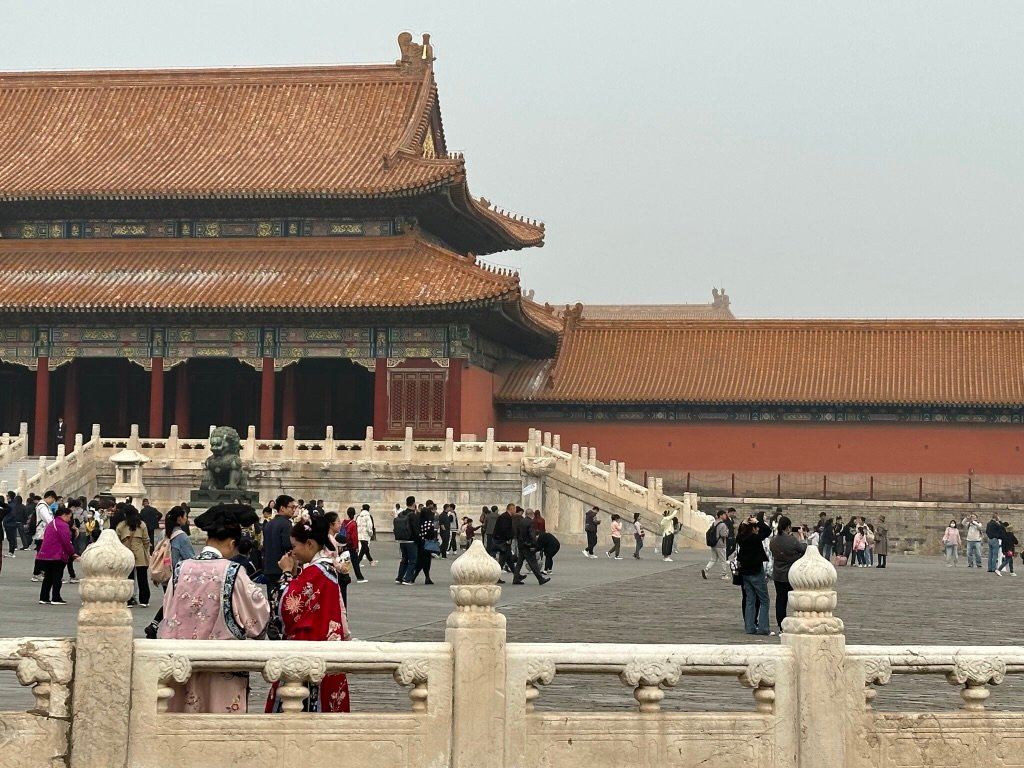
a. The Forbidden City (紫禁城) — Understanding Government
Before arriving, I imagined the Forbidden City as one enormous palace.
Standing inside, it felt surprisingly different.
The endless courtyards, ceremonial halls and carefully controlled entrances didn’t feel like someone’s luxurious home.
They felt organised.
Disciplined.
Purposeful.
Almost like the headquarters of an empire.
Then Elaine looked around quietly and smiled.
“Dad… this doesn’t really feel like a palace.”
She paused.
“It feels like a government.”
I smiled.
She had understood something many visitors overlook.
The Forbidden City wasn’t built simply for emperors to live comfortably.
It was designed so an empire could be governed.

Understand China Better
The Chinese name 紫禁城 (Zǐjìnchéng) tells its own story.
- 紫 (Zǐ) refers to the Purple Star, believed to be the heavenly residence of the Celestial Emperor.
- 禁 (Jìn) means forbidden or restricted.
- 城 (Chéng) means city.
The palace represented the earthly centre of order beneath Heaven.
Once we understood that, its symmetry no longer looked decorative.
It looked intentional.
→ Read our complete guide to the Forbidden City.
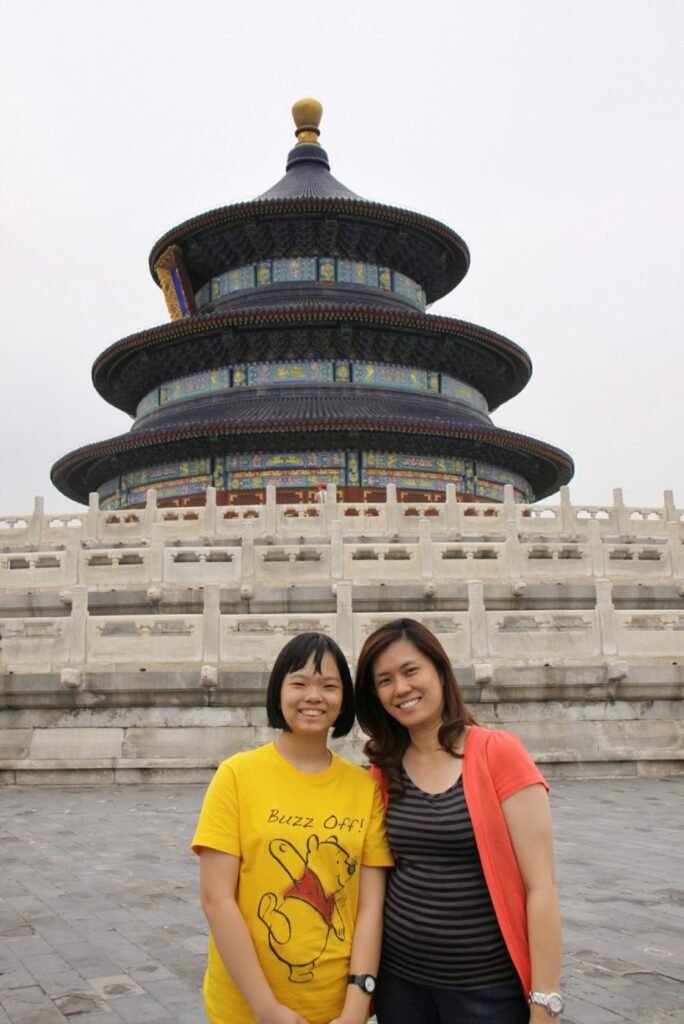
b. The Temple of Heaven (天坛) — Understanding Heaven
If emperors ruled China, why did they still pray?
That question stayed with us as we entered the Temple of Heaven.
The answer surprised us.
Ancient Chinese emperors believed they ruled under 天命 (Tiānmìng)—the Mandate of Heaven.
Authority came with responsibility.
A ruler who governed badly could lose Heaven’s approval.
Suddenly, this wasn’t simply another beautiful temple.
It became one of the most important political ideas in Chinese history.
Elaine looked at me and asked,
“So… even the emperor answered to someone?”
Exactly.

Understand China Better
The word 天 (Tiān) is often translated as “Heaven.”
But in traditional Chinese thought, it means much more than a physical sky.
It represents the moral order of the universe.
The emperor was called 天子 (Tiānzǐ)—the Son of Heaven—not because he was a god, but because he carried the responsibility of governing justly.
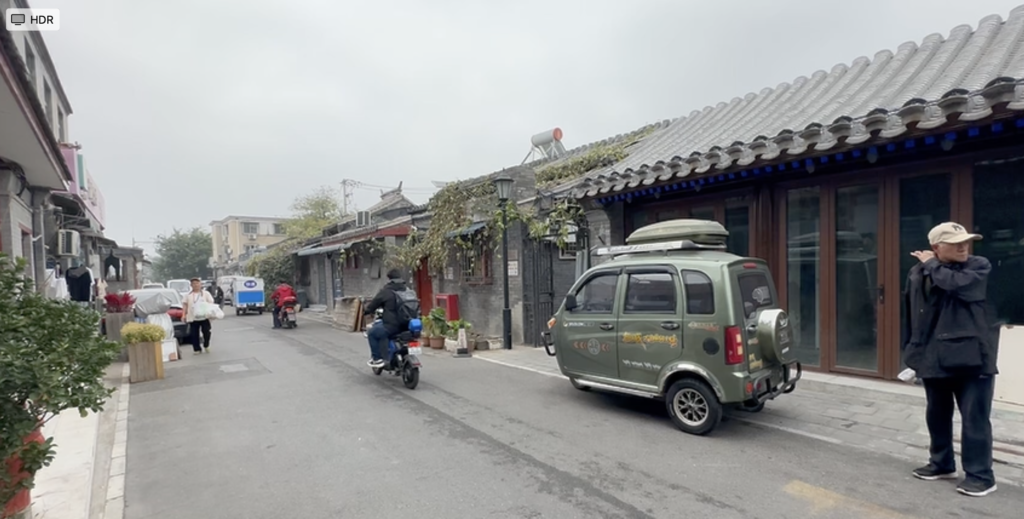
c. Beijing’s Hutongs (胡同) — Understanding Community
Imperial China wasn’t built only by emperors.
It was built by ordinary families.
That lesson came alive in Beijing’s Hutongs.
Here we watched grandparents taking children for walks.
Neighbours chatting outside their homes.
Residents tending flowers.
Life unfolded at its own pace.
Nothing had been arranged for tourists.
It simply felt real.

Understand China Better
The word 胡同 (Hútòng) probably entered Chinese from the Mongolian language during the Yuan Dynasty.
Yet today it has become one of Beijing’s strongest cultural symbols.
Like Beijing itself, every dynasty left something behind instead of erasing the past.
Our ChinTravelBUG Moment
One elderly gentleman smiled warmly as Elaine stepped aside to let him pass on his bicycle.
No words were exchanged.
Yet that tiny encounter reminded us that understanding a country often begins with observing everyday kindness rather than famous monuments.
→ Read our complete guide to Beijing’s Hutongs.
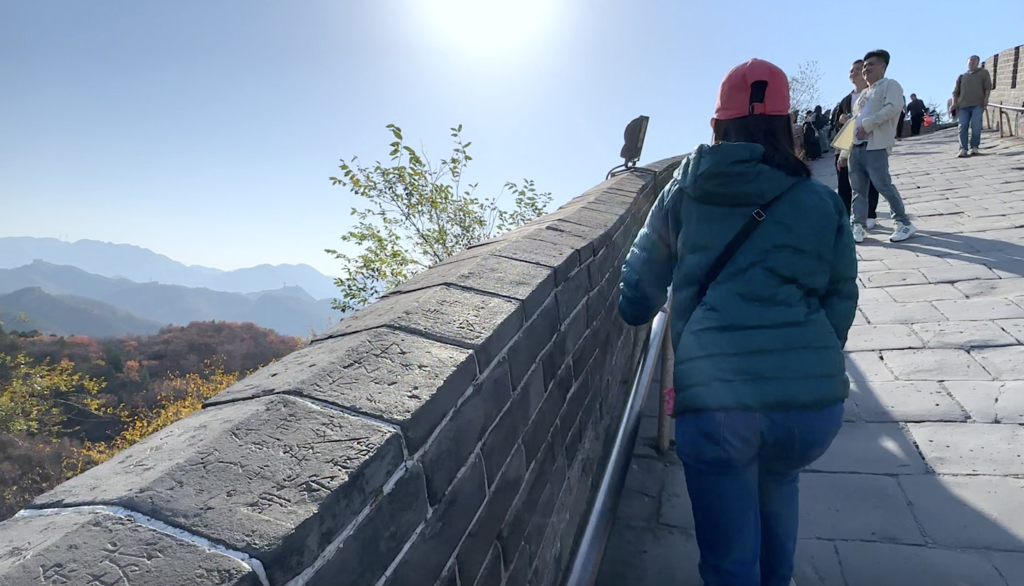
d. The Great Wall (长城) — Understanding Security
Standing on the Great Wall, our first thought wasn’t,
“What incredible engineering.”
Instead it was,
“Why did China feel this was necessary?”
Looking across mountains stretching far beyond the horizon, we began to appreciate how geography shaped China’s history.
Security wasn’t an abstract idea.
It was a daily concern for generations.

Understand China Better
Chinese people simply call it 长城 (Chángchéng)—”The Long Wall.”
Interestingly, the word “Great” doesn’t appear in its Chinese name.
Sometimes learning the original Chinese reminds us that famous landmarks often carry different meanings for the people who built them.
→ Read our complete guide to the Great Wall.
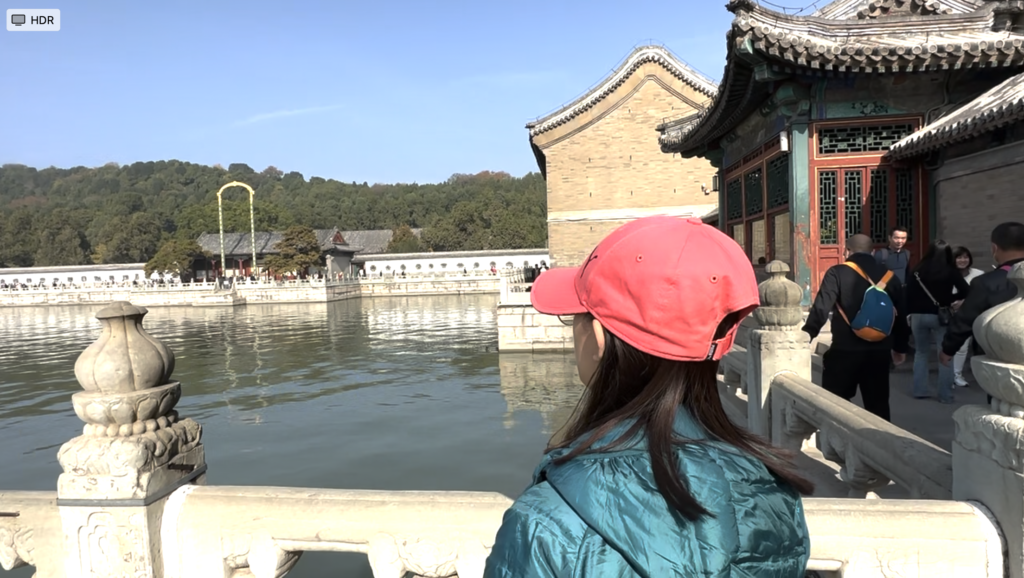
e. The Summer Palace (颐和园) — Understanding Harmony
By now we expected another grand imperial complex.
Instead, we found peace.
Lakes reflected willow trees.
Covered corridors invited slow walks.
Pavilions blended into the landscape instead of dominating it.
The Summer Palace taught us that Chinese civilisation also values harmony.

Understand China Better
颐和园 (Yíhéyuán) literally suggests a garden of nourishment and harmony.
- 颐 (Yí) – to nourish
- 和 (Hé) – harmony
- 园 (Yuán) – garden
It wasn’t simply a holiday retreat.
It reflected an ideal way of living with nature.
→ Read our complete guide to the Summer Palace.
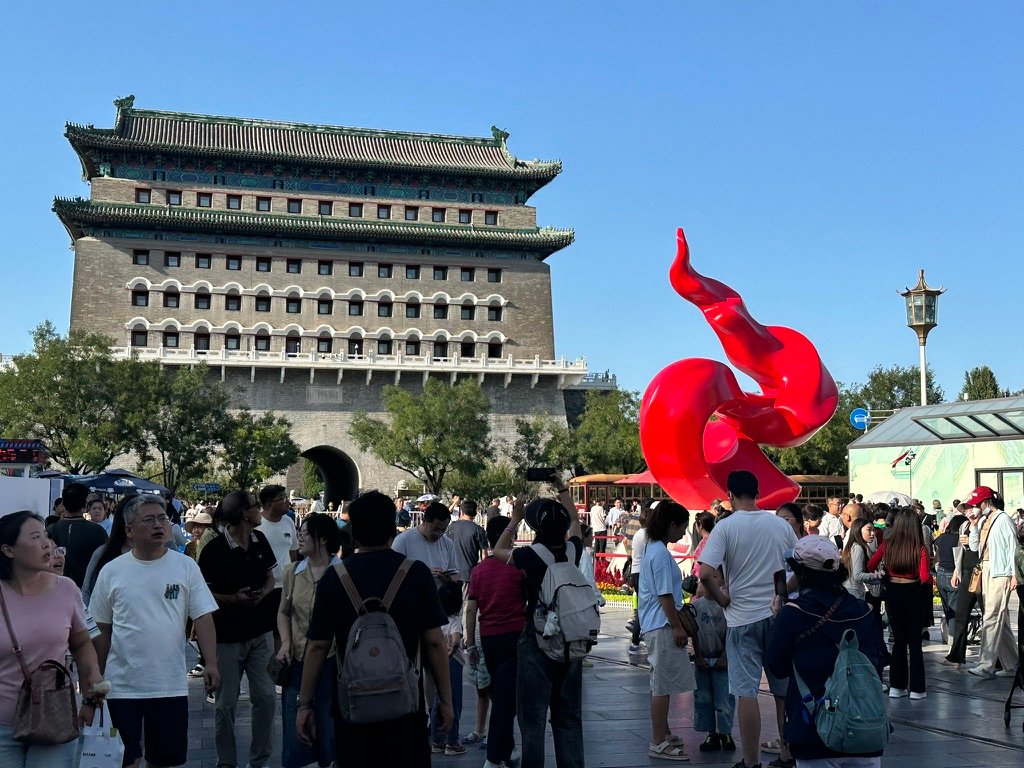
f. Qianmen (前门) — Understanding Commerce
History isn’t only written inside palaces.
It also unfolds along busy streets.
Walking through Qianmen, we imagined merchants, scholars, travellers and ordinary families passing through these same streets over centuries.
Great capitals need thriving markets just as much as magnificent palaces.

Understand China Better
前门 (Qiánmén) simply means “Front Gate.”
Historically it referred to the great southern entrance into Beijing’s Inner City, known formally as 正阳门 (Zhèngyángmén).
For generations, this area welcomed people arriving to trade, work and begin new journeys.
→ Read our complete guide to Qianmen.
g. Tiananmen Square (天安门广场) — Understanding Modern China
Before sunrise, Elaine and I stood among thousands waiting quietly for the national flag ceremony.
Nobody spoke loudly.
Phones stayed lowered.
As the flag slowly rose with the first rays of sunlight, we noticed many people placing their hands over their hearts.
For them, this wasn’t a tourist attraction.
It was a daily expression of national identity.

Understand China Better
天安门 (Tiān’ānmén) means Gate of Heavenly Peace.
Its name links today’s China with centuries of history stretching back through the imperial capital.
Understanding Tiananmen requires listening before judging.
Observing before concluding.
→ Read our complete guide to Tiananmen Square.
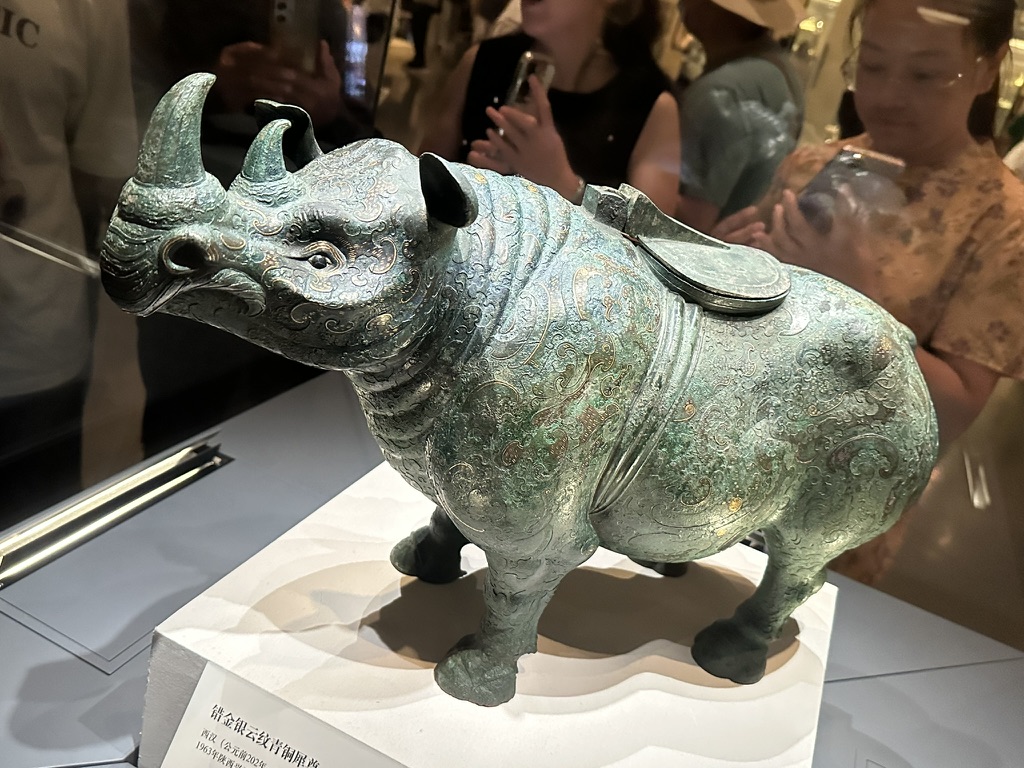
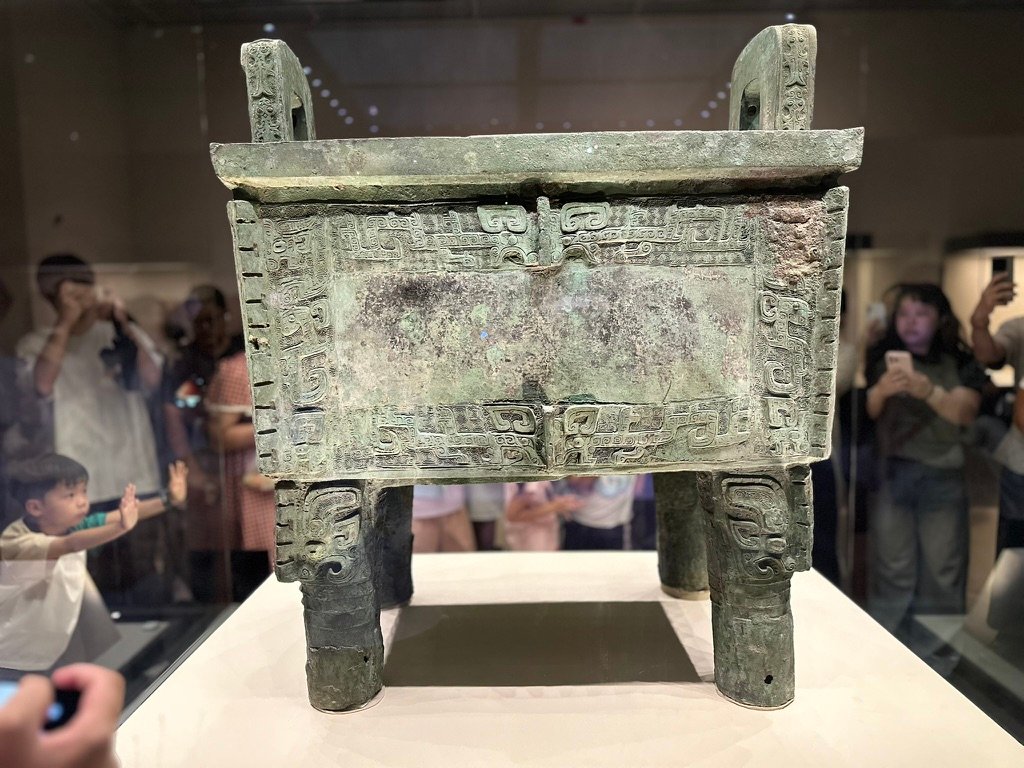
h. The National Museum of China — Understanding Civilisation
Our final lesson came inside the National Museum.
Earlier in the week, the Zhou, Qin, Han, Ming and Qing dynasties had felt like separate chapters.
Now they connected.
Government.
Belief.
Community.
Security.
Harmony.
Trade.
Nationhood.
Everything we had seen across Beijing suddenly fitted together.

Understand China Better
Chinese people often use the word 文明 (Wénmíng).
It means civilisation.
More than history.
More than archaeology.
It describes an unbroken cultural journey stretching across thousands of years.
Walking through the museum, we finally understood why many Chinese people speak of history not as disconnected dynasties, but as one continuing civilisation.
→ Read our complete guide to the National Museum of China.
Beijing Was Never the Lesson
Looking back, Elaine and I realised something unexpected.
Beijing wasn’t trying to impress us.
It was trying to explain itself.
The Forbidden City explained government.
The Temple of Heaven explained belief.
The Hutongs explained community.
The Great Wall explained security.
The Summer Palace explained harmony.
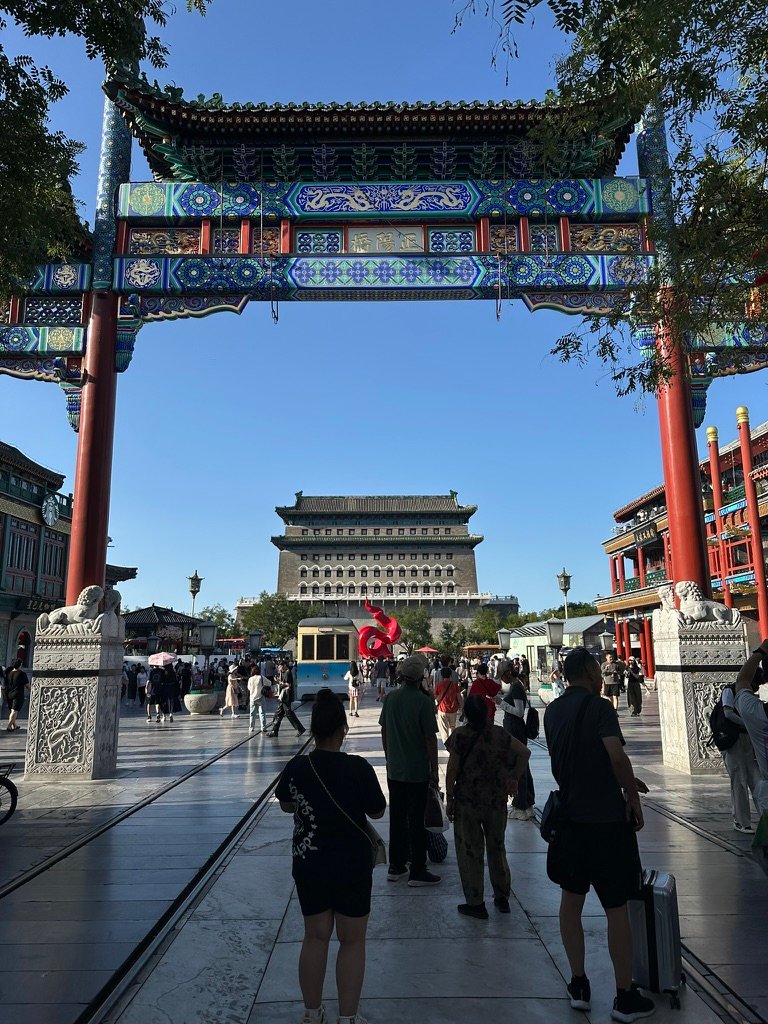
Qianmen explained commerce.
Tiananmen explained modern nationhood.
The National Museum connected everything into one civilisation.
Together, they answered a question we hadn’t even known to ask.
What makes China… China?
Of course, Beijing couldn’t answer every question.
In fact, it left us with many more.
Why did these ideas begin?
Where did they first take shape?
Why do so many of China’s oldest stories lead westwards?
To answer those questions, Elaine and I boarded another high-speed train.
Our next stop was Xi’an.
Only then did we realise that Beijing wasn’t the destination.
It was the beginning of understanding China.