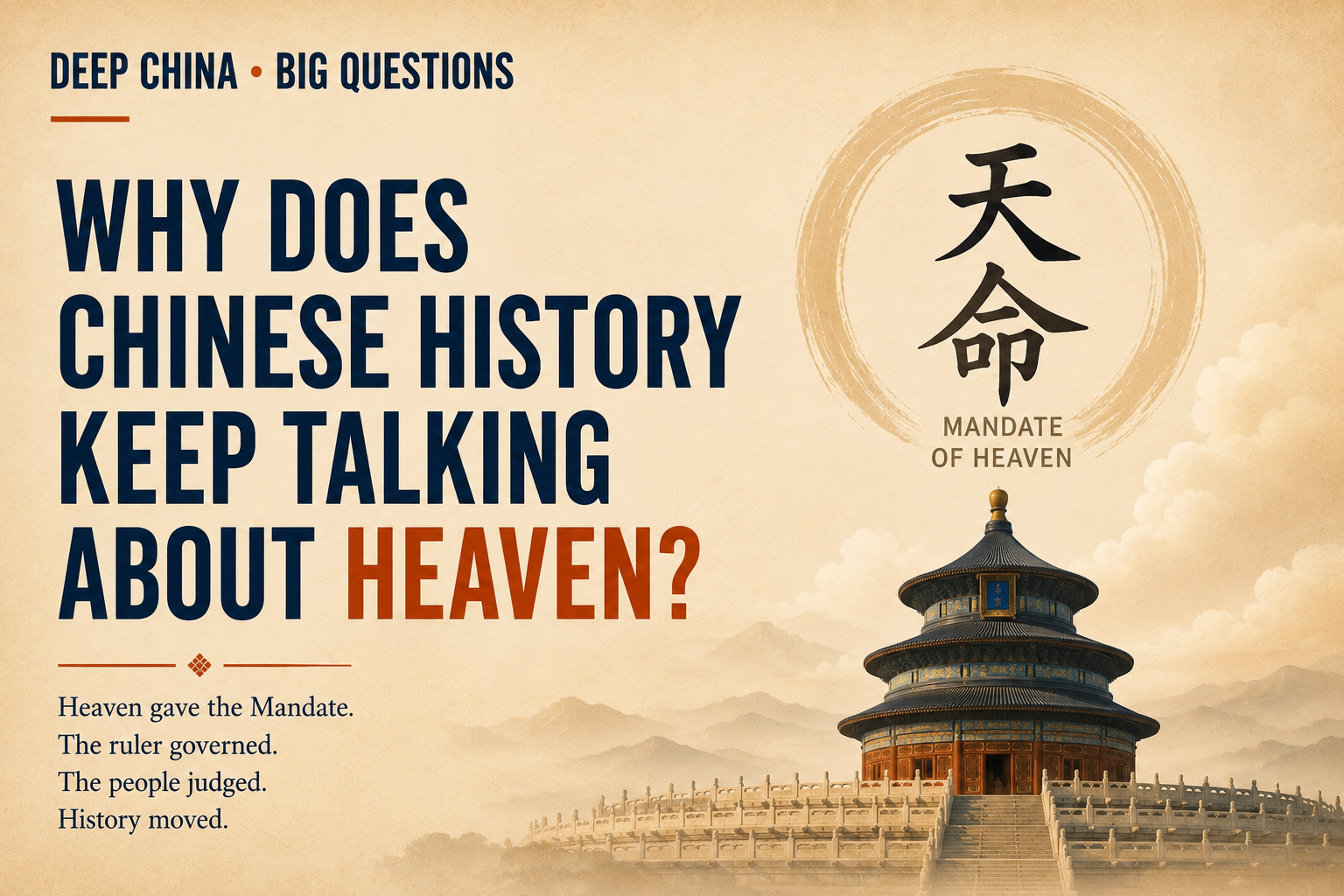
Section 1 — You’re at the Temple of Heaven. Why Is the Emperor Talking to Heaven?
For many first-time travelers to:
Beijing (北京, Běijīng)
the:
Temple of Heaven (天坛, Tiāntán)
is another must-see.
You recognize it immediately.
Blue roof.
Circular building.
Beautiful symmetry.
Probably one of the most photographed buildings in China.
Most visitors know its most famous building:
Hall of Prayer for Good Harvests (祈年殿, Qínián Diàn).
Take the photograph.
Absolutely.
😂
But then Deep China asks:
Why did the EMPEROR need to come here and pray for a good harvest?
Wasn’t he:
the emperor (皇帝, huángdì)?
What does:
Heaven (天, Tiān)
have to do with:
government (政治, zhèngzhì)?
🐇
Oh dear.
This rabbit hole goes back almost:
3,000 years.
🔥
First: The Temple of Heaven Wasn’t Built for Tourists
Obvious.
😂
But look at the place differently.
The:
Temple of Heaven (天坛)
was an imperial:
sacrificial complex (祭祀建筑群, jìsì jiànzhùqún).
During the:
Ming dynasty (明朝, Míng Cháo)
and:
Qing dynasty (清朝, Qīng Cháo),
emperors came here to perform:
sacrificial rituals (祭祀, jìsì)
to:
Heaven (天, Tiān)
and to pray for:
good harvests (丰收, fēngshōu).
🔥
This wasn’t:
“Emperor visits temple because emperor is religious.”
Too simple.
These ceremonies belonged to the political and ritual responsibilities of:
imperial rulership (帝王统治, dìwáng tǒngzhì).
🌏 And Yes — It’s UNESCO
The:
Temple of Heaven (天坛, Tiāntán)
was inscribed on the:
UNESCO World Heritage List
in:
1998.
UNESCO describes it as the world’s largest surviving architectural complex dedicated to sacrifice to Heaven.
More importantly for our story, UNESCO describes the emperor’s role here as an intermediary between:
the human world
and:
the celestial realm.
🔥
Now the beautiful blue building has become much more interesting.
🐇 Why Pray for the Harvest?
Beginner Chinese vocabulary first:
Heaven (天, tiān)
Earth (地, dì)
agriculture (农业, nóngyè)
grain (粮食, liángshi)
harvest (收成 / 丰收, shōuchéng / fēngshōu)
rain (雨, yǔ).
Now imagine an agricultural empire.
No modern fertilizer industry.
No weather satellite.
No refrigerated global food supply chain.
No supermarket importing grain overnight from another continent.
😂
A failed harvest could mean:
hunger,
rising grain prices,
social distress,
migration,
unrest
and potentially:
political trouble.
🔥
Suddenly:
“pray for a good harvest”
doesn’t sound like a minor religious ceremony.
Agriculture was fundamental to:
the state.
🍚 Western Handrail: The Emperor Was Responsible for More Than Politics
Modern political leaders don’t normally hold elaborate state rituals asking Heaven for rain.
😂
So Western travelers can easily separate:
religion
from:
government.
That distinction doesn’t map neatly onto imperial China.
The emperor had:
political authority
but also:
ritual responsibilities.
He didn’t merely:
govern people.
He participated in ceremonies intended to maintain proper relationships among:
Heaven (天)
Earth (地)
and:
human society (人, rén).
🔥
Now we need another Chinese word.
Meet the Son of Heaven
The emperor could be described as:
Son of Heaven (天子, Tiānzǐ).
Beginner Chinese:
天 — tiān
Heaven
子 — zǐ
son / child
So:
天子 — Tiānzǐ
Son of Heaven
🔥
This title is much older than the Ming or Qing dynasties.
And once you understand it, you’ll start seeing:
天
everywhere in Chinese history.
🐇 Son of Heaven Does NOT Mean “God”
Important.
The Chinese emperor wasn’t:
God.
And:
Son of Heaven
doesn’t map neatly onto Western ideas such as:
“Son of God.”
Different political and religious tradition.
Different cosmology.
The emperor occupied a unique position within a conception of:
cosmic and political order.
He ruled:
All-under-Heaven (天下, Tiānxià).
Uh-oh.
Another important Chinese term.
😂
What Is 天下 — Tianxia?
Beginner Chinese:
天 — tiān
Heaven / sky
下 — xià
below / under
Together:
天下 — Tiānxià
All-under-Heaven
This became an enormously important concept in Chinese political thought.
It could refer broadly to:
the human/political world under Heaven.
Don’t simply translate it as:
“China.”
That’s too crude.
Its meaning changed across periods and contexts.
But for our beginner’s coat rack:
Heaven (天)
↓
Son of Heaven (天子)
↓
All-under-Heaven (天下).
🔥
Three terms.
One conceptual family.
🌶️ Now Ask the Dangerous Question
If the emperor is:
Son of Heaven
does that mean:
Heaven automatically supports whoever happens to be emperor?
Ahhh.
🐇🐇🐇
Now we have to travel backward.
Way backward.
Before:
Ming.
Before:
Qing.
Before:
Tang.
Before:
Han.
Before even:
Qin Shi Huang (秦始皇).
We’re going back to:
the Zhou dynasty (周朝, Zhōu Cháo).
🔥
🕰️ Put Heaven on the Timeline
SHANG DYNASTY (商朝, Shāng Cháo)
The Shang royal religious world included powerful ancestral and divine forces, including:
Di / Shangdi (帝 / 上帝, Dì / Shàngdì).
↓
WESTERN ZHOU (西周, Xī Zhōu)
c. 1046–771 BCE
Zhou rulers overthrow the Shang.
↓
And now a political problem appears:
How do you justify overthrowing the previous ruling house?
↓
Zhou political-religious thought develops and articulates the idea of:
Mandate of Heaven (天命, Tiānmìng).
↓
LATER CHINESE HISTORY
The language of:
Heaven (天),
Mandate (天命),
Son of Heaven (天子)
and:
dynastic legitimacy (王朝正统, wángcháo zhèngtǒng)
continues to develop.
↓
MING / QING
The emperor performs sacrifices to Heaven at:
Temple of Heaven (天坛).
↓
TODAY
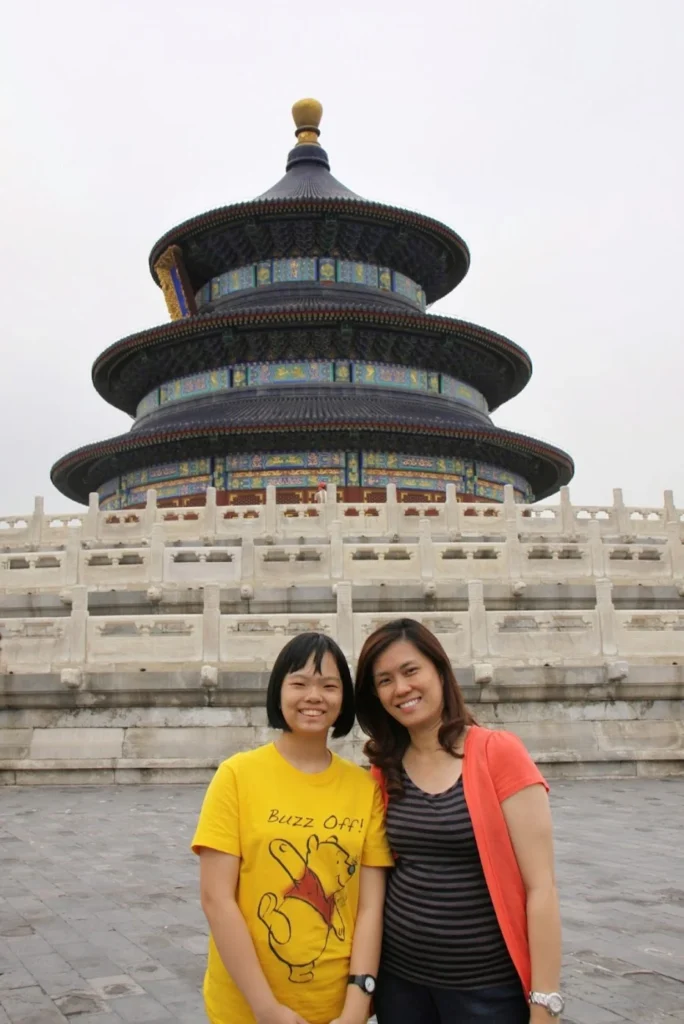
Dad takes photo.
😂
But now Dad knows:
the blue building has a 3,000-year political rabbit hole behind it.
🔥
🌶️ The Zhou Had a Legitimacy Problem
Imagine you’re the:
Zhou (周).
You’ve just overthrown the:
Shang dynasty (商朝).
Excellent.
Except…
why should anyone accept:
YOU
as the legitimate ruler?
😂
If the previous king was properly entitled to rule…
aren’t you simply:
a rebel?
This is where:
Heaven (天)
becomes politically explosive.
Meet the Mandate of Heaven
The famous Chinese term is:
Mandate of Heaven (天命, Tiānmìng).
Beginner Chinese:
天 — tiān
Heaven
命 — mìng
command / mandate / destiny, depending on context
So:
天命 — Tiānmìng
can be translated as:
Mandate of Heaven.
🔥
The basic political idea associated with early Zhou claims was revolutionary in its implications:
Political authority ultimately depended upon Heaven’s mandate—and that mandate could move from one ruling house to another.
Now the Zhou conquest of Shang can be presented not simply as:
“we defeated them.”
But:
“Heaven no longer supported them.”
🌶️🌶️🌶️
🍚 Western Handrail: Divine Right of Kings?
This comparison can help.
But carefully.
European readers may know the idea of:
Divine Right of Kings.
A monarch rules with divine sanction.
The:
Mandate of Heaven (天命)
also connected rulership with a higher cosmic authority.
But there is a crucial difference in the historical logic:
the mandate could be transferred.
A ruling house that failed disastrously could later be interpreted as having:
lost Heaven’s mandate.
🔥
Not identical traditions.
Don’t force them together.
But the comparison helps Western beginners see why:
天命
was politically important.
⚠️ But Don’t Turn 天命 Into a Magic Scoreboard
This is important.
Don’t imagine:
Good emperor = Heaven gives 10 points.
Bad emperor = earthquake.
Rebellion = mandate automatically transferred.
😂
That’s the simplified textbook version.
The concept developed across centuries and was used differently by rulers, thinkers and historians.
Natural disasters, disorder and political failure could be interpreted within wider ideas about cosmic and moral order.
But history did not operate according to:
Mandate of Heaven software.
😂
The important point is:
天命 gave Chinese political thought a powerful language for discussing legitimate rule and dynastic change.
That’s enough for our beginner’s coat rack.
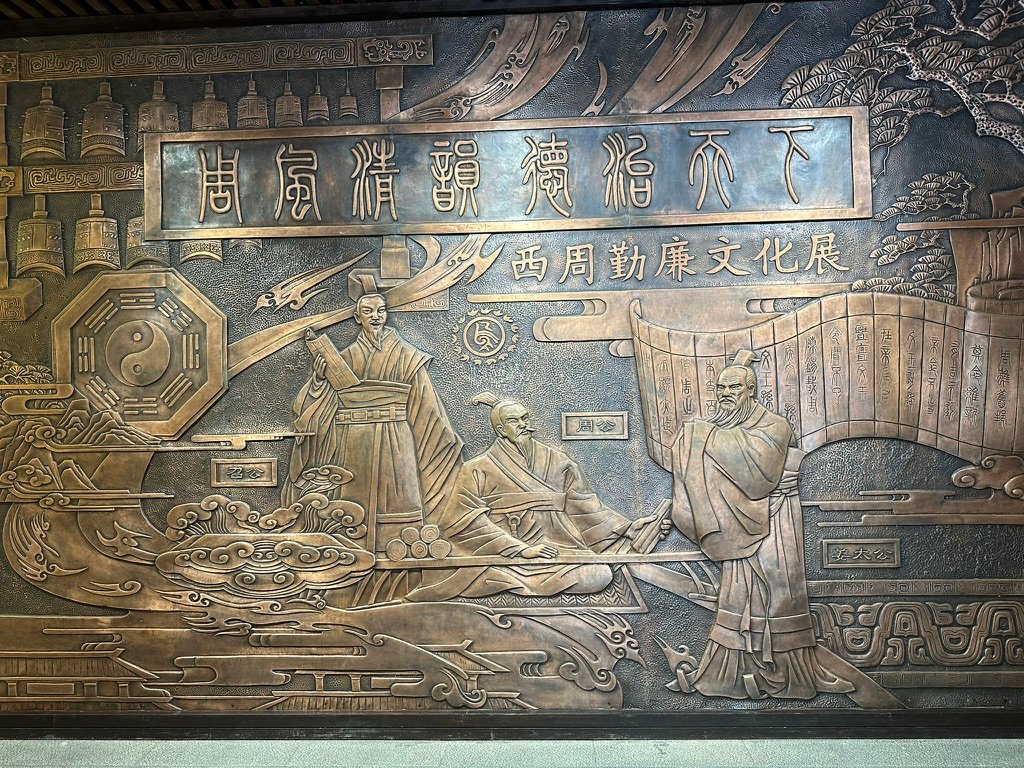
🐇 And Here Comes the Duke of Zhou
One of the great figures associated with the early Zhou political order is:
Duke of Zhou (周公, Zhōugōng).
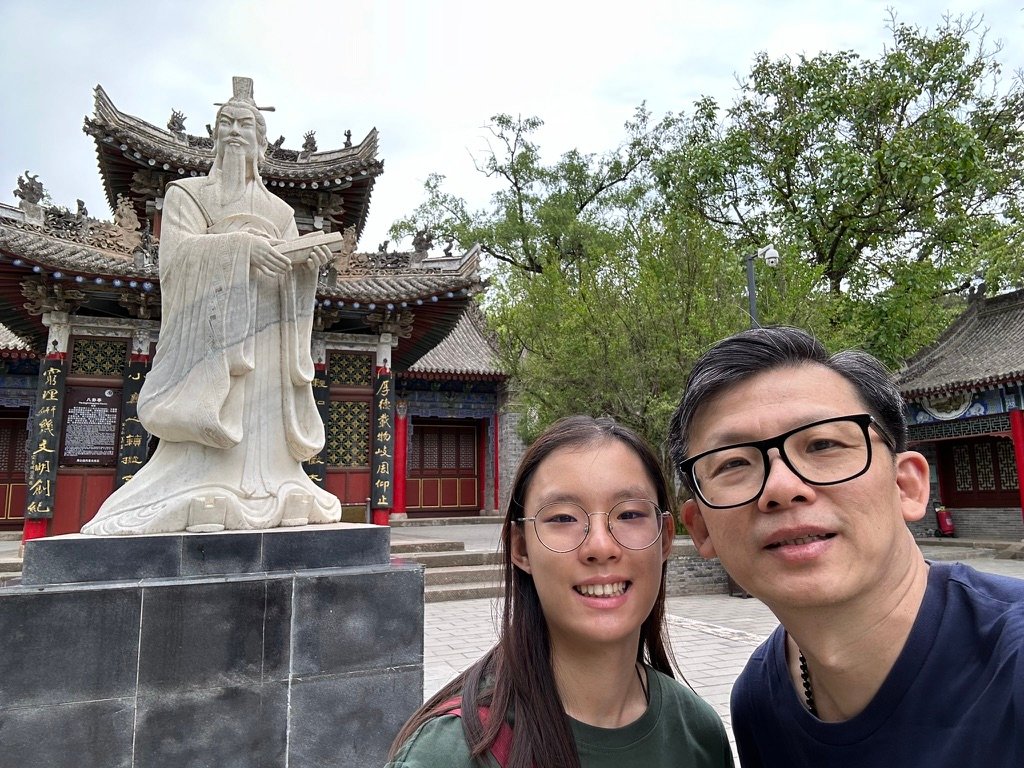
Dad & Elaine have actually followed this rabbit hole.
We visited:
Zhougong Temple (周公庙, Zhōugōng Miào)
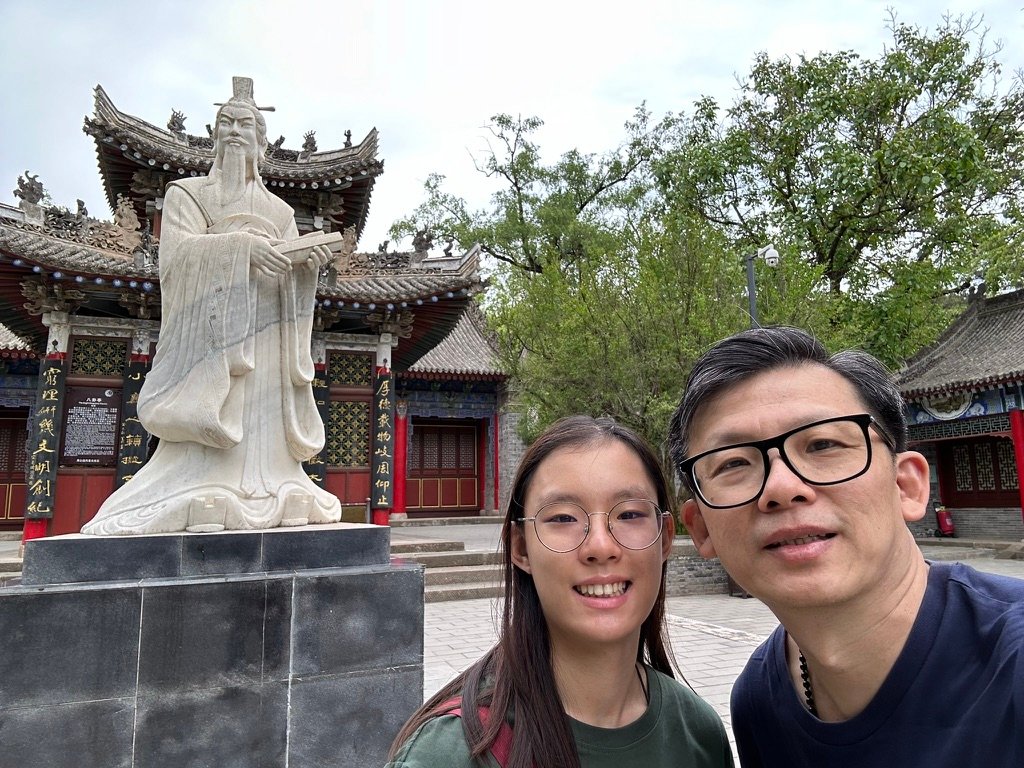
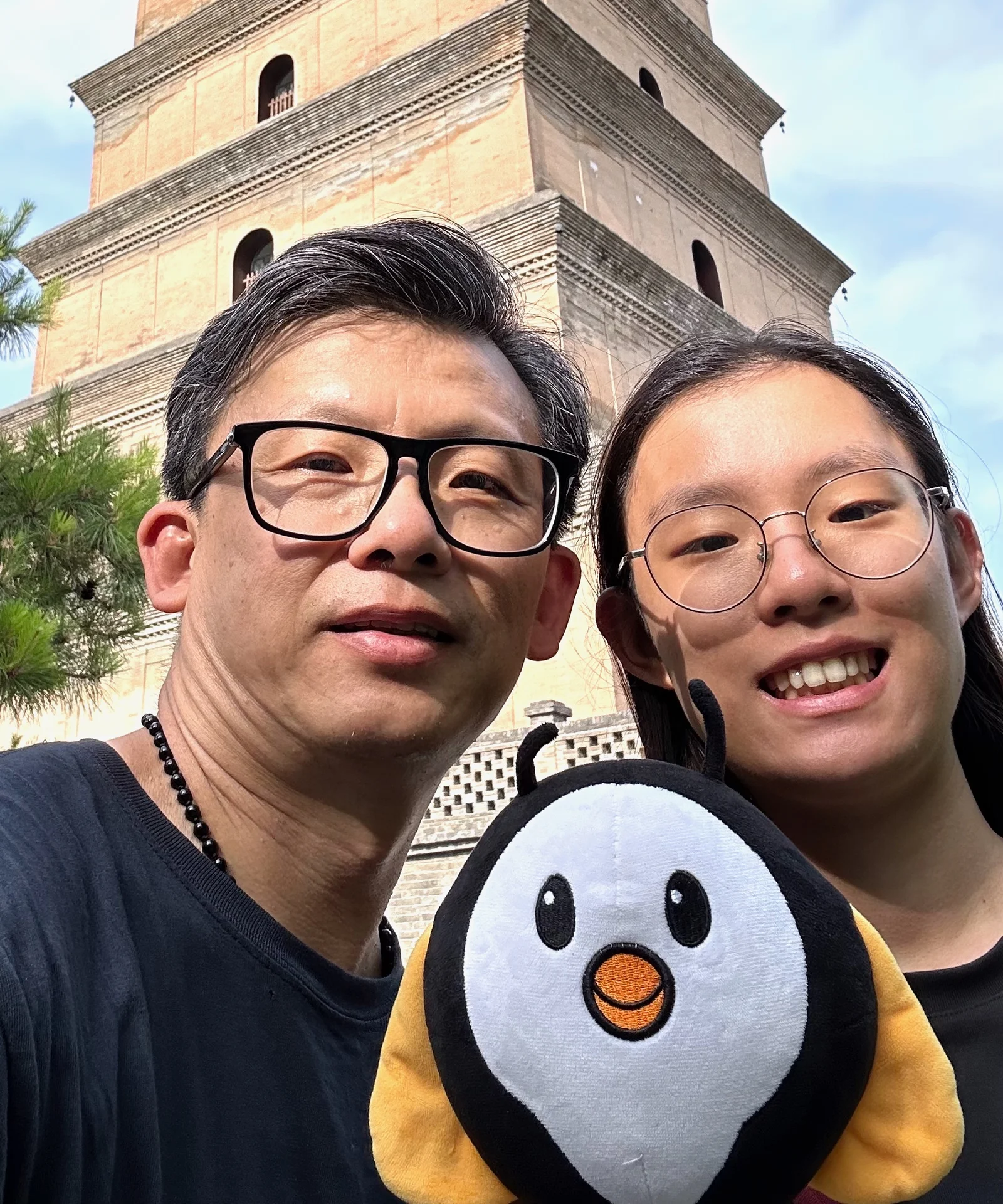
Dad and Elaine at Zhougong Temple (周公庙, Zhōugōng Miào) in Qishan (岐山), Shaanxi — meeting the Duke of Zhou (周公), one of the foundational figures of the Western Zhou political order. Photo by Dad.
near:
Zhouyuan (周原, Zhōuyuán)
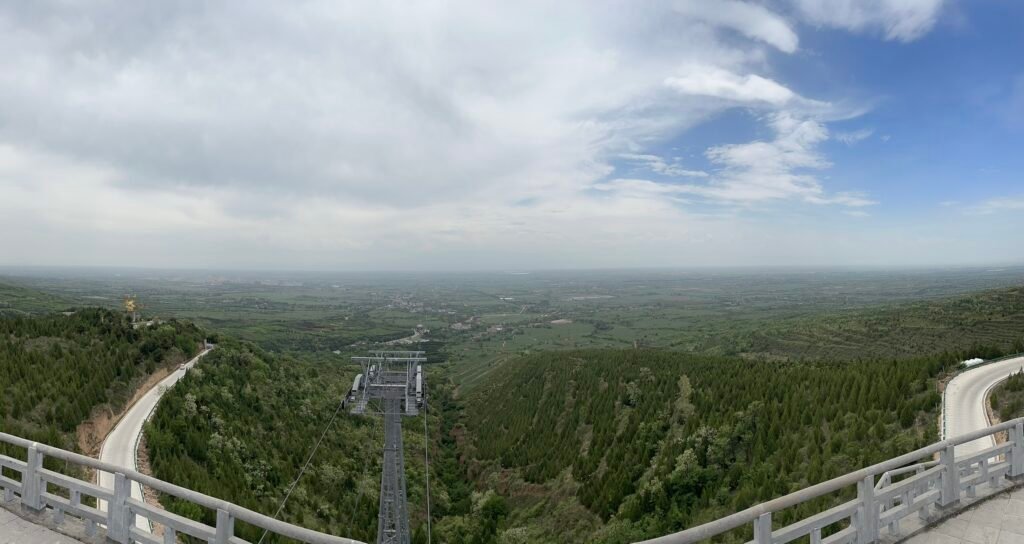
in:
Shaanxi (陕西, Shǎnxī).
For most first-time Western travelers:
Duke of Who?
😂
Completely understandable.
But once you begin studying early Zhou ideas about:
ritual (礼, lǐ),
political order,
legitimacy,
and:
Heaven (天),
the Duke of Zhou keeps appearing.
🐇
And Baoji Gives Us a Bronze Clue
Then we reach:
Baoji (宝鸡, Bǎojī).
At the:
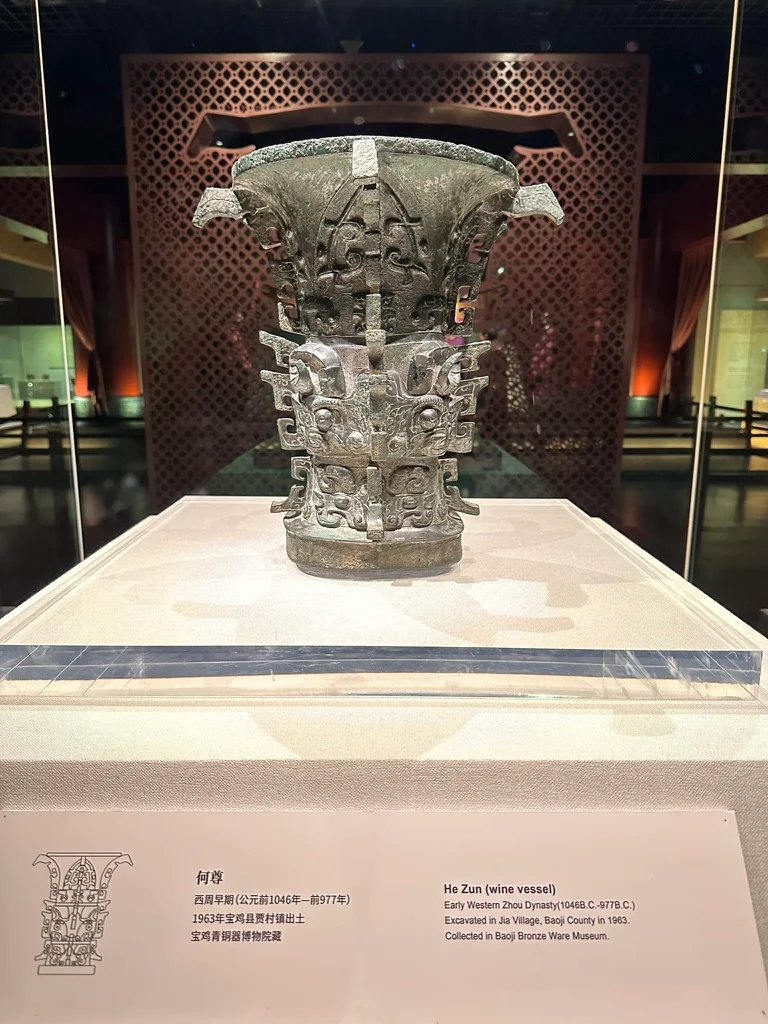
Baoji Bronze Ware Museum (宝鸡青铜器博物院, Bǎojī Qīngtóngqì Bówùyuàn)
is one of Dad’s favorite objects:
He Zun bronze vessel (何尊, Hé Zūn).
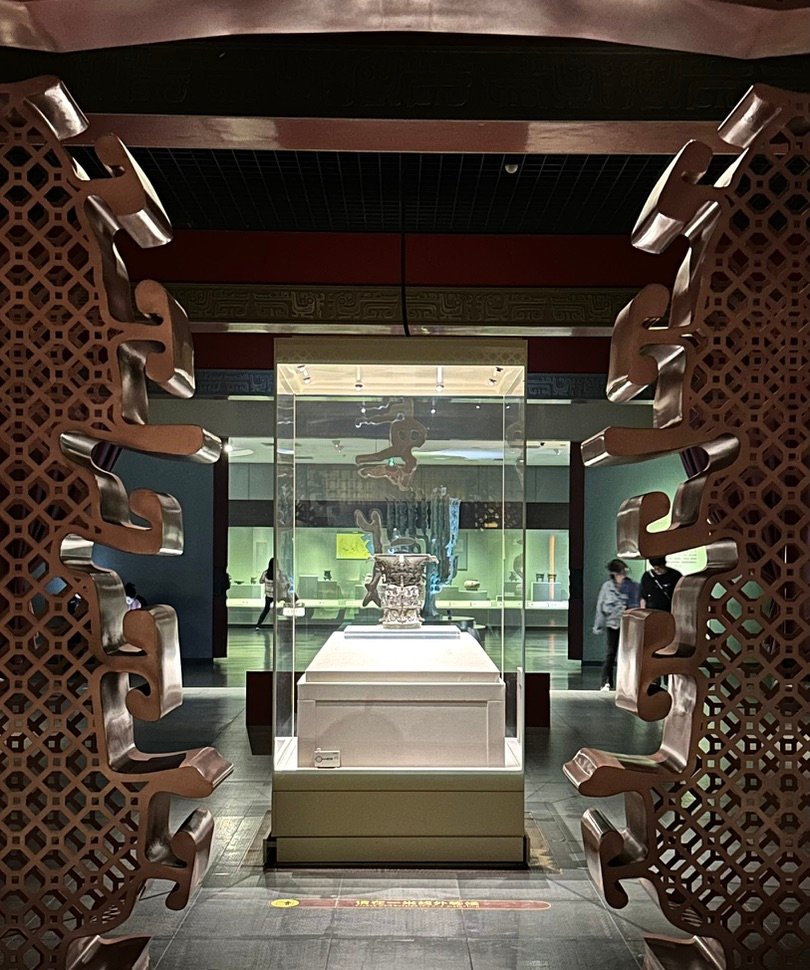
🔥
A:
bronze zun vessel (青铜尊, qīngtóng zūn)
from the early Western Zhou period.
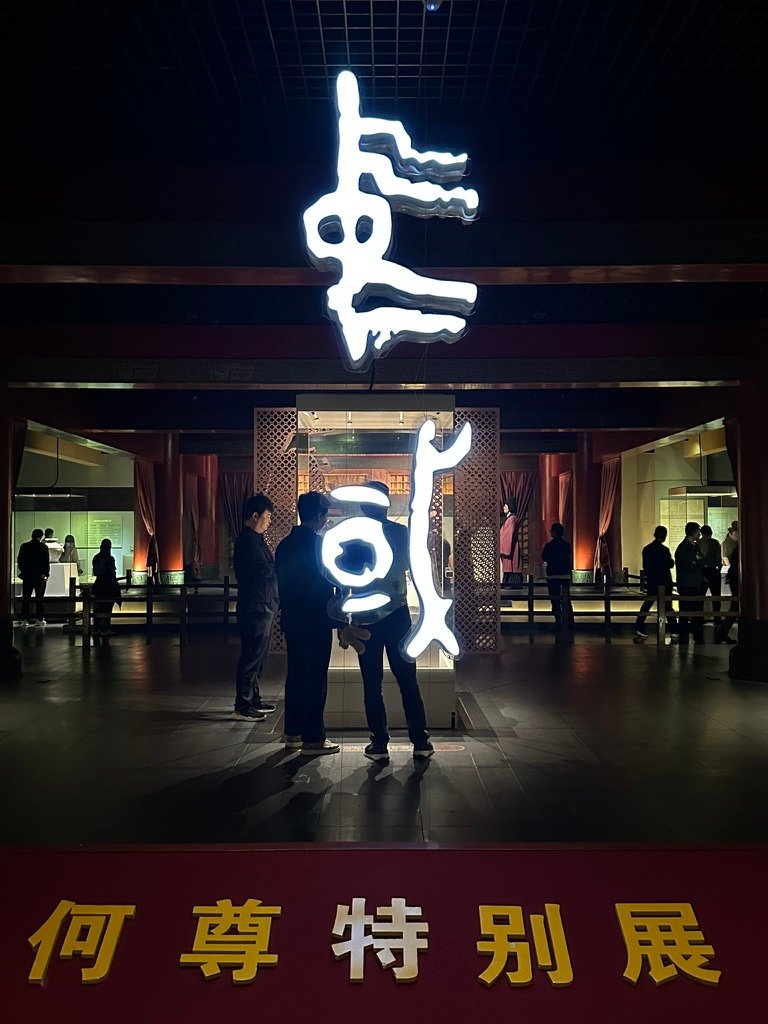
Its inscription is famous for containing an early occurrence of the characters:
中国 — Zhōngguó.
😳
But careful.
That did NOT yet mean:
the modern nation-state called China.
Different rabbit hole.
Different course.
😂
For now, He Zun reminds us that the early Zhou world wasn’t mythology floating in the clouds.
We have:
texts
+
bronzes (青铜器, qīngtóngqì)
+
inscriptions (铭文, míngwén)
+
archaeological sites (考古遗址, kǎogǔ yízhǐ).
🔥
The Zhou are becoming physical.
🐇 Now Return to Beijing
This is the Michelin trick.
We traveled:
BEIJING
Temple of Heaven
↓
Heaven (天)
↓
Son of Heaven (天子)
↓
All-under-Heaven (天下)
↓
Mandate of Heaven (天命)
↓
Western Zhou (西周)
↓
Duke of Zhou (周公)
↓
Zhouyuan (周原)
↓
Baoji (宝鸡)
↓
He Zun (何尊).
😬
Then we fly all the way forward again:
MING / QING BEIJING
and suddenly the emperor standing at the Temple of Heaven makes much more sense.
🔥
🌾 The Harvest Was Political Too
Remember why emperors came here.
They prayed for:
good harvests (丰收, fēngshōu).
An emperor was expected to maintain:
good government (善政, shànzhèng)
and:
order (秩序, zhìxù).
Agricultural success mattered to the wellbeing of the empire.
So the emperor’s ritual relationship with Heaven wasn’t merely:
private spirituality.
It belonged to the public performance of:
legitimate rulership.
🔥
The emperor was showing:
I am fulfilling the responsibilities of the Son of Heaven.
Now the ceremony becomes political.
🌏 And the Architecture Reinforces the Idea
Look at the Temple of Heaven itself.
The northern part of the enclosing wall is:
rounded
while the southern part is:
square.
This reflects the traditional cosmological idea often summarized as:
Heaven is round, Earth is square (天圆地方, tiānyuán dìfāng).
🔥
Beginner Chinese:
天 — Heaven
圆 — round
地 — Earth
方 — square
So:
天圆地方
literally gives you:
Heaven-round, Earth-square.
Now even the geometry is talking.
🐞 Sting Check
You arrived at the Temple of Heaven thinking:
“Beautiful blue building.”
Now you’ve acquired:
Heaven (天)
↓
Earth (地)
↓
sacrifice (祭祀)
↓
harvest (丰收)
↓
Son of Heaven (天子)
↓
All-under-Heaven (天下)
↓
Shang (商)
↓
Western Zhou (西周)
↓
Mandate of Heaven (天命)
↓
Duke of Zhou (周公)
↓
Zhouyuan (周原)
↓
Baoji (宝鸡)
↓
He Zun (何尊)
↓
Heaven-round, Earth-square (天圆地方).
😬
That is quite a lot hiding behind:
“nice blue roof.”
😂
The Bigger Lesson
The Temple of Heaven helps reveal something Western beginners can easily miss about imperial China.
Politics, ritual and cosmology were not completely separate worlds.
The emperor governed:
people.
But as:
Son of Heaven (天子),
he also occupied a ritual position within a much larger conception of:
Heaven (天)
Earth (地)
and:
All-under-Heaven (天下).
🔥
And the roots of that political language lead us back more than two thousand years before the Temple of Heaven was built…
to:
the Zhou dynasty (周朝).
Section 2 — If Heaven Gave the Emperor His Mandate, Could Heaven Take It Away?
Section 1 took us from:
Temple of Heaven (天坛, Tiāntán)
↓
Son of Heaven (天子, Tiānzǐ)
↓
Mandate of Heaven (天命, Tiānmìng)
↓
all the way back to:
Western Zhou (西周, Xī Zhōu).
Now comes the really spicy question.
🌶️🌶️🌶️
If Heaven could give a ruler the right to rule…
Could Heaven take it away?
Because if the answer is:
YES
then the emperor’s authority contained a fascinating tension.
He could be:
the most powerful man in the empire
while still claiming legitimacy from something:
above the emperor himself.
🔥
First: Why Did the Zhou Need This Idea?
Go back roughly 3,000 years.
The:
Shang dynasty (商朝, Shāng Cháo)
had ruled before the:
Zhou dynasty (周朝, Zhōu Cháo).
Around the mid-11th century BCE, Zhou forces defeated the Shang.
The famous decisive battle is traditionally known as:
Battle of Muye (牧野之战, Mùyě Zhī Zhàn).
Now imagine the political problem.
The Zhou have won.
But victory alone doesn’t answer:
Why are WE entitled to rule?
😂
The Zhou needed more than:
military victory (军事胜利, jūnshì shènglì).
They needed:
legitimacy (合法性, héfǎxìng).
And this is where:
Mandate of Heaven (天命, Tiānmìng)
became enormously important.
🌶️ The Mandate Was Not Supposed to Be Permanent
In Zhou political thought, the previous ruling house could lose Heaven’s favor.
The Shang had once possessed legitimate authority.
But Zhou accounts increasingly presented the final Shang ruler as having failed morally and politically.
Therefore:
Heaven’s mandate could move.
🔥
Shang
↓
loses legitimacy
↓
Mandate of Heaven (天命)
↓
Zhou.
This provided the Zhou with a powerful argument:
We didn’t merely overthrow the Shang.
The Shang lost the right to rule.
🌶️🌶️🌶️
🍚 Western Handrail: A Crown With Conditions
Here’s a useful beginner’s handrail.
Imagine the emperor’s crown comes with:
conditions.
Not a written employment contract.
😂
But a political expectation that legitimate rulership involves:
virtue (德, dé),
proper conduct,
order (秩序, zhìxù),
and:
care for the people (民, mín).
A ruler who presides over disastrous government could later be portrayed as:
unworthy of the mandate.
That’s very different from saying:
“Whoever has the throne automatically has Heaven forever.”
🔥
🐇 Meet Another Important Chinese Word: 德
virtue / moral power (德, dé).
This is one of those Chinese characters worth recognizing because it appears everywhere in Chinese intellectual history.
In early political thought, de (德) could carry meanings richer than the modern English word:
“virtue.”
It could relate to:
moral character,
proper conduct,
and the qualities that made rulership effective and worthy.
So now our beginner’s vocabulary becomes:
Heaven (天, Tiān)
↓
Mandate (命, mìng)
↓
virtue (德, dé)
↓
ruler (王, wáng).
🔥
These aren’t random Chinese words.
They’re beginning to form a political language.
👑 Wait — 王 or 皇帝?
Good catch.
During the early Zhou period, rulers were:
kings (王, wáng).
Not yet:
emperors (皇帝, huángdì)
in the later imperial sense.
The title:
Huangdi / Emperor (皇帝, Huángdì)
was famously adopted much later by:
Qin Shi Huang (秦始皇, Qín Shǐhuáng)
after unification in:
221 BCE.
🔥
So don’t imagine the Duke of Zhou walking around saying:
“Long live the emperor!”
😂
Wrong century.
The idea of:
Son of Heaven (天子)
is older than the imperial title:
皇帝.
That’s an important distinction.
🐇 So Who Was the Duke of Zhou?
Now return to:
Duke of Zhou (周公, Zhōugōng).
He was a brother of:
King Wu of Zhou (周武王, Zhōu Wǔwáng),
the ruler associated with the Zhou conquest of Shang.
After King Wu’s death, the Duke of Zhou became a central figure in stabilizing the new Zhou political order during the reign of the young:
King Cheng of Zhou (周成王, Zhōu Chéngwáng).
Later Chinese tradition remembered the Duke of Zhou as an extraordinary model of:
loyalty,
ritual order,
political wisdom
and:
good government.
🔥
That’s why:
Confucius (孔子, Kǒngzǐ)
living centuries later, revered the cultural world associated with Zhou.
Another rabbit.
🐇
Wait — Confucius Was Looking BACKWARD Too?
Yes.
😂
Western beginners sometimes imagine:
Zhou happens.
↓
Confucius invents Confucianism.
↓
China becomes Confucian.
Too neat.
Confucius (551–479 BCE) lived centuries after the beginning of Western Zhou.
He looked back admiringly toward aspects of the earlier Zhou cultural and ritual order.
That’s one reason the:
Zhou dynasty
matters so much.
Later thinkers kept returning to it.
🔥
So when Dad & Elaine visited:
Zhouyuan (周原, Zhōuyuán)
and:
Zhougong Temple (周公庙, Zhōugōng Miào),
we weren’t simply visiting:
“some very old Zhou places.”
We were walking through a historical world that later generations repeatedly treated as:
a reference point for political and ritual order.
🌶️ Now We Need Another Word: 礼
You’ve seen this one before.
ritual / rites / propriety (礼, lǐ).
This is a difficult Chinese word to translate with one English equivalent.
Depending on context, li (礼) can involve:
ritual,
ceremony,
proper conduct,
social norms
and:
appropriate relationships.
🔥
For beginner purposes:
礼 is about behaving appropriately within an ordered social and ritual world.
And once you understand that…
the Forbidden City begins making more sense.
The Temple of Heaven begins making more sense.
Confucianism begins making more sense.
🐇🐇🐇
One Chinese character.
Many doors.
🐇 Heaven + Virtue + Ritual
Now our political coat rack is getting stronger:
Heaven (天)
gives:
Mandate (天命)
↓
the ruler should possess:
virtue (德)
↓
and maintain:
ritual / proper order (礼)
↓
within:
All-under-Heaven (天下).
🔥🔥🔥
Please don’t treat this as a mathematical formula.
Chinese political thought developed enormously across three thousand years.
But for a Western beginner:
this is an extremely useful coat rack.
🌾 And Where Do Ordinary People Fit?
Another important word:
the people (民, mín).
Later Chinese political thought repeatedly wrestled with the relationship among:
Heaven (天),
ruler (君, jūn),
and:
the people (民, mín).
One of the most famous later Confucian thinkers was:
Mencius (孟子, Mèngzǐ)
traditionally 372–289 BCE.
Mencius strongly emphasized humane government and the importance of the people’s welfare.
He is associated with one of the most famous formulations in Chinese political thought:
the people are of great importance.
🔥
We don’t need a Mencius lecture here.
Different plate.
😂
But remember:
天 — Heaven
君 — ruler
民 — people.
Political legitimacy wasn’t discussed only in terms of:
“Who has the biggest army?”
🌶️ So Did Rebellion Become Automatically Legal?
No.
😂
This is where Western explanations often go too far.
You may hear:
“If people rebelled successfully, that proved the emperor lost the Mandate of Heaven.”
That’s a useful shorthand.
But history was messier.
Rebellions could fail.
Competing rulers could claim legitimacy.
Historians could interpret events differently.
And the idea of Heaven’s mandate was often clearest:
after a dynasty had already fallen.
🔥
The victorious new ruling house could say, in effect:
Look at the previous dynasty’s failures.
Look at the disorder.
Heaven’s mandate had shifted.
History and legitimacy become intertwined.
🕰️ This Creates the Famous Dynastic Cycle
Western students often encounter something called the:
dynastic cycle (王朝循环, wángcháo xúnhuán).
The simplified version goes:
new dynasty
↓
good rulers
↓
prosperity
↓
corruption
↓
disaster
↓
rebellion
↓
dynasty falls
↓
new dynasty.
😂
Useful?
A little.
Historical law?
NO.
Different dynasties rose and fell for very different reasons.
Military invasion.
Fiscal problems.
Court politics.
Rebellion.
Climate stress.
Elite conflict.
Succession crises.
Foreign conquest.
Often several at once.
🔥
The Mandate of Heaven helped later generations:
INTERPRET
dynastic change.
It did not mechanically:
CAUSE
every dynasty to fall.
That’s an important distinction.
🐇 Now the Mongols Create a Delicious Problem
Fast-forward more than two thousand years from early Zhou.
China is conquered by:
Mongols (蒙古人, Měnggǔrén).
Eventually:
Kublai Khan (忽必烈, Hūbìliè)
establishes the:
Yuan dynasty (元朝, Yuán Cháo)
and adopts the Chinese dynastic title:
Yuan (元).
😳
Now ask:
Can a Mongol ruler become the Son of Heaven?
🌶️🌶️🌶️🌶️
If your mental model is:
Chinese emperor = ethnically Han Chinese man
then Chinese history is about to cause trouble.
😂
The Answer: Imperial Legitimacy Could Cross Ethnic Boundaries
Mongol rulers of the Yuan adopted and used important elements of Chinese imperial political traditions while also remaining rulers within a wider Mongol imperial world.
Later:
Manchus (满洲人, Mǎnzhōurén)
established the:
Qing dynasty (清朝, Qīng Cháo).
Again:
a ruling people originating beyond the earlier Ming political frontier
↓
conquers Beijing
↓
rules China
↓
performs imperial rituals
↓
occupies the Forbidden City
↓
the emperor functions within the language of:
Son of Heaven (天子).
😳🔥
This is one of the reasons Chinese history is so interesting.
🍚 Western Handrail: The Office Can Outlive the Dynasty
Think of:
the imperial office
as something larger than one ruling family.
Different dynasties could claim:
legitimate rulership.
Shang.
Zhou.
Qin.
Han.
Tang.
Song.
Yuan.
Ming.
Qing.
Different ruling houses.
Different political circumstances.
Sometimes rulers from very different ethnic and cultural backgrounds.
Yet they could enter an older political vocabulary involving:
Heaven (天)
Son of Heaven (天子)
All-under-Heaven (天下)
and:
legitimate rule (正统, zhèngtǒng).
🔥
Now we begin understanding why Chinese history can contain:
Mongol emperor
and:
Manchu emperor
without simply treating them as:
“foreign kings temporarily sitting in Beijing.”
They became rulers within Chinese imperial history.
🐇 And This Leads to Another Michelin Question
Uh-oh.
😂
If:
Xianbei
can establish Northern Wei,
Khitan
can establish Liao,
Mongols
can establish Yuan,
and:
Manchus
can establish Qing…
then:
Who exactly is “Chinese”?
🐇🐇🐇🐇🐇
Different article.
Dad puts rabbit back in cage.
😂
But now you see how the Big Questions connect.
👑 Now Return to the Forbidden City
Imagine the:
Forbidden City (故宫)
during the:
Ming dynasty.
Han Chinese ruling house.
↓
Then:
1644.
The Ming collapses.
↓
The:
Qing dynasty (清朝)
takes Beijing.
↓
Manchu emperors occupy:
the SAME imperial palace.
🔥
Different ruling house.
Different ethnic origins.
Same imperial capital.
And Qing emperors continue participating in major imperial ritual traditions.
Including:
the Temple of Heaven (天坛).
Now architecture, politics and legitimacy have connected.
🌾 The Manchu Emperor Prays for China’s Harvest?
Exactly.
😳
Think about that.
A Manchu ruler becomes:
emperor (皇帝)
↓
occupies the:
Forbidden City (故宫)
↓
functions as:
Son of Heaven (天子)
↓
performs sacrifices at:
Temple of Heaven (天坛)
↓
prays for:
good harvests (丰收).
🔥🔥🔥
That one sequence tells Western beginners something extremely important:
Chinese imperial identity was political, ritual and cultural—not simply a modern ethnic label projected backward.
That’s a very useful historical key.
🐇 And Heaven Helps Explain Dynastic Change
Now the sequence becomes:
SHANG (商)
↓
ZHOU (周)
Mandate of Heaven
↓
QIN* (秦)
imperial unification
↓
HAN* (汉)
↓
many dynastic transformations
↓
YUAN (元)
Mongol rulers
↓
MING (明)
↓
QING (清)
Manchu rulers
↓
1912
imperial system ends.
🔥
Different dynasties.
But recurring questions remain:
Who has the right to rule?
Why?
What makes government legitimate?
Those are not uniquely Chinese questions.
Every political civilization asks them.
China developed its own powerful historical vocabulary for answering them.
And one of its most enduring words was:
Heaven (天).
* To understand more about this part of the history of Qin & Han, follow Dad & Elaine’s visit to Qin-Han Museum near Xi’an Airport:
Qin-Han Museum (陕西历史博物馆秦汉馆): Where Ancient China Comes Alive
Part 1 – The Birth of a Unified China
Discover how the Qin Dynasty (秦朝) transformed seven competing kingdoms into China’s first unified empire.
Part 2 – Building a Great Civilisation
📸 Now Your Temple of Heaven Photo Changes
Before this article:
Nice blue building.
After Section 1:
Emperor prayed for harvests here.
After Section 2:
The emperor was performing one of the ritual responsibilities associated with being Son of Heaven within a political tradition whose language reaches back toward the Zhou dynasty.
😳
Same photograph.
Much deeper China.
🔥
That’s the Michelin effect.
🐞 Sting Check
You began Section 2 asking:
“Could Heaven take the Mandate away?”
Now you’ve acquired:
Shang (商)
↓
Battle of Muye (牧野之战)
↓
Zhou (周)
↓
Mandate of Heaven (天命)
↓
virtue (德)
↓
king (王)
↓
Duke of Zhou (周公)
↓
ritual (礼)
↓
the people (民)
↓
Mencius (孟子)
↓
dynastic legitimacy (正统)
↓
Mongols (蒙古人)
↓
Yuan (元)
↓
Manchus (满洲人)
↓
Qing (清)
↓
Son of Heaven (天子)
↓
Temple of Heaven (天坛).
😬
That’s quite a journey from:
“Why is the roof blue?”
😂
The Bigger Lesson
The:
Mandate of Heaven (天命)
didn’t mean:
Heaven automatically approves every emperor.
Nor did it mean:
every rebellion was automatically legitimate.
It gave generations of Chinese rulers, thinkers and historians a powerful language for discussing:
legitimacy (合法性)
virtue (德)
order (秩序)
dynastic change (改朝换代, gǎicháo huàndài)
and:
the responsibilities of rulership.
🔥
And remarkably, that political vocabulary could be used by rulers from:
very different historical and ethnic backgrounds.
So the next time you hear:
Son of Heaven (天子)
or:
Mandate of Heaven (天命),
don’t hear:
strange ancient Chinese superstition.
Hear:
a language of political legitimacy that survived, changed and was argued over for thousands of years.
🔥🐇🐞
Section 3 — Go Back to the Temple of Heaven. Now You Know Why the Emperor Was There.
So what should a first-time traveler remember from all this?
Definitely not:
“I need to memorize 3,000 years of Chinese political philosophy before visiting the Temple of Heaven.”
😭😂
No.
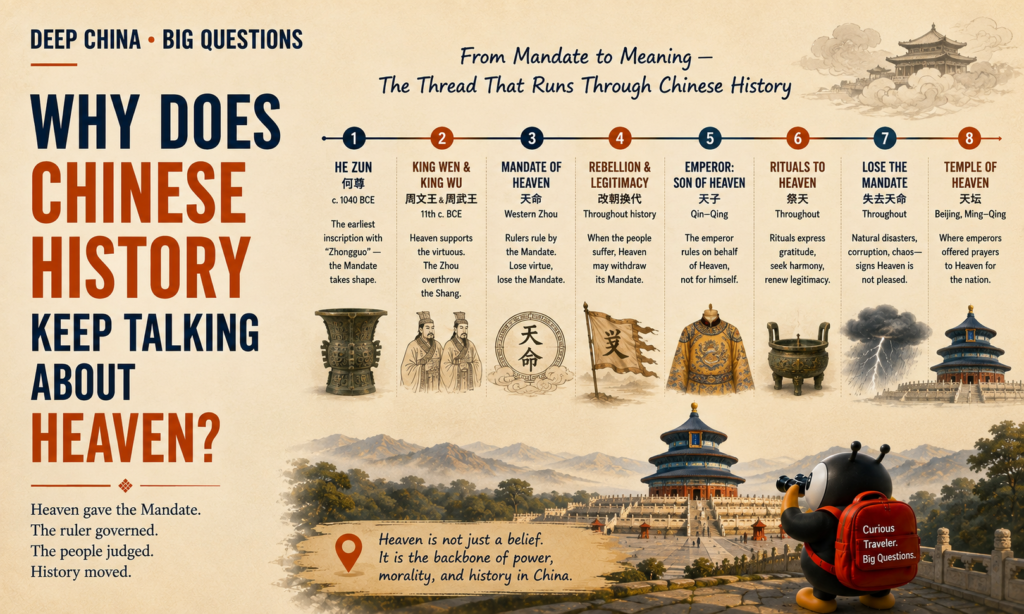
Remember one simple chain:
Heaven (天, Tiān)
↓
Mandate of Heaven (天命, Tiānmìng)
↓
Son of Heaven (天子, Tiānzǐ)
↓
emperor (皇帝, huángdì)
↓
ritual (礼 / 祭祀, lǐ / jìsì)
↓
Temple of Heaven (天坛, Tiāntán).
🔥
That’s enough to transform your visit.
1. At the Temple of Heaven: Don’t See Only the Blue Building
Of course, photograph:
Hall of Prayer for Good Harvests (祈年殿, Qínián Diàn).
It’s magnificent.
But remember what the name actually says.
祈 — qí
pray
年 — nián
year / harvest in this historical context
殿 — diàn
hall
This was connected with imperial prayers for:
good harvests (丰收, fēngshōu).
Now ask:
Why was the emperor responsible for this?
Because imperial rulership wasn’t understood purely as:
administration.
It also carried:
ritual responsibilities.
🔥
The emperor wasn’t simply China’s:
“ancient CEO.”
😂
He was also:
Son of Heaven (天子).
2. Look for Heaven and Earth
As you explore the Temple of Heaven, remember two of the simplest Chinese characters you’ll ever learn:
天 — tiān — Heaven
and:
地 — dì — Earth.
Traditional cosmological ideas connected:
Heaven (天)
Earth (地)
and:
human beings (人, rén).
This gives us another famous Chinese expression:
Heaven, Earth and Humanity (天地人, Tiān-Dì-Rén).
🔥
You don’t need to become an expert in Chinese cosmology.
Just understand that imperial ritual existed within a worldview connecting:
political order
with:
a larger cosmic order.
Now the Temple of Heaven makes much more sense.
3. Then Remember Zhou
This is the most important historical handrail.
When you encounter:
Mandate of Heaven (天命, Tiānmìng)
think:
Zhou dynasty (周朝, Zhōu Cháo).
The Zhou overthrow the:
Shang dynasty (商朝, Shāng Cháo)
↓
the new ruling house needs:
legitimacy (合法性, héfǎxìng)
↓
the political language of:
Heaven’s Mandate (天命)
helps explain why legitimate authority could pass from one ruling house to another.
🔥
That’s why Dad & Elaine’s trips to:
Zhouyuan (周原, Zhōuyuán)
Zhougong Temple (周公庙, Zhōugōng Miào)
and:
Baoji (宝鸡, Bǎojī)
matter.
These aren’t merely:
“obscure ancient places Dad somehow persuaded Elaine to visit.”
😂
They take us physically closer to the historical world in which some of the most enduring ideas in Chinese political thought developed.
🐇 And This Is Where the First Trip Creates the Next One
Your first China trip probably includes:
Beijing.
You visit:
Temple of Heaven (天坛).
Then you learn:
Son of Heaven (天子)
↓
Mandate of Heaven (天命)
↓
Zhou dynasty (周朝)
↓
Duke of Zhou (周公)
↓
Zhouyuan (周原)
↓
Baoji (宝鸡).
🐇🐇🐇
Suddenly places you’ve never heard of have acquired:
meaning.
That’s the sting.
🐞
4. Then Look at the Forbidden City Again
Course 4 taught us to read:
Forbidden City (故宫, Gùgōng)
through:
axis (中轴线),
hierarchy (等级),
ritual (礼),
and:
order (秩序).
Now Course 5 adds another layer.
The man occupying the center of that imperial world was:
the emperor (皇帝)
and also:
the Son of Heaven (天子).
🔥
So:
Forbidden City
and:
Temple of Heaven
aren’t two unrelated Beijing attractions.
One helps you understand:
imperial political order.
The other helps you understand:
imperial ritual and legitimacy.
Same emperor.
Different responsibilities.
🌶️ And Remember the Mongol and Manchu Question
This is one detail worth carrying home.
The:
Yuan dynasty (元朝, Yuán Cháo)
was established by:
Mongols (蒙古人, Měnggǔrén).
Later, the:
Qing dynasty (清朝, Qīng Cháo)
was established by:
Manchus (满洲人, Mǎnzhōurén).
Yet these rulers entered Chinese imperial history and participated, in different ways, in established languages and institutions of imperial legitimacy.
Qing emperors ruled from:
the Forbidden City
and performed imperial rituals at:
the Temple of Heaven.
🔥
So if you arrived thinking:
“Chinese emperor = ethnically Han Chinese ruler.”
Chinese history has already complicated that picture.
🐇
And that’s another rabbit hole waiting for you.
🐞 Final Sting
You entered the Temple of Heaven thinking:
“Beautiful blue building.”
Now:
Heaven (天)
↓
Earth (地)
↓
Heaven, Earth and Humanity (天地人)
↓
Son of Heaven (天子)
↓
Mandate of Heaven (天命)
↓
virtue (德)
↓
ritual (礼)
↓
Shang (商)
↓
Zhou (周)
↓
Duke of Zhou (周公)
↓
Zhouyuan (周原)
↓
Baoji (宝鸡)
↓
Mongols → Yuan (元)
↓
Manchus → Qing (清)
↓
back to the Temple of Heaven (天坛).
😬
That’s quite a lot hiding behind one Beijing photograph.
😂
ChinaTravelBUG’s Take
When you visit the Temple of Heaven, don’t worry about becoming an expert in:
Chinese philosophy (中国哲学, Zhōngguó zhéxué).
You don’t need to.
Just ask:
Why was the emperor here?
That one question gives you a key to:
Heaven (天),
imperial legitimacy,
dynastic change,
ritual,
agriculture,
the Zhou dynasty
and:
the role of the emperor himself.
🔥
And the next time somebody says:
“The emperor lost the Mandate of Heaven.”
you won’t simply nod politely while wondering what on earth they’re talking about.
😂
You’ll have a coat rack.
And perhaps you’ll remember that the story didn’t begin with the beautiful blue building in Beijing.
It led Dad & Elaine all the way back to:
Zhouyuan (周原)
and:
Baoji (宝鸡).
🐇
One famous place.
One bigger question.
Several thousand years of Chinese history suddenly make a little more sense.
That’s the Michelin effect.
🐞🐇🔥
See the place. Ask the bigger question. Understand China better.
🐇 Go Deeper: The Next Big Question
If Heaven could give rulers legitimacy—and take it away—China could change rulers and dynasties. Then one ruler changed the political map itself.
Read next: Michelin Course 6: What Did Qin Shi Huang Actually “Unify”?