Don’t Just Pass Through Shanxi’s Capital — Use Taiyuan (太原, Tàiyuán) as Your Base
Most first-time international travelers planning China know:
Beijing (北京, Běijīng).
Xi’an (西安, Xī’ān).
Maybe:
Pingyao (平遥, Píngyáo).
But then Dad says:
Taiyuan (太原, Tàiyuán).
And the understandable response is:
“Where?”
😂
Fair question.
Because Taiyuan (太原, Tàiyuán) isn’t the city Dad expects most first-time international travelers to build their China trip around.
But after Dad & Elaine traveled through:
Shanxi Province (山西省, Shānxī Shěng)
Dad began looking at Taiyuan (太原, Tàiyuán) differently.
Not simply as:
another Chinese provincial capital.
But as:
A BASE FOR OPENING DEEP SHANXI.
🔥
And before Dad tells you why…
let’s find ourselves on the map.
📍 First — Where Exactly Is Taiyuan (太原, Tàiyuán)?
Taiyuan (太原, Tàiyuán) is the capital of:
Shanxi Province (山西省, Shānxī Shěng)
in northern China.
And this first map isn’t something Dad downloaded later while writing this article.
It came directly from:
DAD’S PHONE.
On:
22 OCTOBER 2023.
This was where we actually were.
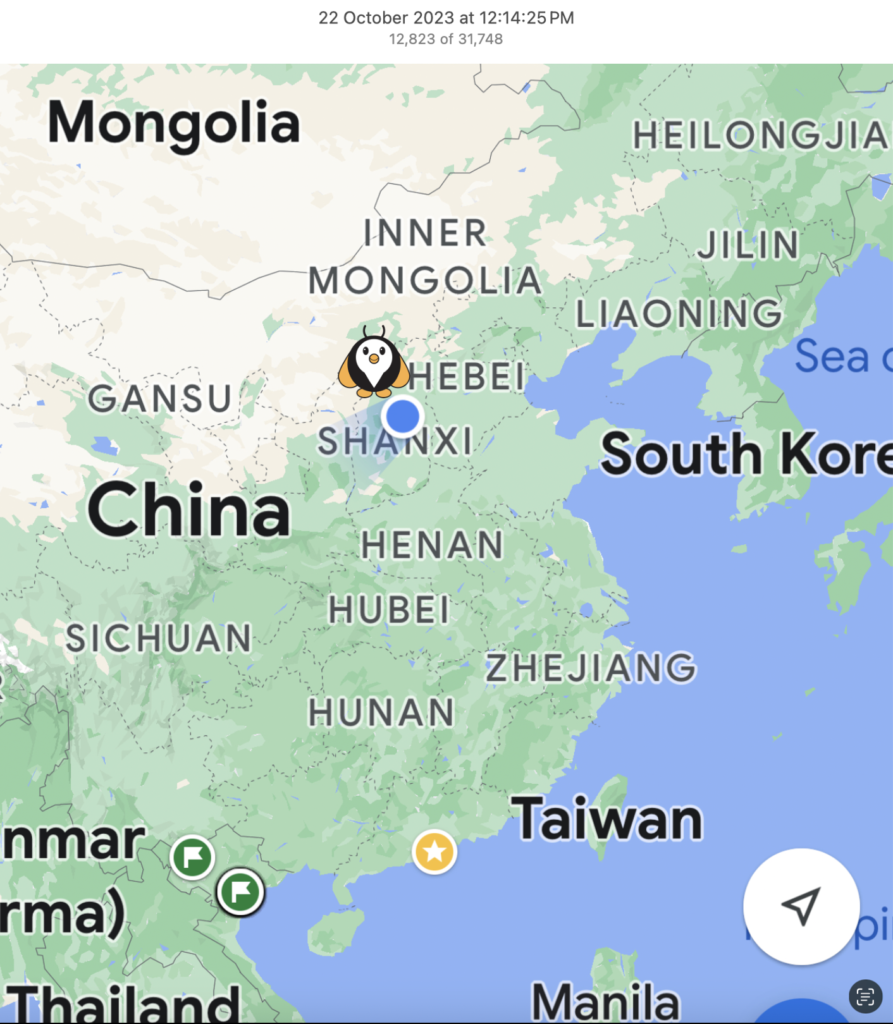
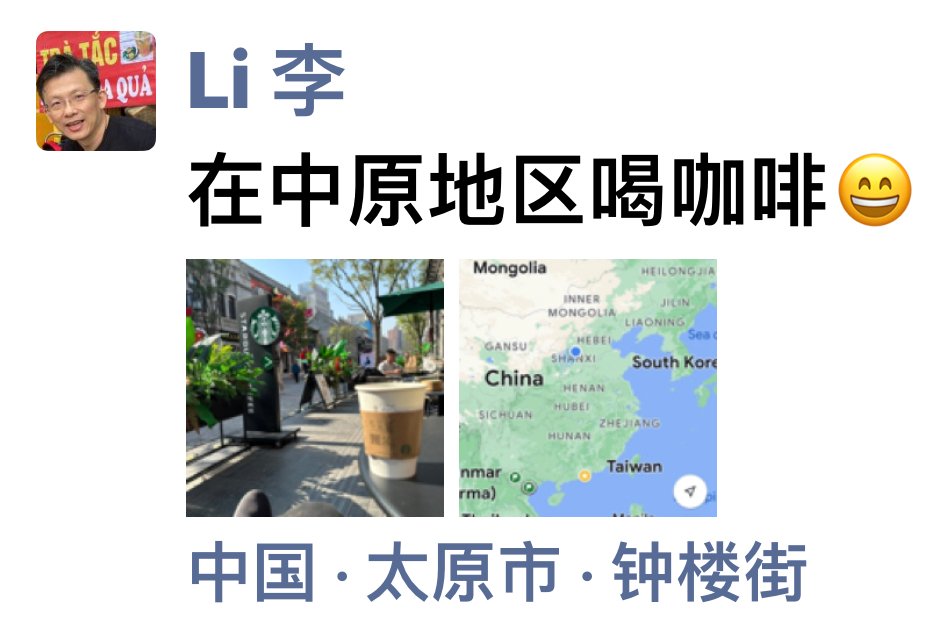
📸 Dad’s phone screenshot from 22 October 2023, showing where Dad, Elaine — and Cheers 🐧 — were in Shanxi Province (山西省, Shānxī Shěng). We kept the original travel screenshot because it helps international travelers see where Taiyuan (太原, Tàiyuán) sits within China.
And yes…
CHEERS WAS THERE TOO.
😂🐧
Look around our location.
You can see:
Hebei Province (河北省, Héběi Shěng) to the east,
Inner Mongolia Autonomous Region (内蒙古自治区, Nèi Měnggǔ Zìzhìqū) to the north,
and:
Henan Province (河南省, Hénán Shěng) to the south.
Zoom farther out and you start to understand something important.
Dad & Elaine weren’t visiting an isolated attraction somewhere in the middle of nowhere.
We were sitting inside a huge historical landscape.
🧠 Dad’s First Handrail — Don’t Think “Taiyuan Attraction”
Think:
TAIYUAN (太原, Tàiyuán) = BASE.
🔥
That’s the key to this article.
Dad isn’t trying to convince you that Taiyuan (太原, Tàiyuán) should replace:
Beijing (北京, Běijīng)
or:
Xi’an (西安, Xī’ān).
Different job.
Think of:
Beijing (北京, Běijīng)
as one major China gateway.
Think of:
Xi’an (西安, Xī’ān)
as another.
Then think of:
Taiyuan (太原, Tàiyuán)
as the city that can help you:
OPEN SHANXI (山西省, SHĀNXĪ SHĚNG).
🐇🔥
🗺️ Now Zoom In — This Is Why Taiyuan (太原, Tàiyuán) Works as a Base
The first map showed:
WHERE DAD & ELAINE WERE.
Now look at the regional map.
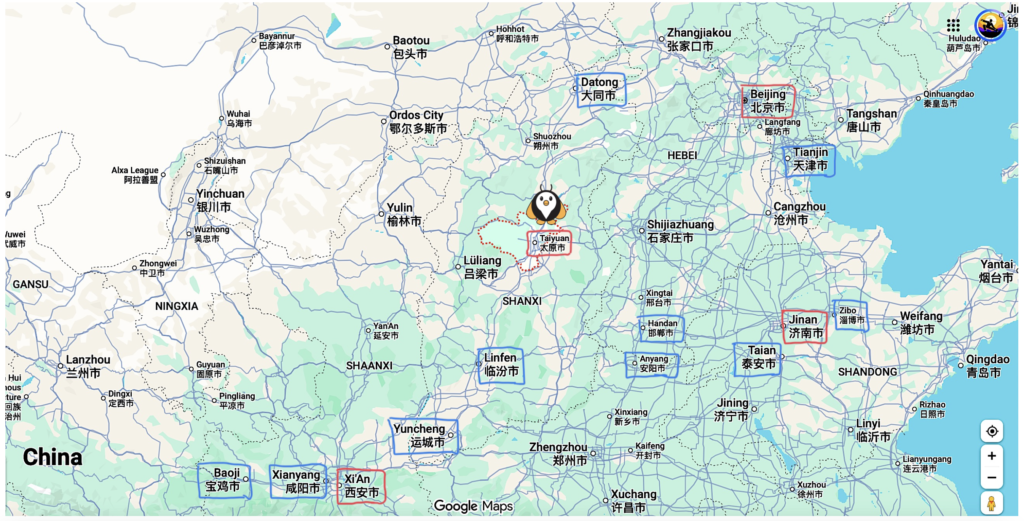
📍 Taiyuan (太原, Tàiyuán) in regional context. The map helps show why Dad & Elaine used Shanxi’s capital as a base — with Beijing (北京, Běijīng), Datong (大同, Dàtóng) and Xi’an (西安, Xī’ān) all visible within the wider northern China travel picture.
Now the geography becomes much easier.
Look northeast.
Datong (大同, Dàtóng).
Look farther east.
Beijing (北京, Běijīng).
Look southwest.
Xi’an (西安, Xī’ān).
And sitting between these larger travel worlds is:
Taiyuan (太原, Tàiyuán).
🔥
So Dad doesn’t want international travelers looking at Taiyuan (太原, Tàiyuán) and asking only:
“What attractions are inside Taiyuan?”
Ask:
“WHERE CAN TAIYUAN TAKE ME?”
That is the better question.
🚄 Taiyuan (太原, Tàiyuán) Is Easier to Reach Than Many Travelers Realize
If you’re already traveling around China by:
high-speed rail (高铁, Gāotiě),
look for:
Taiyuan South Railway Station (太原南站, Tàiyuán Nánzhàn).
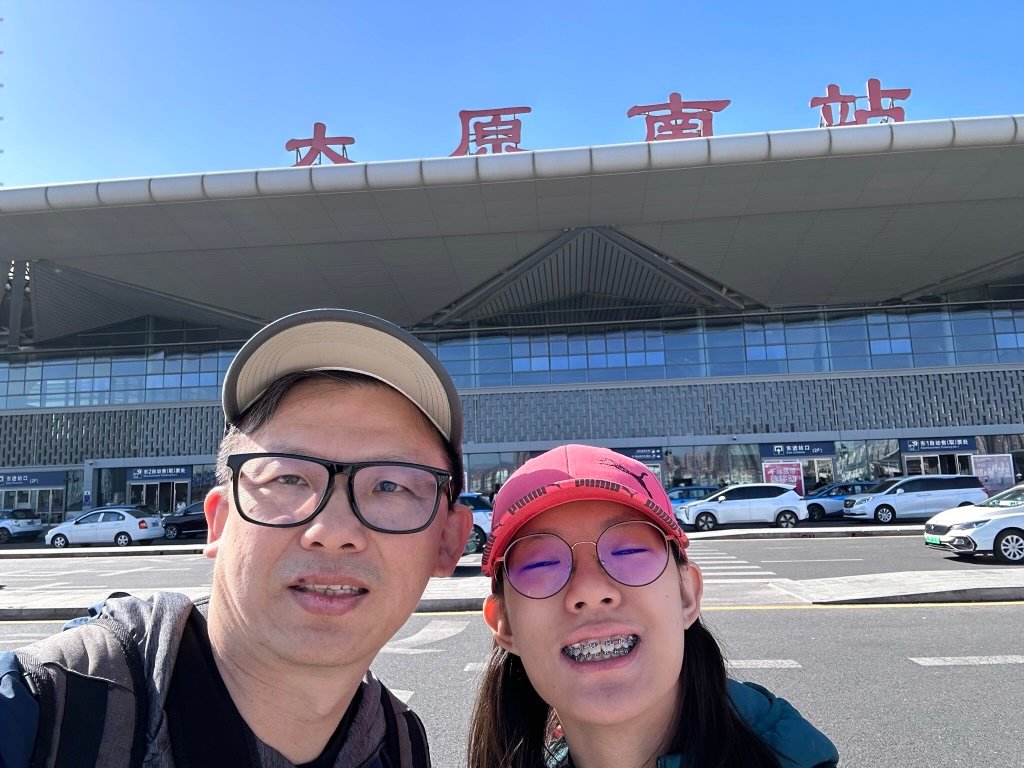
This is the city’s major high-speed rail gateway.
Depending on your wider itinerary, Taiyuan (太原, Tàiyuán) can fit naturally into a journey involving:
Beijing (北京, Běijīng),
Xi’an (西安, Xī’ān),
or other cities connected through China’s rail network.
So before deciding:
“Shanxi Province (山西省, Shānxī Shěng) sounds difficult.”
Dad’s advice is:
CHECK THE TRAINS FIRST.
😂
Once you reach Taiyuan (太原, Tàiyuán), the province becomes much easier to organize.
🐇 Planning Your First Trip to China? Start Here →
🏨 This Is What Dad & Elaine Actually Did
We used:
Taiyuan (太原, Tàiyuán)
as our anchor.
That meant we could:
stay in a comfortable city hotel,
leave some luggage,
use rail connections,
arrange local transport,
explore places around Taiyuan,
and:
head deeper into Shanxi Province (山西省, Shānxī Shěng).
Then return.
🔥
That saved Dad from:
pack → move → unpack → pack → move → unpack…
😂
But more importantly…
it allowed our Shanxi journey to develop in:
LAYERS.
🏛️ Start With Shanxi Museum (山西博物院, Shānxī Bówùyuàn) + Jinci (晋祠, Jìncí)
If Dad were introducing an international traveler to Shanxi Province (山西省, Shānxī Shěng)…
this is one of his favorite starting combinations.
First:
Shanxi Museum (山西博物院, Shānxī Bówùyuàn).
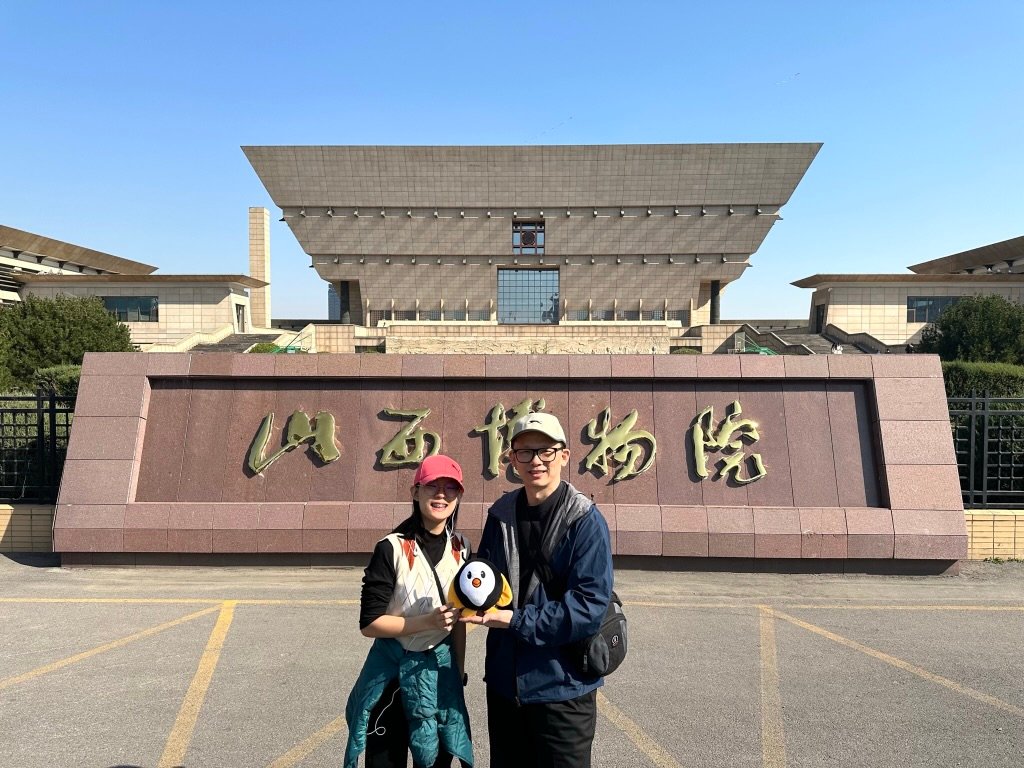
There Dad & Elaine encountered:
State of Jin (晋国, Jìnguó),
Tang Shuyu (唐叔虞, Táng Shūyú),
ancient bronzes,
and:
Bird-Shaped Zun Vessel (鸟尊, Niǎo Zūn).
The museum begins installing:
THE COAT RACK.
Then go to:
Jinci (晋祠, Jìncí).
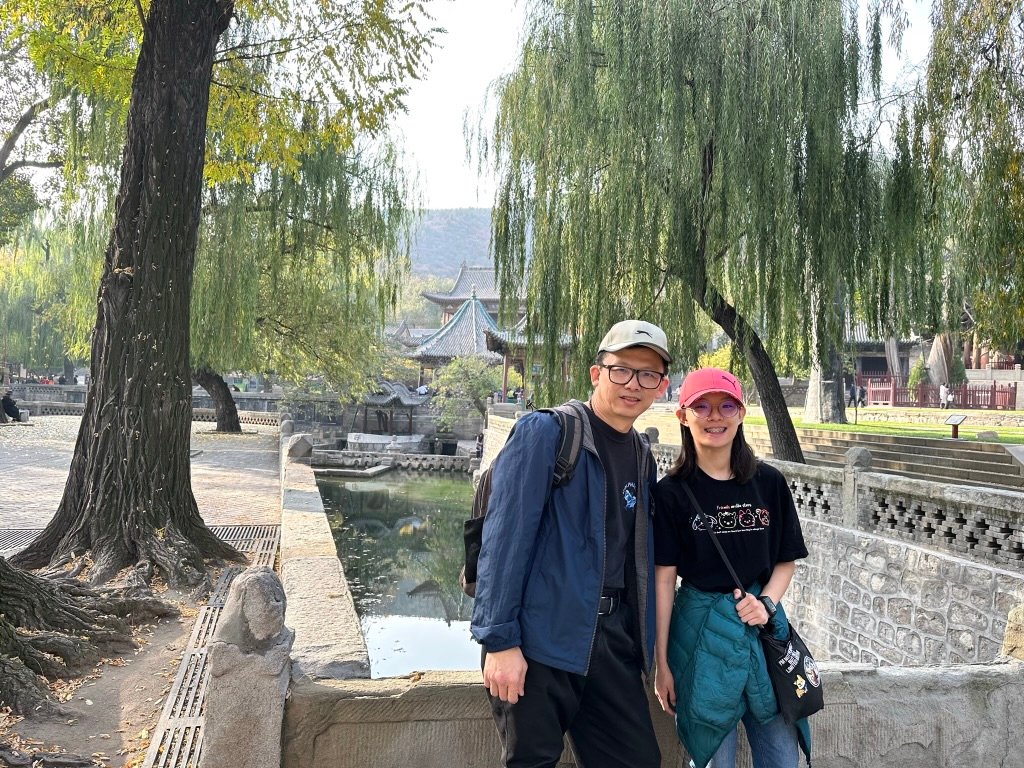
And suddenly some of that history gets:
A PLACE.
🔥
At Jinci (晋祠, Jìncí), you can encounter:
historical memory reaching back roughly 3,000 years,
Zhou Cypress (周柏, Zhōubǎi) — traditionally said to be around 3,000 years old,
Hall of the Holy Mother (圣母殿, Shèngmǔ Diàn) — major Northern Song Dynasty (北宋, Běi Sòng) wooden architecture,
extraordinary Song Dynasty painted attendant sculptures (宋代侍女彩塑, Sòngdài Shìnǚ Cǎisù),
Fish Pond Flying Bridge (鱼沼飞梁, Yúzhǎo Fēiliáng),
and:
Never-Aging Spring (难老泉, Nánlǎo Quán).
So don’t think:
“Jinci = ancient history lesson.”
It also gives you:
ART + ARCHITECTURE + ANCIENT TREES + WATER + GARDEN CULTURE.
🐇 DEEP China: Jinci (晋祠, Jìncí) — Where the Story of Jin (晋, Jìn) Begins →
🍶 Then Taste Shanxi (山西省, Shānxī Shěng)
Dad doesn’t want your Taiyuan (太原, Tàiyuán) experience to become:
bronze → dynasty → museum → temple → dynasty.
😂
Shanxi has another famous obsession:
VINEGAR.
Specifically:
Shanxi Mature Vinegar (山西老陈醋, Shānxī Lǎochéncù).
Dad & Elaine visited a:
vinegar factory (醋厂, Cùchǎng)
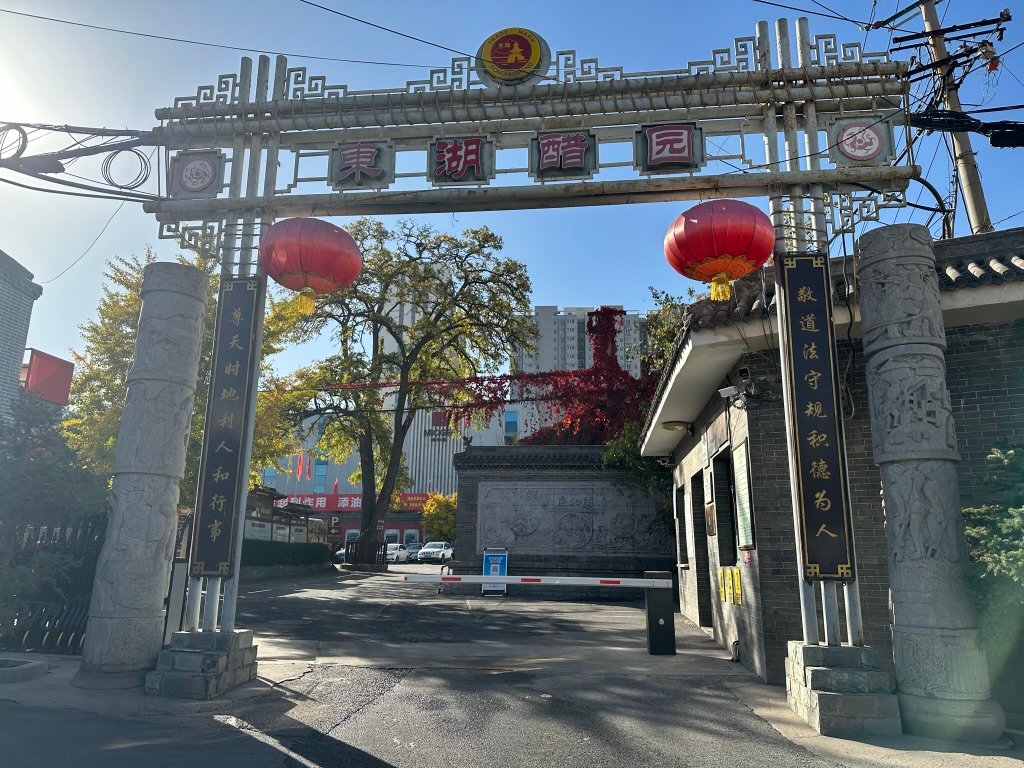
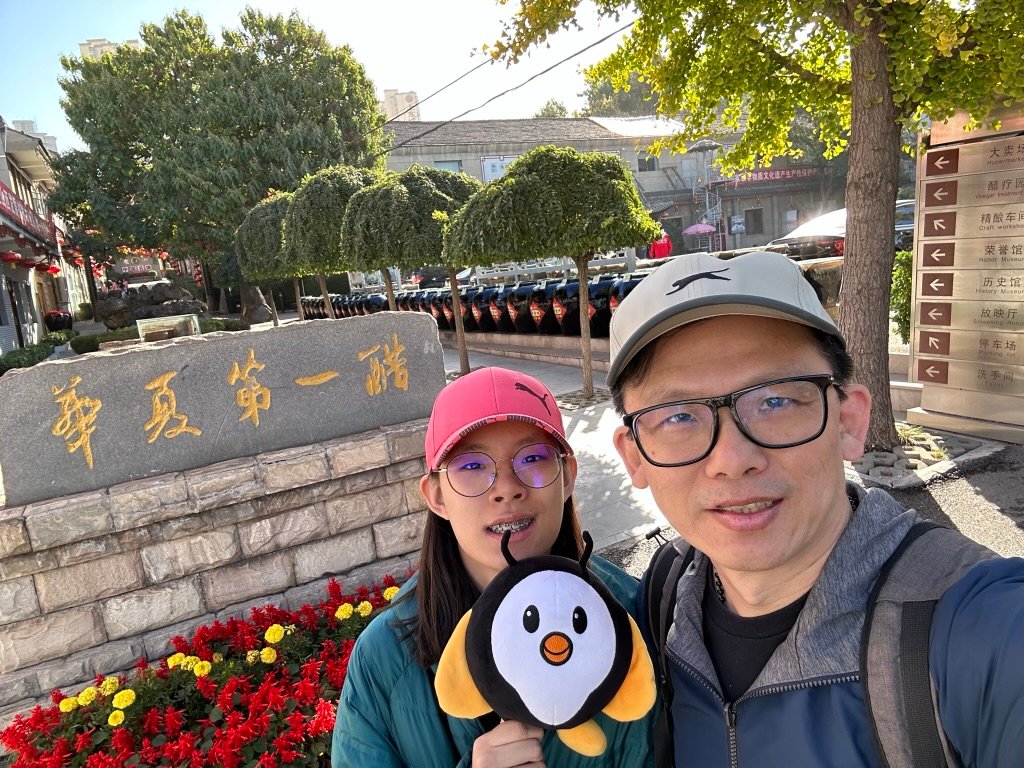
and learned about:
fermentation,
aging,
production,
and:
why vinegar occupies such a special place in Shanxi food culture.
Then naturally…
Dad needed noodles.
😂
That’s another way into a place.
Not:
HISTORY.
But:
TASTE.
🔥
🏘️ Then Use Taiyuan (太原, Tàiyuán) to Reach Pingyao (平遥, Píngyáo)
Another obvious extension is:
Ancient City of Pingyao (平遥古城, Píngyáo Gǔchéng).
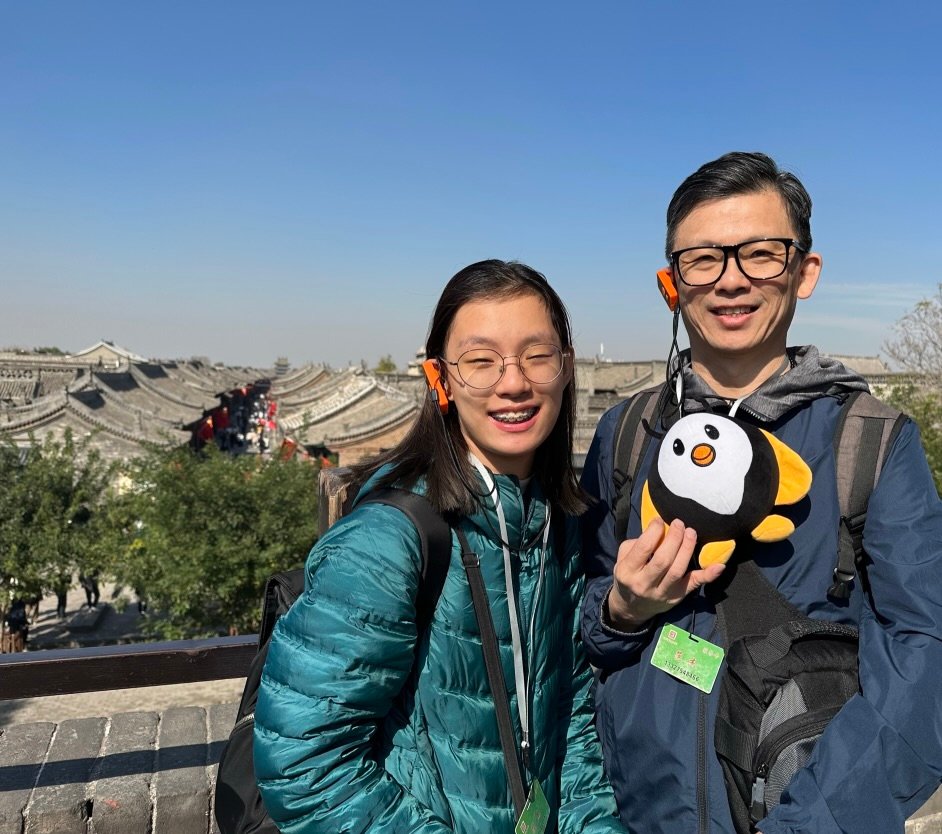
From Taiyuan (太原, Tàiyuán), Pingyao (平遥, Píngyáo) can work as a:
day trip,
or — Dad’s preference —
ONE-NIGHT SIDE TRIP.
If your itinerary allows, stay overnight.
After many day visitors leave…
walk the old streets again.
And don’t see only:
wall + lantern + old street.
Look for:
local government,
Confucian education,
religious life,
Shanxi merchants (晋商, Jìnshāng),
and:
draft banks (票号, Piàohào).
Now our Taiyuan (太原, Tàiyuán) base has already opened:
ANCIENT JIN
↓
SONG ART + ARCHITECTURE
↓
SHANXI FOOD CULTURE
↓
MERCHANT CHINA.
And Dad hasn’t even taken you north yet.
😂🐇
🚌 Because This Is Where Taiyuan (太原, Tàiyuán) Really Became Our Gateway
Dad & Elaine then used:
Taiyuan (太原, Tàiyuán)
as the starting point for a:
3-DAY / 2-NIGHT NORTHERN SHANXI LOOP.
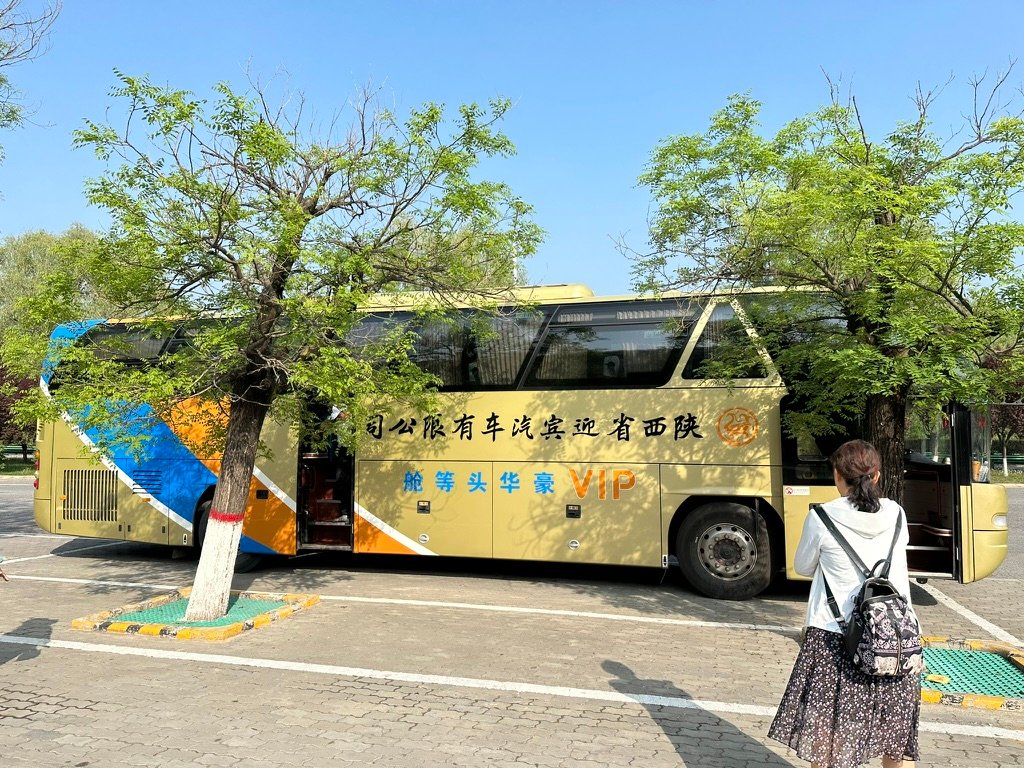
That journey took us into completely different historical and cultural worlds:
Yanmenguan Pass (雁门关, Yànménguān)
→ frontier China
Mount Wutai (五台山, Wǔtái Shān)
→ Buddhist sacred geography
Yingxian Wooden Pagoda (应县木塔, Yìngxiàn Mùtǎ)
→ extraordinary timber architecture
Hanging Temple (悬空寺, Xuánkōng Sì)
→ architecture on a cliff
Yungang Grottoes (云冈石窟, Yúngāng Shíkū)
→ Buddhism + Northern Wei Dynasty (北魏, Běi Wèi) + Xianbei people (鲜卑, Xiānbēi).
🔥
That’s when Dad finally understood what Taiyuan (太原, Tàiyuán) was doing for us.
It wasn’t simply:
A PLACE WE WERE STAYING.
It was:
THE LAUNCHPAD.
🐇 DEEP China: The Shanxi History Tasting Menu — Travel Through Layers of Chinese History →
And that’s where we’re going next.
🚌 From Taiyuan (太原, Tàiyuán) — Then We Went North
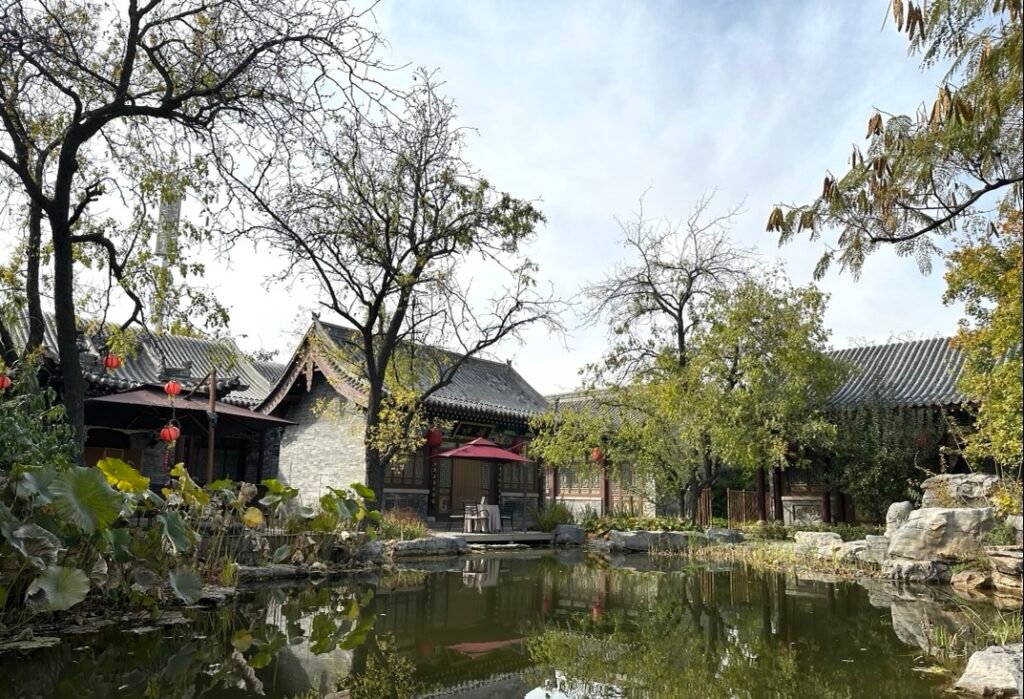
This was where using:
Taiyuan (太原, Tàiyuán)
as our base really paid off.
Dad & Elaine joined a:
3-DAY / 2-NIGHT NORTHERN SHANXI LOOP.
We left some luggage behind in Taiyuan (太原, Tàiyuán) and headed north.
And what surprised Dad was how quickly:
THE CHINA KEPT CHANGING.
😂
One stop was about:
frontier defense.
Another:
Buddhism.
Another:
wooden architecture.
Another:
non-Han dynasties.
Another:
cultural exchange across Asia.
Same:
Shanxi Province (山西省, Shānxī Shěng).
Completely different historical doors.
🧱 Yanmenguan Pass (雁门关, Yànménguān) — The Wild Goose Gate and the Real Story of China’s Great Wall →
At:
Yanmenguan Pass (雁门关, Yànménguān)
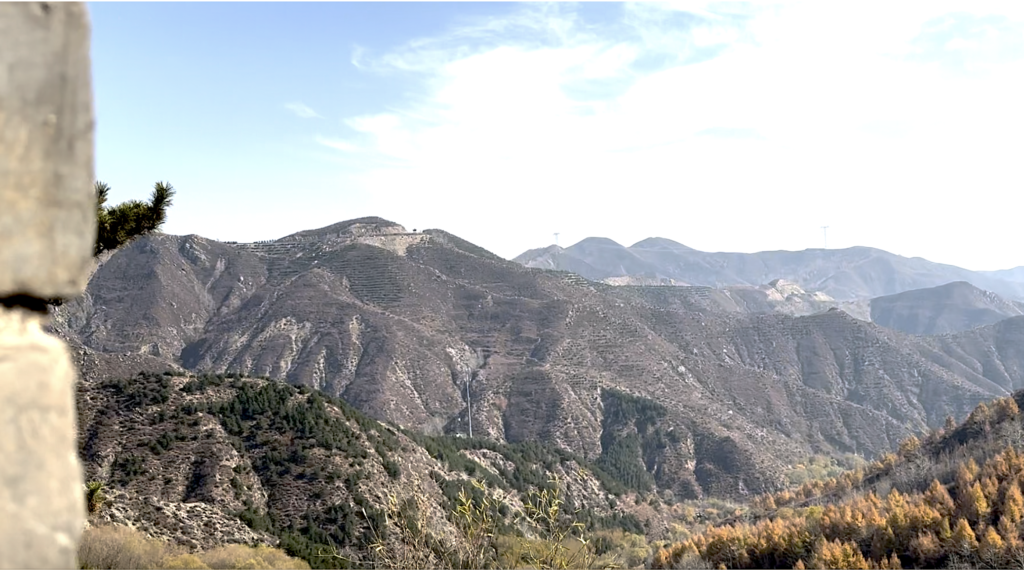
Dad’s question wasn’t simply:
“How old is this wall?”
Look at the:
mountains,
valleys,
pass,
and:
routes through the landscape.
Then ask:
“WHY DID ARMIES NEED TO CONTROL THIS PARTICULAR PLACE?”
🔥
Now the wall makes sense because:
THE GEOGRAPHY MAKES SENSE.
And another assumption starts wobbling.
The northern frontier wasn’t simply:
China on this side. Everybody else on that side.
People crossed these landscapes.
Soldiers.
Traders.
Envoys.
Pastoral peoples.
Ideas.
Sometimes:
WAR.
Sometimes:
EXCHANGE.
That’s why Dad thinks Yanmenguan Pass (雁门关, Yànménguān) is such a useful place for international travelers who want to understand what China’s northern walls were actually trying to do.
🙏 Mount Wutai (五台山, Wǔtái Shān) — Why This Mountain Became Sacred Across the Buddhist World →
Then Dad & Elaine reached:
Mount Wutai (五台山, Wǔtái Shān).
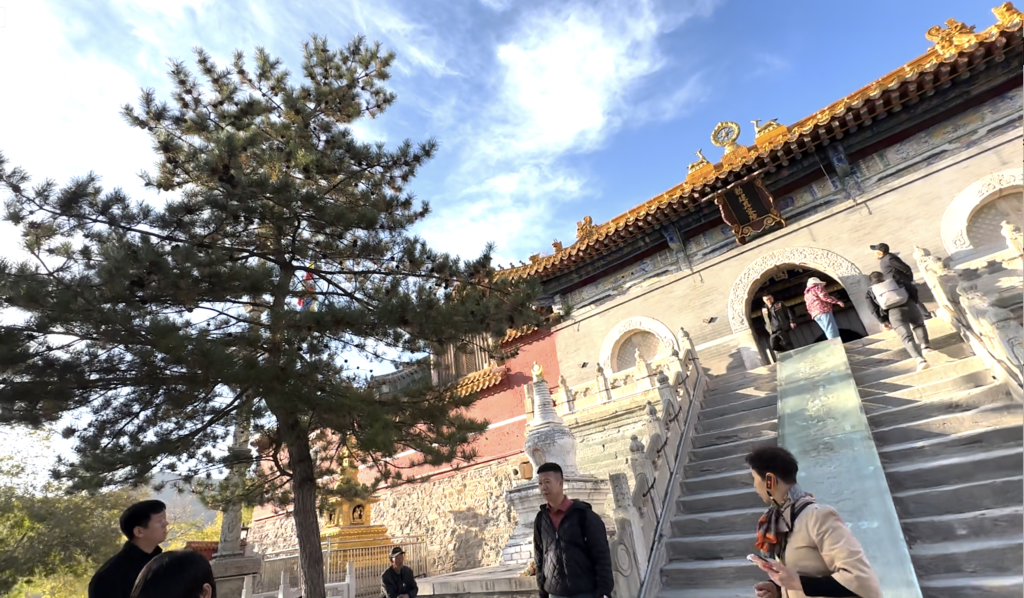
Forget military passes.
Now we’re inside:
A SACRED LANDSCAPE.
Think:
Manjusri Bodhisattva (文殊菩萨, Wénshū Púsà),
Wisdom (智慧, Zhìhuì),
temples,
monks,
pilgrims,
and:
Buddhist connections extending far beyond Shanxi.
The better traveler question isn’t:
“How many temples can I visit?”
It’s:
“WHY DID PEOPLE FROM SO MANY DIFFERENT PLACES KEEP COMING BACK TO THIS MOUNTAIN?”
🔥
Same province.
Completely different China.
🏯 Hanging Temple (悬空寺, Xuánkōng Sì) & Yingxian Wooden Pagoda (应县木塔, Yìngxiàn Mùtǎ) — Two Impossible Survivors of Northern Shanxi →
Then Dad’s architecture brain wakes up.
😂
First:
Yingxian Wooden Pagoda (应县木塔, Yìngxiàn Mùtǎ).
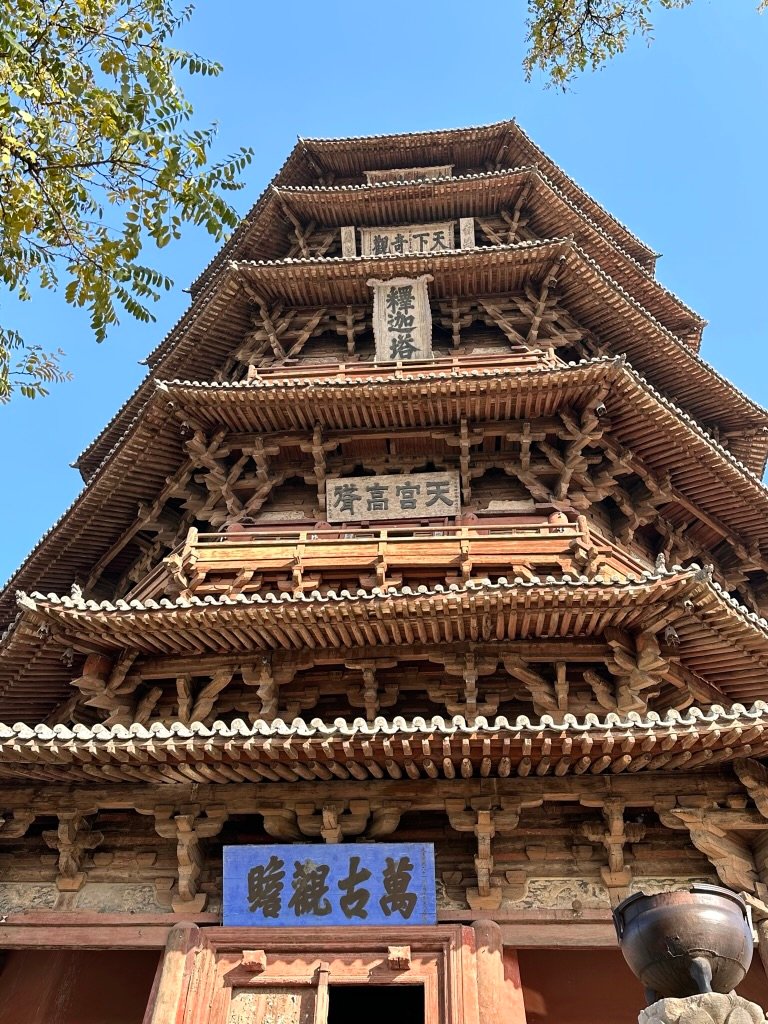
Look at:
timber,
structural layers,
dougong brackets (斗拱, Dǒugǒng),
and:
how an enormous wooden structure survived for centuries.
Now another historical layer appears:
Liao Dynasty (辽朝, Liáo Cháo)
and:
Khitan people (契丹, Qìdān).
🔥
Another useful reminder:
CHINESE HISTORY WAS NOT ONLY A STORY OF HAN CHINESE DYNASTIES.
Then:
Hanging Temple (悬空寺, Xuánkōng Sì).
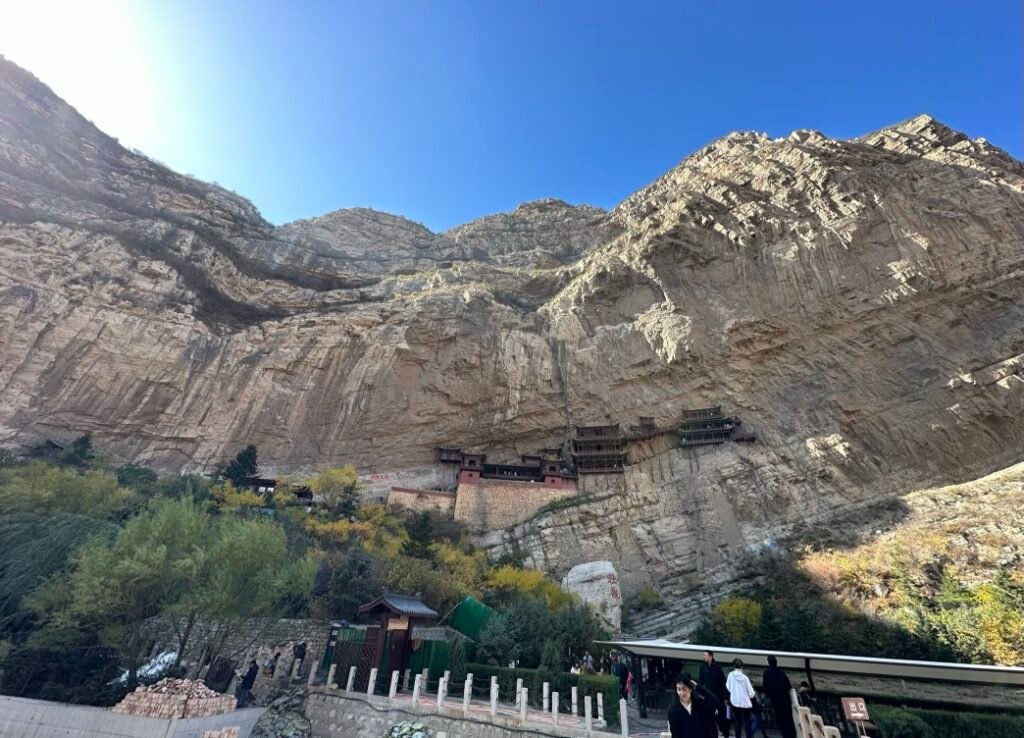
And history isn’t even Dad’s first question.
😂
It’s:
“HOW IS THAT BUILDING HANGING ON THE CLIFF?”
Look at:
cliff placement,
timber,
structural support,
and:
how architecture responds to landscape.
Then ask why anyone chose to build a religious complex:
THERE.
The two sites make a wonderful pair.
One seems to defy:
GRAVITY.
The other seems to defy:
TIME.
🔥
🗿 Yungang Grottoes (云冈石窟, Yúngāng Shíkū) — When the Northern Wei (北魏, Běi Wèi) Carved a New China Into Stone →
Then Dad & Elaine reached:
Yungang Grottoes (云冈石窟, Yúngāng Shíkū)
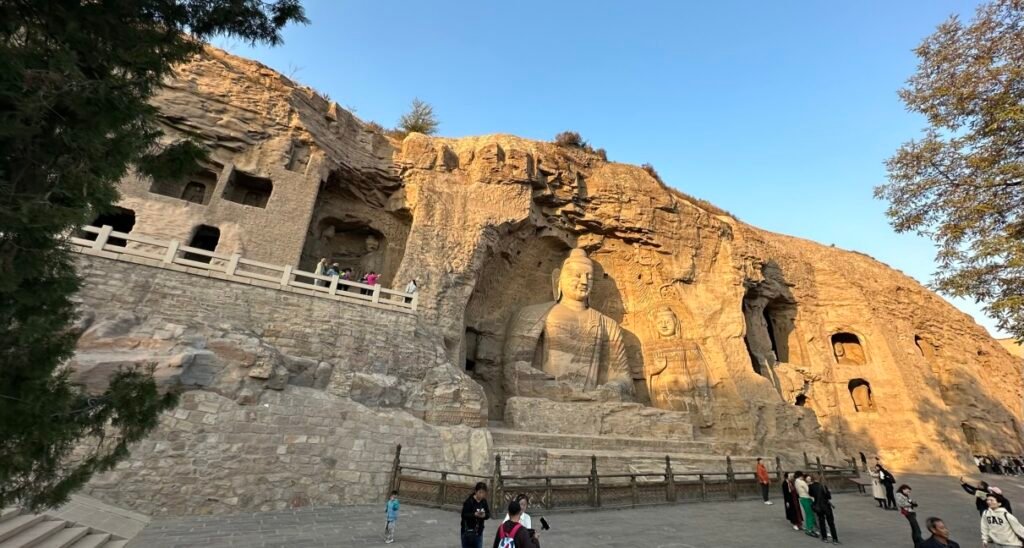
near:
Datong (大同, Dàtóng).
And once again…
THE HISTORICAL WORLD CHANGES.
Now we encounter:
Northern Wei Dynasty (北魏, Běi Wèi),
Xianbei people (鲜卑, Xiānbēi),
Buddhism,
monumental sculpture,
and:
cultural exchange.
Don’t see:
Buddha 1.
Buddha 2.
Buddha 3.
😂
Look at:
faces,
robes,
body forms,
decorative motifs,
and:
changing artistic styles.
Then ask:
“HOW DID A RELIGION THAT BEGAN OUTSIDE CHINA BECOME SO DEEPLY PART OF CHINESE CULTURE?”
🔥
That question is much bigger than one grotto.
🧠 Five Stops — Five Different Questions
This is why Dad doesn’t want international travelers treating our northern Shanxi loop as:
five attractions.
Think:
YANMENGUAN PASS (雁门关, Yànménguān)
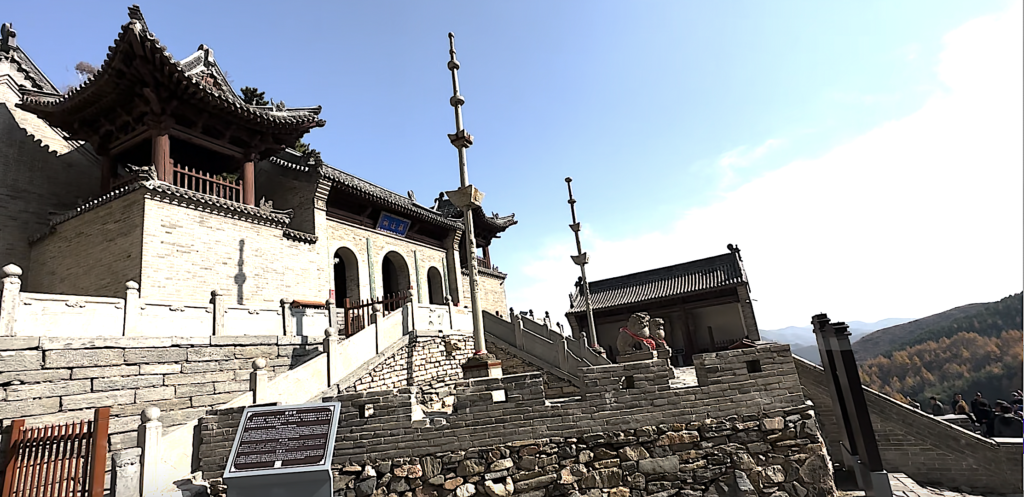
Why does geography matter to frontier defense?
↓
MOUNT WUTAI (五台山, Wǔtái Shān)
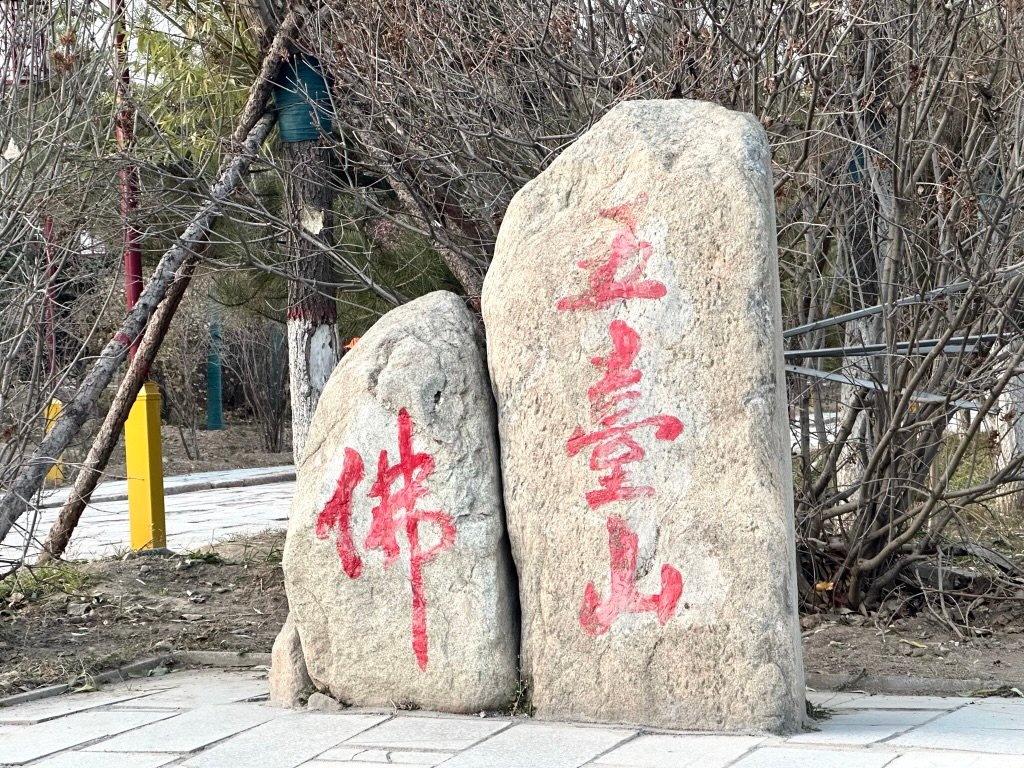
How does a mountain become sacred?
↓
YINGXIAN WOODEN PAGODA (应县木塔, Yìngxiàn Mùtǎ)
How does monumental timber architecture survive?
↓
HANGING TEMPLE (悬空寺, Xuánkōng Sì)
Why build religion into a cliff?
↓
YUNGANG GROTTOES (云冈石窟, Yúngāng Shíkū)
How did Buddhism and different peoples reshape northern China?
🔥
Now the trip has:
QUESTIONS.
Not merely:
STOPS.
⚠️ Don’t Copy Dad’s 3D2N Pace Blindly
Dad & Elaine did these places as part of a:
3-DAY / 2-NIGHT LOOP.
That proves the places can be connected.
It does not mean every traveler should move at exactly our speed.
😂
Especially:
Mount Wutai (五台山, Wǔtái Shān)
can justify considerably more time if you’re interested in:
Buddhism,
pilgrimage,
sacred landscapes,
art,
or:
ancient architecture.
So use Dad’s route as:
A ROUTE IDEA.
Not:
A COMMANDMENT.
😂
Adjust it for:
your interests,
your energy,
and:
how deeply you want to travel.
🗺️ Now Look at Taiyuan (太原, Tàiyuán) Again
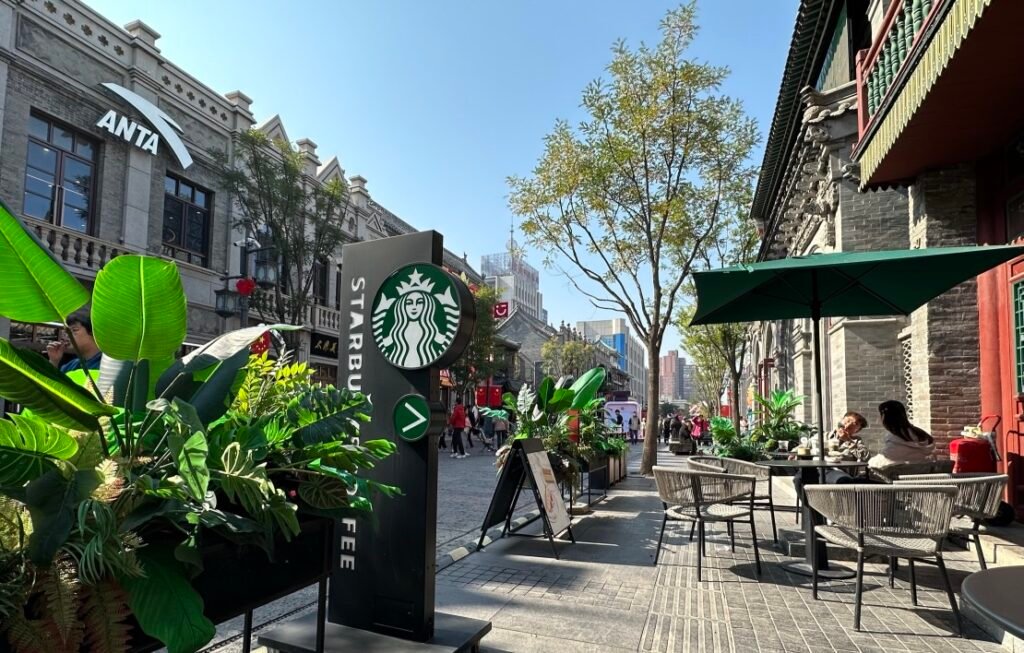
Before this article:
Taiyuan (太原, Tàiyuán)
may have looked like:
“a provincial capital somewhere between Beijing and Xi’an.”
Now look at what Dad & Elaine built around it.
TAIYUAN (太原, Tàiyuán)
BASE
↓
SHANXI MUSEUM (山西博物院, Shānxī Bówùyuàn)
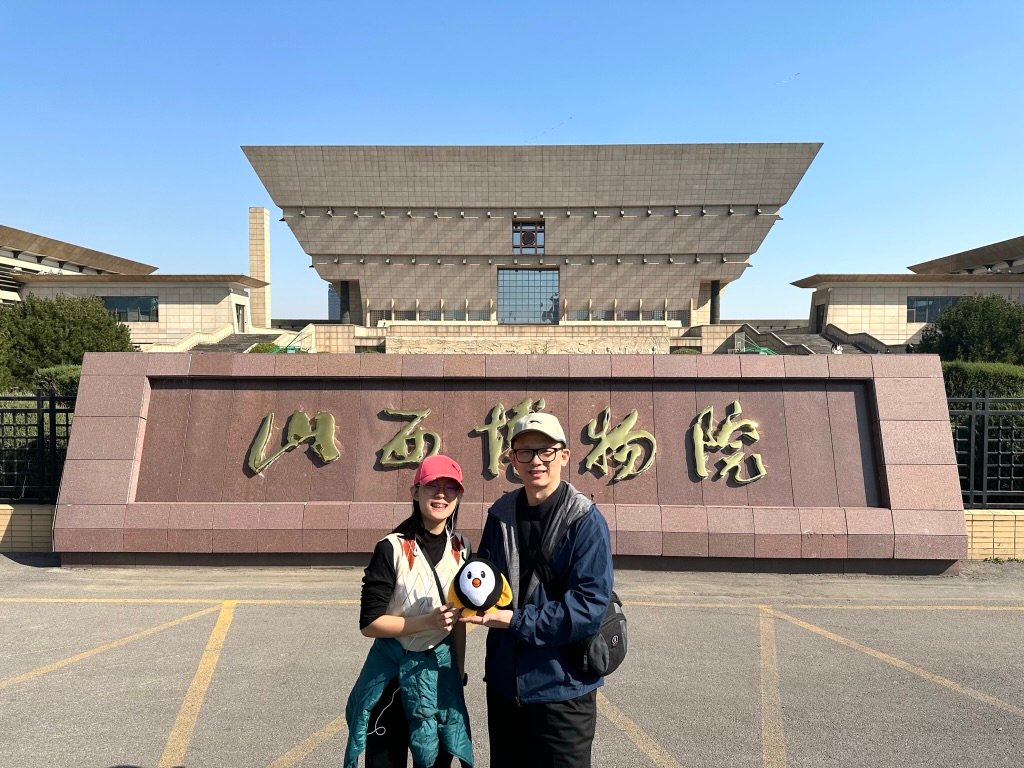
install the Coat Rack
↓
JINCI (晋祠, Jìncí)
Jin + art + architecture + garden
↓
SHANXI MATURE VINEGAR (山西老陈醋, Shānxī Lǎochéncù)
food culture
↓
PINGYAO (平遥, Píngyáo)
merchants + government + walled-city life
↓
NORTHERN SHANXI
frontier + Buddhism + architecture + different peoples
🔥
That’s a much more useful way to think about:
Taiyuan (太原, Tàiyuán).
Not:
“What are the Top 10 Things to Do in Taiyuan?”
But:
“WHAT CAN TAIYUAN HELP ME SEE AND UNDERSTAND?”
🍽️ See How the Whole Province Connects — The Shanxi History Tasting Menu →
By this stage Dad had so many Shanxi rabbits that we needed somewhere to hang them.
😂
So instead of thinking:
attraction → attraction → attraction…
the Shanxi History Tasting Menu organizes the province into historical flavors.
Yungang Grottoes (云冈石窟, Yúngāng Shíkū)
→ Buddhism + Northern Wei Dynasty (北魏, Běi Wèi)
Hanging Temple (悬空寺, Xuánkōng Sì) + Yingxian Wooden Pagoda (应县木塔, Yìngxiàn Mùtǎ)
→ architecture + survival
Yanmenguan Pass (雁门关, Yànménguān)
→ frontier
Jinci (晋祠, Jìncí)
→ memory of Jin
Pingyao (平遥, Píngyáo)
→ commerce + everyday imperial China
🔥
One province.
MULTIPLE CHINAS.
And that’s why Dad thinks:
TAIYUAN (太原, Tàiyuán)
isn’t merely somewhere to sleep.
It is:
A GATEWAY TO DEEP SHANXI.
🏙️ Don’t Use Taiyuan (太原, Tàiyuán) Only as a Hotel
After Dad spends half the article telling you:
“Use Taiyuan (太原, Tàiyuán) as your base!”
there is one danger.
😂
You arrive.
Sleep.
Leave for Jinci (晋祠, Jìncí).
Sleep.
Leave for Pingyao (平遥, Píngyáo).
Sleep.
Leave for northern Shanxi Province (山西省, Shānxī Shěng).
And never actually experience:
TAIYUAN (太原, Tàiyuán).
Don’t do that either.
🏛️ Give Shanxi Museum (山西博物院, Shānxī Bówùyuàn) Proper Time
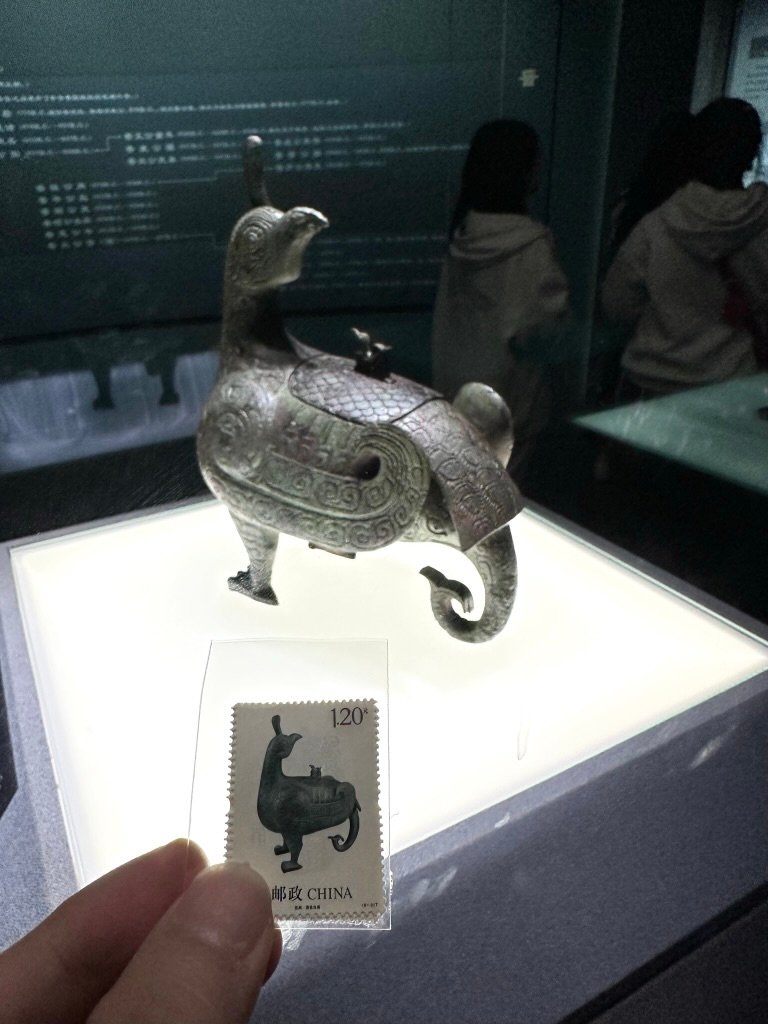
If you’re going deeper into Shanxi Province (山西省, Shānxī Shěng), Dad thinks:
Shanxi Museum (山西博物院, Shānxī Bówùyuàn)
is one of the most useful places to begin.
Don’t treat it as:
“Something to do if it rains.”
😂
This is where Dad & Elaine began seeing connections among:
Western Zhou (西周, Xī Zhōu),
State of Jin (晋国, Jìnguó),
ancient bronzes,
different peoples,
later dynasties,
and:
the historical layers of Shanxi.
Then when you reach places such as:
Jinci (晋祠, Jìncí),
Yungang Grottoes (云冈石窟, Yúngāng Shíkū),
or:
Yingxian Wooden Pagoda (应县木塔, Yìngxiàn Mùtǎ)…
some names are already hanging on the Coat Rack.
🔥
🐇 See Why Jinci (晋祠, Jìncí) Makes the Ancient Story of Jin (晋, Jìn) Physical →
🍜 Then Eat Like You’re in Shanxi (山西省, Shānxī Shěng)
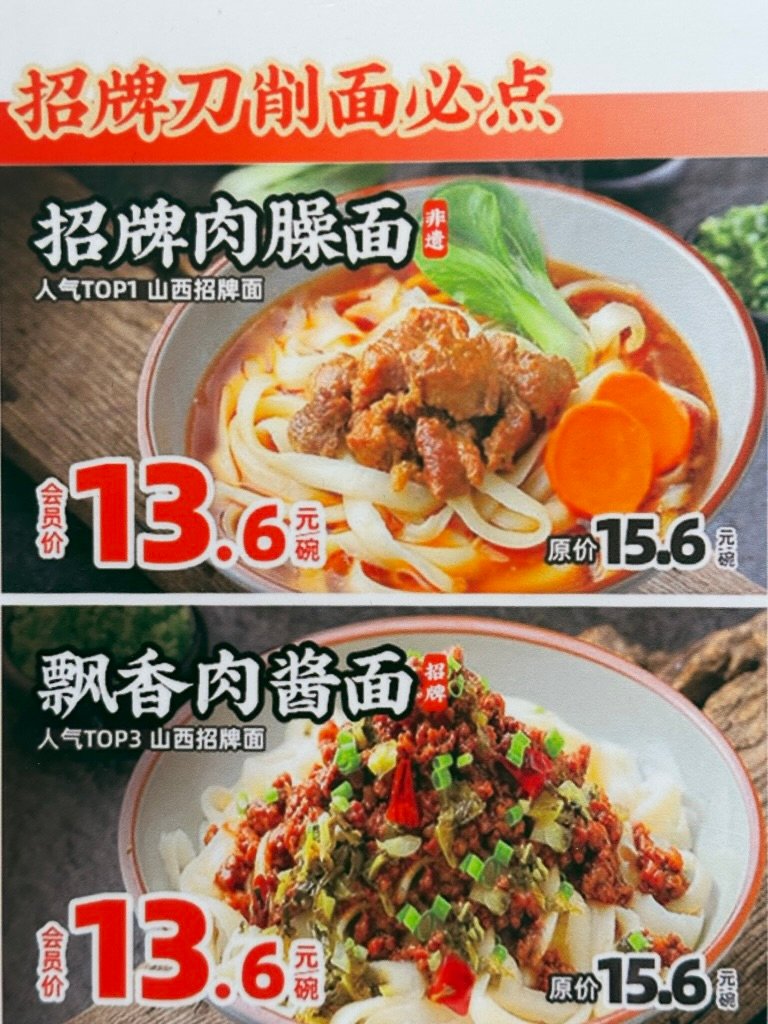
Shanxi is famous for:
NOODLES.
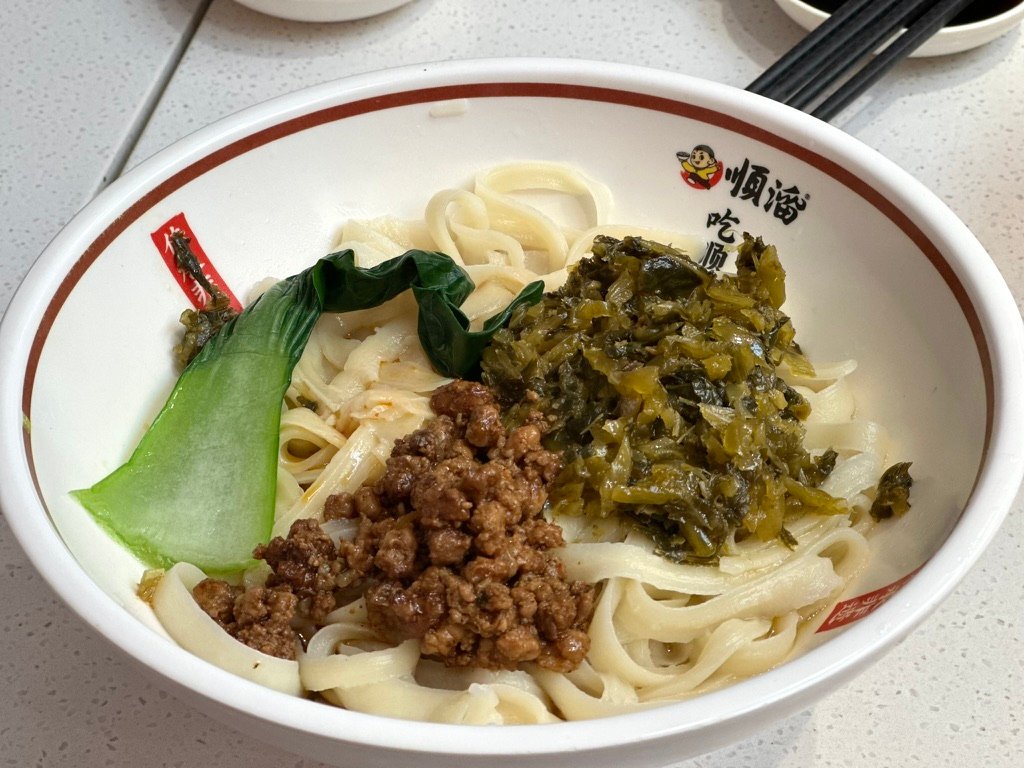
And Dad doesn’t mean:
one noodle dish.
😂
Different shapes.
Different cutting techniques.
Different textures.
Different ways of serving wheat.
Look out for terms such as:
knife-cut noodles (刀削面, Dāoxiāomiàn)
and other local wheat-based noodle traditions.
You don’t need a Michelin-starred restaurant.
Sometimes the better cultural lesson is simply watching:
HOW THE NOODLE IS MADE.
Then eating it.
😂🔥
🍶 And Yes — Shanxi Takes Vinegar Seriously
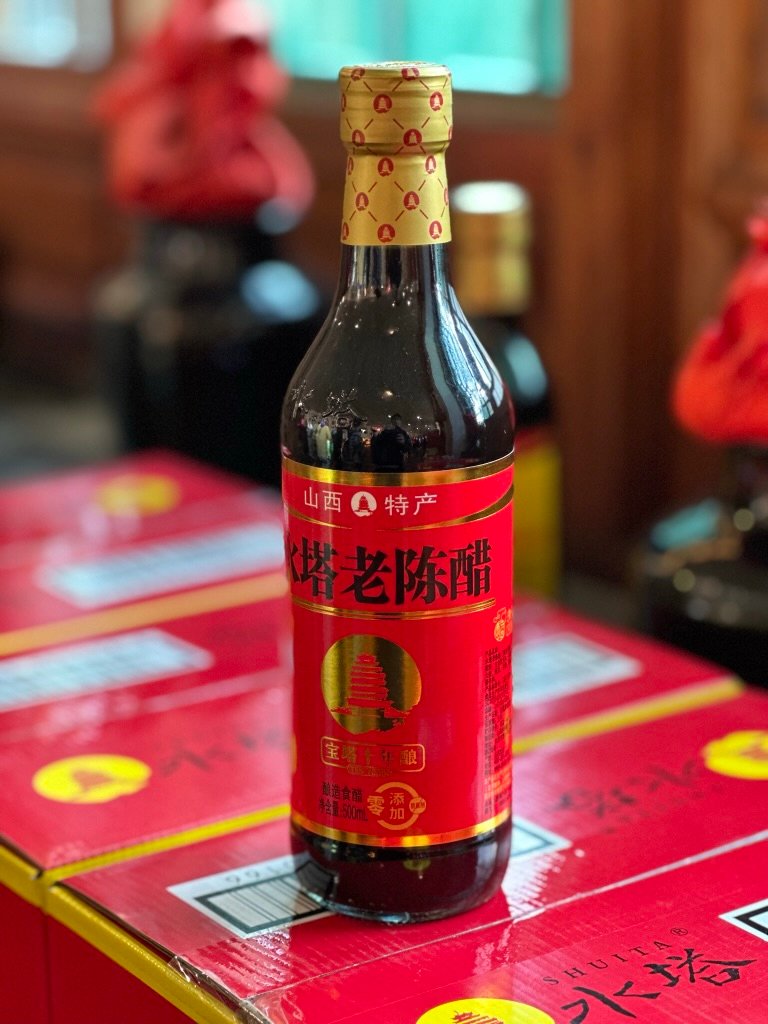
Another character Dad quickly learned to recognize:
醋
Cù
Vinegar
Shanxi’s famous:
mature vinegar (老陈醋, Lǎochéncù)
isn’t merely something sitting beside the soy sauce.
It is part of the region’s food identity.
Dad & Elaine visited a:
vinegar factory (醋厂, Cùchǎng)
and learned more about:
fermentation,
aging,
production,
and:
why Shanxi vinegar tastes the way it does.
For Dad, this belongs in the same article as:
museums,
ancient states,
and:
architecture.
Why?
Because understanding a place isn’t only about:
WHAT HAPPENED THERE.
It is also about:
HOW PEOPLE LIVE AND EAT THERE.
🔥
🚶 Leave Some Time to Wander
Not every hour needs:
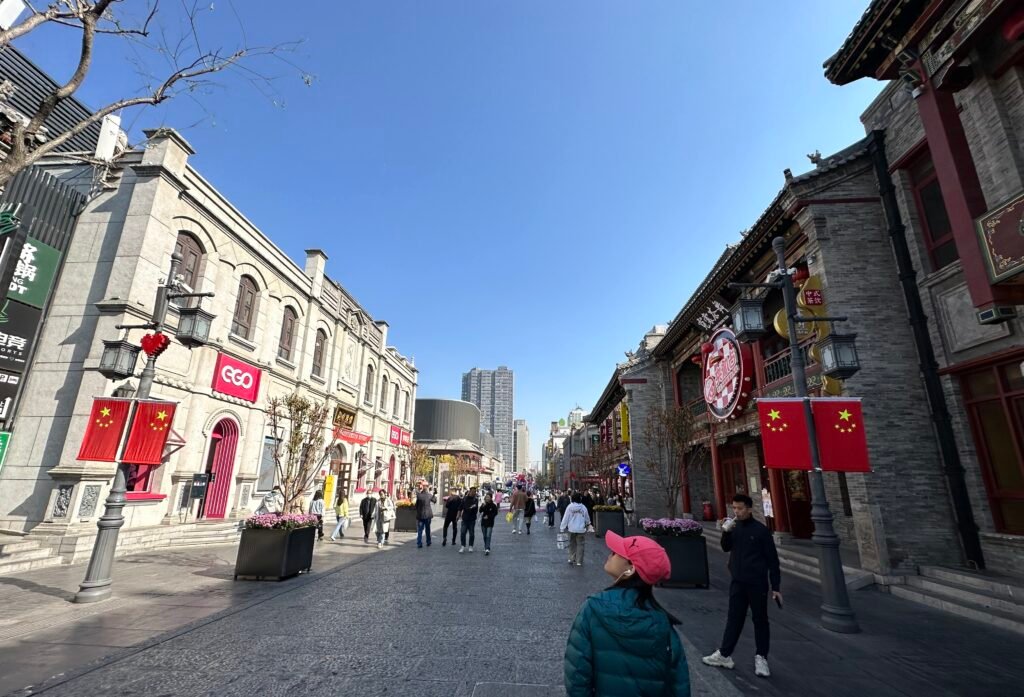
a dynasty,
UNESCO,
or:
an ancient monument.
😂
Walk around Taiyuan (太原, Tàiyuán).
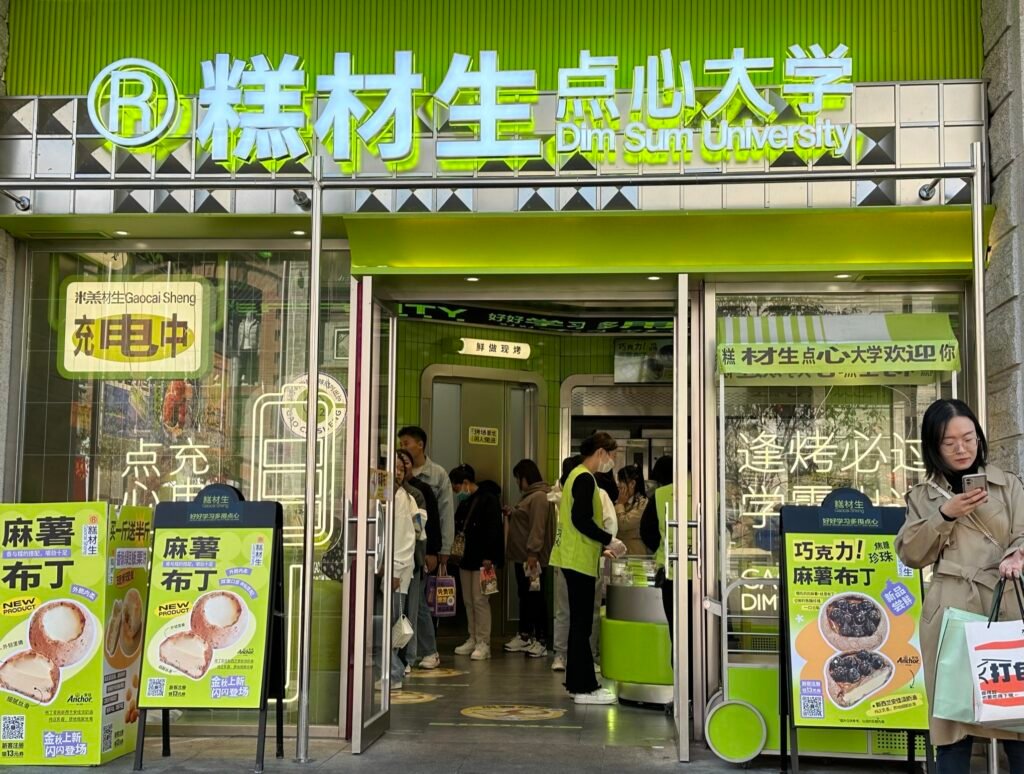
Look at:
local streets,
restaurants,
shops,
evening life,
and:
how an ordinary provincial capital feels today.
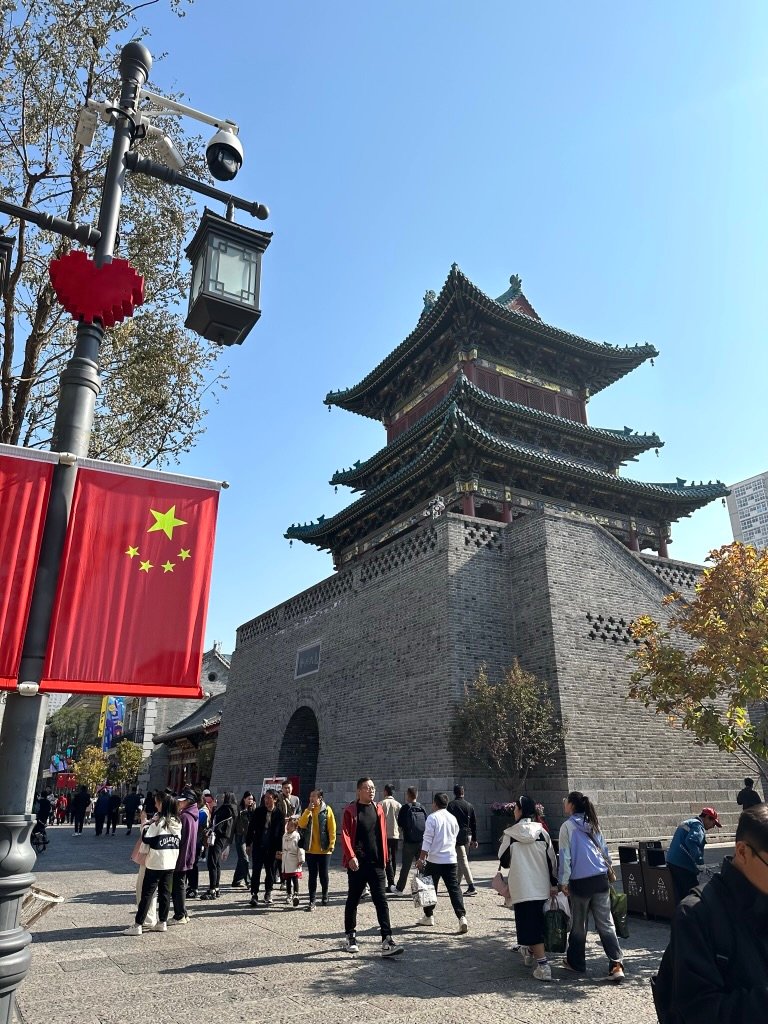
This gives you an important contrast.
At Jinci (晋祠, Jìncí):
3,000 YEARS OF MEMORY.
Back in central Taiyuan (太原, Tàiyuán):
CHINA NOW.
Both belong to the journey.
🗓️ How Many Days Should You Base Yourself in Taiyuan (太原, Tàiyuán)?
Dad would think in:
MODULES.
Not:
“Taiyuan needs exactly 4.7 days.”
😂
If You Have 2 Days
Day 1
Shanxi Museum (山西博物院, Shānxī Bówùyuàn) + local food + Taiyuan
Day 2
Jinci (晋祠, Jìncí) + vinegar/food culture
Good introduction.
If You Have 3–4 Days
Add:
Pingyao (平遥, Píngyáo)
as a day trip or — better —
1 NIGHT.
🐇 Go Deeper: Pingyao (平遥, Píngyáo) — More Than an Ancient Walled City →
Now you have:
Jin,
art,
architecture,
food,
merchants,
and:
walled-city life.
If You Have 5–7 Days
Now Dad gets excited.
😂
Use Taiyuan (太原, Tàiyuán) as the anchor and add a northern loop involving selected combinations of:
Yanmenguan Pass (雁门关, Yànménguān),
Mount Wutai (五台山, Wǔtái Shān),
Yingxian Wooden Pagoda (应县木塔, Yìngxiàn Mùtǎ),
Hanging Temple (悬空寺, Xuánkōng Sì),
and:
Yungang Grottoes (云冈石窟, Yúngāng Shíkū).
Don’t necessarily squeeze all of them into Dad’s exact pace.
Choose according to your interests.
HISTORY?
Yanmenguan.
BUDDHISM?
Mount Wutai + Yungang.
ARCHITECTURE?
Jinci + Yingxian + Hanging Temple.
COMMERCE + OLD CITY LIFE?
Pingyao.
FOOD CULTURE?
Taiyuan + vinegar + noodles.
🔥
Now you’re designing:
YOUR SHANXI.
Not copying Dad’s.
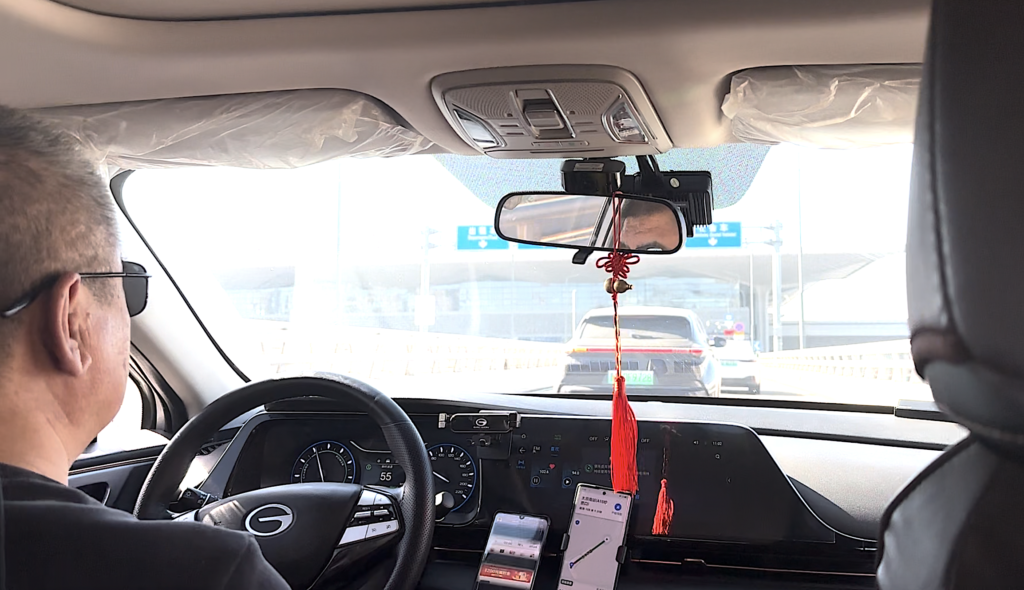
🚄 Leaving Taiyuan (太原, Tàiyuán)
When you’re ready to continue your China journey, return to:
Taiyuan South Railway Station (太原南站, Tàiyuán Nánzhàn).
From there, China’s high-speed rail network reconnects you with the wider journey.
For many international travelers, that means continuing toward major gateways such as:
Beijing (北京, Běijīng)
or:
Xi’an (西安, Xī’ān).
And that’s the beauty of using Taiyuan (太原, Tàiyuán) as a base.
You can go:
DEEP
without becoming:
STRANDED.
😂🔥
Dad’s Taiyuan (太原, Tàiyuán) Sting
Before coming here, an international traveler may see:
TAIYUAN (太原, Tàiyuán)
as:
“a city I don’t know in a province I don’t know.”
Fair enough.
😂
But now put it on the Coat Rack:
TAIYUAN (太原, Tàiyuán)
=
SHANXI MUSEUM (山西博物院, Shānxī Bówùyuàn)
+
JINCI (晋祠, Jìncí)
+
NOODLES + VINEGAR
+
PINGYAO (平遥, Píngyáo)
+
A LAUNCHPAD INTO NORTHERN SHANXI.
🔥
That’s why Dad doesn’t tell international travelers:
“Go to Taiyuan because Taiyuan has one must-see attraction.”
Dad’s argument is different:
“GO TO TAIYUAN BECAUSE IT HELPS YOU OPEN AN ENTIRE PROVINCE.”
And once Shanxi Province (山西省, Shānxī Shěng) opens…
there are a lot of rabbits waiting.
😂🐇🔥
❤️ So — Should You Put Taiyuan (太原, Tàiyuán) on Your China Itinerary?
Dad’s answer is:
NOT EVERYBODY NEEDS TO.
😂
If this is your first China trip and you have only:
7 days,
Beijing (北京, Běijīng),
Xi’an (西安, Xī’ān),
and:
Shanghai (上海, Shànghǎi)
already fighting for space…
Dad isn’t going to tell you:
“You MUST add Taiyuan (太原, Tàiyuán).”
China is too big for that.
But if you have a little more time…
or you’re the kind of traveler who keeps asking:
“What else is there?”
then:
Shanxi Province (山西省, Shānxī Shěng)
starts becoming very interesting.
And:
Taiyuan (太原, Tàiyuán)
is one of the easiest doors into it.
🧭 Taiyuan (太原, Tàiyuán) Is Especially Good for You If…
You enjoy:
Chinese history,
ancient architecture,
Buddhism,
UNESCO heritage,
old cities,
regional food,
museums,
and:
places that aren’t already on every first-time China itinerary.
But Dad thinks there is another type of traveler who will especially enjoy it.
The:
CURIOUS TRAVELER.
😂🐇
The traveler who sees:
晋 (Jìn)
on a license plate and asks:
“Why?”
The traveler who sees a wooden pagoda and asks:
“How is that still standing?”
The traveler who reaches a mountain pass and asks:
“Why here?”
The traveler who looks at a Buddha at:
Yungang Grottoes (云冈石窟, Yúngāng Shíkū)
and asks:
“Why does this face look different?”
That’s the traveler Dad is writing for.

ChinaTravelBUG’s Take
Before Dad & Elaine traveled through:
Shanxi Province (山西省, Shānxī Shěng),
Taiyuan (太原, Tàiyuán) was basically:
A NAME ON THE MAP.
Then we stayed there.
Visited:
Shanxi Museum (山西博物院, Shānxī Bówùyuàn).
Went to:
Jinci (晋祠, Jìncí).
Learned why:
Shanxi Province (山西省, Shānxī Shěng)
still carries:
Jin (晋, Jìn).
Tasted:
Shanxi Mature Vinegar (山西老陈醋, Shānxī Lǎochéncù).
Ate noodles.
😂
Used the city to reach:
Pingyao (平遥, Píngyáo).
Then left our luggage behind and headed north toward:
Yanmenguan Pass (雁门关, Yànménguān),
Mount Wutai (五台山, Wǔtái Shān),
Yingxian Wooden Pagoda (应县木塔, Yìngxiàn Mùtǎ),
Hanging Temple (悬空寺, Xuánkōng Sì),
and:
Yungang Grottoes (云冈石窟, Yúngāng Shíkū).
And somewhere along the way…
Dad stopped thinking:
“We’re visiting attractions in Shanxi.”
It started feeling like:
WE WERE TRAVELING THROUGH LAYERS OF CHINA.
🔥
That’s the difference.
🌏 Don’t Come to Taiyuan (太原, Tàiyuán) Looking for Another Beijing (北京, Běijīng)
You won’t find it.
Don’t come looking for another:
Xi’an (西安, Xī’ān)
either.
That’s not the point.
Come because Taiyuan (太原, Tàiyuán) gives you something those cities cannot:
A PRACTICAL BASE FOR OPENING SHANXI PROVINCE (山西省, Shānxī Shěng).
From one base, the questions keep changing.
At:
Jinci (晋祠, Jìncí)
you ask about Jin (晋, Jìn), art and memory.
At:
Pingyao (平遥, Píngyáo)
you ask about merchants and money.
At:
Yanmenguan Pass (雁门关, Yànménguān)
you ask about frontiers.
At:
Mount Wutai (五台山, Wǔtái Shān)
you ask about belief.
At:
Yingxian Wooden Pagoda (应县木塔, Yìngxiàn Mùtǎ)
you ask about wood.
At:
Hanging Temple (悬空寺, Xuánkōng Sì)
you ask about architecture and landscape.
At:
Yungang Grottoes (云冈石窟, Yúngāng Shíkū)
you ask about Buddhism, people and cultural exchange.
🔥
Same province.
Different Chinas.
🍽️ Ready to Go Deeper? Start With Dad’s Shanxi History Tasting Menu →
Dad eventually needed a way to organize all these rabbits.
😂
So instead of giving you:
“Top 20 Attractions in Shanxi.”
Dad built a menu.
Choose the historical flavors that interest you.
Jin.
Buddhism.
frontier China.
non-Han dynasties.
sacred mountains.
ancient timber architecture.
merchant China.
walled cities.
You don’t need every course.
But now you know where the restaurant door is.
😂
TAIYUAN (太原, Tàiyuán).
🐇🔥
See China. Understand It Better.