Section 1 — “Qin Shi Huang Unified China.” But What Was China Before 221 BCE?
For many first-time international travelers to:
Xi’an (西安, Xī’ān)
there is one excursion that is almost compulsory:
Terracotta Warriors (兵马俑, Bīngmǎyǒng).
Thousands of life-sized clay soldiers.
Horses.
Chariots.
Generals.
Infantry.
An underground army created for:
Qin Shi Huang (秦始皇, Qín Shǐhuáng)
the:
First Emperor (始皇帝, Shǐ Huángdì).
And somewhere during your visit, you’ll almost certainly hear:
“Qin Shi Huang unified China in 221 BCE.”
Correct.
But Deep China has an annoying question.
😂
What exactly did he unify?
Was there already a country called:
China (中国, Zhōngguó)
with provinces, borders and one government…
and Qin Shi Huang simply became its new boss?
No.
🔥
To understand why:
221 BCE
matters so much, we need to understand what existed:
BEFORE 221 BCE.
And that means leaving the Terracotta Warriors for a moment…
and traveling backward several centuries.
🐇
🕰️ First: Put Qin on the Timeline
Here’s the beginner’s coat rack.
WESTERN ZHOU (西周, Xī Zhōu)
c. 1046–771 BCE
A Zhou king rules within a political order containing many regional lords and territories.
↓
EASTERN ZHOU (东周, Dōng Zhōu)
770–256 BCE
The Zhou king remains.
But his effective political power declines enormously.
↓
SPRING AND AUTUMN PERIOD (春秋时期, Chūnqiū Shíqī)
770–476 BCE, approximately
Regional states become increasingly powerful.
↓
WARRING STATES PERIOD (战国时期, Zhànguó Shíqī)
475–221 BCE, conventional dating
Power becomes concentrated among a smaller number of major competing states.
↓
221 BCE
The:
State of Qin (秦国, Qín Guó)
defeats its final major rival.
Its ruler declares himself:
Qin Shi Huang (秦始皇)
the:
First Emperor.
↓
QIN DYNASTY (秦朝, Qín Cháo)
221–206 BCE
A new unified imperial political order emerges.
🔥
So:
Qin didn’t begin the story.
It dramatically changed a political world that was already:
centuries old.
First Chinese Word: 国 — Guó
This is a useful one.
state / country (国, guó).
Today:
China (中国, Zhōngguó)
contains:
国.
But during the Warring States period, we talk about different:
states (国, guó).
For example:
State of Qin (秦国, Qín Guó)
State of Zhao (赵国, Zhào Guó)
State of Chu (楚国, Chǔ Guó)
State of Qi (齐国, Qí Guó).
🔥
Already our first-time traveler has a useful correction:
Before Qin unified the political realm, Qin itself was ONE competing state.
Qin wasn’t originally:
“China.”
It was:
one contender for supremacy.
🐇 Then What Was the Zhou Dynasty?
This is where Western beginners often get confused.
They learn:
Zhou dynasty: 1046–256 BCE.
Then:
Warring States: 475–221 BCE.
Wait.
😂
How can:
ZHOU
and:
WARRING STATES
exist at the same time?
Excellent question.
Because:
dynasty ≠ always one government controlling everything we now call China.
🔥
The Zhou royal house continued to exist during much of the period when powerful regional states were increasingly acting independently.
That’s why a neat dynasty chart can sometimes hide the actual political mess underneath it.

🍚 Western Handrail: A King Whose Lords Became Too Powerful
Very rough analogy.
Imagine a political system where:
one king
sits at the symbolic center…
but powerful regional rulers gradually acquire:
their own armies,
their own territories,
their own administrations
and:
their own ambitions.
Eventually the central king’s real power becomes much weaker than the power of some regional states.
🔥
That’s a much better starting handrail for later Zhou history than:
“Zhou ruled China for 800 years.”
Technically tempting.
Historically misleading if left unexplained.
👑 Western Zhou: Start Near Baoji
And this is where Dad & Elaine’s Deep China journey becomes useful.
To understand what Qin eventually unified, we first traveled to the historical heartland of:
Western Zhou (西周, Xī Zhōu)
around:
Baoji (宝鸡, Bǎojī)
and:
Zhouyuan (周原, Zhōuyuán).
This is the world associated with figures such as:
King Wen of Zhou (周文王, Zhōu Wénwáng)
King Wu of Zhou (周武王, Zhōu Wǔwáng)
and:
Duke of Zhou (周公, Zhōugōng).
The Zhou defeated the Shang and established a new political order.
But they didn’t administer every piece of territory through something resembling a modern centralized state.
Instead, Zhou kings operated through a network of regional rulers and political relationships.
🔥
And over time…
those regional powers became increasingly important.
🐇 So the Zhou Created the World Qin Eventually Destroyed?
Careful.
😂
But that’s an interesting way into the story.
The early Zhou political order connected:
royal authority
with:
regional rulers,
kinship relationships,
ritual hierarchy
and:
territorial power.
Over the centuries, that order changed.
Regional states became stronger.
Political competition intensified.
The Zhou king’s ability to dominate them weakened.
Eventually:
the states became the main actors.
🔥
And that’s how we move toward:
Spring and Autumn (春秋)
and:
Warring States (战国).
🌶️ 771 BCE: Something Breaks
The:
Western Zhou
ended in:
771 BCE
after political and military crisis led to the fall of the western royal capital.
The Zhou court subsequently moved east.
This begins:
Eastern Zhou (东周, Dōng Zhōu).
The Zhou kings continued.
But their political position was much weaker.
🔥
Now imagine:
KING STILL EXISTS
but:
REGIONAL STATES KEEP GETTING STRONGER.
That’s the world from which the famous Warring States eventually emerge.
🐇 Spring and Autumn: China Before “China”
During the:
Spring and Autumn period (春秋时期, Chūnqiū Shíqī)
numerous states competed, formed alliances and fought.
Some rulers became powerful:
hegemons (霸, bà).
Another useful Chinese word.
霸 — bà
hegemon / dominant power
These powerful rulers could dominate interstate politics while the Zhou king still retained important ritual prestige.
😳
Again:
one Zhou world
but:
many political powers.
And This Is the World Confucius Lived In
Remember:
Confucius (孔子, Kǒngzǐ)
551–479 BCE.
He lived during:
the late Spring and Autumn period.
Not:
Qin.
Not:
Han.
🔥
His home state was:
State of Lu (鲁国, Lǔ Guó)
in what is now Shandong.
Dad & Elaine later visited:
Qufu (曲阜, Qūfù),
Confucius’s hometown.
🐇
Now another Deep China place clicks into the timeline.
Confucius lived in a world of:
multiple states
inside the declining Zhou political order.
That’s important context for understanding why he cared so much about:
order (秩序, zhìxù),
ritual (礼, lǐ),
proper relationships
and:
good government.
🌶️ Then the Fighting Gets More Serious
Over time, the political landscape changed again.
By the:
Warring States period (战国时期)
competition became concentrated among several powerful states.
The famous group is known as:
Seven Warring States (战国七雄, Zhànguó Qīxióng).
Beginner Chinese:
七 — qī — seven
雄 — xióng — powerful / dominant
The seven were:
Qin (秦)
Chu (楚)
Qi (齐)
Yan (燕)
Han (韩)
Zhao (赵)
and:
Wei (魏).
🔥
Don’t memorize them.
But remember:
QIN WAS ONE OF SEVEN MAJOR RIVALS.
That’s the key.
🗺️ And Dad & Elaine Have Already Walked Through Several of Them
This is where our travels become the map.
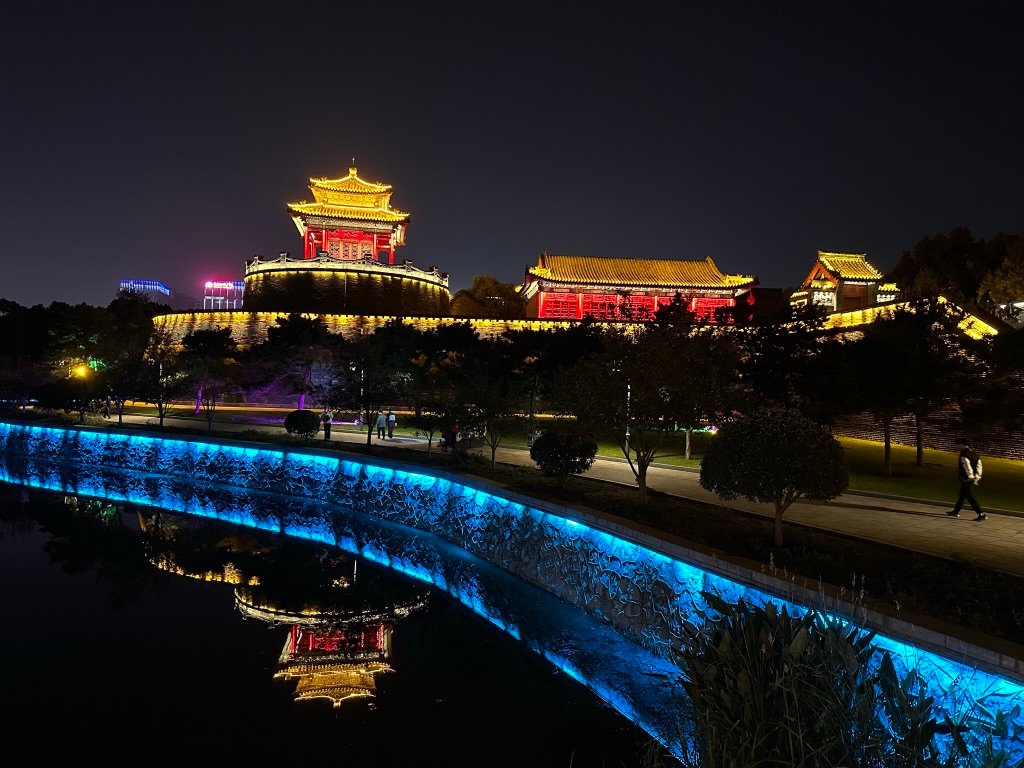
We visited:
Handan (邯郸, Hándān)
capital of:
State of Zhao (赵国).
↓
We visited:
Linzi (临淄, Línzī)
the great capital of:
State of Qi (齐国).
↓
We traveled through the historical heartland associated with:
Qin (秦)
around Shaanxi.
🔥
These aren’t random old cities.
Before 221 BCE:
they belonged to competing political worlds.
Now imagine Dad traveling:
Handan.
Linzi.
Shaanxi.
without understanding Warring States history.
They look like:
three unrelated destinations.
Put them on the coat rack…
and suddenly:
they were rivals.
😳🔥
That’s Deep China.
🐇 Remember King Wuling of Zhao?
We already met:
King Wuling of Zhao (赵武灵王, Zhào Wǔlíng Wáng)
in our Great Wall article.
He ruled:
Zhao (赵国)
and famously promoted:
Hu clothing and mounted archery (胡服骑射, Húfú Qíshè).
Why?
Because Zhao was competing in a dangerous political and military environment.
Now his story makes even more sense.
He wasn’t:
“some random ancient king Dad found in Handan.”
😂
He was ruler of one of the states participating in the struggle that eventually produced:
Qin unification.
🐇
Everything is connecting.
🌶️ What Did “China” Mean in This World?
Now we need to be careful.
The Chinese characters:
中国 — Zhōngguó
already existed long before Qin Shi Huang.
Dad & Elaine have seen the famous early occurrence associated with:
He Zun bronze vessel (何尊, Hé Zūn)
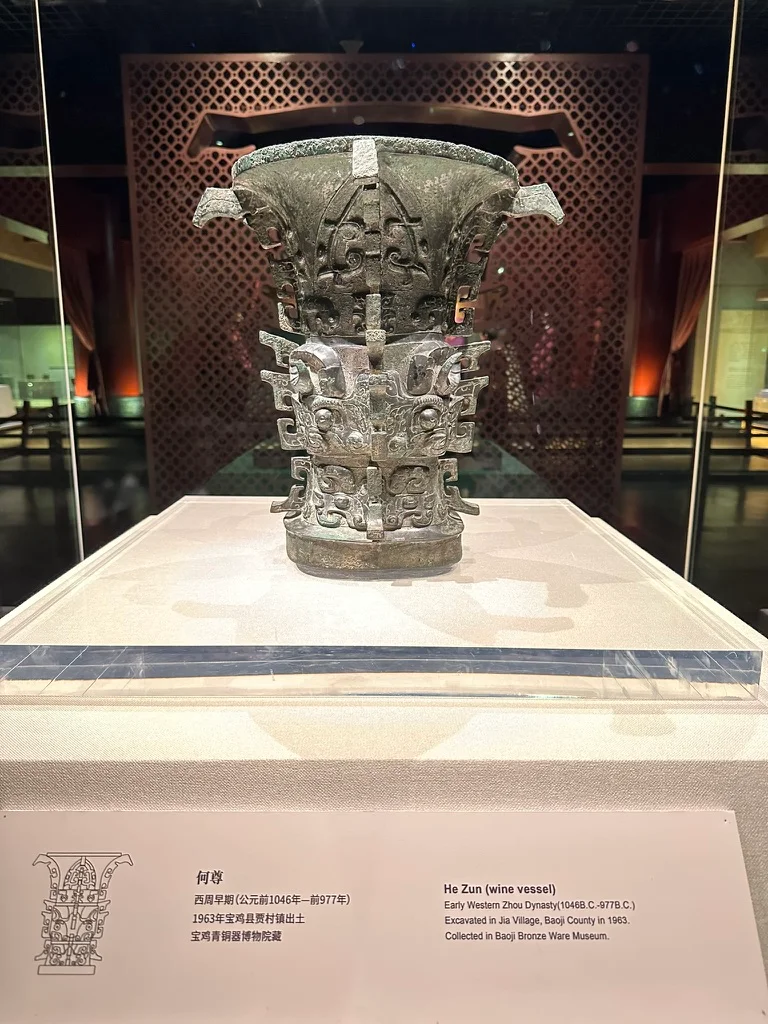
from the early Western Zhou period.
🔥
But:
中国 in the Zhou world ≠ modern People’s Republic of China.
And it doesn’t necessarily mean:
one unified nation-state called China.
The meanings of Zhongguo (中国) changed enormously across history.
In early contexts it could refer to central territories or political-cultural centers.
So when we say:
“Qin unified China”
we’re using convenient modern English shorthand.
Useful.
But potentially misleading.
🍚 Better Question: What Did Qin Unify Politically?
Now we’re getting somewhere.
Before 221 BCE, there were:
multiple competing states (诸侯国, zhūhóuguó)
with:
different rulers,
different political centers,
different armies,
and variations in:
administration,
laws,
weights and measures,
currency
and:
written forms.
They shared important cultural traditions and centuries of interaction.
But they were:
politically divided.
🔥
That is the world Qin conquered.
🐇 So Qin Shi Huang Didn’t “Unify Chinese People”?
That’s too modern a way of framing it.
What Qin accomplished was:
political and territorial unification
of the major rival states within the realm it conquered.
In:
230 BCE
Qin began the final sequence of conquests.
One by one:
Han.
Zhao.
Wei.
Chu.
Yan.
Qi.
Then:
221 BCE.
The last major rival fell.
🔥
For the first time, one ruler controlled the former territories of all seven major Warring States.
That is the revolutionary moment.
👑 And Then the King Needed a New Title
The ruler of Qin had been:
King of Qin (秦王, Qín Wáng).
But after conquering the rival states…
apparently:
KING
was no longer impressive enough.
😂
So he created a new imperial title:
Huangdi (皇帝, Huángdì)
Emperor.
And he became:
First Emperor (始皇帝, Shǐ Huángdì)
better known to us as:
Qin Shi Huang (秦始皇).
🔥🔥🔥
This wasn’t merely:
new business card.
The new title announced:
a new political order.
🌶️ 王 → 皇帝
This is one of the most useful beginner-Chinese transitions in the whole Michelin series.
Before:
王 — wáng — king
↓
After Qin unification:
皇帝 — huángdì — emperor.
🔥
The vocabulary itself marks the political transformation.
Qin Shi Huang wasn’t content to become:
the strongest king among kings.
The competing kings were gone.
He was announcing:
something new.
🏺 Now Go Back to the Terracotta Warriors
Stand again before:
Terracotta Warriors (兵马俑, Bīngmǎyǒng).
They aren’t simply:
“the army of a powerful ancient Chinese emperor.”
They belonged to the enormous burial complex of:
the FIRST ruler of the newly unified Qin empire.
😳
That changes the context.
This man had gone from:
King of one state
to:
ruler over the conquered Warring States world.
🔥
No wonder his burial complex was extraordinary.

🐞 Sting Check
You arrived at the Terracotta Warriors knowing:
“Qin Shi Huang unified China.”
Now you’ve acquired:
Western Zhou (西周)
↓
Eastern Zhou (东周)
↓
Spring and Autumn (春秋)
↓
Confucius (孔子)
↓
Warring States (战国)
↓
Seven Warring States (战国七雄)
↓
Qin (秦)
Zhao (赵)
Qi (齐)
↓
Handan (邯郸)
↓
Linzi (临淄)
↓
He Zun (何尊)
↓
Zhongguo (中国)
↓
king (王)
↓
emperor (皇帝).
😬
That’s quite a lot hiding inside the sentence:
“Qin unified China in 221 BCE.”
😂
The Bigger Lesson
Before Qin Shi Huang:
there was already a long Chinese cultural and political history.
There was:
Shang.
Zhou.
ritual.
bronze culture.
writing.
states.
Confucius.
warfare.
diplomacy.
political thought.
🔥
Qin Shi Huang did NOT:
invent Chinese civilization.
But in:
221 BCE
he did something historically transformative:
He brought the major competing Warring States under one ruler and created a new unified imperial political order.
That’s what we need to understand when we say:
unification (统一, tǒngyī).
🐇🔥
Section 2 — Why Qin? How Did One of Seven Rival States Defeat All the Others?
At the end of Section 1, we had:
Seven Warring States (战国七雄, Zhànguó Qīxióng).
Qin (秦).
Chu (楚).
Qi (齐).
Yan (燕).
Han (韩).
Zhao (赵).
Wei (魏).
Seven major powers competing for survival and supremacy.
Then, in just a few decades:
Qin conquered the other six.
By:
221 BCE
the:
King of Qin (秦王, Qín Wáng)
had become:
Qin Shi Huang (秦始皇, Qín Shǐhuáng)
the:
First Emperor (始皇帝, Shǐ Huángdì).
So the obvious question is:
Why Qin?
Was Qin simply:
better at fighting?
No.
😂
Military power mattered enormously.
But Qin’s victory makes much more sense when we look behind the army at something less dramatic:
the state itself.
🔥
🕰️ First: Qin Wasn’t Always the Obvious Winner
The:
State of Qin (秦国, Qín Guó)
developed in China’s northwest.
Its early political heartland was associated with areas in what is now:
Shaanxi (陕西, Shǎnxī)
and neighboring regions.
And here’s a wonderful Deep China connection.
The story of Qin grows partly out of the same broad western region where Dad & Elaine had already gone looking for:
Western Zhou (西周, Xī Zhōu)
around:
Baoji (宝鸡, Bǎojī)
and:
Zhouyuan (周原, Zhōuyuán).
🔥
Zhou.
↓
Qin.
↓
Xi’an.
The geography begins connecting.
🐇 Qin and the Western Zhou World
The early Qin rulers rose within the wider political world created by the:
Zhou dynasty (周朝, Zhōu Cháo).
After the Western Zhou collapse in:
771 BCE
and the Zhou royal court moved east, Qin expanded its position in the old western Zhou territories.
Over the following centuries:
Qin became stronger.
But this wasn’t:
“Qin was destined to unify China.”
😂
Nothing was inevitable.
Other states were powerful too.
At different moments:
Chu (楚)
Qi (齐)
Wei (魏)
and:
Zhao (赵)
could all be formidable competitors.
History only looks inevitable:
after it happens.
🔥
🌶️ The Big Qin Transformation: Shang Yang 商鞅
If Western beginners remember one name besides Qin Shi Huang, make it:
Shang Yang (商鞅, Shāng Yāng).
During the fourth century BCE, Shang Yang became associated with major reforms in Qin under:
Duke Xiao of Qin (秦孝公, Qín Xiàogōng).
These reforms helped transform Qin’s:
administration (行政, xíngzhèng),
agriculture (农业, nóngyè),
military organization (军事组织, jūnshì zǔzhī),
law (法律, fǎlǜ)
and:
state power (国力, guólì).
🔥
This is where:
“Qin had a strong army”
becomes:
“Qin built institutions capable of supporting a strong army.”
Much better.
🍚 Western Handrail: Armies Need Tax Receipts
😂
Not very heroic.
But true.
A giant army needs:
food (粮食, liángshi),
weapons (武器, wǔqì),
horses (马, mǎ),
roads (道路, dàolù),
manpower (人力, rénlì),
administration
and:
tax revenue (税收, shuìshōu).
So military success depends partly on:
state capacity.
A warrior may win a battle.
A state has to:
keep supplying warriors.
🔥
That distinction helps explain Qin.
🌾 Agriculture Becomes Military Power
Qin reforms encouraged agricultural production and strengthened state control over:
land (土地, tǔdì)
and:
households (户, hù).
Why does Dad keep talking about grain?
😂
Because:
grain feeds armies.
More productive agriculture can support:
larger populations,
taxation,
military supply
and:
long campaigns.
Now:
farmer (农民, nóngmín)
and:
soldier (士兵, shìbīng)
belong to the same political story.
🔥
🐇 And Qin Rewarded Military Achievement
Another important feature of Qin’s reforms was the development of systems linking:
military merit (军功, jūngōng)
with:
rank (爵, jué)
and rewards.
This helped weaken the idea that status should depend only upon:
old aristocratic birth.
Military service and achievement could bring advancement within the Qin system.
🔥
Again, the details changed over time and shouldn’t be reduced to:
“Qin invented meritocracy.”
No.
😂
But the reforms helped create a state in which:
service to the state
could be systematically rewarded.
⚖️ And Qin Became Famous for Law
Now we meet:
law (法, fǎ).
And another term Western readers frequently encounter:
Legalism (法家, Fǎjiā).
This needs care.
Popular history often gives us:
Confucianism = nice.
Legalism = cruel.
Qin = Legalist.
😂
Too simple.
The thinkers later grouped under the label:
Fajia (法家)
were not one perfectly unified school.
But they shared strong interests in things such as:
law and standards (法, fǎ),
administrative techniques,
state authority,
rewards and punishments (赏罚, shǎngfá),
and:
effective rulership.
🔥
Shang Yang became one of the most famous figures associated with this tradition.
🌶️ Law Above Aristocratic Privilege?
One important reforming tendency was toward:
uniform rules
applied through state institutions rather than government depending entirely upon hereditary aristocratic relationships.
That helped Qin strengthen:
central authority (中央权力, zhōngyāng quánlì).
Remember Course 3?
How did one emperor govern a huge country?
🐇
We are beginning to see some of the much earlier institutional roots of that question.
🗺️ Qin Also Had Geography on Its Side
Institutions weren’t the whole answer.
Geography mattered too.
Qin’s core territories were protected in part by difficult terrain while giving access eastward through strategic passes.
One especially famous gateway was:
Hangu Pass (函谷关, Hángǔ Guān).
🔥
Notice:
关 — guān — pass.
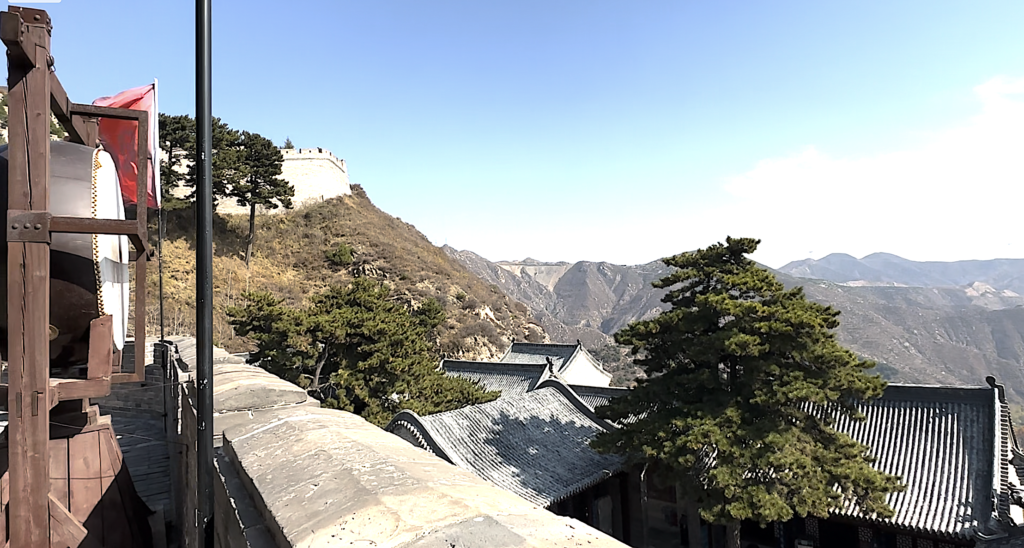
We’ve seen that character before:
Yanmenguan (雁门关).
Again, Chinese geography starts talking.
A strategic pass can:
protect,
channel movement,
control armies
and:
shape campaigns.
🐇 And Then Qin Acquired Sichuan
This is a major part of the story.
During the fourth century BCE, Qin conquered:
Ba (巴)
and:
Shu (蜀)
in the region of modern:
Sichuan (四川, Sìchuān).
That gave Qin access to a rich agricultural region.
🔥
Then came one of ancient China’s great engineering achievements:
Dujiangyan Irrigation System (都江堰, Dūjiāngyàn).
Built beginning in the third century BCE under Qin administration, it helped manage water and expand agricultural productivity in the Chengdu Plain.
Now:
water (水, shuǐ)
↓
irrigation (灌溉, guàngài)
↓
agriculture (农业)
↓
grain (粮食)
↓
tax + army
↓
state power.
🔥🔥🔥
Suddenly irrigation belongs in the story of Qin conquest.
🍚 Michelin Lesson: Don’t Only Watch the Soldiers
This is why the Terracotta Warriors can mislead us.
They’re spectacular.
Thousands of soldiers.
So naturally:
Qin conquered everyone because Qin had a powerful army.
Yes…
but ask:
Who fed the army?
Who organized it?
Who counted the households?
Who built the roads?
Who collected resources?
Who enforced the laws?
🐇
Now the clay soldiers become the visible tip of:
an administrative iceberg.
🔥
🐎 But the Other States Were Reforming Too
Important warning.
Qin wasn’t the only state trying to become stronger.
During the Warring States period, rival states also carried out:
military reforms,
administrative reforms,
agricultural development
and:
political centralization.
This was an era of intense:
state competition (列国竞争, lièguó jìngzhēng).
🔥
Competition itself encouraged innovation.
If your neighbor improves his army…
you have a problem.
😂
If your neighbor increases agricultural production…
you have a problem.
If your neighbor centralizes government…
you have a problem.
Warring States China became a political laboratory.
🐇 And This Is Why the Period Produced So Many Thinkers
The political crisis of the age also forms the background to the intellectual flourishing often called:
Hundred Schools of Thought (诸子百家, Zhūzǐ Bǎijiā).
This includes traditions associated with:
Confucius (孔子, Kǒngzǐ)
Mencius (孟子, Mèngzǐ)
Mozi (墨子, Mòzǐ)
Laozi (老子, Lǎozǐ)
Zhuangzi (庄子, Zhuāngzǐ)
and thinkers later associated with:
Legalism (法家, Fǎjiā).
🔥
Different thinkers asked versions of:
How should society be ordered?
What makes a good ruler?
How should states survive?
What is proper government?
No wonder.
Their world was politically unstable.
🌶️ Then Qin Starts Swallowing the Map
By the late third century BCE, Qin had become extraordinarily powerful.
Under:
King Zheng of Qin (秦王政, Qín Wáng Zhèng)
—the future Qin Shi Huang—
the final conquests began.
Here’s the coat rack:
230 BCE — Han (韩)
falls.
↓
228 BCE — Zhao (赵)
its capital is taken; remaining resistance continues for a time.
↓
225 BCE — Wei (魏)
falls.
↓
223 BCE — Chu (楚)
falls.
↓
222 BCE — Yan (燕)
is finally conquered.
↓
221 BCE — Qi (齐)
surrenders.
↓
THE WARRING STATES ERA IS OVER.
🔥🔥🔥
One ruler now dominates the former rival-state world.
😳 Remember Handan?
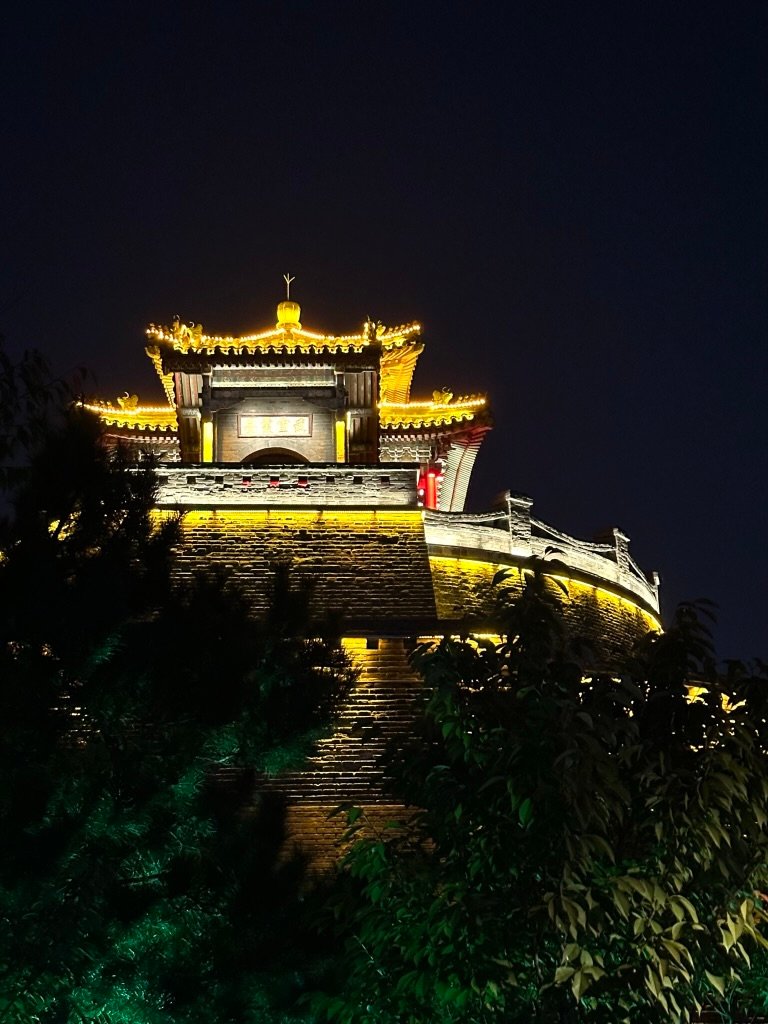
Dad & Elaine visited:
Handan (邯郸, Hándān)
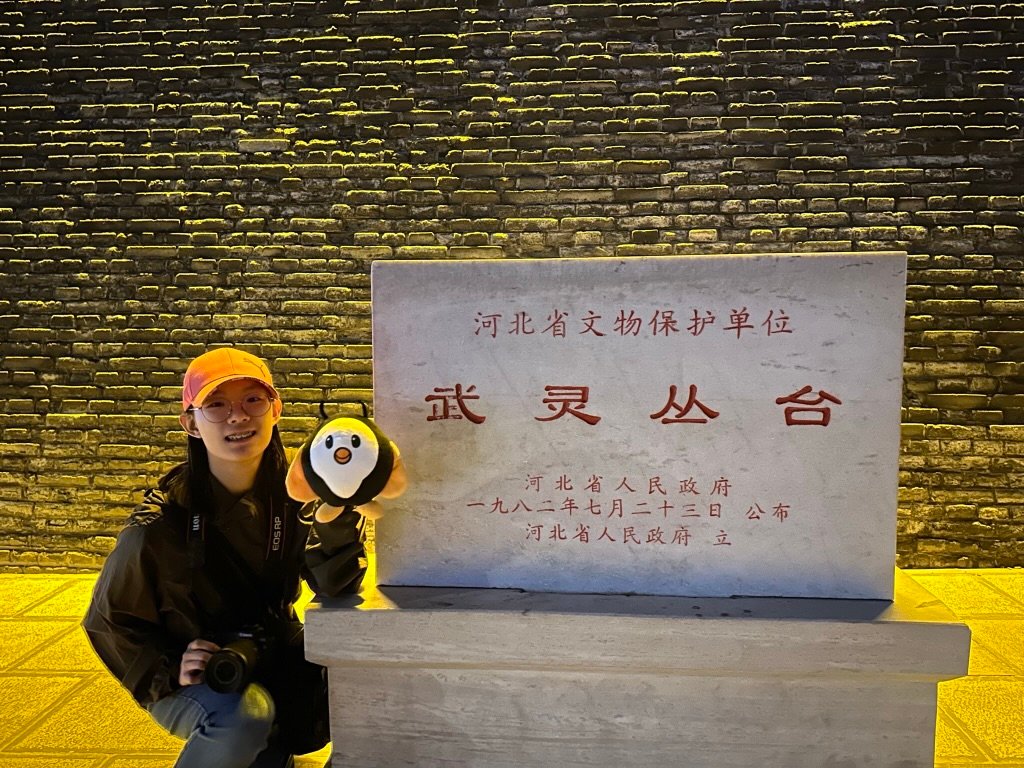
the capital of:
Zhao (赵国, Zhào Guó).
Now imagine:
228 BCE.
Qin armies capture Handan.
😳
Suddenly our modern travel photograph becomes part of the unification story.
Handan wasn’t merely:
“another historical city.”
It was the capital of one of Qin’s greatest rivals.
🔥
And Remember Linzi?
Dad & Elaine also visited:
Linzi (临淄, Línzī)
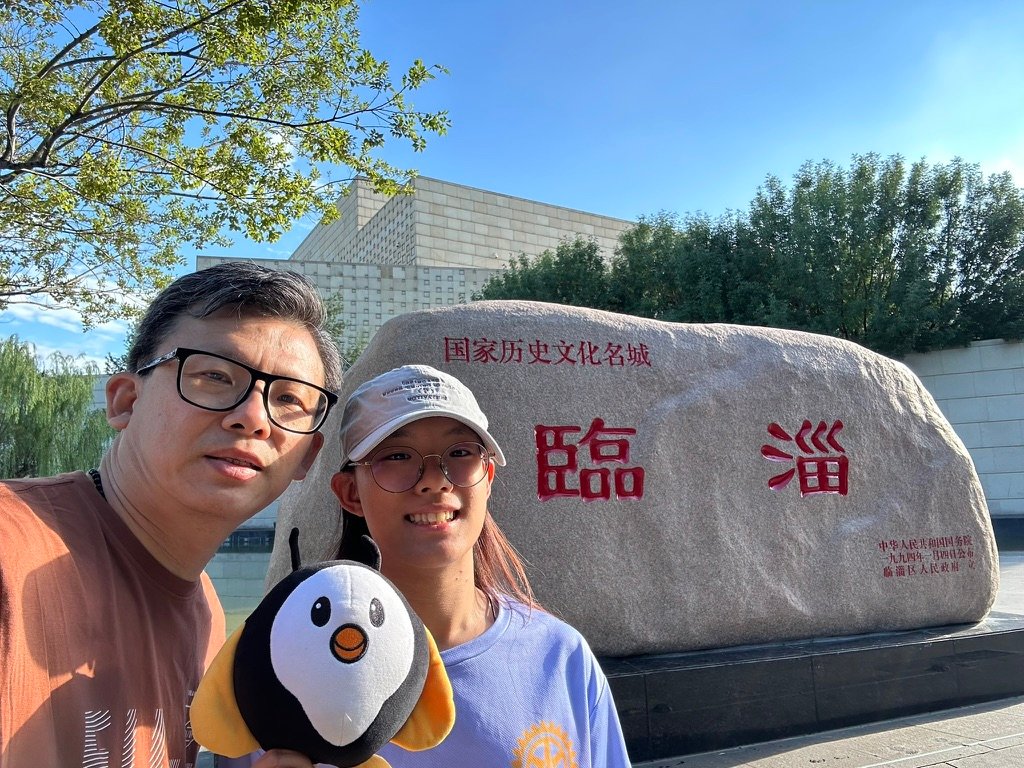
the famous capital of:
Qi (齐国, Qí Guó).
Qi was the:
last of the six rival states
to submit to Qin in:
221 BCE.
🔥
Now connect the places:
HANDAN
Zhao
↓
Qin conquest
↓
LINZI
Qi
↓
final surrender
↓
221 BCE
↓
UNIFICATION.
😳
Dad & Elaine had physically visited two ends of Qin’s conquest sequence without needing to stand on a battlefield.
That’s why places matter.
🐇 What About Xi’an?
Now return west.
The Qin political center had moved over time, and by the late Warring States and unification period the Qin capital was:
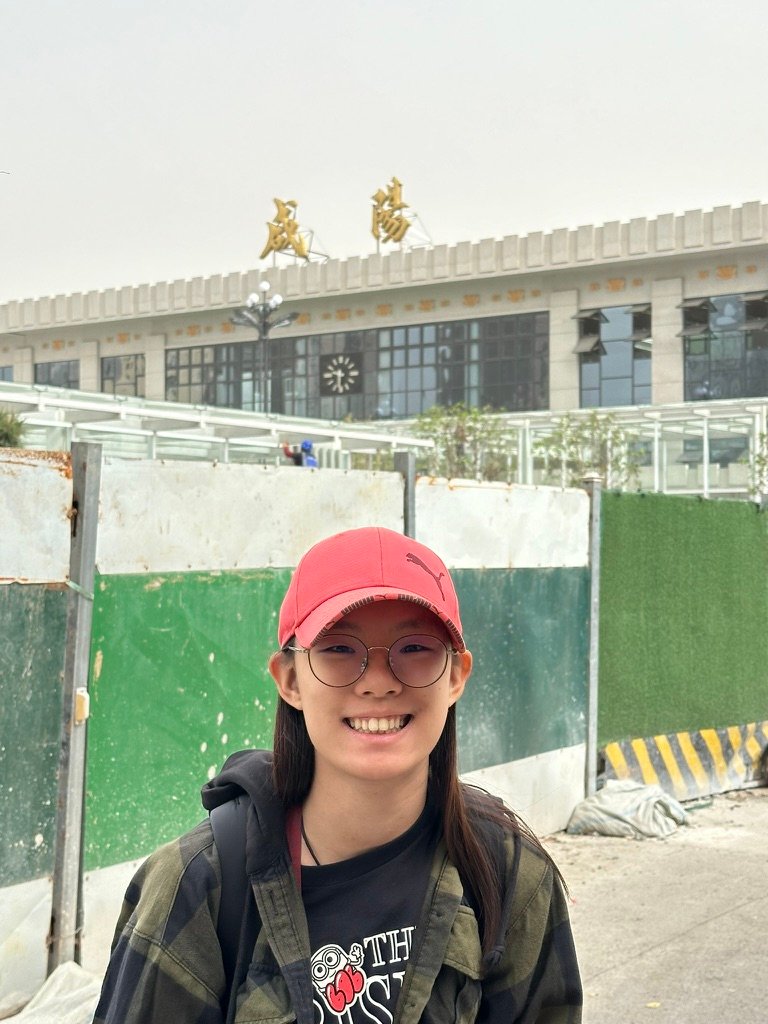
Xianyang (咸阳, Xiányáng)
just northwest of modern:
Xi’an (西安, Xī’ān).
🔥
So when first-time travelers fly into Xi’an to see the Terracotta Warriors, they’re arriving in the broader landscape of:
the Qin imperial heartland.
This isn’t accidental geography.
👑 King Zheng Becomes Qin Shi Huang
After the final conquest in:
221 BCE
King Zheng didn’t simply announce:
“Great. I’m now King of a bigger Qin.”
😂
He adopted the new title:
Huangdi (皇帝, Huángdì) — Emperor.
And called himself:
First Emperor (始皇帝, Shǐ Huángdì).
始 — shǐ
beginning / first
皇帝 — huángdì
emperor
🔥
The title itself announced:
a new beginning.
And Qin expected successors:
Second Emperor.
Third Emperor.
Fourth Emperor…
apparently forever.
😬
History had other plans.
😂
🌶️ The Great Irony
Qin spent centuries becoming strong enough to conquer the Warring States.
Then:
Qin dynasty (秦朝)
lasted only from:
221 to 206 BCE.
About:
15 years.
😭😂
Wait.
All those reforms.
All those wars.
All those Terracotta Warriors.
And the dynasty collapses almost immediately?
Yes.
Which creates our next Michelin question.
But not yet.
🐇
🐞 Sting Check
You began Section 2 asking:
“Why Qin?”
Now you’ve acquired:
State of Qin (秦国)
↓
Shang Yang (商鞅)
↓
reform (变法, biànfǎ)
↓
agriculture (农业)
↓
military merit (军功)
↓
law (法)
↓
Legalism (法家)
↓
central authority
↓
Hangu Pass (函谷关)
↓
Ba and Shu (巴蜀)
↓
Dujiangyan (都江堰)
↓
state capacity
↓
Han (韩)
↓
Zhao (赵)
↓
Wei (魏)
↓
Chu (楚)
↓
Yan (燕)
↓
Qi (齐)
↓
221 BCE.
🔥
So Qin didn’t win simply because:
“Qin soldiers were tougher.”
The conquest rested on:
military power + institutions + agriculture + administration + geography + long-term reform.
And probably a healthy amount of:
ruthless political determination.
😂
The Bigger Lesson
The Terracotta Warriors show us:
the army.
But armies don’t exist in isolation.
Behind those soldiers stood:
farmers,
officials,
laws,
records,
taxes,
roads,
irrigation,
weapons production
and:
a state capable of mobilizing enormous resources.
🔥
That’s why the better question isn’t:
“Why was Qin’s army so strong?”
It’s:
“How did Qin become strong enough as a STATE to defeat all six rivals?”
And once Qin finally achieved:
unification (统一, tǒngyī)
in:
221 BCE
it faced an even bigger problem:
How do you turn seven conquered political worlds into ONE empire?
🐇🌶️🔥
Section 3 — Go Back to the Terracotta Warriors. Now Ask What “Unification” Really Meant.
We began this article with one sentence almost every first-time traveler to Xi’an hears:
“Qin Shi Huang unified China in 221 BCE.”
Now we can finally understand what that sentence means.
Before:
221 BCE
there was already a long Chinese cultural and political world.
There had been:
Shang (商),
Zhou (周),
writing (文字, wénzì),
bronze culture (青铜文化, qīngtóng wénhuà),
ritual (礼, lǐ),
cities (城市, chéngshì),
states (国, guó),
and centuries of political thought and warfare.
So Qin Shi Huang did NOT:
“invent China.”
🔥
What he did was different.
And historically enormous.
1. Qin Ended the Warring States Political Order
By:
221 BCE
the:
State of Qin (秦国, Qín Guó)
had conquered the other six major Warring States.
No more independent:
Zhao (赵),
Qi (齐),
Chu (楚),
Yan (燕),
Wei (魏)
or:
Han (韩).
🔥
The old world of competing kings was replaced by:
one supreme ruler.
The:
King of Qin (秦王, Qín Wáng)
became:
First Emperor (始皇帝, Shǐ Huángdì).
That is the first meaning of:
unification (统一, tǒngyī).
🐇 But Conquering Is Easier Than Unifying
This distinction is crucial.
Imagine Qin armies capture:
Handan (邯郸, Hándān)
capital of Zhao.
Then eventually:
Linzi (临淄, Línzī)
and the State of Qi submit.
Fine.
Military victory.
But what happens:
the next morning?
😂
You now possess territories that had spent centuries developing their own:
political traditions,
regional elites,
administrative practices,
laws and customs,
and:
local identities.
Winning the war doesn’t automatically turn all of that into:
one functioning empire.
🔥
That becomes Qin’s next problem.
2. Qin Did Not Simply Give the Six Kingdoms to Six New Kings
This is one of the most important political decisions.
Earlier Zhou political order had relied heavily upon regional rulers.
Qin instead expanded a system of:
commanderies and counties (郡县制, jùnxiàn zhì).
Beginner Chinese:
郡 — jùn
commandery
县 — xiàn
county
Rather than allowing conquered territories simply to remain hereditary kingdoms under powerful local rulers, Qin increasingly administered territory through officials appointed within the imperial system.
🔥
Remember Course 3?
We asked:
How did one emperor govern such a huge country?
There it is again.
🐇
The:
county (县, xiàn)
that we later encountered at:
Pingyao (平遥, Píngyáo)
and:
Hancheng (韩城, Hánchéng)
belongs to a very long history of territorial administration whose imperial importance was dramatically strengthened by Qin.
The rabbit holes are connecting.
🌶️ Unification Needed Standardization
Political unification also created practical problems.
If different regions use different:
measures,
administrative conventions,
written forms
and:
systems of exchange,
running one empire becomes difficult.
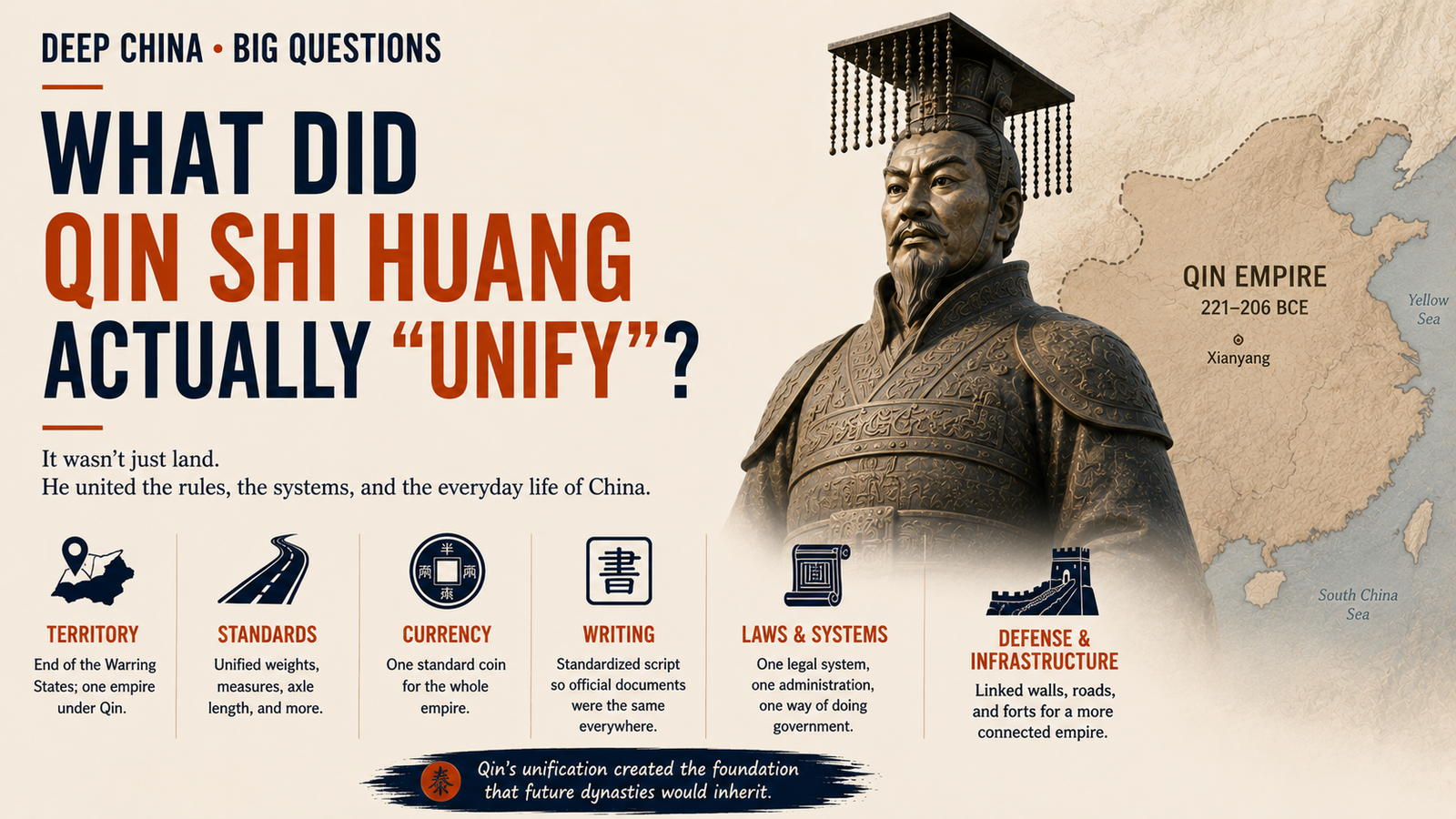
So Qin is famously associated with major programs of:
standardization (统一规范 / 标准化, tǒngyī guīfàn / biāozhǔnhuà).
Among the most famous were:
weights and measures (度量衡, dùliànghéng)
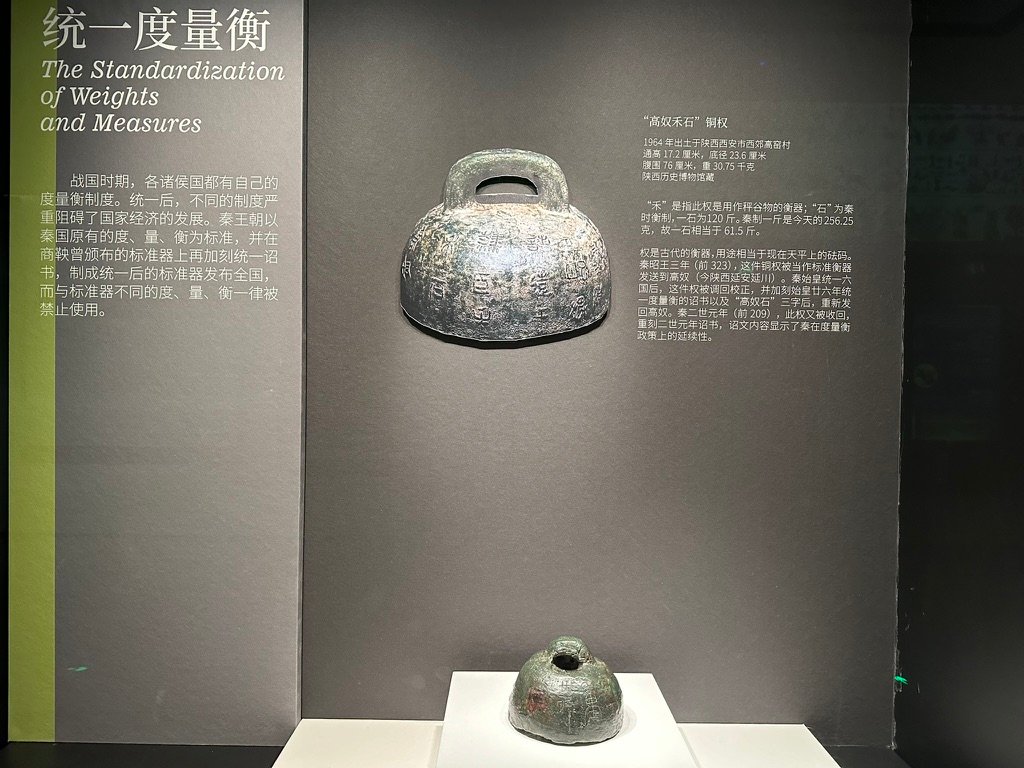
currency (货币, huòbì)
and:
written script (文字, wénzì).
🔥
This is where:
统一 — unification
starts meaning more than:
“one guy conquered everybody.”
It begins affecting how the empire:
works.
✍️ Did Qin Shi Huang Invent Chinese Writing?
NO.
😂
Chinese writing existed long before Qin.
We’ve already visited:
Yinxu (殷墟, Yīnxū)
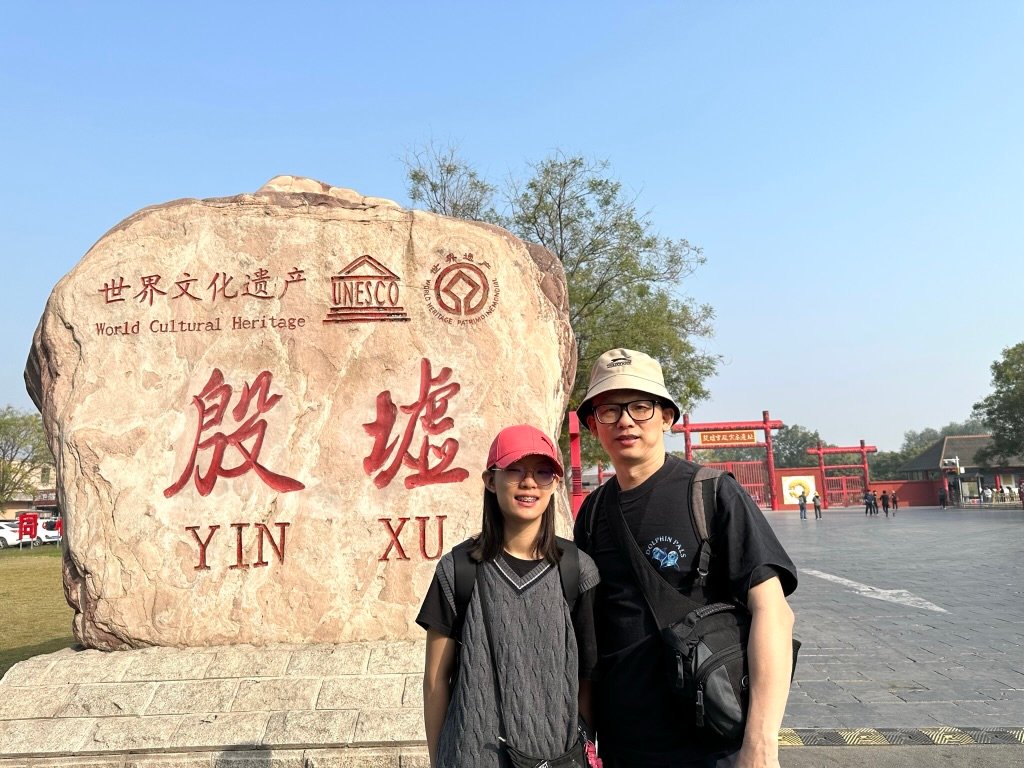
at:
Anyang (安阳, Ānyáng),
where late Shang:
oracle-bone inscriptions (甲骨文, jiǎgǔwén)
take us back many centuries before Qin.
And Dad has seen Western Zhou:
bronze inscriptions (青铜器铭文, qīngtóngqì míngwén)
too.
So Qin did NOT:
invent Chinese characters.
What Qin did was promote standardized written forms for administration across the newly unified empire.
🔥
Very different claim.
Very important distinction.
🛞 What About “Standardizing the Axles”?
You may hear guides say:
“Qin standardized the width of cart axles.”
This comes from the famous historical language associated with:
“vehicles having the same track” (车同轨, chē tóng guǐ).
Alongside:
“writing having the same script” (书同文, shū tóng wén).
These later formulations became powerful shorthand for Qin unification.
For a beginner, the important idea is simple:
movement + administration + communication
work better when systems are compatible.
🔥
Ancient interoperability.
😂
🍚 Western Handrail: Seven Systems Become One Network
Imagine several neighboring countries suddenly become one state.
But they still have incompatible:
administrative systems,
measurement standards,
currency practices,
transport conventions
and:
written standards.
You haven’t finished unifying anything.
You’ve merely changed the map.
😂
Qin’s deeper achievement was attempting to turn:
territorial conquest
into:
administrative integration.
That’s why 221 BCE matters so much.
🛣️ Roads Matter Again
A unified empire also needed:
roads (道路, dàolù).
Qin developed major road networks radiating from the imperial center.
Why?
Because:
officials need to travel,
orders need to move,
armies need to move,
supplies need to move,
and:
information needs to move.
🔥
Again:
empire = network.
Not merely:
emperor.
Course 3 keeps haunting us.
😂
🧱 And Yes — Walls Appear Again
Remember Course 1?
🐇
After unification, Qin incorporated and extended earlier northern fortifications as part of its frontier defenses.
So:
Warring States walls
↓
Qin unification
↓
northern frontier defense
↓
much later:
Great Wall (长城, Chángchéng).
🔥
The Great Wall article and the Terracotta Warriors article are now talking to each other.
Exactly as they should.
🌶️ But Unification Came at a Cost
We shouldn’t turn Qin unification into:
“Everything became standardized and everyone lived happily ever after.”
😂
Qin government became famous for:
heavy demands on labor,
large construction projects,
military mobilization,
strict laws,
and:
harsh punishments.
The state mobilized enormous human and material resources.
The:
First Emperor’s Mausoleum (秦始皇陵, Qín Shǐhuáng Líng)
itself demonstrates that scale.
And the:
Terracotta Warriors
are part of that enormous imperial project.
🔥
So the same state capacity that could:
unify
could also:
burden.
That’s important.
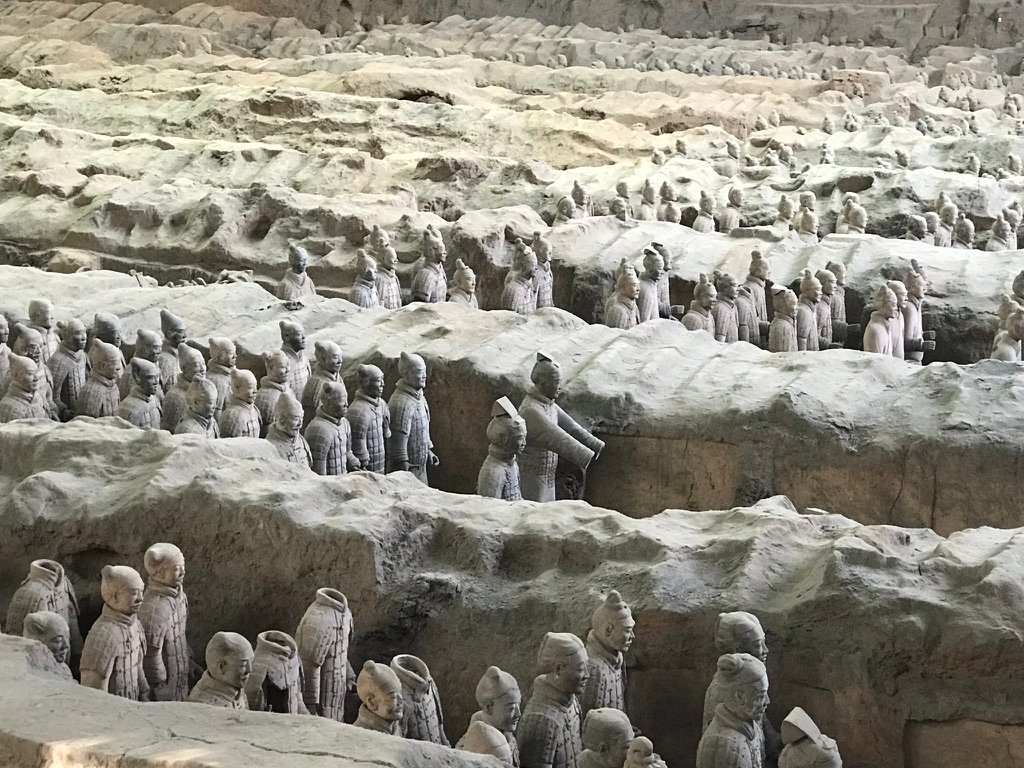
🐇 The Terracotta Army Is Evidence of More Than Military Power
Look at the warriors again.
Thousands of figures.
Different ranks.
Weapons.
Horses.
Chariots.
Production on a massive scale.
Now ask:
How do you organize enough labor, materials, workshops, transport and administration to create THIS?
🔥
The Terracotta Army isn’t simply evidence of:
Qin military culture.
It also hints at:
Qin’s extraordinary ability to mobilize resources.
The same state-building capacity that helped Qin conquer its rivals could also create monumental projects on an astonishing scale.
👑 So What Did Qin Shi Huang Actually Unify?
Now we can finally answer.
Not:
“Chinese civilization.”
That existed long before him.
Not:
“Chinese people”
in the modern national sense.
That’s projecting modern identity backward.
What Qin unified was:
a previously divided political realm dominated by competing states
under:
one imperial ruler
and increasingly:
one centralized administrative order.
🔥🔥🔥
That is historically extraordinary enough.
We don’t need to exaggerate it.
For this aprt of Chinese history, you can read Dad’s & Elaine’s visit to Qin-Han Museum near Xi’an Airport:
Qin-Han Museum (陕西历史博物馆秦汉馆): Where Ancient China Comes Alive
Qin and Han: The Age That Built China
🐇 And What About 中国 — Zhongguo?
Remember:
China / Zhongguo (中国, Zhōngguó)
existed as a term before Qin.
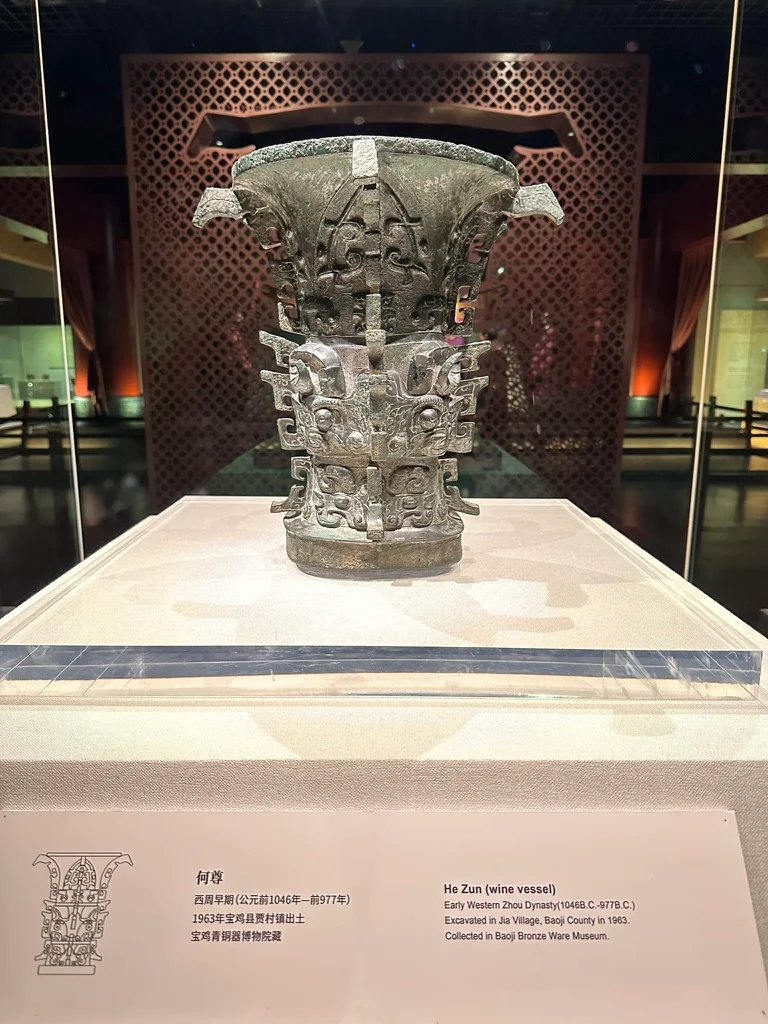
Dad & Elaine saw the famous early inscription on:
He Zun (何尊, Hé Zūn)
from the:
Western Zhou (西周).
But the meaning of:
中国
changed across history.
It should not simply be projected backward as:
“the modern Chinese nation-state.”
🔥
So when an English guide says:
“Qin Shi Huang unified China,”
keep the sentence.
It’s useful.
Just put an asterisk in your brain:
“China” here refers to the political realm Qin conquered and unified—not modern China appearing fully formed in 221 BCE.
That’s the Michelin correction.
🕰️ Now Look at the Journey
Our article started in:
XI’AN
Terracotta Warriors
↓
Qin Shi Huang
↓
221 BCE
↓
then traveled backward:
Warring States (战国)
↓
Spring and Autumn (春秋)
↓
Eastern Zhou (东周)
↓
Western Zhou (西周)
↓
Zhouyuan (周原)
↓
Baoji (宝鸡).
Then forward again:
QIN CONQUEST
↓
one emperor
↓
commanderies and counties (郡县)
↓
standardization (统一规范)
↓
roads
↓
frontiers
↓
empire.
🔥
Now:
“Qin unified China.”
actually means something.
🐞 Final Sting
You came to Xi’an to see:
Terracotta Warriors (兵马俑).
You learned:
Qin Shi Huang unified China.
Then you asked:
“What exactly did he unify?”
And suddenly:
Qin (秦)
↓
Zhao (赵)
↓
Handan (邯郸)
↓
Qi (齐)
↓
Linzi (临淄)
↓
Warring States (战国)
↓
Zhou (周)
↓
Zhouyuan (周原)
↓
Baoji (宝鸡)
↓
He Zun (何尊)
↓
China / Zhongguo (中国)
↓
king (王)
↓
emperor (皇帝)
↓
unification (统一)
↓
commanderies and counties (郡县)
↓
standardization
↓
one imperial political order.
😬
Not bad for a trip to see some clay soldiers.
😂🔥

ChinaTravelBUG’s Take
When you visit the Terracotta Warriors, don’t worry about memorizing:
Seven Warring States.
You don’t need to.
Remember just this:
Qin Shi Huang did not create Chinese civilization. He transformed a centuries-old, politically divided world by conquering the rival states and creating a new unified imperial order.
That’s the historical key.
Then ask:
What existed before Qin?
🐇
That leads you to:
Zhou.
Then:
Shang.
Then:
Anyang (安阳).
Then:
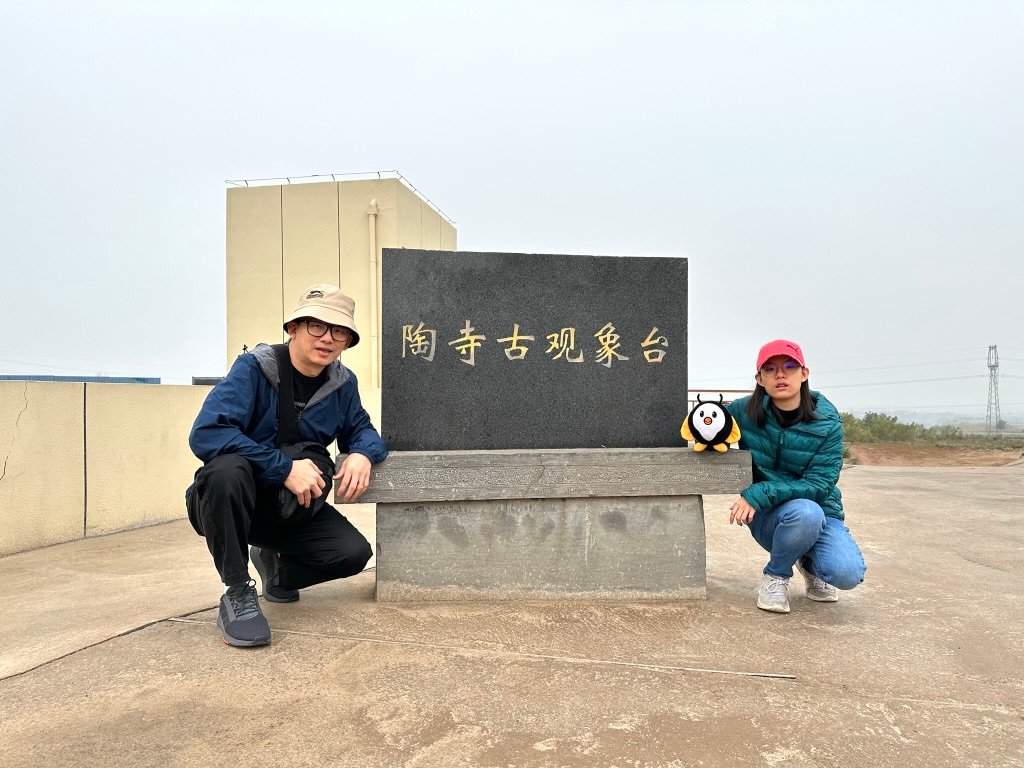
Taosi (陶寺) (near Linfen)
Then…
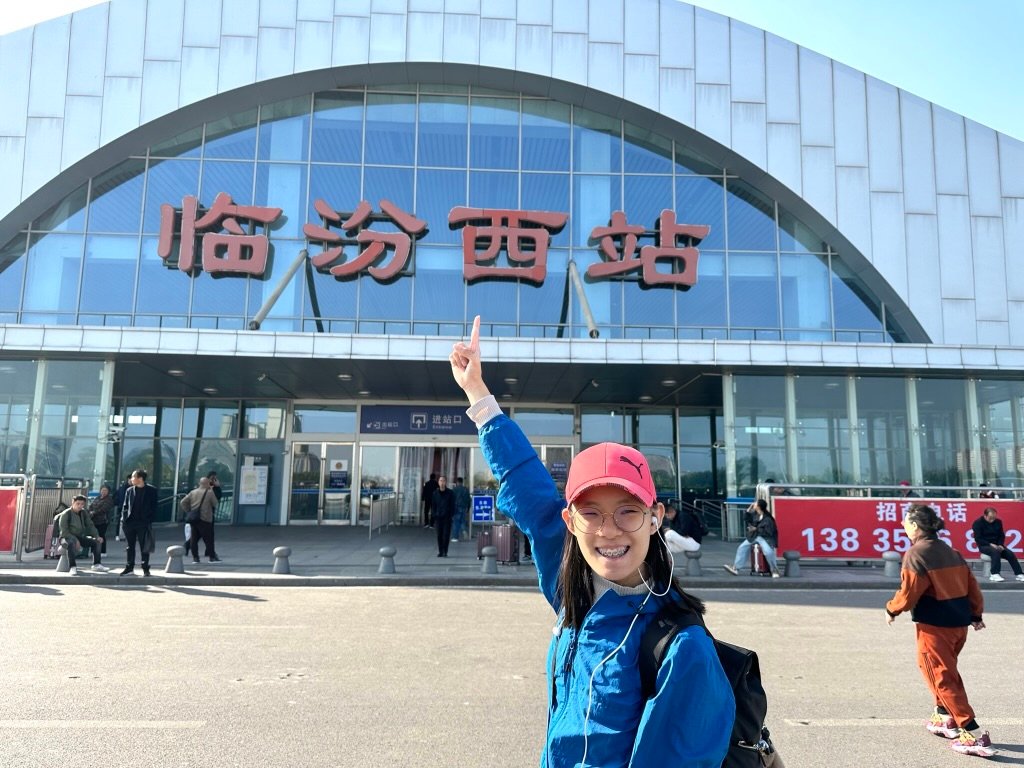
Oh dear.
😂
That’s Course 8.
But before we travel backward toward the beginnings of Chinese civilization, there’s one enormous Qin problem still sitting in front of us.
Qin created this new imperial order in:
221 BCE.
Then the Qin dynasty collapsed in:
206 BCE.
😳
FIFTEEN YEARS.
So why does Qin Shi Huang still matter so much more than two thousand years later?
🐇🌶️🌶️🌶️
That’s our next Michelin course.
See the place. Ask the bigger question. Understand China better.
🐇 Go Deeper: The Next Big Question
Qin Shi Huang unified far more than territory. Yet the dynasty he created collapsed astonishingly quickly.
So why did its impact survive for more than two millennia?
Read next: Michelin Course 7: Qin Lasted Only 15 Years. So Why Did It Change China for More Than 2,000 Years? →