Five Stops, Five Big Questions — A China History Journey Through Jinan, Mount Tai, Qufu, Linzi and Dezhou
Section 1 — We Left Beijing Looking for Shandong. Then the Museum Gave Us a Map Through Chinese History.
For many first-time international travelers, a China trip begins with:
Beijing (北京, Běijīng).
And that’s a very good place to begin.
The:
Forbidden City (故宫, Gùgōng)
shows you imperial power.
The:
Temple of Heaven (天坛, Tiāntán)
introduces the emperor’s relationship with:
Heaven (天, tiān).
The:
Great Wall (长城, Chángchéng)
takes you toward China’s northern frontiers.
🔥
But eventually another question appears:
Where do we go after Beijing if we want to understand China a little more deeply?
Dad & Elaine went:
south.
By:
high-speed rail (高铁, gāotiě).
Into:
Shandong (山东, Shāndōng).
And what followed became much more than another sightseeing trip.
🚄 Beyond Beijing Doesn’t Mean Abandon Beijing
That’s important.
This journey works precisely because:
Beijing gives you the questions.
Then Shandong lets you follow them.
You see:
天坛 — Temple of Heaven
in Beijing.
Then climb:
泰山 — Mount Tai
and ask:
Why did Chinese emperors care so much about Heaven?
🐇
You see:
故宫 — Forbidden City
and wonder how such an enormous imperial system actually worked.
Then visit:
Qufu (曲阜)
and discover the long relationship among:
Confucian learning,
ritual,
education
and:
government.
🐇
You see China today as:
one country.
Then go to:
Linzi (临淄)
and encounter:
Qi (齐国)
— one of the powerful states that existed before Qin created the first unified imperial order.
🐇
Then:
Dezhou (德州)
gives you:
the Grand Canal (大运河)
and:
the Sulu Royal Tomb (苏禄王墓).
One points:
INTO the empire.
The other points:
OUT toward the wider world.
🐇🌏
Suddenly Shandong isn’t:
“somewhere else to go after Beijing.”
It’s:
a continuation of the Beijing history lesson.
But Dad Didn’t Plan It This Neatly
😂
That’s the important part.
Dad didn’t sit at home and announce:
“Elaine, today I have designed an integrated pedagogical framework for understanding Chinese civilization through Shandong’s historical geography.”
😭😂
No.
We traveled.
We looked.
We asked questions.
One place connected with another.
And sometimes the most important rabbit appeared:
inside a museum display case.
💧 First Stop: Jinan 济南
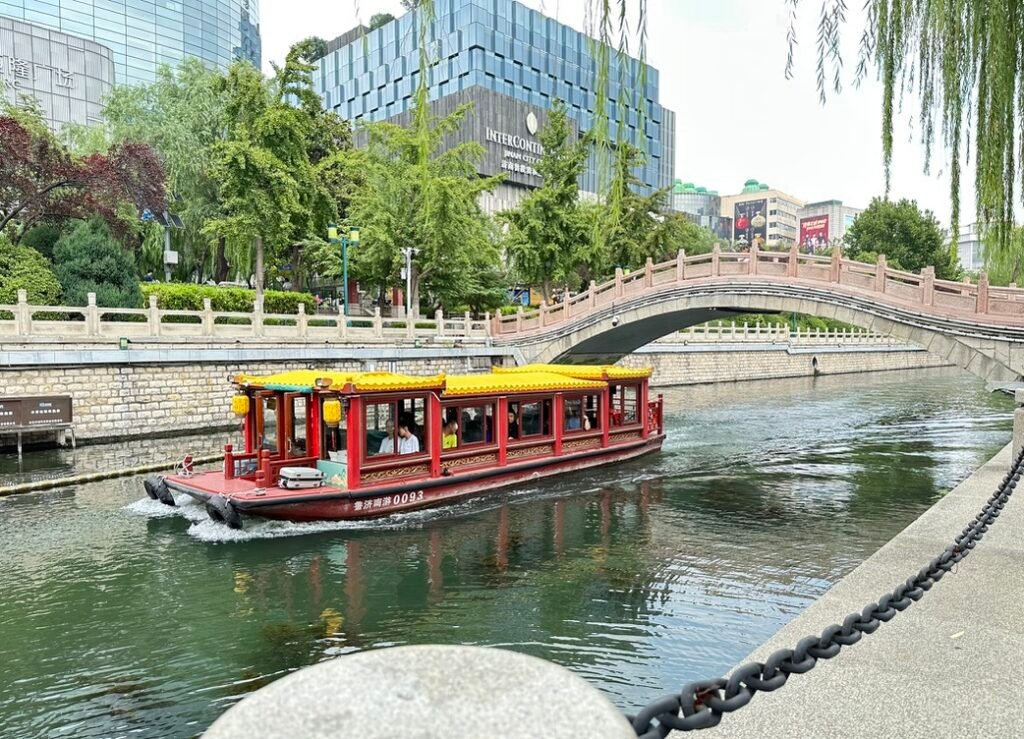
Our doorway into Shandong was its provincial capital:
Jinan (济南, Jǐnán).
Jinan is famous as:
泉城 — Quánchéng
the City of Springs.
Beginner Chinese:
泉 — quán
spring
城 — chéng
city
So:
泉城
City of Springs.
🔥
We visited:
Baotu Spring (趵突泉, Bàotū Quán),
walked through Jinan’s spring landscape and encountered the city’s connections with:
Li Qingzhao (李清照, Lǐ Qīngzhào),
one of China’s great literary figures.
Already:
water
was leading toward:
geography, culture and history.
A perfectly good Deep China dish.
Then we went to:
Shandong Museum (山东博物馆, Shāndōng Bówùguǎn).
That was where the trouble started.
😂🐇
First Rabbit: Before the Dynasties
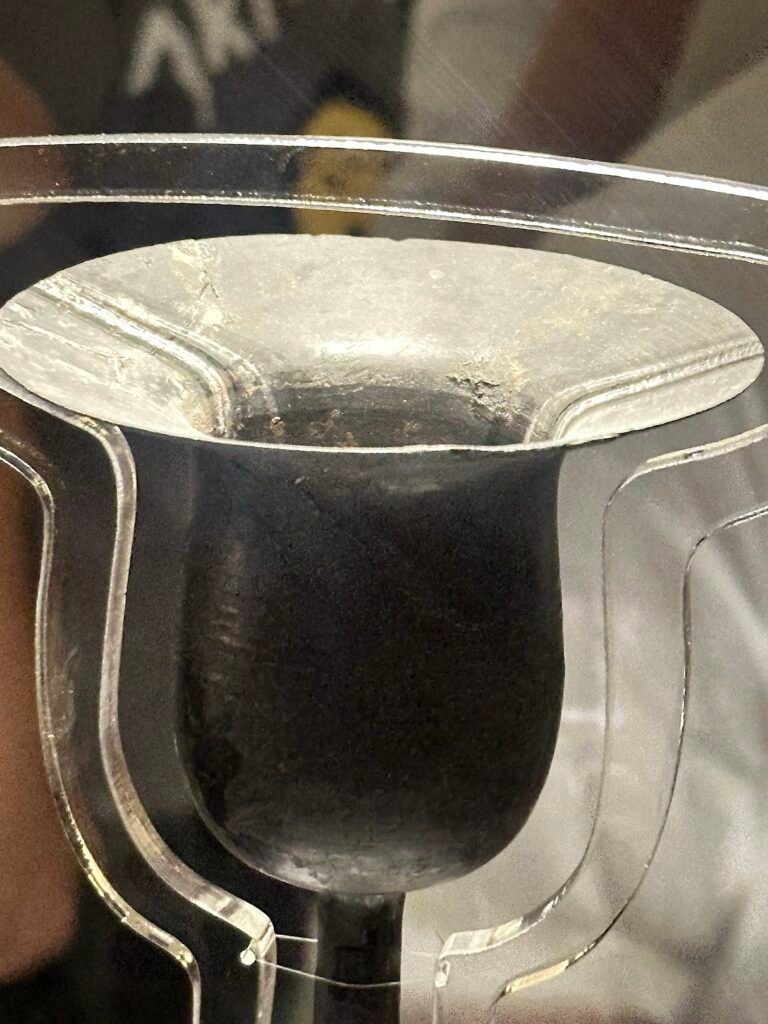
Inside the museum:
Longshan Culture (龙山文化, Lóngshān Wénhuà).
And an astonishing:
蛋壳黑陶高柄杯
dànké hēitáo gāobǐng bēi
Eggshell Black Pottery High-Handled Cup.
Delicate.
Black.
Extraordinarily thin.
And prehistoric.
😳
Suddenly:
Shandong
wasn’t beginning with Confucius.
Or Zhou.
Or Shang.
We had been pushed much farther backward.
🐇
The question became:
When does Chinese civilization actually begin?
That’s one rabbit.
Then Zhou Appeared
Elsewhere in the museum:
bronze inscriptions.
Useful Chinese:
青铜器 — qīngtóngqì
bronze vessel / bronze artifact
铭文 — míngwén
inscription
拓片 — tàpiàn
rubbing
🔥
An ancient bronze isn’t merely:
an object.
When writing appears on it, the object can also become:
a document.
Names.
Appointments.
Political relationships.
Military responsibilities.
And suddenly Shandong Museum had connected Dad & Elaine back toward:
Western Zhou (西周, Xī Zhōu)
and places we’d already explored in:
Shaanxi (陕西, Shǎnxī).
🐇
The museum wasn’t keeping us inside Shandong anymore.
Then Two Characters Changed the Map
齐鲁 — Qílǔ.
Two characters international travelers should remember in Shandong.
齐 — Qí
Qi
鲁 — Lǔ
Lu
These names belong to important historical states associated with the region.
And suddenly the museum gave us:
TWO DESTINATIONS.
🔥
Follow:
齐 — QI
and you reach:
Linzi (临淄)
the ancient capital of:
Qi (齐国).
There:
Jixia Academy (稷下学宫)
and:
Hundred Schools contending (百家争鸣)
open a world of:
competing states + competing ideas.
🐇
Follow:
鲁 — LU
and you reach:
Qufu (曲阜),
home of:
Confucius (孔子, Kǒngzǐ).
There:
仁 — rén
礼 — lǐ
学 — xué
and:
儒家 — Rújiā
lead toward:
education + institutions + government.
🐇
Two characters.
Two places.
Two enormous historical questions.
Then Dad Saw the Bamboo Slips
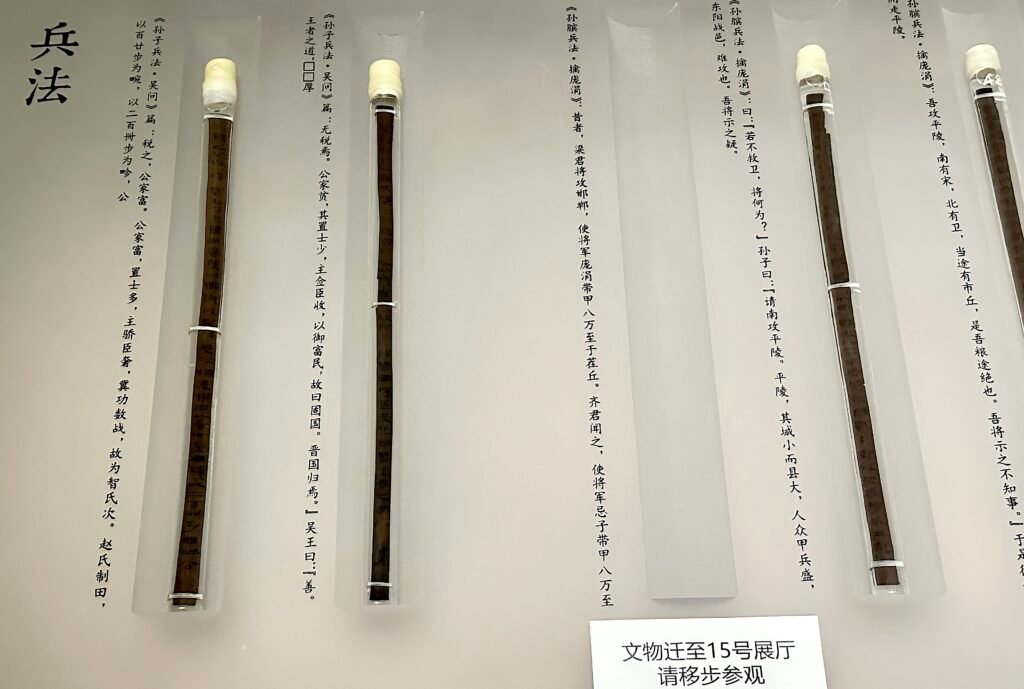
And this was the moment the journey changed.
In front of us were materials connected with the:
Yinqueshan Han Tomb Bamboo Slips
银雀山汉墓竹简
Yínquèshān Hànmù Zhújiǎn
including texts associated with:
《孙子兵法》 — Sūnzǐ Bīngfǎ
The Art of War
and:
《孙膑兵法》 — Sūn Bìn Bīngfǎ
Sun Bin’s Military Methods.
🔥
Not a modern book.
Not Dad explaining Chinese history to Elaine.
竹简 — zhújiǎn.
Bamboo slips.
Physical traces of ancient texts.
Right there.
Dad looked at Elaine.
And said:
“值回票价了!”
Zhí huí piàojià le!
😂🔥
Dad Didn’t Mean the Museum Ticket
He meant:
the air tickets (机票, jīpiào).
The:
high-speed rail tickets (高铁票, gāotiě piào).
The hotels.
The transport.
The journey.
值回票价
worth the price / worth the trip.
Seeing those bamboo slips with:
our own eyes
already made the journey worthwhile.
Because Dad could have stayed home and told Elaine:
Ancient Chinese texts were written on bamboo slips.
Done.
😂
But that’s not why we traveled.
Dad wanted Elaine to:
SEE.
Then:
ASK.
Then:
CONNECT.
Then:
UNDERSTAND.
And eventually:
FOLLOW.
🐇
And THAT Is How This Shandong Journey Really Began
Not with:
“Top 5 attractions in Shandong.”
Not with:
“How many UNESCO sites can we collect?”
And certainly not with:
“Elaine, memorize the dynasties.”
😂
It began with:
PLACES.
And objects.
And questions.
The museum gave us:
Longshan
↓
Before China
🐇
Zhou
↓
political order
🐇
Qi
↓
Linzi
🐇
Lu
↓
Qufu
🐇
bamboo slips
↓
information + government
🐇
Sun Wu + Sun Bin
↓
archaeology + transmitted texts
🐇🐇🐇
Dad finally realized:
Shandong Museum wasn’t the end of our history lesson.
It was:
THE COAT RACK.
🔥
🍽️ So We Went Looking for the History Outside the Museum
And that’s the journey you’re about to follow.
Not:
five attractions.
But:
five stops asking five different questions.
💧 JINAN 济南
THE COAT RACK
What stories are hiding across Shandong?
⛰️ MOUNT TAI 泰山
HEAVEN
Why did emperors need Heaven?
👨🏫 QUFU 曲阜
IDEAS → INSTITUTIONS
How did one teacher become so important to later Chinese government, education and society?
🏛️ LINZI 临淄
COMPETING STATES → COMPETING IDEAS
What did “China” look like before Qin unified the rival states?
🚢 DEZHOU 德州
EMPIRE → WORLD
How did imperial China connect itself internally — and connect with societies beyond China?
🐇🌏
This Is NOT Our “Ultimate Shandong Itinerary”
Important.
Shandong is much bigger than:
five places.
😂
We’re not claiming:
“Visit these five and you’ve completed Shandong.”
This route has a narrower purpose.
It’s the journey Dad & Elaine used to begin connecting:
Chinese history
through:
places.
And we’re inviting international travelers to try the same method.
The First Sting
Most travelers ask:
“Where should I go after Beijing?”
Perfectly reasonable question.
Deep China asks one more:
“What do you want the next place to help you understand?”
🔥
That’s why we’re going into Shandong.
Not simply:
Beijing → Jinan → Taishan → Qufu → Linzi → Dezhou.
But:
PLACE
↓
QUESTION
↓
ANOTHER PLACE
↓
BIGGER QUESTION
↓
RABBIT HOLE.
🐇
And occasionally…
as we’ll discover in Qufu and Dezhou…
the rabbit escapes China.
🐇🌏😂
Welcome to:
a Deep Journey Through Shandong.
Section 2 — Three Stops. Three Questions. Chinese History Starts Connecting Itself.
Shandong Museum gave us:
the coat rack.
Now we needed to leave the museum.
😂
Because Dad’s way of teaching Elaine Chinese history has never been:
“Read everything first. Travel later.”
It’s almost the reverse.
Go to the place.
Look.
Ask.
Then connect what you’re seeing with:
something you’ve already seen somewhere else.
🔥
So from:
Jinan (济南, Jǐnán),
our Shandong history lesson moved into:
the landscape.
And the first stop took us:
up a mountain.
🍽️ COURSE 1 — MOUNT TAI 泰山
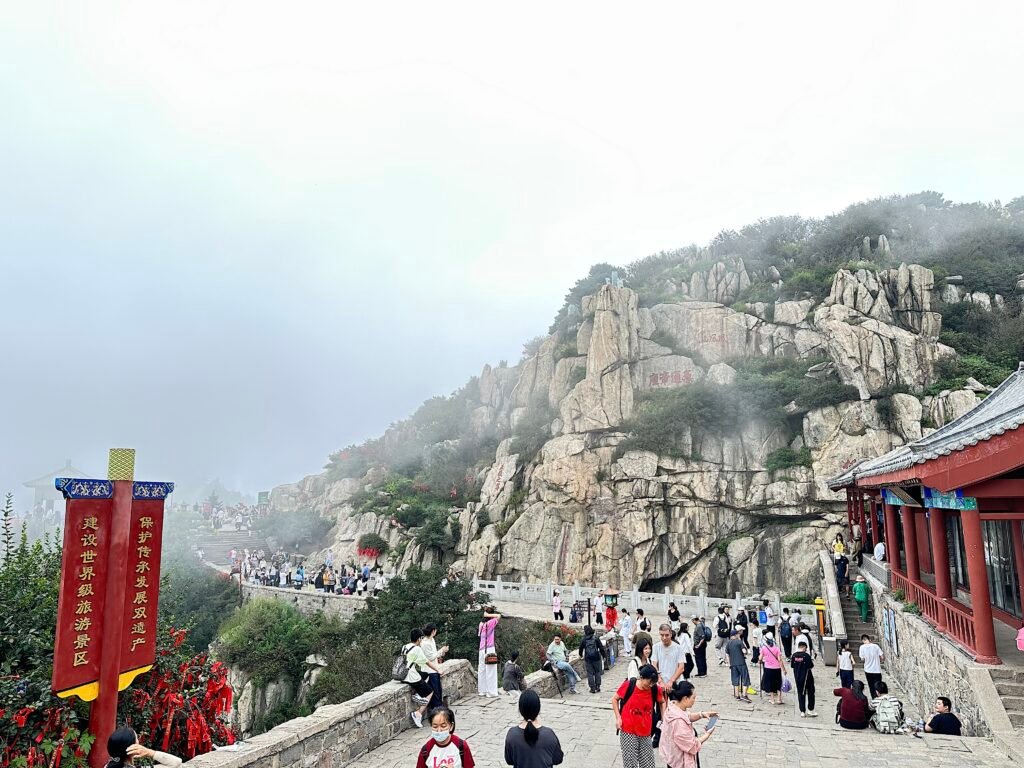
The Question: Why Did Chinese Emperors Need Heaven?
From Jinan, continue toward:
Tai’an (泰安, Tài’ān)
and:
Mount Tai (泰山, Tàishān).
For the international traveler, the attraction is obvious.
Mountain.
Stairs.
Temples.
Stone inscriptions.
Sunrise.
😂
But Dad wants you to learn one Chinese character before climbing:
天 — tiān
Heaven / sky
Because once you understand:
天,
Mount Tai changes.
⛰️ Not Just a Mountain
Mount Tai is:
东岳 — Dōngyuè
Eastern Sacred Mountain
of the traditional:
Five Great Mountains (五岳, Wǔyuè).
And for centuries it carried extraordinary:
ritual
and:
political
importance.
Chinese emperors came here.
Some performed:
祭祀 — jìsì
ritual sacrifices / ceremonial offerings
and a small number undertook the prestigious:
封禅 — fēngshàn
exceptional imperial rites associated especially with Mount Tai.
🔥
Now the question becomes:
Why would the most powerful man in the empire need a mountain?
🐇
👑 Learn Four 天 Words
Mount Tai gives beginners a fantastic Chinese coat rack.
天 — tiān
Heaven
天命 — Tiānmìng
Mandate of Heaven
天子 — Tiānzǐ
Son of Heaven
天下 — tiānxià
All Under Heaven
😳
One character.
Four enormous political ideas.
Now think about the:
Temple of Heaven (天坛, Tiāntán)
you may already have visited in:
Beijing.
Suddenly Beijing and Shandong begin:
talking to each other.
🐇 Beijing → Taishan → Zhou
The Temple of Heaven gives you:
imperial ritual.
Mount Tai gives you:
sacred landscape + imperial legitimacy.
Then:
天命 — Mandate of Heaven
sends us backward toward:
Zhou (周).
🔥
Dad & Elaine have already followed THAT rabbit to:
Zhouyuan (周原)
and:
Qishan (岐山)
in Shaanxi.
One Shandong mountain has just connected:
BEIJING
↓
SHANDONG
↓
SHAANXI.
😂🐇
That’s DEEP China.
And Remember Dad’s Rule
At Mount Tai:
READ THE MOUNTAIN.
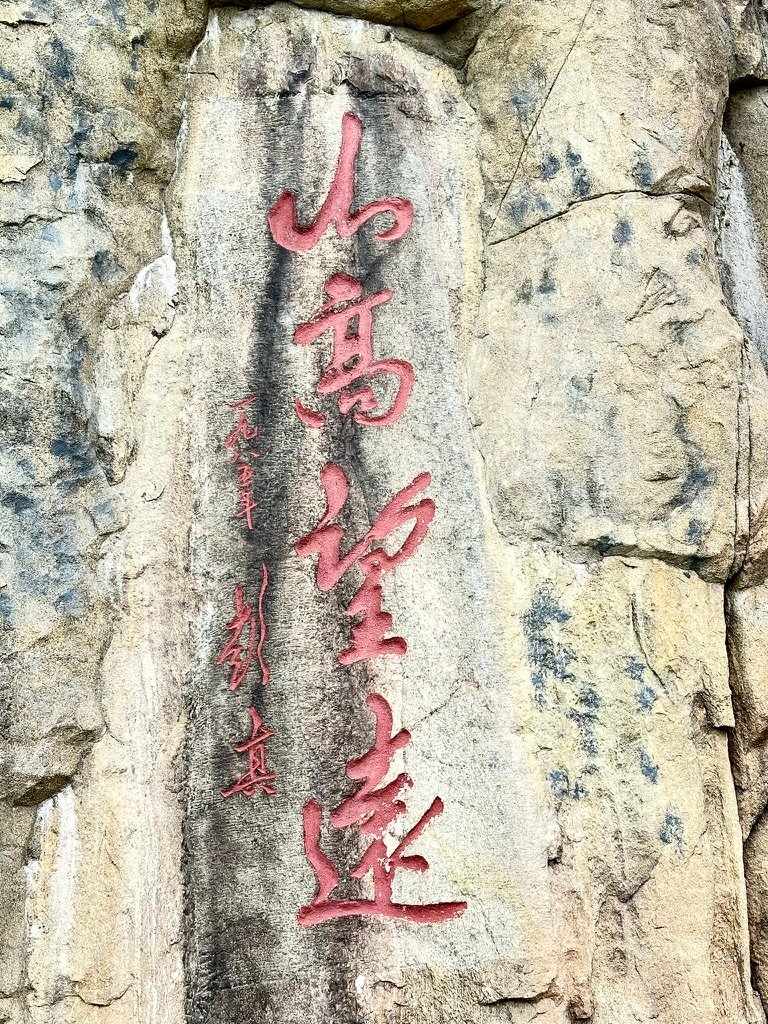
Look for:
石刻 — shíkè
rock / stone inscriptions
and:
碑 — bēi
steles.
Don’t see only:
beautiful Chinese calligraphy.
Ask:
Who wrote this?
Which dynasty?
Why HERE?
🔥
The mountain itself became:
a historical archive.
THE TAISHAN STING
You arrived thinking:
“I’m climbing a famous mountain.”
Then:
泰山
↓
天
↓
天子
↓
天命
↓
封禅
↓
political legitimacy.
😬
Now you’re ready for the Michelin question:
Why Does Chinese History Keep Talking About Heaven?
But don’t eat the Michelin course yet.
😂
We still have Shandong to travel.
🍽️ COURSE 2 — QUFU 曲阜
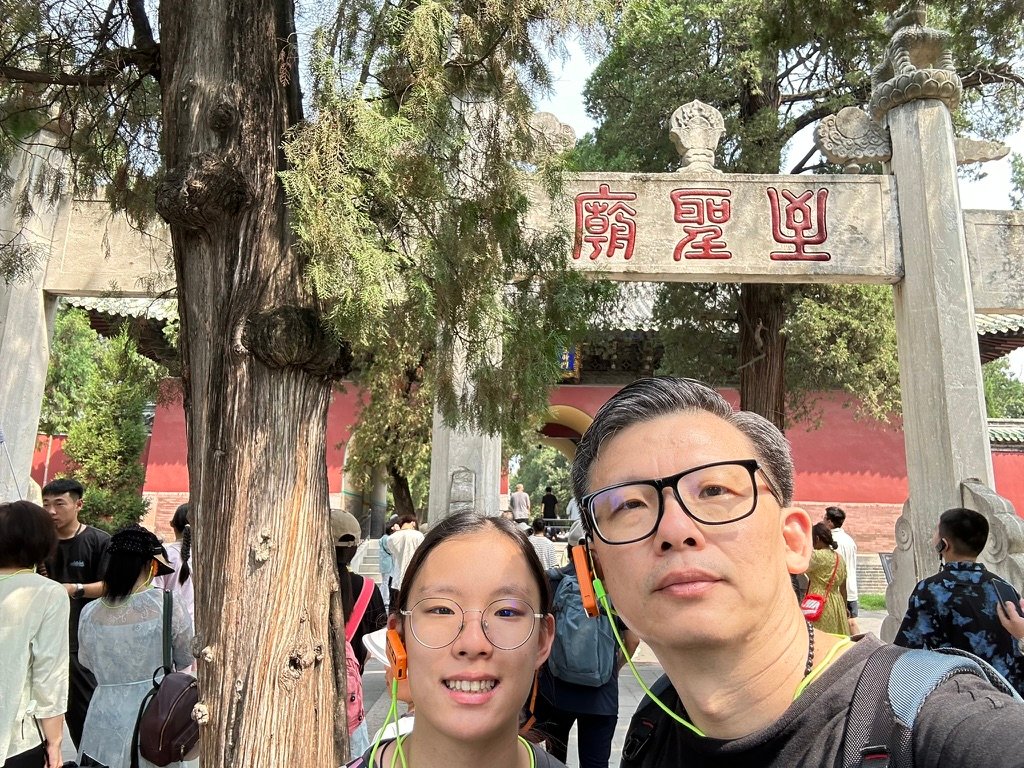
The Question: How Did One Teacher Become an Institution?
Come down from Mount Tai and travel toward:
Qufu (曲阜, Qūfù).
Now meet:
Confucius (孔子, Kǒngzǐ).
Most Western travelers know:
Confucius = famous Chinese philosopher.
Fine.
But Qufu asks something much more interesting.
Confucius died in:
479 BCE.
So why were emperors still honoring him:
centuries later?
🐇
Qufu Gives Us Different Chinese
At Taishan:
天.
At Qufu:
仁 — rén
humaneness
礼 — lǐ
ritual / propriety
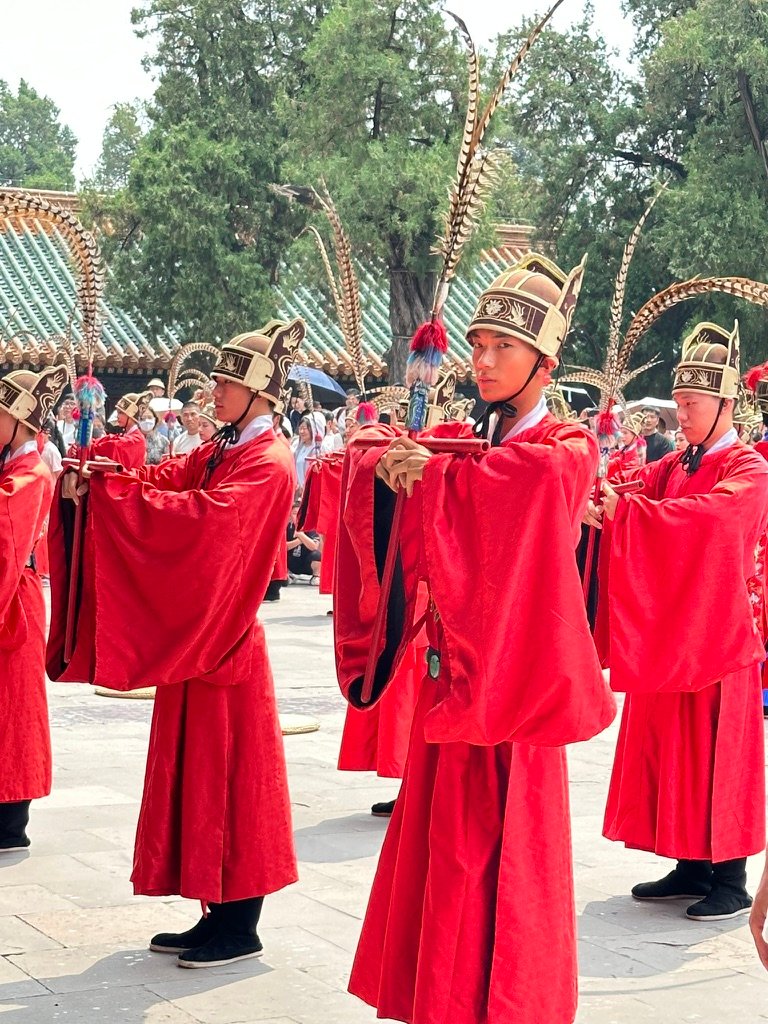
What does 礼 (lǐ) actually look like? A ceremonial performance at the Temple of Confucius in Qufu gives visitors a vivid visual doorway into the world of 礼 — ritual, propriety and ordered conduct that became so important in the Confucian tradition. The costumes and choreography are modern presentation, but the bigger idea is ancient: ritual was not merely ceremony—it helped express relationships, hierarchy and social order. Photo by Dad.
孝 — xiào
filial respect
学 — xué
learning / study
and:
儒家 — Rújiā
Confucian tradition.
🔥
Now our political question changes.
Taishan asked:
Why does the emperor need Heaven?
Qufu asks:
What kind of ideas help create social and political order?
Temple. Mansion. Cemetery.
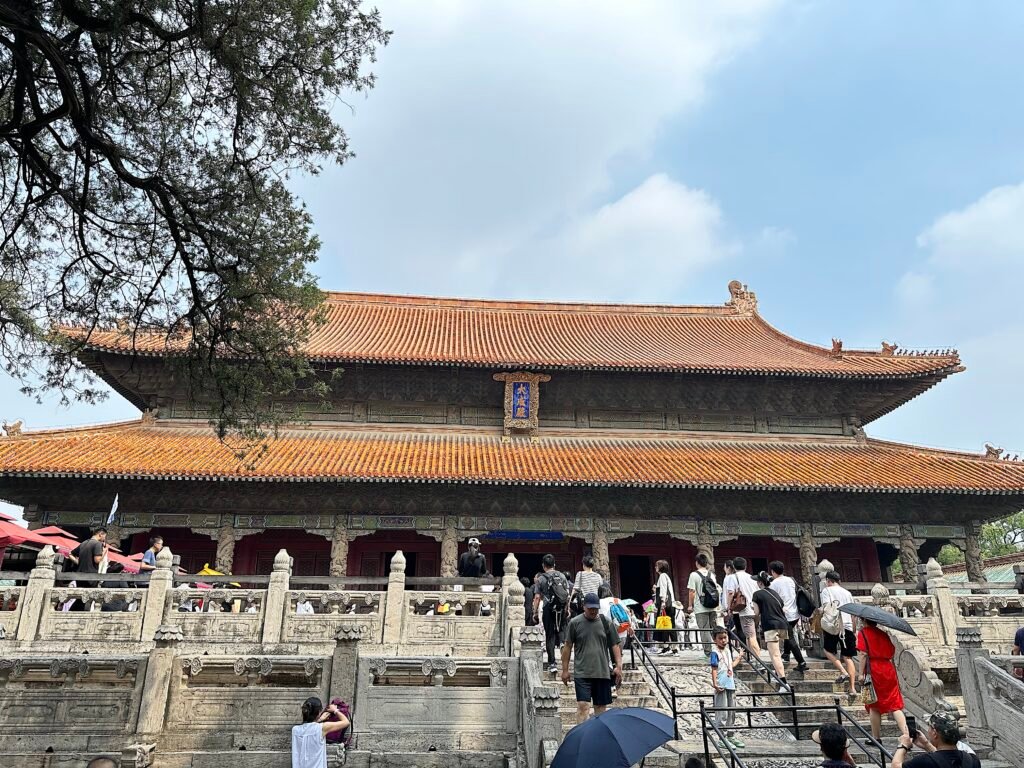
Qufu gives us three easy characters:
孔庙 — Kǒngmiào
Temple of Confucius
孔府 — Kǒngfǔ
Kong Family Mansion
孔林 — Kǒnglín
Cemetery of Confucius
Remember:
庙 — temple
府 — mansion / official residence
林 — grove / forest
🔥
Three places.
But don’t treat them as:
three attractions.
Think:
RITUAL
↓
FAMILY / INSTITUTION
↓
LINEAGE / MEMORY.
And Dad Found Stones AGAIN
😂
At Qufu, our local specialist spent time explaining:
steles (碑, bēi)
and the historical layers surrounding Confucius.
Different dynasties.
Different rulers.
Different inscriptions.
Yet:
Confucius remains.
🔥
Now Dad asks:
Why did successive governments keep honoring an ancient teacher?
That’s not merely:
philosophy.
It’s also:
political history.
📚 Ideas Become Institutions
The Confucian tradition became deeply connected over later imperial history with:
education,
classical learning,
ritual,
scholar-official culture
and:
government.
So our Qufu chain becomes:
IDEAS
↓
TEXTS
↓
LEARNING
↓
EXAMINATIONS
↓
OFFICIALS
↓
GOVERNMENT.
😳
Now:
孔子
is no longer simply:
“famous philosopher.”
He has become a doorway into:
how ideas become institutions.
And Then the Political Science Rabbit Appears
Different ruling houses governed China across the centuries.
Some originated among peoples beyond earlier Han Chinese political frontiers.
Think:
Mongols (蒙古)
and:
Manchus (满洲).
Yet rulers from these dynasties also participated in traditions surrounding:
Confucius.
🔥
So Dad asks:
Why would a conquering ruler honor the cultural traditions of the society he now governs?
🐇
Conquest gives:
POWER.
Government requires:
something more.
Institutions.
Officials.
Political language.
Legitimacy.
Now Qufu hands us another Michelin question:
Who Is “Chinese”?
😬
🐇🌏 Then Something Really Strange Happens
You could leave Qufu thinking:
“Interesting. Confucius influenced China.”
Then Dad & Elaine went to:
Hanoi, Vietnam.
😂
And found:
Temple of Literature — Văn Miếu.
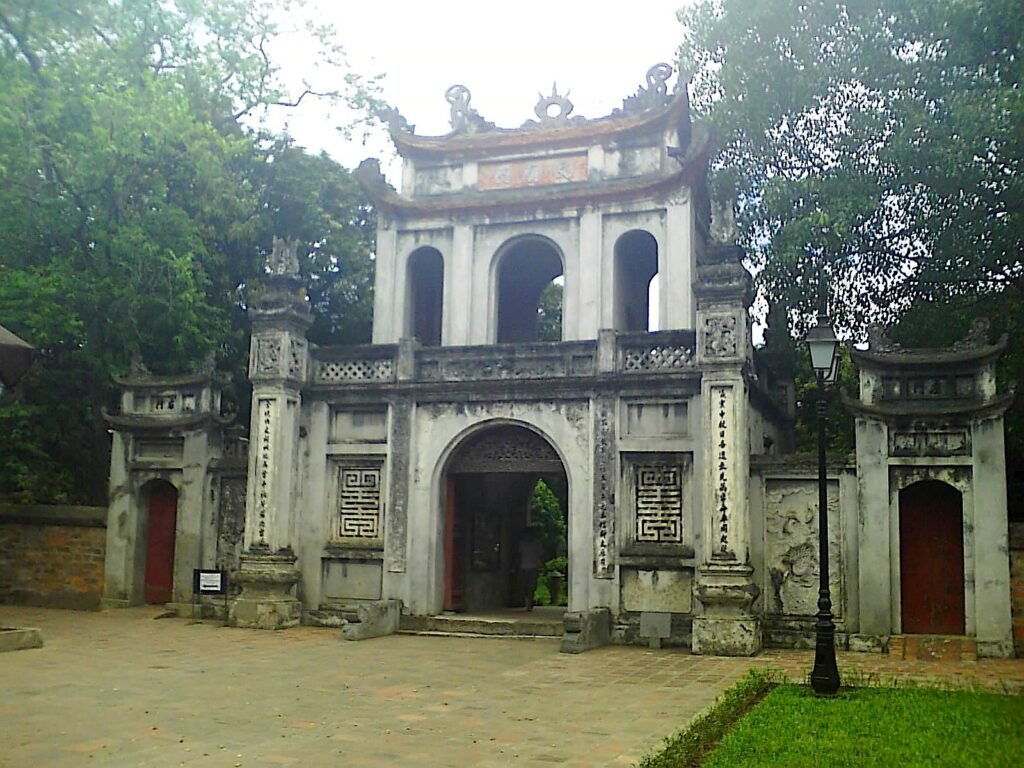
A Confucian temple and educational landscape.
😳
Wait.
What is Confucius doing in Vietnam?
🐇🌏 THE RABBIT ESCAPED CHINA!
Confucian texts and institutions influenced societies beyond China, including:
Vietnam
Korea
and:
Japan
in different ways and historical periods.
But remember:
INFLUENCE ≠ COPY.
Vietnam didn’t simply:
“become China.”
Different societies:
RECEIVED
↓
SELECTED
↓
ADAPTED
↓
TRANSFORMED.
🔥
Now our Chinese-history rabbit has crossed:
a modern national border.
That’s going to happen again.
THE QUFU STING
You arrived thinking:
“I’m visiting Confucius’s hometown.”
Then:
孔子
↓
儒家
↓
礼
↓
education
↓
government
↓
political legitimacy
↓
Mongols / Manchus
↓
Hanoi.
😭😂
Now the Michelin questions are multiplying:
How Did One Emperor Govern Such a Huge Country?
and:
Who Is “Chinese”?
But our Shandong journey isn’t finished.
Because now we’re going somewhere that changes the map completely.
🍽️ COURSE 3 — LINZI 临淄
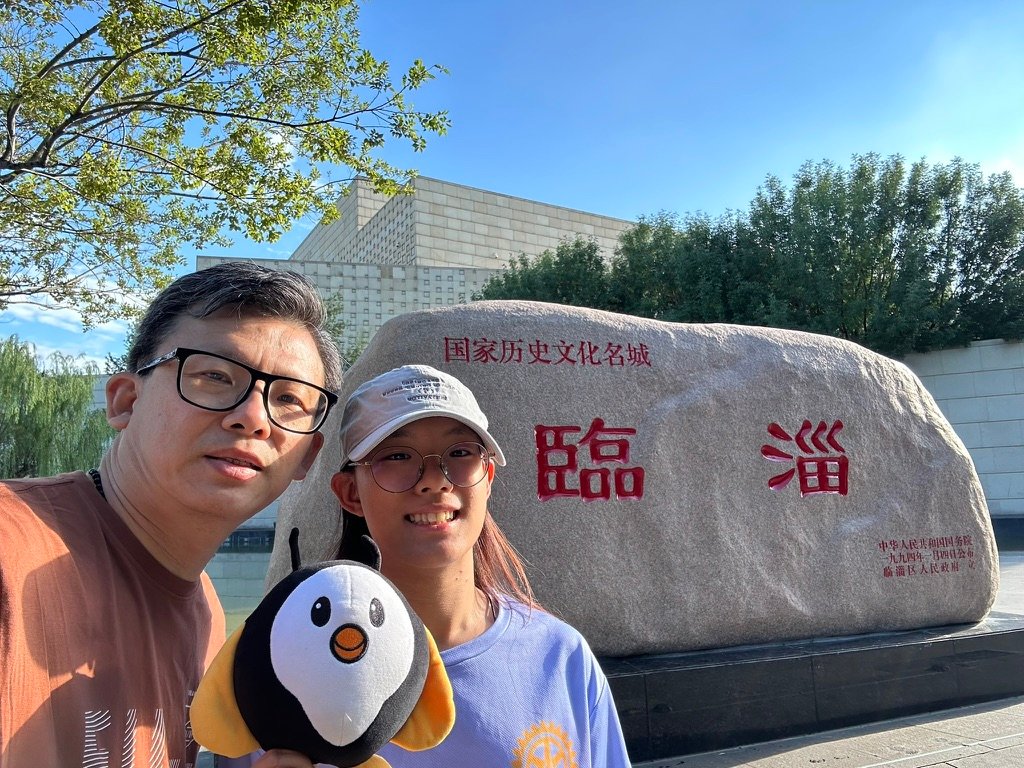
The Question: What Did “China” Look Like Before It Was One Empire?
Travel toward:
Zibo (淄博, Zībó)
and:
Linzi (临淄, Línzī).
Today Linzi is part of modern Zibo.
But in the:
Warring States period (战国时期, Zhànguó Shíqī),
Linzi was the capital of:
Qi (齐国, Qí Guó).
🔥
Remember our museum characters?
齐鲁.
We followed:
鲁 — Lu
to:
Qufu.
Now we’re following:
齐 — Qi
to:
Linzi.
The museum menu has become:
a physical journey.
One Character Changes Everything: 国
国 — guó
state / country / polity, depending on context
Now:
齐国 — Qí Guó
State of Qi
鲁国 — Lǔ Guó
State of Lu
秦国 — Qín Guó
State of Qin
😳
Wait.
If there were:
different 国,
what exactly was:
“China”?
🐇
That’s the Linzi Sting beginning before we’ve even entered the museum.
Welcome to the Warring States
By the later Warring States era, we commonly encounter the:
战国七雄 — Zhànguó Qīxióng
Seven major Warring States powers
including:
齐 楚 燕 韩 赵 魏 秦.
Qi.
Chu.
Yan.
Han.
Zhao.
Wei.
Qin.
🔥
Different:
rulers,
armies,
territories,
capitals
and:
political interests.
So don’t imagine:
“China was already one modern country, temporarily divided into seven provinces.”
No.
The political landscape was much more complicated.
And Then Linzi Gives Us Jixia
Jixia Academy (稷下学宫, Jìxià Xuégōng)
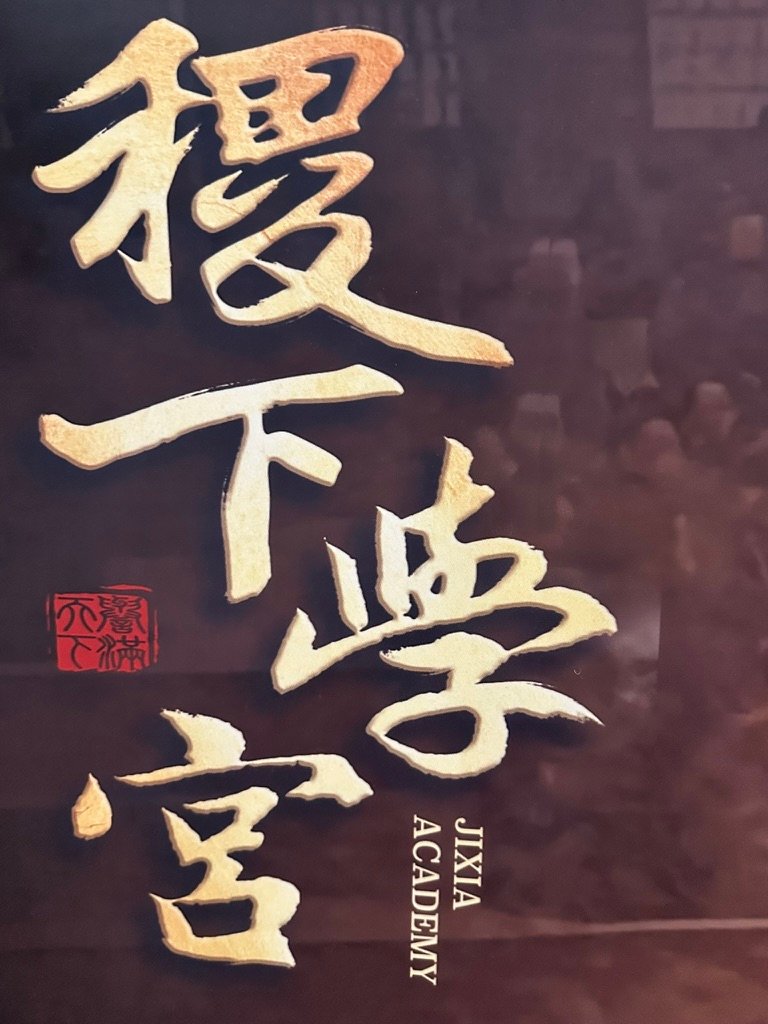
brings another dimension.
States weren’t merely:
fighting.
Thinkers were:
arguing.
😂
We encounter the famous:
百家争鸣 — bǎijiā zhēngmíng
Hundred Schools contending.
Confucian thinkers.
Mohists.
Daoist thinkers.
Thinkers later grouped as Legalists.
Different answers to:
What makes a good ruler?
What is human nature like?
Should government rely on virtue?
Law?
Ritual?
Rewards and punishments?
🔥
Ancient China was:
arguing with itself.
States Compete. Ideas Compete.
That’s the key Linzi lesson.
The Warring States weren’t competing only through:
armies.
They competed through:
administration,
economic reforms,
diplomacy,
military organization
and:
ideas about government.
🔥
Rulers wanted:
人才 — réncái
talented people / talent.
Thinkers wanted:
patronage
and opportunities to influence government.
So:
political competition
and:
intellectual competition
could reinforce each other.
Now:
百家争鸣
isn’t merely:
philosophy class.
It’s:
political history.
🐇 And Then Qin Wins
Eventually one state defeats the others:
秦 — Qin.
The final major rival conquered in:
221 BCE
was:
Qi.
😳
Stand in Linzi and think about that.
This had been:
a capital.
A major political center.
An intellectual center.
A world with:
its own ruler and interests.
Then Qin conquered it.
🔥
Now the famous sentence:
“Qin Shi Huang unified China.”
sounds different.
Good.
THE LINZI STING
You arrived thinking:
“Ancient Qi culture.”
Then:
齐国
↓
临淄
↓
战国
↓
稷下学宫
↓
百家争鸣
↓
competing ideas
↓
competing states
↓
Qin
↓
221 BCE.
😬
And now you’re finally ready to ask:
What Did Qin Shi Huang Actually “Unify”?
That’s one of our biggest Michelin courses.
But there’s one final Shandong plate.
And it changes the direction of the entire journey.
Until now we’ve mostly been asking:
how China worked INSIDE.
At:
Dezhou (德州),
we’re going to open:
the door to the world.
🐇🌏🔥
Section 3 — Dezhou Opens the Door — and Suddenly the Shandong Rabbit Escapes China
By the time we reached:
Dezhou (德州, Dézhōu),
Dad & Elaine’s Shandong history lesson had already traveled a very long way.
😂
Jinan 济南
gave us:
THE COAT RACK.
↓
Mount Tai 泰山
gave us:
HEAVEN — 天.
↓
Qufu 曲阜
gave us:
IDEAS → INSTITUTIONS.
↓
Linzi 临淄
gave us:
COMPETING STATES → COMPETING IDEAS.
And then:
Dezhou 德州
did something unexpected.
It pointed:
INWARD
toward the machinery holding an empire together.
And:
OUTWARD
toward Southeast Asia and the wider maritime world.
😬
One city.
Two directions.
Perfect final course.
🍽️ COURSE 4 — DEZHOU 德州
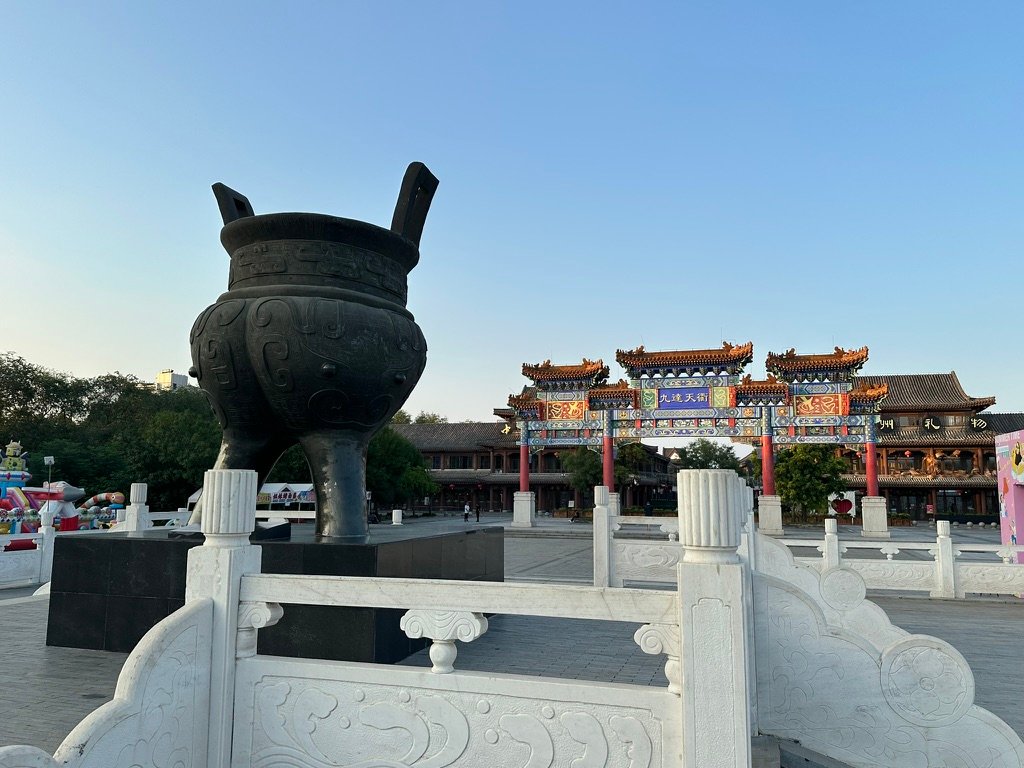
The Question: How Did Imperial China Connect Itself — and Connect With the Wider World?
Our first clue is:
Grand Canal (大运河, Dàyùnhé).
Beginner Chinese:
大 — dà
great / big
运 — yùn
transport / move
河 — hé
river
So:
大运河
Grand Canal.
🔥
That middle character:
运
is important.
Because this wasn’t merely:
a beautiful old waterway.
It was:
infrastructure.
🚢 Remember: CAPITALS EAT
😂
Return mentally to:
Beijing.
During the Ming and Qing periods, Beijing was a huge northern imperial capital.
The:
Forbidden City (故宫)
looks magnificent.
But palaces need:
people.
People need:
food.
Armies need supplies.
Government needs transport.
🔥
So one of the great problems of imperial government was:
How do you move enormous quantities of resources across an enormous country?
Now learn:
漕运 — cáoyùn
state-organized grain transport by waterways
The Grand Canal helped connect:
南北 — nánběi
south and north
and helped move grain and other resources toward the northern political center.
Suddenly:
CANAL
becomes:
STATE CAPACITY.
🐇 Forbidden City → Grand Canal
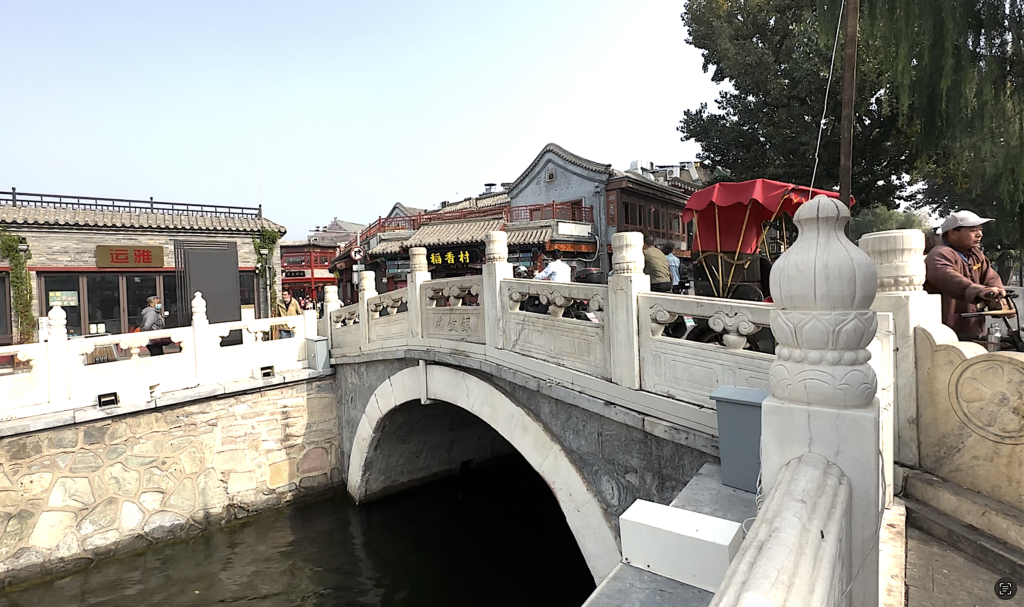
That’s why Dad likes linking places.
At:
Forbidden City
you see:
POWER.
At:
Dezhou’s Grand Canal
you begin seeing:
what helped sustain that power.
🔥
One is glamorous.
One is logistics.
But an empire needs:
both.
So Dezhou sends us back toward another Michelin question:
Why Did China’s Capital Keep Moving?
Because choosing a capital is one problem.
SUPPLYING IT
is another.
Then Dezhou Gives Us Sulu
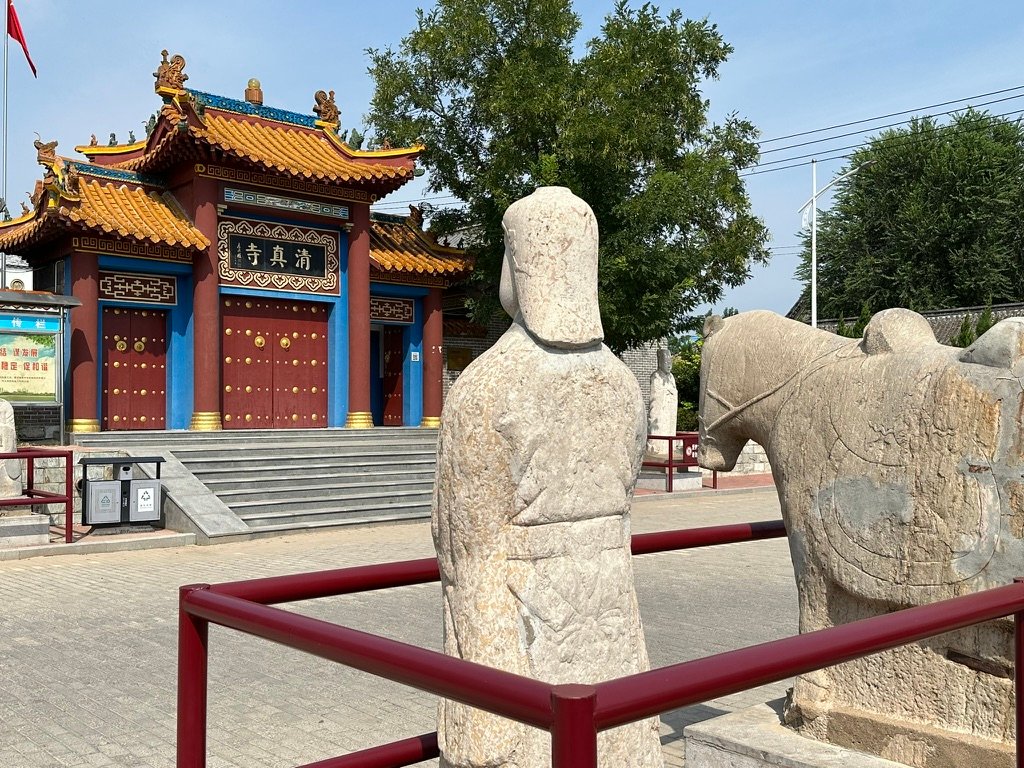
Now turn away from the canal.
And suddenly:
Southeast Asia
walks into our Shandong journey.
😂
In Dezhou is:
Sulu Royal Tomb (苏禄王墓, Sūlù Wáng Mù).
Beginner Chinese:
苏禄 — Sūlù
Sulu
王 — wáng
king
墓 — mù
tomb
So:
苏禄王墓
Sulu King’s Tomb / Sulu Royal Tomb.
🔥
And the obvious question is:
Why is a ruler from the Sulu world of maritime Southeast Asia buried in inland Shandong?
🐇🌏
Now the rabbit is running.
👑 1417 — Sulu Meets Ming China
During the reign of:
Yongle Emperor (永乐帝, Yǒnglè Dì)
of the:
Ming dynasty (明朝, Míng Cháo),
rulers from Sulu traveled to the Ming court in:
1417.
This was part of a much wider world of:
使节 — shǐjié
diplomatic envoys
使团 — shǐtuán
diplomatic missions
贸易 — màoyì
trade
and:
朝贡 — cháogòng
tributary presentation / tribute relationship.
🔥
But remember our Deep China guardrail:
朝贡 ≠ China directly ruled every polity that participated.
Different states had:
their own rulers
and:
their own interests.
Diplomatic relationships could combine:
ritual hierarchy,
political recognition,
gift exchange,
trade
and:
strategic interests.
Much more complicated than:
“China controlled everybody.”
🐇 Then the Story Becomes Human
One of the Sulu rulers died while returning from the Ming court.
He was buried in:
Dezhou.
😳
Suddenly:
外交 — wàijiāo
diplomacy
isn’t an abstract political-science word.
It has:
a tomb.
A person.
A journey.
A death.
A family story.
A physical place.
🔥
This is why Dad keeps taking Elaine to historical sites.
The place gives:
the abstract idea
something you can:
SEE.
🐇🌏 And Then Zheng He Sails Past
Now look at the date again.
Yongle period.
And another name becomes impossible to ignore:
Zheng He (郑和, Zhèng Hé).
Beginning in:
1405,
the great Ming voyages associated with Zheng He traveled through:
Southeast Asia,
South Asia
and:
the Indian Ocean world.
🔥
So our Dezhou rabbit becomes:
SULU 苏禄
↓
MING 明
↓
YONGLE 永乐
↓
ZHENG HE 郑和
↓
SOUTHEAST ASIA 东南亚
↓
INDIAN OCEAN.
🐇🌏
Our Shandong journey has just left China.
🌏 THE RABBIT ESCAPED CHINA!
😂🔥
This is becoming a recurring Deep China problem.
At:
Qufu
we followed:
Confucius 孔子
↓
Confucian traditions 儒家
↓
🐇🌏
Hanoi, Vietnam
where Dad & Elaine encountered:
Temple of Literature — Văn Miếu.
Ideas traveled:
OUT.
At:
Dezhou
we encounter:
Sulu
↓
Ming China
↓
a ruler traveling:
IN.
Then:
Zheng He
takes us:
OUT
again.
😂
So the historical pattern isn’t:
CHINA → WORLD
or:
WORLD → CHINA.
It’s:
WORLD ↔ CHINA.
🔥🔥🔥
🐇 And Buddhism Does Something Even Stranger
Remember another Deep China rabbit?
Buddhism (佛教, Fójiào)
originated in:
India (印度, Yìndù).
It traveled:
INTO China.
↓
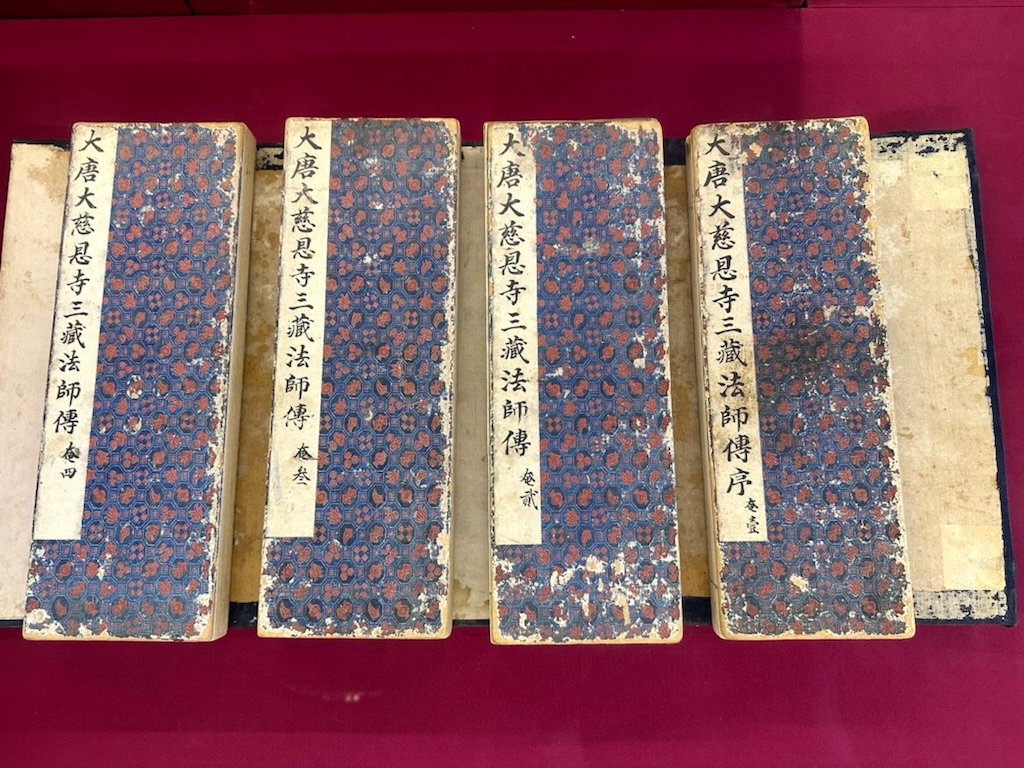
Texts were:
translated (翻译, fānyì).
↓
Buddhist traditions developed and changed within China.
↓
Then Buddhist texts, institutions and traditions traveled onward toward:
Korea
Japan
and:
Vietnam.
🐇🌏
So Buddhism gives us:
ENTER → ADAPT → TRANSFORM → ESCAPE.
😳
That’s a much better way to understand cultural exchange than:
“Country A influenced Country B.”
Ideas move.
People adapt them.
Then they move again.
China Wasn’t Sitting Behind a Wall
This may be one of the most important lessons of the entire Shandong journey.
First-time travelers often arrive with an image of historical China as:
a huge civilization behind the Great Wall.
But our Deep China travels keep breaking that picture.
The:
Great Wall
shows:
northern frontier interaction.
Chang’an shows:
overland Silk Road connections.
Dezhou gives us:
Sulu and Ming diplomacy.
Zheng He gives us:
maritime connections.
And our future trip to:
Quanzhou (泉州, Quánzhōu)
will eventually take us into:
Maritime Silk Roads (海上丝绸之路, Hǎishàng Sīchóu Zhīlù).
🐇🌏
Dad & Elaine haven’t followed that rabbit yet.
It’s waiting.
THE DEZHOU STING
You arrived thinking:
“Dezhou? What’s there?”
😂
Then:
大运河
↓
漕运
↓
Beijing
↓
state capacity
↓
苏禄王墓
↓
Ming
↓
Yongle
↓
diplomacy
↓
Zheng He
↓
Southeast Asia
↓
the maritime world.
😬
And suddenly Dezhou asks:
How did imperial China connect itself internally — and how did it interact with political worlds beyond its borders?
🔥
That’s a very big question hiding inside a lesser-known Shandong city.
Exactly our kind of place.
🍽️ Now Look Back at the Whole Shandong Menu
We started at:
💧 JINAN 济南
THE COAT RACK
Springs.
Museum.
Longshan.
Qi.
Lu.
Bamboo slips.
Questions everywhere.
↓
⛰️ MOUNT TAI 泰山
HEAVEN
天
天命
天子
封禅
↓
👨🏫 QUFU 曲阜
IDEAS → INSTITUTIONS
孔子
儒家
礼
education
government
↓
🏛️ LINZI 临淄
STATES → COMPETING IDEAS
齐国
战国
稷下学宫
百家争鸣
↓
🚢 DEZHOU 德州
EMPIRE → WORLD
大运河
漕运
苏禄王墓
郑和
↓
🐇🌏 THE WORLD
😳🔥
What Did Elaine Actually Learn?
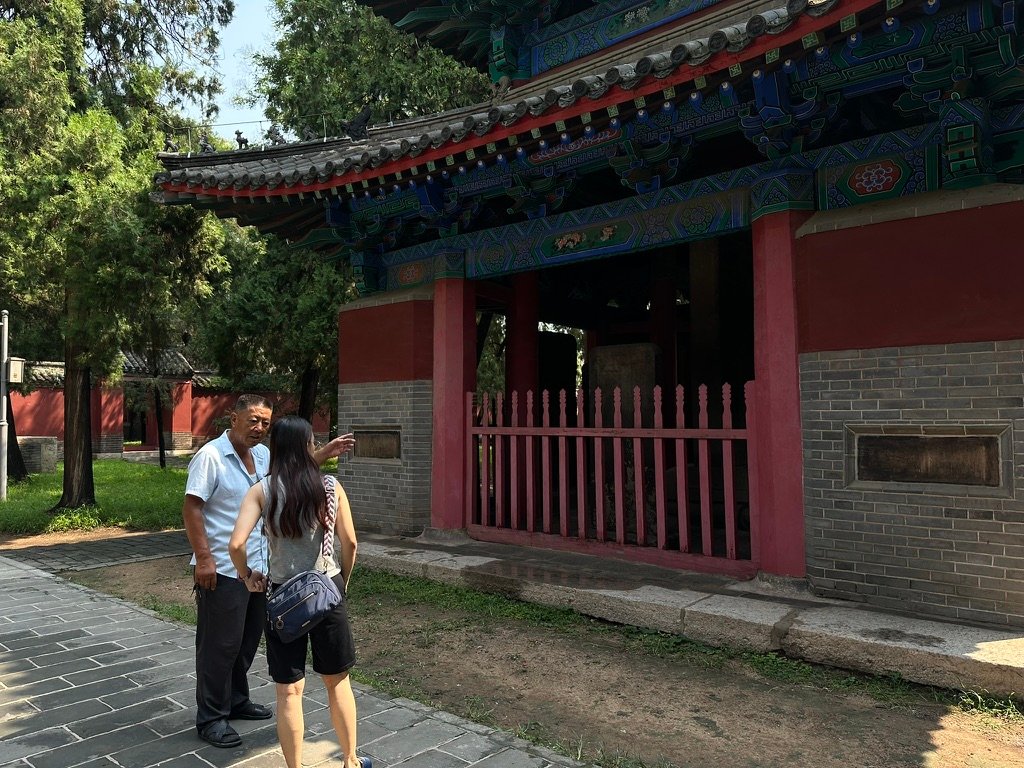
Not:
Shandong has five interesting destinations.
😂
She learned pieces of:
how Chinese history fits together.
The landscape matters.
Heaven matters.
Ideas matter.
Institutions matter.
Competing states matter.
Infrastructure matters.
Foreign relations matter.
And:
connections matter.
🔥
That’s the whole method.
Dad’s History Lesson Was Never Really About Memorizing Dynasties
Dad could give Elaine this:
Xia → Shang → Zhou → Qin → Han → Sui → Tang → Song → Yuan → Ming → Qing.
There.
Chinese history taught.
😭😂
Except:
not really.
Instead, Dad takes Elaine to:
the places.
Look at:
the object.
Read:
the characters.
Listen to:
the guide.
Ask:
why?
Then connect:
one place to another.
That’s how the coat rack grows.
Five Chinese Words for the Whole Journey
If you’re a Mandarin beginner, carry these five home:
泉 — quán
spring
Jinan
天 — tiān
Heaven
Mount Tai
礼 — lǐ
ritual / propriety
Qufu
国 — guó
state / country / polity
Linzi
运 — yùn
transport / movement
Dezhou / Grand Canal
🔥
Five characters.
Five destinations.
Five ways into Chinese history.
That’s enough for one trip.
😂
🍽️ Ready to Go Michelin?
Now comes the important part.
This Shandong journey has given you:
questions.
The Deep China Big Questions give you somewhere to take them.
🐇 From Mount Tai:
Why Does Chinese History Keep Talking About Heaven?
🐇 From Qufu:
How Did One Emperor Govern Such a Huge Country?
and:
Who Is “Chinese”? — When People Beyond the Frontier Became China’s Rulers
🐇 From Linzi:
What Did Qin Shi Huang Actually “Unify”?
and:
Qin Lasted Only 15 Years — So Why Did It Change China for More Than 2,000 Years?
🐇🌏 From Dezhou:
Was China Really Isolated Behind the Great Wall?
Because once you’ve seen:
苏禄王墓,
the answer:
“China stayed behind its walls.”
becomes rather difficult to maintain.
😂🔥
🐇 And Some Rabbits Are Still Waiting
This journey isn’t finished.
Dad & Elaine still plan to visit places we haven’t reached.
One of them is:
Quanzhou (泉州).
There we’ll eventually follow:
海上丝绸之路
Maritime Silk Roads
through:
ports,
merchants,
religions,
foreign communities
and:
the sea.
🐇🌏
We won’t write that story as though we’ve already been there.
We’ll go first.
Look.
Ask.
Bring back the photographs.
Then:
follow the rabbit.
ChinaTravelBUG’s Take
If you’ve finished Beijing and you’re asking:
“Where next?”
Dad has a suggestion.
Don’t choose the next destination only because:
it’s famous.
Choose somewhere that gives you:
another question.
🔥
Take the high-speed train into:
Shandong.
Start with:
Jinan.
Let the museum give you the coat rack.
Then:
climb Taishan.
meet Confucius in Qufu.
walk into the political world of Qi at Linzi.
follow the Grand Canal and Sulu story at Dezhou.
And somewhere along the way, Chinese history may stop looking like:
a list of dynasties.
It begins looking like:
a map of connections.
😳
That’s what Dad was trying to give Elaine.
And now:
you’re invited to learn the same way.
🐞🐇🔥
🐇 Where Does the Journey Go Next?
Our Shandong journey ends in:
Dezhou (德州, Dézhōu).
But the history doesn’t.
The:
Sulu Royal Tomb (苏禄王墓)
has already pointed us toward:
Ming diplomacy (明代外交),
Zheng He (郑和, Zhèng Hé),
Southeast Asia (东南亚)
and:
the maritime world.
🐇🌏
And another rabbit is waiting farther south.
🌊 NEXT JOURNEY: Quanzhou 泉州 and the Maritime Silk Roads
Dad & Elaine haven’t followed this rabbit yet.
But we plan to.
At:
Quanzhou (泉州, Quánzhōu),
we want to explore the historical world of:
海上丝绸之路
Hǎishàng Sīchóu Zhīlù
Maritime Silk Roads
— ports, merchants, ships, religions and communities that connected China’s coast with:
Southeast Asia,
South Asia
and:
the wider Indian Ocean world.
🔥
But Deep China has one rule:
GO FIRST. WRITE LATER.
So that article isn’t ready yet.
We’ll visit.
Look with our own eyes.
Read the signs.
Take the photographs.
Ask the questions.
And see:
which rabbit appears.
🐇🌏
🍽️ Meanwhile, Start With the First Plate
If you want to follow Dad & Elaine’s Shandong journey one place at a time:
START → Jinan 济南
Begin with the springs.
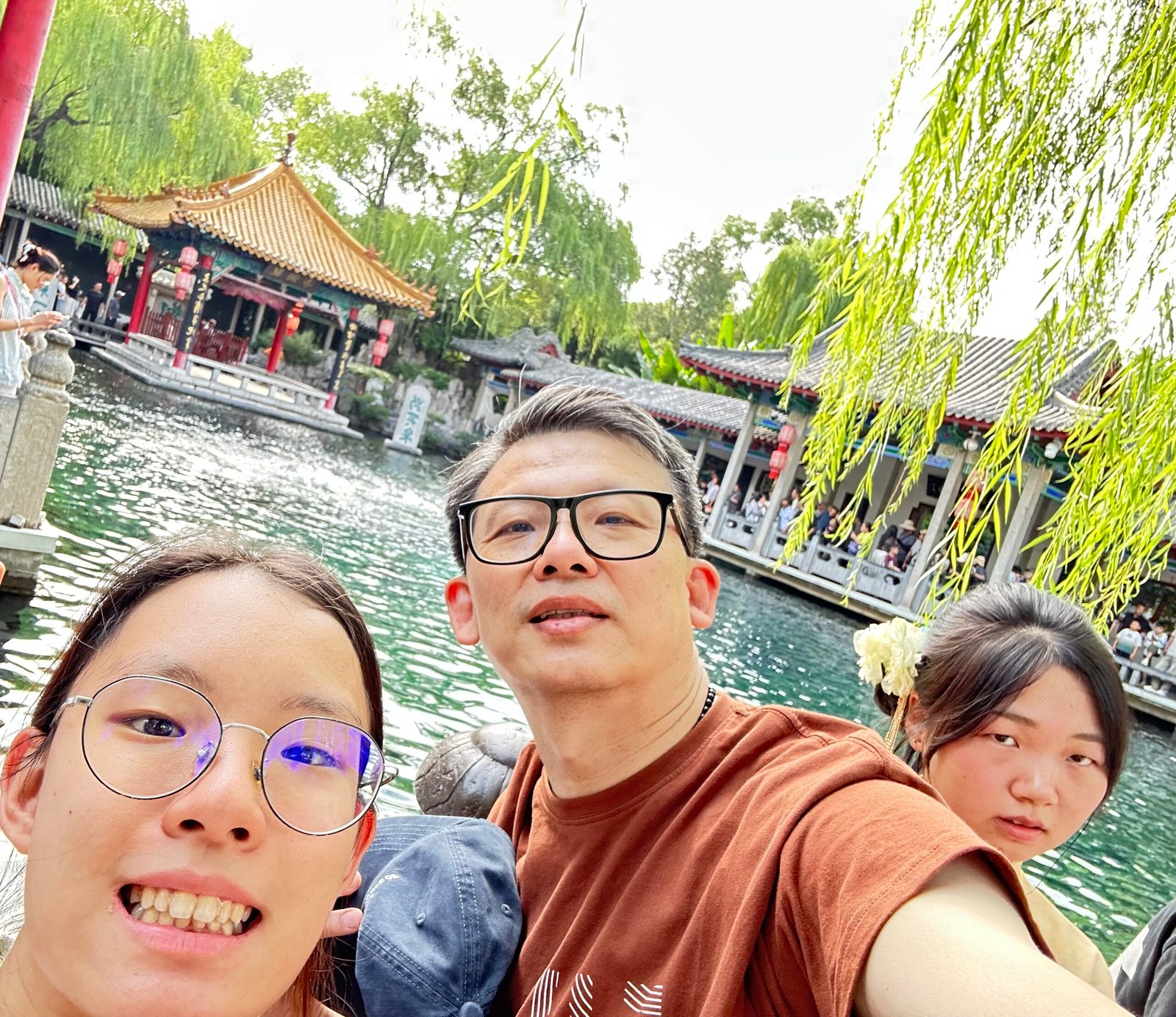
Then walk into:
Shandong Museum (山东博物馆).
Find your own:
值回票价
zhí huí piàojià
“This alone made the trip worthwhile”
moment.
Then follow whichever rabbit finds you.
🐞🐇🔥